
10 Benefits of Tiny Home Communities
Back to Tiny Homes By State
Picture tiny home communities as clusters of small, cozy homes tucked into a planned neighborhood. They share spaces like gardens, kitchens, and fire pits that spark easy chats with neighbors. It’s simple living with big rewards.
These setups suit first-time buyers stretched by high prices, retirees ready to downsize, remote workers chasing freedom, folks tired of clutter, and anyone craving real connections.
In 2026, they’re booming for good reason: lower bills, green designs, and tight-knit vibes that beat solo living. Stick around to discover 10 real-life benefits drawn from fresh trends and examples.
Save money now, and keep saving every month
Tiny home communities deliver real savings from day one. You skip the huge price tag of a standard house and cut monthly costs that add up fast. These setups let you own a home without draining your bank account, then keep more cash in your pocket each month. It’s a smart path to financial ease.

Photo by Ava Jung
Lower buy-in than a traditional house
You pay far less upfront for a spot in a tiny home community. Tiny homes run from $30,000 to $100,000, while traditional houses cost hundreds of thousands. That smaller size means a lower purchase price and often a smaller down payment.
Shared amenities sweeten the deal. Why buy a big yard, workshop, or guest room you rarely use? Communities offer gardens, tools, and gathering spots everyone shares. You avoid paying for space that sits empty most days. This keeps your initial costs low and frees cash for other goals.
Smaller bills, simpler maintenance
Life in a tiny home means lower utility bills right away. Heating and cooling take less energy in a compact space. Lighting and appliances use power on a smaller scale too. You notice the drop each month.
Maintenance stays simple with fewer rooms to fix. Less roof means fewer leaks or shingle swaps. You paint smaller walls and clean less square footage. Repairs happen less often, so stress drops. Tiny homes cut these chores and costs compared to a full-sized place.
Financial breathing room that changes your life
Those savings create space for what matters. Freeing up a few hundred dollars a month lets you tackle debt faster. Build an emergency fund that brings peace of mind.
Picture working fewer hours because bills don’t loom large. Save for that trip you’ve dreamed about. Start a side business with cash you once spent on upkeep. Or pour money into hobbies that light you up. In tiny home communities, this extra room shifts your whole routine toward freedom and joy.
Feel safer and less alone with built-in community
Tiny home communities turn neighbors into a ready support network. You skip the isolation of big houses or apartments where people stay hidden. Here, homes sit close, so chats happen naturally over fences or paths. This setup fights loneliness and adds a safety net you can count on. In 2026 trends, folks share skills and watch out for each other, much like family.
Friendly neighbors and real support
People in these spots look out for one another every day. You borrow a ladder from next door instead of buying one. Swap a plumbing tip for a gardening lesson. Small acts build trust fast.
Consider these common helps:
- Pet sitting: Your neighbor walks the dog while you run errands.
- Storm checks: They peek in during bad weather if you’re away.
- Produce shares: Extra tomatoes from the garden go to the community table.
Multi-family groups let relatives stay close for elder care. Events pull everyone together for laughs and advice. You gain real bonds that ease daily stress.
Shared spaces that make life bigger than the square footage
Why cram a full kitchen or yard into your tiny home? Communities offer spots everyone enjoys, so your private space stays compact.
Key shared perks include:
- Community gardens for fresh veggies.
- Fire pits for evening hangs.
- Clubhouses with kitchens and laundry.
- Extra storage and co-working rooms.
These cut costs and clutter. No need for your own washer when the communal one works fine. Rules and sign-up sheets keep things fair, so no one hogs the spots. Solar panels or tool libraries add green perks too. Your life feels roomier without the square footage.
More eyes around can improve day-to-day safety
Close homes and walkable paths mean neighbors spot odd activity quick. You feel secure knowing eyes watch the area, great for those living alone.
Kids play safer with adults nearby. Homes get checked during trips. In tough spots like storms, help arrives fast.
Still, safety ties to smart choices. Pick spots with good lighting and gates. Strong management sets clear rules. Cities ease zoning for these secure clusters now. You rest easier in a place built for watchfulness.
Live lighter with a smaller footprint and less waste
Tiny home communities make it easy to shrink your environmental impact without much effort. You live in compact spaces that use fewer resources overall. This setup cuts energy needs, curbs waste, and turns sharing into a daily habit. Folks in these spots often save 50 to 90 percent on energy bills compared to standard homes, thanks to smart designs and simple choices.
Use less energy to heat and cool
Smaller spaces hold heat or cool air better than big houses. Less square footage means less air to warm up in winter or chill down in summer. The walls and roof cover fewer square feet, so heat escapes slower too.
You keep costs low with basic upgrades that pack a punch. Good insulation seals gaps and traps temperature inside. Efficient mini-splits handle heating and cooling with far less power than central systems. Swap in LED lights to slash electricity on bulbs that run all day. Smart ventilation pulls in fresh air without wasting energy on constant fans.
In tiny home communities, shared solar panels or group geothermal setups spread the benefits. Your bill drops fast, and you help the planet at the same time.
Buy less, waste less, and declutter for good
Limited storage in a tiny home pushes you to shop smart. You think twice before grabbing that extra gadget or outfit. No room for “just in case” piles means you buy only what fits and serves a real purpose right now.
This shift cuts clutter that stresses you out. Picture a clear space where every item has a spot and a reason. Less stuff leads to less trash too; you toss fewer forgotten items. Communities boost this with group gardens that grow fresh food and trim food waste.
Over time, you build habits that stick. Mindful buying saves money and keeps landfills lighter.
Shared resources can reduce your overall impact
Why own a lawn mower when the whole community needs one? Tiny home communities pool tools, equipment, and spaces to avoid duplicates. You grab a drill from the shared shed instead of buying your own.
Here are some common shares that make a difference:
- Community gardens and compost bins: Grow veggies together and turn scraps into soil.
- Lawn tools and washers: One set serves dozens, cutting manufacturing needs.
- Ride shares or bikes: Fewer cars mean lower emissions for everyone.
These spots set up simple systems like sign-up apps or rotation schedules. Green habits become second nature because the tools sit right there. In places like Austin or Houston, new rules support these shares, making sustainable living feel effortless. Your footprint shrinks while life gets richer.
Get more freedom and flexibility in how you live
Tiny home communities give you room to breathe. You escape the grind of big-house upkeep and rigid locations. Instead, you gain control over your time and space. These spots let you focus on life, not logistics. With homes often on wheels or in flexible setups, you adapt fast to changes. Trends in 2026 show more people chasing this freedom, especially with remote work and easing rules in places like Texas.
A simpler daily routine with less to clean and manage
Smaller spaces cut your chores in half. You vacuum one room instead of five. Dusting takes minutes, not hours. No sprawling yard means you skip mowing or weeding battles. In tiny home communities, shared outdoor areas handle the big jobs, so you pitch in once a week at most.
This shift frees hours each day. Think about it: that time once lost to scrubbing goes to walks with your kids or a quick gym session. You rest better without the mental load of endless tasks. Folks report feeling lighter, with energy for hobbies or quiet evenings.
Here’s how it plays out in real spots:
- Cleaning: A 400-square-foot home cleans in 20 minutes. Use multi-purpose cleaners and stick to zones.
- Laundry: Smaller loads mean fewer trips to shared machines, often just twice a week.
- Repairs: Compact designs mean simple fixes, like a single faucet swap.
Quality of life jumps. You build stronger family ties over shared meals. Exercise fits easier into mornings. Sleep comes without worry about tomorrow’s list. It’s not lazy living; it’s smart living that puts you first.
The option to relocate when life changes
Many tiny homes roll on wheels, like trailers you tow behind a truck. A job offer in another state? Hook up and go. Family needs pull you closer? Move without selling a house. Remote work makes this even smoother; your office travels with you.
Sure, it costs money for towing and new lot fees, around $1,000 to $5,000 per move. Logistics matter too: permits, routes, and setup take planning. It’s not as simple as a suitcase, but far easier than listing a full home.
Communities in Texas highlight this perk. Village Farm in Austin lets renters test spots before buying. Houston-area parks like Majestic Hills welcome mobile homes for quick shifts. In 2026, more cities allow these moves, drawing young pros and retirees.
You gain options traditional owners lack. Try beach life in Galveston, then shift to mountains. Life changes don’t trap you. This mobility builds excitement; you chase sun or family without regret.
Downsize without giving up a great location
Tiny homes open doors to spots big houses can’t touch. High prices push standard buyers to suburbs, but these communities sit near city buzz, trails, or kin. You pick prime land because lots cost less.
Take Austin’s Village Farm: urban farms and green spaces right by the city. Or Galveston’s Delaney Heights, steps from beaches with rail access. Southwest agrihoods blend nature and resorts on affordable acres. Smaller footprints mean developers pack value into hot areas.
You live where your heart pulls, not your wallet dictates. Close to work cuts commutes. Nature trails replace distant drives. Family stays blocks away. In 2026, demand grows for these setups; 73% of folks eye tiny living for location wins.
Downsizing feels like upgrading. No more settling for far-off bargains. You claim the neighborhood you love, with lower costs to match. Freedom tastes sweet in a spot that fits your dreams.
A practical path to stable housing for more people
Tiny home communities open doors to reliable housing that fits tight budgets and changing lives. They cut the chaos of rising rents or evictions. People settle in without the weight of huge mortgages. Low entry costs and steady payments build a base for long-term security. You gain a spot to call home, whether you stay put or plan ahead.
A stepping stone to ownership, or a comfortable forever home
Tiny living suits many paths. Young buyers grab it as their first home. The low price tag lets you enter ownership without years of saving for a big down payment. Retirees downsize here to shed old houses and extra bills. Others pick it as a forever spot, content with simple spaces that match their needs.
Low costs ease housing stress right away. Monthly payments stay under $1,000 in many spots, far below average rents. Utilities and upkeep add little. Your budget turns predictable; no surprises from repairs or hikes. This freedom lets you save or invest without worry.
Think of it like a sturdy bridge. You cross from renting to owning, or rest there in peace. In places like Village Farms, folks start with lots and build equity over time. No rush to upgrade if it fits just right. You control the pace.
Designed for different life stages and needs
These communities adapt to your spot in life. Single-level tiny homes work great for older adults or anyone with mobility issues. Wide doors and ramps make daily moves easy. No stairs mean less strain on joints.
Support sits close too. Nearby clinics or shops cut travel for errands. Communities often link to services like meal delivery or wellness checks. Families spread out across generations here. Grandkids visit grandma’s home a short walk away, but everyone keeps private space.
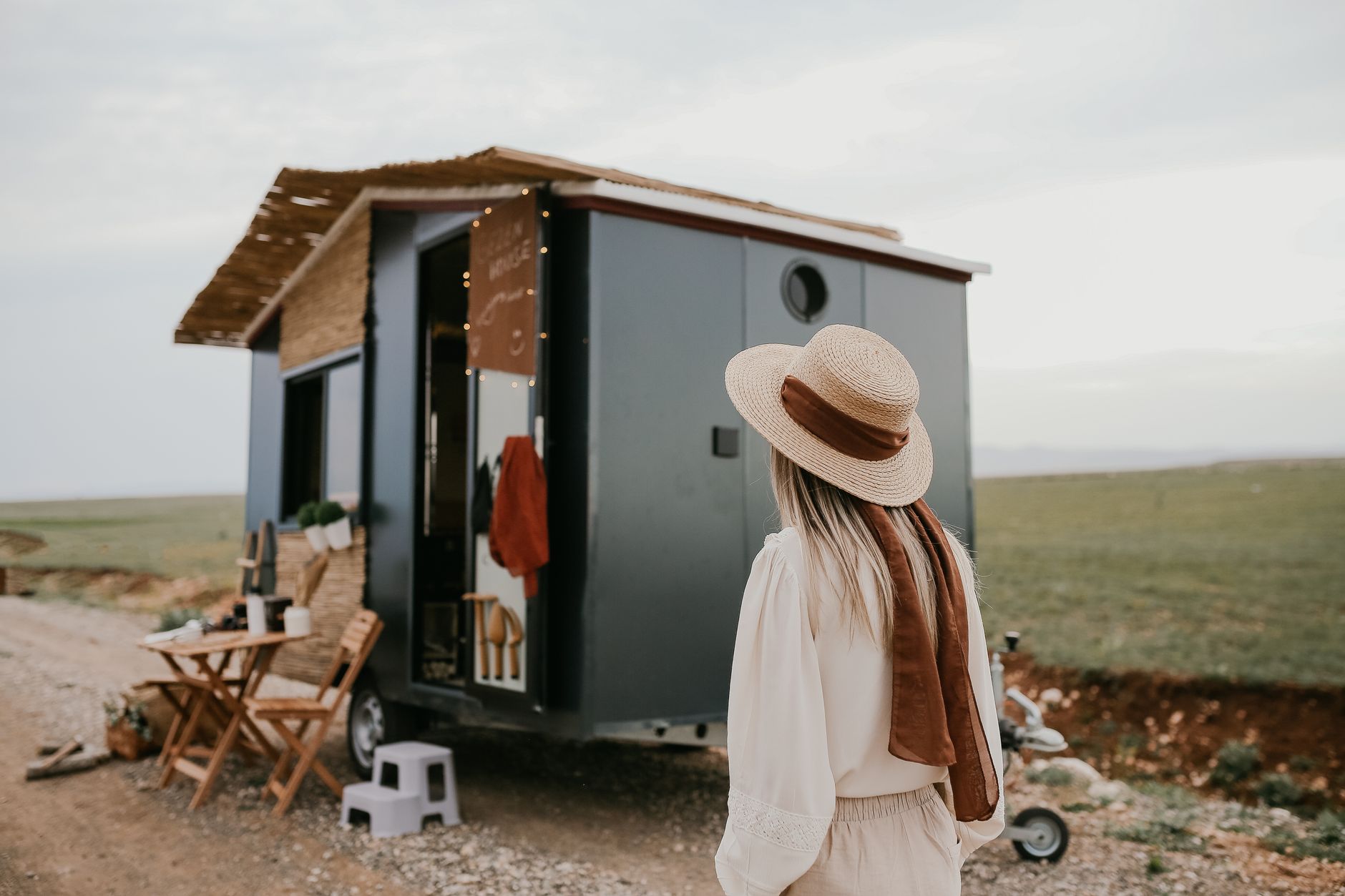
Photo by Melike B
Kids grow up with play areas and green spots. Empty nesters enjoy quiet patios. Remote workers set up desks that double as dining spots. Layouts flex for singles, couples, or small groups. You live how you need, not how a big house demands.
A community structure that helps people stay housed
Steady fees beat rental roulette. Fixed lot rents around $400 to $800 cover basics like water and trash. No mid-year jumps like in apartments. Shared upkeep splits yard work or fixes; you pitch in a few hours a month.
Clear rules keep peace. Quiet hours and chore rotations stop drama. This setup feels solid compared to landlord whims or move-outs. You plant roots without fear.
Some cities use tiny home villages in housing programs. In Detroit, Cass Community offers 25 homes for those rebuilding lives, with paths to own after rent terms. Little Rock plans a big village by 2026 for street homelessness. Tulsa and Waco add units too. These provide private spots with support, helping folks gain stability. Options vary by area, so check local spots.
Conclusion
Tiny home communities bring big wins like sharp money savings on buy-ins and bills, real financial freedom, strong connections with neighbors, shared amenities that expand your space, everyday safety from watchful eyes, a smaller footprint with less energy use, habits that cut waste, flexibility to move or downsize, and stable housing that fits any life stage.
Ready to see it for yourself? Visit a local community, ask about fees and rules, tour the shared spaces, chat with residents, and check zoning plus parking rules in your area.
The best housing choice fits your budget and daily life.
Back to Tiny Home Tips