Can You Get Insurance on a Tiny Home in 2026?

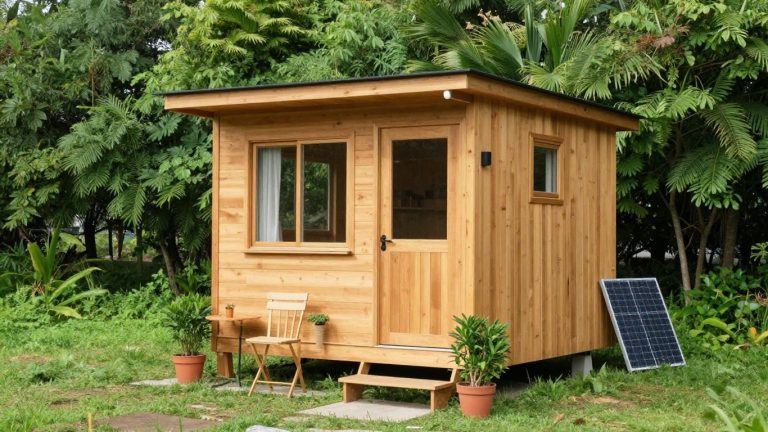
Wondering can you get insurance on a tiny home? The rise of tiny homes as an alternative living solution has taken the world by storm. With their small footprint, minimalistic appeal, and environmentally friendly design, tiny homes offer an affordable and sustainable way of living. Whether it’s a tiny home on wheels (THOW) or a stationary dwelling on a foundation, tiny homes allow people to downsize their lives while keeping all the comforts of home.
However, with tiny homes come unique challenges—one of the most important being insurance. The question many tiny home owners and prospective buyers face is: Can you get insurance on a tiny home? The answer is yes, but the options depend on various factors like the type of tiny home, its location, how it’s used, and whether it’s stationary or mobile.
In this blog post, I will explore whether tiny homes can be insured, the types of insurance available, what factors impact your insurance options, and why insurance is essential for tiny home ownership. Let’s dive in!
1. What is Tiny Home Insurance?
Tiny home insurance is a policy that covers the risks associated with owning or living in a tiny home. Like traditional home insurance, tiny home insurance typically protects your home from damage, theft, and liability, but it is tailored to meet the unique needs of tiny home owners. Since tiny homes are often mobile (on wheels) or have a smaller square footage than a traditional home, the insurance policy you choose must reflect these differences.
Tiny homes come in many forms: stationary homes built on a foundation, homes on wheels, or even homes that are mobile but not technically RVs. Depending on the type of tiny home you have, you may need different types of insurance to ensure adequate coverage. What type of insurance do tiny home need is often asked.
2. Can You Get Insurance on a Tiny Home?
Yes, you can get insurance on a tiny home. However, the specifics of that insurance depend on several factors, including whether the home is on wheels or on a foundation, whether it’s mobile or stationary, and the specific use of the tiny home. Let’s break down the options for tiny home insurance based on the type of home you own.
Tiny Home on Wheels (THOW) – Mobile Insurance
If you own a tiny home on wheels, also known as a Tiny Home on Wheels (THOW), you’ll need a specialized type of insurance. These homes are often treated as recreational vehicles (RVs) or mobile homes, which is why traditional homeowners’ insurance doesn’t always apply.
RV Insurance for Tiny Homes on Wheels
For THOW owners, RV insurance is the most common type of insurance. It covers a wide range of risks that are unique to mobile homes, such as travel, accidents, and temporary parking. Many insurance providers offer policies for tiny homes on wheels, but you’ll need to find a provider that understands the specifics of tiny homes.
Coverage typically includes:
- Liability Coverage: Protects you if your tiny home causes damage to another vehicle or property while you’re on the road or parked. It also covers injuries that occur on your property.
- Comprehensive Coverage: This protects your tiny home in case of theft, fire, vandalism, or natural disasters while the home is parked or on the move.
- Collision Coverage: Covers the costs of repairs to your tiny home if it’s involved in a collision.
- Personal Property Coverage: Protects your personal belongings inside your tiny home, like furniture, clothing, electronics, and other valuables.
It’s important to understand that RV insurance will typically only cover your tiny home while it’s being towed or parked in an RV park. If your tiny home is stationary for an extended period, you may need to look into other types of coverage.
Stationary Tiny Home – Homeowners Insurance
For tiny homes that are stationary and built on a foundation (similar to traditional homes), homeowners insurance is usually the best option. Homeowners insurance for tiny homes typically provides coverage for the structure of the home, personal belongings inside, and liability protection.
While homeowners insurance for tiny homes is similar to that of a regular home, there are some important things to consider. Not all insurers provide homeowners insurance for tiny homes, and you may need to find a specialized provider that offers coverage for homes of this size. However, if your tiny home is on a permanent foundation, it’s generally treated like any other home, and most traditional insurers will offer coverage options.
Coverage typically includes:
- Dwelling Coverage: Protects the structure of your tiny home from damage caused by fire, storms, vandalism, or other risks.
- Personal Property: Covers your belongings inside the tiny home, including clothing, furniture, electronics, and valuables.
- Liability Protection: Helps pay for legal fees, medical bills, and damages if someone is injured on your property or if you cause property damage to someone else.
- Loss of Use: Pays for temporary living expenses if your tiny home becomes uninhabitable due to a covered event, such as fire or a storm.
Some states or municipalities may have different requirements for tiny home insurance, and in some cases, it may not be legally required to have homeowners insurance. However, if you’re financing your tiny home or if you live in an area with high-risk factors (like flood zones or extreme weather), insurance will be crucial.
Specialized Tiny Home Insurance Policies
In addition to homeowners insurance and RV insurance, some companies offer specialized tiny home insurance policies designed to cover both the mobility and the unique size of tiny homes. This type of insurance is tailored specifically to tiny home owners and can offer a combination of coverage for the structure of the home, personal property, and liability protection.
Specialized tiny home insurance is a hybrid between RV and homeowners insurance, offering the flexibility of mobile insurance with the security of traditional homeowners coverage. This option is ideal for tiny homes that may travel from place to place but are also placed on a foundation for extended periods.
Coverage typically includes:
- Mobile and Stationary Coverage: Covers both stationary and mobile situations, offering flexibility if you travel frequently or move your tiny home often.
- Personal Property Protection: Coverage for your belongings, both while traveling and while parked.
- Liability: Protects you if someone gets hurt on your property, whether you are stationary or on the go.
- Storage Coverage: Some policies may include protection for when your tiny home is being stored temporarily, whether you’re moving or simply not living in it for a while.
While this option is less common than traditional RV or homeowners insurance, it’s growing in availability as the tiny home market expands. It’s a great option for those who want comprehensive coverage regardless of their tiny home’s location.
3. Factors That Impact Tiny Home Insurance Availability
While it is possible to get insurance for a tiny home, several factors will influence the availability and cost of that insurance. Understanding these factors can help you make informed decisions about your insurance coverage.
Location
Your geographic location plays a significant role in determining the availability and type of insurance for your tiny home. For example, if you live in an area prone to natural disasters, such as hurricanes, wildfires, or flooding, your insurance premiums may be higher to reflect the increased risk.
Some local governments or zoning laws might also impact your ability to insure a tiny home. For instance, certain areas may have restrictions on where tiny homes can be parked or may not recognize tiny homes as permanent residences, making it difficult to secure traditional insurance.
If you live in an area where tiny homes are becoming more common (e.g., tiny home communities or eco-villages), you may have more options for insurance. On the other hand, in rural or less-developed areas, you might face more challenges finding a provider.
Financing
If you financed the purchase of your tiny home, your lender would likely require you to have insurance in place as a condition of your loan. Lenders want to protect their investment in case something happens to your tiny home.
For tiny homes on wheels, the lender might require RV insurance to cover the risks associated with traveling or moving your home. If you have a stationary tiny home, the lender will probably ask for homeowners insurance. Keep in mind that the coverage amount and premium will depend on the value of the tiny home and its contents.
Type of Tiny Home
As discussed, the type of tiny home you own (mobile or stationary) plays a critical role in determining the type of insurance you need. Tiny homes on wheels are generally considered RVs or trailers for insurance purposes, while stationary tiny homes are typically covered under homeowners insurance policies.
If your tiny home is a unique hybrid or custom-built structure, you may need a specialized insurance policy. Custom-built homes may require additional appraisals and assessments to determine their value, which could influence your insurance premium.
4. Why Do You Need Insurance for a Tiny Home?
Even though tiny home insurance may not always be legally required, there are several important reasons to get insurance for your tiny home, whether it’s on wheels or a foundation. Let’s explore the most compelling reasons:
Protection Against Damage or Loss
Tiny homes, like any other home, are vulnerable to damage from accidents, weather events, fire, theft, and vandalism. Without insurance, you would be financially responsible for repairing or replacing your tiny home in the event of damage. Whether it’s a fire or a tree falling on your home during a storm, insurance provides the financial support you need to restore your tiny home.
Liability Protection
Accidents happen, and tiny home owners can be held liable if someone is injured on their property or if their home causes damage to other property. For example, if someone is injured by tripping over something on your porch, or if your tiny home accidentally damages another property, liability insurance can help cover medical costs, legal fees, and other associated expenses.
Personal Property Coverage
Living in a tiny home doesn’t mean you don’t have valuable belongings inside it. Insurance protects your personal property, such as electronics, furniture, clothing, and other valuables, from damage or theft. If you’re traveling or moving with your tiny home, this coverage is especially important to protect the items inside.
Peace of Mind
Ultimately, insurance provides peace of mind. Tiny home ownership can be unpredictable, especially if you’re on the move with a tiny home on wheels. Knowing that you are covered against the financial implications of accidents, damage, and liability lets you enjoy your tiny home lifestyle with confidence and security.
5. How to Get Insurance for Your Tiny Home
Getting insurance for your tiny home typically involves the following steps:
Research Insurance Providers
Start by researching companies that offer tiny home insurance, including those that specialize in RV or mobile home coverage. Make sure to compare premiums, coverage limits, and policy options to find the best deal for your needs.
Get a Home Appraisal
Some insurers may require an appraisal or valuation of your tiny home to determine its worth and assess the coverage amount. For custom-built homes or those with specialized features, this step may be crucial.
Choose Your Coverage Type
Decide whether you need mobile insurance (RV coverage) or stationary homeowners insurance. You can also inquire about specialized tiny home insurance policies if you need a combination of both types of coverage.
Purchase Your Policy
Once you’ve chosen the right insurance provider and coverage options, it’s time to purchase your policy. Be sure to review the terms carefully, and keep a copy of the policy in a safe place for reference.
Conclusion
Yes, you can absolutely get insurance for your tiny home. Whether you have a tiny home on wheels or a stationary tiny home, various insurance options are available to protect your investment and give you peace of mind. The type of insurance you need will depend on factors such as your home’s mobility, whether it’s financed, and your geographical location.
Even if insurance is not legally required in your area, it’s a wise decision to ensure that your tiny home is protected against damage, loss, and liability. With the right coverage, you can enjoy the freedom and simplicity that comes with tiny home living without worrying about the financial consequences of accidents or disasters.
If you’re considering living in a tiny home or are already a tiny home owner, taking the time to explore insurance options is an essential step to secure your home and your peace of mind.
Explore more tiny home living, design, downsizing, building, and lifestyle resources.
- Small Septic System for Tiny House: Types, Costs, Rules
- Tiny Home Grey Water System: Reuse Water Legally
- Composting Toilets for Tiny Homes: Best Picks Compared
- How to Install a Septic System for a Tiny House
- Septic Tank for Tiny House: What Size You Really Need
- Tiny House Septic System Cost: What You’ll Really Pay