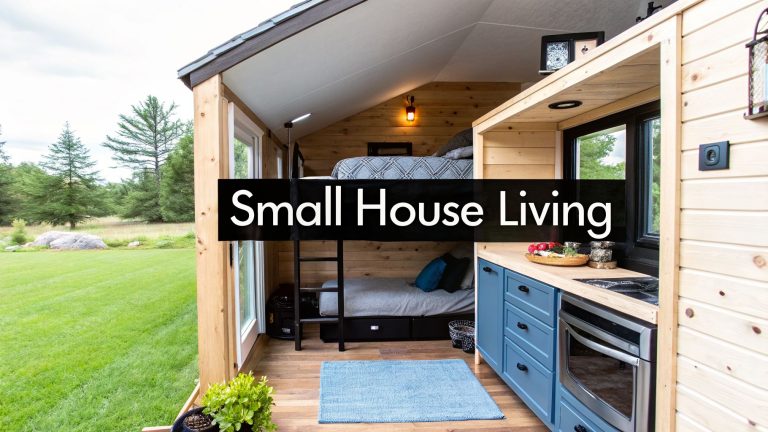
Can You Park a Tiny Home on Your Property? A Comprehensive Guide to US Regulations

Thinking about parking a tiny home on your property? It sounds simple, right? Just find a spot and settle in. But the reality is, it’s not quite that easy. There’s a whole bunch of rules and regulations you need to figure out first. This guide is here to help you understand all the ins and outs, so you can find a legal and comfortable place for your tiny house without any headaches. We’ll cover where you can park, what kind of rules you’ll run into, and how to actually get permission.
Key Takeaways
- Zoning laws are the biggest hurdle when figuring out can you park a tiny home on your property. These rules change a lot depending on where you are, from the state all the way down to the county.
- Tiny homes on wheels (THOWs) are often treated like RVs, meaning they might need to be in RV parks or special tiny home communities. Homes on foundations might have different rules, sometimes fitting into Accessory Dwelling Unit (ADU) categories.
- RV parks, campgrounds, and dedicated tiny home communities are common places to park, often providing hookups and shared facilities. These spots usually have their own rules you’ll need to follow.
- Finding a spot on private property is possible, but it usually means getting permission from the landowner. This could be someone you know, or you might find opportunities through online listings or local groups.
- Before you park, you’ll likely need to verify zoning, get building permits if required, and sort out utility connections. Skipping these steps can lead to big problems down the road.
Understanding Tiny House Zoning Laws
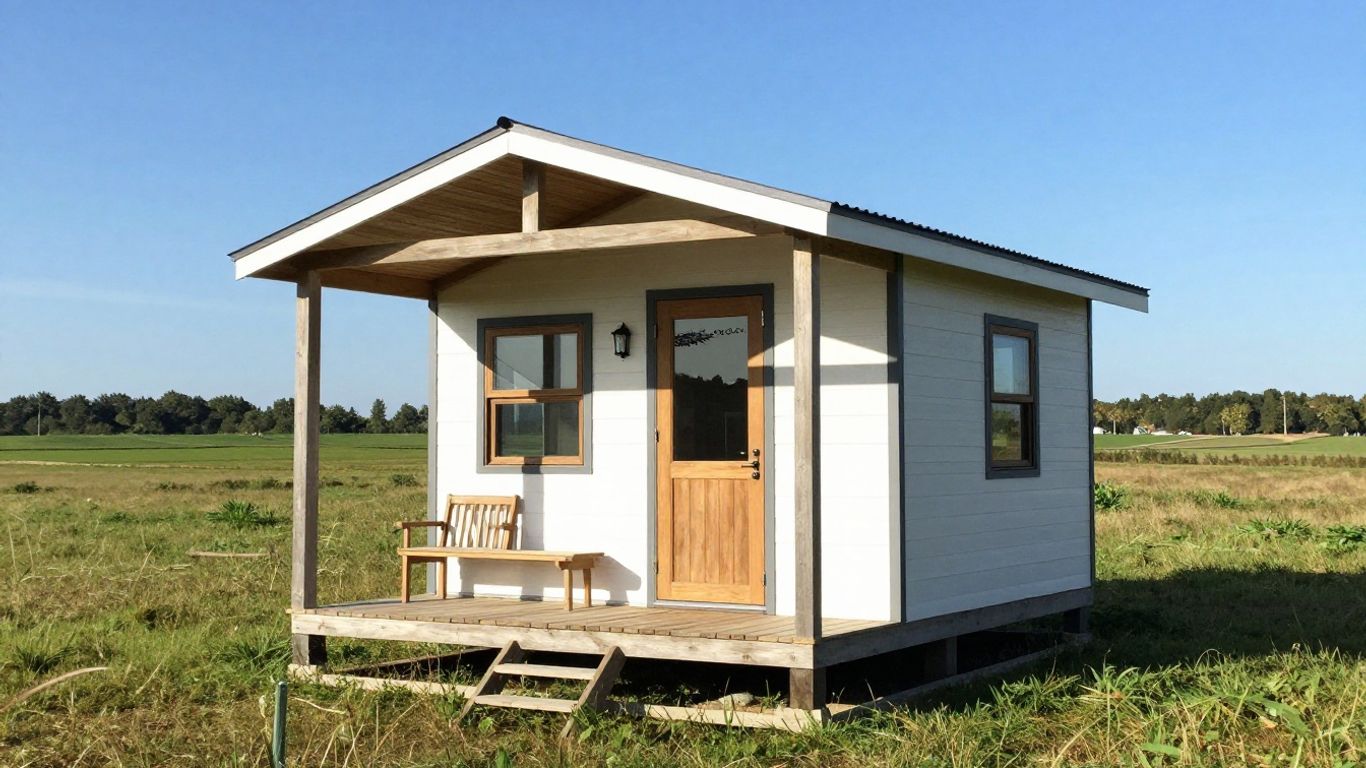
So, you’re thinking about going tiny, huh? That’s awesome! But before you start dreaming about your cute little abode, we’ve gotta talk about the nitty-gritty: zoning laws. Honestly, this is probably the biggest hurdle for most people wanting to live small. It’s not that tiny homes are illegal, not at all, but figuring out where you can legally park or build one can feel like a maze. Builders are getting pretty good at working with cities to make this happen, though.
Foundation-Built vs. Tiny Homes on Wheels
This is a big one. Tiny houses generally fall into two camps: those built on a permanent foundation and those on wheels (often called THOWs). The rules for each can be wildly different. Foundation-built homes, especially those between 120 and 400 square feet, might be able to use something called Appendix Q of the International Residential Code, if your local area has adopted it. This appendix gives specific guidelines for smaller homes. THOWs, on the other hand, are often treated like RVs or mobile homes, which can mean more restrictions on where you can park them long-term. It really changes how and where you can live, and even how your home is taxed.
Accessory Dwelling Units (ADUs)
An ADU, or Accessory Dwelling Unit, is basically a second, smaller living space on a property that already has a main house. Think of a backyard cottage or a basement apartment. A lot of towns and cities are starting to allow tiny homes to be built as ADUs. This can be a really clear and legal way to place your tiny home, especially if you want it on a friend’s or family member’s property. The rules for ADUs usually cover things like maximum size, how far the unit needs to be from property lines (setbacks), and whether the owner has to live on the property. California, for example, has some pretty good laws about ADUs that make it easier for tiny homes.
Minimum Dwelling Size Requirements
This is where things can get tricky. Many places have rules about the smallest size a house can be, sometimes requiring 400, 600, or even 1,000 square feet. These rules were made long before tiny homes were a popular idea, and they can effectively block you from building or parking a tiny house. The good news is that this is changing! More and more places are realizing that smaller homes are a valid option, and some states have even stepped in to stop local towns from enforcing super strict minimum size rules. It’s definitely something you’ll need to check for your specific area.
Always double-check with your local planning and building departments. Zoning laws can change, and what was true last year might not be true today. It’s better to be safe than sorry and avoid costly mistakes down the road.
Where Can You Park a Tiny Home?
So, you’ve got a tiny house, or you’re dreaming of one. Awesome! But then comes the big question: where do you actually park this thing? It’s not quite as simple as finding a regular parking spot. Lots of places have rules, and you can’t just pull up and set up shop anywhere. Let’s break down the common spots people use.
RV Parks and Campgrounds
This is a pretty popular option, especially if your tiny home is built on wheels. Many RV parks and campgrounds are opening their doors to tiny houses, as long as they meet certain size and setup requirements. Think of it as a ready-made community with hookups for water and electricity. Plus, you often get access to shared facilities like laundry rooms or even pools. It’s a good way to get set up quickly and be around other people who are also into this lifestyle. Some places even offer discounts for longer stays, which is a nice bonus. You can find many of these spots by checking out resources like RV park directories.
Private Property
This is where things can get a bit more personal. Parking on private property usually means you’ve either got a friend or family member with some extra land, or you’re renting a spot from a landowner. It can offer more privacy than an RV park, and sometimes you can even negotiate terms that work for both of you. It’s a good idea to have a clear agreement in writing, though, just to avoid any misunderstandings down the road. Sometimes, people will even list spots on sites like Craigslist or local Facebook groups, so it’s worth keeping an eye out there.
Tiny Home Communities
These are becoming more common and are specifically designed for tiny house living. Imagine a neighborhood where everyone is in a tiny home! It’s a great way to find a built-in community of like-minded folks. These communities often have shared resources and a focus on sustainable living. They can be a fantastic option if you’re looking for a sense of belonging and a place where tiny homes are not just tolerated, but celebrated. It’s a growing trend, so more of these are popping up all the time.
Navigating State and Local Regulations
So, you’ve got this dream of living tiny, which is awesome. But before you start sketching floor plans or hunting for that perfect spot, we really need to talk about the nitty-gritty: state and local rules. It’s not exactly a walk in the park, and honestly, it can get pretty confusing.
Tiny House Friendly States
While the tiny house movement is growing, not every state is on the same page. Some places have really leaned into it, making it easier to set up shop. States like Texas, Oregon, and California have been making strides, often by allowing Accessory Dwelling Units (ADUs) or adopting specific building codes that make tiny homes more feasible. For instance, California has statewide ADU laws that pretty much require all towns to allow them. Texas, on the other hand, offers a lot of flexibility, especially in areas not within city limits. It’s worth looking into which states have more welcoming policies, as this can make a huge difference in where you can legally park your tiny home.
County-Specific Zoning Ordinances
Even within a "tiny house friendly" state, things can change dramatically from one county to the next. Seriously, don’t assume that because one town in a state is cool with tiny homes, the next county over will be too. You’ve got to do your homework on a county-by-county basis. Some counties might have strict minimum square footage rules that a tiny home just won’t meet, while others might classify tiny houses on wheels (THOWs) as RVs and only allow them in designated RV parks. It’s a real patchwork quilt of rules out there.
Always, always, always check with the local planning and zoning department. They are the ultimate source of truth for what you can and cannot do on a specific piece of land. Don’t rely on hearsay or outdated online information; regulations change, and getting it wrong can be costly.
Building Codes and Certifications
Beyond just where you can park, there are rules about how your tiny home is built. Many places require that tiny homes meet certain building codes. If your tiny home is on a foundation, it might fall under the International Residential Code (IRC), especially if your area has adopted Appendix Q, which is specifically designed for tiny homes between 120 and 400 square feet. For tiny houses on wheels (THOWs), it gets a bit trickier. They are often treated like RVs, and you might need certification from organizations like the RV Industry Association (RVIA) or the National Organization of Alternative Housing (NOAH). This certification shows that your home meets safety standards for electrical, plumbing, and construction. Getting the right building permits is a key step in this process.
Here’s a quick rundown of what to look for:
- Foundation Homes: Often regulated under standard building codes, potentially using IRC Appendix Q if adopted locally.
- Tiny Homes on Wheels (THOWs): Frequently classified as RVs, requiring compliance with RV standards and potentially needing RVIA certification.
- ADUs: Regulations vary widely, but they often have their own set of rules regarding size, placement, and utility hookups.
It’s a lot to take in, I know. But getting a handle on these state and local regulations is probably the most important step you’ll take before you even think about buying land or building your tiny dream.
Finding a Legal Parking Spot
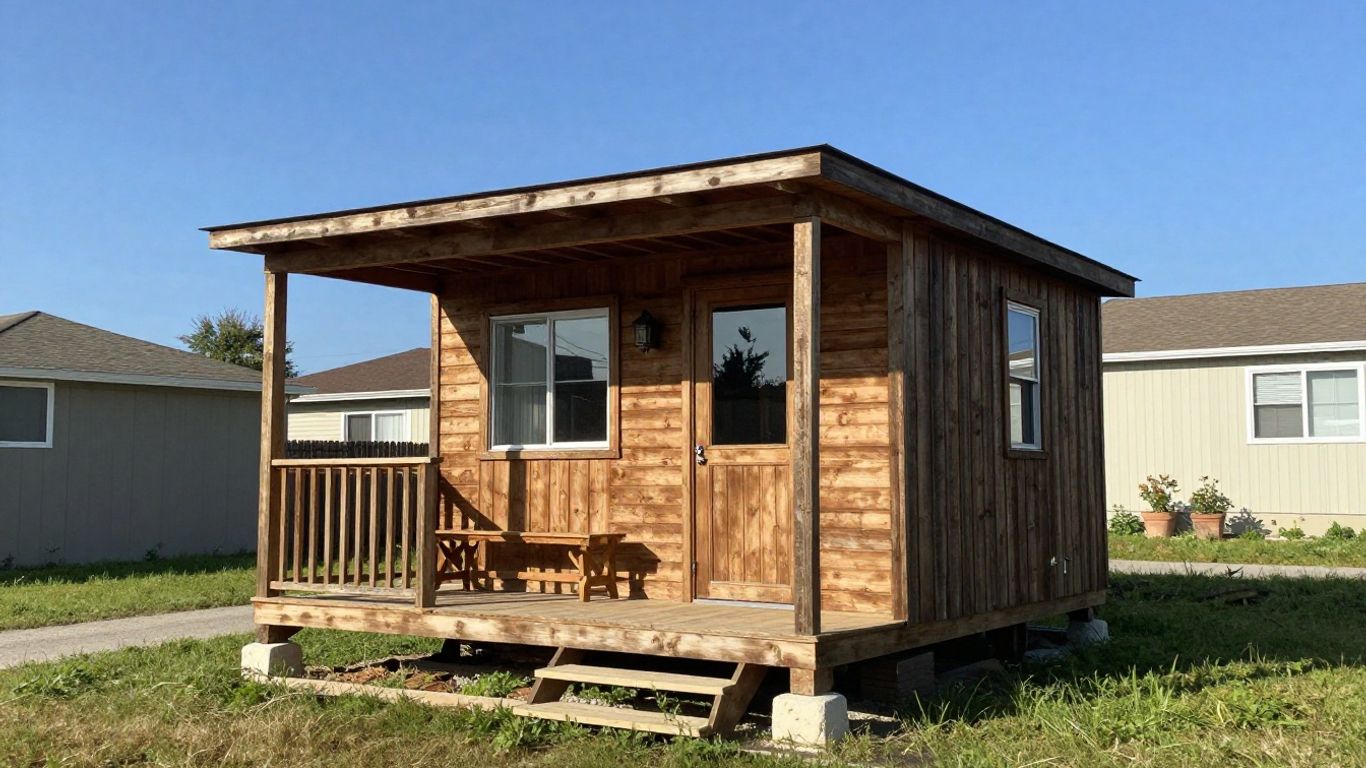
So, you’ve got your tiny house, or you’re dreaming of one, and now comes the big question: where do you actually park it? It’s not as simple as just pulling over to the side of the road, unfortunately. Zoning laws and local rules can be a real headache, but don’t worry, there are definitely ways to find a legal place to set up your home. It just takes a bit of digging.
Online Resources and Directories
First off, the internet is your friend here. There are a bunch of websites and online maps out there specifically for tiny home folks looking for a place to park. Think of them like a classifieds section, but just for tiny house spots. Some sites even have listings from people who are building tiny homes and are looking for others to join them, or communities that rent out land. It’s a good starting point to see what’s out there in different areas. You might find a map showing available spots or forums where people share leads.
Local Facebook Groups and Subreddits
Don’t underestimate the power of social media. Local Facebook groups for towns or regions can be surprisingly helpful. People often post about available land or rooms for rent, and sometimes that includes spots for tiny homes. Just search for the area you’re interested in and join the groups. Make a post introducing yourself and your tiny house, and clearly state what you’re looking for. Similarly, Reddit has tons of local subreddits. Search for communities in your desired location and ask around. You’d be surprised how many people are willing to share information or even offer up a spot on their property.
Direct Outreach to Property Owners
Sometimes, the best way to find a spot is to just ask. If you see a piece of land that looks promising, or if you know someone who owns property, consider reaching out directly. This could be anything from a friend or family member with some extra land to a local farmer or business owner. Building a good relationship with property owners can open up a lot of possibilities. It might feel a little awkward at first, but many people are open to the idea, especially if you’re offering to pay rent or help out in some way. It’s a more personal approach that can sometimes lead to the best arrangements.
Finding a legal parking spot often involves a mix of online searching, community engagement, and direct communication. Don’t get discouraged if your first few attempts don’t pan out. Persistence is key, and understanding the local regulations for your specific area will always be the first step before you even start looking.
Permitting and Approval Processes
So, you’ve found a spot and you’re ready to make it official. Getting the green light to park your tiny home often involves a few hoops to jump through, and honestly, it can feel a bit like a scavenger hunt sometimes. The exact steps really depend on where you are and whether your tiny home is on wheels or a foundation.
Zoning Verification
Before anything else, you absolutely need to confirm that your chosen location actually allows for a tiny home. This means checking with the local planning or zoning department. They’ll tell you if your property is zoned for residential use, if accessory dwelling units (ADUs) are permitted, or if it’s designated for RVs. Don’t skip this step; it’s the most important one. You don’t want to buy land or start building only to find out it’s not allowed.
Building Permit Application
If your tiny home is going on a permanent foundation, you’ll likely need a building permit, just like any other house. This involves submitting detailed plans to your local building department. These plans need to show how your tiny home meets all the relevant building codes – think electrical, plumbing, structural integrity, and safety features. For tiny homes on wheels (THOWs) parked in RV parks or designated communities, the process might be simpler, often requiring proof of certification (like RVIA or NOAH) rather than a full building permit.
Utility Connections and Inspections
Once your plans are approved and you’ve got your permit, you’ll need to arrange for utilities. This could mean hooking up to city water and sewer, or setting up a septic system and well. Electrical connections also need to be done by a licensed professional. Throughout the building or placement process, you’ll have inspections. Building inspectors will come out at various stages to make sure everything is being built according to code. You’ll need to pass these inspections to get final approval. It’s a good idea to have a list of required inspections ready so you can schedule them proactively.
Getting all your permits and approvals in order can take time. It’s wise to start this process early and be prepared for potential delays. Patience and clear communication with local officials are key to a smoother experience.
Temporary vs. Permanent Tiny Home Placement
So, you’ve got your tiny home, and you’re wondering where it can hang out long-term versus just for a little while. It’s a big question, and the answer really depends on what you want to do with your tiny house and where you’re looking to park it.
Short-Term Stays in National Parks
Thinking about a scenic getaway? National parks and many public campgrounds are often options for short-term stays, especially if your tiny home is certified as an RV (think RVIA certification). It’s a fantastic way to explore different parts of the country. However, don’t plan on setting up permanent roots here. Most of these places have time limits, so they’re best for vacations or temporary visits, not for full-time living. It’s like a really cool, mobile hotel room with a view!
Full-Time Living on Private Land
This is where things get a bit more involved, but also where you can really make your tiny home your own. Parking your tiny house permanently on private land often means treating it more like a traditional dwelling. This could involve placing it on a foundation or ensuring it meets local codes for long-term occupancy. Many areas are starting to allow tiny homes as Accessory Dwelling Units (ADUs) on existing properties, which is a great legal pathway. You might also find dedicated tiny home communities that are designed for permanent residents. The key here is understanding and complying with local zoning ordinances, which can vary wildly from one town to the next.
Seasonal or Vacation Home Use
This category is kind of a sweet spot between the two. If your tiny home is more of a weekend escape, a hunting cabin, or a summer retreat, you might have more flexibility. Some areas allow temporary dwellings on land zoned for agricultural use, for instance. This can be a peaceful way to live, especially if you enjoy being closer to nature. It’s also a good option if you don’t need to live in your tiny home year-round. You’re essentially using it as a vacation spot, which often comes with fewer restrictions than full-time, permanent residency.
So, Where Can You Park Your Tiny Home?
Alright, so parking a tiny house isn’t quite as simple as just pulling over anywhere. We’ve seen that local rules, zoning laws, and even what kind of tiny house you have really matter. Whether you’re looking at RV parks, private land, or dedicated tiny home communities, doing your homework beforehand is key. It might take some digging, but finding a legal and comfortable spot for your tiny home is definitely doable. With a little research and understanding of the regulations, you can get set up and start enjoying that simplified lifestyle.
Frequently Asked Questions
Can I park my tiny house anywhere I want?
No, you can’t just park your tiny house anywhere. You need to follow local zoning rules and get permission. Different places have different rules about where tiny homes can be parked, whether it’s on private land, in an RV park, or in a special tiny home community.
What are the best places to park a tiny house?
Good options include RV parks and campgrounds, which often have hookups for water and electricity. You can also park on private property if you have permission from the owner, or join a tiny home community where others live in small houses too. These communities are becoming more popular and can be a fun way to live.
Are tiny houses on wheels (THOWs) treated differently than tiny houses on foundations?
Yes, they often are. Tiny houses on wheels are usually seen as RVs, which can mean stricter rules about where you can park them. Tiny houses built on a foundation are more likely to be treated like regular houses and might need to follow different building codes.
What is an ADU and how does it relate to tiny homes?
ADU stands for Accessory Dwelling Unit. It’s a smaller, separate home on the same property as a main house. Many cities now allow tiny homes to be built as ADUs, which provides a legal way to place them on a property. The rules for ADUs can differ a lot depending on the city.
Do I need special permission or permits to park my tiny house?
Usually, yes. You’ll likely need to check zoning laws to make sure your chosen spot is allowed. Depending on the location and type of tiny house, you might need a building permit, and you’ll definitely need to figure out how to connect to utilities like water and power. Inspections are often part of the process too.
How can I find a place to park my tiny house if I’m having trouble?
You can look online for directories of tiny home communities or RV parks. Sometimes, people post on local Facebook groups or Reddit forums asking for parking spots. You could also try contacting property owners directly with a flyer explaining who you are and what you need. Asking friends and family if they have land is another good idea.
Explore more tiny home living, design, downsizing, building, and lifestyle resources.
- Kansas HOA Laws Review
- How Much Does Tiny Home Insurance Cost? A Realistic Guide to Premiums
- EcoFlow Delta 3 Pro vs Jackery Explorer 5000 Plus Compared
- Small Septic System for Tiny House: Types, Costs, Rules
- Tiny Home Grey Water System: Reuse Water Legally
- Composting Toilets for Tiny Homes: Best Picks Compared