Avoid These Common Mistakes When Buying a Home

Buying a home is a huge step, and it’s easy to get caught up in the excitement. But before you start looking at houses, it’s smart to know about the common mistakes people make when buying a home. Making a few simple errors can really mess things up, financially or just in terms of happiness with your new place. Let’s talk about how to avoid those pitfalls.
Key Takeaways
- Get your mortgage pre-approval sorted out early to know your budget and show sellers you’re serious.
- Don’t just look at the price tag; factor in all the extra costs like taxes, insurance, and upkeep.
- Let logic guide your decisions, not just feelings, to avoid overpaying or skipping important steps.
- Always get a professional home inspection to uncover any hidden problems before you buy.
- Think about your future needs and the long-term value of the home, not just how it looks right now.
Securing Your Financial Foundation Before House Hunting
Buying a home is a huge step, and honestly, it can feel a little overwhelming. Before you even start scrolling through listings or attending open houses, you need to get your finances in order. This isn’t the most exciting part, I know, but it’s super important. Think of it as building a solid base for your new home. Without it, the whole thing could get shaky.
Understanding Your Mortgage Pre-Approval
So, you’ve seen a few houses online and maybe even driven by a couple that looked nice. But have you talked to a lender yet? Getting pre-approved for a mortgage is one of the very first things you should do. It’s not just about knowing how much you might be able to borrow; it’s about getting a clear picture of what you can actually afford. A pre-approval letter shows sellers you’re serious and ready to buy, which can give you a real edge, especially if there’s a bidding war. It helps you avoid falling for a place that’s just out of reach. You can start by checking your credit score and seeing where you stand.
Budgeting for More Than Just the Listing Price
This is where people often get tripped up. You see a house listed for $300,000, and you think, "Great, that’s my budget." But that’s just the sticker price! You’ve got to think about all the other costs that come with buying a home. We’re talking about:
- Down payment
- Closing costs (which can be several thousand dollars)
- Inspection fees
- Appraisal fees
- Homeowners insurance
- Property taxes
- Moving expenses
- Immediate repairs or renovations
- Setting aside money for unexpected issues in the first year
It’s easy to underestimate these, but they add up fast. A good rule of thumb is to budget an extra 2% to 5% of the home’s purchase price for these additional expenses. Don’t forget to factor in ongoing costs like utilities and potential HOA fees too.
Evaluating Loan Details and Terms
Once you’re pre-approved, you’ll likely be presented with different loan options. Don’t just grab the first one! Take the time to really look at the details. What’s the interest rate? Is it fixed or adjustable? What’s the loan term (15 years, 30 years)? How much will your monthly payment actually be, including principal, interest, taxes, and insurance (PITI)? Understanding these terms is key to making sure your mortgage fits your budget not just now, but for the long haul. A mortgage specialist can help explain all the nitty-gritty details so you know exactly what you’re signing up for.
Getting your finances sorted before you start looking seriously can save you a lot of heartache and potential financial stress down the road. It sets you up for a smoother buying experience.
Navigating the Property Search and Offer Process
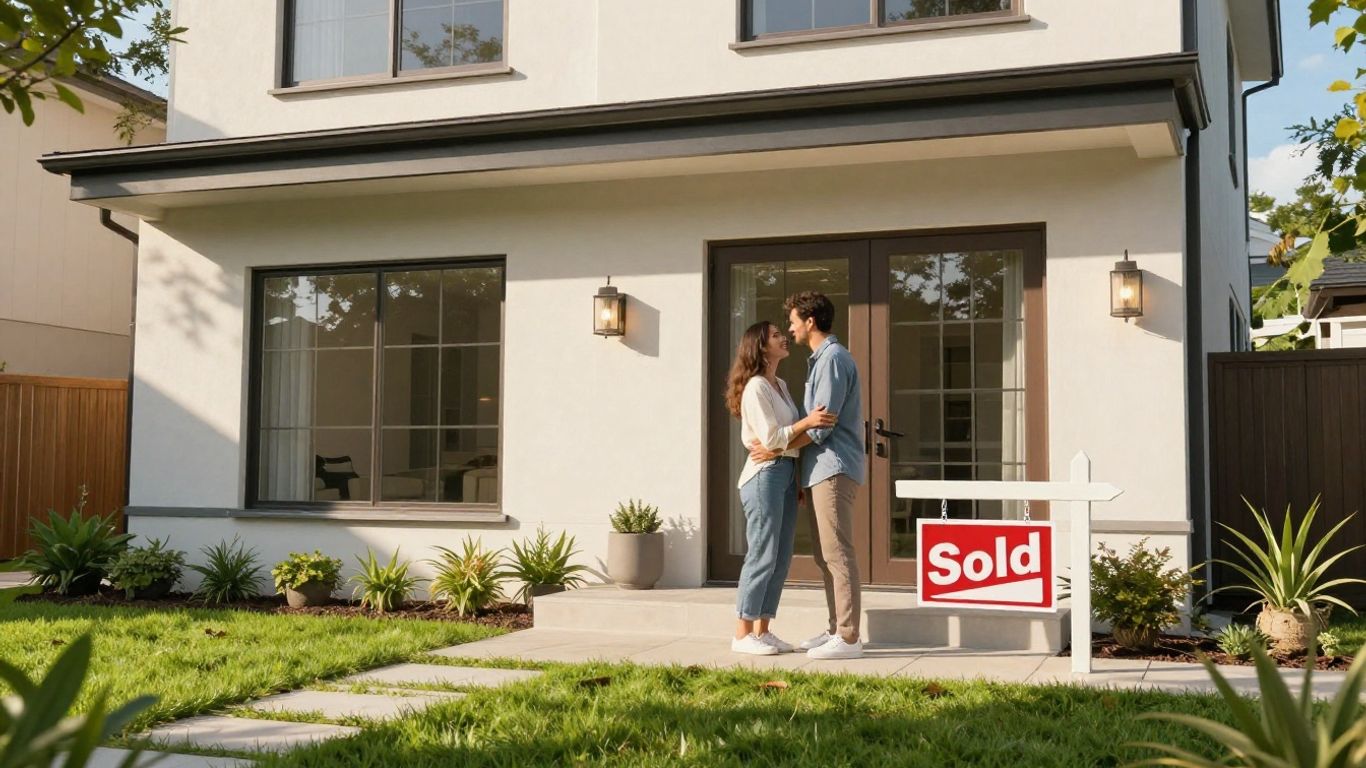
Alright, so you’ve got your finances sorted and you’re ready to actually look at houses. This is where things get exciting, but also where you can easily make some missteps. It’s super important to keep a clear head.
Prioritizing Needs Over Emotional Desires
It’s so easy to fall in love with a house. You see that perfect kitchen or that backyard you’ve always dreamed of, and suddenly, logic goes out the window. But getting caught up in the pretty stuff can lead you to overpay or overlook serious issues. Try to make a list of what you absolutely need in a home before you even start looking. Think about things like the number of bedrooms, commute time, and school districts. Those emotional wants? They’re nice, but they shouldn’t be the main driver.
- Must-Haves: These are non-negotiable items. (e.g., minimum square footage, specific school zone).
- Nice-to-Haves: These are features you’d like but could live without. (e.g., a finished basement, a specific architectural style).
- Deal-Breakers: These are things that would make you walk away immediately. (e.g., major structural problems, a busy highway nearby).
Don’t let a charming facade blind you to potential problems. A house is a big purchase, and it needs to work for your life, not just look good on Instagram.
Thoroughly Researching Potential Neighborhoods
People always say location, location, location, and it’s true. A great house in a not-so-great neighborhood can be a real headache. You need to dig into what’s going on around the properties you’re considering. Look beyond just the street the house is on. Check out crime rates, talk to people who live there if you can, and see what amenities are nearby. Is it close to grocery stores? Parks? What’s the commute like during rush hour? Also, look into any future developments planned for the area. Sometimes a quiet street can become a busy thoroughfare if a new shopping center is built.
- Safety: Check local crime statistics. Websites often provide this information.
- Amenities: Proximity to schools, shops, public transport, and healthcare.
- Community Vibe: Does it feel like a place you’d want to live? Visit at different times of day.
- Future Plans: Research any upcoming construction or zoning changes.
Considering Long-Term Needs and Future Growth
Buying a home isn’t just about right now; it’s a commitment for years to come. Think about where you see yourself in five, ten, or even fifteen years. Are you planning to start a family? Will your current job likely stay in the same location? A starter home might be fine for now, but if you plan to stay put for a while, you’ll want a place that can grow with you. Consider the potential for the home to increase in value, too. It’s not just about having a roof over your head; it’s also a significant financial investment. When you’re ready to make an offer, work with your agent to submit a formal written proposal that reflects the current local market value and clearly outlines the agreed-upon timeline and procedures for the transaction.
The Critical Role of Professional Guidance
Buying a home is a huge deal, and honestly, trying to go it alone can be a recipe for disaster. You’ve got all these online tools and listings, which are great, but they really can’t replace having actual people in your corner who know what they’re doing. Think of it like trying to build IKEA furniture without the instructions – you might get there eventually, but it’s going to be a lot more stressful and probably won’t turn out quite right.
Leveraging the Expertise of a Real Estate Agent
This is where a good real estate agent comes in. They’re not just there to open doors for you. A solid agent knows the local market inside and out. They can spot potential issues you might miss, help you understand neighborhood trends, and, importantly, they’re your advocate during negotiations. They can often save you money and headaches by helping you avoid common pitfalls. It’s their job to guide you through all the confusing paperwork and make sure you’re getting a fair deal. Finding the right agent is a big step towards a smoother buying process; they can help you find the right home for the right price in your local market.
Understanding the Importance of a Home Inspection
So, you’ve found a place you love. Awesome! But before you sign on the dotted line, you absolutely need a home inspection. This isn’t just a formality. A qualified inspector will go through the house with a fine-tooth comb, looking for things you probably wouldn’t notice – like roof issues, plumbing problems, or electrical quirks. These can be expensive fixes down the road, and knowing about them upfront gives you serious negotiating power or the chance to walk away from a money pit.
Here’s a quick look at what an inspection might cover:
- Foundation and structural integrity
- Roofing and drainage systems
- Plumbing and electrical systems
- HVAC (heating, ventilation, and air conditioning)
- Insulation and ventilation
Don’t skip this step just to save a little time or money. The cost of an inspection is tiny compared to the potential cost of major repairs you might uncover.
Seeking Advice from Mortgage Specialists
Your mortgage is the biggest financial piece of this whole puzzle. Talking to a mortgage specialist early on is super important. They can help you figure out exactly how much you can realistically borrow and what your monthly payments will look like. They’ll explain different loan types, interest rates, and terms, helping you choose the option that best fits your budget and long-term financial goals. It’s not just about getting approved; it’s about getting the right loan for you. They can also recommend other professionals, like home inspectors, which is pretty handy.
Avoiding Costly Mistakes During the Transaction

So, you’ve found the house, your offer’s been accepted – high fives all around! But hold on a second, the finish line isn’t quite in sight yet. This part of buying a home, the actual transaction, is where some of the most expensive slip-ups can happen if you’re not careful. It’s easy to get caught up in the excitement and overlook details that can cost you big time down the road.
Factoring in All Associated Closing Costs
Most people know there are closing costs, but they often underestimate just how much they add up to. It’s not just a few hundred bucks. We’re talking about fees for things like loan origination, title insurance, appraisal fees, recording fees, and sometimes even prepaid property taxes and insurance. These can easily add up to several percent of the loan amount. Don’t let these surprise you at the last minute.
Here’s a quick look at what you might expect:
| Cost Category | Typical Range (as % of Loan) |
|---|---|
| Lender Fees | 0.5% – 1% |
| Third-Party Fees | 1% – 2% |
| Prepaid Items | Varies (taxes/insurance) |
| Title Insurance | 0.5% – 1% |
Always ask your lender for a Loan Estimate, which breaks down these costs. Then, compare it to the final Closing Disclosure you get just before signing. They should be pretty close!
Recognizing Hidden Expenses in the First Year
Once you get the keys, the spending doesn’t stop. In fact, it often ramps up. Beyond your monthly mortgage, property taxes, and insurance, there are other costs that new homeowners often forget about. Think about setting up utilities, maybe needing new appliances if the ones in the house aren’t great, or even just basic things like window coverings. And let’s not forget about maintenance. Things break, and they need fixing. It’s wise to have a little fund set aside for these unexpected repairs or upgrades that pop up in that first year.
Not Rushing Through Key Decision Points
This is a big one. When you’re in the thick of the transaction, there can be a lot of pressure to sign papers and move things along. Maybe your lease is ending, or you’re just eager to get into your new place. But rushing can lead to overlooking important details. This includes not giving the home inspection report a thorough read, not fully understanding the terms of your mortgage, or not taking the time to compare different insurance policies. Take a deep breath and give yourself time to process everything. If you feel rushed, it’s okay to ask for an extension on a deadline or to have a trusted friend or family member look over documents with you.
The closing process involves a lot of paperwork and financial commitments. It’s crucial to read everything carefully and ask questions if anything is unclear. Don’t be afraid to slow down and make sure you’re comfortable with every step before you sign on the dotted line.
Planning for the Future of Your Homeownership
Buying a home is a huge step, and it’s easy to get caught up in the excitement of picking out paint colors or imagining furniture arrangements. But a smart buyer looks beyond the immediate. You’ve got to think about where this house fits into your life not just next year, but five, ten, or even twenty years down the road.
Assessing Resale Value and Investment Potential
Think about it: will this home still be a good fit if your family grows, or if you need to relocate for work? What’s the neighborhood like, and is it likely to improve or decline over time? Researching local development plans and market trends can give you a good idea of how your property’s value might change. A home is often one of the biggest investments you’ll ever make, so treat it like one. It’s not just about having a roof over your head; it’s about building equity and financial security.
Ensuring the Home Aligns with Long-Term Goals
Are you planning to start a business from home? Do you envision needing extra space for aging parents down the line? These aren’t just daydreams; they’re practical considerations that can impact your housing needs. A home that works for you now might become a constraint later if it doesn’t accommodate your evolving life. It’s worth taking the time to map out your personal and financial goals and see how potential properties measure up.
Considering Future Lifestyle Changes
Life happens, and plans change. Maybe you’ll decide to pursue a new career path that requires a move, or perhaps your hobbies will shift, requiring different amenities or more space. It’s wise to consider how flexible the home and its location are. Can it adapt to different life stages? For instance, a home in a walkable neighborhood with good schools might appeal to a young family, but it could also be great for someone looking to downsize later, keeping them close to shops and services. Think about what your ideal lifestyle looks like in the future.
Don’t let the immediate thrill of homeownership overshadow the importance of long-term planning. A little foresight now can save you a lot of headaches and financial strain later on.
Ready to Find Your Dream Home?
Buying a home is a big step, and it’s totally normal to feel a little overwhelmed. We’ve talked about some common slip-ups, like not getting your finances in order first or getting too caught up in how a place looks. Remember to look beyond the paint color and think about the neighborhood and your future needs. Taking your time, doing your homework, and working with people you trust can make all the difference. By avoiding these common mistakes, you’ll be in a much better spot to find a house that feels like home and makes good financial sense for years to come. Happy house hunting!
Frequently Asked Questions
Why is getting pre-approved for a loan so important before I start looking for a house?
Getting pre-approved for a loan before you start house hunting is super important! It tells you exactly how much money you can borrow, so you know your real budget. Plus, it shows sellers that you’re serious about buying, which can give you an edge if other people want the same house.
What costs are involved in buying a home besides the price tag?
Besides the price of the house, there are other costs like closing fees, which include things like loan paperwork and insurance. You’ll also have ongoing costs like property taxes, homeowner’s insurance, and money set aside for repairs or upkeep. It’s wise to budget for these extra expenses so you’re not caught off guard.
Is it really necessary to get a home inspection?
Yes, absolutely! A home inspection is like a check-up for the house. A professional inspector will look for any hidden problems, like leaky pipes or foundation issues, that you might not see yourself. Finding these problems early can save you a lot of money and headaches down the road.
Should I let my emotions guide my house search?
It’s easy to fall in love with a house, but it’s best to make decisions based on facts, not just feelings. Letting emotions take over might cause you to pay too much, skip important steps like inspections, or choose a house that doesn’t really fit your long-term needs or budget.
How important is it to research the neighborhood before buying?
The neighborhood is just as important as the house itself! You should check out things like safety, how close it is to schools and shops, and if there are any new developments planned. A good neighborhood can make your home life much happier.
What should I think about for my future when buying a home?
Buying a home is a big commitment, so think about your future. Will the house still work for you if your family grows? How easy will it be to sell later if you need to move? Considering these long-term aspects will help you make a smarter choice.
Explore more tiny home living, design, downsizing, building, and lifestyle resources.
- Kansas HOA Laws Review
- How Much Does Tiny Home Insurance Cost? A Realistic Guide to Premiums
- EcoFlow Delta 3 Pro vs Jackery Explorer 5000 Plus Compared
- Small Septic System for Tiny House: Types, Costs, Rules
- Tiny Home Grey Water System: Reuse Water Legally
- Composting Toilets for Tiny Homes: Best Picks Compared