
Tiny House Communities in Minnesota (Real Options and Costs)
Back to Tiny Home Communities in the Midwest
Housing costs in Minnesota keep pushing people to look for smaller, simpler ways to live in 2026. Tiny houses are part of that shift, whether you want a lighter monthly bill, a tighter-knit neighborhood, or a home that works for aging in place.
A “tiny house community” in Minnesota can mean a few different things. Some are tiny houses on wheels set up like an RV-style park. Others are small cottages on foundations in a planned neighborhood. There are also tiny home villages built to help people exit homelessness, including indoor options like Avivo Village in Minneapolis.
This guide breaks down what’s real and available, not just ideas. You’ll see examples already running (and a few opening soon), what typical costs can look like, how zoning and local rules affect where you can live, and what Minnesota’s newer church-based tiny home law changes.
By the end, you’ll know how to compare communities, spot red flags, and find a setup that fits your budget and your day-to-day life.
What counts as a tiny house community in Minnesota (and why it matters)
In Minnesota, “tiny house community” is a loose label that covers a few very different setups. That difference matters because it changes where you can legally live, what you’ll pay each month, and how comfortable the home feels in January.
Before you fall in love with a listing, get clear on the community type. Think of it like choosing between a boat slip, a driveway, or a deeded lot. All three can be “home,” but the rules and costs are not the same.
Tiny houses on wheels, park models, and RV-style lots
A big share of Minnesota’s “tiny house communities” are really RV-style parks that welcome tiny houses on trailers (THOW), park models, or other RV-like units. The common thread is simple: you rent a pad and connect to hookups.
Most lots are built around basics like:
- Electric (often 30-amp or 50-amp service)
- Water (city water or a shared well, with freeze protection needed)
- Sewer (city sewer, shared septic, or pump-out setups)
Winter living is the make-or-break issue. If you plan to stay year-round, you’ll want to confirm you can run a heated water line, insulate and heat the undercarriage, and keep tanks and dump valves from freezing. Some parks are set up for cold weather, many aren’t, and “four-season tiny house” means different things to different sellers.
Mobility also changes the paperwork. A house on a trailer is often treated more like an RV than a home, which can affect:
- Zoning (many cities limit long-term or full-time RV living)
- Insurance (you may need RV or specialty tiny-home coverage, not a standard homeowners policy)
- Financing (chattel loans are common, and terms can look different from a mortgage)
For an overview of how Minnesota separates tiny homes, park models, HUD homes, and building code requirements, the Minnesota Department of Labor and Industry’s guidance is a solid reference: https://www.dli.mn.gov/sites/default/files/pdf/tiny_houses.pdf
Tiny houses on foundations, cottage courts, and small-lot neighborhoods
When a tiny home sits on a permanent foundation, it usually reads as a small single-family house, not an RV. These communities can look like cottage courts (homes clustered around a shared green) or small-lot neighborhoods with short driveways and simple yards.
This path tends to run through local approvals, not statewide “tiny house” rules. Cities and townships decide what they allow through zoning, variances, and tools like planned unit developments (PUDs). In practice, that means two nearby towns can treat the same tiny home very differently.
The upside is that foundation homes can feel more “normal” day to day:
- Utilities are typically permanent (metered electric, year-round water and sewer)
- Addresses and mail are straightforward
- Financing can be closer to traditional home lending, because the home is real property, not a towable unit
If you want long-term stability, fewer gray areas, and a conventional utility setup, this is often the cleanest route, even if it takes more upfront permitting and patience.
Supportive villages for homelessness or workforce housing
Minnesota also has mission-driven tiny home villages built to help people stabilize, not to sell lots on the open market. These are often led by nonprofits, cities, or faith groups, and they usually pair small private units with services like case management, health support, or help finding work.
A well-known example is Avivo Village in Minneapolis, an indoor tiny home shelter model with wraparound services: https://avivomn.org/avivovillage/
These communities are important to know about because they can show up in searches for “tiny home community,” but many are not open to the general public. Admission may require:
- A referral
- Eligibility screening
- Program participation requirements
If your goal is market-rate living, treat supportive villages as a different category. If your goal is stability with support, they can be exactly the right fit.
Real tiny house communities and projects in Minnesota to know in 2026
If you’re searching for real tiny house options in Minnesota, it helps to know what’s actually on the ground versus what’s still a proposal. Some projects are supportive housing (not open-market rentals or home sales), some are church-led “sacred settlements”, and others are workforce housing builds meant to add units fast.
Below are a few of the most talked-about communities and projects to track going into 2026, along with what they are, who they serve, and where they stand today.
Avivo Village in Minneapolis (indoor tiny homes with support services)
Avivo Village in Minneapolis is an unusual setup that surprises people the first time they see it. Instead of outdoor sheds or cottages, it’s an indoor village of small, private units inside a larger building. Think of it like a “mini-neighborhood” under one roof, designed to replace crowded congregate shelter rooms with privacy and dignity.
This is built for adults experiencing homelessness, not for buyers looking to purchase a tiny house. You don’t shop for a lot, hook up utilities, and move in like a typical tiny house park. Stays are tied to the shelter program and the goal is to help residents move toward stable housing.
What stands out here:
- Private rooms: A door that closes matters, especially if you’ve been sleeping in public spaces or crowded shelters.
- Safety and structure: Indoor operations make it easier to control access and keep common areas monitored.
- On-site support: The point is not just a roof, it’s help connecting to housing, health care, and next steps.
If you want to see how Avivo describes the model and who it serves, their program page is the cleanest overview: https://avivomn.org/avivovillage/
Avivo’s approach is also being copied outside Minneapolis. Recent reporting has highlighted a St. Cloud project modeled after Avivo Village with a target completion timeline around mid-2026, which shows how fast this indoor model is spreading in Minnesota: https://www.stcloudlive.com/news/local/tiny-home-shelter-expected-to-be-complete-by-mid-2026
Church-led tiny home villages expanding in the Twin Cities suburbs
One of the biggest “watch this space” trends in Minnesota is church-led villages sometimes described as sacred settlements. These are typically small clusters of detached tiny homes on church property, paired with clear community rules and a support system that extends beyond a bed and a key.
A major project to track is the Church of the Open Door village in Maple Grove, planned for summer 2026. Coverage has described it as a small village (often cited as about a dozen homes) intended for people who have experienced chronic homelessness, with safety and operations shaped by state law and partner organizations. This FOX 9 report captures both the intent and the public debate that often comes with siting these villages: https://www.fox9.com/news/mn-churches-try-tiny-home-solution-solve-homeless-crisis
You’ll also hear about similar faith-based efforts around the metro, including projects and partnerships connected to places like Roseville and St. Paul. The common thread is that the “housing” and the “community” are both part of the design.
In practice, many of these villages include:
- Tiny homes with basic amenities: A private sleeping space and often a small sitting area, with shared community features depending on the site plan.
- Volunteer-neighbor support: Churches often organize trained volunteers who show up consistently, more like neighbors than staff.
- Clear safety rules: Visitor policies, quiet hours, behavior expectations, and coordination with service providers, so the site stays stable for residents and nearby neighbors.
If you’re house hunting, remember the key difference: these projects are usually program-based, not a market-rate tiny house community where anyone can buy in.
NUBRIC Tiny Homes in New Ulm (workforce housing with a faster build timeline)
In New Ulm, NUBRIC Tiny Homes has been discussed as a practical response to a common Minnesota problem: employers need housing options that workers can afford, and communities need new units sooner, not five years from now.
This is a workforce-focused approach. Smaller homes can often be built faster because:
- The footprints are simpler, so there’s less framing, roofing, and finish work.
- Utility runs can be shorter in a compact plan.
- Repeating the same design can speed up ordering and construction.
That said, “faster” still depends on real-world constraints. In Minnesota, timelines are only as quick as the approvals and build pipeline allow. For projects like this, the status can change based on:
- City approvals and site plans (zoning, setbacks, planned unit development rules)
- Bids and contractor schedules
- Permits and inspections
- Weather windows, since winter can slow site work and utility connections
If you’re tracking NUBRIC or similar workforce builds, treat the move-in date as a range. Occupancy is tied to the build schedule, and that schedule is tied to permits and contractors.
Rural and small-town options for parking or renting a tiny home
If metro-area rules feel tight, rural Minnesota can offer more flexibility, but it comes with tradeoffs. Some places are set up for parking a tiny house, others for renting a finished unit, and a few for buying a spot or bringing your own home.
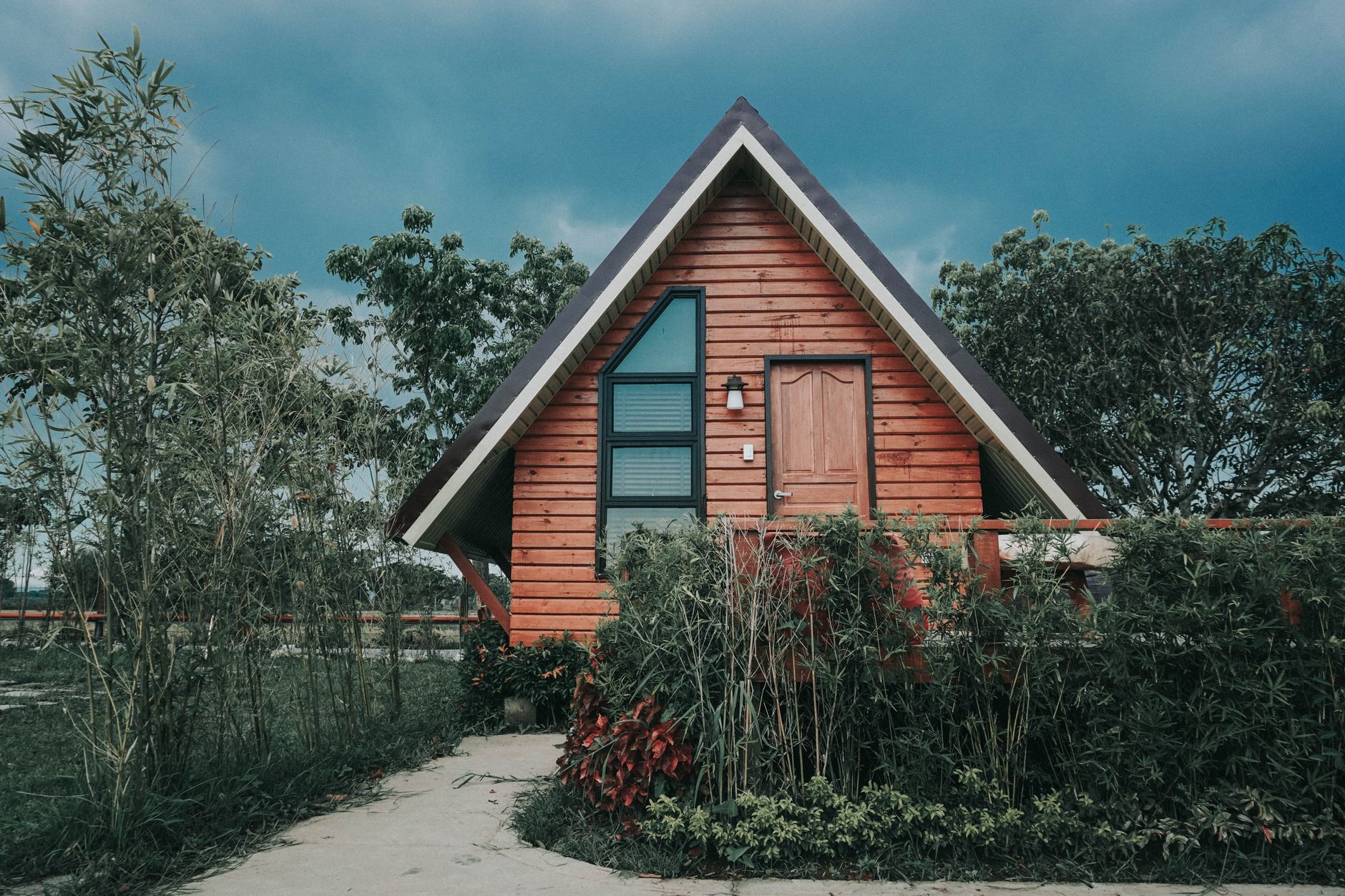
Photo by Czarinah Philline Rayray
A few examples people ask about:
The Sanctuary in Ogilvie
Located in east-central Minnesota, this is often described as a retreat-style property where you can rent a tiny home or park in designated spots, with community events and gatherings that feel more like a campground-meets-wellness retreat than a standard RV park.
Mini Meados (southern Minnesota, under construction)
This one gets attention because it’s being built with a trailer or park model focus. Since it’s under construction, availability can change quickly, and the biggest factors are utility completion, permitting, and the operator’s rules for full-time stays.
Sherburn-area community options
Around Sherburn (and similar small towns), you’ll find communities that market the ability to buy a tiny home, bring your own, or rent a pad, depending on the property. These can be a good fit if you want quieter living and fewer neighbor-to-neighbor constraints.
Before you commit to rural tiny living in Minnesota, plan for winter like you plan for rent. A few practical realities come up again and again:
- Snow removal: Ask who plows roads, driveways, and mailbox areas, and how fast.
- Longer drives: Groceries, clinics, and work can be 20 to 40 minutes away.
- Heat and fuel: Propane is common, so budget for refill swings in cold snaps.
- Water systems: Some properties use a well or shared systems, and freeze protection becomes your job.
Rural life can be peaceful and affordable, but it rewards people who like planning ahead and don’t mind a little extra self-reliance.
Costs, rules, and day-to-day life in a Minnesota tiny house community
Living in a Minnesota tiny house community can feel like finding the right campsite that just happens to be home. The trade is simple: you get a smaller footprint and less upkeep, but you also agree to shared systems and shared boundaries. Your real cost is not just the house, it’s the monthly setup, the rules, and how you handle winter.
What you usually pay for: lot rent, utilities, and shared services
Most tiny house communities in Minnesota price living the same way RV parks and manufactured home parks do: a monthly site fee, then utilities and add-ons. The details vary a lot, so ask for a written fee sheet before you commit.
Here are the common cost buckets you’ll see:
- Monthly site fee (lot rent): This is your pad, your parking space, and access to the property. Some places offer only seasonal stays (often spring through fall), others allow year-round living. Seasonal communities may quote one seasonal price paid upfront, which can look low per month if you spread it out.
- Electric: Often metered and billed separately, especially if you run electric heat or multiple space heaters. In cold weather, electric can swing from “fine” to “why is it that much?” fast.
- Water and sewer: Some communities include water and sewer in the site fee, others bill a flat monthly amount, and some meter usage. If the park uses a shared well or septic setup, there may be extra rules about what you can flush and what cleaners you can use.
- Propane or heat: If your tiny house uses propane, plan for refill cycles and price spikes during cold snaps. If you use electric heat, budget for heavier winter electric bills.
- Trash and recycling: Sometimes bundled, sometimes an add-on.
- Internet: Wi-Fi might be included, but it can be basic. If you work from home, you may end up paying for your own fixed wireless or cellular internet.
- Snow removal and road plowing: In Minnesota, this is not a minor detail. Some communities plow main lanes only, some plow to each pad, and some expect you to handle your own spot.
- Lawn care: Mowing and common-area upkeep might be included. If you have a small patch of yard, ask whether you’re responsible for it.
A quick way to protect yourself is to ask two questions up front: What’s bundled, and what’s billed separately? If a community charges utility fees, you can get a sense of how those charges are handled by reviewing Minnesota’s manufactured home park guidance and fee rules, including utility charges, through the Minnesota Attorney General’s office and state statutes (even if your setup is “tiny,” many parks operate in a similar way):
- https://www.ag.state.mn.us/consumer/handbooks/HomeParks/CH05.asp
- https://www.revisor.mn.gov/statutes/cite/327C/pdf
Don’t forget up-front costs that hit before your first “normal” month:
- Deposits: Often for the site, keys, gate fobs, or utilities.
- Moving and setup: Towing or transport, blocking and leveling, tie-downs if required, and basic hookup parts.
- Winter skirting and insulation: Skirting is one of those purchases that feels optional until you’ve lived through your first deep freeze.
Common community rules that surprise first-time buyers
Tiny living feels free until you read the rules sheet. Many Minnesota communities keep rules tight because lots are close together, utilities are shared, and one person’s “no big deal” can become everyone’s problem.
Rules that often catch first-time buyers off guard include:
- Home size limits: Minimum and maximum square footage (or length) so the park stays consistent and units fit the pads.
- Trailer type and condition: Some communities want specific trailer specs, roadworthiness, or a professional inspection before move-in.
- Age limits for RVs or park models: It’s common for parks to cap RV age. This is less about snobbery and more about avoiding leaks, soft floors, and electrical issues that can become safety problems.
- Appearance standards: Skirting requirements, exterior colors, shed rules, no tarps, no broken-down vehicles, and limits on outdoor storage. Tiny homes can look cluttered fast if there’s nowhere to hide stuff.
- Background checks in supportive or mission-driven villages: These can be part of safety planning and program requirements, but they can feel strict if you expected a simple rental.
- Quiet hours: Often enforced more than people expect, especially in small communities.
- Pet limits: Breed restrictions, weight limits, leash rules, and sometimes a cap on the number of pets.
- Visitor policies: Limits on how long guests can stay, where they can park, and whether overnight guests are allowed.
- Parking limits: Many pads fit one vehicle, maybe two. Extra parking may cost more, or it may not exist.
Rules can feel controlling, but they also protect your day-to-day peace. When everyone is living close, the rules are the fence that keeps small annoyances from turning into big conflicts.
Living tiny through a Minnesota winter (what to plan for)
A Minnesota winter will stress-test every weak spot in a tiny house. Winter readiness is often the difference between loving tiny living and counting the days until spring.
Focus on the basics first:
- Freeze protection for water lines: If you use a hose hookup, plan for a heated hose and insulated connections. If you rely on onboard tanks, think through how you’ll keep them from freezing, or how you’ll operate without them.
- Skirting and underfloor insulation: Skirting blocks wind from stealing heat under your home. Pair it with insulation where you can, and check for drafts at the floor edges.
- Moisture control: Tiny spaces trap humidity. Run the bathroom fan, crack a window when cooking, and consider a small dehumidifier. Condensation can turn into mold faster than you think.
- Safe heating: Use heaters rated for indoor use, keep clearance from curtains and bedding, and avoid overloading circuits. If you use propane, install and test your carbon monoxide detector and keep a backup heat plan.
- Roof load and snow removal: Know your roof rating and keep a roof rake handy. Heavy snow adds up, and ice dams can show up even on small roofs.
- Entry mud control: A tiny entryway gets wrecked by boots. Use a boot tray, hooks, and a tight routine so melted snow doesn’t become puddles.
- Emergency prep: Keep extra propane (if used), a way to cook if power goes out, and a plan for water if your line freezes. In rural areas, also plan for slower plowing.
Winter in a tiny house can be cozy, but only if you treat prep like a monthly bill. Pay it up front, and you get a calmer season.
How to find the right tiny house community in Minnesota (step-by-step)
Finding a tiny house community in Minnesota is less like picking an apartment and more like choosing a home base for your whole routine. The “right” spot depends on local rules, winter readiness, and whether the community’s policies fit how you actually live.
Use the steps below to compare options fairly, not just by photos and monthly rent.
Questions to ask before you apply or move your tiny house
Before you pay an application fee or schedule a move, ask for answers in writing. A tiny house setup can look simple until you hit a frozen water line or a surprise “extra” charge.
Here’s a practical checklist you can run through on a call or tour:
- Zoning or permits: What is the site zoned for, and what permits are required for your unit?
- Full-time living allowed: Is year-round residency allowed, or is it seasonal only?
- Winter utility setup: How do they prevent freeze-ups (heated water line rules, frost-free hydrants, skirting requirements)?
- What the monthly fee includes: Electric, water, sewer, trash, snow plowing, lawn care; what’s included vs metered?
- Internet options: Park Wi-Fi, cable, fiber, fixed wireless, or do you need your own hotspot?
- Mail delivery: Do you get a real address and mailbox, or do you need a PO box?
- Emergency access: Can fire and EMS reach every pad year-round, even after heavy snow?
- Laundry: On-site laundry, nearby laundromat distance, or none?
- Storage: Is there a shed option or a secure storage area?
- Guest policy: Overnight guest limits, parking for guests, and any registration rules.
- How conflicts are handled: Who enforces rules, what happens after a complaint, and is there a clear escalation path?
If a community can’t answer these quickly, that’s useful info by itself.
Legal and zoning basics to understand in Minnesota
In Minnesota, the big truth is that tiny house rules are usually local. The state building code matters, but the city or township decides what’s allowed on a given parcel.
A simple way to think about it:
- Tiny houses on wheels (THOW) are often treated like RVs. That can make placement easier in some parks, but harder for full-time living, because many areas restrict long-term RV occupancy.
- Tiny houses on foundations tend to be treated like small single-family homes, which means normal building code compliance, permits, and inspections.
If you need a clear overview of how Minnesota defines and regulates tiny houses, start with the Minnesota Department of Labor and Industry’s tiny house guidance (it’s one of the most helpful plain-English references): https://www.dli.mn.gov/sites/default/files/pdf/tiny_houses.pdf
Also, Minnesota has had recent changes allowing certain church-based tiny home villages (often called Sacred Settlements) for people exiting homelessness, with safety requirements in the law. Even with state-level allowance for that model, city approvals still matter for many other tiny house setups, especially market-rate communities and private developments. This CBS Minnesota overview explains the church-based law in a straightforward way: https://www.cbsnews.com/minnesota/news/new-law-opens-door-for-churches-to-build-tiny-homes/
Red flags and green flags when touring a community
A tour is your chance to see what listings hide. You’re not just renting a pad, you’re buying into systems and management.
Watch for red flags:
- Unclear fees or “we’ll figure it out later” pricing
- No written rules (guest policy, pets, noise, parking)
- Poor drainage (standing water, muddy pads, soft roads)
- Unsafe electric hookups (loose pedestals, exposed wiring, no clear amperage info)
- No snow plan (no plow contract, narrow lanes, blocked hydrants)
- Pressure to pay fast, especially before you see a lease
Look for green flags:
- Clear lease terms and a written fee sheet
- Transparent utility setup (metered vs flat, winter protections)
- Maintained roads and obvious attention to drainage
- Visible community guidelines posted or provided up front
- A realistic winter plan, including who plows, when, and what happens during storms
Actionable search and decision plan (use this every time):
- Make a shortlist of 3 to 5 communities within your work and grocery radius.
- Call each one and run the checklist above, then ask for rules and fees in writing.
- Tour your top 2 in person after a rain or snow, so you can judge drainage and access.
- Compare apples to apples: total monthly cost (rent plus average utilities), winter readiness, and rule fit (guests, pets, mail, storage).
- Pick the community that’s clear on paperwork and winter prep, not the one with the nicest photos.
Conclusion
Tiny house communities in Minnesota work best for people who want simple living, lower monthly costs, and a real sense of neighborhood, whether that means an RV-style pad, a small foundation home, or a program-based village with support.
They can be a rough fit if you need lots of space, hate shared rules, or don’t want to plan for winter. Cold weather turns small gaps into big problems, so heat, water lines, skirting, and moisture control matter as much as the floor plan. The communities that feel easiest long-term are usually the ones that put expectations in writing and have a clear snow and utility plan.
Before you commit, visit in person and tour after snow or rain if you can. Ask for the lease, the full fee sheet, and the rules, then read them carefully. One written policy is worth ten friendly promises.
If you’re ready to move forward, make a simple checklist, join Minnesota tiny house groups, and start contacting communities directly to confirm availability and year-round setup.
Back to Tiny Home Insurance By State