
Tiny homes are exploding in popularity this 2026. Folks crave simpler lives amid skyrocketing housing costs, and sustainable tiny house design leads the charge. It mixes minimalism with eco-smart choices and cozy comforts, so you slash expenses while shrinking your environmental footprint.
Picture a home under 400 square feet built with renewable materials like reclaimed wood or cob. Add energy-saving features such as solar panels, thick insulation, and efficient systems for heat and lights. That’s sustainable tiny house design in action; it keeps things green without skimping on daily ease.
Build costs run from $20,000 to $100,000, way below traditional houses. You save up to 30% on energy thanks to smart layouts and off-grid tech. Monthly bills? Often under $50 for off-grid setups with propane backups and solar power.
The perks stack up fast. Lower utility costs free your wallet. Off-grid freedom lets you park anywhere legal. Plus, simple living cuts clutter and stress, so you focus on what matters.
In this post, we’ll break it down step by step. First, the top benefits that make it worthwhile. Then, core principles to guide your build. Next, best materials that last and save resources.
After that, energy systems for true independence. I will cover water and waste solutions too.
Ready to go tiny and green? These ideas make it straightforward and fun.
Why Sustainable Tiny Houses Deliver Big Wins for Your Wallet and the Planet
Sustainable tiny house design pays off right away. You cut costs and help the planet at the same time. These homes prove small size brings huge rewards. Let’s look at the numbers.
Slash Your Bills and Ditch the Mortgage
You build or buy for far less. In 2026, tiny houses run $50,000 to $150,000 total. That’s a fraction of the $300,000-plus for traditional homes. Recycled materials drop upfront costs even more. For example, reclaimed wood and prefab parts keep things under $100 per square foot often.
Utilities shrink too. Off-grid setups with solar mean monthly bills hit $50 or less. Compare that to $300-plus for big houses. No grid ties cut water and power fees. Propane backups handle rare needs cheaply.
Property taxes? Many spots skip them for tiny homes on wheels. You avoid mortgages altogether. Pay cash or finance short-term. As a result, you own free and clear fast.
Here’s a quick cost comparison based on 2026 data:
| Home Type | Build Cost Range | Monthly Utilities | Notes |
|---|---|---|---|
| Sustainable Tiny (200-300 sq ft) | $50,000–$150,000 | $50–$200 | Solar, recycled materials; off-grid possible. |
| Traditional (2,000 sq ft) | $300,000+ | $300+ | Higher heating, cooling; grid dependent. |
Live Lighter on the Earth Without Sacrificing Comfort
Eco perks shine bright. Tiny size uses 70% to 90% less energy than big homes. Thick insulation keeps heat in or out. So you stay comfy year-round.
Solar panels end fossil fuel use. They power lights, fridge, and more off-grid. No coal or gas bills. Pair that with composting toilets. Waste turns to soil fast. You skip septic systems and cut sewage by 90%.
These choices fit 2026 trends perfectly. Folks ditch oversized houses for smart, green ones. Check tiny house trends for sustainability. Mobility adds freedom. Park in nature, live light.
Comfort stays high. LED lights glow soft. Rain barrels supply water. Open layouts feel spacious. You get modern perks without waste. In short, sustainable tiny house design lets you thrive green.
Core Principles Guiding Eco-Smart Tiny House Builds
Sustainable tiny house design rests on solid principles. These rules keep builds eco-smart and practical. They focus on simplicity and harmony with nature. You get a home that saves money, energy, and stress. Let’s explore two key ones that shape 2026 trends.
Embrace Minimalism for Freedom and Focus
Less space forces smart choices. You own fewer items, so clutter vanishes. That calm hits right away. No endless closets mean you pick essentials only. As a result, daily life feels lighter.
Maintenance drops too. Wipe one counter instead of five. Vacuum takes minutes, not hours. In addition, you spend time outside or on hobbies. Picture mornings with coffee, not chores.Minimalism boosts focus. Open layouts let light flow. You relax deeper without distractions. Studies show it cuts stress by 30%. For example, owners report better sleep and sharper minds.
Design with Nature in Mind Using Biomimicry
Nature offers blueprints for smart homes. Biomimicry copies termite mounds for vented roofs. These sloped designs pull in cool air and release heat. So, you stay comfy without big AC units.
Passive solar grabs free energy. South-facing windows catch winter sun. Overhangs block summer blaze. Therefore, heating costs fall 50%. Local materials cut transport emissions. Stone from nearby quarries or reclaimed timber fit right in.
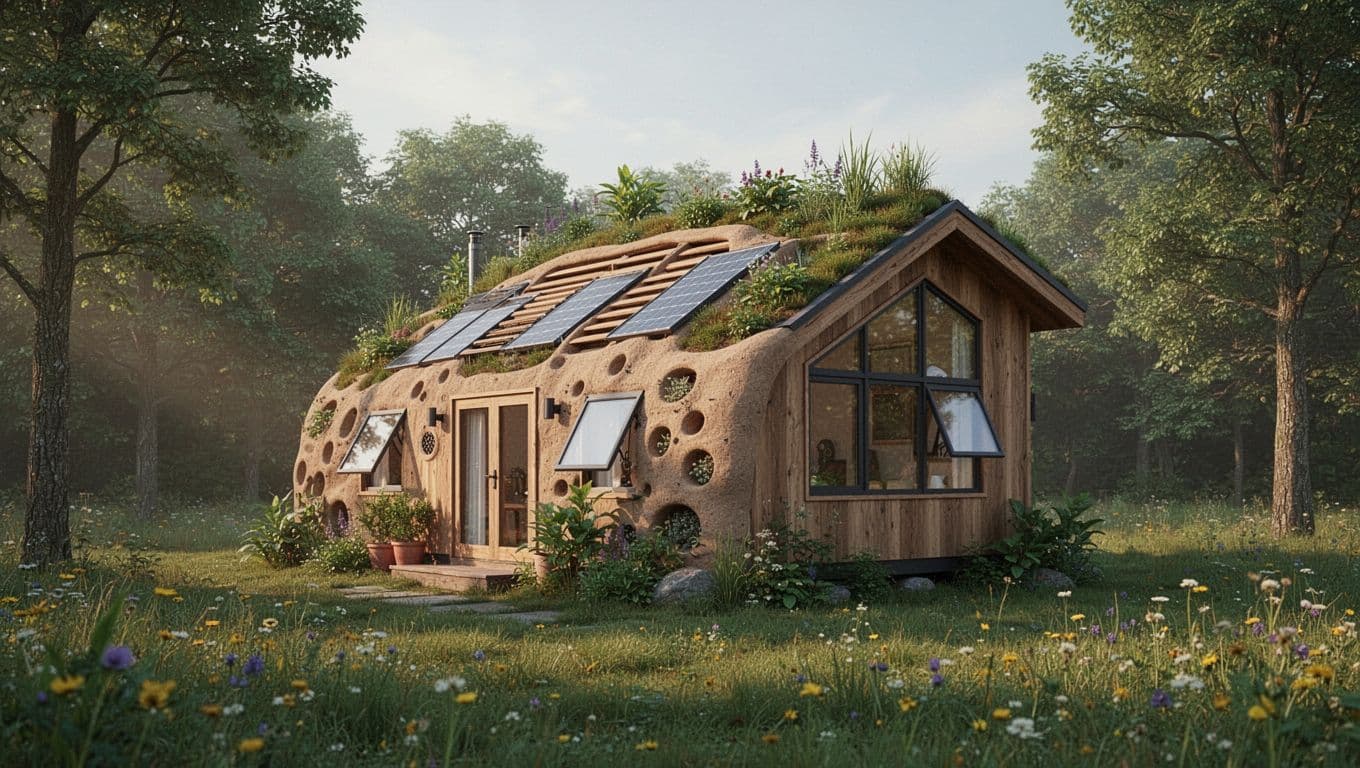
Green roofs grow plants that insulate like fur. They handle rain and support bees. In 2026, these features lead trends. Builders use them for off-grid wins.
Eco-Friendly Materials That Build Strong and Green
Sustainable tiny house design thrives on smart materials. They create sturdy homes that respect the planet. You get strength plus low impact when you pick renewables and recycled picks. These options cut waste and costs. Builders love them for 2026 projects because they last long and install easy.
Renewable Winners Like Bamboo and Mycelium
Bamboo grows fast, so it renews quick. Some types shoot up 35 inches in a day under good conditions like warm sun and wet soil. That speed means steady supply without chopping old forests. Plus, it needs low energy to process into panels or floors.
Mycelium works even faster. This mushroom root grows in days or weeks from farm waste like straw. It forms bricks or insulation with zero heat or chemicals. Builders mold it into shapes that harden strong.
Tiny home examples prove their fit. Bamboo floors and walls handle weight like oak but weigh less. One builder used it for a 200-square-foot trailer home. Mycelium panels insulate lofts without toxins.
Reclaimed and Recycled Options for Zero Waste
Reclaimed wood comes from old barns or factories. It skips new cuts, so trees stay standing. This aged timber adds character to siding or frames. Strength holds up in wind or snow, and costs drop 30% or more.
Recycled steel frames resist rust better than new. Factories melt scrap into beams that last 100 years. They support off-grid setups without flexing. Pair it with walls for a solid shell.
Insulation shines too. Denim from old jeans traps air for warmth; it blocks moisture naturally. Wool from sheep works similar, resists mold, and breathes easy. Both beat foam in eco-scores. For instance, a 2026 tiny house used denim in walls to hit near-zero energy loss.
These materials chase zero waste. You repurpose what exists. As a result, your home tells a story of smart reuse. See tiny house trends for 2026 for more reclaimed ideas.
Power Up with Energy Innovations for Off-Grid Bliss
Sustainable tiny house design shines brightest with smart energy choices. You gain true off-grid freedom. These setups cut bills and boost independence. Solar power leads the way, while passive tricks handle heat and cool air for free. In addition, they fit 2026 trends perfectly. Let’s break down the best options.
Solar and Battery Systems That Pay for Themselves
Solar setups power your tiny home day and night. Start with 1-2kW panels on the roof. They catch enough sun for lights, fridge, and fans. Pair them with 5-10kWh lithium batteries. An inverter ties it all together. So, you store extra power for cloudy days.
Basic kits hit $5,000 to $10,000 for DIY fans. For example, an 800W panel kit with 3.6kWh battery from Renogy fits small spaces. Full installs run higher, around $12,000 to $18,000 with labor. Batteries cost most, at $1,000 per kWh now. However, they last 10-15 years and pay back in three to five years through zero utility bills.
Weather apps make them smarter. Check SolarEdge or Enphase Enlighten for real-time output. PVOutput logs sun hours against clouds. NREL’s PVWatts predicts daily kWh by location. Therefore, charge batteries early on sunny forecasts. These tools boost efficiency by 20-30%.
Here’s a quick setup guide:
- Mount 4-6 flexible panels on south-facing roof.
- Wire to a 3,000W inverter inside.
- Add 5kWh battery bank under the bed.
- Monitor via app for peak use.
Owners report full power in most US spots. You run AC briefly or heat water free.
Passive Tricks to Heat and Cool for Free
Passive design grabs sun’s power without gadgets. Face your home 15 degrees east of south. This catches winter rays deep inside. Large south-facing windows pull in heat. Size them to 12% of floor area. Overhangs shade summer sun, so interiors stay cool.
Thick insulation seals the deal. Use wool, denim, or foam for R-40 walls. It traps warmth like a thermos. Costs add $2,000 to $5,000 for a 200-square-foot build. However, you save $500 to $1,000 yearly on heat. Pair with thermal mass floors like concrete slabs. They soak up sun and release it slowly at night.Orientation matters most. Avoid north-side trees or hills for shade. East-west layouts work best in the US. Vent high for hot air escape. As a result, most homes need zero AC or furnace.
These tricks cut energy use by 50%. You live comfy in any climate. Best of all, they last forever with no upkeep.
Master Water Savings and Waste Hacks in Tight Spaces
Sustainable tiny house design excels at water smarts. You handle rain, reuse wash water, and manage waste without big systems. These hacks cut use by half in tight spots. So, bills drop, and nature wins. Off-grid setups shine here because they fit small footprints perfectly. Let’s dive into simple ways to stay hydrated and clean.
Catch Rain and Reuse Greywater Smartly
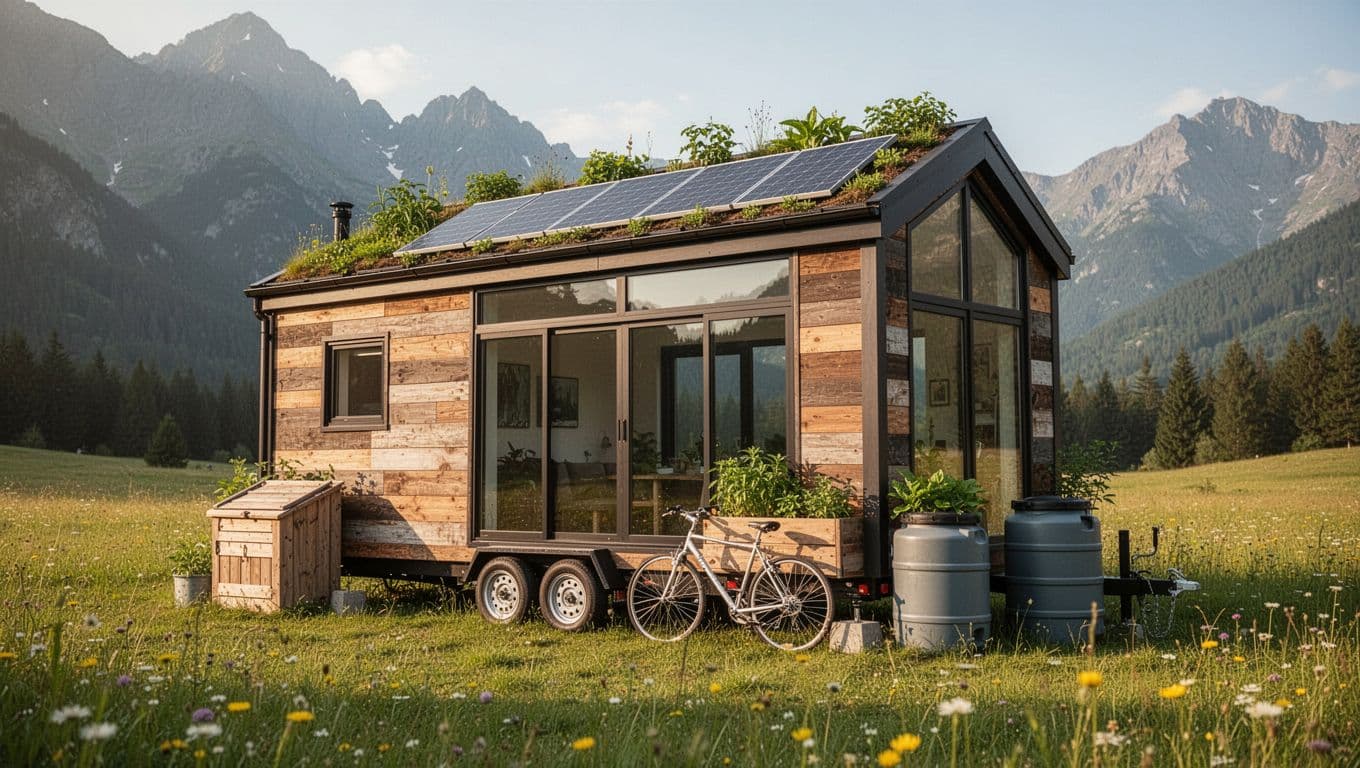
Rain falls free, so grab it. A slim barrel under the downspout holds hundreds of gallons from one storm. For example, an inch of rain on a 200-square-foot roof yields over 120 gallons. First, add screens and filters to keep leaves out. Then, use that water for plants or laundry.
Greywater takes it further. Shower and sink runoff feeds your garden. Systems like Aqua2use greywater units fit tight spaces at 24 by 15 inches. They auto-filter and pump clean water underground. A family reuses 40,000 gallons a year this way. As a result, bills fall 40 percent.
Low-flow perks seal the deal. Swap to 1.5-gallon-per-minute showerheads. They save thousands without weak streams. In addition, pair with 12-volt solar pumps for off-grid flow. You stay fresh and green. These steps make sustainable tiny house design simple and effective.
Composting Toilets and Scrap Turners
Ditch the flush. Composting toilets turn waste into soil, no water needed. You save 6,600 gallons per person each year. Models vent odors away with quiet fans. So, they stay fresh like a powder room.
Scrap turners speed the process. Add yard leaves or peat to the mix. Stir weekly for even breakdown. In six months, you get garden-ready compost. No smells if you balance carbon and greens right. For instance, one owner fills planters with it yearly.Benefits stack up fast. Skip septic costs at $20,000 plus. These units run $1,500 installed.
Fresh 2026 Design Trends and Real Tiny Home Stars
Sustainable tiny house design heats up in 2026 with fresh looks that blend calm and nature. You get spacious vibes in tight spots. Builders mix smart styles and real-world wins to keep things green and cozy. These trends make small homes feel like retreats. So, let’s check out top styles and standout builds.
Japandi and Biophilic Styles That Feel Huge
Japandi style grabs attention in 2026 sustainable tiny house design. It fuses Japanese clean lines with Scandinavian soft warmth. Add biophilic touches, and your space breathes easy. Light woods like birch or oak cover walls and floors. They flow seamless from room to room.
Planters pop up everywhere. Potted ferns or bonsai sit on open shelves. They pull nature inside for calm air. Skylights flood spots with sun. Floor-to-ceiling windows frame trees outside. So, tight squares feel wide open.
Low furniture fits perfect. A platform bed hugs the floor with neutral sheets. One chair and a small table keep it simple. Textures invite touch, like woven rugs or stone accents. In addition, curved edges soften the look. You relax deep without clutter.
This mix fights stress in small homes. Natural light boosts mood. Plants clean air naturally. Builders use rice husk boards or recycled fibers too. Therefore, you build green and cozy. Check Japandi trends in tiny homes for more ideas.
Inspiring Builds from Around the World
Real tiny homes show 2026 trends in action. They pack green perks into small footprints. Costs stay low, features shine. Here are five standouts with sizes, prices, and eco wins.
First, the ATLAS in Virginia hits 144 square feet on an 8-by-18 trailer. It costs $45,000. Solar powers it off-grid. A full glass wall lets light pour in. Steel frame keeps it tough at 11,000 pounds.
Next, Cass Community homes in Detroit run $40,000 to $50,000. Sizes vary around 200 square feet. Solar panels and efficient appliances cut energy use. This non-profit helps folks go green affordably.
In Colorado, a 400-square-foot build uses coffee husks and recycled plastic. Price sits under market rates for prefab. Huge windows grab natural light. Energy efficiency rules with smart insulation.
California’s prefab eco-home spans 400 square feet at $80,000. Solar and rainwater harvesting lead features. Factory build slashes waste. It ships ready for site setup.
Finally, Austin’s Village Farm starts at 150 square feet for $150,000 or $700 monthly rent. Gardens surround units. Urban farming boosts sustainability.
These examples prove sustainable tiny house design works everywhere. You save cash and planet resources. For details, see off-grid tiny house examples.
Other Sustainable Tiny House Design Posts You May Be Interested In
Tiny home aquaponics design ideas
Tiny home sustainable design concepts
Tiny home solar layout planning
Tiny house indoor garden tips
Conclusion
Sustainable tiny house design delivers real wins for your wallet and the planet. You slash build costs to $50,000 or less with reclaimed wood, bamboo, and mycelium. Solar panels and composting toilets grant off-grid freedom, so bills drop under $50 monthly. Minimalist layouts plus biophilic touches create cozy spots that feel huge. Passive solar and thick insulation keep you comfy year-round without extra gadgets. Rain barrels and greywater hacks handle water smartly. In short, you live lighter, save big, and connect deeper with nature.
These joys stack up fast. Owners report less stress, more outdoor time, and sharper focus. Picture mornings with coffee on your porch, no mortgage hanging over you. Trends like Japandi styles and green roofs make 2026 the perfect time to jump in.
Ready to start? Grab paper and sketch your layout now. Note must-haves like loft beds or solar setups. Then, check local zoning rules; many areas greenlight tiny homes on wheels.
Green tiny living surges ahead in 2026. It paves the way for simpler, smarter homes everywhere. You hold the key to that future. Share your dreams in the comments below. What tiny feature fires you up most?
Back to Tiny Home Design and Floor Plans