How Do Tiny Homes Get Electricity? Exploring Off-Grid and On-Grid Solutions

Thinking about a tiny house? One of the big questions people have is how these compact homes get their electricity. It’s a pretty important detail, right? Whether you’re dreaming of a cozy cabin in the woods or a mobile tiny home, figuring out the power situation is key. Luckily, there are several ways to keep the lights on, from plugging into the regular grid to going completely off-grid with solar or wind power.
Key Takeaways
- Tiny homes can get electricity by connecting to the main power grid, similar to traditional houses, which is a reliable option for stationary homes.
- Renewable energy, especially solar panels, is a very popular choice for tiny homes, offering independence and environmental benefits.
- Off-grid systems allow tiny homes to be placed in remote locations, reducing reliance on fossil fuels and promoting a sustainable lifestyle.
- Backup power solutions like portable generators and battery storage systems are often used to ensure consistent electricity supply, especially with off-grid setups.
- Choosing the right power solution involves assessing individual power needs, considering location, and weighing the long-term costs and benefits of different systems.
Understanding Tiny Home Electricity Needs
The whole tiny home movement is pretty neat, right? People are ditching the McMansions for smaller, simpler living spaces. But one of the first things folks wonder about is, "Okay, but how do they actually get power?" It’s a fair question! Unlike a regular house where you just plug into the wall and forget about it, powering a tiny home often takes a bit more thought. It really depends on where you want to put your tiny home and what kind of lifestyle you’re aiming for.
The Growing Appeal of Tiny Home Living
So, why are so many people drawn to these smaller dwellings? For starters, there’s the financial side. Tiny homes are way more affordable than traditional houses, which means you can own a home sooner and have more money left over for, well, anything else. Plus, there’s a big push towards living more simply and sustainably. It’s about escaping the constant pressure to buy more stuff and focusing on what really matters. This minimalist vibe really clicks with a lot of people looking for a change.
Key Considerations for Tiny Home Power
When you’re figuring out electricity for a tiny house, it’s not just about the size of the house itself. You’ve got to think about a few things:
- Your Location: Where will your tiny home be? If it’s in a sunny spot, solar might be a great option. If it’s somewhere with less sun or harsh winters, you might need a different plan.
- Your Appliances: What gadgets are you planning to use? A mini-fridge uses way less power than a full-sized one. Even things like your internet connection and how you cook make a difference.
- Your Lifestyle: Are you home all day, or are you out and about? Do you need to power a lot of electronics, or just the basics? Your daily routine plays a big role.
The total cost of your power setup will really depend on these factors, plus the actual source of electricity you choose. For example, fancy, energy-saving appliances might cost more upfront but save you money in the long run. And while solar panels can be a big initial investment, they can pay for themselves over time, especially if you live somewhere with lots of sunshine.
Figuring out your power needs isn’t just about plugging things in; it’s about designing a system that fits your life and your location. It’s a key part of making tiny home living work for you.
Here’s a quick look at how different appliances can add up:
| Appliance | Typical Wattage | Hours Used/Day | Watt-Hours/Day | Notes |
|---|---|---|---|---|
| LED Lights | 5-10 W | 4 | 20-40 Wh | Energy efficient lighting |
| Refrigerator | 100-200 W | 8 (cycling) | 800-1600 Wh | Varies based on size and efficiency |
| Laptop Charger | 50 W | 3 | 150 Wh | Depends on device |
| Phone Charger | 5 W | 4 | 20 Wh | Minimal power draw |
| Water Pump | 500 W | 0.5 | 250 Wh | For off-grid water systems |
| Small Fan | 30 W | 6 | 180 Wh | For air circulation |
| Coffee Maker | 800 W | 0.25 | 200 Wh | Short, high-power usage |
Connecting to the Conventional Power Grid
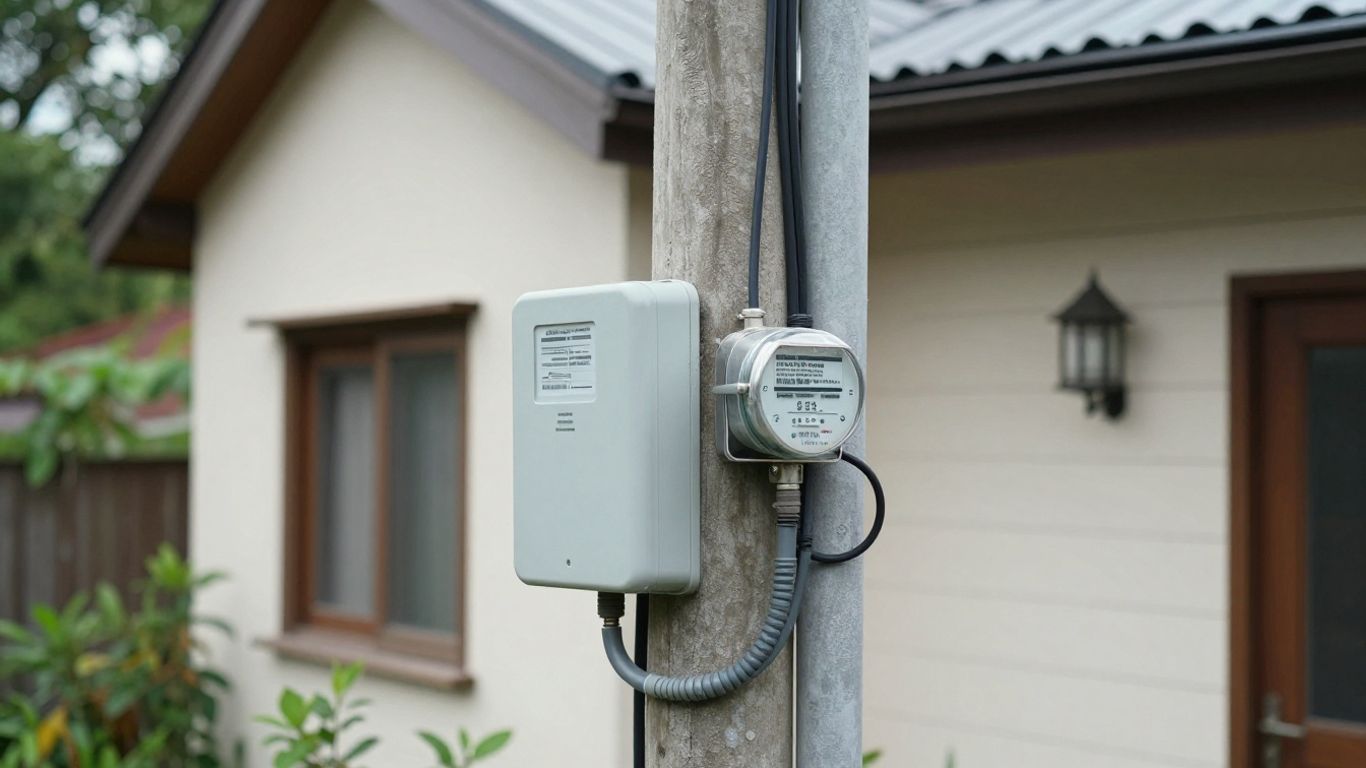
For many tiny home dwellers, especially those who plan to keep their homes in one place, tapping into the existing electrical grid is the most straightforward way to get power. It’s like plugging into the same system that powers your neighbor’s house, just on a smaller scale. This method offers a reliable and consistent flow of electricity without the need to manage your own power generation systems.
On-Grid Power for Stationary Tiny Homes
If your tiny home is built on a foundation or is otherwise permanently situated, connecting to the grid is often the simplest route. Think of it as a traditional house, but smaller. You’ll need to work with your local utility company to get a hookup, which usually involves running a line from the nearest power pole or underground service to your home. This setup means you’ll receive electricity just like any other home, and you’ll be billed based on your usage. It’s a good option if you don’t plan on moving your tiny home and want the convenience of a power source that’s always on.
- Reliability: You get power whenever you need it, as long as the utility company’s grid is operational.
- Simplicity: No need to worry about managing solar panels, batteries, or generators.
- Cost-Effective (Initially): While you pay for usage, the upfront cost of setting up a grid connection can be less than a full off-grid system.
Connecting to the grid means you’re relying on the established infrastructure. This is great for consistent power but means you’re tied to a specific location and the utility company’s rates.
Grid Hookups in RV Parks and Properties
Tiny homes on wheels, often used as accessory dwelling units (ADUs) or parked in RV parks, can also connect to the grid. Many RV parks have dedicated electrical hookups, usually with different amperage options (like 30-amp or 50-amp service) to accommodate various needs. If your tiny home is on a friend’s or family member’s property, you might be able to run an extension cord or a more permanent line from the main house’s electrical system, with permission, of course. This is a common solution for those who want the flexibility of a mobile tiny home but still desire the convenience of grid power when parked.
Here’s a quick look at common hookup types:
| Hookup Type | Typical Use Case | Power Output (Approx.) |
|---|---|---|
| 30-Amp RV Hookup | Smaller RVs, basic needs | 3,600 Watts |
| 50-Amp RV Hookup | Larger RVs, multiple appliances | 12,000 Watts |
| Standard Outlet | Temporary or basic power needs | Varies |
This approach is all about convenience. You’re essentially borrowing power from an existing source, making it easy to power your appliances and lights without a complex setup. It’s a practical choice for many tiny home owners who value ease of use and consistent electricity.
Harnessing Renewable Energy Sources
When you’re thinking about powering a tiny home, especially if you’re aiming for a more independent lifestyle, renewable energy sources really start to shine. It’s not just about being "green," though that’s a big plus. It’s about taking control of your power and often saving money in the long run.
The Dominance of Solar Power
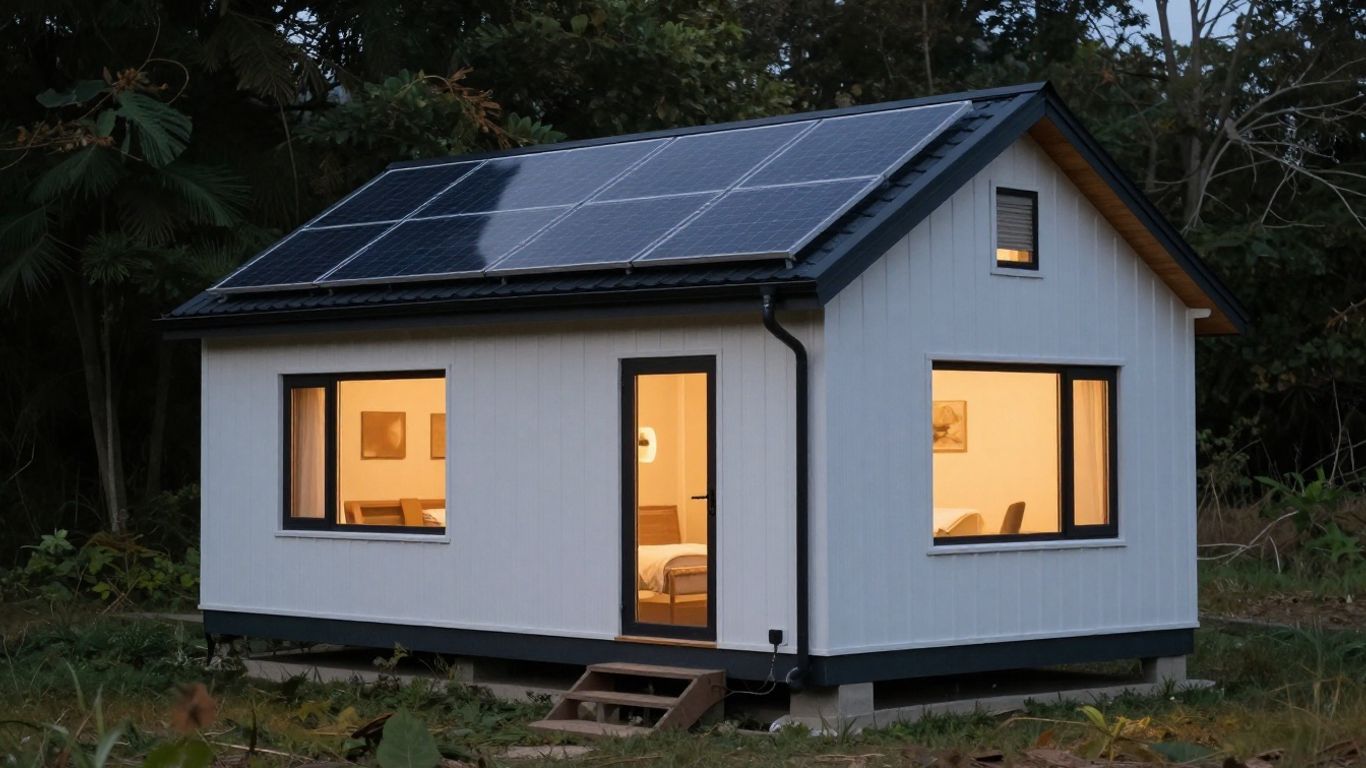
Solar power is probably the first thing that comes to mind for tiny homes, and for good reason. Solar panels convert sunlight directly into electricity, and the technology has gotten really good and more affordable. You can put panels on the roof of your tiny home, or on a nearby ground mount if you have the space. This means you’re generating your own power, right where you need it. Plus, it’s quiet – no noisy generators to deal with. It’s a clean way to get power, and you’re not relying on fluctuating utility prices. Think about it: free energy from the sun, year after year. Many places even offer tax credits or rebates, which can make the initial setup much more manageable. It’s a smart move for your wallet and the planet.
Exploring Wind Power as a Supplement
While solar is king, wind power can be a great partner, especially if you live in an area that gets a decent amount of wind. A small wind turbine can generate electricity when the sun isn’t shining, like on cloudy days or at night. This is where the idea of a hybrid system comes in. You might have solar panels as your main source, and a wind turbine to fill in the gaps. It makes your power supply much more reliable. You’ll want to find a spot for the turbine that’s clear of obstructions so it can catch the wind effectively. It’s not for every location, but if you’ve got the wind, it’s definitely worth considering.
Converting Natural Energy to Usable Electricity
Beyond solar and wind, there are other ways to tap into nature’s power. If your tiny home is near a flowing stream or river, micro-hydro power is an option. It uses the force of moving water to spin a turbine and generate electricity. This can be a very consistent source of power, day and night. Another method, though less common for tiny homes, is geothermal energy, which uses the earth’s stable underground temperature. For more immediate needs, especially as a backup, generators are still an option. They can run on propane, gasoline, or diesel. While they’re not as eco-friendly as solar or wind, they provide a reliable power source when renewables are low. Propane is also super handy for cooking and heating in tiny homes, making it a versatile energy choice.
Here’s a quick look at how different renewable sources can work together:
- Solar Panels: Best for sunny days, provides the bulk of energy.
- Wind Turbine: Complements solar, works well on windy days and at night.
- Micro-Hydro: Excellent for consistent power if you have moving water nearby.
- Battery Storage: Stores excess energy from all sources for later use.
Relying on renewable energy sources for your tiny home means you’re not just getting electricity; you’re gaining a level of independence and reducing your impact on the environment. It’s about making a conscious choice for a more sustainable way of living.
Achieving True Off-Grid Independence
Living off-grid in a tiny house is all about disconnecting from the usual power lines and water pipes. It means you’re in charge of your own electricity, water, and waste. This lifestyle is really appealing if you want to live more simply and be kinder to the planet. It’s not just about having a small house; it’s about a whole different way of living that relies on what you can generate yourself.
Freedom of Location with Off-Grid Systems
One of the biggest draws of going off-grid is the freedom to place your tiny home just about anywhere. You’re not tied to a specific spot because you need to be near a power pole or water main. This means you can find that quiet, secluded piece of land you’ve always dreamed of, maybe with a great view or surrounded by nature. This independence from utility companies is a major perk. You can set up your home in remote areas, on family land, or even travel with it if it’s on wheels, as long as you have the right setup to keep the lights on and the water flowing. It really opens up possibilities for where you can live.
Reducing Reliance on Fossil Fuels
Off-grid living often goes hand-in-hand with using renewable energy sources. Instead of getting power from a grid that might rely heavily on burning coal or natural gas, you’re generating your own clean energy. This usually means solar panels, and maybe even a small wind turbine. By using these natural resources, you’re significantly cutting down on your carbon footprint. It feels good knowing your electricity isn’t contributing to pollution. Plus, as renewable energy technology gets better and cheaper, it makes this kind of self-sufficient living more practical than ever. You can explore options for a tiny home solar system that fits your needs.
Standalone vs. Hybrid Off-Grid Setups
When you decide to go off-grid, you’ll run into two main types of systems: standalone and hybrid. Standalone systems are completely independent. Everything you need – power generation, storage, and distribution – is all part of your own setup. This is great for total self-sufficiency but requires careful planning to make sure you always have enough power. Hybrid systems, on the other hand, still keep you off the main grid but might incorporate other backup methods. This could mean having a generator for emergencies or using a combination of solar and wind power. It offers a bit more flexibility and a safety net.
Here’s a quick look at the differences:
| Feature | Standalone System | Hybrid System |
|---|---|---|
| Grid Connection | None | None (but may integrate other sources) |
| Power Source | Self-generated only | Self-generated + backup (e.g., generator) |
| Complexity | High planning required | Moderate to high planning |
| Reliability | Dependent on weather/generation | Enhanced by backup options |
Choosing an off-grid setup means you’re taking on the responsibility for your home’s utilities. It requires a good understanding of your energy needs and how to meet them sustainably. Planning is key to making sure you have power when you need it, especially during cloudy days or when energy demands are high.
Ultimately, going off-grid is a big step, but it offers a unique kind of freedom and a more sustainable way to live. It’s about being resourceful and connecting with the natural world in a way that’s just not possible when you’re plugged into the conventional grid.
Backup Power and Supplementary Solutions
The Role of Portable Generators
When you’re living in a tiny home, especially off-grid, having a reliable backup power source is pretty important. Generators are a common choice for this. They can kick in when your main power source, like solar, is running low, maybe during a long stretch of cloudy days or when the wind just isn’t cooperating. Think of them as your emergency power buddies. You can get them running on gasoline, propane, or even diesel. When picking one out, you’ll want to look at how much power it puts out and how long it can run on a tank of fuel. It’s not the most eco-friendly option, and they can be noisy, plus you’ve got to keep them fueled up and maintained, but they sure do offer peace of mind.
Battery Storage Systems for Consistency
Battery storage is a big deal, especially if you’re relying on solar or wind. These systems act like a power bank for your tiny home. They soak up extra energy generated during sunny or windy periods and then dish it out when the sun’s gone down or the wind dies off. This is what really makes off-grid living practical day-to-day. You’ve got a couple of main types to consider: lithium-ion batteries and lead-acid batteries. Lithium batteries tend to be lighter, last a lot longer, and are more efficient, but they usually cost more upfront. Lead-acid batteries are the more budget-friendly option, though they can be heavier and might not hold a charge quite as well over time. Getting the right size battery bank is key to making sure you don’t run out of juice when you need it most.
Having a combination of power sources, like solar panels with a robust battery bank and a generator for those really tough times, creates a more resilient and dependable energy system for your tiny home. It’s all about redundancy and making sure you’ve got power no matter what the weather throws at you or how much energy you’re using.
Here’s a quick look at how different backup solutions stack up:
- Generators: Good for short-term, high-demand power needs or as a primary backup. Require fuel and maintenance.
- Battery Storage: Provides consistent power from renewable sources when they aren’t actively generating. Essential for off-grid living.
- Hybrid Systems: Combine multiple sources (solar, wind, generator, batteries) for maximum reliability. Offers flexibility but can be more complex.
Choosing the Right Power Solution
So, you’ve got your tiny home all set up, and now it’s time to figure out how to power it. This is a pretty big decision, and honestly, there’s no single ‘right’ answer for everyone. It really boils down to what you need and what you’re willing to do. Let’s break down how to pick the best setup for your situation.
Assessing Your Specific Power Requirements
First things first, you need to know how much electricity you’ll actually use. It’s easy to just guess, but that can lead to a system that’s too small and leaves you in the dark, or one that’s way too big and costs a fortune. Grab a notepad and list out every single appliance and electronic device you plan to use in your tiny home. Think about things like your fridge, lights, phone chargers, laptop, maybe a TV, a fan, or even a small heater. For each item, try to estimate how many hours a day you’ll use it. This will give you a rough idea of your daily kilowatt-hour (kWh) consumption. Don’t forget to factor in seasonal changes too – you might use more power for heating or cooling depending on where you live.
Long-Term Benefits of Solar Energy
When people think about powering a tiny home, especially off-grid, solar panels often come to mind first, and for good reason. Solar energy is clean, it’s renewable, and once you’ve got the system installed, the ‘fuel’ is free. This means no more paying electricity bills, and you’re not contributing to pollution. While the initial cost of solar panels and batteries can seem high, they really pay for themselves over time. Plus, they’re quiet, unlike noisy generators, which is a big plus for peaceful living. Solar systems also don’t need a ton of maintenance – usually just keeping the panels clean is enough.
Factors Influencing System Feasibility
Choosing your power solution isn’t just about what you want; it’s also about what’s practical. Your location plays a huge role. If you’re in a place that gets a lot of sunshine year-round, solar is a no-brainer. If you’re in a very windy area, a small wind turbine could be a great addition, maybe even working alongside solar panels to give you power even when it’s cloudy. If you happen to be near a steady stream or river, micro-hydro power is another option, though these are less common for tiny homes. You also need to consider your budget, of course, and whether you’re comfortable with the maintenance involved. Some systems, like standalone solar setups, require more hands-on management than others.
Here’s a quick look at some common power sources:
- Solar Power: Great for sunny locations, renewable, low running costs.
- Wind Power: Good for consistently windy areas, can supplement solar.
- Generators: Useful for backup or primary power, but noisy and require fuel.
- Battery Storage: Essential for storing energy from renewables for use when needed.
When you’re weighing your options, think about the total cost of ownership, not just the upfront price. A cheaper system that breaks down often or needs constant fuel refills might end up costing you more in the long run than a more expensive, but reliable, renewable energy setup.
Powering Your Tiny Life
So, how do tiny homes get their electricity? It turns out there are quite a few ways, and the choice really depends on where you want to live and what you’re aiming for. Whether you’re plugging into the grid like a traditional house, going all out with solar panels and batteries for off-grid freedom, or using a generator for backup, there’s a solution out there. Many people find that solar power fits the minimalist and eco-friendly vibe of tiny living perfectly, offering independence and saving money in the long run. It’s all about finding the right fit for your own little space and your personal goals.
Frequently Asked Questions
What are the main ways tiny homes get electricity?
Tiny homes can get electricity in a few main ways. Some connect to the regular power lines, like a normal house. Others use clean energy from the sun (solar panels) or wind. Some people also use portable generators or battery systems for power.
What does ‘on-grid’ power mean for a tiny home?
On-grid power means your tiny home is plugged into the local electricity company’s system. This is like how most houses get power. It’s a reliable choice if your tiny home is in a fixed spot and has access to these connections.
What is ‘off-grid’ power and why do people choose it?
Off-grid power means your tiny home doesn’t connect to the main power lines. People choose this for freedom to place their home anywhere, even in remote spots, or to live a more eco-friendly life by using less fossil fuels.
Are solar panels a good option for tiny homes?
Yes, solar panels are a very popular choice for tiny homes, especially for off-grid living. They capture energy from the sun and store it in batteries, providing a clean and independent power source. It’s a great way to be more sustainable.
What is a generator used for in a tiny home?
Generators can be used as a backup power source for tiny homes, or sometimes as the main power if other options aren’t available. They usually run on gas or propane, but they can be noisy and need fuel refills.
How do I figure out the best power solution for my tiny home?
To find the best power solution, think about where your tiny home will be, how much electricity you’ll use, and if you want to be connected to the grid or live off-grid. Solar energy is often a great long-term choice because it’s good for the environment and can save money.
Explore more tiny home living, design, downsizing, building, and lifestyle resources.