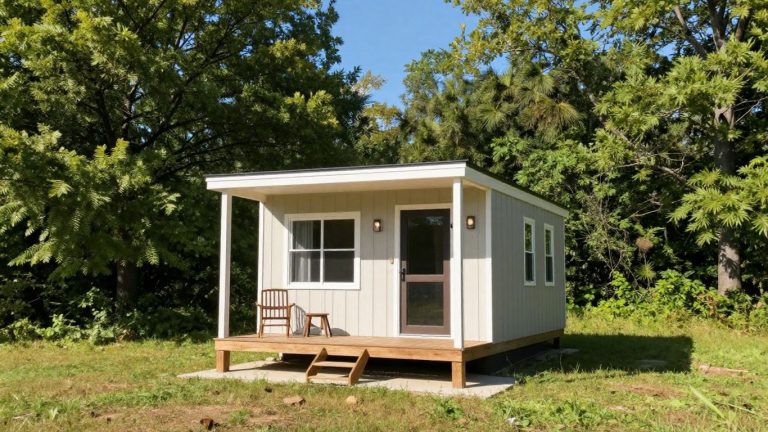
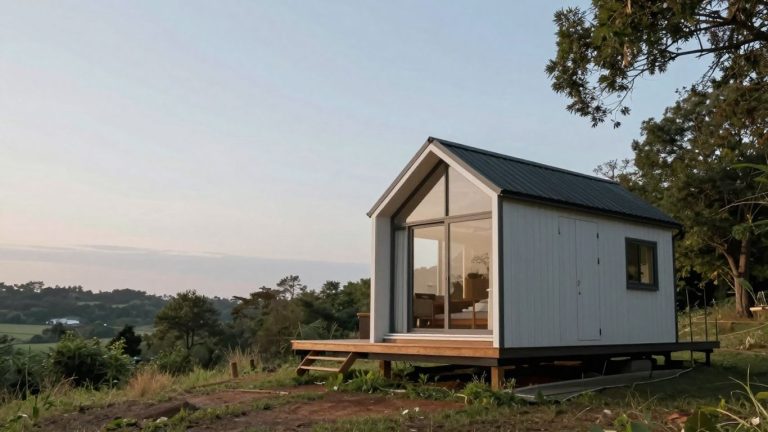
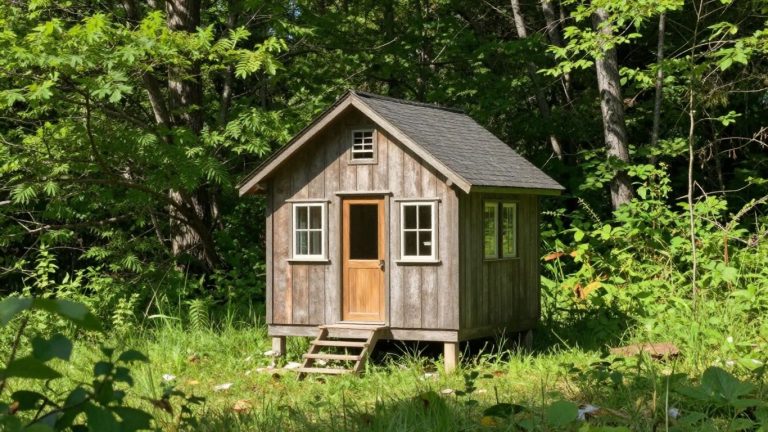
How Long Do Tiny Homes Last? Understanding Lifespan, Maintenance, and Longevity

Tiny homes are a big deal right now, offering a simpler, more affordable way to live. But with any big purchase, you’ve got to wonder: how long do tiny homes last? It’s not like they’ve been around forever, so figuring out their lifespan can be tricky. We’re going to break down what makes these small dwellings tick and how you can make yours stick around for a good long while.
Key Takeaways
- A well-built and maintained tiny home can last 30-50 years or even longer.
- Tiny homes on a foundation generally last longer than those on wheels due to less stress.
- The quality of building materials and construction methods significantly impacts longevity.
- Regular maintenance, including inspections and prompt repairs, is vital for extending a tiny home’s life.
- Climate and location play a role, but proper weatherproofing can mitigate environmental challenges.
Understanding Tiny House Lifespan
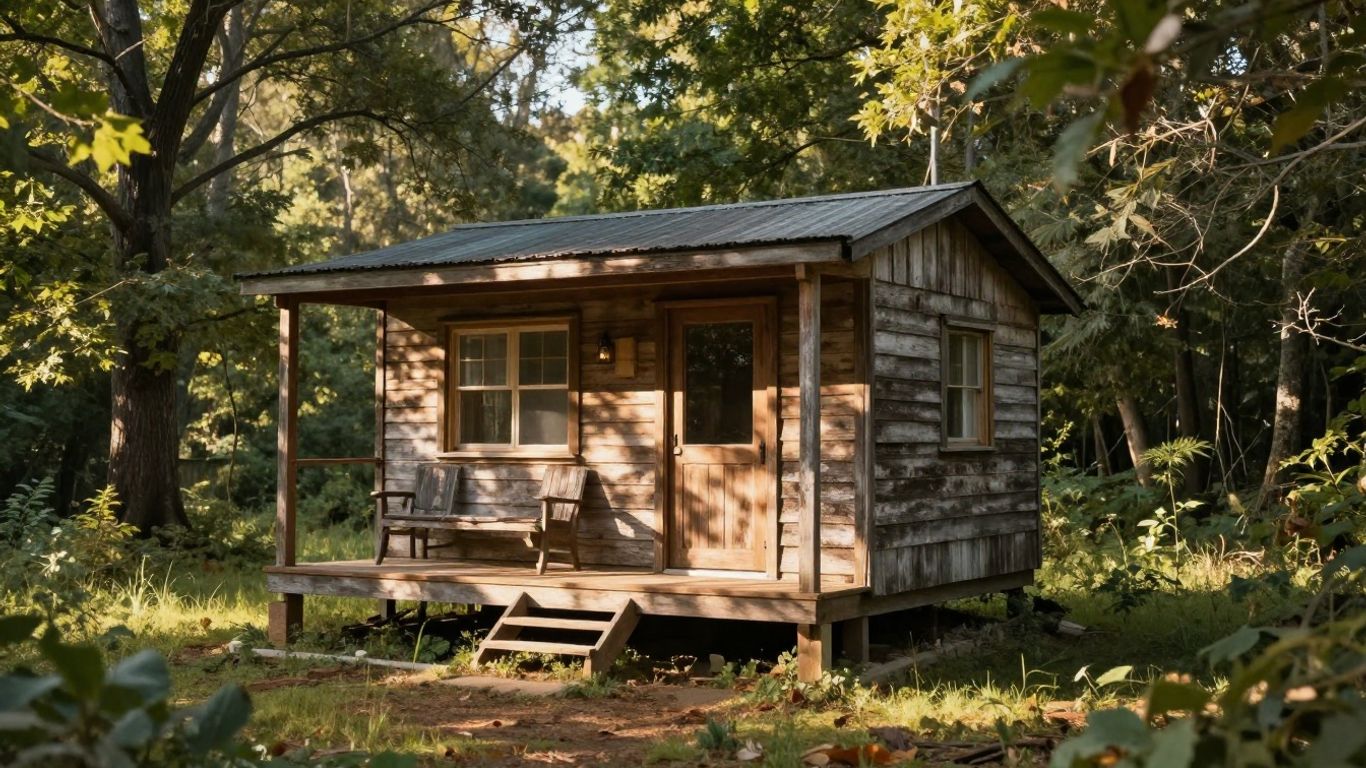
So, how long can you actually expect a tiny house to stick around? It’s a question a lot of people ponder when they’re thinking about building or buying one. The truth is, it’s not as simple as giving a single number. A lot of factors play into how long your tiny home will last. Think of it like asking how long a car will last – it really depends on the make, model, how you drive it, and how often you get the oil changed.
Factors Affecting Tiny House Durability
Several things can make a tiny house last longer or shorter. The quality of the materials used is a big one. Are we talking about sturdy steel framing or basic wood? What about the siding and roofing? These choices make a difference. Then there’s how it’s put together. A house built by experienced craftspeople with attention to detail will naturally hold up better than one slapped together quickly. Even how you use the house matters. Living in it full-time means more daily wear and tear on things like plumbing and floors compared to using it just a few weekends a year. And if it’s a tiny house on wheels (THOW), every time you move it, the structure gets a bit of a jolt. Frequent travel can definitely speed up aging.
Mobile vs. Foundation Tiny Homes
This is a pretty significant point. A tiny house built on a permanent foundation is generally going to last longer than one that’s designed to be moved around. Foundation homes are built more like traditional houses, with a solid base that doesn’t experience the stresses of travel. They’re less exposed to the constant vibrations and potential damage that comes from being towed. Tiny homes on wheels, while offering amazing flexibility, have to be built lighter and often with materials that can withstand movement. This constant motion, even if you’re careful, puts extra strain on the structure over time. So, while both can be durable, a stationary tiny home often has an edge in longevity.
The Role of Construction Quality
When we talk about construction quality, we’re really talking about the skill of the builders and the standards they follow. Did they use proper techniques for weatherproofing? Is the framing solid and well-connected? Are the windows and doors sealed correctly to prevent leaks? A well-built tiny house is one where every joint, every seal, and every material choice has been made with longevity in mind. This isn’t just about making it look good; it’s about creating a structure that can withstand the elements and daily use for years to come. Poor construction, on the other hand, can lead to problems down the road, like water damage, mold, or structural weaknesses, all of which shorten the lifespan.
Estimating the Longevity of Tiny Homes
It’s a bit tricky to pin down an exact number for how long a tiny home will last. Honestly, they just haven’t been around long enough for us to have solid, long-term data. Most of what you’ll find online is a general guess, often landing somewhere between 30 to 50 years. But that’s a pretty wide range, right? It really boils down to a few key things.
Typical Lifespan Under Normal Conditions
Under typical use and with decent construction, a tiny house might see a lifespan of around 30 to 50 years. This assumes it’s not being moved constantly and gets regular, basic upkeep. Think of it like a well-cared-for car – it can last a good while if you don’t push it too hard and keep up with the oil changes.
Potential Lifespan with Premium Materials
Now, if you step up the game with really good materials and top-notch construction, you can definitely push that lifespan further. Using durable woods, high-quality insulation, and robust roofing can make a big difference. Some folks even suggest that a tiny home built with premium stuff and put on a solid foundation could potentially last as long as a traditional house, maybe even 80 years or more. It’s all about investing in quality from the start.
Comparison to Traditional Housing
Traditional homes, especially those built on foundations with sturdy frames, are generally expected to last much longer, often 80-100 years or even more. They’re built to withstand a lot more over time. Tiny homes, particularly those on wheels, face more stress from travel and the elements. However, a tiny home on a foundation, if built well and maintained, can certainly rival the longevity of a larger home. The key is that mobility is a major factor in wear and tear.
The lifespan of any home, tiny or not, is heavily influenced by the quality of its build and how well it’s looked after. Regular maintenance and smart choices in materials can significantly extend how long your tiny home remains a comfortable and safe place to live.
Key Factors Influencing Tiny Home Durability
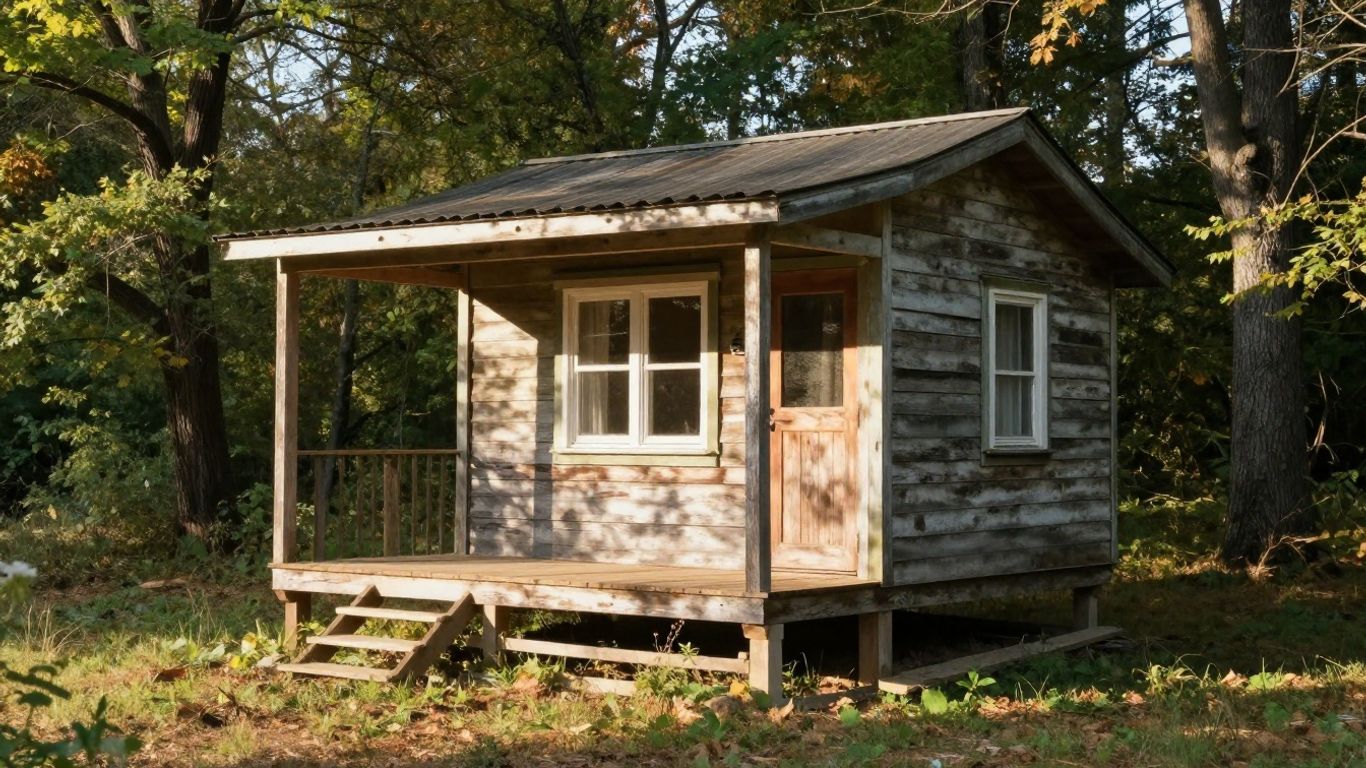
So, what really makes a tiny house stand the test of time? It’s not just one thing, but a mix of how it’s built, what it’s made of, and where it ends up sitting. Think of it like building with LEGOs versus using actual bricks – the materials and the way you put them together make a huge difference in how long it lasts.
Impact of Building Materials
The stuff you use to build your tiny home is a big deal. Some materials just hold up better than others, especially when they’re constantly dealing with the weather. For example, a metal roof can last for decades and shrugs off rain and wind like it’s nothing. On the other hand, some types of wood siding might look nice, but they can be more prone to rot or insect damage if not treated right. Even the screws used matter; good quality ones hold things together much better than staples over the long haul.
Here’s a quick look at how some common materials stack up:
| Material | Typical Lifespan (Years) | Weather Resistance | Notes |
|---|---|---|---|
| Standing Seam Metal | 30-50+ | Excellent | Resists wind, water, fire |
| Fiber Cement Siding | 30-50 | Excellent | Resists fire, moisture, insects |
| Steel Framing | 50+ | Excellent | Resists fire, moisture, insects |
| Engineered Wood | 20-30 | Good | Can be susceptible to moisture |
| Standard Wood Siding | 10-20 | Fair | Requires regular maintenance |
Significance of Construction Methods
It’s not just what you build with, but how you build it. A tiny home that’s put together with care, using proper techniques, will naturally last longer. This means things like good sealing to keep water out, solid framing that can handle stress, and making sure everything is properly attached. If you’re building on wheels, the way the house is secured to the trailer is super important. A poorly built house, even with great materials, can fall apart faster than you’d think.
Building a tiny home is a bit like building a ship. It needs to be watertight, strong, and able to withstand whatever the elements throw at it. Every joint, every seal, every connection point matters. Cutting corners here can lead to big problems down the road, like leaks, drafts, or structural issues that shorten its life.
Influence of Climate and Location
Where your tiny home lives plays a massive role. If it’s in a place with harsh winters, you need to think about snow loads and freeze-thaw cycles that can crack materials. Coastal areas mean dealing with salt spray, which can corrode metal parts. Very hot and sunny places can fade and degrade siding and roofing over time. And if you get a lot of rain or high humidity, mold and rot become serious concerns. Tailoring your tiny home’s design and materials to the specific climate you’ll be in is one of the smartest things you can do for its longevity.
Consider these climate challenges:
- Heavy Snowfall: Can put a lot of weight on the roof. A well-sloped roof and strong framing help.
- High Humidity/Rain: Leads to mold and rot if not managed. Good ventilation and waterproof coatings are key.
- Intense Sun (High UV): Fades paint and can degrade roofing materials. UV-resistant finishes help.
- Coastal Salt Air: Corrodes metal components. Using rust-resistant materials is a good idea.
- Extreme Cold: Temperature swings can cause materials to expand and contract, leading to cracks. Good insulation is vital.
Maximizing Your Tiny Home’s Lifespan
So, you’ve got a tiny home, and you want it to stick around for a good long while, right? It’s not just about building it tough initially; it’s also about how you treat it day-to-day. Think of it like a good relationship – it needs consistent effort to thrive.
Proactive Maintenance Strategies
Regular check-ups are your best friend here. You don’t want to wait for a small drip to turn into a big water damage problem. Aim to give your tiny home a good once-over at least twice a year. This means looking at the roof for any loose shingles or damage, checking the siding for cracks, and inspecting around windows and doors for any signs of wear. Don’t forget to re-caulk or re-seal any gaps you find every year or two. After any big storm, it’s a good idea to quickly check for leaks and clear out your gutters. Also, give your plumbing and electrical systems a look-see annually. Catching little issues early can save you a ton of headaches and money down the road.
- Monthly: Quick interior clean-up, check for any obvious issues.
- Semi-annually: Exterior inspection (roof, siding, windows, doors), gutter cleaning.
- Annually: Deeper inspection of plumbing and electrical systems, re-caulking/sealing as needed.
Protecting Against Environmental Stressors
Your tiny home is exposed to the elements, and that can take a toll. Making it more resilient is key. Think about adding extra protection, especially if you live in a damp or coastal area. Proper flashing around openings like windows and doors is a must. Waterproof membranes under the roof and floor can make a big difference. Inside walls, vapor barriers help stop moisture from getting trapped, which can lead to rot. And ventilation is super important – you need good airflow to keep humidity in check. For tiny homes on wheels (THOWs), consider adding underbelly protection or insulation panels for an extra layer against the weather. If metal parts are exposed, a good rust-inhibiting paint can be a lifesaver.
Keeping your tiny home sealed up tight against the weather, while also allowing it to breathe properly, is a delicate balance. Too much moisture trapped inside is just as bad as rain getting in from the outside. Good ventilation and smart material choices are your first line of defense.
Addressing Repairs Promptly
This one’s pretty straightforward: don’t put off repairs. That little crack in the siding? It’s an invitation for water. That slightly loose screw on the roof? It could lead to bigger problems. The sooner you fix things, the less chance they have of escalating into major structural issues. It might seem like a hassle to deal with a small repair right away, but trust me, it’s way easier and cheaper than fixing extensive damage later on. Think of it as preventative medicine for your tiny house. It keeps everything sound and prevents minor wear and tear from turning into costly renovations. Your tiny home will thank you for it by staying sturdy and comfortable for years to come.
The Impact of Mobility on Tiny House Longevity
Wear and Tear from Frequent Travel
Moving a tiny house, especially a Tiny House on Wheels (THOW), isn’t like a gentle drive. Every trip, every bump in the road, puts stress on the structure. Think of it like constantly shaking a box of LEGOs – eventually, things can loosen up. The frame, the joints, even the interior finishes can experience wear and tear over time. If you’re planning on moving your tiny home often, or if you’ll be traveling on rougher roads, this movement is going to be a significant factor in how long your home holds up. It’s not just about the big moves either; even short, frequent relocations add up.
Durability Considerations for Tiny Homes on Wheels
When you’re looking at a THOW, you’ve got to think about the trailer itself. A solid, well-built trailer is the foundation for your home’s mobility and longevity. Using high-quality trailer components and ensuring everything is securely fastened is key. Regular inspections are a must. You’ll want to check for any signs of stress, like cracks in the frame or loose connections, especially after a long journey or if you’ve hit some rough patches. It’s about being proactive to catch issues before they become big problems.
Foundation-Based Tiny Homes vs. Mobile Units
So, how does this compare to a tiny home that’s set up on a permanent foundation? Well, a stationary tiny home doesn’t have to deal with the constant vibrations and stresses of travel. This means its components are likely to last longer, similar to a traditional house. Without the road stress, the joints stay tighter, and the overall structure experiences less fatigue. While a THOW offers amazing flexibility, a foundation-based tiny home often has an edge when it comes to long-term durability because it’s not subjected to the rigors of the road.
Here’s a quick look at how mobility might affect things:
| Feature | Tiny Home on Wheels (THOW) | Foundation-Based Tiny Home |
|---|---|---|
| Structural Stress | Higher due to travel vibrations | Minimal, similar to traditional homes |
| Maintenance Needs | More frequent checks for wear and tear | Standard home maintenance |
| Potential Lifespan | Can be shorter if moved frequently | Potentially longer, comparable to traditional homes |
The reality is, the constant movement of a THOW means more opportunities for things to loosen, wear out, or get damaged. While good construction and materials can mitigate this, it’s an unavoidable aspect of mobile living that impacts longevity.
Essential Maintenance for Tiny House Longevity
So, you’ve got your tiny house, and you want it to stick around for a good long while, right? Well, just like anything you want to last, it needs a bit of regular TLC. Think of it like taking care of a car – you wouldn’t just drive it until it breaks down, would you? Same idea applies here.
Regular Inspections and Upkeep
This is probably the most important part. You’ve got to get into the habit of looking your tiny house over, inside and out, pretty regularly. I’m talking about checking the roof for any loose shingles or damage, especially after a big storm. Then there’s the siding – look for any cracks or gaps where water could sneak in. Don’t forget to check around the windows and doors too; re-caulking them every year or two can make a huge difference in keeping the weather out. It’s also a good idea to clean out your gutters. Seriously, clogged gutters are a recipe for water damage, and nobody wants that.
Here’s a quick rundown of what to keep an eye on:
- Roof: Look for missing, cracked, or loose shingles/panels.
- Siding: Check for any gaps, cracks, or signs of rot.
- Windows & Doors: Inspect the seals and caulk for wear and tear.
- Gutters: Clear out debris to ensure proper water drainage.
- Foundation/Trailer: If it’s on wheels, check the trailer frame and tires. If it’s on a foundation, inspect that too.
A little bit of preventative work now can save you a whole lot of headaches and money down the road. It’s all about staying ahead of the game.
Managing Humidity and Preventing Moisture Damage
Tiny spaces can get humid pretty fast, especially if you’re cooking or showering. Too much moisture hanging around is bad news for wood, insulation, and can even lead to mold. So, ventilation is key. Make sure your fans are working, especially in the bathroom and kitchen. Using a dehumidifier can also be a lifesaver, particularly in damp climates or during certain seasons. Also, think about how you use your space – try to dry off wet items quickly and avoid leaving damp things sitting around. Proper vapor barriers during construction help a lot, but ongoing management is still needed.
Caring for Plumbing and Electrical Systems
Your plumbing and electrical systems are the lifeblood of your tiny home. For plumbing, keep an ear out for any strange noises or drips – those are usually early signs of a leak. Check connections periodically. For electrical, it’s wise to look for any frayed wires or loose connections. If you’re not comfortable doing these checks yourself, which is totally understandable, then get a professional to take a look at least once a year. It’s better to be safe than sorry when it comes to electricity and water, right? Addressing small issues with these systems right away can prevent bigger, more expensive problems later on.
So, How Long Will Your Tiny Home Last?
Alright, so we’ve talked a lot about tiny homes and how long they might stick around. The bottom line is, there’s no single answer, but it’s not as simple as saying they’re flimsy. A well-built tiny house, whether it’s on wheels or a foundation, can definitely last for decades. We’re talking 30, maybe even 50 years or more if you’re smart about it. It really comes down to the materials you use when building it, how you take care of it day-to-day, and even where you put it. Think of it like any other home – a little regular attention goes a long way. So, if you’re thinking about going tiny, focus on quality construction and commit to keeping up with maintenance, and you’ll likely have a cozy, long-lasting home for years to come.
Frequently Asked Questions
How long can a tiny house actually last?
While it’s hard to say for sure because they haven’t been around for ages, most experts guess that a well-built tiny house can last between 30 to 50 years, or even longer with great care.
Does moving a tiny house make it break down faster?
Yes, moving a tiny house, especially often, can cause extra wear and tear because of the shaking and stress on its structure. It might not last quite as long as one that stays put.
What’s more important for a tiny house’s life: materials or how it’s built?
Both are super important! Using strong, good-quality materials like steel framing or metal roofing helps a lot. But, how well it’s put together by skilled builders is just as key to making it last.
Can a tiny house be as durable as a regular-sized house?
Absolutely! If a tiny house is built with tough materials and gets regular check-ups and fixes, it can last just as long as a larger, traditional home.
What’s the best way to make my tiny house last longer?
Keep up with regular check-ups and fixes, protect it from bad weather by sealing up any cracks or leaks, and deal with any problems right away. Basically, take good care of it!
Does the weather affect how long a tiny house lasts?
Yes, it does. Living in a place with really harsh weather, like heavy snow or strong winds, can put more stress on a tiny house. Good insulation and making sure it’s sealed up well can help protect it.
Explore more tiny home living, design, downsizing, building, and lifestyle resources.