The Ultimate Guide: How to Heat a Tiny Home Efficiently and Safely

Tiny homes are becoming super popular, and it’s easy to see why. They’re minimalist, efficient, and can be a great way to live. But, keeping one cozy when it’s cold outside can be a bit tricky. Because they’re so small and often have unique layouts, the heating systems we use need to be smart about space and energy. This guide will walk you through how to heat a tiny home so you can stay comfortable without a fuss.
Key Takeaways
- Tiny homes have unique heating needs due to their size, limited insulation potential, and open layouts.
- Consider various heating systems like electric heaters, wood stoves, mini-split heat pumps, and radiant floor heating, weighing their pros and cons for small spaces.
- Off-grid tiny homes often rely on propane, wood stoves, or alternative energy sources, making safety and efficiency top priorities.
- Maximizing energy efficiency involves good insulation, sealing drafts, and weatherproofing to reduce heating costs.
- Passive heating strategies, such as smart window placement and thermal mass materials, can naturally warm your home and save energy.
Understanding the Unique Heating Needs of Tiny Homes
So, you’ve got a tiny home. Awesome! They’re super cool, right? But when it comes to keeping them warm, especially when it gets chilly outside, things can be a bit different than in a regular-sized house. It’s not just about cramming a heater in there; there are some specific things to think about because, well, it’s tiny.
How Tiny Home Design Impacts Heating
Tiny homes are all about smart design, and that really affects how you heat them. Most of them are open-plan, meaning one big space. This is great for making it feel bigger, but it also means heat can spread out quickly, or worse, escape easily. Think about it: if you’re heating one end of a long, open room, that warmth has to travel. Plus, many tiny homes have high ceilings or lofts, which can create a situation where the warm air just hangs out up high, leaving your feet cold. It’s a bit like trying to fill a tall, skinny vase with water – it takes a while to reach the top. The layout really dictates how efficiently heat moves around.
The Challenges of Limited Insulation
Because tiny homes are, you know, tiny, there isn’t always a ton of room for thick insulation like you’d find in a standard house. Walls are often thinner, and every inch counts for living space. This means that heat can escape more easily in the winter, and the summer sun can bake the inside faster. It’s like wearing a thin jacket on a really cold day; it helps a little, but you still feel the chill. This lack of robust insulation means your heating system has to work harder to keep things cozy, which can use up more energy. Finding ways to add good insulation, even in a small space, is a big deal for keeping your home warm without running up huge bills. You can check out some insulation options that might work for smaller structures.
Importance of Air Circulation in Small Spaces
In a tiny home, air circulation is surprisingly important. Without it, you can end up with hot spots and cold spots. Imagine your heater blasting away in one corner, making it super toasty there, while the other side of the room feels like a refrigerator. This happens because the air isn’t moving around properly. Good air circulation helps distribute the heat evenly, making the whole space feel comfortable. It also helps prevent moisture buildup, which can be a problem in any home, but especially in a small, enclosed one. You don’t want stale air hanging around, right? It’s all about making sure that the air you’re heating gets to where you are.
Keeping a tiny home comfortable year-round requires a thoughtful approach to heating. It’s not just about the size of the heater, but how the home’s design, insulation, and air movement all work together. Thinking about these factors from the start can save you a lot of hassle and energy costs down the road.
Choosing the Best Heating System for Tiny Spaces
When it comes to heating a tiny home, you’ve got a few different routes you can go. It’s not like a big house where you just crank up the central heating. Here, every inch counts, and so does every watt of power. The best system for you really depends on your budget, where you’re located, and how your tiny home is built. Let’s break down some of the most popular options.
Electric Heaters: Pros and Cons
Electric heaters are often the go-to for tiny homes because they’re generally affordable upfront and super easy to use. You can find them in all sorts of styles – ceramic, oil-filled, infrared – and many are small enough to tuck away or even mount on a wall to save precious floor space. They’re great for quick spot heating or for homes that are already connected to the grid. However, they can be energy hogs, especially if you’re trying to heat the whole space. If you’re off-grid, running a powerful electric heater usually means a pretty hefty investment in solar panels and battery storage, which isn’t always practical. Plus, you’ve got to be mindful of safety; always check out the safest electric heater options and follow the manufacturer’s instructions to the letter.
- Pros: Low initial cost, easy to operate, portable (for some models), good for supplemental heat.
- Cons: Can be expensive to run, high energy consumption, may require significant off-grid power setup.
Wood, Pellet, and Gas Stoves for Tiny Homes
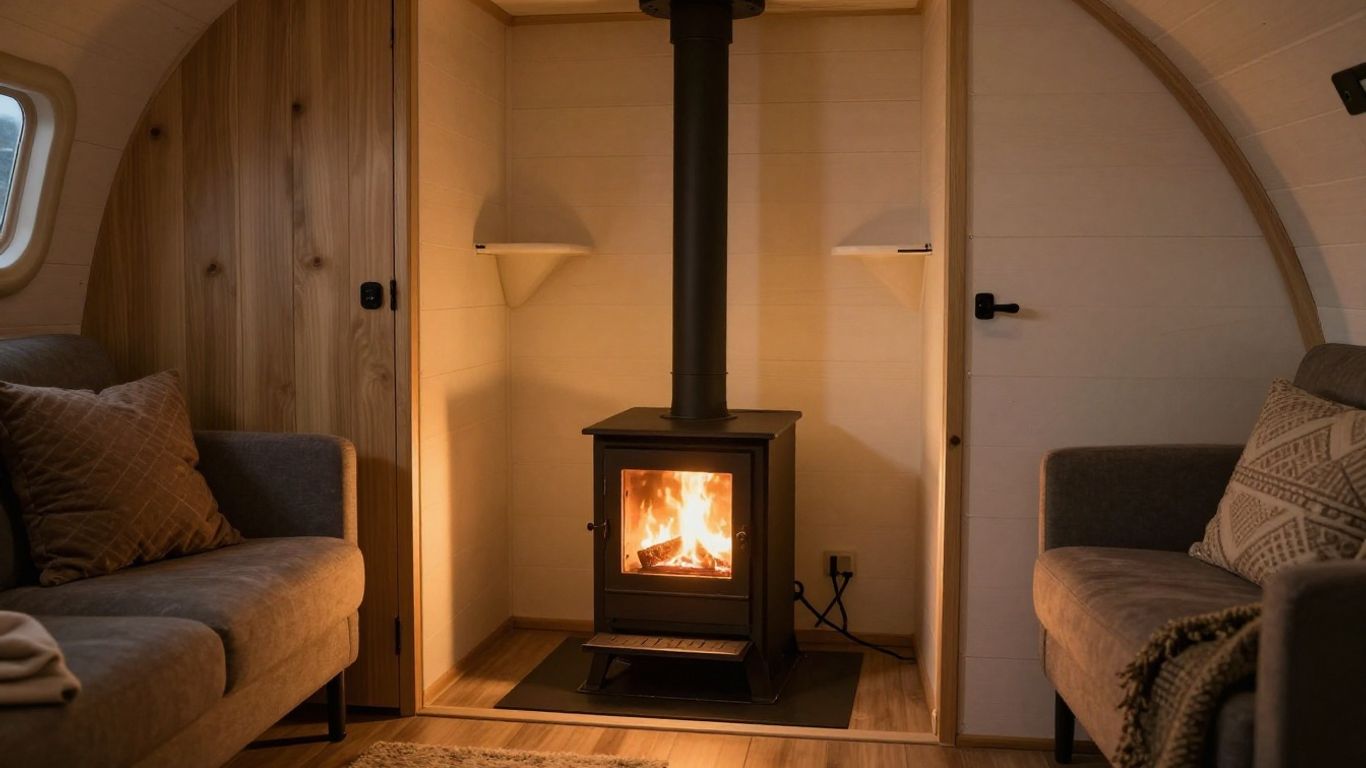
For a cozy, rustic vibe and serious heat output, wood stoves are a classic choice. Compact models designed specifically for small spaces can heat an entire tiny home. Just remember, you’ll need a proper chimney and a safe place to store your firewood. Pellet stoves work similarly but burn compressed pellets, which can be cleaner and easier to manage than logs. They also require venting. Gas stoves, particularly propane, are another option, especially for off-grid living, as they offer reliable heat without needing electricity. However, all combustion-based heaters demand careful attention to ventilation and fire safety.
- Wood Stoves: Offer a charming ambiance and strong heat. Require chimney and fuel storage.
- Pellet Stoves: Use compressed pellets, often cleaner than wood. Also need venting.
- Gas Stoves: Reliable for off-grid use. Need proper ventilation and fuel supply.
Mini-Split Heat Pumps and Radiant Floor Heat
Mini-split heat pumps are a really popular, efficient choice for tiny homes. They work by transferring heat from the outside air into your home, and many models can also provide cooling in the summer, making them a year-round solution. They don’t need bulky ductwork, and the indoor units can be mounted on walls or ceilings, saving space. Radiant floor heating is another fantastic space-saver. Heating elements are installed right under your flooring, and the heat radiates upwards, warming the entire space evenly. It’s super comfortable and eliminates any visible heating equipment. This is often a great option for tiny homes on foundations, though it might be trickier for those on wheels due to power needs.
When choosing a heating system, think about more than just the upfront cost. Consider how much energy it will use over time and if it fits your lifestyle and the specific design of your tiny home. Efficiency and safety should always be top priorities.
- Mini-Splits: Highly efficient, provide heating and cooling, no ductwork needed, flexible mounting options.
- Radiant Floor Heat: Even heat distribution, space-saving, comfortable. Best for stationary homes.
How to Heat a Tiny Home Off the Grid
Living off the grid in a tiny home presents some unique challenges, especially when it comes to staying warm. You can’t just flip a switch and expect heat if you’re not connected to the main power lines. But don’t worry, there are plenty of solid ways to keep your cozy space toasty without relying on the grid.
Propane and Wood Stove Considerations
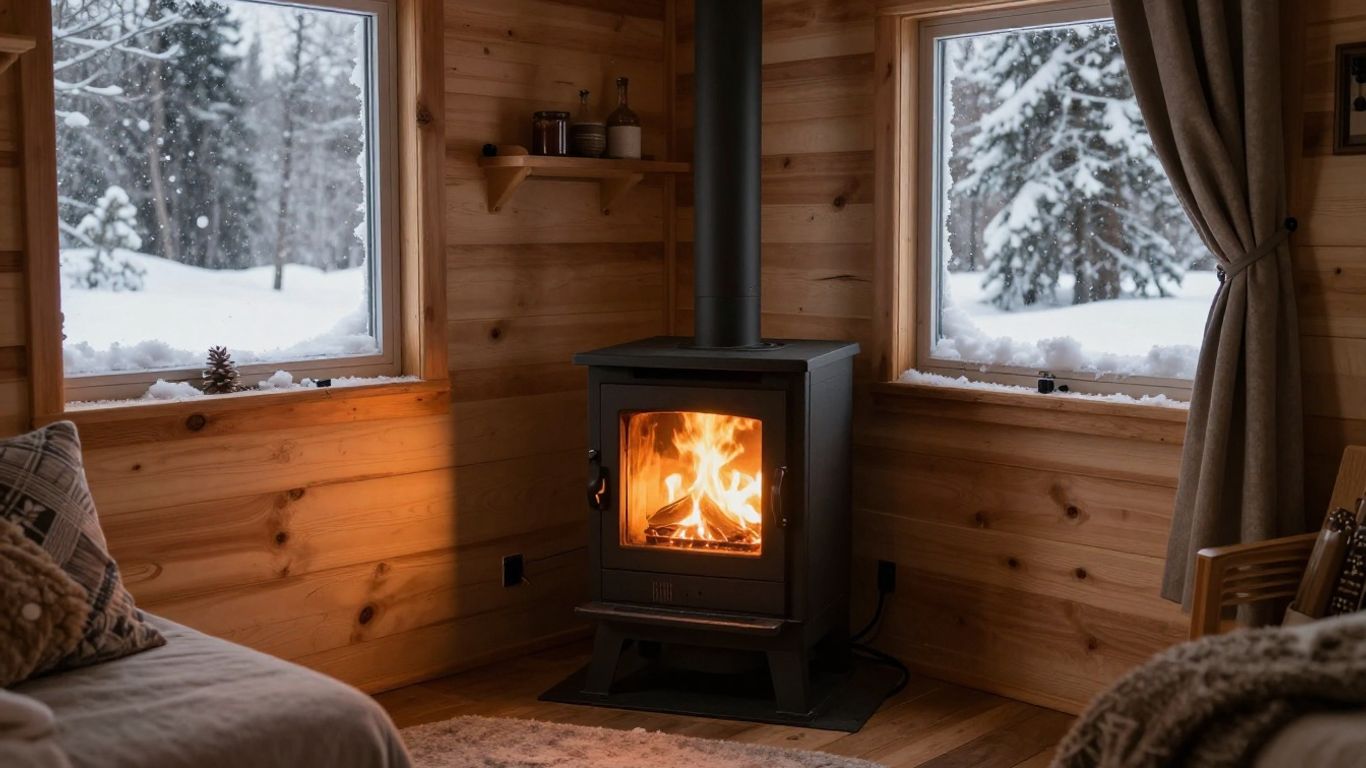
When you’re off-grid, propane heaters are a really popular choice. They’re reliable and give you consistent heat without needing electricity. Just make sure you get a model specifically designed for indoor use and that it has proper ventilation. It’s also super important to have a carbon monoxide detector. Wood stoves offer a more rustic charm and can be incredibly effective. Compact models are available that can heat an entire tiny home. However, you’ll need to think about where you’ll store your firewood and how you’ll safely install a chimney or exhaust system. For a reliable and eco-friendly heating solution, especially for off-grid homes, non-electric pellet stoves are also a great option to consider, offering warmth without electricity.
Solar Power and Alternative Energy Sources
If your tiny home is mobile, solar power can be a game-changer for off-grid heating. You can use solar panels to power your heating systems, which not only reduces your environmental impact but can also save you money in the long run. While solar might not power a high-demand heater on its own during cloudy spells, it’s excellent for running more efficient systems or charging batteries for backup. Think about combining solar with other sources for a robust system. You might also look into small-scale wind turbines if your location is suitable.
Staying Safe with Non-Electric Heaters
Safety is absolutely paramount when you’re using non-electric heating systems. With propane and wood stoves, proper ventilation is key to preventing the buildup of dangerous gases. Always install and regularly test carbon monoxide detectors. For wood stoves, ensure your chimney is clean and clear of obstructions to prevent chimney fires. Keep flammable materials well away from any heat source. It’s also a good idea to have a fire extinguisher readily accessible. Remember, even though these systems don’t use grid electricity, they still require careful attention to safety protocols.
When planning your off-grid heating, think about your specific climate, how much space you need to heat, and your personal comfort levels. A combination of heating methods might be your best bet for consistent warmth and safety throughout the year.
Maximizing Energy Efficiency for Lower Heating Costs
Keeping your tiny home toasty without burning through your budget is totally doable. It’s not just about the heater you pick, but how you manage your home’s ability to hold onto that warmth. Think of it like trying to keep a cup of coffee hot – a good lid makes a huge difference, right? The same idea applies here.
Importance of Quality Insulation
Insulation is your tiny home’s best friend when it comes to staying warm in winter and cool in summer. Because tiny homes are, well, tiny, they often have less wall space for insulation compared to a regular house. This means heat can escape more easily, making your heater work overtime. Investing in good insulation from the start, or upgrading it if you can, is probably the single best thing you can do. It slows down heat loss, meaning your heating system doesn’t have to kick on as often. This saves you money on energy bills and makes your home feel more comfortable.
- Rigid foam panels: These are great for walls and floors, offering a good R-value (that’s a measure of how well it resists heat flow) for their thickness.
- Spray foam: This expands to fill every nook and cranny, creating a really tight seal. It’s a bit more involved but super effective.
- Mineral wool: This is fire-resistant and offers good sound dampening too.
Even with limited space, prioritizing insulation is key. It acts as a barrier, keeping the heated air inside where you want it and the cold air outside. This reduces the constant cycling of your heating system, leading to significant energy savings over time.
Sealing Drafts and Improving Windows
Even the best insulation can be undermined by little gaps and cracks. Air leaks are like tiny holes in your cozy bubble. You’ll often find them around windows, doors, vents, and where different building materials meet. Sealing these up is a low-cost, high-impact way to improve efficiency.
- Weather stripping: This is a flexible material you can stick around doors and window frames to create a seal when they’re closed. It’s cheap and easy to install.
- Caulking: Use this for smaller gaps and cracks, especially around window frames, baseboards, and where pipes or wires enter the house.
- Window coverings: Heavy, thermal curtains or blinds can add an extra layer of insulation. Open them on sunny winter days to let the sun’s warmth in, and close them at night to keep the heat from escaping. In the summer, they can block out unwanted solar heat.
Using Skirting and Weatherproofing Measures
If your tiny home is on wheels or a foundation, the area underneath can be a major source of heat loss. Skirting – that’s the material that covers the gap between the bottom of your home and the ground – plays a big role. Properly installed skirting helps to trap air underneath, creating a buffer zone and preventing cold air from rising up into your living space. Think of it as adding a warm blanket to the underside of your home. For homes on foundations, ensuring the foundation itself is well-sealed and insulated is just as important. Regular checks for any wear and tear on these weatherproofing measures will help maintain their effectiveness year after year.
Passive Heating Strategies for Comfort and Savings
Choosing Optimal Window Placement
Windows are more than just holes in the wall; they’re your tiny home’s gateway to natural light and heat. When you’re thinking about where to put them, especially on the south side of your home, you’re basically setting up a free solar collector. During the winter, those south-facing windows will soak up the sun’s rays, warming your place up without you having to flip a switch. It’s like nature’s own little heater. Just remember, in the summer, you’ll want to have some way to block that sun, like good curtains or blinds, so your tiny home doesn’t turn into a greenhouse. Also, think about putting windows on opposite walls. This helps create a nice cross-breeze, which is super helpful for cooling things down naturally when it gets warm out. It’s all about working with the sun and the air, not against them.
Using Thermal Mass Materials
Thermal mass is a fancy term for materials that can absorb and store heat. Think of things like concrete, brick, or even stone. When the sun shines on these materials during the day, they soak up that warmth. Then, as the temperature drops in the evening, they slowly release that stored heat back into your tiny home. This helps keep your place at a more even temperature, smoothing out those big swings between day and night. It’s a really subtle but effective way to make your home feel more comfortable without using any extra energy. You might not notice it happening, but your tiny home will feel more stable temperature-wise.
Roof Overhangs and Sunlight Management
Roof overhangs are one of those simple design features that can make a big difference. A well-designed overhang acts like a natural shade. In the summer, when the sun is high in the sky, the overhang blocks those direct rays from coming through your windows, keeping your home cooler. But in the winter, when the sun is lower on the horizon, the overhang lets those rays sneak in, providing free heat. It’s a smart way to manage sunlight throughout the year. You can even add awnings that you can adjust, giving you more control over when you want to let the sun in or keep it out. It’s all about using your roof to help control your home’s temperature.
Passive heating isn’t about fancy gadgets; it’s about smart design. By thinking about how sunlight and air move, you can make your tiny home naturally warmer in the winter and cooler in the summer. It’s a low-cost, low-effort way to boost comfort and cut down on energy bills. Making these choices upfront, or even retrofitting them, can really pay off in the long run for your tiny living experience.
Essential Safety Tips When Heating a Tiny Home
Keeping your tiny home warm and cozy is great, but doing it safely is even more important. Because these spaces are so small, a heating issue can become a big problem really fast. Let’s go over some key safety points to keep in mind.
Preventing Fire Hazards with Small Heaters
Small heaters, while convenient, need careful handling. Always place them on a stable, level surface, far away from anything that can burn – think curtains, bedding, or furniture. Never leave a portable heater running unattended, especially when you’re sleeping or heading out. Make sure the heater has a tip-over switch, which automatically shuts it off if it gets knocked over. Also, check the cord regularly for any fraying or damage; a damaged cord is a serious fire risk.
- Keep heaters at least 3 feet away from flammable materials.
- Use heaters with automatic shut-off features.
- Inspect cords for damage before each use.
- Never dry clothes or place items on top of a heater.
Proper Ventilation for Combustion-Based Systems
If you’re using a wood stove, pellet stove, or even a propane heater, ventilation is non-negotiable. These systems produce byproducts like carbon monoxide (CO) and require fresh air to burn fuel safely. Without enough air, they can produce dangerous levels of CO, which is odorless and deadly. Make sure your stove or appliance is installed according to manufacturer instructions and local codes. This usually means a proper chimney or vent pipe that extends above the roofline. Regular checks of the vent system for blockages or damage are a must.
Proper ventilation isn’t just about getting rid of smoke; it’s about ensuring your heating system has the air it needs to operate safely and efficiently, preventing the buildup of harmful gases.
Avoiding Carbon Monoxide and Other Risks
Carbon monoxide (CO) is the silent killer. Every tiny home with a combustion-based heating system must have working CO detectors. Install them on every level of your home, especially near sleeping areas. Test them monthly and replace batteries at least once a year, or as recommended by the manufacturer. Also, be mindful of fuel storage – keep propane tanks upright and in well-ventilated areas, away from heat sources. For wood stoves, proper ash disposal is also key; let ashes cool completely in a metal container before disposing of them outside, away from your home.
Smart Controls and Monitoring for Tiny Home Heating
Installing Smart Thermostats
Okay, so you’ve got your heating system sorted out for your tiny home. That’s great! But how do you make sure it’s not running wild and costing you a fortune? That’s where smart thermostats come in. These little gadgets are pretty neat. They let you set schedules for when you want your place warm and when you want it to save energy. Think about it: you probably don’t need it blasting heat while you’re out for the day or while you’re sleeping soundly in your loft. A smart thermostat can learn your habits or you can program it yourself. This means you can wake up to a cozy home without having paid to heat an empty space all night. It’s all about being efficient, right? Keeping your tiny home at a steady, comfortable temperature is way better for your energy bill than letting it get freezing and then cranking the heat to catch up. Plus, many of them connect to your Wi-Fi, which is pretty cool.
Remote Monitoring for Off-Grid Setups
Living off the grid in a tiny home is awesome, but it can come with its own set of challenges, especially when it comes to keeping tabs on your heating. If you’re using propane tanks or wood stoves, you can’t just check an app to see how much fuel you have left or if everything’s running smoothly. This is where remote monitoring systems become super handy. For propane, there are sensors you can get that will tell you the level in your tank right on your phone. No more guessing if you’re about to run out in the middle of winter! For wood stoves, it’s a bit trickier, but some systems can monitor temperature and even air quality, giving you peace of mind that things are safe and efficient, even when you’re not right there. It’s about having that extra layer of awareness, especially when you’re relying on less conventional energy sources.
Programming for Energy Savings
Getting the most out of your heating system in a tiny home really comes down to smart programming. It’s not just about setting a temperature; it’s about setting it intelligently. You want to avoid those big temperature swings that make your system work overtime. Consider setting a slightly lower temperature for when you’re asleep or away, and then program it to ramp up about 30 minutes before you need it to be comfortable again. This pre-heating saves energy compared to blasting the heat when you’re already cold. Also, think about different zones if your system allows for it. Why heat the bathroom to 70°F when you’re only in there for a few minutes? Smart scheduling can make a big difference in your overall energy consumption. It’s a simple step, but it pays off.
Here’s a quick look at how you might schedule your heating:
- Morning (6:00 AM – 8:00 AM): Set to your comfortable waking temperature (e.g., 70°F).
- Daytime (8:00 AM – 5:00 PM): Lower the temperature to save energy (e.g., 62°F).
- Evening (5:00 PM – 10:00 PM): Return to your comfortable temperature (e.g., 68°F).
- Night (10:00 PM – 6:00 AM): Lower the temperature for sleeping (e.g., 60°F).
Smart controls aren’t just about convenience; they’re a direct pathway to reducing your heating costs and making your tiny home more sustainable. By taking a few minutes to set up schedules and monitor your system, you can significantly cut down on wasted energy.
Keeping Your Tiny Home Cozy
So, heating and cooling a tiny home might seem a bit tricky at first, especially with all the space limits and unique designs. But as we’ve seen, there are plenty of smart ways to keep things comfortable all year round. Whether you’re leaning towards a super-efficient mini-split, a cozy wood stove, or even just making the most of passive heating and cooling, the key is picking what fits your lifestyle and your home best. Don’t forget that good insulation and sealing up those drafts make a huge difference, no matter what heating system you choose. With a little planning, you can definitely make your small space a warm and inviting haven.
Frequently Asked Questions
What’s the main difference in heating a tiny home compared to a regular house?
Tiny homes are much smaller, so they heat up faster. But, they often have less insulation and thinner walls, which means heat can escape more easily. Also, the open layouts in tiny homes mean you need to think about how air moves around to keep the whole space warm.
Are electric heaters a good choice for tiny homes?
Electric heaters, like small space heaters, can be good for warming up a specific spot quickly and are often affordable. However, they might use a lot of electricity and aren’t always the best for heating the entire tiny home all the time. It’s important to use them safely.
What are some ways to heat a tiny home without being connected to the power grid?
If you’re off the grid, wood stoves or propane heaters are common choices. Wood stoves give a cozy feel but need regular tending. Propane heaters offer reliable heat but require proper ventilation. Solar power can also be used to help power heating systems.
How can I make my tiny home more energy-efficient for heating?
Good insulation is key! Make sure your walls, ceiling, and floor are well-insulated. Also, seal up any drafts around windows and doors with weatherstripping. Even small gaps can let a lot of warm air out.
What are ‘passive heating’ strategies for tiny homes?
Passive heating uses natural methods to warm your home. This includes placing windows to catch the sun’s warmth in winter (like south-facing windows) and using materials like concrete or brick that store heat and release it slowly. Good window placement can also help with airflow.
What are the most important safety tips for heating a tiny home?
Always follow the manufacturer’s instructions for any heater you use. Make sure there’s enough space around heaters to prevent fires. For heaters that burn fuel (like wood or propane), proper ventilation is super important to avoid dangerous gases like carbon monoxide. Never leave heaters unattended.
Explore more tiny home living, design, downsizing, building, and lifestyle resources.