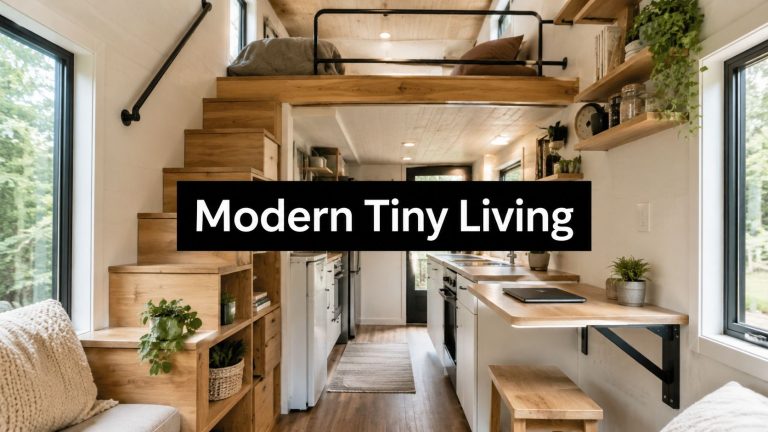
How to Sell a Tiny Home: Step-by-Step Guide for a Successful Sale in 2026

Thinking about selling your tiny home? The process is different from selling a regular house, and it can feel overwhelming at first. Maybe you have a tiny house on wheels, a cozy cabin on a foundation, or a small place that comes with land. Whatever your setup, there are a lot of moving pieces to consider—pricing, marketing, legal stuff, and even just cleaning up the space. This guide breaks down how to sell a tiny home, step by step, so you can find the right buyer and make the sale as smooth as possible.
Key Takeaways
- Figure out if your tiny home is on wheels, on a foundation, or sold with land—this changes how you sell it.
- Good photos and a clear, honest description help your listing stand out to buyers who want something unique.
- Price your tiny home by checking what similar homes sell for, and keep in mind things like age, materials, and design.
- Get your home ready by decluttering, cleaning, and making sure all paperwork is organized and available.
- Share your listing on tiny home websites, social media, and with the tiny house community to reach people who really want this lifestyle.
Understanding Your Tiny Home’s Classification
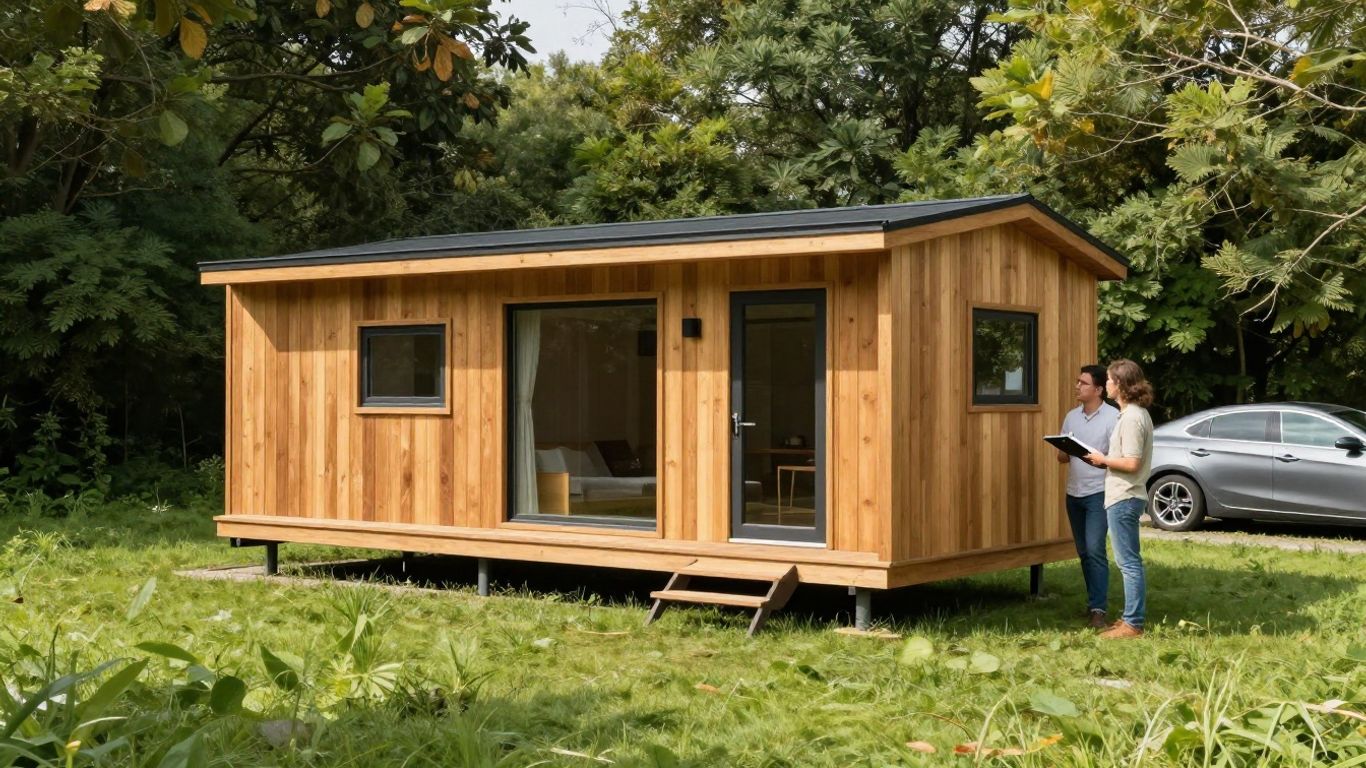
So, you’ve decided to sell your tiny home. That’s awesome! But before you even think about listing it, we need to figure out exactly what kind of tiny home you’re selling. This isn’t just some bureaucratic hoop to jump through; it seriously impacts how you’ll market it, who will be interested, and even how much money you can get for it. Tiny homes aren’t all the same, and knowing your specific category is the first big step.
Mobile Tiny Homes on Wheels (THOWs)
These are the ones that, well, have wheels and are designed to be moved. Think of them more like a really fancy RV than a traditional house. Because they’re built on a trailer chassis, they often fall under regulations for recreational vehicles. This means they usually have a VIN (Vehicle Identification Number) and might need to be registered and insured like a vehicle. When you sell a THOW, you’re often dealing with titles and registration paperwork, similar to selling a car or a travel trailer. Buyers for these homes are often looking for flexibility – the ability to move their home to a new location, whether that’s a different state, a tiny home community, or even just a new spot on a friend’s property.
Stationary Tiny Homes on Foundations
Now, these are a bit different. A stationary tiny home is built on a permanent foundation, just like a regular house. It’s not meant to be moved around. Because of this, it’s often treated more like traditional real estate. The biggest hurdle here can be local zoning laws. Some places might not have specific rules for tiny homes on foundations, or they might have restrictions on size or placement. You’ll need to be really clear about what the local regulations say. Buyers for these might be looking for a more permanent, affordable housing solution, but they’ll need to be sure they can legally place and live in the home where they intend to.
Tiny Homes Sold with Land
This category is pretty straightforward: you’re selling both the tiny house and the land it sits on. This is the closest you’ll get to a standard real estate transaction. The process will likely involve typical real estate agents, contracts, and closing procedures. However, you still need to be aware of zoning and land-use regulations. Is the land zoned for residential use? Are there any restrictions on building or occupancy? Buyers will want to know all of this. Selling with land can sometimes simplify things because the buyer has a clear place to put the home, but it also means you’re dealing with property value considerations for both the structure and the land itself.
Understanding which category your tiny home fits into is the absolute first thing you need to do. It dictates everything that follows, from how you price it to where you advertise it and what kind of buyer you’ll attract. Don’t skip this step!
It’s really important to be upfront about your home’s classification. Buyers need to know if they’re looking at something that’s essentially a vehicle, a permanent structure, or a package deal with property. This clarity helps avoid misunderstandings down the road and attracts people who are genuinely interested in the type of living situation your home offers.
Crafting an Irresistible Listing
Okay, so you’ve got this awesome tiny home, and now you need to tell the world about it. This is where you get to shine and show off what makes your place special. Think of your listing as your home’s personal advertisement – it needs to grab attention and make people say, "Wow, I want to see that!"
The Power of High-Quality Visuals
Let’s be real, people buy with their eyes first. If your photos are dark, blurry, or just plain boring, potential buyers will scroll right past. You need pictures that pop! This means good lighting, clear shots of every important area, and maybe even some lifestyle photos showing how someone could actually live there. A video tour is also a fantastic idea. It lets people virtually walk through your home, get a feel for the flow, and really imagine themselves living in it. It’s like giving them a personal showing before they even step foot on your property. Great visuals are non-negotiable for a successful sale.
Writing a Compelling Property Description
After the photos hook them, the description needs to reel them in. Don’t just list the square footage and number of rooms. Tell a story! What’s unique about your tiny home? Was it custom-built with love? Does it have a clever storage solution you’re super proud of? Mention these things. Also, be upfront about practical stuff like utilities and any quirks your home might have. Being honest builds trust. You want to highlight the benefits of tiny living and how your home delivers them. Think about what makes your place stand out from the crowd and put that front and center. For some great examples of how to describe a property effectively, check out tips for listing descriptions.
Highlighting Unique Features and Story
Every tiny home has a personality, right? Maybe it’s the reclaimed wood accents, the surprisingly spacious bathroom, or the amazing view from the loft window. Make sure these details are front and center in your listing. Don’t be afraid to share a little bit about why you love the home or what makes it special. People connect with stories. It could be the quirky build process, the amazing community you found, or how it helped you simplify your life. These personal touches can make a huge difference and help a buyer fall in love with your home, not just its features. It’s about selling a dream, not just a structure.
Strategic Pricing for Tiny Homes
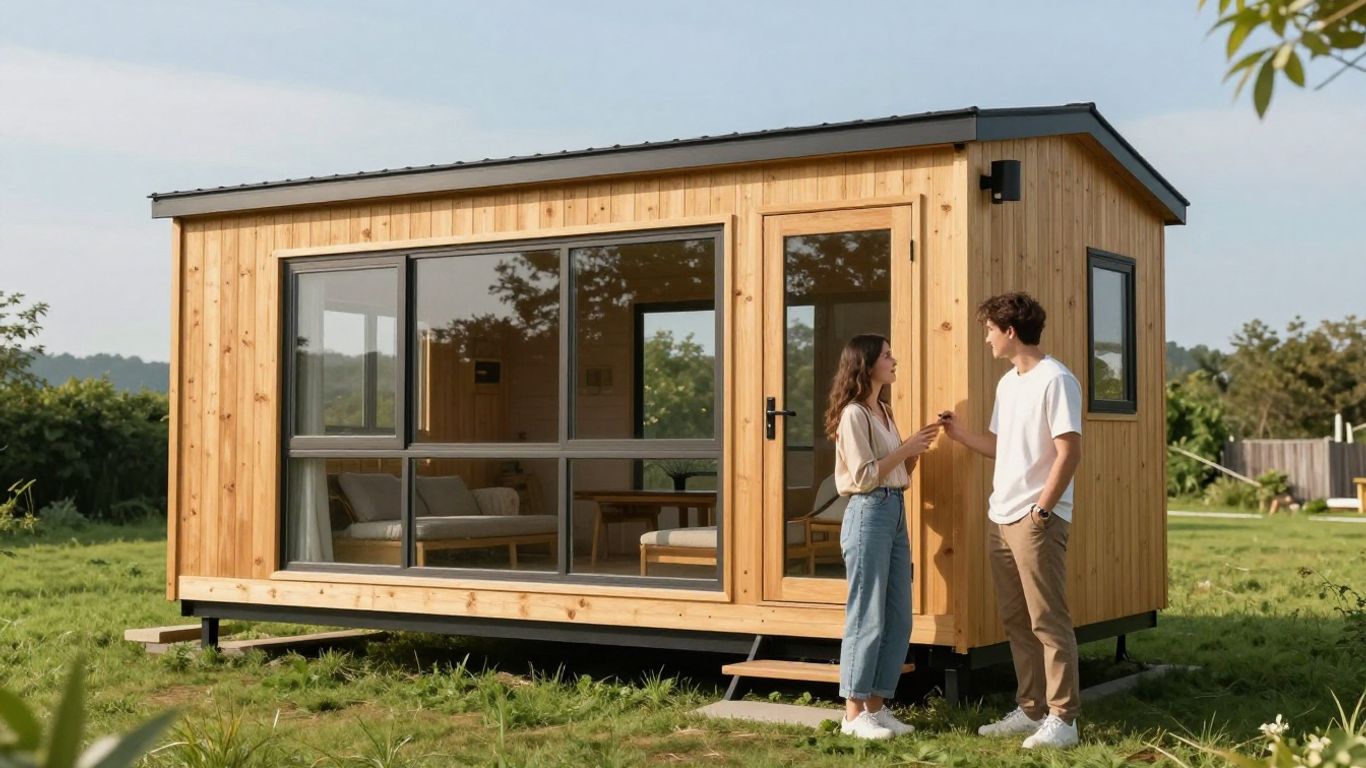
Pricing a tiny home isn’t quite like pricing a regular house. It’s a bit more nuanced, and you’ve got to think about a few different things. Don’t just slap a number on it and hope for the best. You really need to do your homework.
Market Research for Optimal Pricing
First off, you need to see what else is out there. Look at other tiny homes for sale in your area, or even online if you’re willing to consider a wider range. What are they asking? What did they sell for, if you can find that info? Keep in mind that tiny homes on wheels (THOWs) often depreciate more like an RV, while those on foundations might hold their value better. It’s also worth checking out prices for DIY builds versus professionally constructed ones. A good starting point for a professionally built tiny home in 2026 is often between $70,000 and $150,000, with most landing between $80,000 and $130,000 [9c8d].
Understanding Depreciation Factors
This is a big one. Unlike traditional homes that often appreciate, many tiny homes, especially those on wheels, tend to lose value over time. Think about the age of your home, the condition of its systems (like plumbing and electrical), and the overall wear and tear. If your home is more like a custom-built RV, its value will likely decrease. However, if it’s built with high-quality materials and has features that are in demand, it might hold its value better than you’d expect.
Considering Material and Design Value
What did you put into this home? High-end finishes, custom cabinetry, energy-efficient appliances, or a really smart, space-saving design can add significant value. Buyers who appreciate quality craftsmanship and thoughtful design will often pay more for these features. Think about things like solar panels, composting toilets, or unique architectural elements. These aren’t just bells and whistles; they can be major selling points that justify a higher price. It’s about selling the lifestyle and the smart use of every inch, not just the square footage.
Buyers are often comparing your tiny home to RVs, DIY builds, or small cabins. It’s your job to show them why yours is a step above, focusing on the quality, design, and lifestyle it offers.
Preparing Your Tiny Home for Sale
Alright, so you’re ready to sell your tiny home. That’s awesome! But before you even think about listing it, there’s some prep work to do. Think of it like getting ready for a big date – you want to look your best, right? This isn’t just about slapping a ‘For Sale’ sign on it. We’re talking about making it shine so buyers can see themselves living their best tiny life.
Decluttering and Minimalist Staging
This is probably the most important step. Tiny homes are all about smart use of space, but when you’re selling, you need to maximize that feeling of space. Go through everything you own. Seriously, be ruthless. If you haven’t used it in a year, or if it doesn’t serve a purpose in your tiny lifestyle, it’s probably time to let it go. Think about donating, selling, or storing items that aren’t absolutely necessary for showing the home. Once you’ve decluttered, it’s time to stage. Keep it simple and clean. You want potential buyers to imagine their own stuff in the space, not be distracted by yours. Think neutral colors, a few well-placed decorative items, and making sure every surface is clear. It’s about showing off the home’s potential, not your personal collection of vintage teacups.
Ensuring Peak Cleanliness and Functionality
Once it’s decluttered and staged, it needs to be spotless. I mean, really clean. Clean the floors, the walls, the windows, the appliances – everything. Pay attention to those often-forgotten spots like baseboards and light fixtures. Also, make sure everything works. Test all the appliances, check the lights, make sure the water runs smoothly, and that there are no weird smells. Buyers will be looking closely at the plumbing and electrical systems, so having them in good working order is a big plus. If there are any minor repairs needed, like a leaky faucet or a sticky door, fix them now. It shows you’ve taken good care of the place.
Organizing Essential Documentation
This part might not be as exciting as staging, but it’s super important for a smooth sale. Buyers will want to know about your home’s history and how it’s been maintained. Gather all the important paperwork you have. This could include things like building plans, appliance manuals, any permits you obtained, and records of maintenance or upgrades. If your home has unique features, like a special composting toilet system or solar panels, having the documentation for those is a good idea. Being prepared with these documents can really build trust with potential buyers and speed up the process. It’s a good idea to start this process about 6-8 weeks before you plan to list, giving you plenty of time to get everything in order for a premium price.
Buyers are often looking for more than just a structure; they’re looking for a lifestyle. Presenting your tiny home as clean, functional, and well-maintained, with all its quirks and features clearly documented, helps them envision themselves living there happily and confidently. Transparency here is key to building that trust.
Here’s a quick checklist to help you get ready:
- Deep Clean: Every nook and cranny, inside and out.
- Repairs: Fix any small issues – leaky faucets, squeaky hinges, etc.
- Staging: Minimalist decor, clear surfaces, and a feeling of openness.
- Documentation: Gather all manuals, plans, and maintenance records.
- Functionality Check: Ensure all appliances and systems are working correctly.
Targeted Marketing and Promotion
Leveraging Specialized Online Marketplaces
Okay, so you’ve got your tiny home ready to go. Now, where do you actually find people who want to buy it? Online marketplaces are a big deal for tiny homes. Think of them as the go-to spots where folks already looking for this kind of living hang out. You’ll want to find the platforms that are specifically for tiny homes or alternative housing. Listing on a general real estate site might get lost in the shuffle. Make sure your listing pops with good photos and a clear description. It’s like putting your house in the right neighborhood store instead of a giant, overwhelming mall.
Utilizing Social Media and Video Tours
Social media is your friend here. People love seeing tiny homes in action. Short videos showing off the clever storage, the cozy loft, or how the kitchen works can really grab attention. Think about doing a quick walk-through or a "day in the life" kind of video. Instagram and TikTok are great for this. You can also use Facebook groups dedicated to tiny living. Don’t underestimate the power of a good video tour to let people imagine themselves living there. It makes the whole experience feel more real than just looking at static pictures.
Engaging with the Tiny Home Community
This is where you can really connect with potential buyers. There are tons of online forums, Facebook groups, and even local meetups for people interested in tiny homes. Jump into these conversations. Share your knowledge, answer questions, and be a helpful part of the community. People buy from people they trust, and being an active, friendly member shows you know your stuff and care about the lifestyle. It’s not just about selling a house; it’s about joining a movement. Building relationships here can lead to great word-of-mouth referrals, which are gold in this niche market.
Navigating Regulations and Transparency
Selling a tiny home comes with its own set of rules and expectations, and being upfront about them is key. Buyers are often drawn to this lifestyle because they want something different, but that also means they might not be familiar with all the ins and outs.
Understanding Local Zoning and Codes
This is probably the biggest hurdle for many tiny home buyers. Regulations can change a lot from one town or county to the next. You need to know where your tiny home is legally allowed to be parked or placed. Is it considered an RV? Does it need to be on a permanent foundation? Does the local zoning even allow tiny homes? Providing clear information on this can save a lot of headaches later on. It’s a good idea to have documentation ready that shows your home meets any local requirements, or at least clearly states what the requirements are for its placement.
- THOWs (Tiny Homes on Wheels): Often fall under RV regulations. Check local ordinances for RV parking rules, including duration limits.
- Foundation Tiny Homes: Must comply with local building codes and zoning for permanent structures. This can be more complex.
- Land Considerations: If selling with land, ensure the land itself is zoned to permit a tiny home.
Being honest about zoning and placement possibilities builds trust. A buyer who knows upfront where they can put their new home is much more likely to feel confident about the purchase.
Showcasing Sustainable and Eco-Friendly Aspects
Lots of people are looking into tiny homes because they want to live a bit lighter on the planet. If your home has features like solar panels, a composting toilet, super-efficient appliances, or good insulation, make sure to highlight them. These aren’t just selling points; they’re often a big part of why someone chooses this lifestyle. Think about how these features reduce utility bills and environmental impact. It shows you’ve put thought into making the home both functional and responsible.
Ensuring Thorough Home Inspections
Just like with any home sale, buyers will want an inspection. For a tiny home, this might include checking:
- Structural Integrity: Especially important for THOWs, checking the trailer frame and the home’s build.
- Systems: Electrical, plumbing, and any gas or propane systems need to be in good working order.
- Appliances: Making sure everything from the fridge to the water heater functions correctly.
- Mobility Components (for THOWs): Brakes, tires, and towing readiness.
Be prepared to share any existing inspection reports or to facilitate a new one. If there are any quirks or known issues, it’s best to mention them upfront. Transparency here means fewer surprises for everyone involved and a smoother path to closing the deal.
Negotiating and Finalizing the Sale
Understanding Buyer Financing Options
So, you’ve got an offer! That’s great. But before you pop the champagne, let’s talk about how the buyer plans to pay. Unlike traditional houses, tiny homes can be a bit trickier when it comes to financing. Some buyers might have cash, which is the simplest scenario. Others might be looking at RV loans, personal loans, or even specialized tiny home loans. It’s good to have a general idea of what’s out there. You can even do a quick search for local lenders who work with tiny home buyers. Being prepared to discuss this, or at least knowing where buyers can look for help, can keep the deal moving forward.
Effective Negotiation Strategies
Negotiation is where things can get interesting. The buyer might come in with an offer that’s lower than you hoped, or they might ask for certain repairs or inclusions. Don’t be afraid to counter-offer! It’s a back-and-forth process. Think about what your bottom line is – the lowest price you’re willing to accept and what terms you absolutely need. Consider things like the closing date or if they want any of your furniture. Sometimes, a buyer might be flexible on price if you can be flexible on other terms. It’s all about finding a middle ground that works for both of you. Remember, a tiny home sale is still a significant transaction, so treat the negotiation with respect and professionalism.
Managing Post-Sale Handover and Support
Once you’ve agreed on everything and signed the papers, it’s time for the handover. This is more than just handing over the keys. You’ll want to make sure all the legal paperwork, like the title transfer, is sorted out correctly. Think about showing the new owner how everything works – especially if you have any unique systems or appliances. A little bit of guidance can go a long way in making them feel comfortable and confident in their new tiny home. It’s also a good idea to be available for a few questions they might have right after they move in. A smooth transition makes for a happy buyer and a successful end to your selling journey.
Here’s a quick checklist for the handover:
- Ensure all legal documents are signed and filed.
- Provide a thorough walkthrough of the home’s systems.
- Hand over any manuals or maintenance records.
- Be available for initial questions from the new owner.
Being transparent throughout the entire process, from listing to the final handover, builds trust and helps avoid last-minute problems. This is especially true for unique properties like tiny homes where buyers might have more questions.
Wrapping Up Your Tiny Home Sale
So, you’ve made it through the process of selling your tiny home. It’s definitely not like selling a regular house, but with the right approach, it can be a really smooth experience. Remember to highlight what makes your tiny home special, whether it’s the clever storage or the eco-friendly features. Knowing who you’re selling to and where to find them makes a big difference too. Keep your listing honest and appealing, price it right, and be ready for questions. Selling a tiny home is about more than just the structure; it’s about selling a lifestyle. Good luck with your sale!
Frequently Asked Questions
How do I figure out if my tiny home is on wheels or a foundation?
Check if your home can be moved easily. If it has wheels and can be towed, it’s a mobile tiny home (THOW). If it sits on a permanent base and can’t be moved without major work, it’s a stationary tiny home on a foundation.
What documents should I have ready when selling my tiny home?
Keep your title or ownership papers, any building permits, inspection reports, and a list of upgrades or repairs. If your home is on wheels, you may also need registration and proof it meets local road rules.
What are the best ways to show off my tiny home online?
Use clear, high-quality photos of every room and the outside. Make a video tour to help buyers feel like they’re walking through the home. Write a short story about what makes your home special.
How do I set the right price for my tiny home?
Look at what similar tiny homes are selling for in your area. Think about your home’s size, age, condition, and any special features. Don’t forget to factor in if your home is on land or wheels, as this changes its value.
Are there special rules for selling tiny homes in different places?
Yes, rules can change from city to city. Some places have strict zoning laws or building codes for tiny homes. Always check with your local government to make sure your home follows the rules before you list it for sale.
How can buyers pay for a tiny home?
Buyers might use personal savings, get a personal loan, or use a special loan for tiny homes. If the home is on wheels, some may use an RV loan. Sometimes, sellers offer payment plans to help buyers, too.
Explore more tiny home living, design, downsizing, building, and lifestyle resources.
- Kansas HOA Laws Review
- How Much Does Tiny Home Insurance Cost? A Realistic Guide to Premiums
- EcoFlow Delta 3 Pro vs Jackery Explorer 5000 Plus Compared
- Small Septic System for Tiny House: Types, Costs, Rules
- Tiny Home Grey Water System: Reuse Water Legally
- Composting Toilets for Tiny Homes: Best Picks Compared