
Tiny Home Land Requirements: 2026 State Guide
Imagine the freedom of tiny home living. You own less, stress less, and roam more. But one big hurdle stands out: finding land that fits your dream.
Tiny home land requirements boil down to lot sizes, zoning rules, setbacks, and local laws. These factors decide if you can park or build your home legally. Get them wrong, and you face fines or forced moves.
No national standards exist in the US. Rules shift by state, county, and city. A spot that works in rural Vermont might flop in urban Illinois.
Tiny homes typically stay under 400 square feet, excluding lofts. You have choices: wheels for mobility (like an RV, often seasonal) or a permanent foundation for full-time living. Each option changes the rules you follow.
This post breaks it all down. You’ll learn minimum lot sizes, like 1,000 square feet in some tiny home parks. We cover zoning examples by state, setback distances, and utility needs.
State differences get clear attention, from Florida’s movable homes to Illinois county rules. Plus, simple steps for permits and easy land options.
By the end, you’ll know how to pick land that matches your setup. Start your tiny home journey with confidence today.
Core Tiny Home Land Requirements Explained
Land suitability starts with your tiny home’s size and local codes. Most places cap tiny homes at 120 to 400 square feet, per IRC Appendix Q, which many states adopt for foundation builds. You need one main room of at least 120 square feet, plus space for kitchen, bath, and sleeping areas. Ceilings must hit 7 feet minimum (6 feet 8 inches in lofts). These rules ensure safe, livable spaces.
Utilities matter too. Hook up to water, sewer or septic, and power. Without them, your spot stays off-grid only. Rural lots often demand 1 acre or more for standalone homes; urban accessory dwelling units (ADUs) fit on smaller existing parcels. Setbacks keep homes clear of boundaries. Always verify with local planners, as rules vary.
Minimum Lot Sizes for Tiny Homes
Lot size rules protect neighbors and services. Rural spots demand bigger parcels for septic and wells. Think 1 acre minimum in many Vermont towns for one tiny home; add a second only on 2+ acres. Standalone builds elsewhere follow suit.
ADUs change this. They piggyback on a main house’s lot, so you squeeze in on 5,000 square feet or less in urban zones. Cities pack tighter due to shared utilities; countryside needs space for waste systems.
Here’s a quick comparison:
| Location Type | Example Area | Standalone Min Lot | ADU Min Lot | Notes |
|---|---|---|---|---|
| Rural Vermont | Various towns | 1 acre (1 home) | N/A | Check town plans; more details here |
| Rural Oregon | Clackamas County | 1+ acre | Existing lot | One THOW per lot with primary home; Oregon updates |
| Urban ADU | Portland, OR | N/A | 2,000 sq ft | Ties to main house |
Smaller lots work where sewers exist. No need for on-site septic. Measure your dream parcel early.
(148 words)
Setbacks and Spacing Rules
Setbacks mean the space your tiny home keeps from property lines, roads, or neighbors. No national standard exists; locals set them at 4 to 5 feet typical for sides and rears in Oregon ADUs. Fronts often need 15 to 20 feet.
These rules boost privacy and fire safety. On a half-acre lot, tight setbacks eat usable space, forcing skinny builds. Wide ones demand larger parcels.
To check your lot:
- Grab a plat map from county records.
- Mark lines with stakes.
- Pace or tape distances from edges.
- Subtract setbacks; see what’s left for your home.
In Portland, ADUs get 4-foot side setbacks (zoning info). Vermont towns vary; some hit 10 feet. Poor spacing risks permit denial. Plan ahead to fit your setup snugly.
(152 words)
Zoning Laws: Foundations vs Tiny Homes on Wheels
Zoning laws split tiny homes into two camps. Permanent foundations make them stick-built dwellings or accessory dwelling units (ADUs). Wheels turn them into recreational vehicles (RVs). This choice shapes your tiny home land requirements, from permits to utilities. Foundations demand full building codes but offer stability. Wheels bring mobility yet face parking limits. Let’s break it down.
Rules for Tiny Homes on Permanent Foundations
Fixed tiny homes count as real houses under zoning. You need a building permit to start. Inspectors check plumbing, electrical, and structure against local codes.
Many states adopt Appendix AQ of the California Residential Code, which fits homes under 400 square feet. It sets rules for lofts, stairs, and emergency exits. California leads here; other spots use similar IRC Appendix Q tweaks.
As an ADU, your tiny home ties to a main house on the same lot. No extra lot needed if utilities connect. Pros include resale value and loans like mortgages. Cons hit hard: permits cost $5,000 to $20,000, plus six months of reviews.
Plumbing must vent properly; electrical needs GFCI outlets everywhere. Hire licensed pros. In Los Angeles, Appendix AQ ensures fire safety with smoke alarms in lofts.
This path suits full-time living. Check your county’s adoption first.
(148 words)
Navigating Tiny Homes on Wheels
Tiny homes on wheels (THOWs) dodge some rules but hit RV zoning snags. Most areas ban long-term RV living in residential zones. You park temporarily, say 180 days max.
Fresno, California, bucks the trend. Their rules allow THOWs as dwellings with hooked-up water, sewer, and power. Get a DMV title and meet RVIA or ANSI 119.2 standards. Skirt the chassis and prove 100 square feet minimum.
Permits focus on site prep, not the build. Electrical ties to a panel; plumbing drains to septic. No full inspections like foundations.
Pros shine in flexibility: tow away for repairs or travel. Financing acts like RV loans, easier upfront. Cons include move mandates to prove nomad status and resale headaches.
Key steps for THOW zoning:
- Verify RV parks or friendly counties.
- Certify with RVIA label.
- Install permanent utilities to extend stays.
Rural Fresno spots work best. Urban rules stay strict.
(152 words)
Best States and Spots for Tiny Home Friendly Land
You want land where tiny home land requirements bend in your favor. Based on 2026 updates, California tops lists with flexible ADU rules and select counties open to THOWs. Oregon and Washington follow close with strong codes for small builds. Vermont and Texas shine in rural spots; New Hampshire and Massachusetts ease up via new laws. West Virginia lags with strict minimums. These places cut lot size hurdles and boost approvals through low square footage floors and ADU options.
Pick spots with flexible zoning for easier permits. Rural counties often skip heavy rules. Here’s a quick view of standouts:
| State | Top Spots | Key Rules |
|---|---|---|
| California | Fresno, Tehama, West Sacramento | Statewide ADUs; THOWs as dwellings in select areas (West Sacramento ordinance) |
| Oregon | Clackamas County | Energy codes fit tiny homes; ADUs on small lots |
| Washington | Seattle, Olympia | Appendix Q for under 400 sq ft (WA code) |
| Vermont | Various rural towns | One tiny home per acre minimum |
| Texas | Austin area | Few statewide rules; rural flexibility |
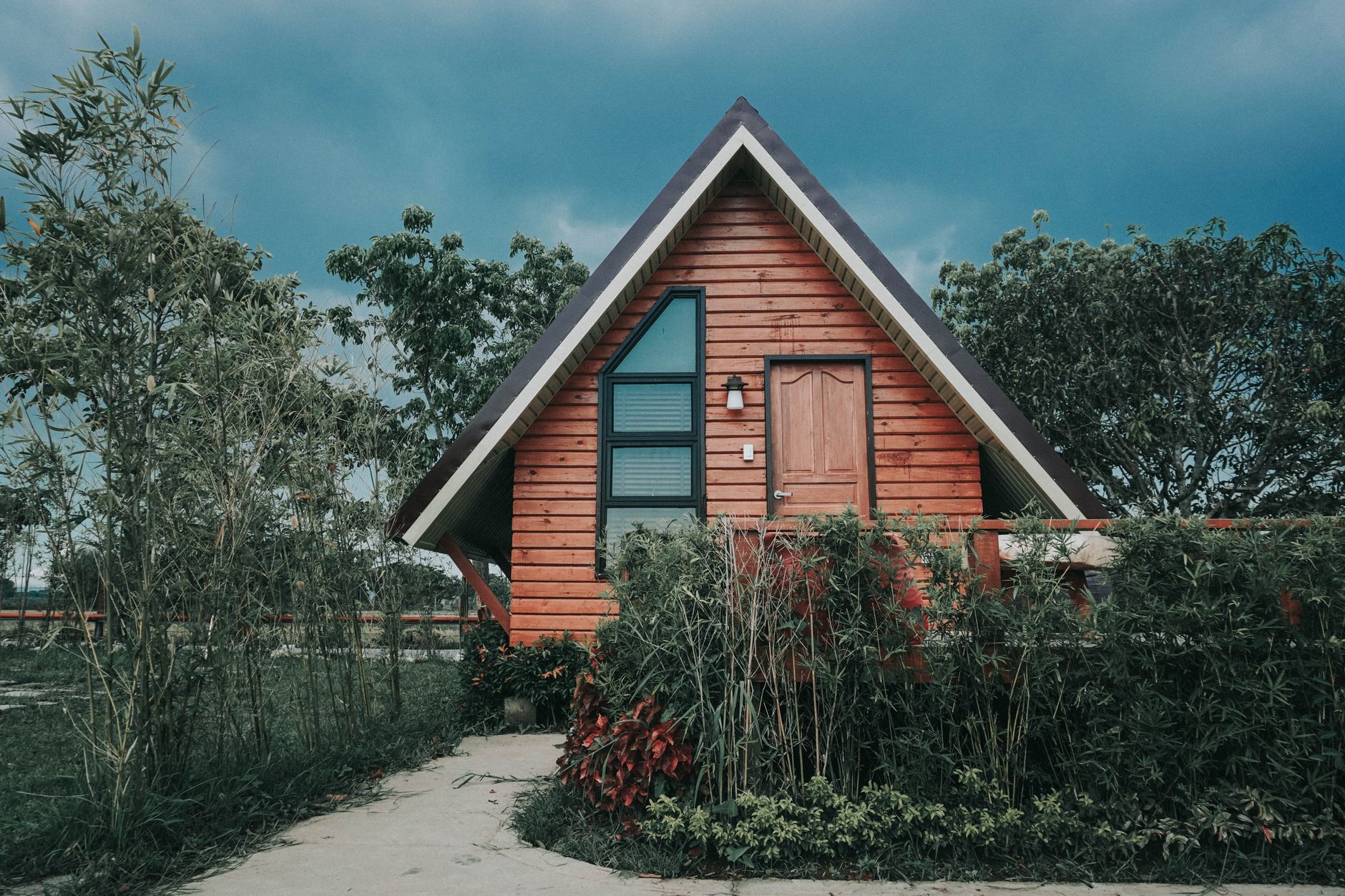
Photo by Czarinah Philline Rayray
California Tops the List for Easy Rules
California sets the pace for tiny homes. State law pushes ADUs everywhere, letting you add one on lots as small as 2,000 square feet in cities. Minimum interior space hits 100 to 120 square feet for main rooms, with lofts extra. Foundations follow Appendix AQ tweaks.
Counties sweeten the deal. Fresno allows THOWs with utilities and RVIA certification; skirt the chassis for permanence. Tehama County stays rural-friendly, often waiving big lot needs for off-grid setups. West Sacramento’s 2024 ordinance treats THOWs as primary dwellings or ADUs, matching zone standards. You hook to power and sewer, then live full-time.
These spots work because locals prioritize housing shortages. Check county planners early. Avoid urban cores with tight setbacks.
(142 words)
Other Great States Like Oregon and Washington
Oregon and Washington make tiny home land requirements straightforward. Oregon’s energy codes align with small builds, covering insulation and efficiency without extra costs (2025 OEESC). ADUs fit on existing lots; THOWs count as dwellings in zones like Clackamas.
Washington adopts Appendix Q statewide for homes under 400 square feet. Seattle and Olympia permit backyard units with 4-foot setbacks. Energy rules stay simple.
Newer laws help elsewhere. Vermont’s H.540 allows one tiny home per acre, two on larger lots. New Hampshire backs ADUs on single-family parcels. Massachusetts pilots tiny homes under 300 square feet in towns. New Mexico rural counties flex on zoning.
Texas Austin zones for them too, skipping state mandates. Steer clear of West Virginia; counties demand 1,700+ square feet. Call your county to confirm fits your wheels or foundation plan.
(148 words)
Smart Ways Around Strict Tiny Home Land Rules
Strict tiny home land requirements often block standalone lots. You don’t always need to buy a full acre. Smart alternatives like communities, RV parks, and ADUs let you skip big purchases. These options cut costs and speed permits. You gain neighbors and shared amenities, but face HOA rules or rent payments. Ownership stays limited compared to raw land. Still, they fit tight budgets and zoning snags.
Here are practical paths forward.
Tiny Home Communities and Parks
Dedicated tiny home parks offer lots you can buy or lease. Parks handle zoning compliance, so your home slots right in. Lot sizes shrink to 1,000-2,000 square feet, far below rural minimums. HOAs enforce looks and rules, but you avoid county battles.
California leads with spots like Park Delta Bay near the San Joaquin River. Buy a lot for $50,000-$100,000, hook to full utilities, and enjoy pools, clubhouses, and fishing docks. Residents own their tiny homes outright. Another gem, Tiny Tranquility Redwoods in Hiouchi, converts RV sites into 120 tiny home pads. Lots rent long-term at $600-$900 monthly, with trails and ocean views nearby.
Pros include instant community and easy financing. Cons? HOA fees ($100-$300/month) and resale limits. Search community lists or sites like Tiny House Listings. Call parks directly to check availability.
(148 words)
RV Parks and ADU Options
Skip new land buys with RV parks or backyard ADUs. Long-term RV spots welcome THOWs, treating them like mobile homes. No foundation needed; just park and plug in.
In California, Park Delta Bay offers monthly sites at $800, full hookups included. Stay year-round with RVIA certification. Tiny Tranquility rents pads for $700+, perfect for nomads. Pros: low entry ($5,000 setup), mobility. Cons: space limits, no permanence.
ADUs shine on family land. Build or park a tiny home as a backyard unit on existing lots over 4,000 square feet. California’s laws ease this; no new parcel required. Tie to the main house’s septic and power. Examples in Sacramento follow state codes for 400-square-foot units (ADU guide).
Steps to start:
- Check family property zoning via county sites.
- Get ADU pre-approval (under $10,000 in fees).
- For parks, scout RV apps like Campendium.
These beat full lots for speed and savings.
(152 words)
Conclusion
Tiny home land requirements hinge on lot sizes, zoning, setbacks, and utilities. Rural spots often need 1 acre or more for standalone builds with septic systems. Urban ADUs or communities squeeze into 2,000 square feet or less. Foundations follow strict codes like Appendix Q; wheels act like RVs with parking limits.
States like California, Oregon, and Vermont lead with flexible rules. Fresno and Clackamas County welcome THOWs and ADUs. Setbacks range from 4 to 20 feet, so measure your parcel early.
Always check with local planners first. Rules shift by county and town. They confirm zoning fits and guide permits.
Start your search now. Research your area’s codes online. Contact county offices for specifics. Try communities like Park Delta Bay or RV parks for quick entry.
Back to Tiny Home Insurance By State