Navigating New York: Your Essential Guide to Living Off Grid in the Empire State

Thinking about leaving the hustle and bustle behind and embracing a simpler way of life in New York? Living off grid in New York might sound like a contradiction, but it’s becoming a reality for more people. This guide will help you understand what it takes to set up a self-sufficient homestead in the Empire State, from understanding the land to dealing with regulations.
Key Takeaways
- New York’s diverse geography, from urban centers to rural expanses, presents unique challenges and opportunities for off-grid living.
- Understanding and complying with New York’s specific zoning laws, building codes, and local ordinances is vital for any off-grid setup.
- Securing reliable water sources, managing waste responsibly, and generating your own power are primary concerns for off-grid residents.
- Building sustainable structures and integrating renewable energy systems are key to creating an efficient and self-sufficient home.
- Connecting with local communities and developing practical skills are important for both support and self-reliance when living off grid in New York.
Understanding The New York Landscape For Off-Grid Living
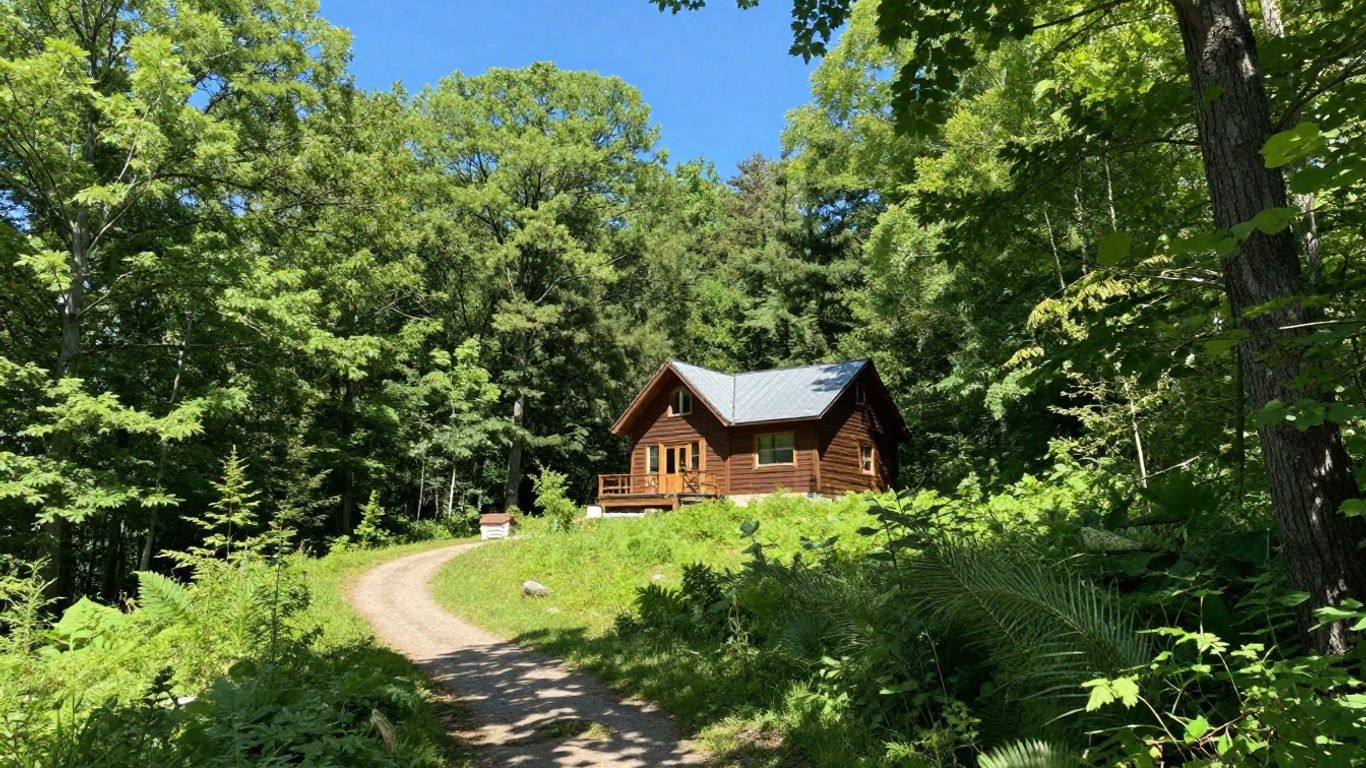
So, you’re thinking about ditching the grid in New York? That’s a big move, and honestly, the state’s landscape is pretty varied, which makes it interesting. It’s not just about escaping the city; it’s about understanding where you’ll actually be setting up shop.
The Five Boroughs: A Diverse Terrain
When most people think of New York, they picture the concrete jungle of Manhattan. But New York is way more than just that. You’ve got the bustling energy of the five boroughs, each with its own vibe. Manhattan is dense, urban, and probably the least likely place for traditional off-grid living, though some creative solutions might exist. Brooklyn offers a mix, with some more established neighborhoods and developing areas. Queens has a huge variety, from dense urban pockets to more suburban feel. The Bronx has its own unique character, and Staten Island offers a bit more breathing room. Each borough presents a different set of challenges and opportunities for anyone looking to live more independently.
Urban vs. Rural Off-Grid Considerations
Living off-grid in a rural part of New York is a whole different ballgame than trying to do it in the city. In the country, you’re likely dealing with more land, which is great for things like solar panels, gardens, and maybe even a well. You’ll have more space to manage your own waste and water. But, you’re also further from services and might face different zoning rules. Trying to go off-grid in an urban setting, like within the city limits, is much trickier. Space is limited, and regulations are usually much stricter. You might be looking at more compact solutions, like battery storage for power or composting toilets, but getting approval can be a real headache. It’s about adapting your off-grid dreams to the environment you’re in.
Navigating New York’s Unique Climate
New York’s weather is, well, New York weather. We get the full spectrum. Hot, humid summers mean you’ll need to think about cooling and water conservation. Then there are the brutal winters with snow, ice, and freezing temperatures. This is where your power generation and storage really get tested. Reliable heating is a must, and you’ll need to consider how your systems will handle extreme cold. Rainwater harvesting might be less effective in winter, so having a backup water source is key. Understanding these seasonal shifts is not just about comfort; it’s about survival and the functionality of your off-grid setup.
The sheer scale of New York, from its massive population centers to its vast rural expanses, means that off-grid living here isn’t a one-size-fits-all proposition. You’ve got to really look at the specific area you’re considering and tailor your plans accordingly. It’s a state of contrasts, and that’s part of what makes it so interesting for this lifestyle.
Here are some things to keep in mind:
- Space: Do you have enough land for solar panels, a garden, or a well? Rural areas offer more, but even then, acreage varies wildly.
- Access: How close are you to essential services like medical care, supplies, and potential work?
- Regulations: Zoning laws and local ordinances can be very different from one town to the next, even within the same county.
- Resources: What natural resources are available? Is there good sun exposure? Is there a reliable water source nearby?
Thinking about these factors early on will save you a lot of headaches down the road. It’s all about finding the right fit for your off-grid aspirations within the diverse tapestry of New York. For more on sustainable living practices, you might find information on renewable energy sources helpful.
Essential Resources For Living Off Grid in New York
Water Sources and Management
Finding a reliable water source is step one for any off-grid setup. In New York, this often means tapping into wells or collecting rainwater. If you’re looking at rural properties, a well is usually the way to go. You’ll need to get it drilled and tested to make sure the water is safe to drink. Rainwater harvesting is another option, especially if you have plenty of roof space. You’ll need a good system of gutters, downspouts, and storage tanks. Proper filtration and purification are non-negotiable, no matter your source. You don’t want to be dealing with waterborne illnesses out here. Think about how much water you’ll use daily for drinking, cooking, and cleaning, and size your system accordingly. It’s a bit of a learning curve, but totally doable.
Power Generation and Storage
Powering your off-grid life in New York means looking at renewable energy. Solar panels are a popular choice, and New York does get enough sun, though winter days are shorter. You’ll need to consider battery storage to keep the lights on when the sun isn’t shining. Wind turbines can also be an option in some areas, but they require specific site conditions and can be noisy. A backup generator, maybe running on propane or diesel, is a good idea for those really lean times. Sizing your system correctly is key; you don’t want to be caught in the dark during a blizzard. It’s a significant upfront investment, but the long-term payoff is independence from utility companies. You can find more info on sustainable neighborhoods like White Hawk 2.
Waste Management Solutions
Dealing with waste is a big part of off-grid living. For human waste, composting toilets are a common and eco-friendly solution. They break down waste into usable compost, reducing the need for a traditional septic system. Greywater systems, which filter water from sinks and showers for irrigation, can also save water and reduce your environmental impact. For trash, the goal is to reduce, reuse, and recycle as much as possible. Composting food scraps is a must. For anything that can’t be composted or recycled, you’ll need to figure out how to dispose of it responsibly, which might mean hauling it to a local transfer station. It’s all about minimizing what you send to a landfill.
Managing waste effectively is not just about convenience; it’s about respecting the environment and ensuring your off-grid setup is truly sustainable. Planning ahead for these systems will save you headaches down the road.
Legal and Regulatory Hurdles
Zoning Laws and Building Permits
Setting up an off-grid home in New York isn’t as simple as just buying land and building. You’ve got to deal with zoning laws, and these can be a real headache. Different towns and counties have their own rules about what you can and can’t build, and where. Some areas might not allow off-grid systems at all, or they might have strict requirements for things like septic systems or solar panel placement. Getting the right building permits is absolutely non-negotiable. Skipping this step can lead to hefty fines and even orders to tear down your hard work. It’s a good idea to talk to the local planning or building department before you buy land or start any construction. They can tell you what’s allowed and what permits you’ll need. It might seem like a lot of paperwork, but it’s way better than dealing with legal trouble later.
Local Ordinances Affecting Off-Grid Setups
Beyond general zoning, individual towns and villages often have specific ordinances that can impact off-grid living. These might cover things like:
- Water sources: Rules about drilling wells, collecting rainwater, or using surface water.
- Waste disposal: Regulations for composting toilets, greywater systems, or where you can dispose of solid waste.
- Energy systems: Restrictions on the size or type of solar arrays, wind turbines, or backup generators.
- Livestock: If you plan on having animals for food, there might be rules about keeping them.
These local rules can sometimes be more restrictive than state-level guidelines. It’s really important to research the specific ordinances for the area you’re considering. Sometimes, these rules are in place for good reasons, like protecting water quality or public safety, but they can definitely add complexity to an off-grid plan.
Navigating these local rules often requires patience and a willingness to adapt your plans. What works in one county might be a non-starter in the next. Don’t assume anything; always verify with the local authorities.
Understanding State Regulations
While local rules are often the most immediate concern, New York State also has regulations that apply to building and living off the grid. These can include:
- Health codes: Particularly concerning water quality and sanitation systems.
- Environmental protection laws: These might affect how you manage waste or interact with natural resources.
- Building codes: While often adopted and enforced locally, the state provides the framework.
For example, the New York State Department of Health has guidelines for private water supplies and sewage treatment. Similarly, the Department of Environmental Conservation oversees regulations related to land use and resource management. Staying informed about these state-level requirements is just as important as understanding your local town’s rules. It’s a good idea to check the official websites for these state agencies or contact them directly if you have specific questions about how their regulations might apply to your off-grid setup.
Building Your Off-Grid Sanctuary
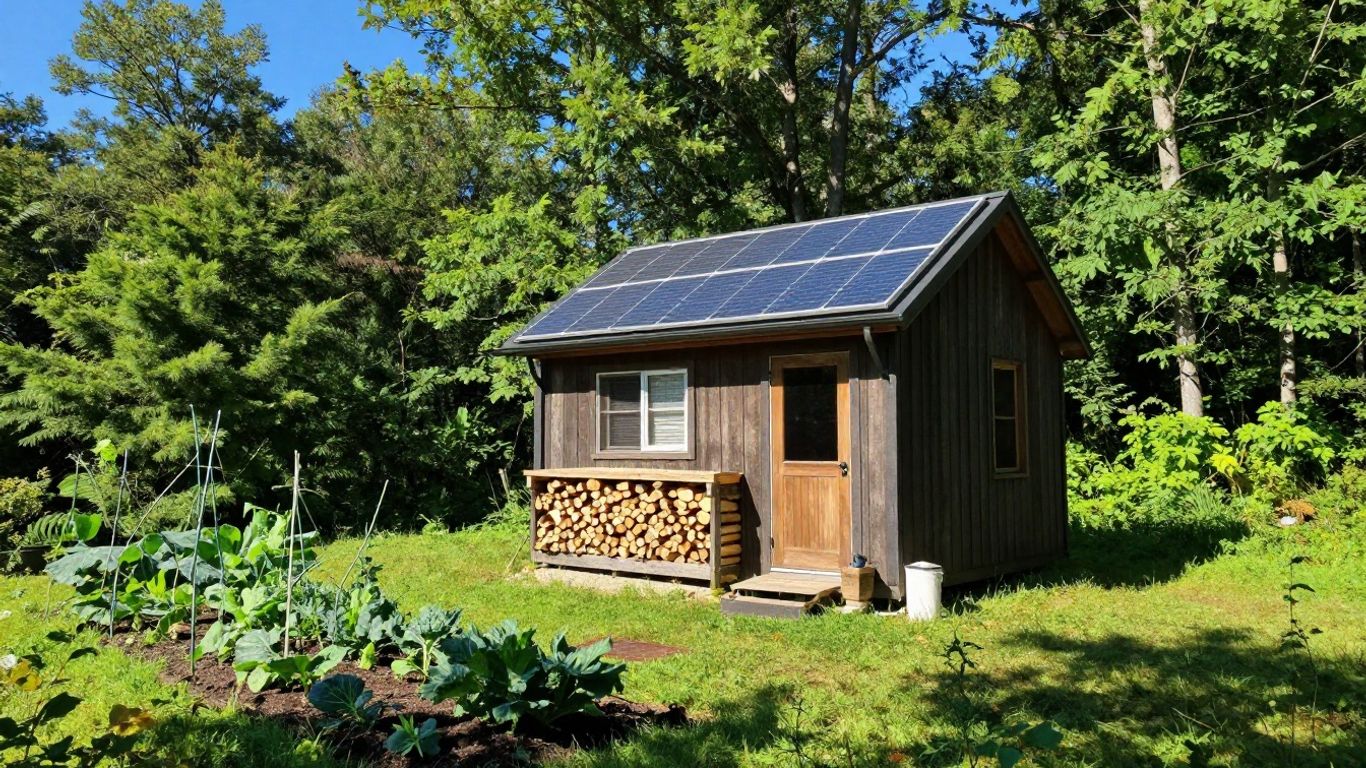
So, you’re thinking about building your own little slice of off-grid heaven here in New York. It sounds pretty romantic, right? But let’s get real for a second. Building a place that works without plugging into the main grid takes some serious thought and planning. It’s not just about slapping up some walls; it’s about creating a system that supports your life, sustainably.
Sustainable Construction Materials
When you’re building off-grid, the materials you choose really matter. You want things that last, are good for the environment, and maybe even sourced locally. Think about wood from sustainably managed forests, or reclaimed lumber if you can find it. Natural insulation like wool or cellulose is a good bet too, keeping your place warm in the winter and cool in the summer without using much energy. Some folks even look into straw bale construction or rammed earth – these methods use natural materials and can create really solid, energy-efficient homes. The goal is to build something that works with nature, not against it.
Designing for Energy Efficiency
This is where you really save yourself headaches down the line. A well-designed home uses less power, which means smaller solar panels or wind turbines, and less battery storage needed. Think about how the sun moves across the sky. You want windows that let in winter sun for warmth but can be shaded in the summer to keep things cool. Good insulation is key, like we talked about, but also consider air sealing. You don’t want your warm air escaping or cold air sneaking in. Passive solar design, where the house itself captures and stores the sun’s heat, is a smart move. Even the layout of your rooms can make a difference. Placing frequently used rooms on the sunny side of the house can help.
Integrating Renewable Energy Systems
This is the heart of off-grid living, isn’t it? You’ll need a way to generate your own power. Solar panels are probably the most common choice in New York, especially in more open areas. Wind turbines can also be an option if you have consistent wind. Then there’s the storage part – usually deep-cycle batteries. You need enough power stored to get you through cloudy days or when the wind isn’t blowing. A good system will also have a charge controller to protect your batteries and an inverter to change the DC power from your panels or batteries into AC power that your appliances use. It’s a bit of a puzzle, making sure all these pieces work together smoothly.
Building an off-grid sanctuary isn’t just about disconnecting from the utility company; it’s about creating a resilient, self-reliant home that treads lightly on the earth. It requires a shift in perspective, viewing your home not just as shelter, but as a living system that needs to be carefully balanced and maintained.
Community and Self-Sufficiency
Living off the grid in New York isn’t just about being disconnected from the power lines; it’s also about reconnecting with people and learning to rely on yourself and your neighbors. It’s a big shift, for sure, but finding your tribe can make all the difference.
Finding Like-Minded Communities
Sometimes, the best way to figure out how to do this whole off-grid thing is to find others who are already doing it, or at least trying. New York, believe it or not, has pockets of people who are into sustainable living, farming, and just generally being more self-reliant. You might be surprised where you find them. Think about local farmers’ markets, workshops on sustainable building, or even online forums dedicated to off-grid living in New York. These places are goldmines for advice and support. For instance, places like Birdsfoot Farm have been around for ages, showing that cooperative living and farming are totally doable here.
- Seek out local sustainability groups: Many counties have informal networks or organizations focused on environmentalism and self-sufficiency.
- Attend workshops and classes: Look for hands-on learning opportunities related to gardening, preserving food, or renewable energy.
- Engage in online communities: Facebook groups and forums can connect you with people across the state who share your interests.
Building connections with others who share your vision for a more independent lifestyle can provide invaluable emotional and practical support. It’s about shared knowledge and mutual aid.
Local Food Production and Sourcing
When you’re off-grid, your food becomes a much bigger deal. Growing your own is ideal, but even if you can’t grow everything, knowing where your food comes from is key. New York has a fantastic agricultural backbone, from the Hudson Valley to the North Country. Supporting local farms means fresher food and a stronger local economy. Plus, there’s a real satisfaction in eating something you know was grown just a few miles away.
Here are a few ways to get your food sorted:
- Start a garden: Even a small plot can yield a surprising amount of produce. Focus on crops that grow well in New York’s climate.
- Join a CSA (Community Supported Agriculture): You pay a farm upfront for a share of their harvest throughout the season.
- Visit farmers’ markets regularly: This is a direct way to support local growers and get the freshest seasonal items.
- Learn food preservation: Canning, drying, and fermenting will help you store your harvest for the leaner months.
Developing Essential Life Skills
Off-grid living really pushes you to learn new things. It’s not just about the big stuff like solar panels; it’s also about the everyday skills that make life smoother. Think basic carpentry for repairs, simple mechanics for keeping your generator running, or even just how to properly mend clothes. The more skills you have, the less you’ll need to rely on outside services, which is the whole point, right? It might seem daunting at first, but learning these skills is incredibly rewarding. It builds confidence and a real sense of capability. Plus, you’ll probably find that neighbors are often willing to share their knowledge, creating a reciprocal learning environment.
Challenges and Rewards of Off-Grid Life in New York
Living off the grid in New York State definitely comes with its own set of hurdles and perks. It’s not all sunshine and self-sufficiency, but then again, what truly rewarding endeavor is? You’re trading some conveniences for a different kind of freedom, and that’s a trade-off that appeals to a lot of folks these days.
Overcoming Isolation and Maintaining Connections
One of the biggest things to think about is staying connected. When you’re out in a more remote area, the physical distance can feel pretty significant. It’s easy to feel a bit cut off, especially if you’re used to the constant buzz of a city or even just having neighbors nearby. Making an effort to maintain relationships is key. This might mean planning regular trips into town, setting up video calls with friends and family, or even finding ways to connect with other off-gridders in the area.
- Schedule regular visits: Make time to see people, even if it’s just for a coffee or a meal.
- Utilize technology: Don’t underestimate the power of a good video call or a quick text.
- Host gatherings: Invite people to your place. It’s a great way to share your lifestyle and catch up.
- Join local groups: Look for community events or clubs that align with your interests.
The quiet solitude of off-grid living can be a double-edged sword. While it offers peace, it also demands a proactive approach to social interaction to avoid feeling disconnected from the wider world.
The Financial Investment of Independence
Let’s be real, going off-grid isn’t exactly cheap upfront. Setting up solar panels, water collection systems, and dealing with waste management all require a significant initial investment. It’s not like you can just flip a switch and be self-sufficient. You’ve got to buy the equipment, install it, and learn how to maintain it. Over time, you’ll likely save money on utility bills, but that initial outlay can be a big hurdle. Think of it like buying a house versus renting – you pay more upfront for long-term ownership and control.
Here’s a rough idea of what some initial costs might look like:
| System Type | Estimated Initial Cost Range | Notes |
|---|---|---|
| Solar Power (Basic) | $10,000 – $25,000 | For a small to medium-sized home |
| Water Collection | $2,000 – $10,000 | Includes tanks, filters, and pumps |
| Composting Toilet | $500 – $2,000 | Various types available |
| Backup Generator | $1,000 – $5,000 | For periods of low solar production |
Embracing a Sustainable Lifestyle
Despite the challenges, there’s a deep satisfaction that comes with living more sustainably. You become much more aware of your resource consumption – how much water you’re using, how much energy you’re generating. It forces you to be more mindful and often leads to a simpler, more intentional way of living. Plus, there’s a real sense of accomplishment in knowing you’re reducing your environmental footprint. It’s about living in tune with nature, not just consuming its resources. This shift in perspective is, for many, the biggest reward of all.
So, What’s Next?
New York City is a place that keeps on giving, no matter how many times you visit. It’s a city that’s always changing, with new spots popping up and hidden gems waiting to be found. Think of your first trip as a test run. Figure out what you really liked and what wasn’t your cup of tea. Then, on your next visit, you can hit your favorite spots again and maybe skip the ones that didn’t quite work for you. The best way to experience the Big Apple is to do it your way. Don’t feel pressured to follow someone else’s plan. If you love photography and food, focus on that. If fancy restaurants are more your speed, go for it. The most important thing is to explore with an open mind and let the city show you what it has to offer. You might be surprised by what you discover when you just go with the flow.
Frequently Asked Questions
What are the main differences between living off-grid in New York City’s boroughs versus rural areas?
Living off-grid in New York City’s boroughs means dealing with a lot of people and limited space, which can be tricky. You’ll need to be super mindful of neighbors and local rules. In rural parts of New York, you’ll have more land and privacy, but you might be further from services and face different challenges like harsher weather or needing to travel more for supplies.
Can I really live off-grid in a place as busy as New York?
Yes, it’s possible, but it’s quite different from living off-grid in the countryside. New York City is huge and has lots of rules. You’ll need to figure out how to get your own power, water, and deal with trash without relying on the city’s systems, all while being in a very populated area. It requires careful planning and understanding local laws.
What kind of legal paperwork do I need to consider for off-grid living in New York?
You’ll need to look into zoning laws, which are the rules about what you can build and where. You’ll also need to get building permits for any structures you put up. Many towns and cities have specific rules about things like water tanks, solar panels, and waste disposal that affect off-grid setups. It’s important to check with your local government first.
How do people in New York get power when they live off-grid?
Most off-grid folks in New York use solar panels to capture the sun’s energy. They store this power in batteries so they can use it at night or on cloudy days. Some might also use wind turbines if they have enough space and wind. It’s all about creating your own electricity source.
What are the biggest challenges of living off-grid in New York?
One big challenge is dealing with New York’s weather, which can be extreme in both summer and winter. You also have to be ready for legal hurdles, like making sure your setup follows all the rules. Plus, being far from services can be tough, and you need to be prepared to handle things like power outages or water issues on your own.
Is it expensive to set up an off-grid home in New York?
Setting up an off-grid home can cost a good amount of money at first. You’ll need to buy things like solar panels, batteries, water tanks, and possibly special building materials. While you might save money on utility bills later, the initial investment is significant. It’s a trade-off for independence.
Explore more tiny home living, design, downsizing, building, and lifestyle resources.