Your Ultimate Guide to Living Off the Grid in Michigan

Thinking about living off the grid in Michigan? It’s a big step, but totally doable. Michigan offers a lot for people wanting a more self-sufficient life, from beautiful natural resources to land that won’t break the bank. This guide will walk you through what you need to know, from finding the right spot to keeping your home warm when winter hits. Let’s get started on your journey to living off the grid in Michigan.
Key Takeaways
- Michigan’s diverse landscapes and abundant natural resources, like freshwater and forests, make it a prime location for living off the grid.
- Renewable energy sources such as solar and wind power are viable options in Michigan, though planning for cloudy winters with backup systems is important.
- Building a sustainable off-grid home in Michigan can utilize local, natural, and repurposed materials, with a focus on insulation for harsh winters.
- Growing your own food is feasible in Michigan’s fertile soil, with strategies like greenhouses helping to extend the growing season.
- Connecting with the local off-grid community in Michigan can provide valuable support, knowledge sharing, and opportunities for bartering and local markets.
Choosing the Right Location for Off-Grid Living in Michigan
So, you’re thinking about ditching the grid in Michigan? That’s a big step, and picking the right spot is probably the most important part of the whole adventure. It’s not just about finding a piece of land; it’s about finding a place that actually works for living self-sufficiently, especially with Michigan’s unique weather and landscape.
Exploring Michigan’s Regions and Natural Resources
Michigan is a pretty diverse state, and where you choose to set up shop can make a huge difference. The Upper Peninsula, for instance, is wild and beautiful, with tons of forests and lakes, but winters can be brutal and getting supplies might be tougher. The Lower Peninsula offers more variety, from the sandy shores of Lake Michigan to the rolling hills inland. Each region has its own set of natural resources – think abundant freshwater from the Great Lakes and inland bodies, timber for building, and land that can be surprisingly fertile if you know what you’re doing. Understanding these regional differences is key to finding a location that supports your off-grid goals. It’s worth spending time exploring different areas, maybe even visiting some charming small towns to get a feel for them.
Factors That Influence Off-Grid Suitability
When you’re looking at land, a few things really stand out. First, water access is non-negotiable. You’ll want to be close to a reliable source, whether it’s a well, a spring, or a lake you can draw from (with proper filtration, of course). Then there’s sunlight – crucial if you’re planning on solar power. Some areas get more sun than others, and tree cover can be a big factor. Wind is another consideration; if you’re thinking about wind turbines, you’ll want an open area with consistent breezes. Soil quality matters too, especially if you plan on growing a lot of your own food. Don’t forget about access – how easy is it to get to your property, especially in winter? Being too remote can be a challenge when you need supplies or help.
Here are some things to keep in mind:
- Water Source: Proximity to lakes, rivers, or reliable well potential.
- Sunlight Exposure: Open areas for solar panels, minimal shade.
- Wind Patterns: Consistent wind for turbine potential.
- Soil Type: Suitability for gardening and farming.
- Access: Year-round road access, even in snow.
- Natural Resources: Availability of timber, stone, etc.
Affordable Land and Real Estate Options
One of the big draws of Michigan for off-grid living is the relative affordability of land, especially when you get away from the major cities. You can often find larger plots for a lot less than you’d expect. Rural areas, particularly in the northern parts of the Lower Peninsula and across the Upper Peninsula, tend to have more budget-friendly options. Keep an eye out for properties that might need some work; a fixer-upper cabin or an older farmhouse can be a great starting point. Sometimes, land is sold with existing structures that might not be perfect but can be adapted. It’s all about finding that sweet spot between cost and suitability for your off-grid dreams. You might find that buying a bit of land and building from scratch is more feasible here than in many other states.
Finding the right location is more than just a financial decision; it’s about aligning your lifestyle with the environment. Consider how the land’s features will support your need for water, energy, and food production, and how you’ll manage access and resources throughout the year.
Sourcing Water and Managing Waste Off the Grid
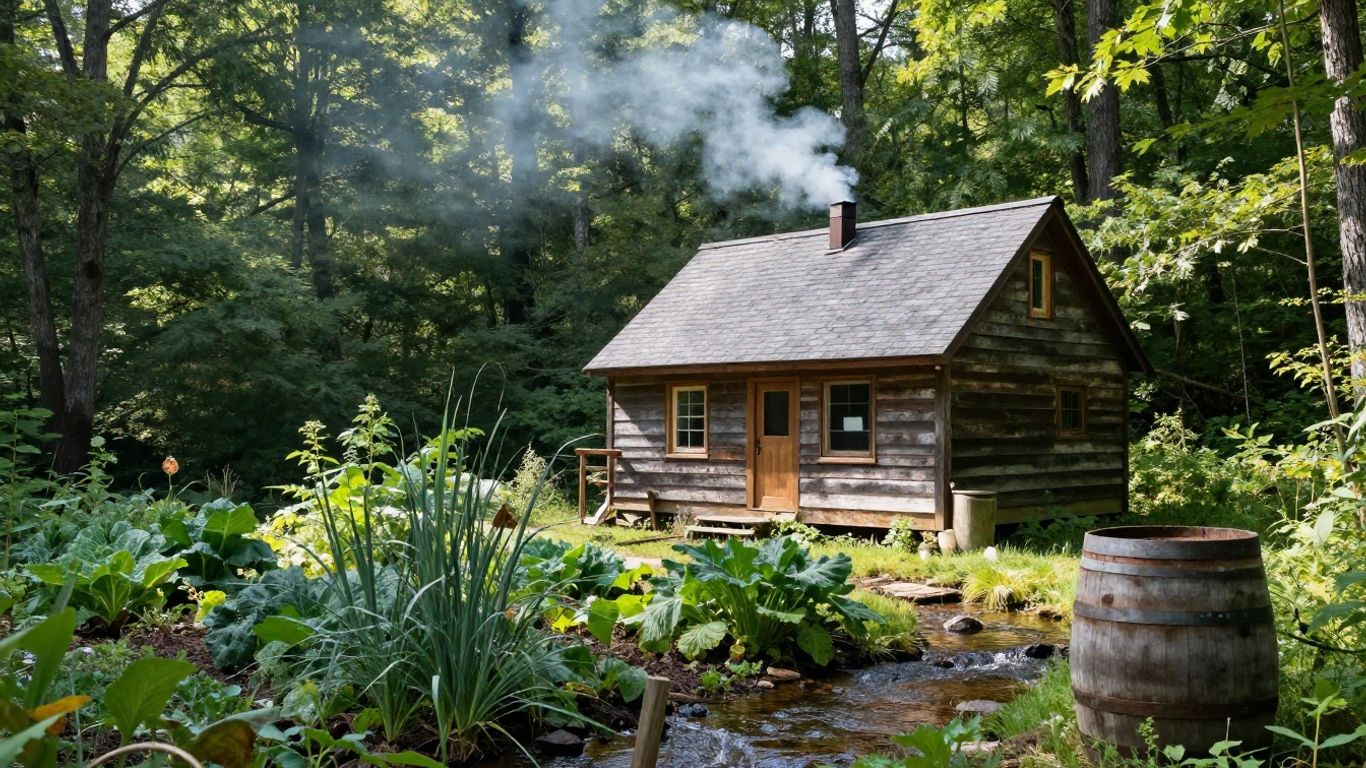
Living off the grid means you’re in charge of your own water and waste. It’s not like the city where you just turn on a tap or flush a toilet and forget about it. Here, you’ve got to be more hands-on.
Accessing Freshwater from Lakes and Rivers
Michigan has a lot of water, thanks to the Great Lakes and all the inland lakes and rivers. You might be able to tap into these, but it’s not as simple as just scooping it up. You’ll need a way to get the water to your home, and more importantly, you’ll need to make sure it’s clean. Think about pumps and pipes, and then the real work starts with cleaning it.
Water Filtration and Rainwater Harvesting Methods
So, you’ve got your water source, now what? Filtration is key. You can’t just drink lake water and expect to be fine. There are systems, some pretty simple and some more complex, that can filter out the bad stuff. Rainwater harvesting is another good option, especially during the wetter months. You can set up barrels or larger tanks to collect rain as it falls. This collected water can be a great backup or even a primary source if managed well.
- Rain Barrels: Simple, affordable, and good for garden use.
- Cisterns: Larger tanks for storing more significant amounts of water.
- Multi-stage Filtration: Using different filters to remove sediment, bacteria, and other contaminants.
Proper water storage and filtration are non-negotiable for health and safety when you’re relying on your own water supply.
Eco-Friendly Waste Systems and Septic Solutions
Dealing with waste is a big part of off-grid life. You can’t just send it all down the drain. Composting toilets are a popular choice. They break down waste naturally, turning it into usable compost over time. It sounds a bit out there, but it’s a really effective way to handle human waste without needing a traditional septic system. For other household waste, recycling and composting are your best friends. Reducing what you throw away in the first place makes managing the rest much easier. If you do need a septic system, make sure it’s installed correctly and meets local regulations. It’s a significant investment, but it’s important for keeping your property and the environment clean.
Harnessing Renewable Energy in Michigan’s Climate
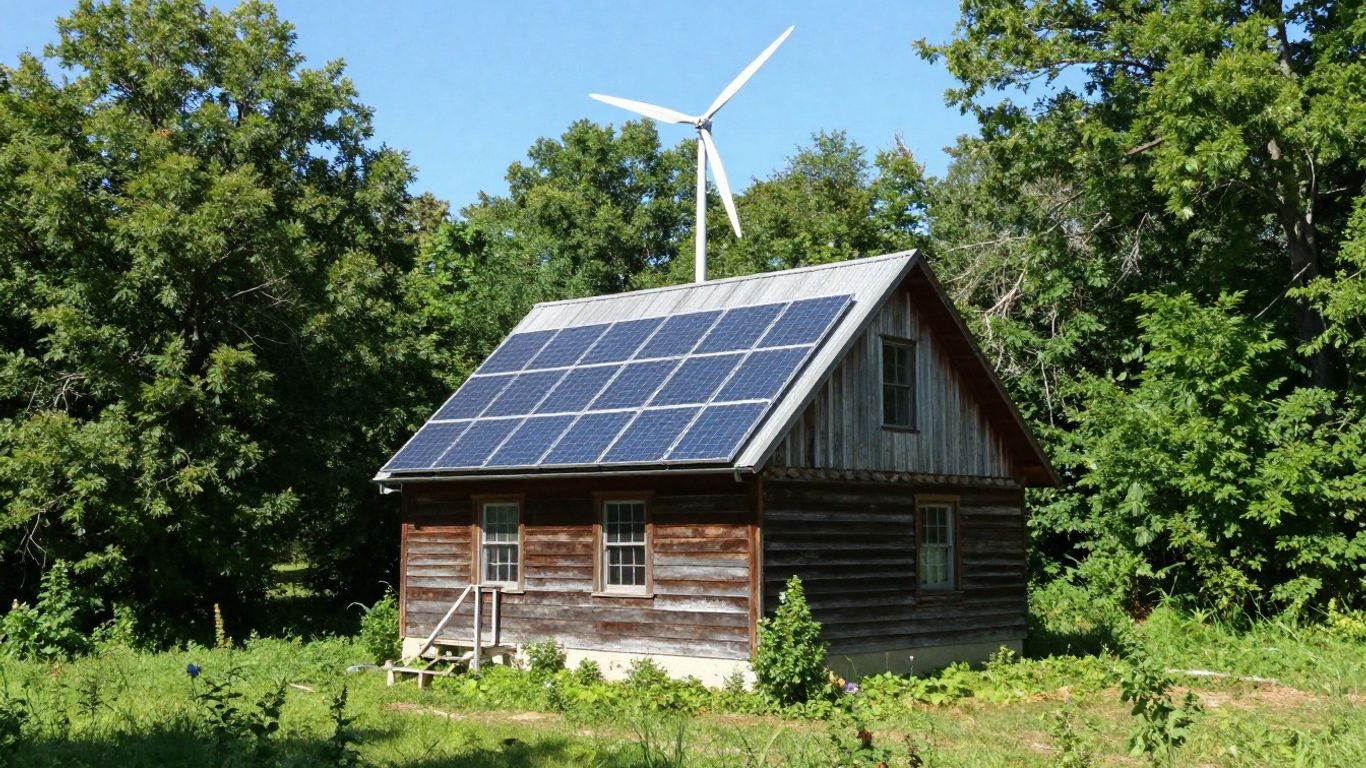
When you’re thinking about living off the grid in Michigan, figuring out how to power your place is probably one of the biggest things on your mind. Michigan’s weather can be a bit tricky, with cloudy winters and sunny summers, so you’ll want a mix of energy sources to keep things running smoothly.
Solar Power in Michigan: Benefits and Challenges
Solar panels are a popular choice, and for good reason. They’re quiet, don’t have moving parts to break, and the sun’s energy is free once you’ve got the panels set up. In Michigan, you’ll get decent power during the sunny months, especially in the southern parts of the state. However, those long, cloudy winter days mean solar alone might not cut it. You’ll need to think about storing that summer sun for winter use or having a backup plan. High-efficiency panels are a good idea here to get the most out of whatever sunlight you can catch.
The Advantages of Wind Energy in Rural Areas
Michigan has some windy spots, especially near the Great Lakes and in more open rural areas. A small wind turbine can be a great addition to your energy setup. It can generate power even when it’s cloudy or at night, which is a big plus. Think of it as a partner to your solar panels. When the sun’s not shining, the wind might be. It’s another way to get closer to that self-sufficient dream.
Pairing Energy Sources for a Reliable Power Supply
This is where things get really smart for off-grid living in Michigan. Relying on just one source can leave you in the dark. Combining solar panels with a wind turbine creates a more robust system. You’ll have power generation from different sources at different times. Plus, you absolutely need good battery storage. These batteries act like a reservoir, holding onto extra energy generated on sunny or windy days so you can use it when conditions aren’t ideal. This combination, along with a backup generator for those really tough times, is key to having consistent power through Michigan’s varied seasons.
Keeping your energy system reliable means thinking about more than just the panels or the turbine. It’s about how all the pieces work together, especially when the weather isn’t cooperating. Battery storage is your best friend here, smoothing out the bumps and making sure you have power when you need it most.
Here’s a quick look at how different energy sources might perform:
| Energy Source | Best For Michigan Off-Grid | Considerations |
|---|---|---|
| Solar Power | Sunny days, summer months | Less effective in winter, needs storage |
| Wind Power | Windy days, year-round | Needs open space, potential noise |
| Battery Storage | Consistent power supply | Initial cost, lifespan |
| Backup Generator | Emergencies, low production | Fuel costs, maintenance |
Building and Maintaining a Sustainable Off-Grid Home
When you decide to live off the grid, your home becomes more than just a shelter; it’s a system. You’re not just building walls; you’re creating a self-sufficient ecosystem. Michigan, with its natural resources, offers some great opportunities for this. Let’s talk about how to make your off-grid home work for you, especially with those Michigan winters.
Using Michigan’s Natural Materials for Construction
Think about building with what’s around you. Michigan has plenty of timber, and if you can source it responsibly, wood is a fantastic building material. It’s renewable and has a good R-value for insulation. Beyond wood, local stone can be used for foundations or even decorative elements. Some folks even explore building with earth-based methods like cob or adobe, using local clay and sand. It’s a slower process, for sure, but it connects you to the land.
Insulation and Heating for Harsh Winters
Michigan winters are no joke. Good insulation is key to keeping your home warm without burning through all your stored energy. You’ll want to look at:
- Wall Insulation: Options range from traditional fiberglass or mineral wool to more natural choices like cellulose (made from recycled paper) or even straw bales. The goal is to create a really tight seal.
- Window Efficiency: Old, drafty windows are energy vampires. Consider double or triple-paned windows, or at least storm windows to add an extra layer of protection.
- Heating Systems: Wood stoves are a classic off-grid choice, and many are quite efficient these days. Propane heaters can also be an option, but you’ll need a reliable way to get propane delivered. Some people even look into geothermal systems, though the upfront cost is higher.
Keeping your home warm and comfortable during Michigan’s cold months requires careful planning. It’s not just about having a heat source, but about keeping that heat inside your home efficiently. This means investing in good insulation and sealing up any drafts before winter truly sets in.
Incorporating Repurposed and Salvaged Materials
Living off the grid often goes hand-in-hand with a resourceful mindset. Don’t overlook the potential of salvaged materials. Old barns being torn down can yield beautiful, aged wood beams and planks. Reclaimed bricks can add character to a fireplace or exterior accents. Even old metal roofing can be repurposed. It’s not only budget-friendly but also reduces waste and gives your home a unique story. Finding these materials often takes patience and a good eye, but the results can be incredibly rewarding. You might find great deals at architectural salvage yards or by keeping an eye on local classifieds.
Here are some places to look for salvaged materials:
- Architectural salvage yards
- Online marketplaces (like Facebook Marketplace, Craigslist)
- Local demolition sites (with permission, of course!)
- Habitat for Humanity ReStores
Growing Food and Sourcing Local Supplies Year-Round
Gardening and Permaculture in Michigan’s Soil
Living off the grid means you’ll want to grow a good chunk of your own food, and Michigan’s soil can be pretty forgiving if you know what you’re doing. You can grow a lot of different things here, from sturdy root vegetables that can handle the cold to berries and fruits. It’s all about picking the right plants for your specific spot and the season. Permaculture is a neat way to think about this, basically setting up your garden to work with nature, not against it. This means less waste and a healthier little ecosystem right in your backyard. Think about companion planting, where certain plants help each other grow, or creating habitats for helpful bugs. It’s a bit of a learning curve, but super rewarding.
Greenhouses and Season Extenders for Cold Months
Michigan winters can be brutal, no doubt about it. If you want fresh greens and veggies even when there’s snow on the ground, you’ll need to get creative. A simple hoop house or a more permanent greenhouse can make a huge difference. These structures trap heat and protect your plants from frost, letting you extend your growing season well into the fall and even start up early in the spring. Cold frames are another great option for hardening off seedlings or growing hardier crops. Having a reliable way to grow food through the winter is key to true self-sufficiency.
Hunting, Fishing, and Foraging in Michigan
Beyond your garden, Michigan offers a lot of natural bounty. If you’re into it, hunting and fishing can provide a great source of protein. Just make sure you know the regulations and practice safely and sustainably. Foraging for wild edibles is another skill that can supplement your diet. Think about berries in the summer, mushrooms in the fall, and edible greens in the spring. It’s important to be absolutely sure about what you’re picking, though – some plants can be poisonous. Joining local foraging groups or taking a class can be a smart way to learn what’s safe and where to find it.
Here’s a quick look at what you might be able to gather:
- Spring: Asparagus, morel mushrooms, wild leeks (ramps), dandelion greens.
- Summer: Berries (blueberries, raspberries, blackberries), wild cherries, purslane.
- Fall: Various mushrooms (with expert identification!), acorns, rose hips, late-season greens.
Relying on a mix of gardening, hunting, fishing, and foraging can create a diverse and resilient food supply, reducing your dependence on external sources and connecting you more deeply with the natural world around you.
Navigating Costs and Legal Considerations for Off-Grid Living
So, you’re thinking about ditching the grid in Michigan? That’s awesome! But before you start dreaming of solar panels and homegrown veggies, let’s talk brass tacks. Living off the grid isn’t just about being free from utility bills; it’s also about understanding the financial and legal landscape. It’s a big step, and being prepared makes all the difference.
Price Ranges for Land and Home Construction
First off, you need land. Michigan offers a lot of variety here. You can find acreage in more rural parts of the state, like the Upper Peninsula or up north, for around $5,000 to $10,000 per acre. If you’re eyeing property near a lake or a forest, expect to pay a bit more, maybe $10,000 to $15,000 per acre, because, well, who wouldn’t want that view?
When it comes to building your off-grid haven, costs can really swing. A simple, minimalist cabin might set you back between $20,000 and $50,000. If you’re aiming for something larger and more energy-efficient, designed to handle those harsh Michigan winters, you’re probably looking at $50,000 to $100,000 or even more. Remember, these are just starting points; your specific needs and choices will shape the final price.
Building Codes, Zoning, and Waste Disposal Laws
This is where things can get a little tricky. Michigan, like every state, has rules. You can’t just plop a house anywhere and call it a day. You’ll need to look into local zoning ordinances. Some areas might have restrictions on dwelling size or type. For instance, in Ann Arbor, tiny homes are allowed in backyards under specific rules, but that’s a city, not quite the remote off-grid dream, though it shows how regulations vary Accessory Dwelling Unit regulations.
Waste disposal is another big one. Most places will require some form of approved septic system or composting toilet. You can’t just dig a hole. Gray water systems, where water from sinks and showers is reused for irrigation, are a smart way to conserve water and reduce waste, but they also need to meet local standards. It’s always best to check with your local township or county planning department early in the process to understand what’s allowed and what permits you’ll need. Ignoring these can lead to costly fines or even force you to dismantle your setup.
Budgeting for Sustainable Upgrades
Beyond the initial build, think about the ongoing costs and upgrades. Setting up your own power system – whether it’s solar, wind, or a combination – is a significant upfront investment. You’re looking at thousands, potentially tens of thousands, for panels, batteries, inverters, and charge controllers. Water systems, like wells or advanced rainwater harvesting and filtration, also add to the initial cost. Don’t forget backup generators, especially for those long winter nights.
It’s wise to budget for maintenance too. Off-grid systems, while rewarding, require more hands-on care than simply paying a monthly bill. You’ll be the one fixing the solar panels, maintaining the water filters, and managing your waste system. Planning for these ongoing needs and potential upgrades will help you stay self-sufficient and avoid unexpected expenses down the road. A good rule of thumb is to have a contingency fund for the unexpected – because in off-grid living, the unexpected often happens!
Connecting with Michigan’s Off-Grid Community
Finding Like-Minded Neighbors and Networks
Living off the grid doesn’t mean you have to be a hermit. Michigan actually has a pretty active group of folks who are into homesteading, sustainable living, and generally doing their own thing away from the mainstream. Finding these people can be a real game-changer. They’ve been through it all and can offer advice on everything from keeping your chickens happy through a Michigan winter to figuring out the best way to filter well water. It’s good to know there are others out there who get it. You can often find these groups through local farmers’ markets, online forums, or by word of mouth. Sometimes, you’ll find dedicated communities like Churning Rapids Community that are all about living in harmony with nature and each other.
Participating in Barter and Local Markets
One of the cool things about off-grid living in Michigan is the emphasis on local trade. Forget relying solely on big box stores. Many rural areas have vibrant farmers’ markets where you can swap goods or services. Need extra eggs? Maybe you’ve got a surplus of firewood to trade. It’s a great way to get what you need without always spending cash. Plus, these markets are often hubs for finding unique, locally made tools or supplies that are perfect for an off-grid lifestyle. It really builds a sense of local economy and mutual support.
Learning from Community Workshops and Events
Beyond just trading, there’s a lot of knowledge sharing happening in Michigan’s off-grid circles. Keep an eye out for workshops and events. These can cover a huge range of topics, from building a more efficient wood stove to advanced permaculture gardening techniques. Learning hands-on from people who are actively living the lifestyle is way more effective than just reading about it. You might even pick up tips on how to deal with those notoriously tough Michigan winters, which, let’s be honest, can be a real challenge when you’re trying to stay self-sufficient.
Preparing for the long, cold winters is a big part of off-grid life in Michigan. Having reliable heating, good insulation, and backup power sources are not just conveniences; they’re necessities. Don’t underestimate the power of community advice when it comes to weathering the snow and ice.
Your Michigan Off-Grid Adventure Awaits
So, you’ve learned a lot about living off the grid here in Michigan. It’s not always easy, especially with those tough winters, but it’s definitely doable. You’ve got the natural resources, the potential for clean energy, and even communities that get it. Michigan really does offer a good shot at that self-sufficient life many of us are looking for. It takes work and planning, sure, but the reward of living a bit more simply and connected to the land is pretty great. Think of this guide as your starting point – the rest is up to you and your own adventure.
Frequently Asked Questions
Is it legal to live off the grid in Michigan?
Yes, living off the grid in Michigan is generally legal as long as you follow local rules for building, zoning, and health, like those for waste and water systems.
How much money does it typically cost to set up an off-grid home in Michigan?
Setting up a basic off-grid home can cost between $50,000 and $150,000. The price depends a lot on the land you pick and the energy systems you choose.
Can I depend only on solar power in Michigan?
While solar power is useful, it’s best to combine it with other energy sources like wind power and battery storage. This makes your energy supply more reliable, especially during Michigan’s cloudy winter months.
What are the best places in Michigan for off-grid living?
The northern parts of Michigan and the Upper Peninsula are popular for off-grid living because they have affordable land and lots of natural resources.
How do I keep my off-grid home warm in Michigan during the winter?
You can use electric heaters, propane heaters, or wood stoves. Good insulation is key, and having backup energy sources is very important to stay warm through the cold winters.
What are some challenges of living off the grid in Michigan?
Michigan’s harsh winters require extra energy for heating and can make solar power less reliable. Also, rural areas might be far from essential services like hospitals and shops.
Explore more tiny home living, design, downsizing, building, and lifestyle resources.