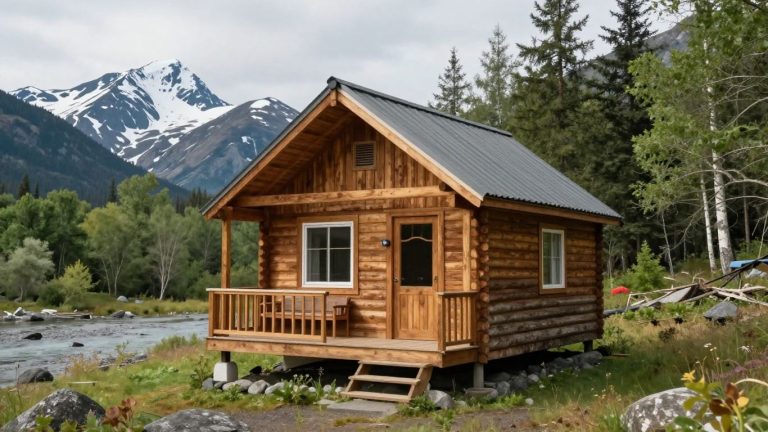
Embracing Freedom: A Comprehensive Guide to Living Off the Grid in Ohio

Thinking about living off the grid in Ohio? It’s a big change, for sure. You’re looking at ditching the usual power lines and water pipes for something more self-reliant. Ohio has a lot to offer for this kind of life, with plenty of land and a climate that can work with you. This guide breaks down what you need to know to make living off the grid in Ohio a reality, from the rules to the practical stuff.
Key Takeaways
- Understand Ohio’s specific rules for off-grid living, especially concerning water and waste systems.
- Choose land wisely, considering soil, water access, and local zoning laws.
- Explore renewable energy options like solar and wind, and look into state incentives.
- Plan for food production through gardening, hunting, and possibly raising livestock.
- Connect with local communities and resources for support and knowledge sharing.
Understanding the Foundations of Living Off the Grid in Ohio
So, you’re thinking about ditching the grid in Ohio? That’s a big step, and honestly, it’s not for everyone. It means rethinking how you get your power, your water, and even how you handle your trash. It’s about becoming more self-reliant and, for many, getting a lot closer to nature. Ohio, with its mix of rolling hills and farmland, actually offers some pretty decent opportunities for this kind of life. You’ve got a lot of rural areas where you can set up shop, and the climate isn’t too extreme, which helps with things like growing food and using solar power.
Defining Off-Grid Living in Ohio’s Context
Basically, living off the grid means you’re not hooked up to the usual public utilities – no electric company, no municipal water. You’re generating your own power, often with solar panels or maybe a wind turbine, and finding your own water source, like a well or rainwater collection. It’s a lifestyle choice that emphasizes independence and a lighter footprint on the planet. In Ohio, this often means dealing with specific local rules about things like sewage and water systems, but there’s still a good amount of freedom to make it work.
Key Benefits of an Off-Grid Lifestyle
Why would anyone do this? Well, there are some pretty good reasons. For starters, you can cut down on your monthly bills significantly once you’re set up. No more giant electricity or water payments! It also means you’re less dependent on outside systems, which gives you a real sense of control over your life. Plus, if you’re someone who loves the outdoors, this lifestyle naturally pulls you closer to the environment. You’ll probably find yourself more aware of the seasons and the natural world around you. It’s a way to live more sustainably and connect with the land.
- Reduced utility bills
- Increased self-reliance and independence
- Closer connection to nature
- Lower environmental impact
Common Challenges for Ohio Residents
Now, it’s not all sunshine and homegrown tomatoes. There are definitely hurdles. You’ve got to be prepared for the initial setup costs, which can be pretty steep. Then there are the regulations – Ohio has rules about waste disposal and water systems that you absolutely need to follow. You can’t just do whatever you want. You also need to be ready for the work involved. Maintaining solar panels, managing a well, growing your own food – it’s a lot of hands-on effort. And let’s not forget about the weather. Ohio winters can be harsh, and you need to make sure your home is well-insulated and your power system can handle it. Access to things like healthcare can also be a bit trickier if you’re way out in the country, so that’s something to think about. It’s important to research Ohio’s varied landscape to find a spot that balances your needs with accessibility.
Living off the grid requires a significant shift in mindset and daily habits. It’s a commitment to a more hands-on, resourceful way of living that demands continuous learning and adaptation to the environment and available resources.
Navigating Legal and Regulatory Requirements in Ohio
Okay, so you’re thinking about going off-grid in Ohio. That’s pretty cool! But before you start dreaming about your solar panels and rainwater barrels, we gotta talk about the paperwork. It’s not the most exciting part, but it’s super important if you want to avoid headaches down the road.
Zoning Laws and County Regulations
First off, zoning. Most places in Ohio have zoning laws, which basically tell you what you can and can’t do with your land. While Ohio’s zoning laws are generally considered more laid-back than in some other states, they’re still a thing. Some counties, like parts of Clinton County, don’t have zoning, which is a big plus if you find land there. But for most of us, you’ll need to check with your local planning department. They’ll let you know about any specific rules that might affect your off-grid setup. It’s always better to know these things upfront than to find out you’ve got to tear something down later.
Permitting Sewage, Water, and Waste Systems
This is a big one. When you’re off-grid, you’re responsible for your own water, sewage, and waste. Ohio has updated some rules to make off-grid sewage systems a bit easier to deal with, which is good news. However, don’t expect it to be a walk in the park. You’ll likely need permits, and there will be inspections. This is especially true for bathrooms and anything related to sewage. It’s all about making sure things are safe and don’t mess up the environment. So, get ready for some extra steps here.
Right to Farm and Property Tax Considerations
Two more things to keep in mind are property taxes and the ‘Right to Farm’ laws. Property taxes can really vary from one county to another. So, when you’re looking at land, make sure you understand what the property taxes will be. It can make a big difference in your budget. Also, Ohio has ‘Right to Farm’ laws. These are meant to protect farmers, but they could also apply to you if you’re doing any kind of farming or raising animals on your property. It’s worth looking into your county’s specific rules to make sure you’re good to go.
It’s easy to get caught up in the romantic idea of off-grid living, but the reality involves a lot of practical, and sometimes tedious, legal steps. Being prepared for these requirements can save you a lot of stress and money in the long run. Don’t skip this part of the planning process.
Here’s a quick rundown of what to consider:
- Zoning: Always check local zoning ordinances. Some areas are more flexible than others.
- Permits: Be prepared for permits and inspections, especially for water and waste systems.
- Taxes: Research property tax rates in different counties.
- Right to Farm: Understand how these laws might affect your property use.
Doing your homework on these legal bits will make your transition to off-grid life in Ohio much smoother. Seriously, don’t skip this!
Selecting the Ideal Location for Your Off-Grid Homestead
Deciding Between Rural and Urban Options
When you’re thinking about setting up your off-grid life in Ohio, the first big question is whether to go for a rural spot or try to make it work closer to a city. Honestly, most folks find that rural areas are just a better fit. You get more space, fewer neighbors to worry about, and generally, the rules about things like building and farming aren’t as strict. Think about counties like Lawrence, Columbiana, or Belmont – they often have more land available and a more laid-back approach. Trying to go off-grid in a city is possible, but you’ll likely run into more red tape and have less freedom to do what you want. It’s a trade-off, for sure.
Evaluating Land: Soil, Water, and Accessibility
Once you’ve got a general area in mind, it’s time to really look at the land itself. You’ll want to check out the soil quality – is it good for growing food? How’s the water situation? Is there a reliable well, or will you need to set up a rainwater collection system? And don’t forget about getting to your place. Is the road passable year-round, or will you get snowed in during the winter? It’s easy to get caught up in the dream, but practical stuff like this really matters.
Here’s a quick checklist for evaluating land:
- Soil type: Sandy, clay, loam? How fertile is it?
- Water sources: Existing well, creek, pond, or potential for rainwater harvesting?
- Topography: Flat, sloped, wooded? How will this affect building and farming?
- Access: Year-round road access, distance to nearest town?
- Sunlight exposure: Important for solar power and gardening.
Access to Natural Resources and Wildlife
Living off the grid often means you want to be closer to nature, right? So, think about what natural resources are available on or near the property. Are there mature trees for firewood? Is there a good spot for a garden that gets plenty of sun? And what about wildlife? While seeing deer or wild turkeys can be nice, you also need to consider how to protect your garden and any livestock you might have. Understanding the local ecosystem will help you live more harmoniously with your surroundings. It’s all about finding a balance between using what nature provides and respecting it.
The dream of self-sufficiency is appealing, but it requires a realistic look at the land’s capabilities and limitations. Don’t let the romance of the idea overshadow the practicalities of making it work day-to-day.
Building Sustainable Homes and Infrastructure
When you’re thinking about building a place to live off the grid in Ohio, you’ve got to get the structure right. It’s not just about having a roof over your head; it’s about making sure it works with the environment and keeps you comfortable year-round. This means looking at materials, how you put it together, and making sure it meets any rules.
Construction and Building Codes Compliance
Building codes can feel like a hurdle, but they’re there for safety. You’ll need to figure out what your county or township requires. This might involve getting permits before you even break ground. Think about using materials that are good for the planet and will last. Things like passive solar design, which uses the sun to heat your home naturally, and good insulation are big wins. It’s about making your home work with nature, not against it. You’ll want to look into local regulations to make sure your plans are on the up-and-up.
Water Sourcing and Management Systems
Water is life, right? So, how are you going to get it and keep it clean? Rainwater harvesting is a popular choice. You collect rain from your roof and store it. You’ll need a good system for filtering it, especially if you plan to drink it. Wells are another option, but you’ll need to check the water table and quality in your area. Managing your water use is also key. Think about low-flow fixtures and using water wisely for things like gardening.
- Rainwater Harvesting: Collect and store precipitation.
- Well Systems: Drill a well to access groundwater.
- Water Conservation: Implement practices to reduce usage.
Waste Disposal, Septic, and Sanitation Solutions
This is a big one, and it’s where things can get tricky. You can’t just flush and forget like you might be used to. Composting toilets are a common solution. They break down waste into compost, which can be used in your garden. You’ll need to manage this process carefully. Another option is a septic system, but you’ll need to make sure it’s installed correctly and meets all the local health department rules. Proper waste management is not just about convenience; it’s about protecting your health and the environment around you.
Dealing with waste responsibly is a core part of off-grid living. It requires planning and a commitment to methods that are safe for both people and the land. Don’t underestimate the importance of getting this right from the start.
Here’s a quick look at some common waste solutions:
- Composting Toilets: Turn human waste into usable compost.
- Septic Systems: Traditional underground tanks and drain fields (check local regulations).
- Greywater Systems: Reuse water from sinks and showers for irrigation (requires careful planning and local approval).
- Recycling and Composting: Manage household waste to reduce landfill contributions.
Harnessing Renewable Energy and Utilities in Ohio
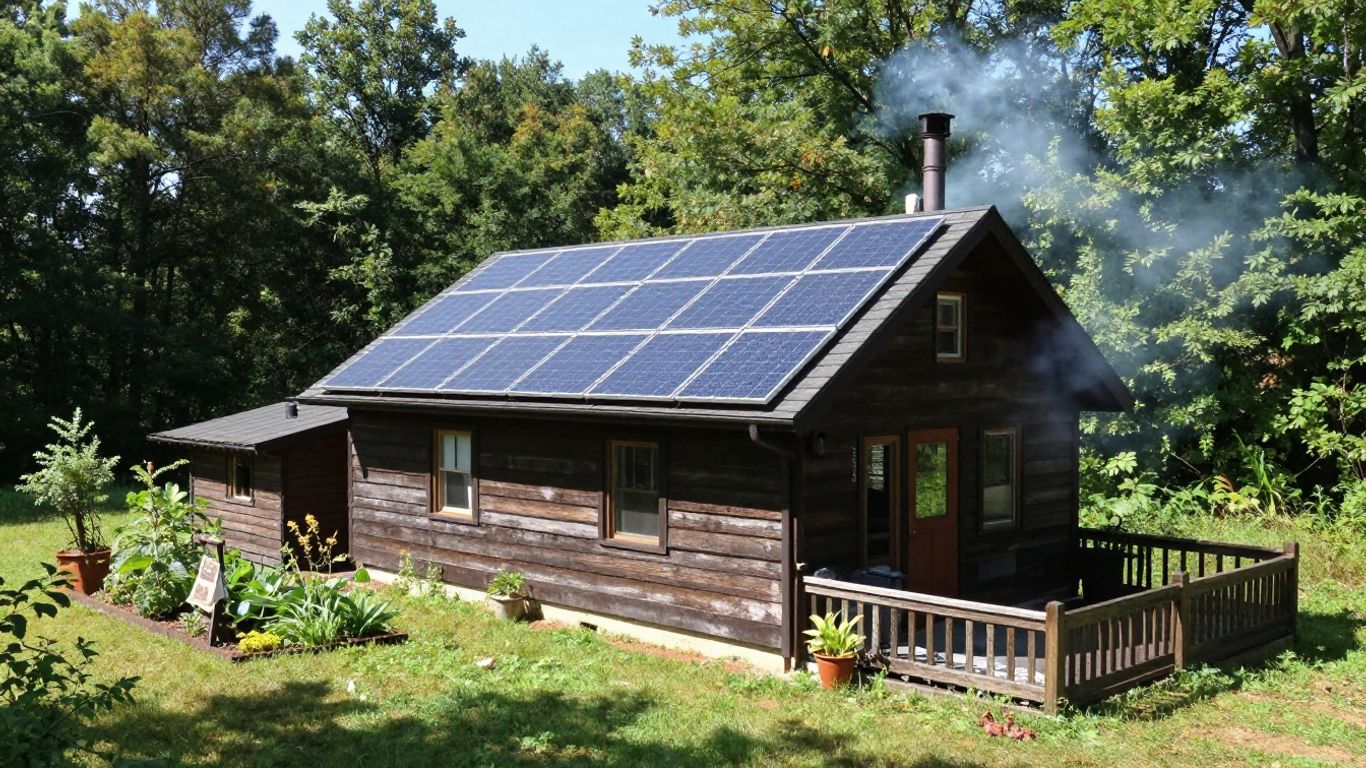
So, you’re thinking about ditching the power lines and going off-grid in Ohio? That’s a big step, and figuring out your energy situation is probably one of the first things on your mind. Luckily, Ohio isn’t completely out of the question for renewable energy. The state gets a decent amount of sun, averaging about 4.2 peak sun hours a day. That means solar power is definitely a real possibility for your homestead.
Solar and Wind Power Potential
When it comes to solar, you’ll want to get a good handle on how much power you actually use. A professional can help you figure out the right size system, how much battery storage you’ll need, and where to put those panels for the best sun exposure. Pairing your solar setup with energy-efficient appliances is a smart move, too – it means you can get by with a smaller, less expensive system. Wind power is another option, especially if you’re in an area with steady breezes. Small wind turbines can be a good supplement to solar, giving you power even when the sun isn’t cooperating.
- Assess your energy needs: Figure out exactly how much electricity you’ll be using daily.
- Choose the right system: Select solar panels, batteries, and potentially a wind turbine that match your needs.
- Professional installation: Consider hiring experts for setup to ensure safety and efficiency.
- Maintenance: Regular checks will keep your systems running smoothly.
Don’t forget that the initial investment in renewable energy systems can seem high, but think about the long-term savings and independence you’ll gain. It’s a trade-off, for sure.
State Incentives and Rebates for Renewable Systems
Here’s some good news: the government wants to help you go green. There are federal tax credits available that can knock a good chunk off the price of solar and wind systems. On top of that, Ohio itself has programs and tax exemptions aimed at encouraging renewable energy. It’s worth doing some digging to see what rebates or support you might qualify for. These can make a big difference in making your off-grid energy setup more affordable.
Heating, Cooling, and Energy Storage Solutions
Beyond just electricity, you’ll need to think about heating and cooling your home. Many off-gridders opt for wood stoves, which are pretty common in rural Ohio. Propane can also be an option, though it’s less sustainable. For cooling, passive design in your home’s construction, like good insulation and strategic window placement, can cut down on the need for active cooling. Energy storage is where those batteries come in. They store the power generated during sunny or windy periods so you can use it at night or when the weather’s not cooperating. Getting the right balance between generation and storage is key to staying powered up consistently.
| Energy Need | Common Off-Grid Solutions in Ohio |
|---|---|
| Electricity | Solar panels, wind turbines, battery storage |
| Heating | Wood stoves, propane heaters, passive solar design |
| Cooling | Home insulation, natural ventilation, ceiling fans, geothermal (less common) |
| Hot Water | Solar water heaters, on-demand propane water heaters |
Sustaining Yourself: Food Production and Self-Sufficiency
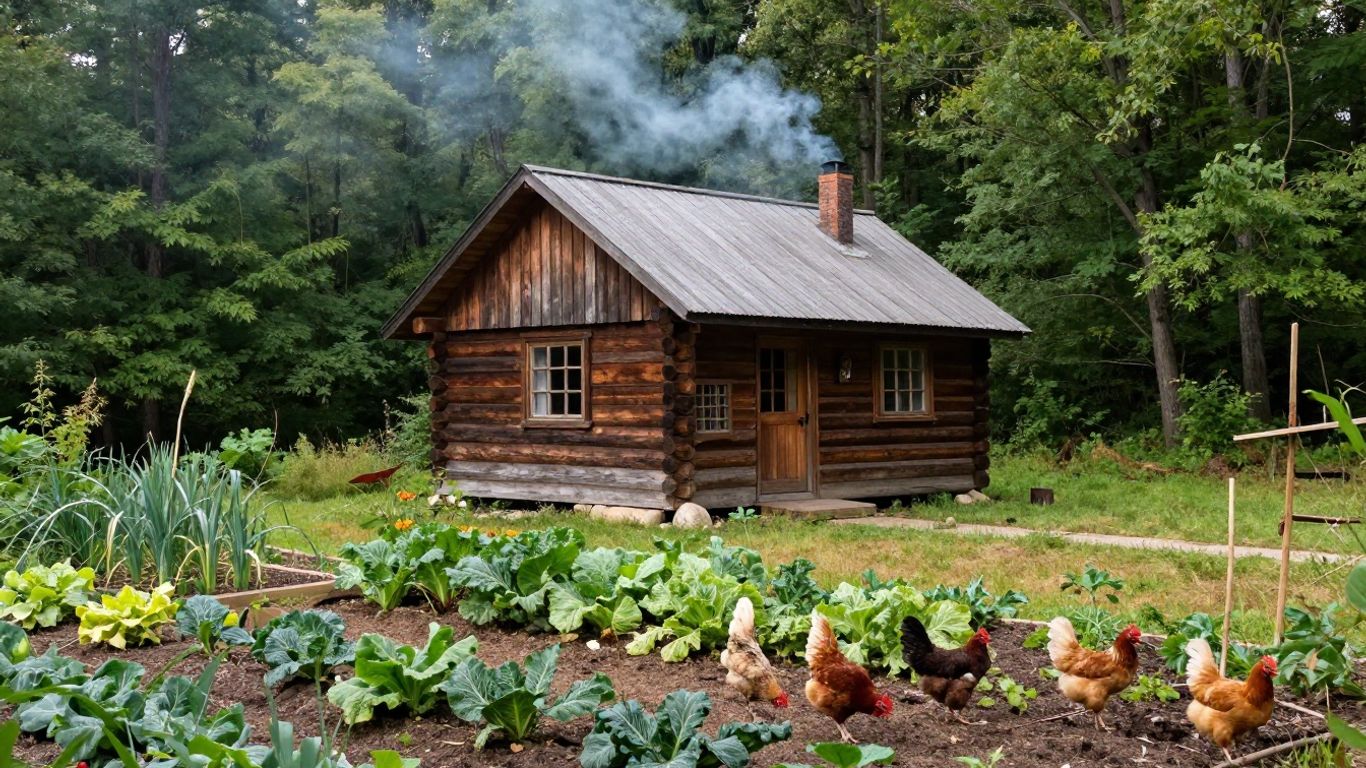
Living off the grid means you’re largely responsible for feeding yourself. This isn’t just about having food on the table; it’s about creating a resilient system that works with Ohio’s environment. It takes some planning, but it’s totally doable.
Growing Crops and Managing Greenhouses
Ohio’s soil is pretty good for growing things, and you can really take advantage of that. Think about what grows well here. Corn, soybeans, and wheat are common, but don’t stop there. You can grow a lot of different vegetables and fruits. Using techniques like crop rotation helps keep your soil healthy year after year. If you want to get a head start or extend your harvest season, a greenhouse is a great idea. You can control the environment inside, which means you can grow things even when it’s cold outside. Raised beds are also helpful, especially if your soil isn’t perfect. They give you more control over the soil quality and drainage.
- Consider planting native crops that are already adapted to Ohio’s climate.
- Start a compost pile to create nutrient-rich soil amendments.
- Learn about companion planting to deter pests naturally.
Building a self-sufficient food system is a journey, not a destination. Start small, learn as you go, and adapt to what works best for your land and your family.
Hunting, Fishing, and Gathering Regulations
Ohio has a lot of wildlife, and if you’re prepared and know the rules, hunting and fishing can be a good source of protein. You’ll need to get the right permits and licenses, of course. It’s important to know the seasons and limits for different animals and fish. For example, deer and turkey are popular game, and there are specific regulations for them. Fishing in Ohio’s lakes and rivers can yield bass, catfish, and trout. Always check the Ohio Department of Natural Resources website for the most current hunting and fishing laws. Gathering wild edibles is also an option, but you need to be absolutely sure about what you’re picking. Misidentification can be dangerous.
Raising Livestock and Implementing Permaculture
Having animals can really round out your food production. Chickens are a popular choice for eggs, and they’re relatively easy to care for. Goats can provide milk and meat. If you have the space and resources, larger animals might be an option too. Permaculture is a design philosophy that works with nature, not against it. It’s about creating systems that are sustainable and productive. This could mean designing your garden to mimic natural ecosystems, using water efficiently, and integrating different elements like animals and plants so they support each other. For instance, chickens can help with pest control in the garden, and their manure can fertilize the soil. The goal is to create a balanced, low-maintenance system that provides for your needs.
Integrating with Local Communities and Support Networks
Living off the grid in Ohio doesn’t mean you have to be completely isolated. In fact, connecting with others can make the whole experience smoother and a lot more enjoyable. Think of it as building your own little support system right in your backyard, or maybe a few miles down the road.
Connecting with Ohio’s Off-Grid Communities
There are folks out there already doing what you’re planning to do, and they’ve learned a lot along the way. Finding these groups can be a real game-changer. They often share tips on everything from the best places to find affordable land to how to deal with local regulations. Plus, knowing you’re not the only one can be a huge mental boost. These communities often have informal networks where people help each other out, whether it’s lending a tool, sharing extra produce, or just offering advice.
Learning from the Amish and Other Sustainable Groups
Ohio has a strong tradition of sustainable living, thanks in large part to its Amish and Mennonite communities. These groups have perfected many off-grid techniques over generations. While they might not use solar panels, their methods for farming, building, and managing resources are incredibly efficient and worth studying. Many are open to sharing their knowledge, especially if you show genuine interest and respect. Attending local farmers’ markets or community events can be a good way to start conversations and learn firsthand.
Finding Legal Aid and State Resources
Sometimes, you’ll run into sticky situations with permits, zoning, or property rights. It’s good to know where to turn. The state of Ohio might have specific resources or programs aimed at rural development or sustainable practices that could help. Local extension offices, often associated with universities, are fantastic sources of information on agriculture, land management, and even building codes. Don’t underestimate the power of a good conversation with a knowledgeable local official or a seasoned off-gridder. Building these connections is just as important as setting up your solar panels.
Here are a few things to keep in mind when connecting with others:
- Be a good neighbor: Offer help when you can, even if it’s just a small gesture. This builds goodwill.
- Share what you learn: As you gain experience, pass on your knowledge to newcomers. It strengthens the whole network.
- Respect different approaches: Not everyone will live off-grid exactly like you. There’s a lot to learn from various methods.
Building relationships with people who share similar goals or who have experience in off-grid living can provide practical help, emotional support, and a sense of belonging. It’s about creating a web of mutual assistance that makes the challenges of self-sufficiency more manageable and the rewards even greater.
Maximizing Environmental Impact and Resourcefulness
Living off the grid in Ohio isn’t just about disconnecting from the power lines; it’s also a chance to really think about how we use resources and how we can be kinder to the planet. It’s about making smart choices that reduce waste and help keep Ohio’s natural beauty intact. This lifestyle encourages a deeper connection with the environment and a more mindful approach to consumption.
Reducing Your Carbon Footprint
One of the biggest wins of going off-grid is cutting down on your carbon footprint. Instead of relying on power from distant, often fossil-fuel-burning plants, you’re generating your own energy, usually from renewable sources. Think solar panels soaking up the sun or a small wind turbine catching the breeze. Even simple things, like using LED lights and making sure your home is well-insulated, make a big difference. It’s about using less energy overall, which is good for your wallet and the air we breathe. This approach aligns with a broader goal of improving human welfare through sustainable practices, as Bill Gates has discussed.
Embracing Recycling and Upcycling
When you’re off-grid, you become much more aware of what you throw away. Landfills aren’t usually an option, so getting creative with waste is key. Composting is a big one – turning kitchen scraps and yard waste into rich soil for your garden. Rainwater harvesting is another smart move, collecting water for your plants or even for cleaning after it’s filtered. And then there’s upcycling, which is basically giving old items a new life. That old tire could become a planter, or those worn-out jeans could be turned into durable bags. It’s all about seeing potential in things others might discard.
Here are a few ideas to get you started:
- Composting: Turn food scraps and yard waste into valuable soil amendment.
- Rainwater Harvesting: Collect and store rainwater for non-potable uses.
- Upcycling: Repurpose old items into new, useful objects.
- Material Reuse: Find ways to reuse building materials or containers.
Protecting Ohio’s Flora and Fauna Through Conservation
Living off the grid means you’re often living closer to nature, and that comes with a responsibility to protect it. Ohio has some beautiful natural areas and wildlife, and off-grid living can actually help preserve them. By growing your own food organically, you avoid harmful pesticides that can hurt local ecosystems. Managing your land responsibly, maybe by planting native trees or creating habitats for local animals, makes a real difference. It’s about coexisting with the environment, not dominating it. You become a steward of the land, ensuring that the plants and animals native to Ohio can thrive alongside you. This mindful interaction helps maintain the delicate balance of the local ecosystem.
Wrapping Up Your Off-Grid Ohio Adventure
So, you’ve made it through the guide on living off the grid here in Ohio. It’s definitely not a simple path, and there’s a lot to think about, from finding the right spot to making sure your water system actually works. But honestly, the idea of being more in tune with nature and relying on yourself is pretty appealing, right? Ohio has a lot to offer for this kind of life, with its land and even some helpful programs if you look for them. It takes work, for sure, but building a life that’s a bit more your own, away from the usual hustle, could be really worth it. Just remember to plan well, follow the rules, and don’t be afraid to learn as you go.
Frequently Asked Questions
What exactly does ‘living off the grid’ mean in Ohio?
Living off the grid in Ohio means you’re mostly doing things yourself instead of relying on the big utility companies. Think generating your own electricity with solar panels, getting your own water, and handling your own trash. It’s about being more self-sufficient and connected to nature.
Is it legal to live off the grid in Ohio?
Yes, it’s legal to live off the grid in Ohio, but there are rules you need to follow, especially for things like water, sewage, and waste. Some areas might have stricter rules than others, so it’s important to check with your local town or county before you start.
What are the biggest challenges when living off the grid in Ohio?
Some common challenges include figuring out reliable power and water sources, dealing with Ohio’s changing weather, and making sure you follow all the local rules. It also takes a lot of planning and hard work to set up and maintain your own systems.
Can I grow my own food if I live off the grid in Ohio?
Absolutely! Ohio’s climate and soil are great for growing many kinds of fruits and vegetables. You can also raise animals like chickens for eggs and milk. Many people living off the grid enjoy gardening and farming as a big part of their lifestyle.
Are there other people living off the grid in Ohio I can connect with?
Yes, Ohio has communities of people who are also living off the grid or interested in sustainable living. You can find support, share ideas, and learn from others. Sometimes, you can even learn from groups like the Amish who have a long history of self-sufficient living.
Does Ohio offer any help for people wanting to use renewable energy?
Yes, Ohio has programs and incentives that can help make it cheaper to install things like solar panels. These programs can make it easier and more affordable to get your own clean energy for your off-grid home.
Explore more tiny home living, design, downsizing, building, and lifestyle resources.