
Manufactured Homes Guide
Are manufactured homes a smart, affordable alternative to a site-built house or a tiny home? For many first-time buyers, downsizers, and people seeking simpler living, it can offer more space at a lower purchase price, but the savings depend on land, site preparation, utilities, financing, and local rules.
Manufactured homes are built in a factory under the federal HUD Code, while modular homes follow state and local building codes. This review examines construction quality, total costs, financing, land and zoning requirements, resale value, maintenance, and everyday livability, including the risks that can affect your budget and long-term plans.
Next, we’ll compare the advantages and drawbacks of manufactured housing so you can decide whether it fits your needs, property goals, and lifestyle.
Key Takeaways
- Manufactured homes usually cost less upfront than comparable site-built houses, but land, delivery, foundation work, utility hookups, permits, and site preparation can raise the final bill.
- Factory construction follows the federal HUD Code, which sets minimum standards for design, durability, safety, and energy efficiency.
- Quality depends on the builder, materials, installation, maintenance, and climate. A careful inspection matters before you buy.
- Resale value is stronger when you own the land, place the home on a permanent foundation, and maintain clear property records. See these manufactured home resale factors.
- Financing and zoning can shape affordability as much as the purchase price, so confirm local rules and loan terms early.
Manufactured Homes Review: Are They Worth Buying?
Manufactured homes can be worth buying when the home, land, foundation, location, and upkeep all support your long-term goals. They often offer more living space for less than a comparable site-built house, but the purchase price alone doesn’t determine value. You may be buying only the home, while leasing or separately purchasing the land beneath it.
Unlike older mobile homes built before June 15, 1976, manufactured homes follow the federal HUD Code. That code sets minimum requirements for construction, safety, durability, transportability, and energy efficiency. Still, performance varies by manufacturer, model, materials, installation quality, and local climate.
How factory construction affects quality and durability
Manufactured homes are built in sections inside a factory. Workers assemble floors, walls, plumbing, electrical systems, cabinets, and other components in a controlled sequence. The finished sections then travel by truck to the property, where crews join them, connect utilities, install siding and roofing details, and complete interior work.
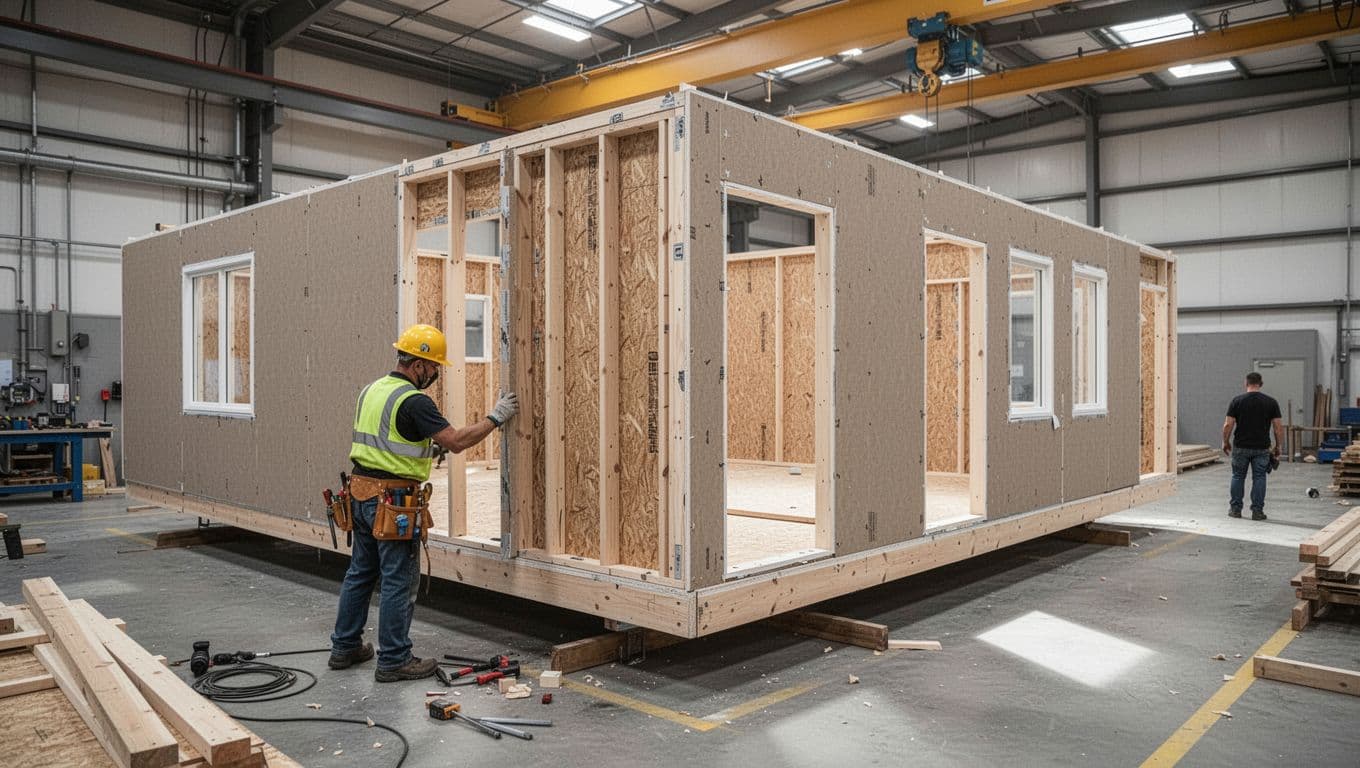
Indoor construction protects materials from rain, snow, and prolonged exposure during the build. Repeatable processes can also improve consistency, while inspections occur during production and after installation. The HUD Office of Manufactured Housing Programs explains how federal standards govern manufactured housing construction and safety.
However, factory construction doesn’t remove every risk. Transport can damage siding, roofing, or interior finishes. Poor joining work may create leaks, uneven floors, drafts, or plumbing problems. The installer must also follow the manufacturer’s instructions and local requirements. For example, Pennsylvania requires documentation after a licensed installer completes a new manufactured home installation, as described by the Pennsylvania manufactured housing program.
The HUD Code includes wind and snow-load standards that vary by location. Proper anchoring, drainage, site preparation, and foundation work matter just as much as the factory build. A permanent foundation can support stability and may improve financing or resale prospects, but it doesn’t automatically make every home equal to a site-built house.
Factory production improves control over the building process, but installation determines how well the home performs on its lot.
Manufactured home styles, layouts, and customization options
A single-wide usually has a narrower footprint and simpler transport requirements. It can fit smaller lots, but the layout often uses a hallway-style plan. A double-wide arrives in two sections, creating more room for wider living areas, larger kitchens, and multiple bedrooms. Larger multi-section homes need more land, delivery access, and site work, yet they can feel much closer to a conventional house.
Buyers can often choose open floor plans, porches, dormers, upgraded kitchens, energy-efficient windows, and accessible bathrooms. Check the base price carefully because foundation work, appliances, steps, decks, utility connections, and premium finishes may cost extra.
Manufactured homes suit compact living, but most aren’t legally classified as tiny houses. Tiny-home rules often depend on size, wheels, foundation type, zoning, and local building codes. Before choosing a model, compare the home’s dimensions with your lot, road access, placement rules, and long-term comfort needs.
Manufactured Home Prices, Setup Costs, and Financing
The advertised price covers only part of what you may spend. Your final manufactured home cost depends on size, age, finish level, region, transportation distance, site conditions, and local demand. In 2026, use these figures only for early planning and request local estimates before committing.
 ### The costs buyers often miss in a manufactured home quote
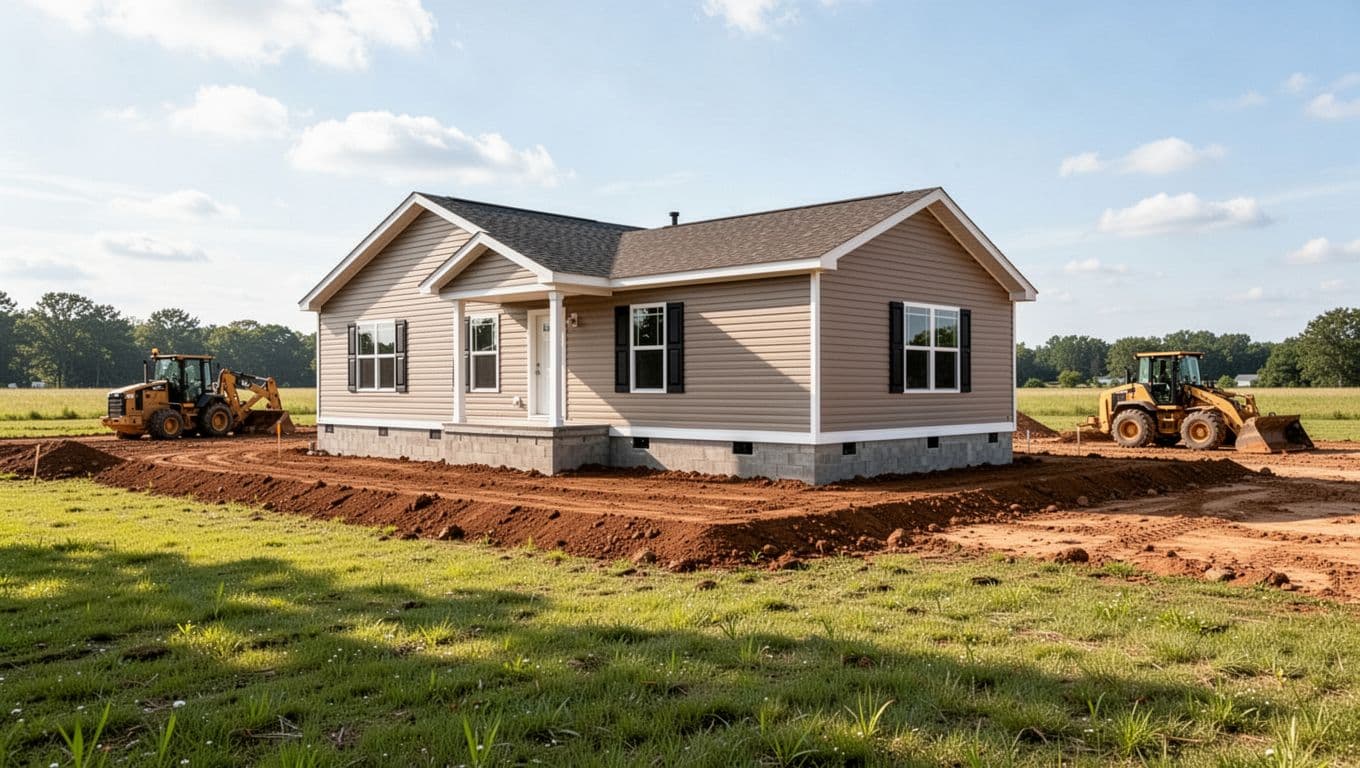
A rough planning budget might include $80,000 to $180,000 or more for the home, excluding land. Land may add $20,000 to well over $100,000, depending on location. Site work, delivery, foundation, installation, and utilities can add tens of thousands of dollars.
Ask about each of these charges before you sign:
- Excavation, grading, tree removal, soil testing, and stormwater drainage work.
- The foundation, delivery, crane service, set-up labor, tie-downs, skirting, steps, and required inspections.
- Utility trenching, electric or gas meter fees, water connections, septic or well installation, and related permits.
- HVAC upgrades, appliances, porches, decks, driveway work, landscaping, and final site cleanup.
- Loan origination fees, appraisal charges, title work, recording fees, prepaid taxes, insurance, and other closing costs.
A flat rural lot with good soil and nearby utility lines usually costs less to prepare than a wooded or sloped property. Clearing trees, cutting into a hillside, hauling fill, managing runoff, or drilling a deep well can change the budget quickly.
Request an itemized purchase agreement and a written site-work estimate. A low home price is difficult to evaluate when installation and land costs remain vague.
How loans, land ownership, and interest rates change the deal
The financing type can affect your payment, interest rate, protections, and future resale options. A real-property mortgage usually covers a manufactured home and the land together. Lenders may require a permanent foundation, clear title conversion, an approved appraisal, insurance, and compliance with local rules.
A personal property loan, often called a chattel loan, finances the home without the land. The home is collateral, while you may rent the lot. These loans can have shorter terms or higher interest rates than mortgages. This chattel loan explanation explains the basic distinction between real property and movable personal property.
Possible financing paths include conventional, FHA, VA, USDA, and specialized manufactured-home loans. Eligibility depends on the borrower, property, foundation, location, loan amount, and lender rules, so don’t assume a program will apply.
If you lease land, add lot rent, park rules, annual increases, taxes, insurance, and possible community restrictions to your budget. Compare the total interest and full monthly cost, not only the advertised payment. Owning the land and meeting permanent-foundation requirements may support broader financing and stronger resale demand, but neither guarantees approval or appreciation.
The Biggest Advantages and Drawbacks of Manufactured Homes
Manufactured homes can lower the entry cost of homeownership, but the purchase only makes financial sense when the land, installation, financing, and future resale plan also work. The home itself may be affordable while the complete project still carries a substantial price.
Manufactured Homes in the United States
Looking for information on manufactured homes in your state? This guide is your starting point. Explore state-by-state resources covering home prices, zoning regulations, financing options, land requirements, local builders, and buying tips. Whether you’re purchasing your first manufactured home, downsizing, or investing in affordable housing, you’ll find detailed guides for every state below.
Northeast
Midwest
- Illinois
- Indiana
- Iowa
- Kansas
- Michigan
- Minnesota
- Missouri
- Nebraska
- North Dakota
- Ohio
- South Dakota
- Wisconsin
South
- Alabama
- Arkansas
- Delaware
- Florida
- Georgia
- Kentucky
- Louisiana
- Maryland
- Mississippi
- North Carolina
- Oklahoma
- South Carolina
- Tennessee
- Texas
- Virginia
- West Virginia
West
- Alaska
- Arizona
- California
- Colorado
- Hawaii
- Idaho
- Montana
- Nevada
- New Mexico
- Oregon
- Utah
- Washington
- Wyoming
Why buyers choose manufactured housing
Factory construction can reduce material waste, weather delays, and some labor costs. Standardized production also lets builders repeat proven processes, which may help keep the starting price below that of many comparable site-built homes. Buyers can review modern floor plans with open living areas, larger kitchens, multiple bedrooms, accessible bathrooms, and upgraded finishes.
Energy performance has improved as well. Newer manufactured homes may include better insulation, efficient windows, heat pumps, and modern heating and cooling systems. A smaller footprint can also mean fewer rooms to clean, lower maintenance demands, and less money spent on exterior upkeep than a much larger house.
You may place the home on land you own, subject to zoning and installation rules, or choose a manufactured-home community with shared amenities and services. Community living can reduce some property responsibilities, but monthly lot rent and park rules become part of your housing costs. Rocket Mortgage’s manufactured-home guide also notes that factory standardization can support lower costs and customization options.
The important comparison is the complete project cost, not the advertised home shell. Add land, delivery, grading, foundation work, utility connections, permits, steps, skirting, driveway access, appliances, insurance, and closing costs before deciding whether the savings are real.
Risks to understand before you sign a contract
The home may be well built, yet problems can come from the land, lender, community, or installation. A leased lot can become less affordable after rent increases, while community rules may limit pets, additions, parking, or exterior changes. Some lenders offer fewer loan choices for homes without land ownership, and resale demand can vary by location, title status, age, and foundation type.
Transportation and setup create additional risks. Poor handling can damage siding, roofing, or interior finishes. Incomplete anchoring, weak drainage, or faulty connections may lead to leaks, drafts, uneven floors, or expensive repairs. Older manufactured homes may also need updates to plumbing, electrical systems, insulation, roofing, or foundations.
Before closing, check local exposure to flooding, high winds, heavy snow, wildfire, and earthquakes. Confirm that the home and installation meet the requirements for that location. Hire an independent inspector who understands manufactured housing, rather than relying only on a sales representative’s assurances.
A written contract should identify every setup responsibility, warranty, allowance, deadline, and repair obligation. That paperwork can reveal whether the quoted price covers a finished home or leaves major costs for you to absorb.
How to Buy a Manufactured Home Without Costly Surprises
A manufactured home purchase should follow a clear sequence: confirm the land works, price the complete project, compare written offers, then inspect the home at each stage. Ordering a model before checking local rules can leave you with a home that cannot be delivered, installed, or legally occupied.
Check zoning, land, and local rules before choosing a model
Start with the county or city planning and building departments. Local rules may control whether manufactured homes are allowed, where they can sit, and what foundation they need. Ask about minimum home sizes, setbacks, skirting, roof pitch, age limits, accessory structures, utility systems, and permit requirements.
Review HOA documents and subdivision covenants as well. Some communities restrict manufactured housing even when county zoning allows it. Also check floodplain maps, drainage conditions, soil requirements, and access for emergency services.
A property that works for a site-built house may still create problems for a manufactured home. Narrow roads, low bridges, sharp turns, steep driveways, overhead wires, or limited crane space can prevent delivery. Confirm the route and site measurements before selecting a single-wide, double-wide, or larger multi-section model.
Get written answers where possible, then ask who will obtain each permit. Keep copies of zoning approvals, site plans, utility estimates, and foundation requirements with your purchase records.
Compare builders, dealers, specifications, and warranties
Request at least three written quotes. Compare each line item, not just the advertised home price. Specifications should identify insulation, windows, siding, roofing, appliances, HVAC equipment, flooring, cabinets, and included delivery or setup work.
Ask direct questions before paying a deposit:
- Who builds the home, transports it, and completes installation?
- Does the price include the foundation, anchors, skirting, steps, utility connections, and cleanup?
- How are change orders priced and approved?
- Which company handles warranty claims after closing?
- What happens if delivery or installation is delayed?
Visit completed homes when possible. Dealer reviews can reveal communication problems, but read them alongside licensing records, references, and your own contract review. Verify builder, dealer, and installer licenses where your state requires them. A same-day discount is rarely worth skipping these checks.
Read the warranties separately. A manufacturer’s warranty may cover factory defects, while a dealer or installer warranty may cover transport damage, setup, leveling, or utility connections. Ask about exclusions, deadlines, transfer rights, and the process for documenting repairs.
Inspect the home before delivery, after setup, and before closing
Use three inspection points. First, arrange a factory or pre-delivery review when possible. Check doors, windows, roofing, siding, flooring, cabinets, visible seams, plumbing fixtures, outlets, HVAC components, and signs of moisture or shipping damage.
Next, inspect the foundation and installation. Confirm proper leveling, anchors, tie-downs, drainage, skirting, utility connections, and required code labels. The Ohio manufactured home installation guide shows why foundation, electrical, and final inspections can affect legal occupancy.
Finally, complete a walk-through after utilities are connected. Test every outlet, faucet, drain, appliance, heating and cooling function, window, lock, and light. Look for uneven floors, leaks, drafts, damaged finishes, and water collecting near the home.
Hire an independent inspector familiar with manufactured homes. Save photos, receipts, permits, manuals, inspection reports, and every promised repair in one file. Do not close until the contract explains unfinished work, final approvals, and who pays for corrections.
Living in a Manufactured Home: Comfort, Maintenance, and Resale
Daily comfort depends on more than the floor plan. Insulation, heating and cooling, moisture control, exterior upkeep, and the home’s location all shape the ownership experience. A well-maintained manufactured home can feel simple and comfortable for downsizers, but neglected water damage or unclear property records can weaken resale value.
A practical maintenance routine for long-term performance
Create a seasonal routine instead of waiting for a visible problem. In spring, inspect the roof for damaged materials, clear gutters, check caulking around windows and doors, and look for plumbing leaks under sinks and around water heaters. Replace HVAC filters on the schedule in the manufacturer’s manual, or more often if you have pets or allergies.
During summer, check crawl-space moisture, skirting, grading, and drainage after heavy rain. Water should move away from the home rather than collect beside the foundation. Look for damp insulation, standing water, soft flooring, mold odors, or missing skirting panels. In humid climates, use exhaust fans, maintain proper ventilation, and control indoor humidity because trapped moisture can damage floors, insulation, ducts, and wall materials.
Before winter, inspect tie-downs, weather seals, pipes, and exposed hose connections. Test smoke alarms and carbon monoxide alarms, replace batteries, and keep a record of repairs. The HUD homeowner resources provide maintenance and care information for manufactured homes.
Have qualified professionals review structural movement, foundation damage, significant floor deflection, or tie-down concerns. Follow the manufacturer’s manuals before adding walls, changing roof loads, enclosing porches, or making other alterations. Unsupported changes can create safety issues, void warranties, or cause permit problems.
What improves comfort and resale value
Improvements should reduce operating costs and make the home easier to live in. Better insulation, efficient windows, a properly sized heat pump, durable flooring, updated fixtures, and code-compliant decks can help buyers see lasting value. Proper drainage and attractive landscaping also protect the home while improving its first impression.
Before remodeling, confirm permit requirements and use contractors familiar with manufactured housing. Avoid spending far more than nearby homes support. A premium kitchen may improve your enjoyment, but it won’t fully overcome high lot rent, restrictive community rules, weak neighborhood demand, title problems, or an unsuitable foundation.
Resale depends on the complete property package. Land ownership, condition, foundation type, title status, and local financing options often matter more than the manufactured-home label. Keep permits, invoices, manuals, inspection reports, and title records together. Clear documentation gives future buyers and lenders fewer reasons to hesitate.
Manufactured Homes Compared With Modular, Site-Built, and Tiny Homes
Factory-built and small homes can look similar from the road, but their legal classifications may differ significantly. Construction standards, certification labels, foundations, wheels, utility connections, and local zoning rules all affect how a home can be financed, insured, occupied, and sold.
A manufactured home often offers more space than a tiny house at a lower construction cost than a site-built house. However, the best choice depends on whether you own the land, need a permanent residence, plan to move later, or want stronger resale options.
Manufactured versus modular homes
Manufactured homes are built to the federal HUD Code and carry a HUD certification label, often called a red HUD label. The code covers construction, safety, structural design, transportation, energy efficiency, and installation requirements. A manufactured home usually arrives on a permanent chassis, even when the buyer places it on a permanent foundation.
Modular homes are also built in factory sections, but they follow the state or local residential building code for the final location. After delivery and assembly, officials generally treat them more like site-built houses. They may use conventional foundations, roof designs, and exterior finishes that make them difficult to distinguish from neighboring homes.
Both types benefit from indoor construction and repeatable factory processes. Buyers can often choose attractive floor plans, upgraded finishes, energy-efficient features, and exterior options. The important differences appear after production.
| Factor | Manufactured home | Modular home |
|---|---|---|
| Building standard | Federal HUD Code | State or local residential code |
| Certification | HUD certification label | State or local inspection approval |
| Foundation | May use piers, engineered systems, or permanent foundations | Usually placed on a site-built foundation |
| Financing | Mortgage or personal property loan, depending on land and title | More often financed like a site-built home |
| Placement | Subject to HUD installation rules and local zoning | Subject to local building and zoning rules |
| Resale market | Depends heavily on land, condition, title, and location | Often closer to the market for conventional houses |
A modular home may qualify for broader mortgage and insurance options, while a manufactured home on leased land may require personal property financing. Confirm the rules with your lender, insurer, and local building department before ordering. This comparison of manufactured and modular homes also explains how the construction methods differ.
Manufactured homes versus tiny houses and park model RVs
A manufactured home can be a practical small-footprint residence, especially in a single-wide layout. Many single-wides are roughly 14 to 18 feet wide, while double-wides provide substantially more interior space. Even so, a manufactured home is not automatically a tiny house.
Tiny houses may be built on wheels or on a foundation. A wheeled model can be difficult to finance as real estate and may require RV insurance, utility hookups, parking approval, and limits on full-time occupancy. A foundation-based tiny house usually must meet local residential code, minimum room sizes, sanitation rules, and permanent-foundation requirements.
Park model RVs are compact recreational vehicles designed for temporary or seasonal use. Many measure no more than about 400 square feet, excluding certain loft or porch calculations, but size alone doesn’t determine whether you can live in one year-round. Road transport, a towable chassis, RV certification, sewer and water connections, and local occupancy rules all matter.
Before buying, ask local officials whether the exact model can be used as your full-time residence. Listing language cannot replace zoning approval. Confirm the building standard, certification, foundation plan, delivery route, utility connections, insurance type, and resale restrictions in writing.
Frequently Asked Questions
The right answer depends on more than the home’s purchase price. Land ownership, installation quality, local regulations, insurance terms, and ongoing maintenance all shape the long-term value of manufactured homes.
Can a manufactured home appreciate in value?
Yes, appreciation is possible, especially when you own the land beneath the home. A permanent foundation, good maintenance, clear title records, and a strong local housing market can help the property gain value over time. Research from the Urban Institute on manufactured-home appreciation found that manufactured homes can appreciate at rates similar to site-built homes under the right conditions.
Homes on leased lots face more limits. Lot-rent increases, community rules, age restrictions, and fewer financing options can reduce the pool of interested buyers. In that situation, the home and land are separate assets, so resale depends heavily on the community’s condition and lease terms.
Do manufactured homes hold up in severe weather?
Newer homes must meet HUD Code requirements for their designated wind, roof, and thermal zones. However, the home’s performance also depends on proper installation, anchoring, maintenance, drainage, and site selection. Wind-zone ratings identify the wind pressures a home is designed to withstand, as explained in this manufactured-home wind-zone guide.
Before buying, ask for installation records, tie-down details, inspection approvals, and the home’s HUD certification information. Follow local evacuation and storm-preparation guidance, especially in areas exposed to hurricanes, tornadoes, flooding, or heavy snow.
Can I place a manufactured home on any piece of land?
No. Zoning and land-use rules may limit manufactured homes through setbacks, minimum sizes, foundation standards, utility requirements, or road-access rules. Floodplain restrictions, wetlands, steep terrain, narrow driveways, and private HOA or subdivision covenants can create additional barriers.
Contact the local planning or building department before purchasing land or ordering a home. Get written confirmation that the exact home, foundation type, utility plan, and intended use are allowed on the property.
Are manufactured homes cheaper to insure and maintain?
Insurance isn’t automatically cheaper. Premiums depend on location, home age, construction details, coverage limits, storm exposure, claims history, and whether you own or lease the land. Request quotes for the specific home and address before finalizing your budget.
Routine maintenance may be manageable, but major repairs can still cost thousands of dollars. Roofing, HVAC systems, moisture damage, site drainage, skirting, and foundation work deserve the same attention as they would in any house.
How long can a well-maintained manufactured home last?
There’s no reliable fixed lifespan for every manufactured home. Service life depends on build quality, installation, moisture control, climate, maintenance, remodeling, and the condition of the foundation or support system.
Judge a specific home through inspection records and repair history rather than age alone. Look for evidence of roof care, leak repairs, HVAC replacement, foundation inspections, permitted improvements, and consistent moisture control before you make an offer.
Conclusion
Manufactured homes can offer strong value when the buyer confirms zoning and land access, budgets for every setup cost, chooses a reputable builder and installer, and arranges suitable financing. Independent inspections and complete records also help protect your comfort, budget, and future resale options.
The best choice depends on your location, ownership goals, lifestyle, and long-term housing budget. Before deciding, compare a complete local manufactured-home quote with the total cost of a site-built, modular, or tiny-home alternative. That comparison will show whether the lower starting price also delivers the right long-term value for your plans.