
Manufactured Homes in Florida Review
A manufactured home can put Florida homeownership within reach when a traditional house feels out of budget. You may find a lower entry cost, more flexibility in where you live, and a simpler path to owning a home, whether you choose a private lot or a planned community.
However, buying a home in Florida requires more than comparing listing prices. Home type, county zoning, land ownership, community fees, insurance, storm protections, financing terms, and installation requirements can all change your total cost and your options. Prices, rules, insurance costs, and loan terms vary by county, so confirm the details with local lenders, insurers, building officials, and real estate professionals before signing a contract.
This guide explains the home types available, Florida’s key rules, land and community choices, real costs, storm safety standards, financing options, and the buying process, starting with the choices that shape everything else.
Key Takeaways
- Manufactured homes in Florida usually cost less upfront than site-built houses, but land, setup, insurance, taxes, and community fees can raise the total.
- Your biggest early decision is whether to buy land, rent a lot, or purchase within a manufactured-home community.
- Florida installation rules, permits, anchoring, and foundation requirements affect your budget and storm protection. Review the state’s manufactured-home installation standards.
- Wind-zone requirements matter, especially in coastal counties. Verify the home’s construction date, tie-down system, roof condition, and insurance eligibility before buying.
- Compare lenders, insurers, county rules, and community documents before signing a contract.
What Makes Manufactured Homes in Florida Different?
Manufactured homes in Florida are factory-built residences with a permanent chassis and construction governed by federal standards. They differ from modular homes in how they are designed, inspected, financed, and classified after installation. That distinction can affect your taxes, insurance, zoning, loan options, and future resale.
Manufactured, Mobile, and Modular Homes
The term mobile home is an older legal and everyday name for factory-built housing. Under federal law, a home built before June 15, 1976, is generally considered a mobile home. Homes built after that date must meet the U.S. Department of Housing and Urban Development (HUD) Manufactured Home Construction and Safety Standards, commonly called the HUD Code. Florida also provides state manufactured-home installation standards that address setup, anchoring, and installation.
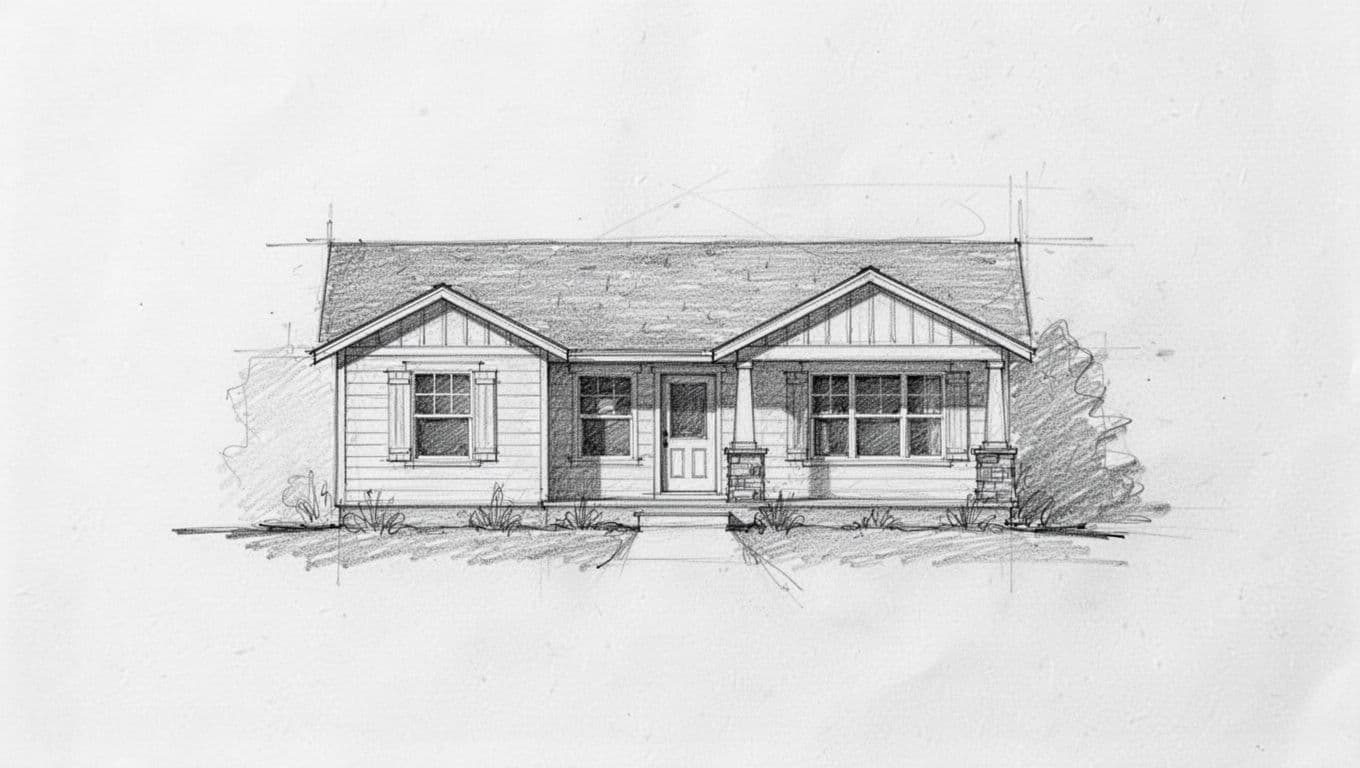
A manufactured home is built in a controlled factory environment, transported to the property, and installed on its site. The permanent chassis supports transportation and remains part of the home’s structure. Depending on its design, the home may be a single-wide, double-wide, or larger multi-section layout. Those labels describe the home’s configuration, not separate legal categories.
A modular home is also built in sections at a factory, but it generally follows the Florida Building Code rather than the federal HUD Code. After delivery, workers join the sections on a foundation, and the finished structure may look much like a site-built house. For a plain-language comparison, this manufactured and modular home guide explains how construction standards separate the two types.
A newer manufactured home is not simply an older mobile home with a different name. The June 15, 1976, HUD standard changed the federal requirements for factory-built housing.
Why the Difference Matters
The classification can influence how lenders, insurers, appraisers, and local officials evaluate the property. Manufactured homes may require specialized financing, especially when you rent the land instead of owning it. Insurance underwriting can also depend on the home’s age, HUD certification, roof condition, tie-downs, location, and storm exposure.
Taxes and resale value may change based on whether the home sits on owned land, how it is titled, and whether it receives a permanent foundation or real-property classification. Zoning rules also differ by county and municipality. Before you make an offer, confirm the home’s HUD label, installation records, title status, foundation details, and local zoning approval.
How Much Do Florida Manufactured Homes Cost?
The advertised home price is only the first line of the budget. Your final cost depends on the home’s size, age, condition, finishes, location, site access, and whether you own the land. A low listing price can grow quickly once delivery, installation, utilities, permits, insurance, and closing costs enter the picture.
For a planning example only, a new single-section manufactured home may cost roughly $90,000 to $160,000, while a new multi-section home may run about $140,000 to $250,000 before land and site work. These are broad examples, not guaranteed statewide prices. Verify current prices with Florida dealers, contractors, lenders, and county offices before publication or purchase.
Lot Rent, Land Ownership, and the Costs Buyers Often Miss
Buying in a manufactured-home community usually means purchasing the home while renting the lot. Monthly lot rent may cover private roads, common areas, recreation facilities, landscaping, or trash service. However, it usually doesn’t cover your mortgage, electricity, water, sewer, internet, property insurance, home repairs, or personal contents coverage.
Some communities charge separate utility, amenity, application, transfer, or maintenance fees. Lot rent can also increase under the lease terms. Before signing, review the complete lease, park rules, disclosure documents, fee schedule, and notice requirements. Ask whether the community limits pets, parking, subleasing, age occupancy, renovations, or storm-related improvements. Florida lot-rent examples show why location and community services can produce wide monthly differences.
When you buy a home with private land, you avoid monthly lot rent but assume more ownership costs. Your budget may need to include:
- Property taxes, title work, and a boundary survey.
- Clearing, grading, drainage improvements, and driveway access.
- A well, septic system, or connection to public utilities.
- Road improvements, culverts, impact fees, and local permits.
- Delivery, foundation work, tie-downs, skirting, steps, and porch construction.
- Inspections, insurance, lender fees, and closing costs.
A private parcel can look inexpensive until site preparation reveals poor drainage, limited access, or unsuitable soil. Ask contractors and county officials for a complete written total before you sign. Compare the home price, land or lot charges, installation work, recurring fees, taxes, insurance, and utility costs on one sheet. That single document gives you a clearer Florida manufactured-home budget than any advertised price.
Where Can You Place a Manufactured Home in Florida?
Florida doesn’t have one statewide answer for every parcel. A manufactured home may fit in a community, on privately owned land, or on a parcel with specific restrictions that rule it out. County and city zoning, land-use rules, flood maps, utility access, and installation standards all affect where you can place one.
Before paying a deposit, contact the local planning or zoning department. Ask for written confirmation that the property allows your home’s type, size, age, foundation, and intended use.
Manufactured-Home Communities Versus Private Land
Most buyers choose between renting a lot in a manufactured-home community and purchasing land for the home. Each option changes your monthly budget and how much control you have.
| Factor | Manufactured-home community | Private land |
|---|---|---|
| Upfront cost | Often lower because you buy the home without land or major site work | Usually higher because you buy land, prepare the site, and connect utilities |
| Monthly expenses | Mortgage plus lot rent and possible community fees | Mortgage, property taxes, insurance, utilities, and maintenance, but no lot rent |
| Privacy and control | Less privacy, with rules for pets, parking, rentals, and exterior changes | More privacy and control, subject to zoning, deed restrictions, and HOA rules |
| Amenities and maintenance | May include pools, roads, landscaping, or shared facilities | You pay for and manage most repairs, roads, drainage, and improvements |
| Resale and appreciation | Home value may depend on the lease, park demand, and lot-rent changes | Land may appreciate separately, which can support long-term value |
| Main risk | Lot rent, fees, or community rules may change | Site costs, taxes, insurance, and maintenance remain your responsibility |
A community may suit a first-time buyer who wants a lower entry cost, or a retiree who values shared amenities and less exterior work. Read the lease carefully because a home can be affordable today but harder to sell if lot rent rises or the community limits buyers.
Private land may fit an investor or household seeking more control. However, ownership doesn’t override zoning. Check minimum lot size, setbacks, driveway and road requirements, flood elevation, wetlands, septic approval, and utility availability before closing.
Rules also vary across Central Florida, the Gulf Coast, South Florida, and inland counties. Coastal areas may bring greater flood and wind concerns, while inland parcels can still face drainage, access, or environmental limits.
Before buying land, verify:
- Zoning, future land use, and deed restrictions.
- A current survey, clear title, and legal road access.
- Flood-zone status, wetlands, drainage, and protected habitats.
- Water, sewer, electric, septic, and well requirements.
- Required permits, impact fees, foundation standards, and inspections.
A local zoning letter and written contractor estimates can prevent an expensive mistake. The right location is the parcel that allows the home and supports its full installation cost.
Florida Weather, Wind Safety, and Insurance Requirements
Florida weather creates two separate threats for manufactured homes: wind damage from hurricanes and tornadoes, and flooding from rain, storm surge, or poor drainage. A home outside a high-risk flood zone can still take on water if the lot slopes toward the foundation or the site lacks working swales and culverts.
Wind-zone requirements depend on the home’s location, construction date, and HUD standards. A newer home with proper anchoring is safer than an older home with missing installation records, but no manufactured home is hurricane-proof. Check FEMA flood maps, local evacuation routes, and county emergency guidance before you buy.
Insurance also deserves attention before closing. Ask for quotes on a manufactured-home policy, flood insurance, wind coverage, deductibles, replacement-cost terms, and exclusions. Age, roof condition, coastal location, tie-downs, storm shutters, and prior claims can all affect eligibility and premiums.
A Storm-Safety Inspection Checklist
Use this checklist during due diligence, then keep copies of every report and permit in your purchase file.
- Confirm the HUD certification labels on each section and locate the interior HUD data plate. The data plate can identify the home’s wind zone, snow-load information, and design details. Missing labels or plates may require verification before a lender or insurer approves coverage.
- Request anchoring records, installation documents, and the final permit. Confirm that the tie-down system matches the home’s size, soil conditions, wind requirements, and current Florida rules.
- Inspect the foundation, piers, footings, marriage-line supports, and anchor connections for cracking, settlement, corrosion, or movement. A licensed engineer should evaluate structural concerns.
- Check roof-to-wall connections, roof edges, overhangs, vents, and fasteners. Ask for the roof’s age, repair history, remaining life, and permit records.
- Test exterior doors and inspect their frames, locks, hinges, and weather seals. Review windows for impact ratings, damage, and proper installation. Verify that shutters or approved panels fit every opening and have secure attachment points.
- Have an electrician inspect the panel, grounding, wiring, breakers, and signs of water entry. Do not remove the panel cover yourself.
- Look for staining, soft flooring, swollen trim, musty odors, damaged insulation, and wet areas beneath sinks or around windows. Water intrusion often leaves clues before serious rot appears.
- Inspect skirting for secure attachment, ventilation, pest openings, and evidence of standing water. Check whether grading directs runoff away from the home.
- Look for blocked drains, low spots, eroded soil, clogged culverts, and water collecting under the home after rain. Review FEMA maps, but inspect the actual parcel because flood risk can exist outside mapped high-risk zones.
- Identify trees with dead limbs, leaning trunks, or branches over the roof, driveway, or power lines. A qualified tree professional should assess hazardous growth.
- Verify the installation permit, inspection approvals, contractor license, and any open code violations with the local building department.
Hire a licensed home inspector for general conditions, a licensed contractor for repairs or installation questions, and a Florida-licensed engineer for foundation, anchoring, or structural movement. An insurance professional should review coverage before you close, because a repairable defect may still prevent affordable storm insurance.
Financing, Taxes, and Legal Ownership Explained
Financing a manufactured home in Florida can differ sharply from financing a site-built house. The lender may classify the home as real property when it is permanently attached to land you own, or as personal property when it sits on a rented lot or remains separately titled. That classification affects interest rates, loan terms, appraisals, closing costs, taxes, and resale.
Real-property financing may include FHA Title II, VA, USDA, and conventional programs such as Fannie Mae MH Advantage or Freddie Mac CHOICEHome when the property meets current requirements. FHA Title I may support certain manufactured-home or lot-financing situations. Dealer and community financing can provide another path, but personal-property or chattel loans often carry shorter terms and higher rates than real-estate mortgages.
Eligibility depends on your credit, income, down payment, the home’s age and condition, foundation, land ownership, appraisal, insurance, lender rules, and current program guidelines. A preapproval helps you set a realistic budget, but it doesn’t replace a property review. Compare several lenders before choosing an offer.
Questions to Ask a Lender Before You Apply
Ask these questions in writing:
- Will this be a real-estate mortgage or personal-property loan, and why?
- What credit score, income, debt-to-income ratio, and minimum down payment do you require?
- Does the home need a permanent foundation, and who must provide the foundation certification?
- Is there a maximum home age, and do you accept older homes, single-wides, or homes moved from another site?
- Must I own the land, or can you finance a home in a leased-land community?
- What insurance coverage, wind protection, flood policy, and deductible will you require?
- Which appraisal standards apply, and can the appraiser compare this home with similar manufactured homes?
- Is the interest rate fixed or adjustable, and what loan term and rate-lock options are available?
- Are there prepayment penalties, origination charges, inspection fees, or other lender costs?
- What is the total cash to close, including the down payment, taxes, insurance, title work, deposits, and prepaid expenses?
- If the home sits in a community, what happens if lot rent rises, the lease ends, or the park rejects a future buyer?
Florida title status also deserves careful review. When applicable, the title may be surrendered or converted so the home becomes part of the real estate, but the process depends on ownership, installation, and county records. Property taxes, documentary stamp taxes, registration charges, title fees, and park fees may apply differently in each arrangement.
Compare the annual percentage rate and total loan cost, not just the monthly payment.
If ownership, title surrender, land rights, or tax treatment remains unclear, ask a Florida real-estate attorney or tax professional to review the documents before you close.
How to Buy a Manufactured Home in Florida With Fewer Surprises
A careful purchase starts before you tour model homes or make an offer. Set a total budget, obtain lender preapproval, and decide whether you want a new or used home on private land or in a community. Then compare the full cost, not the attractive number on a sales flyer.
How to Compare Builders, Dealers, and Existing Homes
Ask every builder or dealer for an itemized written quote. The model-home price may exclude delivery, installation, foundation work, permits, land, porches, appliances, taxes, utility connections, and site preparation. Make sure each quote covers the same floor plan, roof design, appliances, windows, fixtures, flooring, skirting, steps, and included warranties.
Before paying a deposit, verify the company’s Florida license and review complaint history where available. Request references from recent Florida buyers, then ask whether the home arrived on schedule, whether change orders increased the price, and who handled repairs after installation.
Confirm who is responsible for site work, delivery, setup, tie-downs, utility connections, inspections, and the final certificate of completion. Read the contract for deposit rules, cancellation rights, completion dates, change-order pricing, punch-list procedures, warranty coverage, and exclusions. Verbal promises belong in the contract or they may disappear when the salesperson does.
For an existing home, compare the exact age, condition, size, title status, land arrangement, and included features. Hire a professional inspector to examine the roof, foundation, piers, moisture damage, plumbing, electrical work, additions, and signs of past storm damage. A title search can uncover unpaid taxes, liens, ownership disputes, or problems with the home’s registration before you make an offer.
Common Buying Mistakes That Can Turn a Bargain Into a Burden
A low advertised price often covers only the home. Prevention: request a written total that includes delivery, installation, site work, permits, taxes, insurance, and closing costs.
- Skipping zoning research can leave you with land that cannot accept the home. Prevention: obtain written confirmation from the local planning or zoning office before signing.
- Ignoring lot-rent increases can damage your monthly budget. Prevention: review the community lease, fee schedule, increase rules, and buyer restrictions.
- Buying without an insurance quote can delay closing or make the home unaffordable. Prevention: get manufactured-home, wind, and flood quotes before making an offer.
- Assuming any lender will finance the property creates avoidable delays. Prevention: confirm the loan type, home-age limits, land requirements, appraisal rules, and total cash needed with multiple lenders.
- Rushing because of a promotion can weaken your due diligence. Prevention: keep inspection, financing, title, zoning, and insurance contingencies in writing.
A final walkthrough should confirm completed repairs, installed features, permits, keys, manuals, and utility connections. Do not close until the documents, title, money, and physical home match the contract.
The Pros and Cons of Manufactured Home Living in Florida
Manufactured homes in Florida can offer a lower purchase price than many site-built houses, efficient factory construction, modern floor plans, and faster completion. Buyers may also find less exterior maintenance than a large house, along with age-restricted communities designed for retirees and downsizers.
The tradeoffs require equal attention. A home on leased land may lose value if lot rent rises or the community restricts resale. Financing can be limited, insurance may cost more or be harder to obtain, and Florida’s hurricanes increase the importance of proper installation, anchoring, roof condition, and flood planning. Buyers also have fewer customization choices and may struggle to find private land that meets zoning, access, utility, and flood requirements.
Long-term value improves when you own the land, complete a permanent installation, maintain the home, choose a practical location, and keep permits, titles, inspection reports, and repair records organized. Those details won’t remove every risk, but they can make financing, insurance, resale, and future repairs easier.
A Simple Decision Checklist for Buyers
Before you make an offer, answer these questions with written documents and current estimates:
- Can I afford the full monthly cost, including the loan, lot rent, insurance, property taxes, utilities, maintenance, and community fees?
- Do I own the land, or will I depend on a lease that may limit improvements, financing, or resale?
- Is the parcel approved for this home type, size, age, foundation, and intended use?
- Can I insure and finance the home at a cost that fits my budget?
- Is the home in good condition, free from major moisture or structural damage, and properly installed for its location?
- Do the community rules fit my lifestyle, including restrictions on pets, parking, guests, rentals, renovations, and age requirements?
- Can I resell the home on reasonable terms if lot rent increases, the lease changes, or local demand weakens?
If any answer remains unclear, pause before paying a deposit. Ask the county, lender, insurer, inspector, community manager, or attorney for a direct answer. A low purchase price cannot compensate for a parcel that won’t pass zoning review, a home that cannot obtain insurance, or a lease that undermines your exit options.
Who May Be a Good Fit?
Manufactured-home living may suit first-time buyers seeking a lower entry cost, retirees wanting a manageable home in an age-restricted community, downsizers who prefer fewer repairs, or buyers who want to place a home on private land. Another housing option may be better if you need extensive customization, dislike community rules, cannot absorb changing insurance costs, or require strong and predictable resale prospects.
Frequently Asked Questions
Buying a manufactured home in Florida involves more than choosing a floor plan and comparing prices. Local approval, property classification, storm protection, financing, and site costs can all change the decision.
Are manufactured homes allowed everywhere in Florida?
No. Approval depends on local zoning, future land-use rules, deed restrictions, setbacks, flood conditions, and community requirements. Some parcels may also have wetlands, access, or minimum-size restrictions that prevent installation.
Before buying land or placing a deposit, confirm the specific parcel with the local planning or zoning office. Ask whether the county or city allows your home’s size, age, foundation type, and intended use.
Do manufactured homes hold their value in Florida?
They can, but no buyer should assume guaranteed appreciation. Value depends on land ownership, location, age, condition, installation quality, insurance availability, local demand, and whether the home is classified as real property.
A well-maintained home on owned land may perform differently from a home on a rented lot with rising fees or a short lease. Proper records, permitted improvements, sound storm protection, and affordable insurance can also support resale.
Can I put a manufactured home on land I already own?
Owning the parcel doesn’t automatically allow you to place a home there. You may still need zoning approval, building permits, legal road access, utility connections, septic or sewer capacity, and flood or wetlands review.
Florida also has requirements for foundations, anchoring, installation, inspections, and final approvals. Before construction begins, confirm title and tax steps with the county so the home is recorded correctly.
Are manufactured homes safe during Florida hurricanes?
Safety depends on the home’s construction date, HUD compliance, wind-zone requirements, anchoring, installation, maintenance, and storm preparation. Newer construction can offer important protections, but no home is completely storm-proof.
Ask for the HUD data plate, installation permit, anchoring records, inspection approvals, and repair history. A qualified inspector, contractor, engineer, and insurance professional can help you judge the home’s actual condition.
What credit score do I need to finance a manufactured home?
There is no single statewide minimum credit score. Requirements vary by loan type, lender, down payment, debt-to-income ratio, home classification, land ownership, age, and property condition.
A lender may treat a home on owned land as real property, while a home in a leased-land community may require personal-property financing. Seek preapproval from lenders experienced in manufactured housing before choosing a property.
Is it cheaper to buy a manufactured home or build a house in Florida?
Manufactured homes often have a lower starting price, but the gap can narrow after adding land, clearing, grading, delivery, installation, permits, utilities, insurance, financing, and upgrades. A custom site-built house may cost more initially but offer different financing and resale advantages.
Request itemized estimates for the actual parcel and home plan. Compare the complete project cost, monthly expenses, insurance, taxes, maintenance, and future resale options rather than comparing base prices alone.
Conclusion
Manufactured homes in Florida can offer an attainable path to homeownership, especially when a traditional house exceeds your budget. The strongest choice depends on more than the advertised price. Land or lot rent, installation, legal placement, storm readiness, insurance, financing, taxes, and future resale all belong in the same decision.
Before paying a deposit, verify zoning and property records, arrange a professional inspection, obtain insurance quotes, compare lenders, and put every cost and promise in writing. Careful preparation turns a tempting low price into a sound housing decision, giving you a clearer path to owning and maintaining a Florida home.