
Manufactured Homes in Massachusetts
Owning a home in Massachusetts can feel out of reach when traditional site-built houses come with high purchase prices, property taxes, and monthly payments. Manufactured homes in Massachusetts may offer a more affordable path, but the advertised price of the home is only one part of the budget.
You’ll also need to account for land, zoning approval, foundation work, utility connections, transportation, financing, insurance, taxes, and community rules. A home may fit your budget on paper yet become far more expensive after site preparation, permits, delivery, and installation costs are included. Local requirements also vary, so a property that works in one Massachusetts town may not be approved in another.
The term manufactured home refers to a factory-built home constructed to federal HUD standards, while a modular home follows the Massachusetts building code and is typically treated differently under local regulations. This guide explains the costs, buying paths, legal requirements, local communities, and practical ways to compare your options before you commit. First, we’ll look at what a manufactured home in Massachusetts can cost and which expenses buyers often overlook.
Key Takeaways
- Manufactured homes in Massachusetts can cost less than site-built houses, but land, delivery, foundation work, utilities, permits, and installation can raise the final price.
- Local zoning rules determine where you can place a home, and undeveloped lots may not allow new manufactured housing.
- Buying in an established community may simplify site approval, but monthly lot rent and community rules affect affordability.
- Financing depends on whether you own the land, the home’s foundation, and its classification. Compare loan terms before making an offer.
- Review the Massachusetts manufactured housing guide before signing a purchase or community agreement.
What Makes Manufactured Homes in Massachusetts Different?
Manufactured homes in Massachusetts differ from traditional houses in how they are built, approved, financed, and placed on land. Their factory construction can shorten the building process, but the home’s legal classification still affects zoning, taxes, insurance, and resale.
The location matters just as much as the structure. A home placed on land you own may be treated differently from one in a manufactured housing community, where you rent the site under a continuing lease.
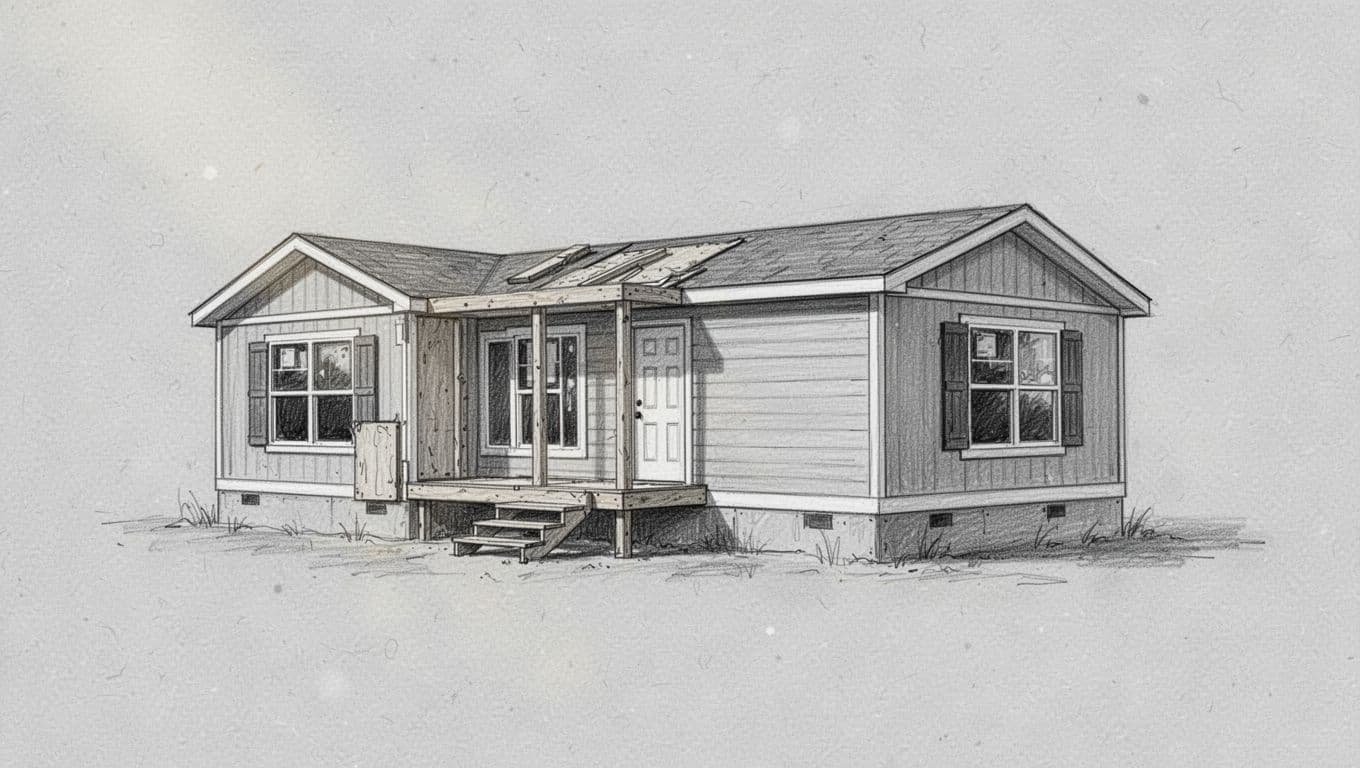
Manufactured and Modular Homes Are Not the Same
A manufactured home is built in a factory under federal standards created by the U.S. Department of Housing and Urban Development. After construction, it receives HUD certification labels, often called HUD tags. These labels help confirm that the home meets the federal manufactured housing code.
A modular home is also built in sections at a factory, but it follows the applicable Massachusetts building code. Once assembled, it is generally treated more like a site-built house because its construction standards align with state and local requirements.
The difference affects several parts of a purchase:
- A manufactured home may face zoning limits in a town that allows modular homes as single-family dwellings.
- Modular construction often allows more conventional layouts, roof designs, and exterior finishes, although manufactured homes also come in many styles.
- Lenders and insurers may classify each home differently, especially when the buyer doesn’t own the land.
- Resale value depends on location, condition, installation quality, land ownership, and local demand, not just the factory label.
Older homes may also be called mobile homes, but that term usually refers to homes built before the federal HUD standards took effect in 1976. A buyer should check the home’s date, certification labels, title, foundation, and installation records.
A permanent foundation can make a major difference. Proper anchoring helps a home handle Massachusetts snow, wind, freezing temperatures, and moisture. It may also support real estate financing, while a home on a leased site may qualify for personal-property financing instead. Local treatment can vary by city or town, so confirm requirements with the building and zoning departments before ordering a home.
Land Ownership Changes the Buying Experience
When you buy the home and land together, your purchase resembles a standard real estate transaction. You may need zoning approval, a foundation permit, utility connections, and an appraisal, but the property includes the site beneath the home.
In a manufactured housing community, you may purchase the home while leasing the lot. The lower upfront price can be attractive, yet lot rent continues each month. The lease may also cover shared roads, water, sewer, trash collection, or maintenance.
Community rules can govern pets, parking, exterior changes, repairs, subletting, and resale procedures. Read the lease, fee schedule, and community rules before signing a purchase agreement. A home that appears affordable may carry significant continuing site fees, and those fees belong in your monthly housing budget. The Attorney General’s community housing law guide explains important resident and owner responsibilities.
How Much Do Manufactured Homes Cost in Massachusetts?
The advertised price for manufactured homes in Massachusetts is only the first line of the budget. Your final cost depends on the home’s size and finish level, the land, local rules, site conditions, and whether you own the parcel or lease a lot.
A written, itemized estimate is more useful than a low showroom price. Ask each provider to identify what is included, excluded, and subject to change before you sign a purchase agreement.
The Base Price Is Only the Starting Point
A dealer’s price may cover the home itself but leave major project costs outside the quote. Confirm each item with the party responsible for it:
- Ask the dealer whether transportation, delivery permits, crane service, setup, appliances, stairs, skirting, and standard utility connections are included.
- Ask a general contractor or foundation contractor about excavation, grading, foundation work, anchoring, stairs, decks, drainage, and driveway construction.
- Ask the town’s building or zoning office about permits, engineering requirements, inspections, setbacks, and site-plan reviews.
- Ask the utility company about connection fees, trenching, meters, service upgrades, and the distance to existing lines.
- Ask the community owner about lot rent, application fees, utility charges, infrastructure fees, parking rules, and limits on decks or exterior changes.
A Massachusetts site with ledge, steep grades, narrow roads, or limited crane access can require extra excavation and specialized delivery work. Coastal exposure may increase foundation, drainage, corrosion-control, and insurance costs. Winter construction can also raise labor costs when frozen ground, snow, and shorter working conditions slow the project.
A simple planning budget might look like this:
| Cost category | Planning estimate |
|---|---|
| Base manufactured home | $100,000-$200,000 |
| Delivery and crane service | $5,000-$20,000+ |
| Foundation and installation | $25,000-$70,000+ |
| Site preparation and excavation | $10,000-$50,000+ |
| Utilities, septic, sewer, or well work | $10,000-$60,000+ |
| Permits, engineering, and inspections | $3,000-$15,000+ |
| Driveway, stairs, deck, skirting, and landscaping | $10,000-$40,000+ |
These are planning ranges, not guaranteed Massachusetts prices. A manufactured-home cost breakdown can help you identify commonly omitted expenses. Sales tax, insurance, land, and lot rent may sit outside the construction estimate.
Land, Lot Rent, Property Taxes, and Insurance
Owning the parcel usually requires more cash upfront, but your monthly payment may combine the home and land. Leasing a lot can reduce the initial purchase price, although lot rent continues every month and may change under the community lease.
Property tax treatment isn’t identical across Massachusetts. A home on owned land may be assessed with the real estate, while a home on leased land may raise personal-property or other classification questions. Confirm the treatment with the local assessor and lender before relying on a tax estimate.
Homeowner insurance also depends on the home’s classification, foundation, age, location, and coverage. If the property sits in a flood-risk area, ask an insurance agent whether a separate flood policy is required or advisable. Finally, include community fees, utility charges, infrastructure assessments, and resale-related fees in your monthly budget. Ask the community owner for the complete fee schedule, not only the advertised lot rent.
Ways to Buy and Finance a Manufactured Home
Your purchase path affects the home’s legal classification, monthly costs, financing options, and resale prospects. Before choosing a floor plan, decide whether you will buy in a community, purchase an existing home, place a new home on private land, or build with a modular home.
Private Land or a Manufactured Housing Community?
Buying a new manufactured home for private land gives you greater control. You own the lot, choose the home’s placement, and generally have more freedom over landscaping, parking, additions, and exterior changes. However, you also carry the full responsibility for roads, drainage, foundations, utilities, septic systems, permits, maintenance, and property taxes.
Before ordering a home, confirm that the parcel can support it. Ask the local zoning and building departments about:
- Zoning approval and allowed housing types.
- Road frontage, driveway access, and emergency vehicle access.
- Setbacks from property lines, roads, wetlands, and water.
- Septic feasibility, well locations, or public sewer and water.
- Wetlands restrictions, flood risks, ledge, slopes, and drainage.
- Utility connections, electric service, propane, and internet access.
A leased community lot usually reduces the amount of land work you must arrange. The community may already have roads, utility connections, site approvals, and prepared pads. You may also benefit from shared maintenance and a simpler installation process.
That convenience comes with continuing costs. Lot rent, utility charges, application fees, community assessments, and rule changes all affect your monthly budget. Community rules may limit pets, parking, decks, exterior improvements, subletting, or resale procedures.
You can also buy a used manufactured home in an established community. Review its HUD certification labels, title, age, repair history, foundation, installation records, and lease terms before making an offer. If you want a custom layout and conventional real estate treatment, a modular home may fit better, especially when you plan to build on private land.
Questions to Ask a Manufactured-Home Lender
Financing usually falls into two categories. A real estate mortgage may cover the home and land together, while a chattel or personal-property loan typically finances the home alone. Chattel loans can have different interest rates, terms, down payment requirements, closing costs, and resale effects than mortgages.
Ask each lender these questions before choosing a home or lot:
- Do you finance manufactured homes built after the federal HUD standards took effect in 1976?
- Must the home be permanently affixed to an approved foundation?
- Which foundation plans, engineers, installers, and site conditions do you accept?
- Can the loan finance the land, home, delivery, installation, and site work together?
- How does the lender handle title conversion from personal property to real estate?
- Do you offer FHA, VA, USDA, conventional, state, or local programs for this property type?
- What are the annual percentage rate, total interest, fees, prepayment terms, and insurance requirements?
Government and conventional programs can impose different property, occupancy, foundation, appraisal, and title requirements. Compare lenders with proven Massachusetts manufactured-home loan experience, and obtain preapproval before selecting a home or community lot. That step shows your realistic price range and can expose financing problems while you still have time to change course.
Massachusetts Zoning, Permits, and Site Requirements
Before you order a manufactured home in Massachusetts, treat the parcel like a race course you haven’t measured yet. The home may meet federal HUD standards, but the town still controls whether you can place it on that specific site. Each municipality has its own zoning bylaws, review process, and permit requirements.
Check the Parcel Before You Order
Start by calling the town planning or building department with the parcel address and the home’s specifications. Ask whether the zoning district allows a HUD-code manufactured home, whether the property has enough frontage, and which setbacks, height limits, lot-coverage rules, and parking standards apply. A dealer’s promise cannot replace written approval from the local zoning or building office.
Next, review the zoning map and bylaws. Confirm the home’s proposed location, access route, driveway width, emergency access, and distance from property lines. Also check the town’s wetland and flood maps. A site near wetlands, a river, or a coastal flood area may require conservation review, additional setbacks, drainage plans, or special construction requirements.
Then arrange the site evaluations that apply to the parcel. A soil test or septic design may determine whether private wastewater service is possible. If the lot needs a well, ask about well setbacks, water testing, and the required permit. For public utilities, identify the nearest electric, water, sewer, propane, and telecommunications connections, then ask who pays for trenching, meters, and service upgrades.
Before signing, obtain a written site-work estimate covering clearing, excavation, ledge removal, grading, drainage, foundation work, anchoring, delivery access, driveway construction, utilities, stairs, and decks. Ordering the home before confirming the parcel can turn a simple purchase into a costly delay, especially if the town rejects the placement or the site cannot support septic or delivery equipment.
Permits, Inspections, and Professional Help
Once the parcel appears workable, put every responsibility in writing. The dealer may provide home plans, HUD documentation, delivery coordination, and installation information. An installer or general contractor may handle the foundation, anchoring, grading, utility connections, stairs, and decks. Ask who pulls each permit and who corrects failed work.
A surveyor can confirm boundaries, frontage, setbacks, and the proposed home location. A civil engineer may prepare grading, drainage, foundation, or site plans. A septic designer handles wastewater plans when public sewer isn’t available. Your lender needs acceptable plans, appraisals, insurance, and title documents, while an insurance agent can confirm coverage before delivery.
Local officials review zoning and building applications, inspect the foundation and installation, and may require separate electrical, plumbing, driveway, septic, well, wetland, or conservation approvals. Massachusetts building requirements apply alongside federal HUD construction standards, so confirm which rules govern the home and which govern the site.
The Massachusetts manufactured building program provides state-level information, but your town’s written requirements control the parcel approval process. Keep the zoning decision, permits, approved plans, inspection reports, HUD labels, installation records, warranties, utility approvals, and final occupancy document together. That file can protect you during financing, insurance claims, resale, or future repairs.
How to Choose a Home, Dealer, and Massachusetts Community
The right manufactured home purchase depends on more than floor-plan appeal or a low advertised price. Compare the home, installation plan, seller, and community as one package. A polished sales presentation matters less than written specifications, inspection findings, and lease documents.
What to Inspect Before Signing
For a new home, compare floor plan, square footage, storage, accessibility, appliance packages, energy performance, insulation, window quality, roof design, and upgrade pricing. Ask which features are standard and which increase the final price. Also confirm the warranty period, who handles warranty claims, and whether delivery limits restrict the home size or route to your Massachusetts site.
Walk through a completed home before signing, not only a showroom model. Check for:
- Water intrusion around windows, doors, roof penetrations, ceilings, floors, and plumbing fixtures.
- Roof and siding damage, soft spots, staining, loose trim, corrosion, or poor exterior sealing.
- Foundation condition, piers or supports, anchoring, tie-downs, skirting, and signs of movement.
- Doors and windows that open, close, lock, and seal correctly.
- Leaks, weak water pressure, slow drains, damaged fixtures, and exposed plumbing.
- Electrical panels, outlets, lights, smoke alarms, and visible wiring.
- Heating and cooling equipment, ductwork, registers, thermostats, and ventilation.
- Appliances, cabinets, flooring, stairs, decks, railings, and accessible entry features.
- Drainage, grading, standing water, erosion, driveway access, and stormwater flow.
- Evidence of poor installation, including uneven floors, gaps at connections, loose siding, missing flashing, or unsealed utility entries.
For a used home, hire an independent manufactured-home inspector rather than relying only on the seller’s assessment. A pre-owned inspection should examine structural supports, the foundation, frame, anchoring, roof, plumbing, electrical systems, and moisture damage. This pre-owned manufactured-home inspection checklist can help organize your review.
Before closing, review permits, repair records, warranties, the title, HUD certification labels, installation documents, and any outstanding liens. Confirm who owns the home, whether taxes or community charges are unpaid, and whether the title must be transferred or retired.
How to Compare Dealers and Installers
Request the same written scope of work from every dealer and installer. Each proposal should identify delivery, foundation work, setup, tie-downs, utility connections, stairs, decks, skirting, grading, drainage, driveway repairs, cleanup, and site restoration.
Check references for completed Massachusetts projects, required licenses or registrations, insurance coverage, delivery experience, warranty response times, change-order rules, and payment schedules. Visit finished homes and speak with current residents when possible. Their experience with callbacks, road conditions, snow removal, and communication can reveal problems a sales meeting won’t show.
A low bid may exclude foundation work, utility connections, permits, or restoration. Compare the total installed cost, not just the home price. Before paying a deposit, make sure the contract states what happens when site conditions change, delivery is delayed, work fails inspection, or the installer must correct defective work.
If you choose a community, examine lot rent, rent-increase terms, utility billing, pet and age rules, parking, maintenance duties, roads, mail service, stormwater management, and snow removal. Review resale, sublease, transfer, and approval policies in the lease and community documents. Those terms deserve more weight than verbal promises, because they control your ongoing costs and future options.
The Benefits, Tradeoffs, and Alternatives to Consider
Manufactured homes in Massachusetts can offer a newer living space at a lower entry price than many site-built homes. Factory production also creates more predictable construction, modern floor plans, and less on-site building time.
However, the home itself is only part of the decision. Land costs, site work, lot rent, financing, zoning, resale, and long-term maintenance can change the outcome. A lower purchase price does not always produce a lower total cost.
When a Manufactured Home May Be a Smart Fit
A manufactured home may suit you if you want a newer home but need firm control over the initial budget. Factory construction can reduce weather-related delays and limit some labor costs. Many current models offer open layouts, energy-efficient features, and finishes that feel far removed from older mobile homes. A manufactured-home pros and cons guide can help you compare those benefits with common ownership concerns.
This option can also work well for buyers who feel comfortable living in a manufactured housing community. An established community may already have roads, utility connections, a prepared site, and shared amenities. You may avoid arranging every part of excavation and installation yourself, although the monthly lot rent becomes a permanent budget item.
Private-land ownership creates another possible fit. If you already own a suitable Massachusetts parcel, you may avoid one of the largest project expenses. Still, confirm zoning, delivery access, septic or sewer feasibility, utility connections, drainage, foundation requirements, and realistic site-work funds before ordering the home.
A manufactured home is often most practical when you can answer these questions clearly:
- Can you afford the complete installed project, not just the dealer’s advertised price?
- Will the town approve the home on that parcel?
- Can your lender finance the home under acceptable terms?
- Do the community lease and rules fit your plans for parking, pets, improvements, and resale?
When Another Home Type May Be Better
A modular home may make more sense when local design rules are strict or you want a plan that closely resembles a conventional house. Modular construction follows the Massachusetts building code, which can simplify approval in places where HUD-code manufactured homes face zoning barriers.
A site-built home may suit buyers with a highly customized plan, unusual lot dimensions, or difficult delivery access. Building on-site costs more in many cases, but it can provide greater control over materials, room sizes, exterior design, and placement.
An older site-built house or condominium may be a better choice when you need traditional mortgage terms, established infrastructure, or a faster move-in date. Condos can also provide shared maintenance and amenities, though association fees and rules require careful review.
Manufactured homes without owned land may face greater depreciation risk, financing limits, and resale differences. Transportation can cause damage if the route is narrow or the installation is rushed. Replacing an older manufactured home may also cost more than expected once removal, disposal, foundation work, and utility changes enter the budget.
Your fit test is simple:
- Limited cash: Compare a community-based manufactured home with condo and older-home costs, including monthly fees.
- Private land: Consider a manufactured or modular home only after zoning and site feasibility are confirmed.
- Customization: Favor modular or site-built construction.
- Community amenities: Compare manufactured-home communities and condos, then read every fee and rule before committing.
The best choice depends on the full project and your long-term goals, not the lowest advertised price.
Frequently Asked Questions
Buying manufactured homes in Massachusetts requires more than comparing floor plans and advertised prices. These answers address the zoning, financing, terminology, ownership, installation, and winter-performance questions that often affect the final decision.
Can I Put a Manufactured Home on Any Massachusetts Property?
No. Placement depends on the town’s zoning bylaws, required setbacks, road access, foundation standards, and permit process. Wetlands, flood zones, steep slopes, ledge, septic limitations, and utility access can also prevent development or add substantial costs.
Before buying land or placing a deposit, give the parcel address and proposed home details to the town’s zoning and building departments. Ask for written confirmation of allowed use, setbacks, driveway requirements, foundation rules, and required permits. The Massachusetts manufactured housing guide can provide general background, but local officials control approval for the specific property.
Do Manufactured Homes Qualify for Mortgages in Massachusetts?
Some do, especially when the buyer owns the land and the home meets the lender’s real estate requirements. A permanent foundation, acceptable title status, home age, HUD documentation, installation records, appraisal, and insurance coverage can all affect approval.
Other buyers use a personal-property loan, often called a chattel loan, when they purchase the home without the land or keep it on a leased community site. Policies, rates, loan terms, and down payment requirements vary, so compare lenders before signing a purchase contract. Review current Massachusetts manufactured-home loan options and ask what documents the lender needs.
What Is the Difference Between a Manufactured Home and a Mobile Home?
Manufactured home is the modern federal category for factory-built housing constructed under HUD standards. Mobile home is an older common term, often used for homes built before the federal HUD standards took effect in 1976.
People, community owners, and local records may still use both terms in everyday conversation. When buying an older property, check its construction date, HUD certification labels, title, foundation, and installation records rather than relying on the name used in an advertisement.
Can I Buy a Manufactured Home Without Buying Land?
Yes. You can buy a home in a manufactured housing community and lease the site beneath it. The community must approve the buyer, and you’ll sign a lot lease that explains rent, utilities, maintenance duties, rules, and resale procedures.
Lot rent becomes part of your long-term housing cost, alongside the loan payment, insurance, taxes, utilities, and repairs. Review how the lease handles rent increases, pets, parking, improvements, and future sale of the home.
How Long Does It Take to Install a Manufactured Home?
Factory construction may take less time than conventional on-site building, but installation includes many steps beyond manufacturing. Design choices, financing, zoning approval, permits, site preparation, delivery, foundation work, utility connections, inspections, and weather can all change the schedule.
A rocky lot, narrow delivery route, frozen ground, or delayed permit can add weeks or require revised plans. Get a written timeline from the dealer and installer, with clear responsibility for each phase, but avoid any promise of a fixed completion date.
Are Manufactured Homes Safe in Massachusetts Winters?
A properly installed, code-compliant home can be designed for Massachusetts snow, wind, cold, and moisture conditions. Safety depends heavily on the foundation, anchoring system, insulation, roof design, heating equipment, drainage, and installation quality.
Have qualified professionals review the home’s engineering, foundation, tie-downs, heating system, and site drainage before purchase. Proper installation matters as much as the factory construction, especially in areas exposed to heavy snow, coastal wind, freezing temperatures, or standing water.
Conclusion
Manufactured homes in Massachusetts can offer a practical path to ownership, but the home price alone never tells the full story. The strongest decision comes from comparing the complete cost, including land or lot rent, financing, insurance, taxes, delivery, installation, utilities, permits, and future maintenance.
Before signing, verify that the town allows the home on the property. Have the home inspected, review the land purchase or community lease, secure financing that fits the home’s classification, and obtain itemized estimates for foundation and site work. These steps can expose costly problems before they become contractual obligations.
When the home, land, lender, community, and local approvals fit together, manufactured housing can provide solid value in Massachusetts. Careful due diligence turns an appealing sticker price into a realistic ownership plan.