
Manufactured Homes in Michigan Review
Affordable, energy-efficient housing is drawing more attention across Michigan, especially as site-built home prices and monthly costs continue to challenge buyers. Manufactured homes in Michigan can provide more living space for the money, but the purchase involves more than choosing a floor plan.
Before you buy, you’ll need to account for land, site preparation, utility connections, financing, local zoning rules, winter weather, and possible community fees. These details can affect both your upfront budget and your long-term ownership costs, whether you’re a first-time buyer, raising a family, planning for retirement, or comparing a manufactured home with a site-built house.
This guide explains the key costs, ownership choices, and Michigan-specific requirements so you can evaluate your options with confidence. First, let’s look at what manufactured homes typically cost and which expenses belong in your budget.
Key Takeaways
- Manufactured homes in Michigan can lower purchase costs, but your budget must also cover land, delivery, site preparation, utilities, permits, and taxes.
- Zoning rules vary by city, township, and county, so confirm placement requirements before buying land or choosing a home.
- You can purchase land independently or lease a site in a manufactured home community, with different financing and monthly costs.
- Michigan winters make insulation, roofing, foundation work, drainage, and utility protection especially important during inspections.
- Compare dealers, communities, financing terms, and installation estimates using Michigan manufactured housing resources.
What Manufactured Homes in Michigan Are Really Like
Manufactured homes in Michigan are factory-built residences, but they are not all the same. Their appearance, construction standards, foundation, ownership structure, and financing can differ widely. A modern home may have an open floor plan, upgraded cabinets, energy-efficient windows, and a permanent foundation, while an older unit may need extensive repairs.
The purchase also includes more than the house itself. Depending on the arrangement, you may own the home and land, own the home while leasing a lot, or buy a home already attached to real estate. That distinction affects taxes, financing, insurance, and resale.
Manufactured, Modular, and Mobile Homes: What Is the Difference?
The terms often overlap in everyday conversation, but they describe different types of housing. This side-by-side comparison provides a useful starting point.
| Home type | Building standards and age | Transport and foundation | Resale, lending, and insurance |
|---|---|---|---|
| Manufactured home | Built in a factory under the federal HUD Code. Homes made after June 15, 1976, carry HUD certification labels. | Transported in one or more sections, then installed on a site. It may sit on a permanent foundation, pier system, basement, or another approved support system. | Financing and insurance often depend on the home’s age, condition, title status, foundation, and whether you own the land. |
| Modular home | Built in factory sections under Michigan’s state and local residential building requirements, rather than the federal HUD Code. | Delivered in sections and assembled on a permanent foundation, often with more site-built construction completed after delivery. | Lenders and insurers commonly treat it more like a site-built house, but the property still must meet appraisal, title, zoning, and inspection requirements. |
| Mobile home | Usually refers to a factory-built home made before the HUD Code took effect. The term may also describe manufactured homes in casual use. | Often transported on a chassis and placed on a site or leased lot. Foundation and installation quality vary by age and property records. | Older age, deferred maintenance, title issues, and a leased lot can reduce financing and resale options. Insurance may also be more limited. |
Federal rules cover construction, transportation, plumbing, heating, electrical systems, and fire safety for manufactured homes. Buyers can review the HUD manufactured housing program and the federal manufactured home construction standards before signing a contract.
Single-section homes usually have a narrower footprint and simpler delivery requirements. Multi-section homes can provide wider living areas, larger kitchens, multiple bedrooms, and floor plans that resemble conventional houses. Modern finishes are common, but quality varies by manufacturer, model, installation crew, and maintenance history.
Local officials, lenders, and insurers may apply different definitions and requirements. Confirm the home’s classification, foundation, title, installation permits, and insurance eligibility with each party before you commit.
How Michigan’s Climate Affects Home Design and Installation
Michigan’s winter conditions make the installation details as important as the floor plan. Buyers should review insulation levels, window quality, roof design, heating capacity, and moisture control before comparing homes.
Snow exposure can differ between the Upper Peninsula, the northern Lower Peninsula, and southern Michigan. Ask the manufacturer, installer, and local building officials which roof and structural requirements apply to the specific site. Proper anchoring also matters because the home must remain stable under local wind and weather conditions.
Plumbing needs protection from freezing, especially where pipes pass through floors, crawl spaces, or skirting. Drainage should direct water away from the foundation, while ventilation and moisture barriers help limit condensation and mold risk. A qualified inspector can identify weak points before they become winter repair bills.
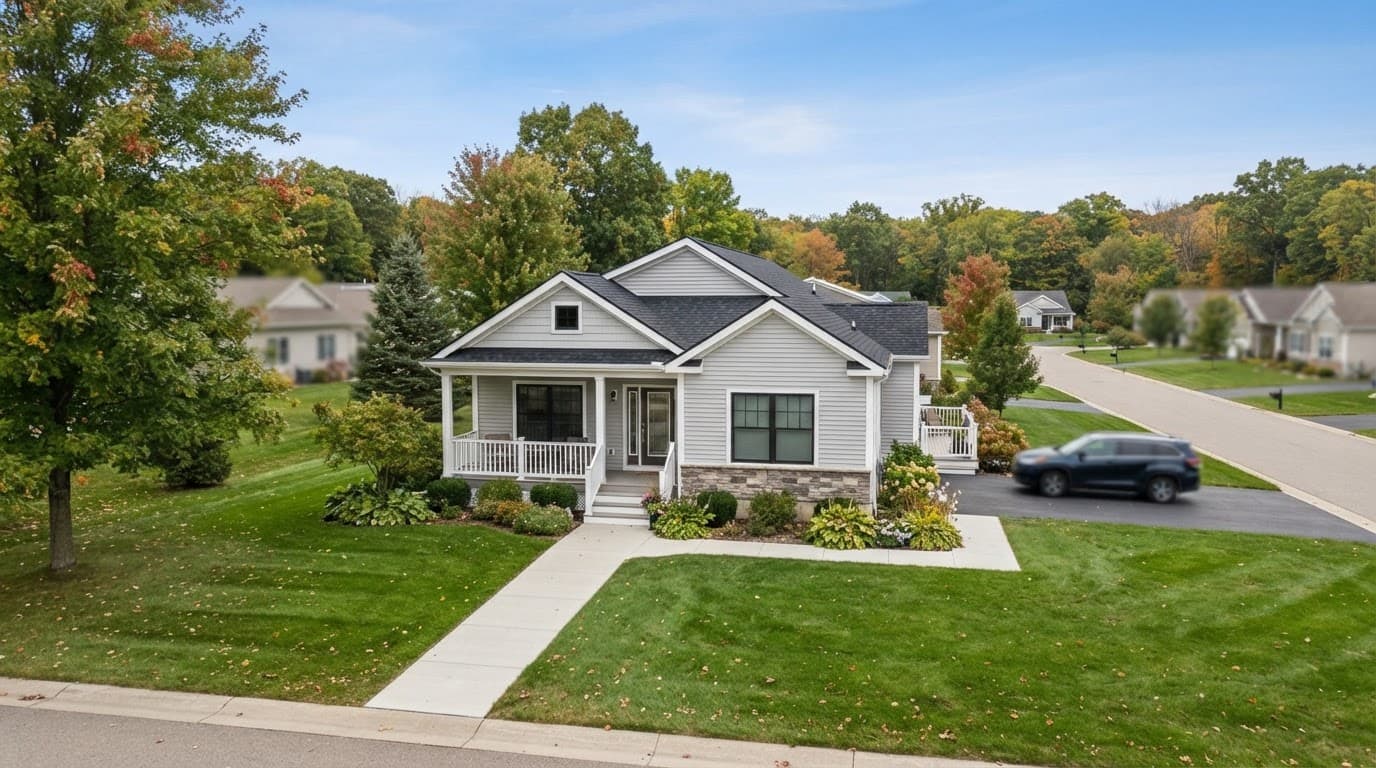 A well-built manufactured home can still perform poorly if the site preparation, foundation, anchoring, or utility connections are inadequate.
Before closing, inspect the home and installation together. The structure, support system, heating equipment, plumbing, roof drainage, and utility hookups must work as one system.
How Much Do Manufactured Homes Cost in Michigan?
The advertised home price is only one part of your Michigan manufactured-home budget. Your final cost may also include delivery, land, permits, site preparation, utilities, foundation work, inspections, insurance, and ongoing community fees.
Buying land and placing a home there usually requires more upfront planning. A community home may reduce some site-work responsibilities, but monthly lot rent changes the long-term cost.
The Costs Buyers Often Miss
Before making an offer, request a written estimate for the entire site. Ask contractors to inspect the property rather than relying on a dealer’s general allowance.
The estimate may need to cover:
- Excavation and grading, especially if the lot slopes or contains unstable fill.
- Soil testing, surveying, tree removal, and clearing for the home, driveway, and utility routes.
- Utility trenching, electric service, propane or natural gas connections, and related permits.
- A septic system and well drilling if public sewer and water aren’t available.
- Stormwater work, drainage improvements, culverts, and grading that directs runoff away from the foundation.
- Foundation upgrades, basement or crawl-space work, anchoring, skirting, steps, decks, and required access features.
- Driveway construction, landscaping, erosion control, and final cleanup.
- Winter access, including snow removal and a construction schedule that allows delivery equipment to reach the lot.
A rural parcel can look inexpensive until you price a long driveway, a deep well, a septic field, and several hundred feet of utility trenching. Even a suburban lot may need tree removal, soil correction, drainage work, or an upgraded electrical connection.
A low home price does not make a low-cost project when the lot needs major excavation, utilities, or foundation work.
Include delivery and installation in the same review. Narrow roads, low branches, bridges, soft ground, or winter frost can complicate transport and add charges. Confirm who pays for permits, inspections, crane or set work, utility connections, and unfinished items such as gutters or skirting.
Lot Rent, Property Taxes, Insurance, and Ongoing Expenses
In a manufactured-home community, you usually own the home and lease the pad beneath it. Monthly lot rent may cover services such as road maintenance, trash collection, water, sewer, snow removal, or shared amenities, but each community sets its own rules. Ask for the current fee sheet, utility responsibilities, pet rules, maintenance duties, and any planned rent increases.
If you own both the home and land, the property may receive different tax treatment than a home on leased land. In general, a home treated as personal property may be subject to personal property taxes, while a permanently affixed home and owned land may be assessed as real property. Classification depends on the facts and local requirements, so confirm it with the local assessor before relying on a projected tax bill.
Your monthly budget should also include manufactured-home insurance, routine maintenance, heating, electricity, water, sewer or septic upkeep, and snow removal. Older homes may cost more to heat, while private wells and septic systems create repair and testing expenses that community residents may not face.
Review the purchase agreement, community documents, and insurance quote together. A home that fits your mortgage payment may still strain your budget after lot rent, taxes, heating, and maintenance are added.
Where Can You Put a Manufactured Home in Michigan?
Placement depends on the city, township, county, zoning district, land-use rules, permits, deed restrictions, and community requirements. Two paths are most common: buying land for private placement or choosing a manufactured home community.
Rules can change between nearby townships, even when the parcels look similar. Before buying a home or signing a land contract, ask local officials to confirm that the property can legally accommodate your chosen home and foundation.
Buying Land for a Manufactured Home
An affordable parcel may still be unsuitable for a home. A narrow lot, wet soil, limited road access, or missing utility connections can turn a low purchase price into an expensive construction project.
Before closing, review each item below:
- Confirm that the zoning district allows a manufactured home and identify any minimum home size, foundation, architectural, or age requirements.
- Check road frontage, legal access, driveway location, and whether the road can accommodate delivery equipment.
- Measure required setbacks from property lines, roads, neighboring structures, wells, septic fields, and waterways.
- Review recorded easements for utilities, drainage, access, and shared driveways. An easement may limit where you can place the home.
- Check flood maps, drainage patterns, and the parcel’s history of standing water. Flood risk can affect construction, insurance, and financing.
- Look for wetlands, regulated water features, protected areas, and other site limits before planning clearing or grading.
- Order appropriate soil evaluations. Poor soil, steep slopes, high groundwater, or unstable fill may require costly foundation or septic work.
- Confirm septic and well approval with the county health department if public water and sewer aren’t available.
- Ask utility providers about electric, natural gas, water, sewer, internet, connection fees, and the distance to the nearest service.
- Determine whether the driveway needs a permit, culvert, sight-distance review, or approval from the county road agency.
- Search the title for deed restrictions, covenants, conservation limits, or private rules that prohibit manufactured housing.
Michigan State University explains that local governments can regulate manufactured housing through zoning and special land-use procedures in some situations. Review Michigan guidance on local manufactured housing rules, then contact the local zoning office, health department, building department, and utility providers before closing.
A parcel is only ready for a manufactured home when the land, approvals, access, utilities, and installation plan work together.
Choosing a Manufactured Home Community
A community can simplify land access and site preparation, but you trade ownership of the lot for a lease and ongoing monthly charges. Compare communities using written documents, not only a sales presentation.
Request the current lot-rent schedule, lease terms, utility billing policy, community rules, and fee history. Ask how often rent can increase and which services are included. Then review age restrictions, pet limits, parking rules, guest policies, home appearance standards, and maintenance responsibilities.
Walk through the property at different times if possible. Look at road conditions, drainage, lighting, snow removal, landscaping, vacant lots, and the condition of neighboring homes. Resident reviews can reveal maintenance delays or rule enforcement issues, but verify complaints with the community manager.
Also ask whether residents can access a storm shelter during severe weather and who maintains it. Finally, understand the process for selling, refinancing, moving, or removing your home. Some communities require buyer approval, charge transfer fees, or restrict relocation.
For broader site-planning context, review the Michigan manufactured housing park siting guide. Get every important promise in writing before you pay a deposit.
How to Buy and Install a Manufactured Home in Michigan
Buying a manufactured home in Michigan involves several parties and approvals. Start with your budget and preapproval, then confirm the site, contract, installation plan, inspections, and final occupancy approval before moving in. The retailer helps you select and order the home, the manufacturer builds it, the installer prepares and sets it, the lender manages financing, and local officials review zoning, permits, and code compliance.
Questions to Ask a Michigan Dealer or Seller
Ask for a total installed price, not just the advertised home price. The written quote should identify the home, delivery charges, setup work, foundation, utility connections, permits, steps, skirting, decks, gutters, grading, and cleanup.
Before choosing a dealer or private seller, ask:
- How far is delivery included, and what additional charges apply for a longer distance, difficult roads, narrow driveways, trees, bridges, or winter access?
- Which appliances, fixtures, flooring, window treatments, HVAC equipment, and other features are included?
- What warranties cover the home, and which warranty covers installation or site work?
- Who handles warranty registration, and when does coverage begin?
- How are upgrades, substitutions, delays, and change orders approved and priced?
- Who is responsible for installation, foundation work, utility connections, permits, inspections, and corrections?
- What completion date applies, and what happens if weather, manufacturing, or site delays change the schedule?
- Which lenders work with this home and ownership arrangement?
- When can you cancel, and what happens to your deposit if financing, zoning, inspections, or site approval fails?
Compare at least two detailed written quotes with the same scope of work. A lower price may exclude foundation work or utility connections that another quote includes.
Michigan installation requirements can identify who may obtain permits and which approvals apply. Review the Michigan mobile home installation requirements, then confirm the process with your local building department.
Inspections, Warranties, and Final Walk-Throughs
Inspect a new home before closing, and inspect a used home before making an offer. Check floors for soft spots, ceilings for stains, windows and doors for proper operation, and walls for signs of movement. Test plumbing fixtures, inspect electrical outlets and panels, and review HVAC operation, ductwork, and filters.
Also examine roof areas, crawl spaces, tie-downs, skirting, moisture barriers, and drainage. Look for damp insulation, standing water, rust, mold, cracked supports, shifted piers, and gaps around utility connections. A licensed home inspector can identify problems that a quick dealer walk-through may miss.
Review the manufacturer’s warranty, installer’s warranty, warranty exclusions, registration instructions, and repair records. Confirm who receives service calls and whether labor, materials, transportation, or consequential damage is excluded.
Before signing the closing papers, walk through every room with the retailer or seller. Photograph unfinished trim, missing fixtures, damaged flooring, incomplete utility work, and outstanding repairs. Put each item on a signed completion list with a responsible party and deadline. Do not rely on verbal promises.
Financing Options and Why Loan Type Matters
Your loan type depends on how the home is titled, where it sits, and whether you own the land. A chattel loan usually finances the home as personal property when you lease the lot or don’t permanently attach the home to owned land. A land-home mortgage finances the home and parcel together, often providing longer terms than chattel financing.
FHA, VA, USDA, and conventional loans may be available, but each program has property and borrower requirements. Eligibility can depend on the home’s age, foundation, title status, condition, land ownership, and lender rules. Seller financing and cash purchases provide other paths, although seller contracts require careful title, interest, default, and cancellation review.
Get preapproved before selecting a floor plan. Then compare the interest rate, loan term, down payment, origination fees, insurance requirements, and total interest, not only the monthly payment. After financing, review the purchase agreement, prepare the site, arrange delivery, complete foundation and utility work, pass inspections, and obtain final occupancy approval before moving in.
The Pros and Cons of Living in a Michigan Manufactured Home
Manufactured homes can offer a practical path to homeownership, but the best choice depends on more than the advertised price. Compare the complete monthly cost, location, loan terms, maintenance needs, and your plans for the property before deciding.
When a Manufactured Home May Be a Good Fit
A manufactured home may work well if you want a newer residence but have a smaller budget. Factory construction can reduce some labor and material costs, and modern models often include open kitchens, energy-efficient features, and flexible bedroom layouts. You can review a broader manufactured home pros and cons guide while comparing your financing options.
Retirees may appreciate a single-level floor plan, fewer stairs, and less exterior upkeep than a larger traditional house. Families can also gain additional bedrooms or living space without paying the price of a similarly sized site-built home. A landowner replacing an aging farmhouse or unsafe older dwelling may benefit from placing a new home on an existing parcel, provided zoning, utilities, access, and site conditions allow it.
Shorter construction times can also help buyers who need housing sooner. A community may offer maintained roads, shared amenities, or snow-removal services, although those benefits come with rules and monthly lot rent. Buyers who want to own a home without taking on a large construction project may find that arrangement appealing.
Still, the lower home price does not tell you the full financial story. Add land, delivery, foundation work, utility connections, property taxes, insurance, lot rent, repairs, and loan interest to your comparison. Also consider whether you expect to stay in the home for five years or several decades.
A manufactured home can fit your budget while the land, financing, and monthly site costs do not. Compare the entire ownership package.
When Another Housing Option May Make More Sense
A site-built or modular home may be a better match when local zoning places strict limits on manufactured housing. A difficult lot can also change the calculation. Steep slopes, wetlands, poor soil, limited road access, or expensive utility work may make factory-built placement less practical.
Buyers who want major structural changes or highly specific finishes may prefer a custom site-built or modular design. Manufactured homes offer many layouts and upgrades, but the manufacturer, model, retailer, and installation plan set the main boundaries.
Resale priorities deserve careful attention as well. Some manufactured homes hold value well, especially when the home and land are properly titled, maintained, and located in an active market. Others may face weaker demand, depreciation, age restrictions, or relocation costs. No property type guarantees appreciation.
Financing can also determine the right fit. If you need a particular conventional, FHA, VA, or USDA mortgage, ask lenders whether the home, foundation, title, and land arrangement qualify before signing a purchase agreement. Community rules, lot-rent increases, storm concerns, and limited control over exterior changes may also point toward a different housing option.
The right question is not whether manufactured housing is good or bad. Ask whether the home, site, loan, community, and long-term plan work together.
How to Choose the Right Manufactured Home and Protect Your Investment
The best manufactured home is not always the newest or the most attractive. Compare the home’s condition, installed cost, paperwork, site, and future resale potential before you commit.
New or Used: Which Manufactured Home Is Better?
A new home usually costs more upfront, but you can choose the layout, finishes, appliances, flooring, insulation package, and energy-saving features. New construction may also include manufacturer and installer warranties, which can reduce repair risk during the first few years.
A used manufactured home may offer better value when the structure has been maintained and the land or site work is already in place. However, a lower purchase price can disappear quickly if the home needs a roof, furnace, windows, plumbing repairs, or foundation work. Older homes may also have fewer financing options and less availability in desirable Michigan communities.
| Factor | New home | Used home |
|---|---|---|
| Purchase price | Usually higher | Often lower |
| Customization | More choices before construction | Limited to existing features |
| Repairs | Fewer immediate repairs, warranty support | Condition may require a repair reserve |
| Financing | May qualify for more loan options | Age, title, and condition can restrict lending |
| Availability | May require ordering and waiting | Available homes can close sooner |
| Depreciation | May lose value early, like many new purchases | A well-maintained home may offer steadier value |
Age alone should not decide the purchase. Compare the home’s size, layout, accessibility, insulation, windows, heating system, roof, exterior materials, appliances, storage, energy use, and ability to handle Michigan snow and wind. Confirm the title status, warranty terms, installation records, permits, and likely resale demand.
Red Flags That Should Slow Down a Purchase
Pause the deal if the seller cannot show clear ownership, a valid title, tax records, lien releases, or complete community lease documents. Pressure to sign quickly, vague delivery promises, unusually low estimates, and verbal assurances that do not appear in the contract also deserve caution.
Inspect for water stains, soft floors, musty odors, poor grading, damaged skirting, roof problems, unapproved additions, missing permits, and signs of shifting supports. Ask who completed the work and request invoices, permits, and inspection records. Keep copies of every document you receive.
A professional inspection can identify structural, moisture, electrical, plumbing, and heating problems that a cosmetic walk-through misses. Use a manufactured home inspection guide to prepare, then maintain a realistic reserve for repairs and seasonal maintenance.
Check dealer and contractor references, read every contract, and never treat a deadline as a reason to skip due diligence. When records conflict with the seller’s claims, stop and ask a Michigan real estate attorney, licensed inspector, lender, assessor, or local building official to review the issue before you proceed.
Frequently Asked Questions
Buying a manufactured home in Michigan involves decisions about land, financing, weather protection, contracts, and future resale. These answers address common questions that often remain after reviewing prices, zoning, installation, and ownership options.
Can I place a manufactured home on any piece of land in Michigan?
No. Local zoning may limit manufactured homes by district, age, size, foundation type, appearance, or required setbacks. Permits, land-use rules, deed restrictions, soil conditions, septic approval, road access, and utility availability also affect whether a parcel works.
Contact the local township or city before buying the parcel or home. Ask for written confirmation that the specific property and home type qualify.
Do manufactured homes qualify for mortgages in Michigan?
Some do, especially when the home is permanently attached to land you own and meets the lender’s property, title, appraisal, and foundation requirements. A home on a leased lot may instead require a chattel loan or another type of personal-property financing.
Each lender sets its own rules. For example, Fannie Mae’s manufactured home requirements include conditions involving real-property title and permanent installation. Get written preapproval for the exact home, land arrangement, and purchase price before signing a contract.
Are manufactured homes safe during Michigan winters and storms?
Safety depends on proper design, anchoring, installation, maintenance, heating, and weather protection. Buyers should verify the home’s construction standards, tie-down system, roof condition, insulation, windows, furnace, plumbing protection, and drainage.
Ask a qualified inspector to examine the home and its support system together. Also confirm local emergency requirements, including access to storm shelters or other severe-weather procedures if the home is located in a community.
Is it cheaper to buy a manufactured home or build a house?
The home itself may cost less than a comparable site-built house, but the final answer depends on the complete project budget. Include land, delivery, site work, utilities, foundation, permits, financing, taxes, insurance, maintenance, and lot rent when applicable.
Compare total installed costs rather than advertised base prices. A low-priced home on a difficult rural parcel may cost more overall than a higher-priced home with existing utilities and an approved foundation.
Can I sell or move a manufactured home later?
You may be able to sell or relocate it, but the process depends on its condition, title, land ownership, community lease, transport access, local rules, and foundation. Moving a home can require permits, inspections, utility disconnection, transportation planning, and a qualified installer.
Costs can include lifting, hauling, site preparation, reinstallation, repairs, and new utility connections. Before buying, ask the community or local officials about resale restrictions and relocation requirements.
What should I check before signing a manufactured home contract?
Review the total price, included work, change-order terms, delivery and completion dates, warranties, financing conditions, land or lot lease, permits, cancellation rights, and responsibility for repairs. Confirm whether the quote includes foundation work, utility connections, skirting, steps, grading, inspections, and final cleanup.
Have every unclear term explained in writing before signing. If a promise matters to your decision, it belongs in the contract or an attached document, not only in a sales conversation.
Conclusion
Manufactured homes in Michigan can offer a practical, affordable path to homeownership when you evaluate the entire project, not just the base price. The right choice depends on total installed cost, land or lot rules, financing, foundation and site work, winter readiness, inspection results, contract terms, and your long-term resale plans.
Before committing, compare detailed written quotes with the same work included. Confirm zoning, utilities, permits, and community requirements, then speak with a local lender and qualified manufactured-home inspector. Careful planning helps turn an affordable home price into a manageable ownership decision.