
Manufactured Homes in Minnesota Review
For many Minnesota buyers, a manufactured home offers a way to pursue homeownership without taking on the price of a comparable site-built house. Lower purchase prices may help reduce financial strain, while modern floor plans give you practical choices for bedrooms, living space, storage, and accessibility.
Still, the total cost depends on more than the home itself. You’ll need to compare new and used manufactured homes, understand Minnesota’s installation and ownership rules, decide whether to buy land or rent a lot in a manufactured home community, and account for site preparation, utilities, taxes, insurance, maintenance, and winter weather requirements. Financing can also vary based on the home’s age, foundation, location, title status, and whether you own the land.
This guide explains how manufactured homes in Minnesota fit into the state’s housing market, including home types, land and park options, costs, financing, climate considerations, legal requirements, and the buying process, so you can compare your choices with clearer expectations. Next, we’ll look at the main types of manufactured homes and how they differ.
Key Takeaways
- Manufactured homes in Minnesota can cost less than comparable site-built homes, but delivery, foundation work, utilities, permits, and site preparation affect the final price.
- Buyers must compare owning land with renting a lot in a manufactured home community, since each option changes financing, taxes, insurance, and monthly expenses.
- Minnesota winters make insulation, roof condition, plumbing protection, heating efficiency, and snow-load requirements important inspection points.
- Verify the home’s title, age, foundation, installation records, and financing eligibility before making an offer.
- Review park rules and dealer credentials, using the Minnesota Attorney General’s purchasing guidance before signing a contract.
Manufactured Homes in Minnesota: What Buyers Should Know First
Before comparing prices, identify what you are buying and what comes with it. A manufactured home in Minnesota may sit on private land or in a home park, and that choice affects financing, taxes, maintenance, monthly expenses, and resale. The home’s HUD label, construction date, foundation, title status, and land ownership all deserve careful review.
How manufactured homes differ from modular and mobile homes
A manufactured home is built in a factory under the federal HUD Code. The standards cover construction, safety, heating, plumbing, electrical systems, and structural design. Homes built after the HUD Code took effect on June 15, 1976, should carry a HUD certification label, often called a HUD tag, on each transportable section.
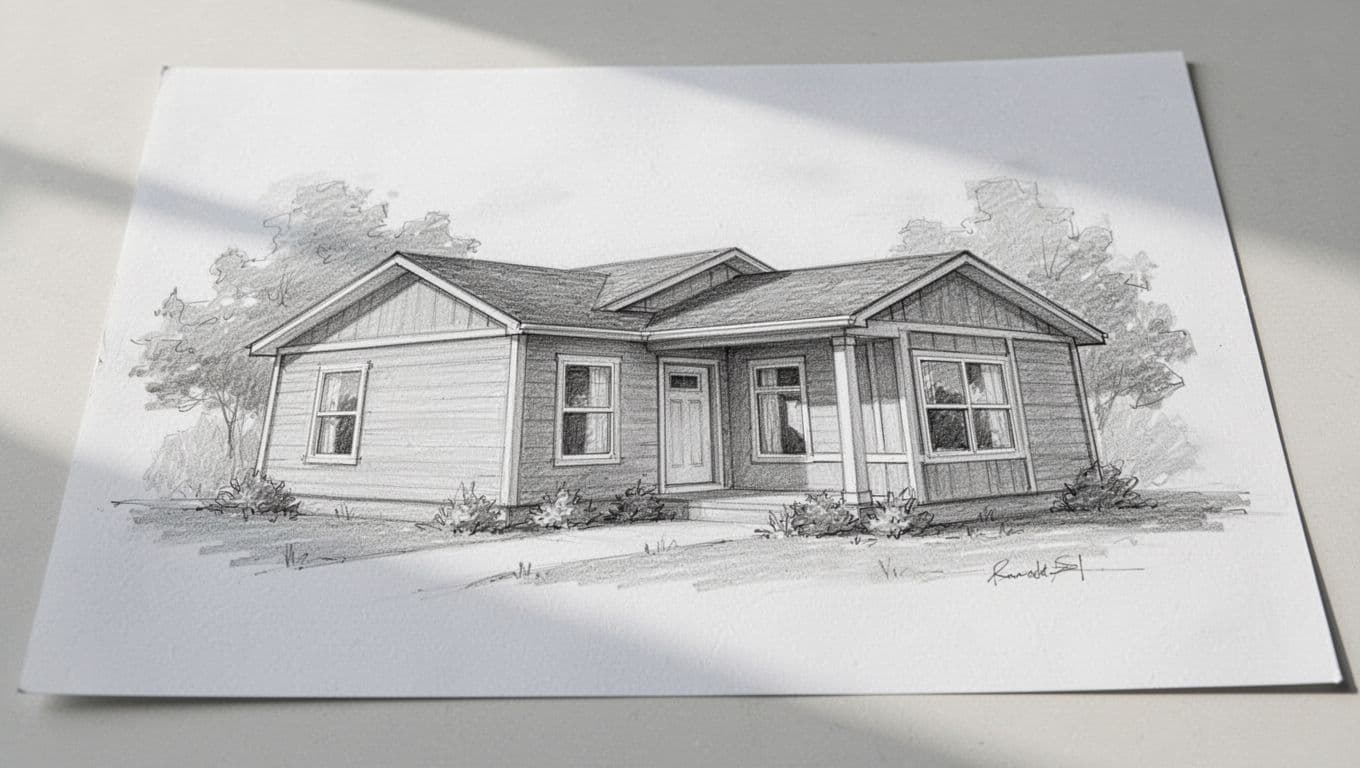 People often use “mobile home” as a general term, but the label usually refers to homes built before the federal HUD standards began. Those older homes may have different construction records, financing options, insurance costs, and resale concerns. A missing label doesn’t automatically settle the home’s status, so ask for the serial number, data plate, title, and official construction records.
A modular home is also factory-built, but it follows Minnesota’s state building code and applicable local requirements. Once installed, it is often treated more like a site-built house. A modular home may qualify for different financing or appraisal treatment, especially when it sits on a permanent foundation and the owner also owns the land.
A site-built house is constructed primarily at the property where it will remain. In contrast, manufactured homes are built in sections, transported to the site, and installed according to state requirements and the manufacturer’s instructions. You can review Minnesota’s manufactured home HUD requirements before relying on a seller’s description.
Terms still overlap in everyday conversation. Verify the home’s label, date of construction, installation documents, foundation type, title status, and property records before making an offer. Newer designs can include efficient insulation, updated heating systems, open floor plans, and factory quality controls, but the specific home matters more than the marketing language.
The two ownership choices: private land or a Minnesota home park
You usually choose between owning the home and land together or owning the home while leasing a site. Private land gives you control over the lot, subject to zoning, permits, easements, and local restrictions. You also take responsibility for the driveway, septic or sewer connection, well or water service, grading, snow removal, and other property work.
A manufactured home park can reduce the burden of land ownership. You may share roads, lawns, snow services, or community amenities, but you pay lot rent and follow park rules. The lease may also control pets, exterior changes, parking, subletting, home appearance, and who can occupy the property.
Before signing, review:
- The current lot rent, utility charges, deposits, and included services.
- How and when the park can raise rent or change fees.
- Maintenance duties for the home, site, roads, and shared areas.
- Notice requirements, renewal terms, sale procedures, and termination rules.
Private land may support stronger resale value because the buyer receives real estate with the home. A park home can still be valuable, but resale depends more heavily on the home’s condition, age, title status, financing availability, and the community’s rules. Read the lease and park disclosures line by line, then have a qualified professional review unclear terms before you commit.
How Much Do Manufactured Homes Cost in Minnesota?
The advertised home price is only the first line of your budget. The final cost of manufactured homes in Minnesota depends on the home’s size, age, condition, location, land ownership, delivery route, and installation requirements. A park site may already have utilities and an approved pad, while a rural lot can require extensive construction before the home arrives.
The hidden costs that can change your budget
Transportation is usually separate from the home price. The dealer may also charge for setup, blocking, leveling, joining sections, and crane work if the site limits truck access. Before comparing quotes, ask whether delivery and installation are included in writing. Minnesota’s manufactured home information can also help you identify state installation and permitting requirements.
A private rural lot may need excavation, grading, drainage, a foundation or anchoring system, and stormwater work. You may also pay for a well, septic system, sewer connection, municipal water, electrical service, and a longer driveway. The site preparation process varies sharply by property, soil conditions, access, and local requirements.
Other costs can include permits, inspections, steps, skirting, decks, garages, landscaping, and driveway improvements. Minnesota’s cold winters also make HVAC capacity, insulation, heat-tape protection, and plumbing placement important. A park home often costs less to install because the pad, roads, utilities, and drainage already exist. However, you will usually pay lot rent, utility charges, and park fees each month.
Use a written budget with these categories:
- Home price.
- Land purchase or monthly lot rent.
- Delivery, installation, foundation, anchoring, and site work.
- Utility connections, permits, inspections, steps, and exterior additions.
- Closing costs, insurance, property taxes, and an emergency reserve.
- Monthly operating costs, including utilities, maintenance, snow removal, and park fees.
Request an itemized estimate that separates dealer work from buyer responsibilities. That document can reveal whether the lowest advertised price leaves major expenses for you.
New, used, and repossessed homes each carry different risks
A new home gives you current construction, updated appliances, manufacturer warranties, and more control over floor plans and finishes. The tradeoff is a higher purchase price, depreciation during the early years, and possible upgrades that are not included in the base package.
An older used home may offer a lower entry price, especially in an established park. Yet repairs can quickly consume the savings. Inspect the roof, floors, plumbing, electrical system, windows, insulation, appliances, and every sign of moisture damage. Additions, porches, and garages need their own review because unapproved work can create insurance, financing, or resale problems.
Repossessed or heavily discounted homes may look attractive, but the discount often reflects deferred maintenance, title complications, relocation costs, or an uncertain installation history. Before making an offer, check repair records, title history, HUD labels, serial numbers, and installation documents. Confirm that alterations received required approval, then have a qualified inspector examine the foundation, piers, tie-down system, and connections.
A low purchase price does not automatically mean a low-cost home. Compare the complete repair and installation budget with a newer home’s price, then include financing, insurance, taxes, lot rent, and expected maintenance. That comparison shows which option fits your monthly budget rather than simply which listing looks cheapest.
Minnesota Rules, Zoning, and Site Requirements Before You Buy
State and local rules determine where a manufactured home may go and how crews must install it. Before buying land or ordering a home, contact the local planning and zoning office. A verbal “that should work” is not enough when your purchase depends on approval.
What to verify with the county, city, or township
Rules can differ between neighboring Minnesota communities, even when both allow manufactured homes. Ask the local authority for written answers about:
- Whether the parcel is in an allowed residential zone and whether manufactured homes are permitted there.
- The minimum lot size, required setbacks, frontage, driveway access, and road restrictions.
- Home age, exterior appearance, roof pitch, siding, size, and foundation requirements.
- Whether accessory buildings, decks, porches, garages, or sheds need separate permits.
- Septic and well approval, or the requirements for connecting to municipal water and sewer.
- Driveway permits, culvert specifications, fire access, and delivery access for the home.
- Floodplain, wetland, shoreland, or other environmental restrictions affecting the building site.
- Utility connections, electrical work, gas service, and required inspections before occupancy.
Minnesota law limits some local zoning restrictions on manufactured homes that meet applicable standards, but a compliant home still must satisfy valid land-use and site requirements. Review Minnesota’s manufactured home zoning statute, then confirm the parcel’s rules with the community that has authority over it.
The home itself also needs a document check. Look for the HUD certification label on each transportable section, the home’s data plate, serial numbers, construction information, and the manufacturer’s approved installation instructions. The Minnesota Department of Labor and Industry provides key information about manufactured home construction and installation requirements.
Ask who will obtain the building, installation, septic, well, electrical, and driveway permits. Also ask which inspections must occur before delivery, during setup, and after utility connections. Keep zoning letters, permit approvals, inspection reports, and foundation specifications with your purchase records.
A home park adds another approval layer. The park may require an application, architectural review, age or appearance standards, delivery coordination, and written approval before installation. Read the lot lease and community rules before paying a deposit.
Get important approvals in writing before you buy land, order a home, or make the deposit nonrefundable.
Why Minnesota weather makes installation and insulation important
Minnesota’s freeze-thaw cycles can move soil, stress foundations, and damage plumbing. Proper grading directs water away from the home, while drainage planning helps prevent standing moisture beneath the structure. The site also needs frost protection suited to local soil, foundation, and installation requirements.
Cold-weather performance depends on more than wall insulation. Insulated plumbing, protected heat lines, a sealed and insulated skirting or foundation enclosure, and reliable high-efficiency heating all matter. Ventilation must control indoor moisture without wasting excessive heat.
Snow and ice place added demands on the roof system. Confirm the design supports local snow loads, and inspect roof drainage, overhangs, flashing, and areas where melting snow could refreeze. Wind anchoring also matters during Minnesota storms.
Installation crews must follow the manufacturer’s approved instructions and local requirements. Shortcuts involving piers, tie-downs, insulation, drainage, or utility connections can create expensive repairs and inspection problems later. Have licensed professionals review the site and installation plan before the home arrives.
Financing, Insurance, Taxes, and Resale Value in Minnesota
The price of a manufactured home is only one part of the ownership decision. Your financing, insurance, property taxes, lot rent, and likely resale market can change based on the home’s title, foundation, age, location, and land ownership.
A home attached to land you own may qualify for real-property financing and tax treatment. A home in a park may use personal-property financing, with different terms and resale challenges. Confirm the details before you make an offer.
Questions to ask lenders before applying
Manufactured-home financing doesn’t follow one standard path. A lender may offer a conventional manufactured-home mortgage, an FHA Title II loan for qualifying real estate, or an FHA Title I loan for certain homes, lots, and improvements. Eligible veterans may ask about VA financing, while buyers in qualifying rural areas can investigate USDA Rural Development programs. Credit unions, specialty lenders, and dealer-arranged financing may offer additional choices.
Program rules change, and approval depends on the specific home and borrower. Ask each lender these questions before completing an application:
- Will you finance the home as real property or personal property, and what facts determine that classification?
- What minimum credit score, down payment, debt-to-income ratio, and cash reserves do you require?
- Do you finance homes of this age, or do you limit the year built?
- Must I own the land, or will you finance a home on leased park land?
- What foundation, anchoring, HUD label, installation, and inspection standards must the home meet?
- How will you appraise the property, and do you use comparable manufactured homes in Minnesota?
- Will mortgage insurance apply, and how will its cost affect my monthly payment?
- Can I refinance later if the home becomes real property or if I improve the foundation?
- Do you regularly close manufactured-home loans in Minnesota, including transactions inside home parks?
- What are the estimated closing costs, lender fees, appraisal charges, title costs, taxes, insurance, and escrow requirements?
Request a Loan Estimate and compare the complete package. A lower interest rate may still cost more if the loan has higher fees, a shorter term, expensive mortgage insurance, or a large required down payment. Minnesota law also addresses certain lender fees and amounts set aside for taxes or insurance in manufactured-home loans, so review the applicable Minnesota statute with your lender or attorney.
How land ownership affects taxes, insurance, and resale
Owning the land can support real-property treatment when the home meets applicable requirements, the title is handled correctly, and local officials recognize the conversion. That treatment isn’t automatic. The county may require specific documents, a permanent foundation, title surrender, or other steps before the home and land appear together in property records.
A home on leased land may be financed, taxed, insured, and sold under different rules. Instead of paying property taxes on land you own, you may pay lot rent and park-related fees. The lease can also control buyer approval, age restrictions, transfer procedures, advertising, removal, and fees charged when you sell.
Before closing, verify:
- Whether the title can be converted or retired and which office handles the process.
- How the county will assess the home and whether taxes appear with the land.
- Whether insurance covers winter plumbing damage, detached additions, transport, vacancy, and liability.
- Whether the park must approve the buyer or sale.
- Which transfer, inspection, advertising, commission, or removal fees apply.
A permanent foundation and land ownership may improve resale, but local demand and park rules still shape the buyer pool.
Clear title, documented installation, solid upkeep, and accurate property records can make a future sale easier. However, an older home, high lot rent, restrictive park rules, limited financing, or deferred repairs can reduce buyer interest even when the home looks attractive. Ask lenders, the county assessor, your insurer, and the park manager for written answers before you rely on a projected resale value.
How to Choose and Buy the Right Manufactured Home in Minnesota
Buying a manufactured home in Minnesota works best when you treat the process like a construction project, not a quick retail purchase. Set the full budget first, then verify the land or park, compare written bids, arrange financing, inspect the home, and protect your final payment until every promised correction is complete.
How to compare Minnesota manufacturers, dealers, and park communities
Begin with several dealers or builders, not just the seller offering the lowest advertised price. Ask each company for an itemized quote covering the home, delivery, foundation or blocking, leveling, tie-downs, utility hookups, steps, skirting, permits, inspections, and warranty service. Minnesota dealers must meet licensing, bonding, and insurance requirements, so review the state’s manufactured home purchasing guidance.
A reliable dealer should explain local installation requirements, provide references for completed Minnesota projects, and identify who handles warranty calls after closing. Request a written scope of work that names the responsible party for each task. Compare the home specifications, included finishes, change-order costs, delivery schedule, cancellation terms, and correction process before choosing a floor plan.
If you plan to live in a community, compare more than the monthly lot rent. Review:
- Utility charges, deposits, included services, and possible rent increases.
- Age, exterior appearance, parking, landscaping, and improvement rules.
- Pet, guest, occupancy, subletting, and quiet-hour policies.
- Maintenance duties for the home, lot, roads, snow, and shared amenities.
- The community’s condition, management history, vacancy rate, and financial stability.
- Buyer approval, sale advertising, transfer fees, and home removal procedures.
Get park approval before ordering a home or paying a nonrefundable deposit. A low lot rent can lose its appeal if rules limit resale or the community has deferred maintenance.
A final inspection checklist before closing
Hire an independent inspector familiar with manufactured homes. Walk through the home and site together, preferably after installation and before releasing the final payment. Check visible damage, doors, windows, floors, plumbing fixtures, leaks, heating, cooling, appliances, electrical outlets, smoke alarms, and carbon monoxide alarms.
Outside, inspect insulation, skirting, drainage, grading, roof edges, foundation work, piers, tie-downs, stairs, and utility connections. Confirm that required permits and inspections are complete. Photograph each defect and record the promised repair, responsible party, and deadline in writing.
Your document file should contain the purchase agreement, disclosures, specifications, change orders, HUD label information, installation instructions, title records, warranties, site lease, insurance quote, and inspection reports. Minnesota’s manufactured home information page explains purchaser disclosure requirements for new sales.
Common mistakes that cost Minnesota buyers time and money
Don’t buy land before confirming zoning, setbacks, driveway access, septic or sewer approval, and delivery access. Also, never treat a base price as the finished cost. Site preparation, utility work, permits, foundation work, and winterization can add substantially to the quote.
Ask about lot-rent increases before choosing a park. Discuss the exact home type with lenders early, since a home on leased land, an older home, or a home without complete installation records may have fewer financing options. Insurance also needs verification, because policies may limit coverage for flooding, frozen pipes, vacancy, detached additions, or moving the home.
Finally, don’t sign until the contract states delivery dates, installation responsibilities, permits, warranty work, correction deadlines, and final-payment conditions. Early verification can prevent a purchased home from sitting in storage, an unapproved installation from delaying occupancy, or repair costs from landing on your budget.
Frequently Asked Questions
Buying manufactured homes in Minnesota involves more than choosing a floor plan and arranging financing. These answers address the practical questions that often remain after reviewing costs, zoning, installation, ownership, and resale concerns.
Can I place a manufactured home on any Minnesota property?
No. Placement depends on local zoning, land-use rules, setbacks, minimum lot standards, driveway access, utilities, permits, and the home’s installation requirements. A parcel may look suitable but still lack approval for a manufactured home, septic system, well, or required foundation.
Before purchasing land or ordering a home, contact the city, county, or township with authority over the property. Ask for written confirmation about permitted use, setbacks, foundation standards, utility connections, delivery access, and inspections. Minnesota’s manufactured structures installation guidance explains several state-level considerations, but local approval still controls the specific site.
Do manufactured homes hold their value in Minnesota?
They can, but no seller should guarantee appreciation. A home on land you own may have better resale flexibility than a home on a leased park site because the buyer receives both the structure and the parcel. Location, local demand, age, condition, installation quality, financing availability, and the home’s records also affect value.
The home and land may appreciate at different rates. A well-maintained property in a desirable area can attract buyers, while high lot rent, restrictive park rules, deferred repairs, or limited financing can narrow the market. Keep installation documents, permits, maintenance records, and title information organized to support a future sale.
Can I get a mortgage for a manufactured home in Minnesota?
Mortgage options may be available, especially when the home is permanently installed on land you own and classified as real property. Eligibility often depends on the foundation, title classification, construction date, HUD label, land ownership, credit profile, income, down payment, and each lender’s underwriting rules.
Compare several lenders, including banks, credit unions, and lenders that regularly handle manufactured homes. Ask each one for a written Loan Estimate showing the interest rate, fees, term, mortgage insurance, and projected payment. A lender’s approval for one manufactured home does not mean it will finance every home.
What is the difference between buying in a park and owning the land?
In a park, you usually own the home but lease the site. You pay lot rent and follow community rules, while the park may handle or coordinate some roads, grounds, utilities, or shared services. Read the Minnesota Manufactured Home Parks Handbook before signing a lease.
When you own the land, you control both the home and parcel, subject to zoning and property laws. You also assume more responsibility for taxes, insurance, maintenance, snow removal, utilities, and site repairs. Park living may lower the upfront land cost, while private ownership usually offers more control and moving or resale flexibility.
How can I protect a manufactured home from Minnesota winters?
Use professional installation, proper anchoring, and a frost-aware foundation or support system. Good drainage prevents water from collecting beneath the home, while insulated plumbing, protected heat lines, and a sealed skirting or enclosure reduce freeze damage.
Maintain efficient heating, balanced ventilation, and the roof system throughout the year. Remove dangerous snow and ice buildup promptly, inspect flashing and drainage paths, and follow the manufacturer’s instructions and local inspection requirements.
Should I buy a new or used manufactured home?
A new home may provide modern insulation, updated systems, manufacturer warranties, and fewer immediate repairs. A used home may cost less, but savings disappear quickly if the roof, plumbing, heating, electrical system, foundation, or additions need work.
Have an independent inspector review a used home and examine its title, HUD labels, installation records, permits, and repair history. Compare the full ownership cost, including repairs, delivery, installation, financing, insurance, taxes, lot rent, maintenance, and likely resale prospects.
Conclusion
Manufactured homes in Minnesota can make homeownership more attainable when buyers look beyond the advertised price. The strongest choice depends on the full project, including the home, land or lot lease, site work, utilities, permits, insurance, taxes, financing, and future maintenance.
Before committing, confirm local zoning and installation rules in writing. Decide carefully between owning private land and renting a park site, then calculate delivery, foundation, utility, lot rent, and monthly operating costs. Compare lenders based on the home’s title, age, foundation, and land status. An independent inspection should review the structure, roof, plumbing, heating system, insulation, drainage, tie-downs, and installation records.
Finally, use written contracts that identify responsibilities, deadlines, warranties, permits, repairs, and final-payment conditions. Careful preparation won’t remove every cost or winter-related concern, but it can prevent avoidable surprises. With sound records, proper installation, and realistic budgeting, a factory-built home can become a comfortable, durable place to live through Minnesota’s changing seasons.