
Manufactured Homes in Missouri Guide
Manufactured homes in Missouri appeal to buyers who want more living space without taking on the price of a traditional site-built house. In cities, suburbs, and rural communities, these homes can offer practical layouts, modern features, and a path to homeownership that fits a tighter budget.
Still, buying a manufactured home involves more than choosing a floor plan. You’ll need to compare home types and prices, decide whether to buy or lease land, assess site preparation needs, and understand financing, permits, zoning, delivery, and installation requirements. Ownership costs can also include foundation work, utility connections, insurance, property taxes, land payments, and future repairs.
A careful plan helps you avoid expensive surprises, especially when a home, lot, and installation must come together on schedule. The right choice depends on your budget, location, intended use, and whether you want to own the land beneath the home. Start by comparing the types of manufactured homes available in Missouri and how each option affects your total purchase cost.
Key Takeaways
- Manufactured homes in Missouri can cost less than site-built houses, but your total budget must include delivery, foundation work, utilities, permits, insurance, and taxes.
- Buying land gives you more control, while leasing a lot may reduce upfront costs but adds monthly site rent.
- Compare conventional, FHA, VA, USDA, and specialized Missouri manufactured home loans before choosing financing.
- Check zoning, road access, utility connections, flood risk, and foundation requirements before purchasing land.
- Obtain written bids and compare the full home-and-site package, since land prices vary widely by location.
Manufactured Homes in Missouri: What Buyers Need to Know
Manufactured homes in Missouri can offer practical layouts and modern construction at a lower price than many site-built houses. However, the home is only one part of the purchase. Your final cost and available choices also depend on land, zoning, utilities, transportation, and the foundation system.
What qualifies as a manufactured home?
A manufactured home is a factory-built dwelling constructed to the federal HUD Code, officially called the Manufactured Home Construction and Safety Standards. The code covers structural strength, fire safety, transportability, heating, plumbing, electrical systems, and energy efficiency. You can review HUD’s manufactured housing resources before comparing homes or contracts.
Newer manufactured homes are not the same as older mobile homes built before June 15, 1976. That date marks the beginning of the federal HUD standards. Pre-1976 homes may have different construction requirements, financing limitations, insurance challenges, and appraisal concerns.
A modular home is also built in a factory, but it follows the state and local building codes that apply to site-built houses. A manufactured home follows the federal HUD Code and typically arrives on a permanent chassis. A site-built house is constructed almost entirely at the property, while a manufactured home is assembled in sections at a factory and transported to the lot.
Single-section and multi-section designs
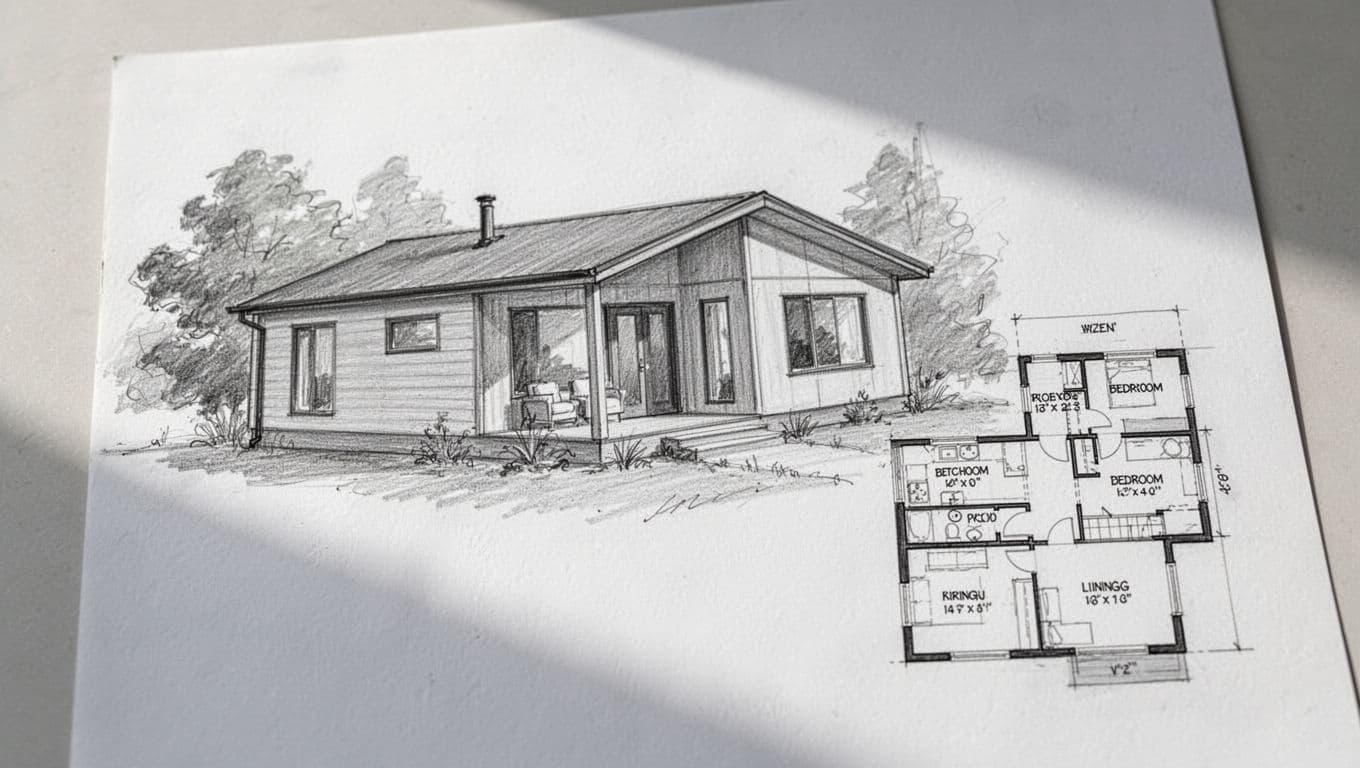
Single-section homes arrive as one main unit. They usually have a smaller footprint, simpler delivery requirements, and a lower purchase price. Buyers often choose them for rural properties, smaller lots, or straightforward two- or three-bedroom layouts.
Multi-section homes arrive in two or more sections and are joined at the property. They provide more interior space, wider living areas, additional bedrooms, and floor plans that can feel closer to a conventional ranch home. The larger design may also require a wider delivery route, more site preparation, and a stronger installation budget.
Modern options can include open kitchens, walk-in closets, energy-efficient windows, upgraded insulation, heat pumps, porches, garages, and improved exterior finishes. Many builders also offer cabinet, flooring, fixture, siding, and floor-plan choices. Ask which features come standard and which increase the contract price.
Missouri location affects your options
Housing conditions differ across Missouri. Buyers near Kansas City and St. Louis may face higher land prices, tighter zoning rules, or subdivision restrictions. Springfield and Columbia offer different combinations of employment, development, and available lots. Smaller towns and rural counties may provide more land, but utility extensions, private wells, septic systems, and road improvements can add substantial costs.
Before buying land or signing a home contract, contact the county or city planning office. Ask whether the parcel allows a manufactured home and whether the property must meet requirements for setbacks, appearance, minimum dwelling size, or an approved foundation.
Also check subdivision covenants, deed restrictions, flood maps, road access, utility availability, and permit requirements. A parcel that looks affordable online may not support the home you want. Written confirmation from the local authority can protect you from an expensive mistake.
How Much Do Manufactured Homes in Missouri Cost?
The advertised home price is only the starting point. In 2026, a manufactured home in Missouri may cost roughly $90,000 to $180,000 for the home itself, while larger multi-section models with upgraded finishes can exceed $200,000. Your final budget depends on the home size, location, features, land, and site conditions.
A written quote should show every cost separately. Ask the seller or contractor to identify what is included before you compare prices.
Manufactured home costs beyond the base price
Use these broad estimates for early planning, not as guaranteed bids:
| Expense | Illustrative Missouri estimate |
|---|---|
| Single-section home | $50,000-$100,000 |
| Multi-section home | $90,000-$180,000+ |
| Delivery and setup | $5,000-$15,000 |
| Foundation system | $8,000-$30,000+ |
| Permits and inspections | $500-$3,000 |
| Site clearing and grading | $3,000-$15,000+ |
| Driveway and access work | $2,000-$15,000+ |
| Utility connections | $5,000-$25,000+ |
| Septic system or sewer connection | $4,000-$20,000+ |
| Private well and water equipment | $5,000-$15,000+ |
| Steps, skirting, and basic porch | $3,000-$15,000 |
| HVAC and appliances, if excluded | $5,000-$20,000 |
Delivery becomes more expensive when the lot has narrow roads, steep grades, low branches, or difficult turns. Likewise, rocky soil, poor drainage, long utility runs, or a sloped building site can push grading and foundation costs higher.
Permit charges vary by county and project details. For example, Cass County lists separate manufactured-home installation requirements and fees for different foundation types in its manufactured home application. Confirm the current requirements with the city or county handling your property.
Land-owned homes versus manufactured-home communities
Buying land gives you control over the lot, but it also places every site expense in your budget. You may need a survey, soil evaluation, driveway permit, culvert, electric service, propane tank, septic system, or well. Land prices vary widely across Missouri, so compare the parcel price with the cost of making it buildable.
A manufactured-home community usually lowers the upfront land expense because you lease the site. However, you’ll pay monthly lot rent, often along with community fees for roads, trash service, amenities, or shared maintenance. Rules may limit home age, exterior changes, pets, parking, porches, or the number of vehicles.
Before signing, request the current lot-rent schedule, fee list, community rules, rent-increase policy, and any approval requirements. A lower home price can lose its advantage if monthly charges rise or the community restricts changes you expect to make.
Ongoing ownership expenses
Your monthly budget may include a mortgage payment, lot rent or land payment, property taxes, homeowners insurance, utilities, and maintenance. Budget for roof repairs, plumbing, skirting, HVAC service, appliance replacement, and driveway upkeep.
Missouri counties may classify and assess manufactured homes differently. Some land-owned homes may receive real-property treatment, while homes on leased sites may receive personal-property treatment or follow different local procedures. Confirm the expected tax classification with the county assessor and your lender before closing.
Most importantly, compare the complete installed price, not the model’s advertised base price. Ask for an itemized quote covering the home, transport, foundation, installation, permits, site work, utilities, appliances, steps, porches, and final inspections.
Buying a Manufactured Home in Missouri From Search to Move-In
Buying a manufactured home in Missouri takes more than choosing a model online. You must coordinate the home, land, financing, permits, site work, delivery, and inspections. A clear process keeps those pieces moving in the right order.
1. Set your budget and choose the property path
Start with the complete monthly and upfront cost. Include the home, land or lot rent, down payment, closing costs, delivery, foundation, utility connections, permits, insurance, taxes, and a reserve for unexpected site work.
Next, decide whether you will:
- Buy land and place a new manufactured home on it.
- Lease a lot in a manufactured-home community.
- Purchase an existing home on private land or in a community.
Land ownership gives you more control, but it also makes you responsible for surveys, access, drainage, utilities, and foundation work. A community lot may reduce the initial cost, although monthly rent and property rules will affect your long-term budget.
If you plan to attach the home permanently, review the Missouri Department of Revenue’s manufactured-home requirements. Affixation can affect title status, taxes, and financing.
2. Compare homes, retailers, and contracts
Visit more than one retailer and compare the installed price, not only the base model. Review floor-plan dimensions, storage, traffic flow, bedroom placement, and accessibility features such as wider doors, low-threshold showers, and single-level entry.
Ask how the home meets Missouri’s local conditions, including required wind and snow-load standards for the site. Compare insulation levels, window packages, roofing materials, HVAC equipment, appliances, siding, skirting, and included fixtures. Also request the expected construction and delivery dates in writing.
Before paying a deposit, investigate the retailer, manufacturer, installer, or real estate professional. Check licenses, online reviews, references from recent buyers, complaint records, and the company’s warranty process. The Missouri Manufactured Housing Association buyer guide offers additional state-specific purchasing information.
Your contract should explain the deposit, change-order process, cancellation rights, delivery charges, installation duties, punch-list work, and warranty service. Confirm who handles permits, transportation, utility connections, inspections, and repairs if the home arrives late or damaged.
A low advertised price can become expensive when delivery, foundation work, appliances, and utility connections appear as add-ons.
3. Complete Missouri property due diligence
Before closing on land, obtain written zoning approval. Confirm the parcel allows a manufactured home and ask about setbacks, minimum dimensions, appearance rules, subdivision covenants, and placement permits. Check floodplain maps, title status, liens, easements, surveys, soil conditions, and drainage.
The property must also support the planned delivery route. Inspect road width, bridge limits, sharp turns, low branches, driveway access, culverts, and any need for tree removal or grading. Confirm electric, water, sewer, septic, and well availability before finalizing the purchase.
Local authorities may require a particular foundation, anchoring, or tie-down system. Your installer should identify those requirements and provide written specifications for the permit application.
4. Inspect before closing and after installation
Hire an independent inspector before closing whenever possible. Review the roof, plumbing, electrical system, HVAC, windows, appliances, floors, seams, and signs of water intrusion. For an existing home, check title records and verify that additions, porches, and garages meet local requirements.
After installation, inspect the home again. Pay close attention to section seams, leveling, roof transitions, skirting, drainage, utility connections, doors, and windows. Record unfinished punch-list items with photographs and deadlines. Keep the inspection reports, manuals, permits, warranties, invoices, and installation documents together.
Only schedule move-in after the required inspections are complete and the home is safe, connected, properly anchored, and protected from standing water.
Land, Communities, Financing, and Ownership Choices
Where your manufactured home sits affects your monthly budget, legal status, financing options, and future resale. Missouri buyers usually choose between owning private land, leasing a lot in a manufactured-home community, or purchasing an existing home with its site included.
Buying land for a private home site
Buying land gives you control over the property beneath your home. You can choose the setting, keep more privacy, add improvements, and build equity in the land as well as the home. A private site may also offer better resale potential when the home is permanently attached and titled as real property.
However, land ownership places more work on your shoulders. Your budget may need to cover a survey, driveway, grading, drainage, electric service, a well, septic system, propane, permits, and ongoing road maintenance. Local zoning may restrict manufactured homes by age, size, foundation type, exterior appearance, or placement.
Before buying, get written confirmation that the parcel allows your intended home. Check road access, flood risk, utility availability, easements, subdivision covenants, and soil conditions. An inexpensive rural lot can become costly if utility lines must travel a long distance or the delivery route needs major clearing.
Leasing a lot in a manufactured-home community
A community lot can simplify the purchase because the property often already has roads, utility connections, shared maintenance, and established rules. Some communities also offer amenities such as a clubhouse, playground, pool, or organized maintenance services. You may spend less upfront because you aren’t purchasing land.
The tradeoff is monthly lot rent, which can increase over time. Your agreement may also control parking, pets, porches, exterior changes, landscaping, home age, and resale procedures. Read the lease and community rules before ordering a home.
Resale can differ from a land-owned home. A buyer may need community approval, and the next owner must qualify for the lot lease. Ask how rent increases are handled, whether the community charges transfer fees, and who maintains roads, utility lines, and common areas.
A community lot may lower the entry cost, but lot rent remains part of your housing payment for as long as you lease the site.
Financing paths and lender requirements
Financing depends on more than your credit score. Lenders also review whether you own the land, whether the home is permanently attached, the foundation certification, title status, appraisal, income, down payment, and property location.
Common options include:
- Conventional mortgages may work when the home and land qualify as real property and meet the lender’s construction and appraisal standards.
- FHA loans can finance qualifying home-and-land purchases. FHA Title I may also help eligible borrowers finance a manufactured home without land, subject to lender and program rules. Review HUD’s manufactured-home financing guidance before applying.
- VA and USDA Rural Development loans may fit eligible borrowers when the property and lender meet program requirements.
- Chattel loans finance the home as personal property, often when you lease the lot. They may have shorter terms or higher rates than a traditional mortgage.
- Personal loans can provide flexibility, but loan amounts, rates, and repayment periods vary.
- Seller or community financing may be available, although buyers should review the contract with care.
Compare the annual percentage rate, loan term, total interest, closing costs, insurance requirements, and prepayment terms. A lower monthly payment may hide a longer repayment period and a much higher total cost. Buyers with limited credit can improve their position by correcting credit-report errors, reducing debt, saving a larger down payment, and comparing lenders that handle manufactured homes. No lender can promise approval before reviewing the complete application and property.
Advantages and drawbacks to weigh
Manufactured homes can offer affordability, faster construction, efficient material use, and predictable floor plans. Yet some homes face depreciation risk, limited financing, zoning barriers, higher site costs, or weaker resale demand, especially when they remain personal property on leased land.
Before choosing, compare the complete installed cost and the long-term ownership structure. The right option should fit both your current payment and your plans for the property several years from now.
How to Choose the Right Missouri Home, Location, and Team
Choosing among manufactured homes in Missouri requires more than comparing bedrooms and square footage. Your decision should account for the property, the installation route, the people handling the work, and the home’s long-term costs. Use the following checklist to compare options without rushing into a contract.
Compare the home and location as one purchase
A well-priced model may become expensive after delivery, foundation work, grading, utilities, skirting, steps, permits, and cleanup. Ask for a written total installed cost instead of comparing only the model-home price or cost per square foot.
Review each property for:
- Commute time to work, major roads, schools, groceries, and daily services.
- School districts and nearby childcare options, if those factors matter to your household.
- Access to hospitals, clinics, pharmacies, and emergency services.
- Reliable internet and cell service, especially on rural parcels.
- Floodplain status, drainage, standing-water history, and the slope of the building site.
- Exposure to tornadoes, straight-line winds, hail, and other severe weather.
- Privacy, neighboring land uses, traffic noise, and future development plans.
- Resale demand for the home type and location.
- Road width, bridge limits, sharp turns, low branches, and driveway access for delivery trucks.
A county or city planning office can confirm local placement rules. Missouri’s manufactured housing statutes and regulations are also useful when you need to understand state requirements. Never buy land before confirming that the parcel allows your intended home, foundation, size, and placement.
Check the retailer, contractor, and warranty
Visit completed homes whenever possible. Ask whether you can observe an installation process, speak with recent customers, and inspect the finished work rather than relying only on a showroom model.
Before signing, ask the retailer and contractor who will handle:
- Local permits, inspections, and required paperwork.
- Soil preparation, grading, drainage, and foundation construction.
- Delivery coordination, crane work, blocking, anchoring, and leveling.
- Utility connections, HVAC startup, skirting, steps, porches, and final cleanup.
- Damage discovered during delivery and warranty repairs after move-in.
Read the warranty carefully. Confirm which parts the manufacturer covers, which issues belong to the installer, how you submit a claim, and who pays for labor or transportation. Vague allowances for site work can leave you responsible for major bills, so request firm bids or clear price limits.
Protect yourself before closing
Hire an independent inspector before closing when possible, including for a new home. The inspection should cover the roof, seams, plumbing, electrical system, HVAC, windows, floors, appliances, drainage, anchoring, and signs of water intrusion.
Common mistakes include buying land before checking placement rules, overlooking site costs, accepting unclear allowances, skipping an inspection, and choosing a loan based only on its monthly payment. Also budget for taxes, insurance, maintenance, utility bills, and severe-weather repairs.
When land, title, community rules, financing, or contract terms are complicated, ask a Missouri real estate attorney or another qualified professional to review the documents before you commit. A careful review can cost far less than correcting a placement, ownership, or warranty problem later.
Frequently Asked Questions
Buying a manufactured home in Missouri involves decisions that continue after you compare prices and floor plans. These answers address zoning, financing, resale, installation, and inspections so you can verify the details that affect your property and budget.
Are manufactured homes allowed on private land in Missouri?
Sometimes, but permission depends on the city or county, the parcel’s zoning district, and any subdivision or deed restrictions. Local rules may also address setbacks, minimum home size, exterior appearance, permits, foundation type, anchoring, road access, and utility connections.
Before purchasing land or ordering a home, contact the local planning or zoning office. Request approval in writing for the specific parcel and home type, then review the Missouri manufactured housing regulations that may apply.
Can a manufactured home qualify for a mortgage in Missouri?
A manufactured home may qualify for a mortgage when it is permanently installed, meets lender requirements, and is titled as real property with the land. The lender will usually review the foundation, appraisal, title status, borrower finances, insurance, and the connection between the home and parcel.
Homes on leased land often use chattel financing or another personal-property loan instead. Ask lenders whether they regularly finance manufactured housing, then compare the interest rate, annual percentage rate, term, fees, down payment, insurance requirements, and total repayment amount.
Do manufactured homes hold their value in Missouri?
They can, but results vary by property and market. Land ownership, location, home condition, permanent foundation, local demand, financing access, and comparable sales all affect resale value.
The home and land may behave differently over time. A well-maintained home on owned land may benefit from the parcel’s value, while a home on leased land can face more limited financing and buyer demand. Review recent sales of similar homes in the same area instead of relying on broad national averages.
What is the difference between a modular and manufactured home?
Manufactured homes follow the federal HUD Code and typically arrive in sections on a permanent chassis. Modular homes are generally built to the state and local building codes used for site-built houses, although both types are constructed in a factory.
That distinction can affect zoning approval, appraisal comparisons, financing, foundation requirements, and exterior design rules. A modular home may look more like a conventional house, but buyers should confirm its classification through the builder, local authority, lender, and title documents.
How long does it take to place a manufactured home in Missouri?
The schedule depends on manufacturing time, permits, weather, land preparation, utility work, foundation construction, delivery, setup, and final inspections. A simple site may move quickly, while rocky soil, wet conditions, long utility runs, or difficult road access can cause delays.
Request a written schedule before signing. It should identify milestones, responsible parties, inspection dates, possible weather delays, change-order procedures, and who pays additional costs when work falls behind.
What should I inspect before buying a used manufactured home?
Start with title and lien checks, then inspect the roof, siding, floors, plumbing, electrical system, HVAC equipment, windows, and appliances. Look for moisture, soft flooring, mold, water stains, poor drainage, foundation movement, damaged tie-downs, unapproved additions, missing permits, and signs of fire, flood, or storm damage.
Hire an independent inspector and review repair records, warranties, prior inspection reports, insurance claims, and maintenance receipts. Confirm that porches, garages, decks, and room additions comply with local requirements before you commit to the purchase.
Conclusion
Manufactured homes in Missouri can offer a practical path to ownership when buyers judge the complete project, not just the model price. The final cost depends on the home, land or lot rent, installation, utilities, financing, taxes, insurance, and future maintenance.
Before signing, verify zoning and site requirements, review the financing and title structure, and arrange an independent inspection. Then compare several written quotes, confirm local requirements, and choose a home and team that fit both your budget and your long-term plan. A well-planned purchase gives you a clearer path from an empty lot or community site to a home you can afford to own.