
Manufactured Homes in Nebraska Review
For Nebraska buyers, a manufactured home can make homeownership more attainable without giving up comfort, style, or control over location. Lower purchase costs, flexible placement options, and modern floor plans make Manufactured homes in Nebraska appealing for first-time buyers, growing families, retirees, and anyone seeking a practical alternative to site-built housing.
However, the total cost depends on more than the home itself. This guide covers home types, prices, financing, land, zoning, buying steps, ownership costs, and common questions, so you can compare options with a clear budget and fewer surprises. First, you’ll see how manufactured and modular homes differ and what each option means for your Nebraska purchase.
Key Takeaways
- Manufactured homes in Nebraska can lower upfront housing costs, but budgeting must include land, site preparation, utilities, delivery, permits, and installation.
- Buying land gives you more control, while a leased-lot community may reduce initial costs but add monthly fees and community rules.
- Financing depends on whether you own the land, how the home is titled, your credit, and the lender’s requirements.
- Confirm zoning, foundation standards, utility access, taxes, and installation rules before signing a purchase agreement.
- Nebraska’s Public Service Commission housing department oversees manufactured-home regulations and sales requirements.
What to Know Before Buying Manufactured Homes in Nebraska
Buying a manufactured home in Nebraska requires more than comparing listing prices. The home’s construction date, code certification, title, foundation, and location can affect financing, insurance, property taxes, and resale value. Before you compare models, learn what the labels mean and decide which layout fits your household.
Manufactured, Modular, and Mobile Homes: What Is the Difference?
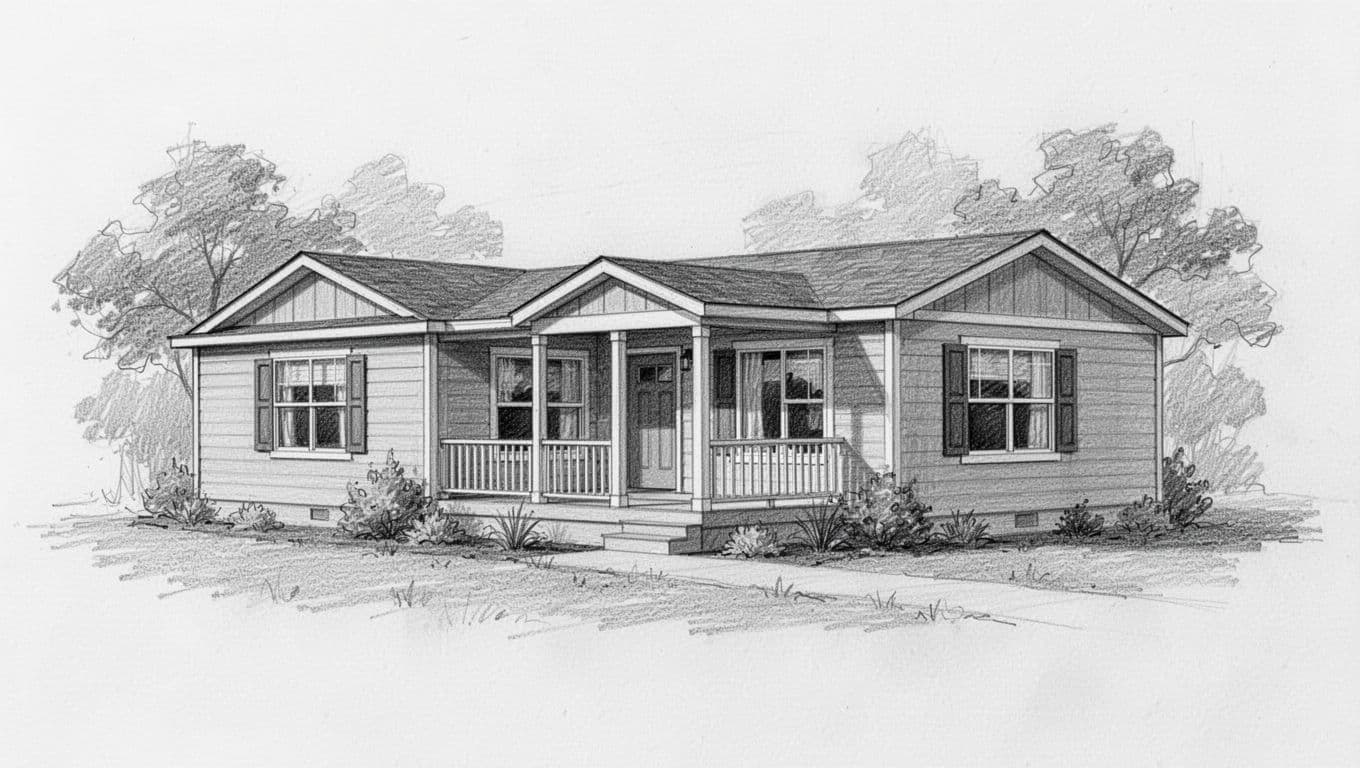
A manufactured home is a factory-built residence transported to its site and installed there. Homes built after June 15, 1976, follow the federal HUD Code, which sets standards for structure, plumbing, electrical systems, heating, and safety. They may be single-section or multi-section homes, and many include energy-efficient windows, improved insulation, modern kitchens, and open floor plans.
A modular home is also built in sections at a factory, but it follows Nebraska’s building requirements rather than the federal HUD Code. Once assembled, it can look much like a site-built house. A site-built home is constructed at the property, piece by piece, under the applicable local and state building rules.
The term mobile home usually describes an older factory-built home made before the HUD Code took effect. Some listings use “mobile home” as a casual term for any manufactured home, so ask for the home’s construction date and certification information. The label alone doesn’t tell you how the property will qualify for a loan or insurance policy.
| Home type | Main code or construction method | Questions to ask |
|---|---|---|
| Manufactured | Built in a factory under the federal HUD Code | Is the HUD data plate present, and how will the home be titled? |
| Modular | Factory-built sections that follow Nebraska building requirements | What approvals and site requirements apply in this county? |
| Older mobile | Generally built before the HUD Code | Will a lender and insurer accept the home’s age, condition, and foundation? |
| Site-built | Constructed at the property under applicable building rules | How do its costs compare after land, utilities, and site work? |
The foundation matters as much as the floor plan. A home on land you own may qualify for real-property treatment when it meets local requirements, while a home on a leased lot may remain personal property. That difference can change loan choices, taxes, insurance, and the buyer pool at resale. Nebraska’s housing and manufactured-home regulations and state modular housing statutes are useful starting points, but your county or city may add zoning and installation rules.
Nebraska weather also deserves attention. Ask about insulation levels, roof design, snow loads, wind standards, drainage, and the foundation system. A home transported a long distance may also have higher delivery, setup, and utility costs.
Which Home Layout Fits Your Household?
A single-wide usually offers a narrower footprint and may work well for one person, a couple, or a smaller site. Double-wide homes join two sections to create wider living areas, larger kitchens, and more flexible bedroom arrangements. Larger multi-section plans can provide several bedrooms, multiple bathrooms, a dedicated office, extra storage, and room for a growing family.
Walk through the daily routine, not just the model home’s staged rooms. Will groceries move easily from the entry to the kitchen? Can someone use the bathroom without stairs or tight turns? Do you need a quiet work-from-home space, a guest room, or wider hallways for future accessibility?
Floor plans vary by builder and dealer, even when they share the same section count. Exterior siding, rooflines, porches, garages, appliances, cabinets, and finish packages can change the final price. Request a written specification sheet that identifies what comes standard and what costs extra.
Choose the layout that fits both your current budget and the years ahead. A smaller home may cost less to transport, heat, and maintain, while a larger plan can prevent an expensive move when your household changes.
How Much Do Manufactured Homes Cost in Nebraska?
The advertised price for a manufactured home is only one part of the budget. Your final cost depends on the land, distance from the dealer, foundation, utilities, permits, financing, and the condition of the building site.
For planning purposes, a new manufactured home may cost roughly $80,000 to $180,000 or more, before land and installation. A complete Nebraska project can rise substantially after site work and delivery. These figures are broad estimates, not quotes, so request a written, itemized proposal before you commit.
Home Price, Land, and Setup Costs to Add to Your Budget
Delivery and installation can turn a simple home purchase into a larger construction project. Rural properties often require longer utility runs, gravel or dirt access roads, private wells, septic systems, drainage improvements, and additional grading.
| Cost category | Broad planning estimate |
|---|---|
| Manufactured home | $80,000-$180,000+ |
| Delivery and installation | $5,000-$25,000+ |
| Foundation and anchoring | $10,000-$40,000+ |
| Site preparation and drainage | $5,000-$30,000+ |
| Utility connections | $5,000-$40,000+ |
| Well and septic work | $10,000-$30,000+ |
| Permits, steps, skirting, and driveway | $5,000-$25,000+ |
| Land, taxes, and closing costs | Highly variable |
A suitable delivery route matters before you purchase. Narrow bridges, low overhead wires, sharp turns, steep grades, or soft shoulders can require tree removal, road improvements, or a different placement plan. Ask the dealer to inspect the route and confirm the site can accept the home’s section sizes.
Nebraska’s cold winters also affect the budget. Your contractor may need a frost-resistant foundation, proper anchoring, insulation, and drainage that moves water away from the home. In open areas, wind exposure and local snow-load requirements can affect the foundation and installation specifications.
Land prices vary sharply by county and proximity to cities. A cheaper parcel may need a longer electrical connection, a new driveway, or extensive excavation. Keep a contingency fund for buried rock, poor soil, standing water, utility easements, and other site surprises.
Compare the complete project with the cost of a site-built home in the same area. A manufactured home may offer a lower starting price, but the savings are not guaranteed once land, infrastructure, labor, and financing are included.
Financing, Taxes, Insurance, and Ongoing Ownership Costs
Loan options often depend on whether you own the land and whether the home is permanently attached and titled as real property. Conventional mortgages, FHA loans, VA loans, and USDA loans may be available when the property meets program and lender requirements. Construction-to-permanent financing can combine land, site work, and the home into one loan.
A chattel loan, also called a personal-property loan, may finance a home on leased land or a home that doesn’t qualify as real estate. These loans can have higher interest rates, shorter terms, or fewer lender choices. Some banks also restrict older homes, leased-lot purchases, certain foundations, or properties outside their service area.
Compare more than the monthly payment. Review the interest rate, down payment, loan term, closing costs, total interest, insurance requirements, and prepayment rules. Confirm current FHA, VA, USDA, and conventional program rules with approved lenders before assuming you qualify.
Your ownership budget may also include property taxes, homeowners insurance, community lot rent, utilities, repairs, skirting replacement, roof maintenance, and heating costs. If you buy in a community, read the lot-lease terms and resale rules carefully. A lower upfront price may come with rising rent or restrictions on age, pets, additions, or future buyers.
Resale depends on location, condition, title status, foundation, age, and financing availability. Ask lenders and insurers to evaluate the exact home and property before closing, not just a similar model.
Where Can You Place a Manufactured Home in Nebraska?
Manufactured homes in Nebraska can sit on private acreage, an infill lot, or a rented space in a manufactured home community. The right location depends on local zoning, site access, utilities, financing, and the rules attached to the property. Before buying land or signing a home contract, contact the city, village, county, or township planning and zoning office. A parcel that looks suitable online may still prohibit manufactured housing or require costly upgrades.
Private Land or a Nebraska Manufactured Home Community?
Buying private land gives you more control over privacy, landscaping, parking, pets, exterior changes, and future additions. You also avoid monthly lot rent and community-wide rules. However, you become responsible for the driveway, utility connections, septic or sewer service, well, drainage, snow removal, repairs, and general property maintenance.
A manufactured home community can reduce the cost and work involved in purchasing land. The community may already provide roads, water, sewer, shared amenities, and maintained common areas. In exchange, you usually pay monthly lot rent and follow rules covering home appearance, occupancy, pets, parking, guests, sheds, fencing, and additions.
Your financing may also change. A home on land you own, permanently installed and titled as real property, may qualify for mortgage financing when it meets lender requirements. A home on a leased lot often uses personal-property financing, which may offer fewer choices or different rates and terms. Resale can also depend on whether a buyer can qualify for financing and obtain approval from the community.
Before moving into a community, read the lease as carefully as you would review a purchase contract. Check:
- How often the owner can raise lot rent and whether other fees may increase.
- Whether utilities are included, separately metered, or billed through an allocation formula.
- Pet limits, breed restrictions, parking rules, guest policies, and age or occupancy requirements.
- Who handles roads, common areas, landscaping, snow removal, plumbing lines, and home repairs.
- What happens if you sell the home, move it, default on rent, or need to remove it from the property.
A low monthly lot rent can lose its appeal if the lease gives broad permission for fee increases or restricts resale.
Nebraska Permits, Foundations, and Site Requirements
Before delivery, confirm that the parcel allows a manufactured home and meets local minimum-size, setback, appearance, occupancy, and foundation rules. Rural property, private acreage, infill lots, and community spaces may each follow different requirements. Covenants, easements, road access, floodplain status, and nearby property restrictions can also affect approval.
The local office may require zoning approval, building or installation permits, utility permits, inspections, and documentation for the foundation and anchoring system. A rural site may also need septic or well approval, while floodplain property can require additional review. Confirm driveway width, turning space, bridge limits, overhead lines, and the delivery route before ordering the home.
A dealer, licensed contractor, engineer, or local official may need to verify the details. Do not rely on a listing description or a verbal promise that the home will fit. Nebraska’s high winds, winter cold, heavy snow, and severe storms make proper grading, drainage, insulation, foundation design, and tie-down installation important parts of the project.
Get written confirmation of the required approvals before closing on land. That step can prevent you from owning a parcel where the home cannot legally be delivered, installed, or occupied.
How to Choose and Buy the Right Home in Nebraska
Buying manufactured homes in Nebraska is easier when you treat the purchase as a complete project, not a model-number decision. Set your total budget first, then verify the land, financing, specifications, installation plan, permits, and warranty before you sign.
Questions to Ask Dealers, Builders, and Installers
Request detailed written quotes from at least two or three dealers or builders. Compare the same features and services, rather than comparing model names or square footage alone. Ask:
- What exact model, floor plan, construction date, and finish package does the quote include?
- Which appliances, cabinets, flooring, lighting, insulation, windows, roof, siding, and energy systems come standard?
- What delivery distance is included, and who pays for route surveys, escorts, tree removal, or road work?
- Does the price include the foundation, anchoring, skirting, steps, porches, utility hookups, grading, and final cleanup?
- Which installation standards will the crew follow, and who obtains zoning, building, utility, and septic permits?
- Who is responsible for inspections, corrections, and damage caused during delivery or setup?
- What does the manufacturer warranty cover, and what is excluded?
- Who handles warranty repairs, and how quickly will the dealer respond to service requests?
- What happens if weather, permitting, material shortages, or site problems delay delivery?
- Can you cancel, change the order, or receive a refund if the project terms change?
Get every promise in writing, including included features, delivery dates, setup work, change-order costs, warranty service, and permit responsibilities.
How to Inspect a New or Used Manufactured Home
An independent home inspector can find problems that a sales tour may miss. Before closing, ask the inspector to check for moisture damage, roof and siding defects, plumbing leaks, electrical concerns, uneven floors, poor seals around windows and doors, foundation movement, and missing smoke or carbon monoxide safety features.
For a used home, review the title history, age, previous moves, repair records, insurance claims, additions, and alterations. Confirm that additions such as porches, rooms, decks, or garages received the required permits. A low price can lose its appeal if the home has moved several times or carries unresolved damage.
Arrange the inspection before finalizing financing when possible. Then schedule a final inspection after setup and before closing. The inspector should verify that sections joined correctly, doors and windows operate, utilities function, skirting is secure, and no delivery damage remains.
A Simple Nebraska Buying Checklist
Follow this order to keep the project moving:
- Set a total budget that includes land, delivery, foundation, site work, utilities, permits, and a contingency reserve.
- Confirm zoning, setbacks, foundation rules, floodplain limits, and local permit requirements.
- Verify legal land access, delivery routes, utility availability, easements, and soil conditions.
- Research dealers, builders, installers, warranties, and completed homes you can tour.
- Obtain loan preapproval based on the exact home and property arrangement.
- Compare two or three itemized written bids.
- Review the purchase agreement, change-order rules, cancellation terms, and delay provisions.
- Confirm permits, site readiness, utility connections, and the installation schedule.
- Order an independent inspection and document any delivery damage with photographs.
- Complete utility connections, the final walkthrough, and all required approvals before moving in.
- Save the contract, title, permits, inspection report, invoices, warranty records, and repair contacts.
Are Manufactured Homes a Good Choice for Nebraska Living?
Manufactured homes in Nebraska can be a strong fit when the home, land, foundation, and financing plan work together. They offer practical ownership options, but the advertised home price rarely tells the full story. Buyers must compare the complete project, including delivery, site preparation, utilities, permits, insurance, taxes, and long-term resale prospects.
The Biggest Advantages for Nebraska Buyers
For someone tired of apartment rent, a manufactured home can provide more living space, private parking, and a yard without the price of a comparable site-built house. A couple may choose a smaller single-section home, while a growing family may need a multi-section layout with extra bedrooms, storage, and an office.
Rural buyers also gain flexibility. Private land outside communities such as Lincoln, Omaha, Grand Island, or Scottsbluff can offer more privacy and room for gardens, workshops, or outdoor recreation. However, that freedom comes with responsibility for the driveway, well, septic system, snow removal, and utility connections.
Retirees often appreciate single-level floor plans with fewer stairs, efficient room placement, and manageable maintenance needs. Buyers can also customize many homes with upgraded cabinets, flooring, siding, windows, porches, appliances, and accessible features. Review the final specifications carefully, because attractive model-home features may cost extra.
Factory construction can reduce weather-related delays and create consistent building conditions. Many newer homes include improved insulation, energy-efficient windows, modern heating systems, and tighter construction than older mobile homes. Still, energy performance depends on the design, installation quality, maintenance, Nebraska weather, and local utility rates. A well-insulated home can perform very differently from a poorly installed one with similar square footage.
Ownership structure also matters. Buying the home and land together may provide more control and support real-estate financing when local and lender requirements are met. A community purchase may require less upfront land investment, although monthly lot rent and community rules affect the budget.
Common Risks and Mistakes to Avoid
The largest mistakes usually happen before delivery. Never buy land or order a home before confirming zoning, setbacks, foundation standards, permits, floodplain restrictions, and utility requirements with the proper local office. A parcel can look perfect online yet prohibit manufactured housing or require expensive improvements.
Site work also deserves a realistic allowance. Grading, drainage, soil correction, utility trenches, a driveway, septic, well work, and foundation construction can add tens of thousands of dollars. Ask for written bids instead of relying on rough verbal estimates.
Choosing a loan based only on the monthly payment creates another problem. Compare the interest rate, term, fees, down payment, insurance, total interest, and restrictions on resale or relocation. A lower payment may reflect a longer term and a much higher total cost.
Before closing, hire an independent inspector. Confirm that the inspection covers the home, foundation, connections, roof, plumbing, electrical systems, moisture, and any additions. Also read community rules and the lot lease, including rent increases, pets, parking, occupancy, resale, and removal requirements.
A manufacturer warranty may cover the home but exclude site work, installation errors, utility connections, or owner-added improvements.
Confirm who handles each warranty claim and keep that promise in writing. Check delivery access for low wires, narrow bridges, soft shoulders, sharp turns, and overhead branches. Finally, obtain permits before adding decks, rooms, garages, or porches. Unpermitted work can create safety issues, fines, insurance disputes, and resale delays.
For a first-time buyer, a well-reviewed community may simplify the site. Rural buyers need stronger reserves for infrastructure. Downsizers should prioritize accessibility and maintenance. Families should compare future space needs with the cost of a larger home. In every case, value depends on the land, foundation, installation, condition, local demand, and ownership structure.
Frequently Asked Questions
Buying manufactured homes in Nebraska involves more than choosing a floor plan and arranging delivery. These answers address the legal, financing, timing, resale, and inspection questions that often remain after comparing homes, land, and communities.
Can I Put a Manufactured Home on My Own Land in Nebraska?
You may be able to place a manufactured home on land you own, but approval depends on the local jurisdiction. Before buying the parcel, contact the city, village, county, or township zoning office to confirm that manufactured housing is allowed.
Ask about setbacks, minimum home sizes, foundation and anchoring standards, permits, driveway access, utility connections, and occupancy requirements. Also check floodplain restrictions, easements, soil conditions, and private covenants, because a homeowners association or deed restriction may prohibit the home even when zoning allows it.
Do Manufactured Homes Qualify for Mortgages in Nebraska?
Some manufactured homes qualify for mortgage programs when the home is permanently attached to owned land and legally treated as real property. The lender may require an approved foundation, proper title conversion, homeowner’s insurance, and documentation showing that the home meets program standards.
Other buyers use personal-property financing, often called a chattel loan. Lender rules vary based on the home’s age, foundation, condition, title status, borrower qualifications, and whether the home sits on private land or a leased community lot. Get preapproved using the exact property arrangement before signing a purchase contract.
What Is the Difference Between a Manufactured Home and a Modular Home?
Manufactured homes follow the federal HUD Code, which sets national construction and safety standards for factory-built housing. They carry HUD certification labels and may be installed on private land or in a manufactured home community.
Modular homes are built in factory sections under the applicable Nebraska or local building codes. Once assembled, they may resemble site-built homes and often receive similar appraisal treatment. Financing depends on the home’s construction, foundation, title, land ownership, and the lender’s property rules, so the label alone doesn’t determine loan eligibility.
How Long Does It Take to Buy and Set Up a Manufactured Home?
The timeline depends on model availability, customization, lender approval, permits, foundation work, weather, delivery distance, and utility connections. A readily available home on a prepared site may move faster than a custom order on rural land requiring septic, well, grading, and a new driveway.
Request a written schedule with milestones for financing, permits, site preparation, delivery, installation, inspections, and utility activation. Ask which delays are possible and who pays if weather, site conditions, or delivery problems change the schedule.
Do Manufactured Homes Hold Their Value in Nebraska?
A manufactured home may hold value better when it’s well maintained, permanently attached, located on desirable land, and legally classified as real property. Strong local demand and a compliant foundation can also make resale easier.
However, community lot rent, the home’s age, condition, prior moves, financing limits, and local buyer demand can reduce the resale price. A home on leased land may have a smaller buyer pool because the next owner must qualify for financing and meet the community’s approval rules.
What Should I Check Before Buying a Used Manufactured Home?
Review the title status, ownership history, construction date, previous moves, insurance claims, permits, and inspection results. Look closely at the roof, siding, plumbing, electrical systems, floors, windows, moisture damage, foundation, and anchoring.
Also confirm insurance availability, utility costs, community rules, lot rent, and restrictions on resale or relocation. Price the cost of moving, repairing, permitting, and updating the home before deciding whether the purchase is affordable. A low listing price can disappear quickly when hidden site or repair work enters the budget.
Conclusion
The price of the home is only the starting point when you compare manufactured homes in Nebraska. Land, site preparation, delivery, installation, utilities, permits, financing, insurance, taxes, and future repairs can shape the final cost just as much as the floor plan or finish package.
Before signing, verify local zoning and foundation requirements, review the complete project budget, and work with qualified lenders, inspectors, contractors, and installers. Get delivery plans, warranty terms, community rules, and every included service in writing. A careful inspection can also reveal problems that a model tour or low listing price won’t show.
When you judge the entire purchase instead of the home price alone, you can make a clearer decision and avoid costly surprises. The right manufactured home can provide comfortable Nebraska living when the land, financing, installation, and long-term ownership plan all fit together.