Navigating New Mexico Tiny House Laws: What You Need to Know

Thinking about making the move to a tiny house in New Mexico? You’re not alone—lots of folks are drawn to the idea of downsizing and living simply, especially with all the beautiful open space around the state. But before you start building or parking your tiny home, it’s important to get a handle on the rules. New Mexico tiny house laws aren’t the same everywhere. Every county and city seems to have its own way of doing things, which can make the process a bit confusing. Here’s what you need to know to get started on the right foot.
Key Takeaways
- New Mexico doesn’t have statewide tiny house laws, so rules change from one county or city to the next.
- Tiny homes on foundations are usually treated differently than those on wheels—check how your area classifies them.
- Some places have minimum size rules or special requirements, but you can sometimes ask for exceptions.
- Water, sewer, and power hookups can be tricky, especially in rural areas, so plan ahead for utilities.
- Joining a tiny home community or village can make the process easier and connect you with others who’ve already figured out the local rules.
Understanding New Mexico Tiny House Laws and Local Variations
So, you’re thinking about a tiny house in New Mexico? That’s awesome! But before you start dreaming about adobe walls and desert sunsets, let’s talk about the nitty-gritty: the laws. And here’s the kicker: New Mexico doesn’t have one single set of rules for tiny homes that applies everywhere. Nope. It’s more like a patchwork quilt, with each county and even some cities doing their own thing.
How Counties and Municipalities Set Their Own Rules
This is where things get interesting, and sometimes a little frustrating. Because there’s no statewide tiny house law, local governments are the ones calling the shots. They decide what counts as a dwelling, what size it can be, and where you can put it. Some places are super welcoming, while others… not so much. It really depends on who you talk to at the local planning office.
- Research is Key: Your first move should always be to contact the planning and zoning department for the specific area you’re eyeing. Ask them directly about tiny homes, RVs, and accessory dwelling units (ADUs).
- Foundation vs. Wheels: A tiny house on a permanent foundation might be treated like any other house, but a tiny house on wheels (THOW) could be classified as an RV. This makes a big difference in where you can park it.
- Minimum Size Matters: Some areas have a minimum square footage requirement for new homes. If your tiny house is below this, you might need a special permit or variance.
Impact of Local Zoning on Tiny Home Placement
Zoning is basically the rulebook for how land can be used. For tiny homes, this means it dictates whether you can put one on your property, and if so, how. Some zones might allow tiny homes as primary residences, others only as guest houses (ADUs), and some might not allow them at all. It’s all about the specific zoning district.
The lack of uniform regulations means that what’s perfectly legal in one New Mexico county could be a major headache in the next. This variability is a significant factor in choosing where to build or place your tiny home.
Challenges and Opportunities in New Mexico
This whole local-control thing creates both hurdles and possibilities. The challenge is the uncertainty and the legwork involved in figuring out the rules for each place. You might find yourself needing to get special permits or make modifications to your plans to fit local codes. On the other hand, this flexibility also means there are opportunities. Some communities are actively looking for ways to encourage affordable housing, and tiny homes can be a great solution. Plus, in more rural areas, the rules might be less strict, offering more freedom, though you’ll likely face different challenges like utility hookups.
Here’s a quick look at how some areas approach it:
| County/Area | Tiny Home on Foundation | Tiny Home on Wheels (THOW) | Notes |
|---|---|---|---|
| Unincorporated Areas | Varies by local code | Often treated as RVs | Pragmatic enforcement of basic safety standards is common. |
| Taos County | Allowed with conditions | Minimal restrictions | Focus on regional aesthetics and water availability. |
| Valencia County | Allowed with conditions | Minimal restrictions | More structured in suburban areas, flexible in rural ones. |
| Doña Ana County | Generally Permitted | Generally Permitted | Known for progressive approvals and community development. |
| Rio Arriba County | Varies by local code | Minimal restrictions | Balances tradition with modern planning. |
| Otero County | Varies by elevation | Minimal restrictions | Mountain areas have stricter codes due to weather and fire risk. |
| Farmington/San Juan | Varies by municipality | Varies by municipality | Multi-jurisdictional challenges can arise. |
Zoning Regulations Affecting Tiny Houses Across New Mexico
Tiny Homes on Foundations Versus Wheels
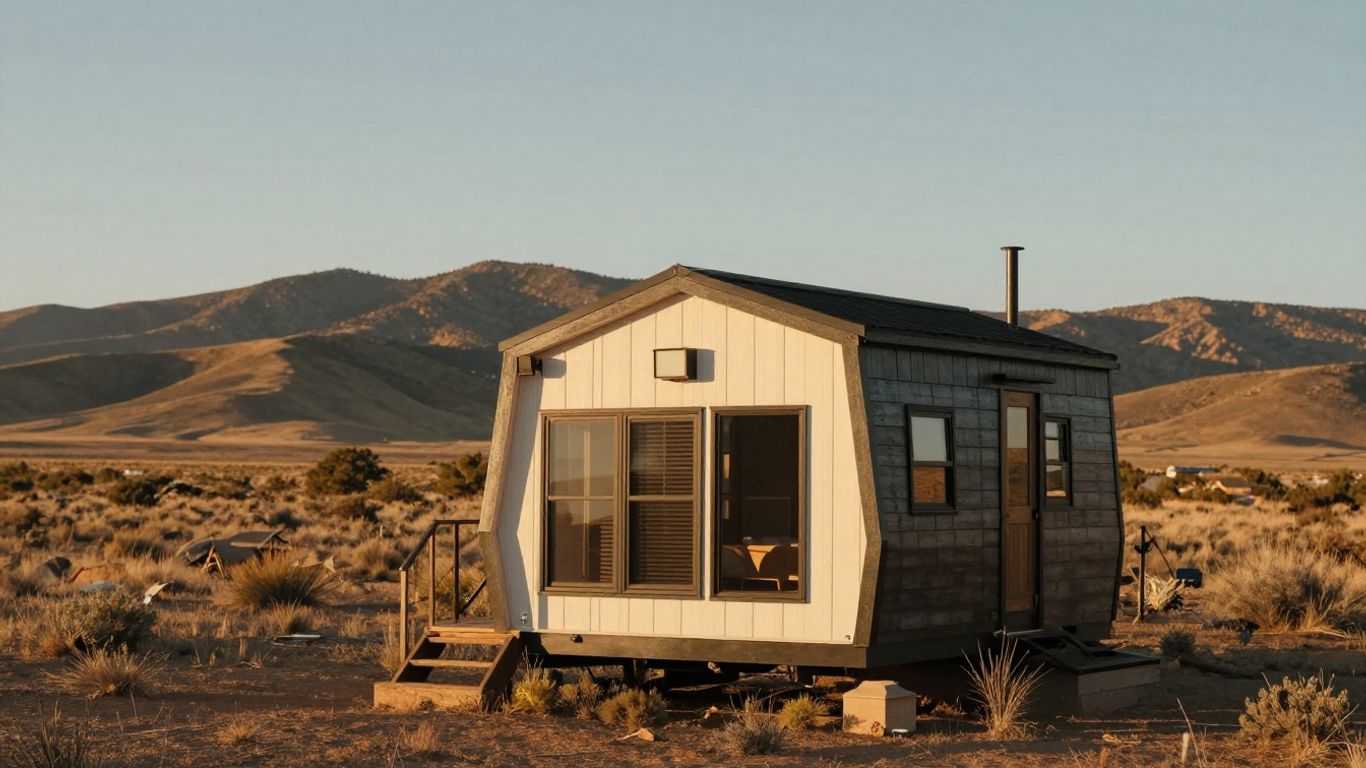
When you’re looking at tiny homes in New Mexico, one of the first big questions is whether your place will be on a foundation or on wheels. This distinction really matters because it changes how local governments see your home. A tiny house on wheels (THOW) is often treated like an RV. This means you might have to park it in a specific RV park, and there could be rules about how long you can stay there. Some places might even make you move it around every so often. It’s not always straightforward, and you’ll definitely want to check with the local planning office to see what their specific rules are for THOWs.
On the other hand, a tiny house on a permanent foundation is usually seen more like a traditional house. This means it has to meet local building codes, just like any other home. The upside is that it’s generally allowed to stay put permanently. But, you’ll likely have a more involved process with permits and inspections to make sure it’s built to code. It’s a trade-off, really. You get more stability with a foundation, but THOWs can offer more flexibility in where you can place them, at least in some areas.
Minimum Square Footage and Variance Requests
Some towns and counties in New Mexico have rules about how small a house can be. They might have a minimum square footage requirement that your tiny home just doesn’t meet. This can be a real roadblock if you’re not careful. If your dream spot has a minimum size rule that’s bigger than your tiny house, you might have to ask for a special permission, called a variance. Getting a variance isn’t always easy, and it means you have to convince the local officials that your tiny home should be allowed even though it doesn’t fit the standard rule.
It’s a good idea to look into these minimums before you buy land or start building. You don’t want to get halfway through your tiny house project only to find out it’s not allowed where you want to put it. Sometimes, these rules are in place to make sure homes are safe and livable, but other times they just seem a bit outdated for the tiny house movement. Being prepared and knowing the local rules is key.
Accessory Dwelling Units and Alternative Zoning Paths
There are other ways to make tiny house living work in New Mexico, even if the standard zoning is tricky. One popular option is looking into Accessory Dwelling Units, or ADUs. An ADU is basically a second, smaller living space on a property that already has a main house. Think of it like a backyard cottage or a garage apartment. Many places are starting to create specific rules for ADUs, and this can be a great way for tiny homes to get approved.
Some areas are also exploring different zoning ideas, like tiny home villages or allowing tiny homes in specific zones. These alternative paths can make it easier to build and live in a tiny home. It’s worth asking your local planning department if they have any special programs or zones that might be a good fit for a tiny house.
The landscape of New Mexico zoning for tiny homes is a patchwork. What works in one county might be a non-starter in the next. Being informed and adaptable is your best bet for finding a place to put your tiny dream home.
Building Codes and Safety Standards for Tiny Homes
Permitting Process for New Tiny Home Construction
So, you’ve got your tiny house plans all drawn up and you’re ready to start building. Awesome! But hold on a sec, before you even think about buying lumber, you’ve got to deal with the permits. This is where things can get a little tricky because, honestly, New Mexico doesn’t have one single set of rules for tiny homes that applies everywhere. It’s more of a patchwork quilt, with each county and city doing its own thing.
Generally, if your tiny house is going to sit on a permanent foundation, it’s going to be treated a lot like a regular house. That means you’ll likely need to get a building permit from your local planning or building department. They’ll want to see your plans, make sure they meet local building codes, and then they’ll probably want to come out and inspect the work as you go. It’s a good idea to call your local building department before you start. Ask them specifically about tiny homes. Sometimes they have specific checklists or requirements, and knowing this upfront can save you a lot of headaches later. Don’t assume anything!
IRC Appendix Q Adoption and Local Modifications
Okay, so you might have heard about something called IRC Appendix Q. This is basically a set of guidelines developed by the International Code Council specifically for tiny houses. It covers things like minimum room sizes, emergency exits, and loft access. Some places in New Mexico have officially adopted Appendix Q, which can be a good thing because it provides a clear set of standards. However, and this is a big ‘however,’ many places haven’t adopted it, or they’ve adopted it but with their own local twists and turns.
This means that even if a county says they follow Appendix Q, they might have added their own rules on top of it. For example, they might have different requirements for foundations, or specific rules about how you can connect to utilities. It’s super important to find out exactly what your local jurisdiction is doing. Are they using Appendix Q as is? Have they modified it? Do they have their own separate set of rules altogether? You’ll need to dig into the specifics for your area.
Inspection and Compliance Requirements
Once your tiny house is built (or while it’s being built), you’ll likely face inspections. These are the local government’s way of making sure your home is safe and meets all the codes they’ve laid out. For tiny homes on foundations, expect inspections similar to those for traditional homes. This usually involves several stages: a foundation inspection before you pour concrete, framing inspections once the walls are up, and final inspections when everything is finished.
If your tiny home is on wheels (often called a THOW), the inspection process can be a bit different and sometimes more complicated. Some places might inspect it like an RV, while others might still require it to meet certain building standards, especially if it’s going to be a permanent dwelling.
The goal of these inspections is always safety. They want to make sure your electrical work is up to par, your plumbing won’t cause issues, and that the structure itself is sound. Failing an inspection means you’ll have to fix whatever the inspector found wrong before you can get final approval or occupancy. It’s best to work with builders or contractors who are familiar with these local requirements to avoid surprises.
Here’s a general idea of what inspections might cover:
- Foundation: Ensuring it’s properly laid and meets structural requirements.
- Framing: Checking the structural integrity of walls, roof, and floors.
- Electrical: Verifying wiring, outlets, and breaker box installations are safe and up to code.
- Plumbing: Inspecting water supply lines, drainage, and venting.
- Insulation and Vapor Barrier: Making sure the home is properly sealed for energy efficiency and to prevent moisture issues.
- Final Inspection: A comprehensive check of the entire home before occupancy is granted.
County Spotlights: Noteworthy Approaches to Tiny Home Laws
Taos and Valencia Counties: Regional Adaptations
Taos County, with its artistic vibe and stunning mountain scenery, has a pretty relaxed approach to tiny homes, especially in its more rural spots. They tend to focus more on basic safety and sanitation rather than strict square footage rules. It’s a good place if you’re looking for flexibility. Valencia County, on the other hand, has been a bit more structured. They’ve been working on integrating tiny homes, often by looking at them as Accessory Dwelling Units (ADUs) or through specific zoning that allows them on foundations. It’s a bit of a balancing act between preserving the county’s character and welcoming new housing options.
Doña Ana County: Progressive Approvals and Tiny Home Communities
Doña Ana County, down in the southern part of the state, has really been stepping up. They’ve been quite open to tiny homes, especially when they’re built on foundations and meet standard building codes. What’s really interesting here is the growth of actual tiny home communities. These places are designed from the ground up with tiny living in mind, often offering shared amenities and a built-in social network. It seems like they’re trying to make it easier for people to build and live tiny by creating dedicated spaces for it.
Rio Arriba and Otero Counties: Rural Flexibility and Safety Focus
Up in Rio Arriba County, you’ll find a lot of open space and a generally flexible attitude towards tiny homes. The focus is often on ensuring the home is safe and has proper utilities, but they’re not usually bogged down by super-specific size requirements. Otero County, which includes parts of the Sacramento Mountains, also leans towards flexibility, especially in unincorporated areas. They’re mindful of safety and building standards, but the rural nature means there’s more room for different types of dwellings. It’s about making sure it’s a safe place to live without putting up too many roadblocks.
Farmington and San Juan County: Multi-Jurisdictional Challenges
When you get to Farmington and the surrounding San Juan County area, things can get a little more complicated because you’re dealing with both city and county rules. Farmington itself has its own set of zoning and building codes that you’ll need to follow if you want to place a tiny home within city limits. San Juan County, outside the city, has its own regulations too. The main challenge here is figuring out exactly which set of rules applies to your specific location. It requires a bit more homework to make sure you’re compliant, especially if you’re looking at a tiny home on wheels, which can sometimes be classified differently.
Water Access and Utility Challenges for Tiny Homes
Living tiny in New Mexico means figuring out how to get clean water and access utilities — and honestly, it’s rarely a simple or cheap process. Most of the time, water access is the toughest part of setting up a tiny house here. Deep wells, strict utility hook-up policies, and remote land without services can quickly change dreams into stress if you’re not prepared.
Securing Water Rights in Rural Areas
If your tiny house ends up on a rural lot, don’t expect a municipal water hookup waiting for you. In fact, water rights and practical access can vary wildly moving from one parcel to the next:
- Installing a private well costs anywhere from $20,000 to $40,000 — and that’s if you even hit usable water below (some areas run 200–800 feet deep).
- Rainwater catchment systems and storage tanks are popular, but they demand regular maintenance and typically need to be supplemented by hauling water.
- Checking whether a parcel includes water rights before buying is a must, since land without them may not legally allow any well drilling.
It’s easy to underestimate just how expensive — and time-consuming — it can be to set up water in rural New Mexico. Many people end up hauling water more often than they’d planned.
Navigating Utility Hookups and Off-Grid Solutions
Don’t expect to just plug in like you would in a city. Many tiny homeowners in New Mexico face:
| Utility Option | Cost Range | Pros | Cons |
|---|---|---|---|
| Grid Electricity | $8,000 – $30,000+ | Reliable power | Pricey for remote locations |
| Solar Power | $10,000 – $25,000 | Good for off-grid, lots of sun | Upfront cost, requires maintenance |
| Propane | $2,000 – $10,000 | Flexible, portable | Fuel regularity, storage needed |
| Generator | $600 – $7,000 | Backup option, mobile | Noisy, uses fuel, not eco-friendly |
- Rural electric service might be available only on main roads.
- Solar is a common solution thanks to New Mexico’s climate, but handling battery storage adds complexity.
- Some places allow only limited generator use or have noise restrictions.
Sanitation and Wastewater Compliance
Figuring out what to do with wastewater is another biggie. Sanitation rules are enforced by local environmental departments or state agencies and usually require:
- Permitted septic system installation if you’re not hooked to a municipal sewer. These start at about $10,000 and require a perc test for soil suitability.
- For off-grid setups, fully contained composting toilets or greywater recycling — but you’ll still need local approval, and not every county says yes.
- Regular inspections, especially in areas known for shallow groundwater or flood risk, to prevent contamination.
- Hauling waste to approved dump stations is another route, but it adds one more chore to your weekly routine.
Even if you’re off-grid, expect paperwork — New Mexico counties want to know exactly how you’re managing water use and waste, and surprise inspections do happen. Planning for this early will save you headaches down the line.
Living in New Mexico Tiny Home Villages
Benefits of Joining Established Tiny Home Communities
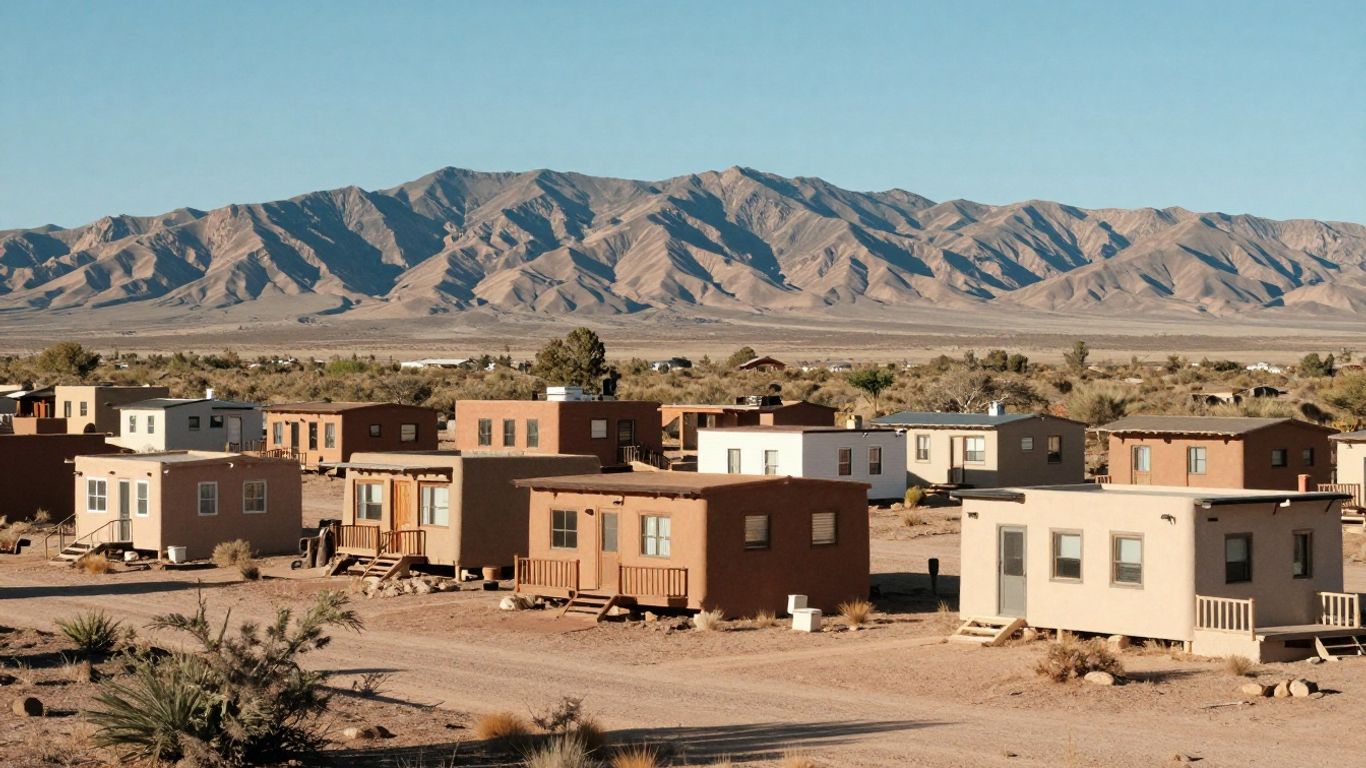
If you’re thinking about moving into a tiny house, getting involved with a tiny home village in New Mexico can really change your experience. Established tiny home villages help people sidestep a lot of the stress that comes with finding suitable land or figuring out utility hookups from scratch. You get the benefit of community know-how—a bunch of folks working together have usually sorted out the local zoning, shared amenities, and utilities. Plus, there’s this strong feeling of togetherness. Residents often plan events, share tools, and help each other out. It’s a different experience from living alone on your own plot.
- Shared costs for utilities and amenities
- Sense of community and support
- Access to group resources, like gardens or workshops
- Guidance on local regs from people who’ve managed it before
Living in a tiny house is about more than just downsizing your space—it’s about joining a support system and sharing daily life with others who value simple living.
Featured New Mexico Tiny Home Villages
A few villages in the state have popped up as go-to options for tiny home living. Each offers a unique experience, so think about what matters most to you before making the move.
| Village Name | Region | Notable Features |
|---|---|---|
| Desert Oasis Village | Southern New Mexico | Solar power, community garden, workshops |
| High Desert Haven | Near Santa Fe | Artist studios, group meals, walk trails |
| Red Earth Commons | Central New Mexico | Shared kitchen, sustainable building |
Some villages focus on eco-friendly practices, while others center community creativity or simply offer scenic landscapes and peaceful living. Most will have info sessions and visits so you can get a real feel for the place.
Community Resources and Shared Amenities
Tiny home villages often pool resources to make day-to-day living easier, while keeping costs down. Here’s what you might find in a well-run community:
- Laundry rooms, communal kitchens
- Shared Internet service and workspaces
- Tool libraries and repair sheds
- Community gardens and greenhouses
- Spaces for workshops or social events
You can usually expect some mix of private space (your own home and possibly a small lot) and shared access to bigger conveniences. More than anything, people appreciate having a built-in network—neighbors to trade with, help out, or just chat over coffee.
Every village is a bit different, so checking out multiple places before settling in is a smart idea. And don’t be surprised if you pick up lifelong friends along the way!
Advocacy and Building a Tiny House Movement in New Mexico
So, you’ve got the tiny house dream, but the paperwork and local rules feel like a giant roadblock? You’re not alone. The good news is, there are folks out there working to make things smoother for tiny home builders and dwellers across New Mexico. Getting involved is key if you want to see more tiny homes become a reality.
How to Advocate for Friendly Tiny House Laws
Pushing for change might sound intimidating, but it’s often about showing up and speaking up. Local governments are more responsive when they hear directly from residents. Think about what makes tiny living appealing to you – is it affordability, sustainability, or a simpler lifestyle? Highlighting these benefits can help officials see the value.
Here are a few ways to get started:
- Educate Yourself: Understand the current laws in your specific county or city. Knowing the details helps you identify where changes are needed.
- Attend Public Meetings: Planning commission and city council meetings are where zoning and building decisions are made. Your presence, even if you don’t speak, shows interest.
- Contact Your Representatives: Write emails or make calls to your local elected officials. Share your story and explain why tiny home-friendly policies matter.
- Share Your Vision: If you’re building or living in a tiny home, share photos and stories. Real-life examples can be powerful.
Connecting With Local Advocacy Groups
Sometimes, going it alone is tough. Luckily, there are groups forming that are already doing the legwork. These organizations often have a better handle on who to talk to and what arguments are most effective. They can also provide support and a sense of community for people facing similar challenges.
Look for groups that focus on housing affordability, sustainable living, or specifically tiny homes. They might be statewide or concentrated in certain areas. Joining forces means your voice gets amplified. You can often find these groups through online searches or by asking around in tiny home communities. It’s a great way to learn from others’ experiences and avoid reinventing the wheel. For instance, some communities are already working through the complexities of zoning and regulations for tiny homes in New Mexico.
Influencing Policy and Zoning Changes
Making lasting change often involves influencing policy. This means working towards updates in zoning codes or building standards. It’s not always a quick process, but persistent effort can yield results. Some areas have minimum square footage requirements that can be a hurdle. Others might classify tiny homes on wheels strictly as RVs, limiting where and how they can be used.
The goal is to create a regulatory environment that acknowledges the diverse housing needs of New Mexico residents, balancing safety and community standards with the practical realities and benefits of smaller, more affordable, and often more sustainable housing options. This involves clear communication, data sharing, and a willingness from both advocates and officials to find common ground.
Consider supporting initiatives that adopt or adapt standards like the International Residential Code (IRC) Appendix Q, which provides specific guidelines for tiny homes. When local governments see a clear path forward, they are more likely to make positive changes. Your involvement, whether big or small, contributes to building a more inclusive and accessible housing landscape in New Mexico.
Tiny Living in New Mexico: What’s Next?
So, you’re thinking about a tiny home in New Mexico. It’s a great idea, really. But as we’ve seen, it’s not quite as simple as just picking a spot and parking your place. The rules are all over the map, literally. Some counties are pretty chill, others have more hoops to jump through. You’ve got to do your homework, check with the local folks, and figure out what works where you want to be. It takes some effort, for sure, but with a little planning, that tiny dream can totally happen here in the Land of Enchantment.
Frequently Asked Questions
What are the main challenges of building a tiny house in New Mexico?
The biggest hurdle is that New Mexico doesn’t have one set of rules for tiny homes. Each county and city makes its own decisions. This means you have to figure out the specific rules for the exact spot you want to live. Also, getting water and hooking up utilities can be tricky, especially in rural areas. Sometimes, building codes might be stricter than you expect, and you might need special permission if your tiny house is smaller than the usual size limit.
Do I need a permit to build a tiny house in New Mexico?
Yes, you almost always need a permit. If your tiny house is built on a foundation, it’s treated like a regular house and needs building permits. You’ll likely have to show your plans and have inspections to make sure it’s safe and meets local building codes. If your tiny home is on wheels, it might be seen as a recreational vehicle (RV), and you’ll need to follow RV rules, which often means parking in specific places.
Can I put my tiny house on wheels (THOW) anywhere in New Mexico?
Not quite. While some rural areas might be more relaxed, you can’t just park a tiny house on wheels anywhere. Many places will consider it an RV, meaning you might have to stay in RV parks or campgrounds. Some areas might also limit how long you can stay in one spot. It’s really important to check the local rules about where THOWs are allowed and for how long.
What if my tiny house is smaller than the minimum size required by a town?
This is a common issue! If a town has a rule about how big a house must be, and your tiny home is smaller, you might need to ask for a special permission called a ‘variance.’ Sometimes, you can also look into zoning options like building an ‘accessory dwelling unit’ (ADU), which is like a smaller guest house on someone else’s property. It takes some effort, but there are ways to work around size rules.
Are there places in New Mexico specifically designed for tiny homes?
Yes! These are called tiny home villages or communities. They are becoming more popular because they’ve already figured out the tricky rules and have land set aside for tiny homes. Living in one of these communities can make things much easier, as they often have shared resources, a sense of community, and support from people who know the local laws.
How can I find out the specific rules for tiny homes in a New Mexico county?
The best way is to contact the local government’s planning and zoning department directly. You can usually find their contact information on the county or city’s official website. Ask them specifically about rules for ‘tiny homes,’ ‘manufactured homes,’ and ‘recreational vehicles’ (RVs) to get a clear picture of what’s allowed.
Explore more tiny home living, design, downsizing, building, and lifestyle resources.
- Small Septic System for Tiny House: Types, Costs, Rules
- Tiny Home Grey Water System: Reuse Water Legally
- Composting Toilets for Tiny Homes: Best Picks Compared
- How to Install a Septic System for a Tiny House
- Septic Tank for Tiny House: What Size You Really Need
- Tiny House Septic System Cost: What You’ll Really Pay