Off-Grid Living in Alaska: Essential Tips for Remote Survival

Thinking about ditching the city and embracing a life off the grid in Alaska? It’s a big move, for sure. Alaska offers this incredible, wild freedom, but it demands a different kind of living. You’ll need to be ready for anything, from long winters to unpredictable wildlife. This guide is all about getting you prepped for that unique off-grid living in Alaska adventure.
Key Takeaways
- Mastering wilderness survival skills like shelter building, fire starting, and foraging is non-negotiable for off-grid living in Alaska.
- Reliable power sources, such as solar panels and backup generators, are vital when you’re disconnected from the main grid.
- Carefully choosing your location means understanding Alaska’s tough climate, wildlife, and how accessible the land is.
- Building a home suited for Alaska’s extremes, focusing on energy efficiency and durability, is a major part of the process.
- Self-sufficiency in food, water, and energy, alongside good mental and physical health, keeps you thriving off-grid.
Essential Skills for Off-Grid Survival
Living off the grid in Alaska isn’t just about having the right gear; it’s really about having the right know-how. You’ve got to be ready to handle things when modern conveniences aren’t around. Think of it as a constant learning process, where your skills are your most important tools.
Wilderness Survival Skills
This is the big one, right? Knowing how to make a basic shelter, get a fire going even when it’s damp, and find safe water are non-negotiable. You can’t just assume you’ll always have a tap or a lighter. Learning to identify edible plants and understanding how to navigate using natural cues are also super helpful. It’s about working with the environment, not against it. Remember, the survival priorities usually start with shelter, then water, then fire, and then food. Don’t skip steps!
First Aid and Medical Training
When you’re miles from the nearest town, a simple cut can become a serious problem if not treated. Getting some solid first aid training is a must. Knowing how to handle common injuries, recognize signs of infection, and manage minor illnesses can make a huge difference. It’s not about being a doctor, but about having the confidence to deal with medical issues until you can get proper help, or if proper help isn’t an option for a while. Having a well-stocked first aid kit is only half the battle; knowing how to use it is the other.
Basic Construction and Repair Skills
Your shelter, your water system, your heating – these things will need upkeep. Being able to patch a roof, fix a leaky pipe, or even just maintain your wood stove is pretty important for long-term living. You don’t need to be a master carpenter, but understanding basic mechanics and how things fit together will save you a lot of headaches. Think about learning how to reinforce structures against wind or snow, or how to properly insulate. It’s all about keeping your home functional and safe, especially when the weather turns nasty. You might even find yourself needing to build or repair tools, so a bit of mechanical aptitude goes a long way. For some ideas on power, you might want to look into solar solutions for your new adventure.
Necessary Supplies and Equipment for Alaska
Living off the grid in Alaska means you’re really on your own, so having the right gear is super important. You can’t just pop to the store when you need something. Think about power, water, and staying warm – these are the big ones.
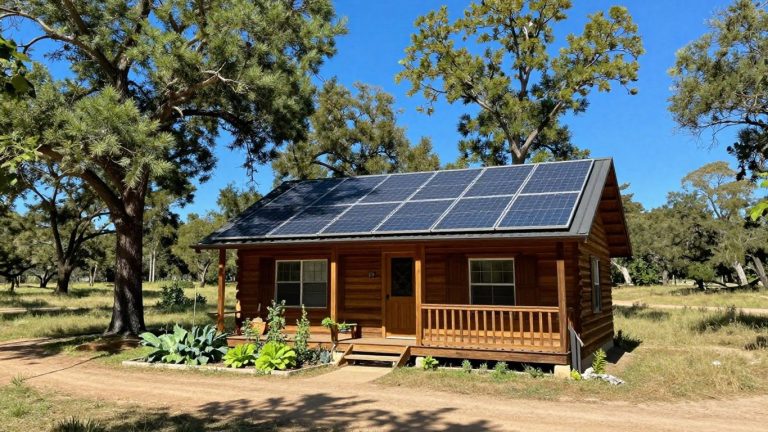
Solar Panels and Backup Power
Electricity is a big deal, even when you’re trying to get away from it all. Solar panels are a popular choice because they use the sun, and Alaska gets a lot of sun in the summer, even if it’s not always warm. You’ll need to figure out how much power you actually use to size your system right. Don’t forget batteries to store that power for cloudy days or when the sun isn’t up. A generator is a good backup, just in case. It’s noisy and uses fuel, but it can be a lifesaver when you really need power.
- System Sizing: Calculate your daily energy needs (lights, fridge, electronics).
- Panel Type: Monocrystalline panels are generally more efficient but cost more.
- Battery Storage: Deep-cycle batteries are designed for repeated discharging and recharging.
- Charge Controller: This protects your batteries from overcharging.
- Inverter: Converts DC power from batteries to AC power for your appliances.
Rainwater Collection Systems
Water is life, right? In many remote Alaskan spots, you won’t have a well or city water. Collecting rainwater is a smart way to get what you need. You’ll need gutters on your roof and a way to store the water. Think big tanks. You’ll also want a way to filter and purify it, because you don’t want to drink anything yucky. Snowmelt can also be a source, but that takes a lot of energy to melt and purify.
- Gutters and Downspouts: Direct water from your roof to your storage.
- Storage Tanks: Food-grade plastic or metal tanks are common.
- Filtration: Sediment filters remove debris, while carbon filters improve taste.
- Purification: Boiling, UV treatment, or chemical treatments kill harmful microbes.
Firewood and Wood-Burning Stoves
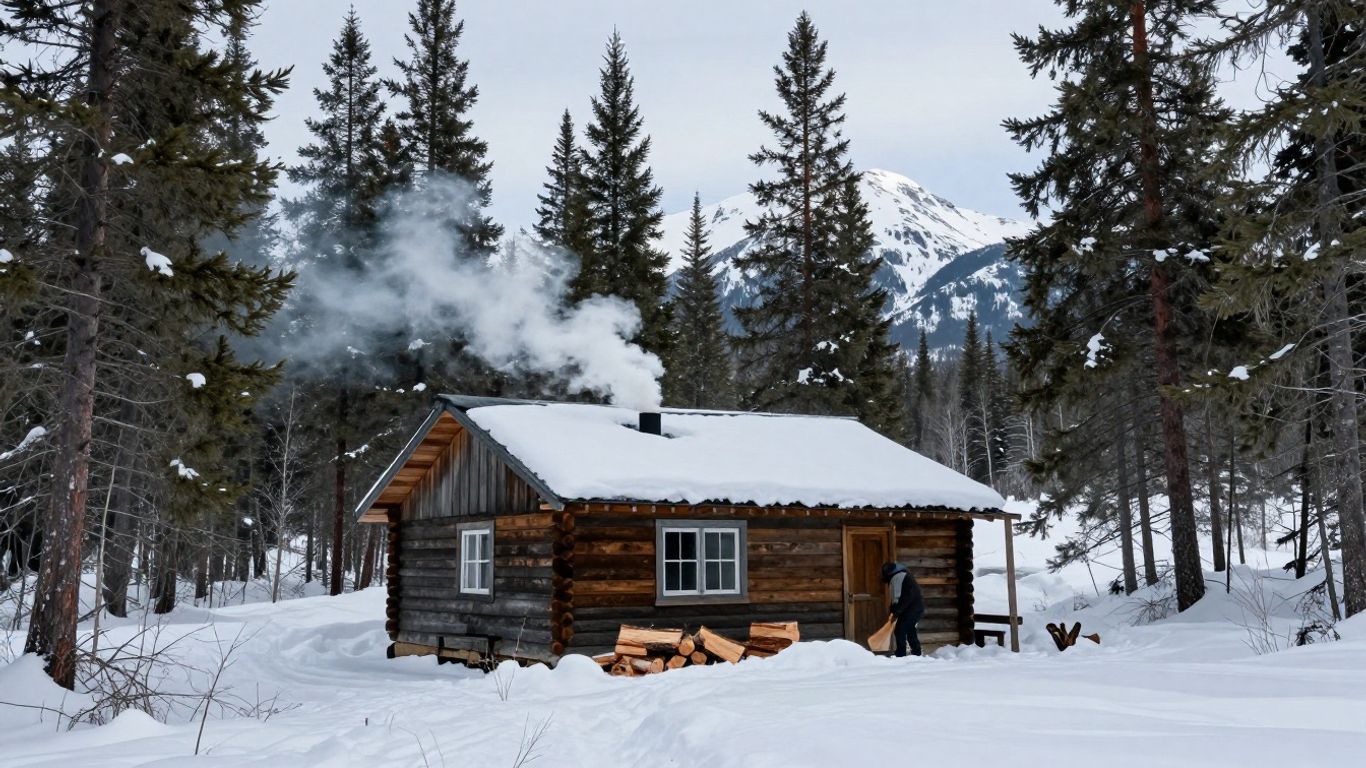
When winter hits Alaska, it gets seriously cold. A wood-burning stove is pretty much a must-have for heat. You’ll need a good supply of dry firewood. This means cutting, splitting, and stacking wood, which is a lot of work. A well-built, efficient stove will make a big difference in how much wood you burn. Make sure you have a safe way to store your wood so it stays dry and away from your home.
Keeping your home warm in Alaska is a serious business. A reliable wood stove and a well-stocked woodpile aren’t just about comfort; they’re about survival when temperatures plummet. Plan your wood harvesting and storage well in advance of the cold season.
- Stove Efficiency: Look for stoves with high efficiency ratings to get the most heat from your wood.
- Chimney System: Proper installation and maintenance are vital for safety and performance.
- Wood Quality: Seasoned hardwood burns longer and hotter than green or softwood.
- Storage: A woodshed or covered area keeps your firewood dry and accessible.
Choosing Your Off-Grid Location in Alaska
So, you’re thinking about setting up shop way out in the Alaskan wilderness, huh? That’s a big step, and picking the right spot is probably the most important thing you’ll do. It’s not just about finding a pretty view, though Alaska has those in spades. You’ve got to think about what you can actually do there, day in and day out, for years to come.
Evaluating Land and Climate
First off, let’s talk land. How big is it? Can you even get to it without a plane or a snowmobile most of the year? And what’s the ground like? Is it swampy, rocky, or good for building? Then there’s the weather. Alaska isn’t exactly known for its mild summers. You’ll find huge differences depending on where you are. The coast might get more rain and snow, while the interior can freeze solid for months. You need to be honest with yourself about what kind of weather you can handle. Think about how you’ll stay warm, keep water from freezing, and deal with the dark winters. It’s a lot to consider, but finding a place that fits your tolerance for cold and isolation is key. You can find some amazing opportunities for off-grid living in places like the Kenai Peninsula.
Understanding Alaskan Wildlife
Alaska is crawling with animals. And I don’t just mean squirrels. We’re talking bears, moose, wolves, and all sorts of critters that are just trying to live their lives. You’re moving into their home, so you need to learn about them. How do you store your food so a bear doesn’t decide your cabin is a buffet? What do you do if you see a moose blocking your driveway? It’s not about being scared; it’s about being smart and respectful. Learning their habits and how to avoid trouble will make your life a whole lot easier and safer. It’s about coexisting, not conquering.
Accessibility and Terrain Considerations
This ties back to the land, but it’s worth its own section. How will you get supplies in? Will you need a special vehicle? What about emergencies? If you break a leg, how long will it take for help to arrive? Some places might seem idyllic on a map, but if they’re practically impossible to reach, you might regret it. Consider the terrain for everyday tasks too. Hauling firewood up a steep hill in the snow is a lot different than doing it on flat ground. Think about what you’ll be doing regularly and choose a spot that makes those tasks manageable, not back-breaking.
Picking the right spot is more than just a dream; it’s a practical decision that impacts your daily life, safety, and overall success in living off the grid in Alaska. Don’t rush this part.
Building Your Off-Grid Home in Alaska
Selecting the Right Type of Shelter
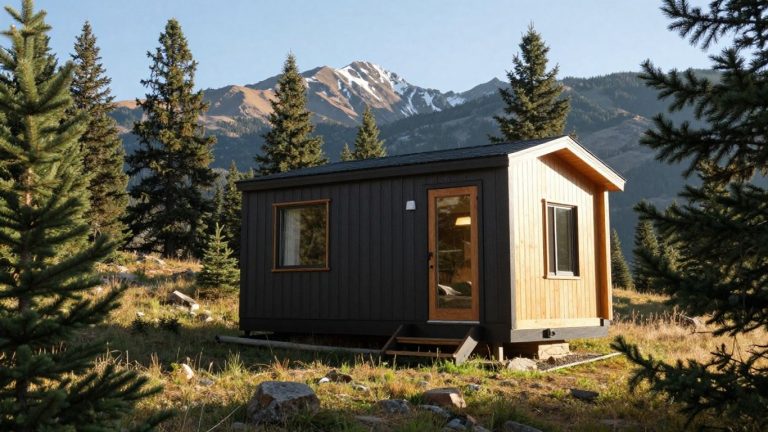
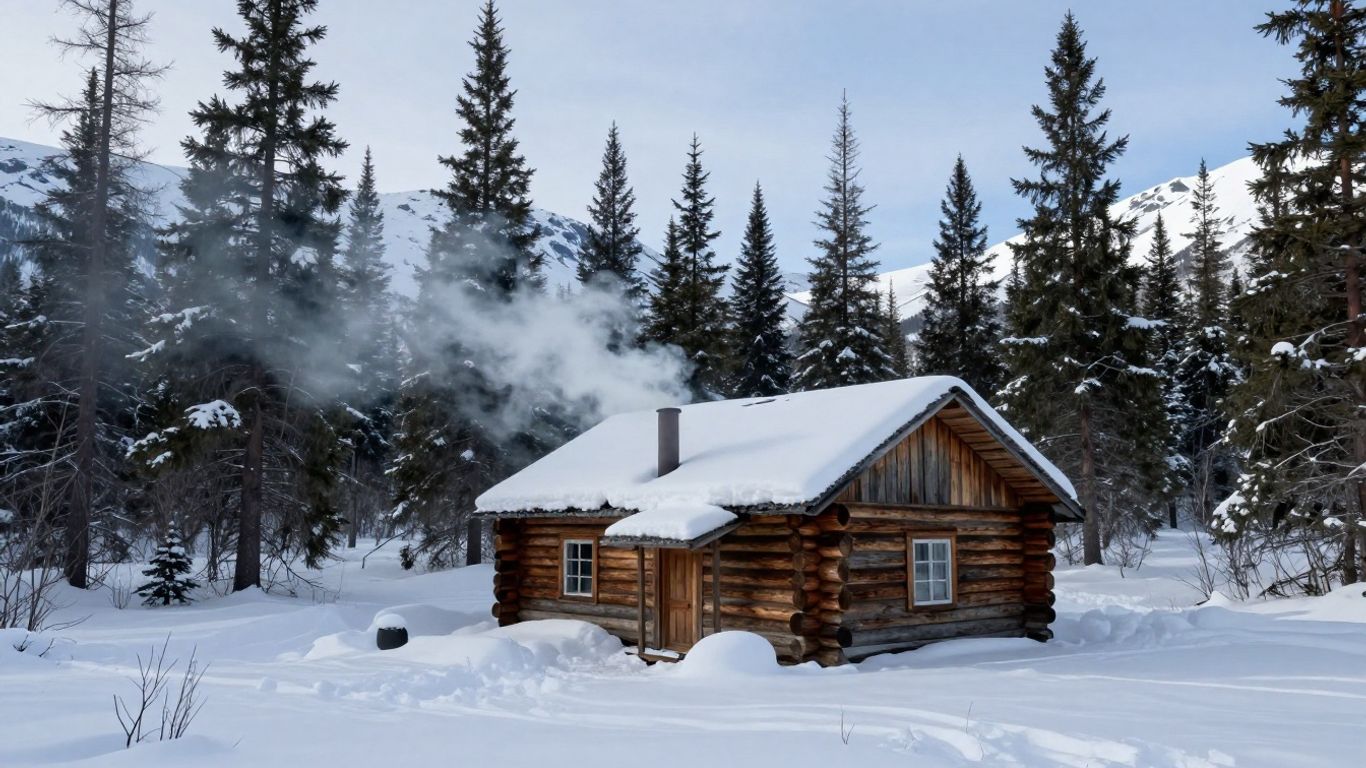
When you’re thinking about putting up a place to live off the grid in Alaska, the first big question is what kind of shelter makes the most sense. There are a few popular choices that folks go for. Log cabins are a classic, right? They look the part and do a pretty good job of keeping the cold out. Then you’ve got earthships, which are pretty neat because they use recycled stuff and are designed to use the sun’s heat. If you’re into a simpler life, tiny houses are also a thing – small, easy to manage, and you can move them if you need to. Each option has its own pros and cons, so you really need to pick what fits your life and your wallet. It’s also smart to think about how traditional Alaskan homes were built. Things like steep roofs to handle snow and keeping the house up off the ground to stop heat from escaping are good ideas to borrow. You want something that can handle whatever the Alaskan weather throws at it.
Sustainable and Energy-Efficient Housing
Beyond just picking a style, making your home energy-efficient is a big deal when you’re off the grid. This means thinking about how well it’s insulated. Good insulation means you’ll use less fuel to stay warm, which is a huge win in Alaska. Passive solar design is another smart move. This is basically using the sun’s energy to heat your home naturally. Big windows facing south can help a lot during those sunny winter days. Also, consider the materials you use. Building with local, sustainable materials can cut down on costs and your impact on the environment. It’s all about making your home work with the environment, not against it.
Adapting to Alaskan Climate Challenges
Alaska’s climate is no joke, and your home needs to be ready. Winters can be brutally cold, with temperatures dropping way below zero. Summers, while warmer, can be wet. You’ve got to plan for heavy snow loads on your roof, strong winds, and the fact that you’ll be relying on yourself for heat and power. This is where having a solid, well-built structure comes in. Think about backup heating systems, like a good wood stove, and making sure your power setup can handle the darker months. It’s a good idea to look into off-grid infrastructure that’s proven to work in these conditions. You don’t want to be caught off guard when the weather turns nasty. Building smart now saves a lot of headaches later.
Sustaining Off-Grid Living in Alaska
Living off the grid in Alaska is all about being able to take care of yourself, no matter what the weather throws at you. It’s a lifestyle that really makes you think about where your food and power come from.
Growing and Hunting Your Food
Alaska’s got a lot of natural bounty, and you can tap into that. Think about starting a garden, maybe raising a few chickens if that’s feasible, and definitely learning to hunt and fish. It’s not just about having food; it’s about knowing how to get it sustainably. You might even look into things like hydroponics if you want to grow more food in a smaller space, especially with Alaska’s shorter growing seasons. Having a good stockpile of preserved foods is also a smart move.
Implementing Renewable Energy Sources
Keeping the lights on and the heat going without the grid means you’ve got to get creative with power. Solar panels are a big help, especially with those long summer days. Wind turbines can also be a good option in many parts of Alaska because it can get pretty windy. If you’re lucky enough to be near a river, a small hydroelectric system could work too. It’s often best to have a mix of these, plus a good battery setup to store power for when the sun isn’t shining or the wind isn’t blowing. This way, you’re not totally reliant on just one thing. You can find some great solar solutions for your new adventure at GoSun.
Maintaining Mental and Physical Health
Living way out there can get lonely sometimes, and you’re pretty much on your own for staying healthy. It’s important to keep moving – hiking, skiing, whatever gets you outside. That not only keeps you fit but also helps fight off the feeling of being cooped up. Taking care of your mind is just as important. Simple things like a routine, eating well, and finding ways to connect with people, even if it’s just a phone call or a visit when you can, make a big difference. It’s about finding a balance that works for you in the quiet of the Alaskan wilderness.
Self-reliance is key, but so is recognizing when you need to adapt and find solutions. Alaska demands respect for nature and a willingness to learn constantly.
Preparing for the Alaskan Wilderness
Heading out into the Alaskan wild is no joke. It’s a place of incredible beauty, sure, but it’s also seriously unforgiving. You can’t just wing it here; you’ve got to be ready for anything.
Mental, Physical, and Practical Preparedness
Before you even think about packing your bags, get your head in the game. Alaska demands a certain toughness, both mentally and physically. Think about your stamina – can you handle long days, maybe in tough weather? And mentally, are you prepared for the isolation? It’s a big change from city life. Practically, this means telling someone exactly where you’re headed and when you expect to be back. Seriously, don’t skip this. A simple plan shared with a reliable person is your first line of defense if something goes wrong. It’s not about being paranoid; it’s about being smart.
Understanding Extreme Weather Conditions
Alaska’s weather is famous for being wild. We’re talking temperatures that can plummet way below freezing, even in summer in some spots. Then there’s the wind, the snow, the rain – it can all change on a dime. You need to know what to expect for the season you’re visiting and pack accordingly. Layers are your best friend. Think about how you’ll stay warm and dry, because getting wet and cold out there is a fast track to trouble.
Packing Essential Survival Gear
Your backpack is your lifeline. Don’t skimp on the basics. You’ll want a reliable map and compass (and know how to use them!), plenty of extra food and water, a good headlamp, rain gear that actually works, a solid first-aid kit, a whistle to signal, a sturdy knife, and reliable ways to start a fire, like waterproof matches or a lighter and some fire starter. A space blanket is also a smart addition; they’re light and can be used for shelter, warmth, or even collecting water. If you can swing it, a personal locator beacon (PLB) is a good idea for remote trips.
Being prepared isn’t just about having the right gear; it’s about knowing how to use it and having the right mindset when things get tough. Alaska doesn’t forgive mistakes easily, so do your homework and respect the environment.
Conclusion
Living off-grid in Alaska is no small feat. It’s a lifestyle that asks a lot from you—patience, grit, and a willingness to learn new things every single day. The wild beauty of Alaska is both a gift and a challenge, and it’s easy to underestimate just how tough things can get when you’re far from the comforts of town. But for those who are ready to put in the work, the rewards are huge. You get to wake up surrounded by nature, rely on your own skills, and find a kind of peace that’s hard to come by in the modern world. Just remember, preparation is everything. Brush up on your survival skills, stock up on the right gear, and always let someone know your plans before heading out. Off-grid living in Alaska isn’t for everyone, but if you’re up for the adventure, it can be one of the most satisfying ways to live.
Frequently Asked Questions
What are the most important survival skills for living off the grid in Alaska?
Knowing how to build a safe shelter, start a fire even in bad weather, find clean water, and identify edible plants are super important. You also need to know basic first aid in case of injuries, as help might be far away. Being able to fix things around your home and equipment is key too.
What kind of power sources work best for off-grid homes in Alaska?
Solar panels are great because Alaska gets a lot of sun in the summer. Wind turbines can also work well because it can be windy. Sometimes people use a combination of these, along with batteries to store power for when the sun isn’t shining or the wind isn’t blowing.
How do people get water when living off the grid in Alaska?
A common method is collecting rainwater. You can set up systems to catch rain and snow, then filter it to make it safe to drink. Some people also use water from nearby lakes or streams, but it must be purified properly.
What are the biggest challenges of living off the grid in Alaska?
The extreme cold and long, dark winters are tough. You need a really good heating system and plenty of firewood. Dealing with wildlife, like bears, and the sheer remoteness, meaning help is far away, are also big challenges.
How can I grow or get food when I’m living off the grid in Alaska?
You can grow your own food in a garden, but you need to choose plants that can handle the short growing season. Hunting and fishing are also important ways to get food. Learning how to preserve food, like canning or drying, is essential for the winter.
Is it important to prepare mentally for off-grid living in Alaska?
Absolutely! Living remotely can be lonely. It’s important to stay mentally strong by staying busy, enjoying nature, and maybe connecting with other people who live off the grid. Being prepared for tough situations and having a positive attitude makes a big difference.
Explore more tiny home living, design, downsizing, building, and lifestyle resources.
- Small Septic System for Tiny House: Types, Costs, Rules
- Tiny Home Grey Water System: Reuse Water Legally
- Composting Toilets for Tiny Homes: Best Picks Compared
- How to Install a Septic System for a Tiny House
- Septic Tank for Tiny House: What Size You Really Need
- Tiny House Septic System Cost: What You’ll Really Pay