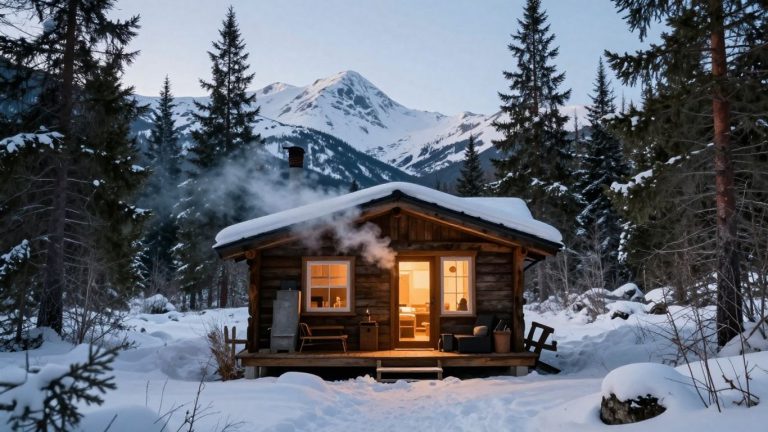
Off Grid Living in Colorado: A Guide to Building Your Sustainable Mountain Retreat in 2026

Dreaming of a simpler life, surrounded by Colorado’s stunning mountain scenery? Off grid living in Colorado offers a unique path to self-sufficiency and a deeper connection with nature. This guide will walk you through what you need to know to build your sustainable mountain retreat in 2026, covering everything from power and water systems to building smart and following the rules.
Key Takeaways
- Off-grid living means generating your own power, sourcing your own water, and managing your own waste, independent of public utilities.
- Colorado’s sunny climate makes solar power a strong option, but consider combining sources like wind or micro-hydro for reliability.
- Water rights in Colorado are complex; prioritize properties with existing wells, springs, or clear water rights, and always test water quality.
- Sustainable building practices, like passive solar design and good insulation, are vital for adapting to Colorado’s varied climate.
- Thoroughly research local zoning laws, building codes, and water/septic regulations before purchasing or building an off-grid property.
Understanding Off-Grid Living in Colorado
Thinking about ditching the utility bills and living a bit more independently? Off-grid living in Colorado is a growing trend, and for good reason. It’s about setting up your own systems for power, water, and waste, essentially creating a self-sufficient lifestyle. Colorado, with its wide-open spaces and stunning natural beauty, offers a unique backdrop for this kind of life. It’s not just about escaping the city; it’s about connecting with the land and taking control of your resources.
What is Off-Grid Living?
At its core, off-grid living means you’re not connected to the public utility grid. This typically involves generating your own electricity, finding and managing your own water supply, and handling your own wastewater. It’s a commitment to self-reliance and often a desire to live more simply and sustainably. For many, it’s a way to reduce their environmental footprint and live in closer harmony with nature. It requires a different mindset and a willingness to learn new skills, but the rewards can be immense.
Colorado’s Unique Off-Grid Landscape
Colorado presents a really diverse environment for off-grid living. You’ve got everything from high mountain valleys that get a lot of snow to drier, high-desert areas that see plenty of sun. Each of these landscapes comes with its own set of challenges and advantages. For instance, solar power is a big deal here because we get so much sunshine, but you also have to think about how snow might affect your panels in winter. Water rights are also a major consideration in Colorado, and they can be quite complex. Understanding the specific conditions of the area you’re interested in is key to making off-grid living work.
Embracing the Off-Grid Adventure
Living off-grid in Colorado is definitely an adventure. It’s about more than just building a house; it’s about adopting a lifestyle. You’ll need to be prepared for changing weather, potential access issues, and the day-to-day management of your systems. This lifestyle choice often attracts people who value independence, self-sufficiency, and a deep appreciation for the natural world. It’s a path that requires careful planning, a good dose of problem-solving skills, and a realistic outlook. But for those who embrace it, the freedom and connection to the environment can be incredibly fulfilling.
Off-grid living in Colorado is a journey that demands preparation and a willingness to adapt. It’s about creating a sustainable home that works with, not against, the natural environment. Understanding the local climate, resources, and regulations from the start will set you up for success.
Essential Off-Grid Systems for Colorado
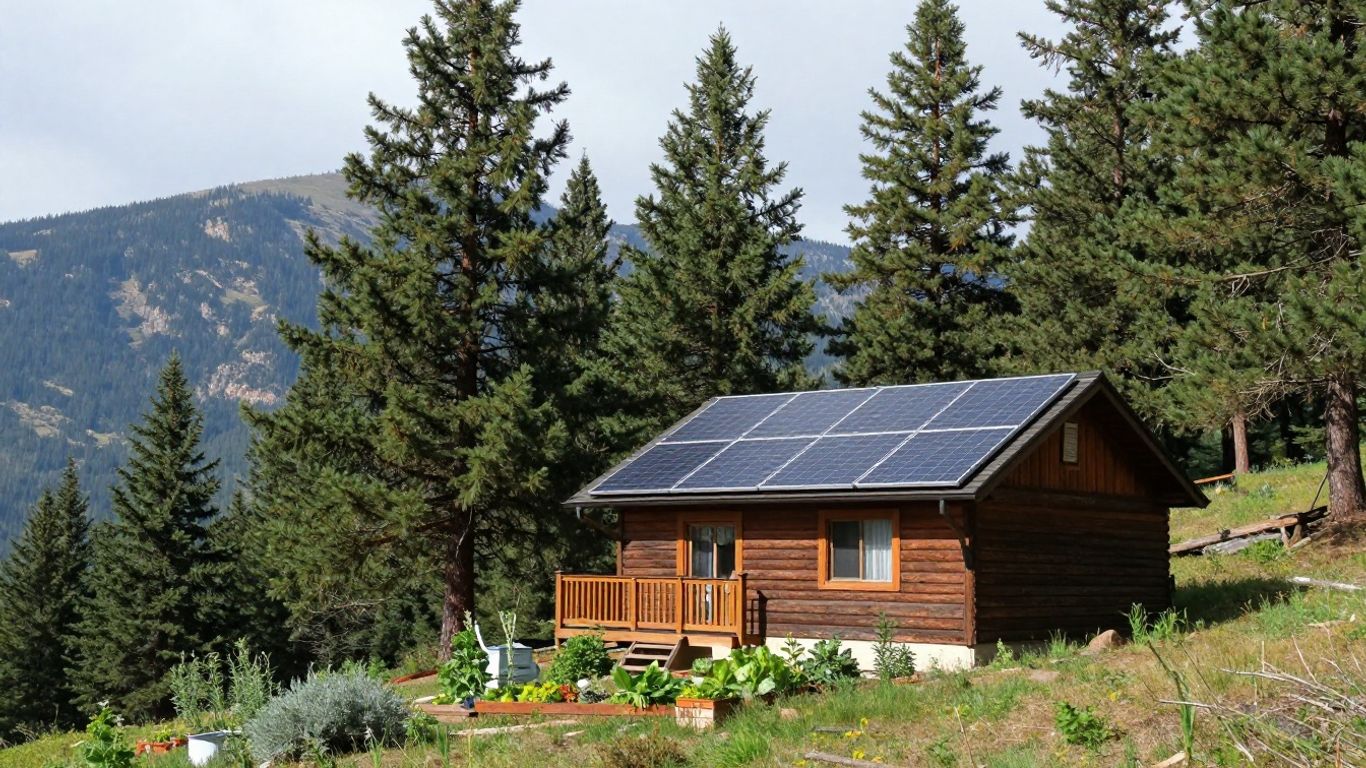
Setting up an off-grid life in Colorado means you’re going to be your own utility company. It’s a big step, but totally doable with the right setup. Let’s break down the main systems you’ll need to think about.
Power Generation: Harnessing Natural Energy
Colorado gets a lot of sun, which is great news for solar power. Most of the state sees over 300 sunny days a year. When you’re looking at land, think about spots that face south – they’re perfect for solar panels. Wind can also be a good source, especially in more open areas, so a small wind turbine might be an option. If your property has a stream, you might even be able to use micro-hydro power. Honestly, using a mix of these sources usually gives you the most reliable power, especially when the sun isn’t shining or the wind isn’t blowing.
- Solar Panels: Aim for south-facing locations. Consider panel angle for maximum sun exposure throughout the year.
- Wind Turbines: Best suited for open areas with consistent wind. Check local noise ordinances.
- Micro-Hydro: Requires a consistent water flow and is highly site-specific.
Combining different power sources is often the smartest way to go. It creates a more stable and dependable energy supply, reducing the chances of being left in the dark.
Water Sources: The Lifeblood of Your Off-Grid Home
Water is non-negotiable, and in Colorado, water rights are a really big deal. You can’t just take water from anywhere. Your best bet is to find a property that already has a well or a spring. Sometimes, you can get rights to use surface water, but that’s more complicated. Rainwater harvesting is another possibility, but you absolutely have to check the local rules first. It’s worth noting that in Colorado, to drill a well, your property usually needs to be at least 35 acres and you can’t have another water source. One well can actually serve up to three homes, which is pretty neat if you’re thinking about sharing or developing.
- Wells: Ensure the well is permitted and has a good flow rate. Water quality testing is a must.
- Springs: Check for reliability throughout the year and any associated water rights.
- Rainwater Harvesting: Regulations vary widely; confirm legality and system requirements.
Waste Management: Sustainable Solutions
When you’re off the grid, you’re responsible for your own waste. Composting toilets are a popular choice because they use way less water than traditional toilets. Greywater systems, which reuse water from sinks and showers, can be used for watering your garden. In some places, you might be allowed to install a septic system. Every county in Colorado has its own rules about waste, so do your homework before you build or buy.
- Composting Toilets: Significantly reduce water usage and create usable compost.
- Greywater Systems: Can be used for irrigation, but check local regulations on what water can be reused.
- Septic Systems: Require proper design, installation, and regular maintenance. Permitting is usually involved.
Building Your Sustainable Mountain Retreat
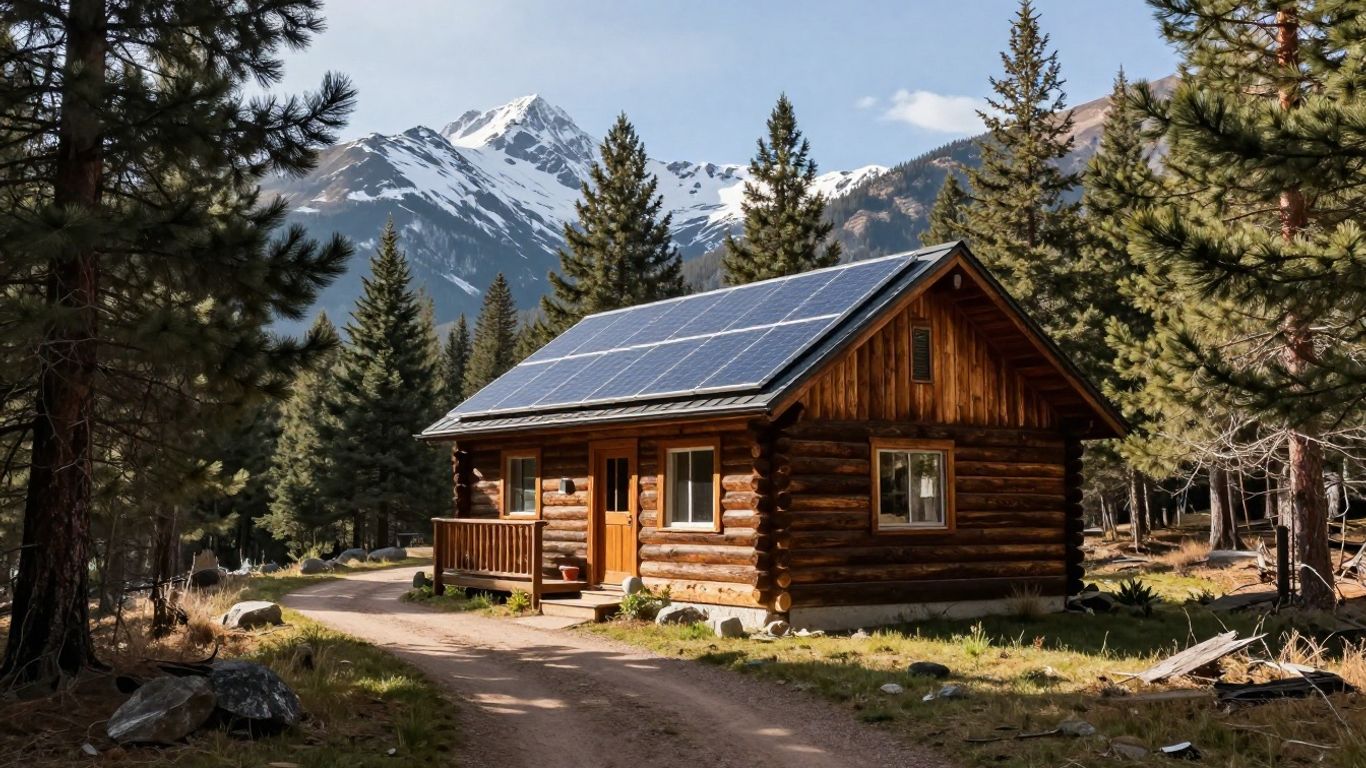
So, you’re thinking about building a place in the Colorado mountains, huh? It’s a big dream, and honestly, it takes some serious thought. You can’t just plop a house down anywhere and expect it to work. We’re talking about dealing with the elements, making sure your place is tough, and doing it all in a way that doesn’t mess up the beautiful scenery.
Adapting to Colorado’s Climate
Colorado’s weather is no joke, especially up in the mountains. You’ve got everything from scorching sun in the summer to feet of snow in the winter, and it can all change in a day. Your house needs to be built to handle it. That means thinking about:
- Insulation: You’ll want top-notch insulation to keep the heat in during those cold months and out when it’s warm. This isn’t just about comfort; it’s about saving energy and money.
- Windows and Doors: High-performance windows and doors are a must. They need to seal up tight to stop drafts and keep the temperature steady inside.
- Roofing and Siding: Pick materials that can stand up to heavy snow loads, strong winds, and intense sun. Think durable and low-maintenance.
- Ventilation: Proper ventilation is key to managing moisture, which can be a big problem in mountain environments, especially with snowmelt and changing temperatures.
Building smart from the start means your home will be more comfortable, cost less to run, and last a whole lot longer. It’s about working with the climate, not against it.
Sustainable Building Practices
When you’re building off-grid, sustainability isn’t just a buzzword; it’s a way of life. It means making choices that are good for the planet and good for your wallet in the long run. Here are some things to consider:
- Local and Recycled Materials: Using materials sourced nearby cuts down on transportation costs and environmental impact. Reclaimed wood or recycled metal can add character and reduce waste.
- Passive Solar Design: This is all about using the sun’s energy to heat your home naturally. Think about where you place your windows to catch the most sun in winter and how to shade them in summer.
- Water Conservation: With water being so precious, especially in drier mountain areas, look into low-flow fixtures and consider rainwater harvesting for non-potable uses like gardening (but always check local rules first!).
- Waste Reduction: Plan your build to minimize construction waste. Recycling and proper disposal are important, even when you’re miles from anywhere.
Off-Grid Technologies for Mountain Properties
Putting up a house is one thing, but making it run without being hooked up to the grid is another. Luckily, there are some pretty neat technologies out there that make off-grid living totally doable, even in the mountains:
- Solar Power Systems: Photovoltaic (PV) panels are the go-to for generating electricity. You’ll want a good system with battery storage so you have power even when the sun isn’t shining. Sizing this correctly is super important.
- Composting Toilets: These are a game-changer for off-grid bathrooms. They break down waste naturally and are much more eco-friendly than traditional septic systems, especially on remote sites.
- Water Systems: Depending on your location, you might be looking at drilling a well or setting up a robust rainwater collection system. Filtration and purification are, of course, non-negotiable for drinking water.
- Efficient Heating: Since you won’t have a natural gas line, think about wood stoves (make sure they’re EPA-certified for efficiency and low emissions), propane heaters, or even highly efficient electric options powered by your solar setup.
Navigating Rules and Regulations
So, you’re thinking about going off-grid in Colorado. That’s awesome! But before you start picturing yourself chopping wood and living off the land, we need to talk about the paperwork. It’s not the most exciting part, but it’s super important. Ignoring local rules can lead to big headaches, delays, and even fines.
Zoning Laws and Building Codes
Every county in Colorado has its own set of rules about what you can and can’t build. Some places might have minimum square footage requirements for homes, or they might have specific restrictions on alternative building methods or structures. Even if you’re off-grid, your home generally still needs to meet basic building codes. This isn’t just about pleasing the authorities; it’s about safety and can affect things like getting insurance or selling your property down the line. It’s a good idea to connect with the county planning department early in your search to understand their specific requirements. They can tell you what’s allowed in different zones and what permits you’ll need.
Water Rights and Septic Systems
Water is life, especially when you’re off-grid. Colorado has some pretty complex water laws. You can’t just tap into a stream or dig a well anywhere you please. Many off-grid properties come with existing wells or springs, which is a huge plus. If you’re looking at land without a water source, you’ll need to research water rights thoroughly. Sometimes, rainwater harvesting is an option, but you absolutely must check local regulations first. For waste, most counties require a permitted septic system. If that’s not feasible, you’ll need to look into approved alternative waste management solutions, like composting toilets. These systems need to be designed and installed correctly to meet county standards.
Property Taxes and Local Ordinances
Going off-grid doesn’t mean you get to skip out on property taxes. You’ll still owe taxes on your land and any structures you build. The amount can vary quite a bit depending on the county and the value of your property. Also, keep an eye out for other local ordinances. These could cover things like rules about livestock, burning restrictions (especially important in Colorado’s dry climate), or even noise levels. It pays to be informed about all the local rules so you can be a good neighbor and avoid any surprises.
Building a sustainable mountain retreat involves more than just the physical construction; it requires a deep dive into the legal and regulatory landscape. Understanding these requirements upfront will save you time, money, and a lot of stress. It’s about being prepared and working within the framework that exists.
Finding Your Off-Grid Paradise
So, you’ve decided to chase that dream of living off the grid in Colorado. Awesome! But before you start picturing yourself chopping wood and gazing at starry skies, you’ve got to find the right spot. It’s not just about buying land; it’s about finding a place that actually works for the lifestyle you want. This is where things get really interesting, and honestly, a bit tricky.
Key Considerations for Property Selection
When you’re scrolling through listings or driving around looking at land, keep a few things front and center. The perfect off-grid property is a blend of potential and practicality. Think about what you really need versus what would be nice to have. Does the land have good sun exposure for solar panels? Is there a reliable water source, or at least the potential to create one? What about the terrain? Steep slopes might offer amazing views but can make building a real headache and cost a fortune. And don’t forget about the soil – it matters for foundations and any gardening you plan to do.
Here’s a quick rundown of what to look for:
- Sun Exposure: South-facing slopes are gold for solar power. Check for tree cover that might block the sun, especially in winter.
- Water Potential: Look for existing wells, springs, or even areas where rainwater harvesting might be feasible. Remember, Colorado water rights are a whole other ballgame, so research this thoroughly.
- Topography: Gentle slopes are easier and cheaper to build on. Steep areas can be beautiful but come with construction challenges and higher costs.
- Access: How will you get to your property, especially in winter? Is there a year-round road, or will you need to invest in serious snow removal equipment?
- Natural Resources: Are there trees for potential building materials or firewood? Is the land suitable for a garden or small livestock?
Accessibility and Community Factors
Okay, so you found a piece of land that looks great on paper. Now, think about getting there and who you’ll be living near. Accessibility is huge. Can you get to your property easily, not just in the summer but when the snow is piled high? Some off-grid dreams involve remote, secluded spots, but if you need to get to town for supplies regularly, a property that’s a three-hour drive down a rough dirt road might become a problem faster than you think.
And what about neighbors? You might be seeking solitude, but having a few like-minded folks nearby can be a lifesaver. They can offer help, share resources, or just be a friendly face. Are there other off-grid homesteads in the area? Sometimes, a small, established off-grid community can provide support and a sense of belonging. It’s worth visiting the area at different times of the year if you can, just to get a real feel for it.
Finding the right location is more than just a real estate transaction; it’s about setting yourself up for a successful and enjoyable off-grid life. Don’t rush this part. Take your time, do your homework, and trust your gut.
Resources for Off-Grid Property Search
Where do you even start looking? Beyond the usual online real estate sites, there are specific resources that can help. Look for real estate agents who specialize in rural or mountain properties, especially those with experience in off-grid sales. They often know about land that isn’t widely advertised. Local county assessor websites can sometimes provide information on land use and zoning, though it can be a bit dry to sift through. Don’t underestimate the power of local classifieds or community bulletin boards in the areas you’re interested in – sometimes, the best deals are found through word-of-mouth. And, of course, talking to people who already live off-grid in Colorado is invaluable. They can offer firsthand advice on what to look for and what pitfalls to avoid.
Mountain-Specific Construction Challenges
Building your dream off-grid retreat in Colorado’s mountains comes with its own set of unique hurdles. It’s not quite the same as putting up a house on a flat suburban lot, that’s for sure. You’ve got to think about things that just don’t pop up in more accessible areas.
Geological and Weather Impacts
Colorado’s mountains are, well, mountainous. This means dealing with steep slopes, rocky soil, and sometimes unstable ground. Your foundation needs to be seriously robust to handle this, and you might need special engineering to make sure everything stays put. Drainage is another big one; you don’t want your new home slowly sliding down the hill or getting flooded when the snow melts. And let’s not forget the weather. Building seasons can be shorter up high, and you can get hit with snow, high winds, or intense sun pretty much any time of year. Flexibility in your timeline and budget is key because Mother Nature doesn’t always cooperate.
Navigating Regulatory Requirements
Beyond the usual building codes, mountain properties often have extra layers of rules. Think about wildfire mitigation – many areas have strict requirements for defensible space around your home. There might also be rules about protecting watersheds or local wildlife habitats. These can add time and complexity to the permitting process. It really pays to get local experts involved early on, like architects or builders who know the specific county’s regulations inside and out. They can help you avoid costly mistakes and keep your project moving.
Site Preparation and Permitting Hurdles
Getting your site ready for construction can be a major undertaking. You might need extensive excavation to create a level building spot, or you might need to build retaining walls. Bringing in heavy equipment can be difficult and expensive on steep or remote sites. Permitting itself can be a longer road, especially if your property is in a less developed area. You’ll likely need detailed site surveys, geological reports, and possibly environmental impact assessments. It’s a lot to manage, but tackling these challenges head-on with good planning makes the whole process smoother. You’ll want to have a solid plan for:
- Site Assessment: Understanding the soil, slope, and any potential geological risks.
- Access and Logistics: Figuring out how to get materials and workers to your site efficiently.
- Utility Planning: Even off-grid, you need to plan for power, water, and waste systems that work with the terrain.
- Permit Applications: Gathering all the necessary documentation and submitting it correctly.
Building in the mountains requires a different mindset. It’s about working with the land, not just on it. Respecting the environment and understanding the unique challenges are the first steps to creating a truly sustainable and comfortable mountain home. Don’t underestimate the value of local knowledge and experienced professionals in this kind of build.
Your Colorado Off-Grid Dream Awaits
So, you’re thinking about ditching the grid and embracing a simpler life in Colorado. It’s a big step, for sure, but totally doable with the right approach. We’ve talked about how Colorado’s wide-open spaces are perfect for going off-grid, whether you’re after a cozy mountain cabin or a more expansive homestead. Remember, it’s not just about finding land; it’s about planning ahead. Think about where you’ll get your power, how you’ll manage water (those water rights are no joke!), and what you’ll do for waste. Building smart, using the sunshine and wind to your advantage, and understanding the local rules are key. It might seem like a lot, but with careful preparation and a realistic outlook, your sustainable, independent Colorado retreat is within reach. It’s a journey, but one that offers a unique way to live in tune with nature.
Frequently Asked Questions
What does it really mean to live off the grid?
Living off the grid means you’re not connected to the main power, water, or sewer lines that most homes use. You’re responsible for creating your own electricity, finding your own water, and dealing with your own waste. It’s all about being self-sufficient and living more independently.
Is Colorado a good place for off-grid living?
Yes, Colorado is a popular spot for off-grid living because it has lots of sunshine for solar power and beautiful, wide-open spaces. However, the mountains and weather can present unique challenges, and you’ll need to follow specific rules about water and building.
How can I get power for my off-grid home in Colorado?
Solar panels are a great option because Colorado gets so much sun. Wind turbines can also work in some areas, and if you have a stream nearby, you might be able to use a small water turbine. Using a mix of these can give you the most reliable power.
What’s important to know about water for an off-grid place in Colorado?
Water rights in Colorado are tricky. It’s best to find a property that already has a well or spring. Sometimes you can collect rainwater, but always check the local rules first. Also, to drill a well, your property usually needs to be at least 35 acres.
Do I still have to follow building rules if I’m living off the grid?
Absolutely. Even off-grid homes need to meet safety standards, so you’ll still need to deal with building codes and zoning laws. Most counties also require approved systems for handling waste, like septic systems or composting toilets.
What are some challenges when building an off-grid home in the mountains?
Building in the mountains can be tough. You might deal with rocky ground, steep slopes, and shorter building seasons because of the weather. Getting materials to the site can also be difficult. It’s important to plan carefully and work with builders who know how to handle these mountain-specific issues.
Explore more tiny home living, design, downsizing, building, and lifestyle resources.
- Off Grid Living in California: Your Guide to Sustainable Independence
- How Do You Get Water and Electricity in a Tiny House? Essential Guide to Off-Grid Utilities
- Exploring Off Grid Communities in Washington State: Where to Find Sustainable Living Options in 2026
- Solar vs Generator for Tiny Homes: Which Wins?
- Solar Panel Output for Tiny Homes: Real Numbers
- Off Grid Solar System for a Tiny House: Complete Guide