A Comprehensive Guide to Off Grid Living in Iowa: Tips, Challenges, and Best Locations for 2026

Thinking about off grid living in Iowa? You’re not alone. More people are looking for ways to live simply and independently. Iowa, with its rolling hills, rivers, and open farmland, seems like a good spot for this lifestyle. But before you jump in, there’s a lot to consider—weather, laws, land, and how you’ll get your water or handle waste. This guide will walk you through what you need to know about off grid living in Iowa, from the basics to picking the right location. Let’s get into it and see what’s actually involved.
Key Takeaways
- Off grid living in Iowa is possible, but you need to pay attention to local laws and zoning rules before buying land or building.
- Heating in winter and cooling in summer are big challenges; plan for wood stoves, solar, or other energy sources.
- Water and waste solutions, like wells or composting toilets, are a must since you won’t be hooked up to city utilities.
- Rural areas are usually easier and cheaper for off grid living, but make sure you’re close enough to resources you’ll need.
- Good planning, learning new skills, and budgeting for up-front costs will make your off grid journey in Iowa much smoother.
Understanding Off Grid Living in Iowa
So, you’re thinking about ditching the utility bills and living a more self-reliant life here in Iowa? That’s awesome! But what exactly does ‘off-grid living’ mean, especially in the context of our state? Let’s break it down.
Definition of Off-Grid Living
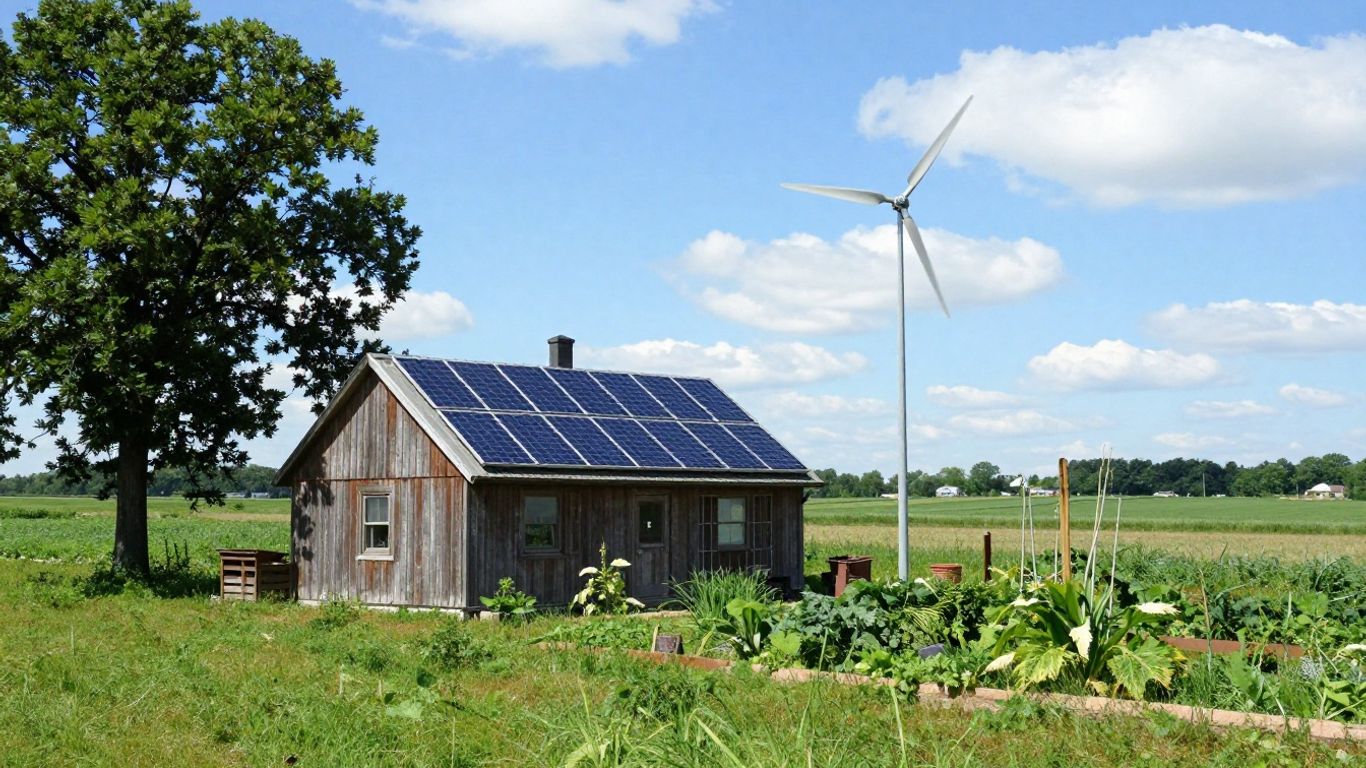
Basically, living off-grid means you’re not connected to the main public utility lines. No electric company, no city water, no sewer service. You’re responsible for generating your own power, finding your own water source, and dealing with your own waste. It’s all about independence and self-sufficiency. Many folks who go off-grid also really focus on being kinder to the planet, often using things like solar panels or wind turbines for power and trying to live with a lighter footprint.
Overview of Iowa’s Geography
Iowa’s pretty diverse, you know? We’ve got those famous rolling hills, some nice river valleys, and wide-open plains. This variety means there are different kinds of places you could set up an off-grid life, from a quiet spot way out in the country to something a bit closer to a small town. Plus, our soil is pretty fertile, which is a big plus if you’re planning on growing a good chunk of your own food. It really sets the stage for a self-sufficient lifestyle.
Can You Live Off Grid in Iowa?
Yep, you absolutely can live off-grid in Iowa. It’s definitely possible, but like anything worthwhile, it comes with its own set of challenges and things you need to figure out beforehand. You’ll need to think about how you’ll get power, water, and manage waste, and also look into what the local rules are. Iowa has the resources to support this kind of living, but you’ve got to do your homework to make it work smoothly.
Making the switch to off-grid living requires careful planning and a willingness to learn new skills. It’s not just about disconnecting; it’s about reconnecting with your resources and taking a more active role in your daily life.
Key Considerations for Off Grid Living in Iowa
So, you’re thinking about ditching the grid in Iowa? That’s a big step, and honestly, it’s not something to jump into without some serious thought. Before you start dreaming of solar panels and homegrown tomatoes, let’s talk about what really matters when you’re planning to live off the beaten path here in the Hawkeye State.
Heating and Cooling Strategies
Iowa’s weather is, well, Iowa’s weather. We get some serious heat in the summer and some bone-chilling cold in the winter. This means your heating and cooling systems aren’t just a nice-to-have; they’re absolutely critical. You’ll need a reliable way to stay warm when it’s -10°F outside and cool when it’s 95°F with high humidity. Relying solely on electricity from solar panels might be tough during those long, cloudy winter days. Many folks look at wood stoves for primary heat, supplemented by propane or other sources. For cooling, passive design is your friend: think good insulation, strategic window placement, and maybe even a well-placed shade tree. Don’t underestimate how much energy these systems will use – it’s often the biggest chunk of your power needs.
Housing Options for Self-Sufficiency
What kind of house are you going to live in? This is a big one. You’ve got options, and they all come with their own pros and cons. Tiny homes are popular because they’re cheaper to build and heat/cool, but you’ll need to be really organized. Earth-sheltered homes, built partially underground, offer amazing natural insulation, keeping you warmer in winter and cooler in summer with less effort. Then there are more traditional builds, but you’ll want to focus on super-efficient construction. Whatever you choose, think about durability and how easy it will be to maintain with limited resources. Building codes can also be a hurdle, so check local rules before you get too attached to a specific design. You can find some great ideas for off-grid living on raw land to get your imagination going.
Water Sourcing and Waste Management
This is where things can get a little less glamorous but are super important. Where are you going to get your water? A well is common, but that requires drilling and a pump, which uses energy. Some people use rainwater harvesting, but you’ll need a good filtration system and storage, especially for drinking water. And what about waste? You can’t just flush and forget. Composting toilets are a popular choice, turning human waste into usable compost for your garden. Greywater systems can reuse water from sinks and showers for irrigation. Proper waste management is not only about convenience; it’s about protecting your local environment and public health. It takes planning and a bit of a learning curve, but it’s totally doable.
Managing water and waste effectively is key to a healthy and sustainable off-grid life. It requires understanding your local environment and choosing systems that fit your needs and the land.
Here’s a quick look at common water and waste solutions:
- Water Sources:
- Drilled Wells
- Rainwater Harvesting
- Surface Water (ponds, streams – requires significant treatment)
- Waste Management:
- Composting Toilets
- Septic Systems (may require permits)
- Greywater Systems
Navigating Legalities of Off Grid Living in Iowa
Understanding Iowa’s Legal Framework
So, you’re thinking about ditching the grid in Iowa? That’s awesome! But before you start dreaming of solar panels and rainwater harvesting, we gotta talk about the paperwork. Iowa, like any state, has rules. These aren’t meant to be roadblocks, but more like guardrails to keep everyone safe and the environment happy. It’s a mix of state laws and local rules, and sometimes they can feel a bit confusing. Think of it like this: the state sets the big picture, and your local county or town adds the finer details. You’ll want to get a handle on both.
Zoning Laws and Land Use
This is a big one. Zoning laws basically tell you what you can and can’t do with your land. Some areas might be zoned for agriculture, others for residential, and some might have specific rules about building types or sizes. For off-grid living, you’ll want to look for land that allows for the kind of setup you’re planning. Some counties are more open to alternative living situations than others. It’s not uncommon for rural areas to be more flexible, but you still need to check. You might need permits for building, even if it’s a small cabin or a workshop. Don’t just assume you can build whatever you want, wherever you want. A quick call to the county planning or zoning office can save you a lot of headaches down the road.
Here’s a general idea of what to look for:
- Rural Zoning: Often more permissive for building smaller structures and using alternative energy.
- Agricultural Zoning: May have specific requirements for dwellings and land use.
- Suburban/Urban Zoning: Typically has stricter rules on building size, setbacks, and utility connections, making off-grid living more challenging.
Health and Safety Regulations
Beyond zoning, there are health and safety rules to consider. These usually cover things like water quality and waste disposal. If you’re planning to use a well, you’ll likely need to get it tested. For waste, you’ll need a proper septic system or an alternative that meets state and local health department standards. They want to make sure you’re not polluting any water sources. Electrical systems, even solar ones, often need to meet safety codes. It’s all about preventing fires and ensuring your living space is safe. It’s always best to connect with your local health department and building inspector early in the process. They can provide checklists and guide you through the requirements specific to your area. It might seem like a lot, but these regulations are there for a good reason – to protect you and your neighbors.
Don’t let the legal side of things scare you off. A little bit of research and communication with local officials goes a long way. Most people are happy to help you understand the rules so you can live your off-grid dream the right way.
Benefits of Embracing Off Grid Living in Iowa
Choosing to live off the grid in Iowa can really change things up, offering a different way to live that many find pretty rewarding. It’s not just about cutting ties with the power company; it’s about building a more connected and self-reliant life.
Environmental Advantages
Living off-grid often means you’re making a conscious effort to tread lighter on the planet. Think about it: you’re likely relying on solar panels or wind turbines for your electricity, which cuts down on the need for fossil fuels. This means a smaller carbon footprint for you, which is a good feeling. Plus, managing your own water and waste systems usually leads to more mindful consumption. You start to really notice how much you use and where it all goes. It’s a lifestyle that naturally encourages a closer relationship with the environment around you, making you appreciate Iowa’s natural beauty even more.
- Reduced reliance on non-renewable energy sources.
- Minimized waste production through careful management.
- Increased connection to and appreciation for the natural world.
Financial Savings and Independence
Let’s be honest, utility bills can add up fast. When you’re generating your own power and managing your own water, those monthly expenses can drop dramatically. The initial investment in things like solar panels or a good well might seem like a lot, but over time, the savings can be substantial. You’re not subject to rising energy prices or unexpected utility surcharges. This financial independence is a big draw for many people. It gives you more control over your budget and your life. It’s a way to become more financially resilient.
Increased Self-Sufficiency and Resilience
There’s a real sense of accomplishment that comes with being able to provide for yourself. Off-grid living means you’re learning new skills, whether it’s maintaining your power system, gardening for food, or managing your water supply. This self-reliance is incredibly empowering. It also makes you more prepared for unexpected events. If there’s a storm that knocks out power for days, you’re likely still comfortable and functioning. It builds a kind of inner strength and confidence that’s hard to get any other way. You become less dependent on outside systems, which can be a really freeing feeling.
The ability to manage your own resources, from electricity to water, builds a strong sense of capability. This independence is not just practical; it’s deeply satisfying.
- Develop practical skills in energy, water, and food management.
- Gain confidence through hands-on problem-solving.
- Become better prepared for disruptions to public utilities.
Challenges and Solutions for Off Grid Living in Iowa
Living off the grid in Iowa sounds pretty great, right? Independence, saving money, being kinder to the planet – it all sounds good on paper. But let’s be real, it’s not always sunshine and homegrown tomatoes. There are definitely some bumps in the road you’ll want to be ready for. Thinking about these hurdles now can save you a lot of headaches later.
Navigating Weather Conditions
Iowa’s weather can be a real mixed bag. We get those sweltering hot summers and then bone-chilling winters that can last for months. This means your heating and cooling systems need to be top-notch and super efficient. Relying on solar power? You’ll need a robust battery storage system to get you through those long, cloudy winter days. And don’t forget about wind – it can be a great energy source, but those fierce winter winds can also pose a threat to your equipment if not properly secured.
- Heating: Wood stoves are popular, but you need a reliable source of firewood and a safe way to store it. Propane heaters are an option, but that means regular deliveries. Efficient insulation in your home is non-negotiable.
- Cooling: Passive cooling techniques like good ventilation, shade trees, and well-placed windows are your best friends. Ceiling fans help a lot too. Air conditioning is a big energy draw, so you’ll need a serious solar or wind setup to run it.
- Storms: Iowa gets its share of severe weather, from derechos to blizzards. You need to make sure your home and any external systems (like solar panels or wind turbines) can withstand high winds and heavy snow.
Preparing for the extremes is key. Think about backup plans for your backup plans. What happens if your primary heat source fails during a blizzard? Having a secondary option, even a simple one, can make a huge difference.
Ensuring Access to Essential Resources
Being self-sufficient means you’re in charge of your own water, power, and waste. This sounds empowering, but it also means you’re responsible for making sure it all works, all the time.
- Water: Many off-gridders in Iowa rely on wells or rainwater harvesting. Wells need pumps, which use electricity, and you’ll need a way to purify the water. Rainwater systems require good filtration and storage. You’ll need to monitor your water levels, especially during dry spells.
- Power: Solar panels and wind turbines are common, but they require maintenance and can be expensive upfront. Battery banks are vital for storing energy for when the sun isn’t shining or the wind isn’t blowing. You’ll need to understand your energy usage and manage it carefully.
- Waste Management: Composting toilets are a popular choice, but they require proper management. Septic systems are another option, but they need to be installed correctly and maintained. You’ll also need a plan for trash and recycling, as you won’t have municipal pickup.
Overcoming Legal and Regulatory Hurdles
This is where things can get a bit tricky. While Iowa doesn’t have a statewide ban on off-grid living, local rules can make it complicated. You can’t just set up a homestead anywhere without checking the local laws.
- Zoning Laws: Some counties have specific rules about where you can build and what kind of structures are allowed. You might run into issues if your off-grid home doesn’t meet certain building codes or if you plan to have certain types of agriculture.
- Building Codes: Even if you’re off-grid, your home often still needs to meet safety standards. This can be a challenge if you’re using unconventional building materials or methods.
- Permits: You’ll likely need permits for building, well drilling, and septic systems. Not getting the right permits can lead to fines or even being forced to tear down your structure.
It’s really important to talk to your local county planning and zoning department before you buy land or start building. They can tell you exactly what you need to do to be compliant. Sometimes, finding land that’s already zoned for your intended use can save a lot of hassle.
Finding the Best Locations for Off Grid Living in Iowa
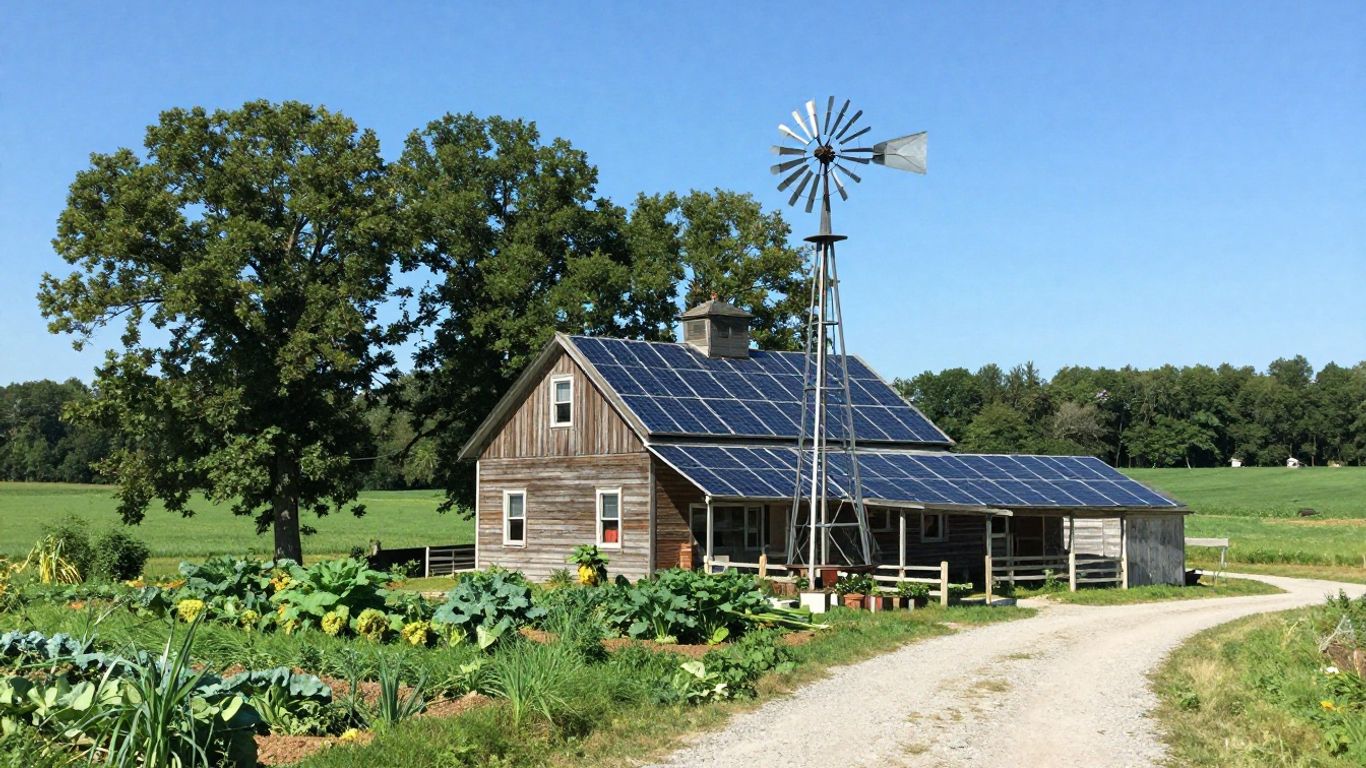
So, you’re thinking about ditching the grid in Iowa? That’s a big step, and picking the right spot is half the battle. It’s not just about finding a patch of land; it’s about finding a place that actually works for living self-sufficiently. You’ll want to think about a few things before you start packing.
Rural Areas vs. Urban Proximity
Generally speaking, the further out you go, the easier it tends to be. Rural areas in Iowa often have more open space and fewer folks looking over your shoulder about how you’re managing your property. This usually means fewer restrictions on things like building codes or waste disposal, which are big deals when you’re off-grid. Being too close to a city can mean higher land prices and more regulations. You might think being close to town is good for supplies, but honestly, if you’re truly off-grid, you’ll be planning your trips out anyway. It’s a trade-off, for sure.
Land Prices and Availability
Iowa has a pretty wide range when it comes to land costs. You can find some really affordable plots if you’re willing to go out into the more remote parts of the state. The further west or north you go, you might find better deals. Of course, land closer to major highways or growing towns will cost more. It’s worth spending time looking at county records and talking to local real estate agents who know the rural market. You’ll want enough land to grow some food, maybe keep some animals, and have space for your energy systems.
Here’s a rough idea of what you might expect, but remember, this can change fast:
| Region of Iowa | Average Price Per Acre (Approx.) |
|---|---|
| Northwest | $3,000 – $5,000 |
| Northeast | $3,500 – $5,500 |
| Central | $4,000 – $6,000 |
| Southwest | $2,800 – $4,800 |
| Southeast | $3,200 – $5,200 |
Proximity to Natural Resources
This is a big one. Think about water first. Is there a reliable well you can drill, or is there a creek or river nearby? Having a water source is non-negotiable. Then, consider fuel for heating. If you plan on using wood, are there forests or areas where you can sustainably harvest timber? Access to sunlight is also key if you’re going solar. Some areas might be more prone to shade from hills or dense tree cover, which could impact your energy generation. It’s also helpful to be in an area where you can easily get supplies for gardening or repairs, even if it’s a bit of a drive.
When scouting locations, always visit the property in different seasons if possible. What looks good in the summer might be a muddy mess or completely inaccessible in the winter. Check for drainage, sun exposure throughout the day, and any potential natural hazards.
Preparing for Your Off Grid Journey in Iowa
So, you’re thinking about ditching the grid in Iowa? That’s a big step, and honestly, it’s not something to jump into without some serious thought. It’s like planning a big road trip; you wouldn’t just hop in the car and go, right? You’d pack, check the weather, make sure you have a spare tire, and probably map out your route. Off-grid living is kind of the same, but with more… permanence.
Comprehensive Planning and Research
This is where you really dig in. Before you even think about buying land or setting up solar panels, you need to do your homework. What does off-grid living actually mean for you? Are you aiming for total independence, or just cutting down on bills? Understanding Iowa’s specific rules is a big part of this. You don’t want to build your dream homestead only to find out it’s not allowed. Checking out local regulations is a smart first move. It’s also a good idea to look at what other people have done. Reading about their successes and, more importantly, their mistakes can save you a lot of headaches. Think about what kind of climate you’re ready for – Iowa winters can be brutal, and you need to be prepared for that.
Essential Skill Development
Living off-grid means you’re going to become a jack-of-all-trades, or at least learn to be. You can’t just call a repairman when your water pump breaks or your generator sputters out. So, what skills do you actually need? Here’s a quick rundown:
- Basic Plumbing and Electrical: Knowing how to fix a leaky pipe or troubleshoot a solar connection is pretty important.
- Gardening and Food Preservation: Growing your own food is a huge part of self-sufficiency. Learning how to can, dry, or freeze your harvest will be key.
- Mechanical Skills: Whether it’s for a generator, a wood stove, or even a well pump, being able to do basic repairs will save you.
- First Aid: When you’re further from town, knowing how to handle minor medical emergencies is a must.
It might seem like a lot, but you can start small. Maybe take a weekend workshop on basic carpentry or learn how to preserve some of your garden’s bounty. Every little bit helps.
Financial Planning and Budgeting
Let’s be real, going off-grid isn’t free upfront. You’ve got land to buy, systems to install – solar panels, batteries, maybe a generator, water tanks, composting toilets. It all adds up. You need a solid budget. Think about:
- Initial Setup Costs: This is the big one – land, building materials, energy systems, water systems.
- Ongoing Maintenance: Things break, systems need upkeep. You need a fund for repairs and replacements.
- Contingency Fund: What if something major goes wrong? Or if you have an unexpected medical expense? Having a buffer is vital.
It’s easy to get caught up in the romantic idea of living off the land, but the practical side, especially the financial part, needs just as much attention. Don’t underestimate the costs involved, and always plan for the unexpected. A little extra saved now can prevent a lot of stress later.
It’s a journey, for sure, and preparing properly is half the battle. Taking the time to plan, learn, and budget will make your transition to off-grid living in Iowa much smoother and more successful.
Wrapping Up: Off-Grid Living in Iowa
So, there you have it—living off-grid in Iowa is totally doable, but it’s not something you just jump into without a plan. You’ll need to think about where you want to settle, what kind of house makes sense, and how you’ll handle things like water, power, and heating (especially with those wild Iowa winters). The legal stuff can be a headache, so talking to local officials early on is a smart move. But if you’re willing to put in the work, the payoff is real: more independence, lower bills, and a closer connection to the land. Plus, there’s a growing community of folks in Iowa who are figuring it out together, so you won’t be alone. Whether you’re dreaming of a tiny home on a quiet patch of prairie or a bigger setup with a garden and some chickens, Iowa’s got room for all kinds of off-grid adventures. Just remember to do your homework, stay flexible, and don’t be afraid to ask for help along the way.
Frequently Asked Questions
Is it legal to live off-grid in Iowa?
Yes, you can live off-grid in Iowa, but you need to follow local rules. These rules include zoning laws, building codes, and health standards. It’s important to check with your county or town before starting your off-grid project.
What are the biggest challenges of off-grid living in Iowa?
Some main challenges are dealing with Iowa’s cold winters and hot summers, making sure you have enough water, and following local laws. You also need to be prepared for storms and other weather events that could affect your power or water supply.
How can I get water when living off-grid in Iowa?
Most off-gridders in Iowa use wells, rainwater collection, or nearby rivers and lakes. You must make sure your water source is clean and safe. Sometimes, you might need to get a permit or follow health rules for water systems.
What kind of houses work best for off-grid living in Iowa?
Many people choose tiny homes, cabins, or earth-sheltered houses. These types of homes are easier to heat and cool, which is important in Iowa’s changing weather. You can also use solar panels, wind turbines, or wood stoves for energy.
Are there any off-grid communities in Iowa?
Yes, there are small groups and communities in Iowa where people live off-grid. These communities often share resources and knowledge. You can find them by searching online or joining local sustainable living groups.
How much does it cost to start living off-grid in Iowa?
The cost depends on the land, house, and systems you choose. Buying rural land is usually cheaper than land near towns. You’ll also need money for building your home, getting solar panels or wind turbines, and setting up water and waste systems. Planning a budget ahead of time helps a lot.
Explore more tiny home living, design, downsizing, building, and lifestyle resources.
- Kansas HOA Laws Review
- How Much Does Tiny Home Insurance Cost? A Realistic Guide to Premiums
- EcoFlow Delta 3 Pro vs Jackery Explorer 5000 Plus Compared
- Small Septic System for Tiny House: Types, Costs, Rules
- Tiny Home Grey Water System: Reuse Water Legally
- Composting Toilets for Tiny Homes: Best Picks Compared