Navigating Off-Grid Living in New Jersey: Challenges and Possibilities

Thinking about living off the grid in New Jersey? It’s a unique idea, blending the dream of independence with the realities of the Garden State. While New Jersey isn’t exactly known for wide-open, remote spaces, there are still possibilities for those seeking a more self-sufficient lifestyle. This guide will touch on what you need to consider, from powering your home to dealing with local rules and making the necessary lifestyle changes. It’s about finding that balance between nature and modern living, even in a place like New Jersey.
Key Takeaways
- Exploring different power sources like solar, wind, and backup generators is key for off-grid living in New Jersey.
- Understanding and complying with New Jersey’s specific permits, zoning laws, and building codes is essential for any off-grid setup.
- The financial side involves significant upfront costs for renewable energy systems, plus ongoing maintenance, though incentives might help.
- Balancing land use is a consideration, especially regarding farmland preservation and solar development, with options like agrivoltaics.
- Adopting new energy consumption habits and adjusting to a different pace of life are important lifestyle changes for off-grid independence.
Understanding Off-Grid Power Solutions in New Jersey
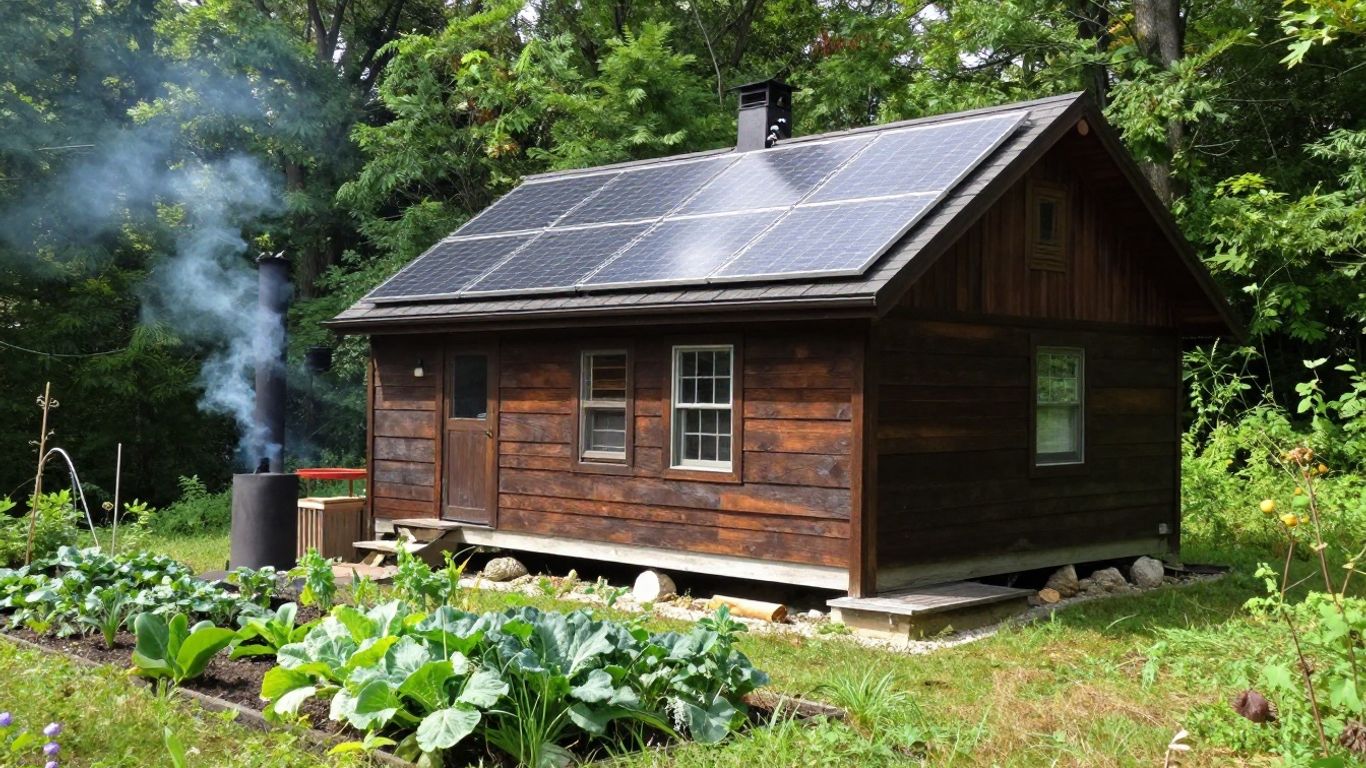
So, you’re thinking about going off-grid in New Jersey. That’s a big step, and one of the first things you’ll wrestle with is how to actually power your place. It’s not like flipping a switch to get power from the utility company, that’s for sure. You’ve got a few main avenues to explore, each with its own set of pros and cons.
Exploring Solar Power for Sustainable Energy
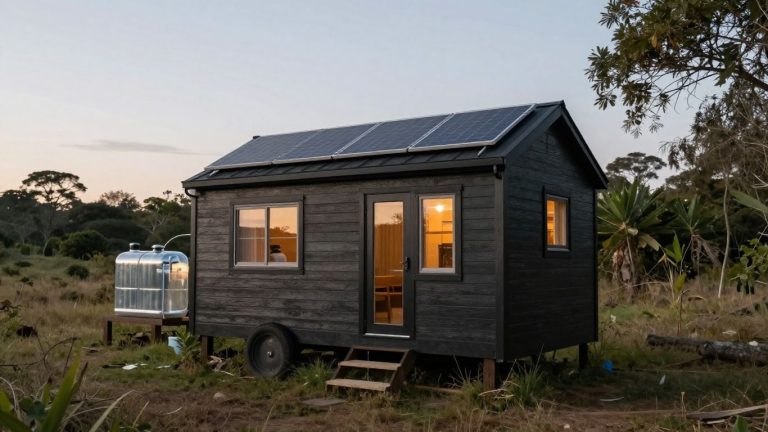
Solar is probably the first thing that comes to mind for many folks looking to ditch the grid. It makes sense, right? You’ve got the sun, and you can turn that sunshine into electricity. For a home, this usually means a system with solar panels, batteries to store the power for when the sun isn’t shining (like at night or on cloudy days), and an inverter to change the power into a usable form for your appliances. The initial setup can feel like a lot, but once it’s running, the fuel is free. It’s a pretty clean way to get power, and many people find a real sense of independence with it.
Harnessing Wind Energy for Remote Properties
Wind power is another option, especially if your property has some decent wind. Think of a small wind turbine, maybe on a tower. It works best when the wind is blowing consistently. Sometimes, people use wind power alongside solar. If one isn’t producing much, the other might be. You’ll still need batteries for storage, just like with solar. It’s worth checking out the average wind speeds in your specific area before you get too far down this road.
Considering Micro-Hydro for Consistent Power
This one’s a bit more niche, but if you happen to have a stream or a small river on your land with a good drop in elevation, micro-hydro could be a real winner. It uses the flow of water to spin a turbine and generate electricity. The big advantage here is that it can provide a really steady stream of power, often more reliably than solar or wind, and it tends to have a lower impact on the environment. It’s not common, but if you have the right spot, it’s worth a look.
Backup Generators: A Necessary Contingency
Let’s be real: even the best renewable energy systems can have off days. That’s where backup generators come in. You can get portable ones for temporary needs or larger whole-house units that can kick in automatically if your primary power source dips. These usually run on gasoline, diesel, or propane. While they aren’t as eco-friendly as solar or wind, they can be a lifesaver when you absolutely need power and your renewables aren’t cutting it. It’s a practical safety net for off-grid living.
Relying solely on one type of renewable energy might leave you vulnerable. Combining different sources, like solar and wind, or having a generator ready, creates a more robust and reliable power system for your off-grid home. It’s all about building redundancy into your setup.
Here’s a quick look at what you might consider:
- Solar Panels: Good for sunny days, but needs storage for night/clouds.
- Wind Turbines: Works when it’s windy, can complement solar.
- Micro-Hydro: Excellent for consistent power if you have moving water.
- Generators: Your backup plan for when other sources are low.
Navigating New Jersey’s Regulatory Landscape
So, you’re thinking about living off the grid in New Jersey. That’s pretty cool, but before you start dreaming of solar panels and wind turbines, you’ve got to deal with the paperwork. New Jersey, like any state, has its own set of rules and regulations that can make or break your off-grid plans. It’s not always straightforward, and honestly, it can feel like a maze sometimes.
Permits and Zoning for Alternative Energy Systems
First off, you can’t just slap up a solar array or a wind turbine wherever you please. You’ll need to figure out the local zoning laws for your specific town or township. Some areas might be more welcoming to alternative energy than others. You’ll likely need permits for construction, electrical work, and possibly even for the system itself. The process can vary a lot, so your first step should always be to contact your local planning or zoning office. They’re the ones who can tell you what’s allowed and what hoops you’ll need to jump through. It’s a good idea to get familiar with New Jersey’s solar energy laws as they can impact your options.
Understanding Local Building Codes
Beyond zoning, there are building codes to consider. These are in place to make sure your installation is safe and up to par. This applies to everything from the structural integrity of a wind turbine tower to the electrical wiring for your solar panels. You’ll want to make sure any contractors you hire are familiar with these codes, or you might end up having to redo work, which is never fun. It’s all about safety and making sure your system works as intended without causing problems.
Environmental Regulations for Off-Grid Installations
New Jersey also has environmental regulations to think about. Depending on where you plan to set up your off-grid system, you might need to consider things like wetland protection, impact on local wildlife, or even how your system might affect water runoff. If you’re looking at a larger installation, especially on land that’s currently undeveloped, you might face more scrutiny. It’s important to be mindful of the local environment and make sure your project doesn’t negatively impact it. Sometimes, these regulations can be quite detailed, so doing your homework early on is key.
Dealing with regulations can be a real drag, but it’s a necessary part of setting up any kind of alternative energy system. Being prepared and understanding the requirements upfront can save you a lot of headaches down the road. It’s better to know the rules before you start building.
The Financial Aspects of Off-Grid Living
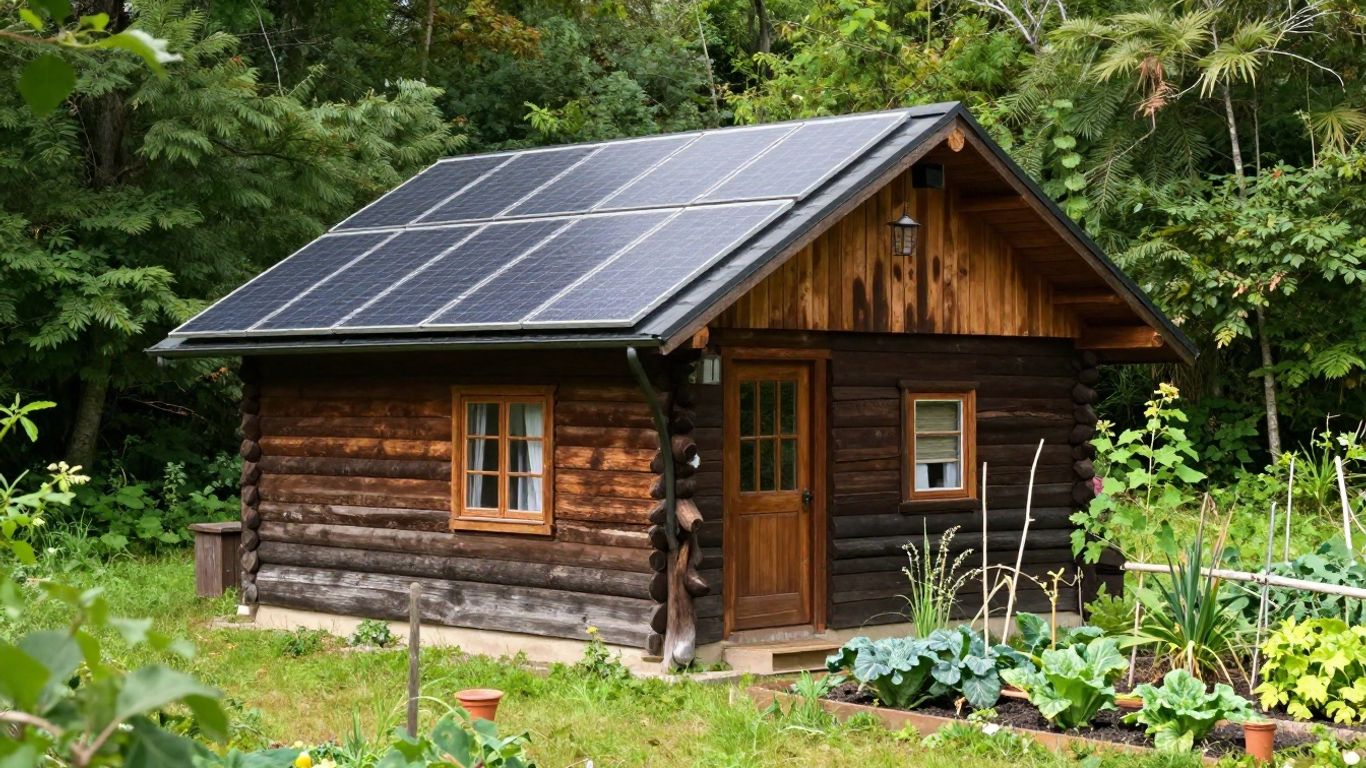
So, you’re thinking about going off-grid in New Jersey. That’s pretty cool! But let’s talk about the money side of things, because it’s definitely a big part of the picture. It’s not just about the dream of freedom; it’s about making it work financially.
Initial Investment in Renewable Energy Systems
Getting your off-grid power system set up isn’t exactly cheap. You’re looking at a significant upfront cost, no doubt about it. Think about solar panels, batteries to store that energy, inverters, and all the wiring. Depending on how much power you need – and let’s be honest, most of us need more than we think – this can add up fast. A basic solar setup might start in the low thousands, but for a whole house, you could easily be looking at $15,000 to $30,000 or even more. Wind turbines can be even pricier, and if you’re lucky enough to have a stream for micro-hydro, that’s a whole other ballgame with its own costs. Backup generators, too, are an added expense, whether you go for a portable one or a whole-house system.
Ongoing Maintenance and Operational Costs
Once your system is up and running, the good news is that the operational costs for solar and wind are pretty low. The sun and wind are free, after all! You won’t have a monthly utility bill, which is a huge plus. However, you do need to factor in maintenance. Solar panels need to be kept clean, and batteries have a lifespan – they’ll need replacing eventually, which is another cost to plan for. Generators, on the other hand, will always have fuel costs, plus they need regular servicing to keep them in good shape. So, while you’re cutting out the grid, you’re not entirely free from expenses.
Exploring Tax Incentives and Rebates
Now, here’s where things can get a bit better. The government, both federal and sometimes state or local, knows that renewable energy is a good thing. Because of this, there are often tax credits and rebates available for installing solar panels, wind turbines, and other green energy systems. These can significantly cut down on that initial investment. It’s really worth doing your homework to see what you qualify for. Sometimes these incentives can make a big difference in whether a system is financially feasible for you. You’ll want to check with the relevant New Jersey agencies and the federal government for the most current programs.
The financial journey of off-grid living involves careful budgeting for both the initial setup and the long-term upkeep. While the dream of energy independence is appealing, understanding the real costs and potential savings is key to making it a sustainable reality.
Here’s a quick look at what you might expect:
- Initial Setup Costs: Can range from a few thousand for basic needs to tens of thousands for a full home system.
- Ongoing Expenses: Primarily maintenance, battery replacement, and fuel for backup generators.
- Potential Savings: Elimination of monthly utility bills.
- Incentives: Federal tax credits and potential state/local rebates can offset upfront costs.
Balancing Land Use: Solar Development and Farmland Preservation
When you’re thinking about living off-grid in New Jersey, especially if you’ve got land, you’ll quickly run into the conversation about how solar panels and farming can coexist. New Jersey, like many places, has a lot of valuable farmland, and there’s a real push to keep it that way. So, putting up a big solar farm on land that could be growing food? That’s a tricky balance.
Incentives for Solar Development on Preferred Sites
Governments and energy companies are trying to make it easier to put solar where it makes sense without taking away prime agricultural land. This often means looking at land that’s already been developed or disturbed, like old industrial sites, landfills, or even rooftops. The idea is to get clean energy without impacting the land we rely on for food. Sometimes, there are tax breaks or other incentives offered to developers who choose these less sensitive locations. It’s all about smart planning.
Penalties for Converting Agricultural Land
Because farmland is so important, many states, including New Jersey, have rules in place to discourage putting solar farms on it. If you have land that’s currently in a special agricultural tax program, converting it to solar might mean you have to pay back taxes and penalties. This can be a pretty big financial hit, making developers think twice. It’s a way to protect the agricultural heritage and future of the state.
Agrivoltaics: Combining Energy Production and Farming
This is where things get really interesting. Agrivoltaics, sometimes called agrivoltaics, is all about finding ways for solar panels and farming to happen on the same piece of land. It’s not just about putting panels up and hoping for the best; it’s about designing systems that work together.
Here are a few ways this is happening:
- Dual-Use Panels: Some solar panels can be installed higher off the ground, leaving space underneath for certain crops to grow. Think vegetables or shade-tolerant plants.
- Solar Grazing: This involves letting sheep or other livestock graze on the land around and under the solar panels. The animals help keep the grass down, reducing the need for mowing, and the panels provide shade.
- Pollinator Habitats: Planting flowers and native plants around the solar arrays can create habitats for bees and other pollinators, which is good for the environment and can even help nearby farms.
The goal is to get the most out of the land, producing both clean energy and food. It’s a newer concept, and figuring out the best ways to do it is ongoing, but it shows a lot of promise for making solar development more compatible with agricultural needs. It’s a way to get the best of both worlds, really.
It’s important to remember that not all land is created equal when it comes to farming or solar. Some land is naturally better suited for one or the other, and finding that sweet spot where both can thrive requires careful thought and planning. The technology is still evolving, and so are the best practices for integrating these two important land uses.
Lifestyle Adjustments for Off-Grid Independence
Moving off the grid in New Jersey isn’t just about setting up solar panels or a wind turbine; it’s a pretty big shift in how you live day-to-day. You’re basically signing up for a different rhythm of life, one that’s more connected to nature and your own resourcefulness. It’s not always easy, and there’s a definite learning curve.
Adapting to Energy Consumption Habits
This is probably the first thing you’ll notice. When your power comes from the sun or the wind, you become much more aware of how much electricity you’re using. Forget leaving lights on or running the dishwasher whenever you feel like it. You start thinking about energy in a whole new way. It’s about being mindful, not wasteful.
- Monitor your usage closely: Keep an eye on your battery levels, especially during cloudy spells or low-wind periods. This helps you understand your daily needs.
- Shift high-energy tasks: Run appliances like washing machines or charge devices during peak sun hours or when the wind is strong.
- Embrace energy-efficient appliances: Older, power-hungry machines will drain your batteries fast. Look for Energy Star ratings or DC-powered options.
- Reduce phantom load: Unplug electronics when not in use, as many devices draw power even when turned off.
The constant awareness of your energy supply changes your perspective. It’s less about convenience and more about conscious living. You learn to appreciate the power you have, rather than taking it for granted.
The Mental and Emotional Transition
Going off-grid can feel like a big leap. You might miss the constant availability of grid power, or the ease of just flipping a switch. There can be moments of frustration when a system isn’t working perfectly, or when you have to troubleshoot a problem yourself. It requires a certain level of patience and a willingness to learn. You’re not just a homeowner anymore; you’re also the system operator, the maintenance crew, and the energy manager. It’s a lot, but many find the independence and self-reliance incredibly rewarding.
Integrating Nature’s Rhythms into Daily Life
One of the coolest parts of off-grid living is how it syncs you up with the natural world. Your day might start with the sunrise and end when it gets dark, or at least when your battery power starts to dip. You pay attention to the seasons, the weather, and how they affect your energy generation. This connection can be really grounding. It’s a reminder that you’re part of a larger system, not just living in a bubble. You might find yourself spending more time outdoors, appreciating the quiet, and feeling more in tune with the environment around you. It’s a lifestyle that encourages a slower, more deliberate pace.
Choosing the Right Location for Off-Grid Living
So, you’re thinking about going off-grid in New Jersey. That’s a big step, and where you decide to set up your homestead is probably one of the most important decisions you’ll make. It’s not just about finding a quiet spot; it’s about finding a spot that actually works for living off the grid. We need to look at a few things to make sure your dream doesn’t turn into a constant struggle.
Assessing Land Suitability for Renewable Energy
This is where the rubber meets the road, or rather, where the sun hits the panels and the wind blows through the turbines. Not all land is created equal when it comes to generating your own power. You’ll want to consider:
- Solar Exposure: Does the land get a lot of direct sunlight throughout the day and year? Are there tall trees or buildings that will cast shadows? South-facing slopes are usually ideal in the Northern Hemisphere.
- Wind Patterns: If you’re considering wind power, you need consistent, unobstructed wind. Hillsides or open fields might be good, but you’ll want to check local wind data. A minimum average wind speed of around 10 mph is often recommended for small turbines.
- Water Access (for Micro-Hydro): Do you have a stream or river on the property with a decent drop (head) and flow? Micro-hydro can be a fantastic, consistent power source, but it’s very site-specific.
- Topography and Soil: Steep slopes can make construction difficult and expensive. The soil type can affect foundation stability for structures and turbines.
The best locations often have a combination of favorable conditions, allowing for a hybrid energy system that can compensate for the weaknesses of any single source. Think about how the land itself can contribute to your energy independence.
Proximity to Essential Services
Going off-grid doesn’t mean you have to live in total isolation, but you do need to be realistic about access. Think about:
- Road Access: Can you get to your property easily, especially in bad weather? This is important for deliveries, visitors, and emergencies.
- Water Sources: While you’ll likely have your own well or water collection system, knowing if there are reliable natural water sources nearby can be a backup.
- Emergency Services: How far away are the nearest fire department and hospital? This is a safety consideration that can’t be overlooked.
- Supplies: How far do you need to travel for groceries, fuel, or parts for your systems? While off-grid living is about self-sufficiency, you’ll still need to resupply occasionally.
Understanding Local Community Dynamics
Even if you’re aiming for independence, the community around you matters. Consider:
- Neighbor Relations: Are your neighbors generally supportive of alternative lifestyles, or might they be a source of conflict? Good relationships can be invaluable.
- Local Ordinances: New Jersey has specific rules about building, zoning, and alternative energy systems. You’ll need to understand these before you buy land. Some areas might have restrictions on things like rainwater harvesting or the size of solar arrays.
- Community Resources: Are there local groups or individuals who are knowledgeable about off-grid living or renewable energy? Having a local support network can be a lifesaver.
- Future Development: Is the area likely to see significant development that could impact your land’s suitability for renewable energy (e.g., new buildings blocking sun or wind) or your peace and quiet?
Finding the right spot is a balancing act. You want the freedom and resources for off-grid living, but you also need to be practical about the realities of the location and its surroundings. It takes research, but getting this right sets you up for a much smoother off-grid journey.
Wrapping Up Our Off-Grid Journey
So, living off the grid in New Jersey, it’s definitely a mixed bag. We’ve seen it’s not always easy, with hurdles like getting power and figuring out all the rules. But, it’s also clear there are ways to make it work, especially with things like solar or wind power. It really comes down to planning and knowing what you’re getting into. For those who dream of a simpler, more self-reliant life, it’s a path worth looking into, even with the challenges. It’s about finding your own way to live more connected to nature, right here in the Garden State.
Frequently Asked Questions
What are the main ways to get electricity if I don’t have power lines to my house?
You can use renewable energy sources like solar panels that capture sunlight, or wind turbines that use wind to make power. Sometimes, if you have a stream, you can use a small water turbine (micro-hydro). For backup, generators that run on gas or propane are also an option.
Is it expensive to set up my own power system?
Getting started can cost a good amount, especially for solar panels or wind turbines. You might need to spend thousands of dollars. However, once they are set up, they don’t cost much to run, and you can save money on electricity bills over time. There might also be special government programs or tax breaks to help with the cost.
Do I need special permission to install solar panels or wind turbines?
Yes, you usually need to check local rules about building and zoning. There might be specific codes or environmental rules you have to follow before you can set up your own power system.
Can I still farm my land if I put solar panels on it?
Sometimes, yes! This is called ‘agrivoltaics.’ You can sometimes grow crops or raise animals like sheep under or around the solar panels. It’s a way to get both energy and food from the same land. Some places have rules to protect farmland, so you’d need to check those.
What are the biggest lifestyle changes when living off the grid?
You’ll need to be more mindful of how much electricity you use, especially on cloudy days or when the wind isn’t blowing. You might also find yourself living more in tune with nature’s cycles, like using more daylight hours. It can be a big change from relying on the power company.
How do I know if my land is good for solar or wind power?
For solar, you need a spot that gets a lot of direct sunlight throughout the day. For wind, you need an area with steady, strong winds. It’s also important to think about how close you are to places you need to go, like stores or schools, and what the local community is like.
Explore more tiny home living, design, downsizing, building, and lifestyle resources.