The Ultimate Guide to Off-Grid Living in North Carolina: Challenges and Opportunities

Thinking about off grid living in North Carolina? It’s a big step, but a lot of people are making the move. Some are looking for more independence, while others just want to get away from city stress. North Carolina is a good place to try it out—the state has a mix of mountains, forests, and coastlines, plus a climate that lets you grow a lot of your own food. Of course, there are hurdles, like getting water, dealing with waste, and learning new skills. But if you’re ready to put in the work, off grid living in North Carolina has a lot to offer.
Key Takeaways
- North Carolina’s mix of landscapes and mild weather make it a solid spot for off grid living.
- Figuring out water, power, and waste systems is a must before you start building your homestead.
- You’ll need to pick up skills like gardening, animal care, and basic repairs to keep things running smoothly.
- Getting started costs money and you’ll need a plan, but the lower cost of living in North Carolina helps.
- There’s a strong community of local groups, farmers’ markets, and workshops that can support your off grid journey.
Understanding Off-Grid Living in North Carolina
Why Choose North Carolina for Off-Grid Living
North Carolina is a pretty popular spot for folks looking to ditch the grid. It’s got a lot going for it, honestly. You’ve got diverse landscapes, from mountains to coast, which means you can probably find a piece of land that fits your dream. Plus, the general vibe here seems more open to self-sufficient living compared to some other states. It’s not like every county has a rule against it, which is a good start. Many people are drawn to NC for its potential to create a more independent lifestyle.
Climate and Landscape Opportunities
The weather in North Carolina is generally pretty forgiving, which is a big deal when you’re relying on nature. You get four distinct seasons, but they’re usually not too extreme. This means you can grow a good variety of crops throughout the year, and your solar panels will get decent sun, even in winter, though you’ll need to plan for less light. The mountains offer cooler summers and beautiful scenery, while the Piedmont has fertile soil for farming. Even the coast, while dealing with hurricanes, has its own unique opportunities. It’s a state that gives you options for where and how you want to set up your homestead.
Cost of Living Advantages
Compared to some other parts of the country, North Carolina can be more affordable, especially when you look at land prices outside the major cities. While setting up an off-grid system has its upfront costs, the lower cost of land can make the initial investment more manageable. You’re not just buying a place to live; you’re investing in a lifestyle that can reduce your ongoing expenses significantly. Think about it: no more electricity bills, potentially lower water costs, and growing your own food. It all adds up to a more financially stable way of life once you’re established.
Key Considerations for Off-Grid Infrastructure
Setting up an off-grid life in North Carolina means you’re going to be your own utility company. This isn’t just about slapping some solar panels on the roof and calling it a day. You’ve got to think about the whole system – how you’ll get water, how you’ll manage waste, and, of course, how you’ll keep the lights on. It’s a big undertaking, but totally doable with the right planning.
Water Management Systems
Water is life, right? So, figuring out your water source is probably the first big hurdle. You’ve got a few main options here. Rainwater catchment is a popular choice because it’s pretty straightforward and can be quite affordable. You set up systems to collect rain from your roof and store it in tanks. You’ll need to make sure it’s clean, though, so filtration and purification are key. Another option is drilling a well, which can give you a consistent supply, but that’s a significant upfront cost and requires reliable pumps. Some lucky folks might have a natural spring on their property, which is fantastic, but not super common. Whatever you choose, having a solid plan for collecting, storing, and treating your water is non-negotiable.
Renewable Energy Solutions
Powering your homestead without the grid is where things get really interesting. Solar power is the big player here, and for good reason. Panels are getting more efficient and less expensive all the time. You’ll need to figure out how much power you actually use – think about your appliances and how often you’ll run them. Then you’ll need batteries to store that energy for when the sun isn’t shining. Don’t forget about the other bits like charge controllers and inverters. Some people also look into wind turbines, especially if their land is windy, or even micro-hydro systems if they have a good water source. It’s often a good idea to have a backup generator too, just in case of extended cloudy spells or system issues.
Waste Management Strategies
Dealing with waste when you’re off-grid is another area that needs careful thought. You can’t just toss things in the trash and have it hauled away. For human waste, composting toilets are a common and effective solution. They break down waste naturally, turning it into usable compost for your garden. Greywater systems are also a smart way to reuse water from sinks and showers for irrigation. For other household waste, reducing, reusing, and recycling become even more important. You’ll need a plan for anything that can’t be composted or recycled, which might involve occasional trips to a local disposal site. Proper waste management is not just about convenience; it’s about protecting your environment and your health.
Living off-grid means taking responsibility for all the services you’d normally get from a municipality. This includes water, power, and waste disposal. It requires a shift in mindset and a willingness to learn and maintain these systems yourself.
Essential Skills for Self-Sufficiency
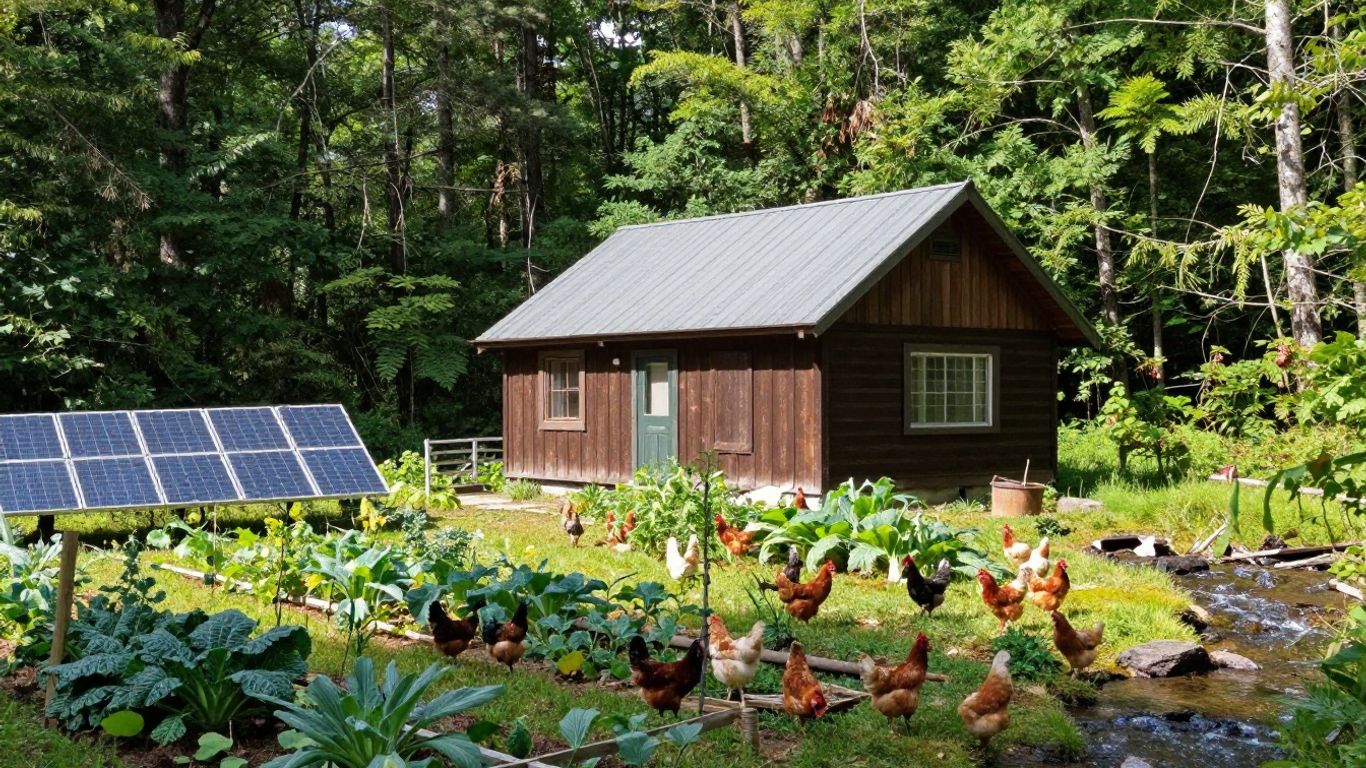
Living off the grid in North Carolina means you’re going to be doing a lot of things yourself. It’s not just about having a nice cabin in the woods; it’s about being able to keep things running. So, what skills do you actually need? Let’s break it down.
Farming and Gardening Expertise
This is probably the big one for most people. You can’t just pop to the store when you need a tomato. Learning to grow your own food is key. North Carolina’s climate is pretty forgiving, letting you grow a lot of different things, but you still need to know what you’re doing. Think about:
- Soil Health: Understanding what your soil needs, how to improve it with compost, and how to keep it healthy year after year. This includes knowing about crop rotation so you don’t wear out the same nutrients.
- Planting and Harvesting: Knowing when to plant what, how to protect your plants from pests without using harsh chemicals, and when to harvest for the best flavor and storage.
- Season Extension: Learning techniques like using cold frames or hoop houses to get a few extra weeks of growing time in the spring and fall.
Livestock Management
If you plan on having animals – chickens for eggs, goats for milk, maybe a few sheep – you’ll need to know how to care for them. This isn’t just about feeding them.
- Daily Care: This includes feeding, watering, and keeping their living spaces clean. It sounds simple, but it’s a daily commitment.
- Health Monitoring: Learning to spot signs of illness or injury early. Knowing basic first aid for animals can save a lot of trouble.
- Breeding and Reproduction: If you want to maintain your own flock or herd, understanding the basics of animal reproduction is important.
Technical Knowledge for Systems
Your off-grid home will have its own systems for power, water, and waste. These aren’t usually "set it and forget it." You’ll need to understand how they work and how to fix them when they inevitably have a hiccup.
- Water Systems: Whether you’re using a well, rainwater harvesting, or a nearby spring, you need to know how to maintain your pumps, filters, and storage tanks. Making sure your water is safe to drink is non-negotiable.
- Energy Systems: Most off-gridders use solar power. You’ll need to understand your solar panels, batteries, charge controllers, and inverters. Knowing how to troubleshoot power issues is a must.
- Waste Management: This covers everything from composting toilets to greywater systems. Understanding how to manage waste responsibly and efficiently is vital for health and the environment.
Being able to fix things yourself is a huge part of off-grid living. It saves money, reduces stress, and gives you a real sense of accomplishment when you solve a problem with your own two hands. Don’t be afraid to learn by doing, even if it means a few mistakes along the way. That’s how you really gain the skills.
Navigating the Challenges of Off-Grid Life
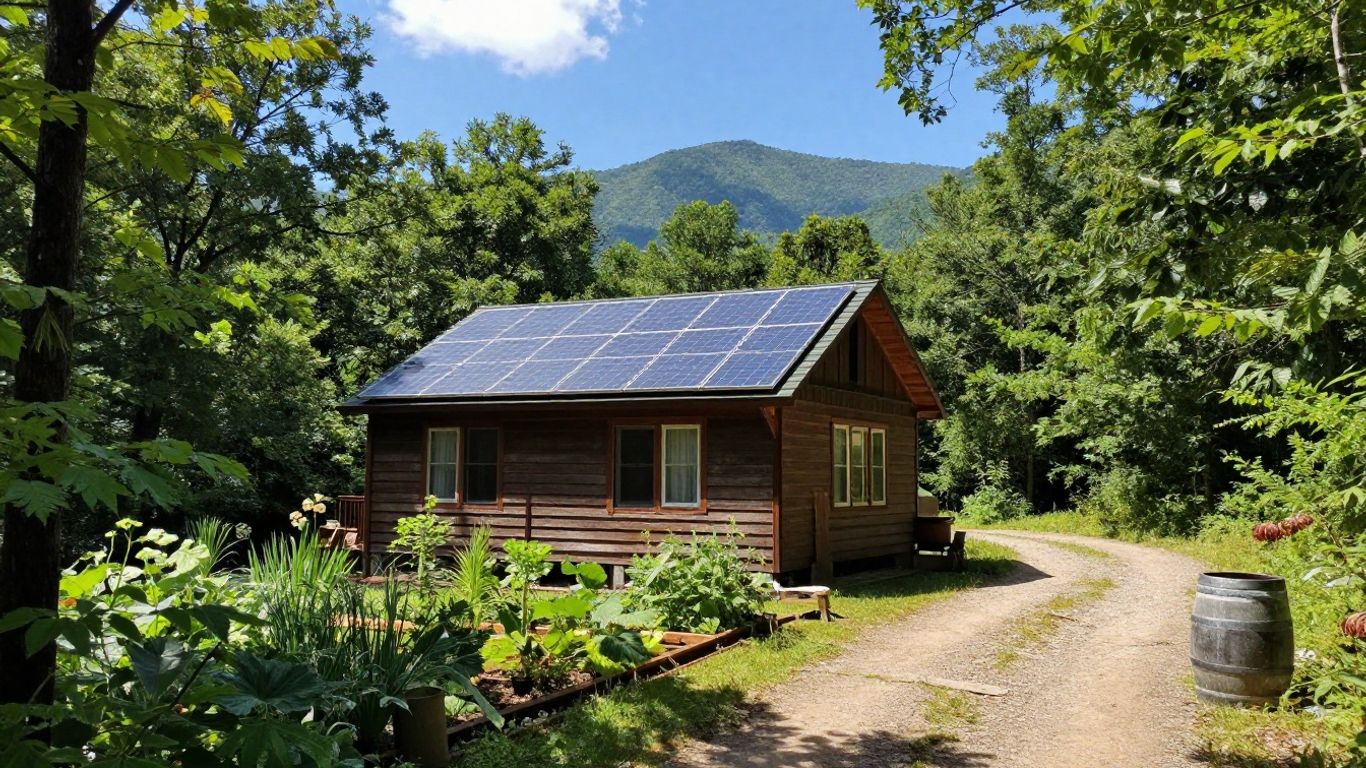
So, you’re thinking about ditching the grid? That’s awesome! But let’s be real, it’s not all sunshine and self-sufficiency. There are definitely some hurdles to jump over.
Initial Investment and Financial Planning
First off, this isn’t exactly a cheap hobby to pick up. You’re looking at a pretty hefty upfront cost to get everything set up. We’re talking about land, building materials, solar panels, water systems – the whole shebang. It’s super important to sit down and actually figure out what you can afford. Don’t just wing it. Make a solid budget and see where the money’s going to come from. Sometimes there are local grants or programs that can help, but you’ve got to do the digging to find them.
- Create a detailed budget: List every single potential expense, from land purchase to the smallest tool.
- Research funding options: Look into loans, grants, or even bartering for materials and labor.
- Build a contingency fund: Things always cost more than you think, so have a buffer for unexpected issues.
Don’t underestimate the financial commitment. It’s easy to get caught up in the romantic idea of off-grid living, but the reality is that setting up a functional, sustainable homestead requires significant capital. Plan meticulously to avoid financial strain down the road.
Adapting to Limited Amenities
This is a big one. You’re going to have to get used to doing without some things you probably take for granted. Forget instant hot water whenever you want it, or lights that just work all the time. You’ll be more mindful of your water usage, your energy consumption, and how you manage waste. It’s a different pace of life, and it takes some getting used to. Think about how you’ll handle laundry, cooking, and even just staying warm or cool without relying on the usual conveniences.
Coping with Isolation and Connectivity
Living out in the sticks can get pretty lonely sometimes, especially if you’re used to being around people all the time. You might not have neighbors right next door, and spontaneous social gatherings might be few and far between. Plus, internet and cell service can be spotty at best. While you can often get internet through satellite or other means, it’s not always a given, and it might not be as fast or reliable as you’re used to. You’ll need to find ways to stay connected, whether that’s through planned trips into town, online communities, or just enjoying the quiet.
- Stay in touch proactively: Schedule calls or visits with friends and family.
- Join online off-grid communities: Connect with like-minded people who understand the lifestyle.
- Develop hobbies that don’t require connectivity: Reading, crafting, or outdoor activities can fill your time.
- Plan regular trips to town: This helps with supplies and social interaction.
Building Your Off-Grid Homestead
So, you’ve decided to build your own little slice of self-sufficiency here in North Carolina. That’s a big step, and honestly, it’s exciting! It means planning out not just a house, but a whole way of life. Think about where you’ll get your water, how you’ll keep the lights on, and what you’ll do with, well, everything else. It’s a lot to consider, but totally doable.
Land Acquisition and Preparation
First things first, you need land. This isn’t just about finding a pretty spot; it’s about finding the right spot. You’ll want to make sure it’s actually legal to live off-grid there and that it’s affordable. Keep an eye on property taxes, too. Does it have good resources like water and enough open space for whatever you plan to do? You’ll also want to check the ground for building – is the bedrock solid enough? A natural water source nearby is a huge plus. And don’t forget about getting to your place year-round, especially if you’re looking at the mountains. Think about the climate too; how much sun does it get, and what’s the growing season like?
- Determine Land Size: How much land do you actually need? This really depends on your plans. If you’re thinking of farming a lot or raising livestock, you’ll need more space than if you’re just aiming for a small garden and a cozy home. It could be anywhere from a quarter-acre to hundreds of acres.
- Site Assessment: Look for good drainage, assess sunlight exposure for solar power and gardening, and check for existing natural resources like springs or mature trees that could be useful.
- Clearing and Access: You’ll likely need to clear some land for your home, garden, and any outbuildings. Planning for a driveway or access road is also key, especially if the land is remote.
Building an off-grid homestead is a journey that requires careful planning and a realistic approach to land selection. It’s about finding a place that not only meets your practical needs but also aligns with your vision for a self-sufficient lifestyle.
Homestead Layout Planning
Once you have your land, it’s time to figure out where everything goes. This is where you get to be the architect of your own life. Think about the flow of your property. Where will the house sit to get the best sun? Where’s the best spot for a garden that gets enough light and water? How will you manage waste? Planning this out now can save you a lot of headaches later. Consider things like proximity to water sources, wind direction for ventilation or potential wind turbines, and easy access between different areas of your homestead. It’s all about making your daily life run smoothly.
- Zoning and Setbacks: Check local regulations for where you can build structures and how far they need to be from property lines or water sources.
- Sunlight and Wind Patterns: Map out how the sun moves across your property throughout the day and year, and note prevailing wind directions. This impacts everything from solar panel placement to garden location and natural heating/cooling.
- Water Management: Plan for water collection (rainwater harvesting), storage, and distribution. Also, consider greywater systems and where your wastewater will go.
- Energy Systems: Decide on the best locations for solar panels, battery storage, generators, or other energy generation methods, keeping in mind accessibility for maintenance.
Home Construction Options
Now for the fun part – the house itself! You’ve got options, and they don’t all involve a massive, expensive build. Tiny homes are super popular for a reason; they’re efficient and use fewer resources. You can also look at cabins, yurts, or even repurposing shipping containers. Whatever you choose, focus on good insulation and energy efficiency. The goal is to create a comfortable living space that works with your off-grid systems, not against them. Think about heating sources – wood stoves are common, but consider passive solar design too. It’s about building smart for a sustainable future. You can find great resources and inspiration for building your own home through local homesteading groups.
- Tiny Homes: Compact, efficient, and often more affordable, requiring less energy and water.
- Cabins and Small Structures: Traditional yet adaptable, offering a solid structure that can be customized for off-grid needs.
- Alternative Structures: Consider yurts, earthships, or repurposed containers for unique and sustainable living solutions.
- Passive Solar Design: Incorporate design elements that use the sun’s energy for heating and lighting, reducing reliance on active systems.
Leveraging North Carolina’s Resources
Educational Resources and Workshops
North Carolina is packed with places to learn how to homestead better. The NC Cooperative Extension Service is a big one. They have tons of info on everything from growing food and raising animals to keeping your soil healthy and living more sustainably. They even put on workshops and classes, which is super helpful when you’re trying to pick up new skills. Lots of community colleges also have programs related to farming and workshops. For instance, the Organic Growers School in Asheville offers classes on organic farming, gardening, and permaculture. These resources are invaluable for anyone starting out or looking to improve their self-sufficiency skills.
Local Homesteading Groups and Associations
Connecting with other people who are doing the same thing can make a huge difference. There are many homesteading and sustainable living groups all over North Carolina. These groups are great for getting advice from folks who have been doing this for a while, sharing stuff, and just making friends. You might want to check out groups like the North Carolina Sustainable Agriculture Coalition or the Carolina Farm Stewardship Association. They often have events and workshops that can really help you grow your homesteading knowledge.
Farmers’ Markets and Trading Opportunities
North Carolina has a ton of farmers’ markets. These are places where local farmers and producers can sell their goods right to people. Being part of these markets can be a good way to make some money and share what you grow with your neighbors. Plus, many homesteading communities in NC have systems for bartering or trading. This means you can swap goods and services with people nearby. It’s a good way to get what you need without always spending cash.
Building a homestead here is a big project, but having a community and access to knowledge makes it much more doable. Don’t try to figure it all out alone; reach out and connect with the resources available.
Choosing the Right Location for Your Homestead
So, you’ve decided to go off-grid in North Carolina. That’s awesome! But before you start dreaming about solar panels and chicken coops, you need to pick the right spot. North Carolina is a pretty big state with a lot of different vibes, and where you set up your homestead can make a huge difference in how easy or hard things are.
Mountain Regions: Asheville and Boone
If you’re drawn to cooler weather, stunning views, and a more remote feel, the western mountains might be your jam. Areas around Asheville and Boone offer a beautiful backdrop for off-grid living. You’ll find a strong community of like-minded folks here, often with a focus on sustainable living and local food. However, be prepared for steeper terrain, which can make building and farming a bit more challenging. Access can also be an issue during winter months, with snow and ice sometimes making roads tricky. Plus, land prices in these popular areas can be higher.
- Pros: Beautiful scenery, cooler climate, strong community, potential for unique building sites.
- Cons: Harsher winters, challenging terrain, potentially higher land costs, limited access in bad weather.
Piedmont’s Fertile Grounds
The central part of the state, the Piedmont, offers a more moderate climate and generally flatter, more fertile land. This region is often a sweet spot for homesteaders looking for a balance between accessibility and rural living. You’ll find a good mix of open land suitable for farming and forests for timber. The climate is generally forgiving, allowing for a longer growing season compared to the mountains. You’re also likely to be closer to towns and resources, which can be helpful when you’re starting out or need supplies. Just be aware that zoning laws can be stricter in some Piedmont areas, so it’s important to check zoning restrictions in North Carolina before you buy.
- Pros: Moderate climate, fertile soil, good growing season, better access to amenities, diverse land types.
- Cons: Can be less remote, potential for more development, stricter zoning in some places.
Coastal Plains and Outer Banks
Heading east, the Coastal Plains and the Outer Banks present a different set of opportunities and challenges. The climate here is warmer and more humid, which is great for certain types of crops and extends the growing season. You’ll find plenty of flat land, often with sandy soil that might need amending for serious farming. The proximity to the coast offers unique lifestyle benefits, but you also have to contend with hurricane season and the potential for flooding. Building codes can be very specific due to storm risks, and saltwater intrusion can be a concern for water sources.
- Pros: Long growing season, warm climate, unique coastal lifestyle, flat land.
- Cons: Hurricane risk, potential flooding, sandy soil may need improvement, specific building codes, saltwater concerns.
No matter which region you choose, remember to thoroughly research the specific microclimate, soil type, water availability, and local regulations of any land you consider. What works for one homesteader might not be the best fit for another, so think about your priorities and what kind of lifestyle you’re aiming for.
When you’re looking at land, think about:
- Water Sources: Is there a reliable well, spring, or is rainwater catchment feasible?
- Sunlight Exposure: How much sun does the land get throughout the day and year? This is key for solar power and gardening.
- Soil Quality: Can you grow food here, or will it require significant work to improve?
- Accessibility: How easy is it to get to the property, especially in different weather conditions?
- Local Regulations: What are the rules about building, septic systems, and livestock in that specific county or town? This is where understanding local zoning restrictions in North Carolina becomes really important.
Embracing the Off-Grid Life in North Carolina
So, you’ve thought about living off the grid in North Carolina. It’s definitely not a simple path, and there will be bumps along the way, like figuring out power or making sure you have enough water. But, as we’ve seen, the state offers a lot, from different kinds of land to people who are doing the same thing. It takes work, for sure, but building a life that’s more in tune with nature and relying on yourself can be really rewarding. It’s about making a choice to live differently, and North Carolina seems like a pretty good place to give it a shot.
Frequently Asked Questions
What makes North Carolina a good place for off-grid living?
North Carolina is a great spot for living off the grid because it has different kinds of weather and land. You can find mountains, rolling hills, and even coastal areas. Plus, the cost of living is generally lower than in many other states, making it easier to set up your own place.
What are the most important things to set up for off-grid life?
You’ll need to figure out how to get water, like digging a well or collecting rain. For power, solar or wind energy are popular choices. Also, you’ll need a way to handle trash and waste, often through composting or a septic system.
What skills do I need to live off the grid?
It’s really helpful to know how to grow your own food, like gardening and farming. Taking care of animals if you have them is important too. Knowing how to fix and maintain your power, water, and waste systems is also key.
Is it hard to adjust to living off the grid?
Yes, it can be a big change! You might miss having easy access to things like stores and entertainment. Being alone can also be tough if you’re used to being around a lot of people. You have to get used to having fewer modern conveniences.
How much money do I need to start living off the grid?
Starting out can cost a good amount of money. You’ll need to pay for land, building materials for your home, and all the systems for water, power, and waste. It’s important to plan your budget carefully before you begin.
Can I find help or connect with others who live off the grid in North Carolina?
Absolutely! North Carolina has many groups and associations for people interested in homesteading and sustainable living. You can also find lots of information from places like the NC Cooperative Extension. Farmers’ markets are also great places to connect and trade with neighbors.
Explore more tiny home living, design, downsizing, building, and lifestyle resources.
- Kansas HOA Laws Review
- How Much Does Tiny Home Insurance Cost? A Realistic Guide to Premiums
- EcoFlow Delta 3 Pro vs Jackery Explorer 5000 Plus Compared
- Small Septic System for Tiny House: Types, Costs, Rules
- Tiny Home Grey Water System: Reuse Water Legally
- Composting Toilets for Tiny Homes: Best Picks Compared