Embrace Sustainable Off-Grid Living in Vermont: A Comprehensive Guide

Vermont, with its rolling hills and abundant natural resources, is a prime spot for anyone looking to embrace a more independent and sustainable way of life. If you’ve been dreaming about off grid living in Vermont, this guide is for you. We’ll walk through what it really means to live off the grid here, covering everything from the legal stuff and finding the right land to dealing with Vermont’s famous weather and setting up your own power. It’s a big step, but with the right info, it’s totally doable.
Key Takeaways
- Off-grid living in Vermont means being independent from public utilities, which is legally possible but requires understanding local zoning and building codes.
- Finding the right land involves considering its type, whether to buy or lease, and crucial site factors like water and sun access.
- Vermont’s climate demands preparation, especially for harsh winters, influencing energy needs and home design.
- Sustainable home building can involve local materials and energy-efficient techniques, while power relies on options like solar, wind, or hydro.
- Connecting with local government resources, non-profits, and online communities is vital for support and knowledge sharing in off-grid living in Vermont.
Understanding Off-Grid Living in Vermont
Definition Of Off-Grid Living
So, what exactly does "off-grid" mean in the context of Vermont? It’s basically about living without being hooked up to the usual public utilities. Think no electric bills from the power company, no municipal water supply, and managing your own waste. For a lot of folks, this isn’t just about saving money, though that’s a nice perk. It’s more about living a life that’s kinder to the planet, reducing your personal footprint, and feeling a sense of self-reliance. It’s a lifestyle choice that puts you more in tune with your surroundings.
Overview Of Vermont’s Geography
Vermont is a pretty special place, geographically speaking. You’ve got rolling hills, thick forests, and plenty of rivers and lakes. This kind of landscape is actually a big plus for off-grid living. It means you’ve got natural resources right there – sunshine for solar power, wind for turbines, and water for potential hydropower. Plus, many parts of Vermont are pretty remote, offering that peace and quiet that many people seek when they decide to go off-grid.
Can You Legally Live Off-Grid in Vermont?
This is a big question, and the short answer is: yes, you can. Vermont is generally pretty welcoming to off-grid living. However, it’s not a free-for-all. You still have to play by the rules. Vermont allows off-grid living, but you must understand and comply with local zoning laws, building codes, and any necessary permits. It’s not as simple as just setting up a tent and living your life; there are regulations to follow to ensure safety and responsible land use. It’s always best to check with the specific town you’re interested in to get the full picture before you make any big moves.
Navigating Legal Requirements for Vermont Off-Grid Living
So, you’re thinking about going off-grid in Vermont. That’s pretty cool! But before you start dreaming about your solar panels and composting toilet, there are some important legal bits you need to sort out. It’s not just about finding a piece of land and setting up shop; Vermont has rules, and you’ll need to follow them to stay out of trouble.
Zoning Regulations
First off, zoning. This is basically how towns decide what you can and can’t do with your land. It can get a little complicated because every town in Vermont has its own set of rules. Some towns might be really laid-back about off-grid living, while others might have stricter guidelines. You might find that certain types of homes or structures aren’t allowed in specific zones. It’s super important to check with the local town office or planning department before you buy any land. They can tell you if your off-grid plans fit with their zoning laws. Don’t skip this step; it could save you a huge headache later on.
Building Codes
Then there are building codes. These are in place to make sure your home is safe and sound, and yes, they apply to off-grid homes too. This covers everything from how your electrical system is wired (even if it’s solar) to your plumbing and the overall structure of your house. You’ll want to make sure your build meets these standards. It’s not just about avoiding fines; it’s about making sure your home is a safe place to live, especially when you’re dealing with Vermont’s weather.
Permits Needed
Finally, permits. Depending on what you’re doing, you might need several permits. This could include a building permit, permits for your septic system (if you’re having one), and maybe even permits related to water usage. The exact permits you need will really depend on where you are and the specifics of your project. It’s best to do your homework or talk to the local planning department to figure out exactly what you need to apply for. Getting these sorted upfront means you can build with confidence.
Remember, while Vermont is generally welcoming to off-grid lifestyles, compliance with local regulations is key. Being proactive about understanding zoning, building codes, and permit requirements will make your transition to off-grid living much smoother and more secure.
Finding Your Ideal Land for Off-Grid Living in Vermont
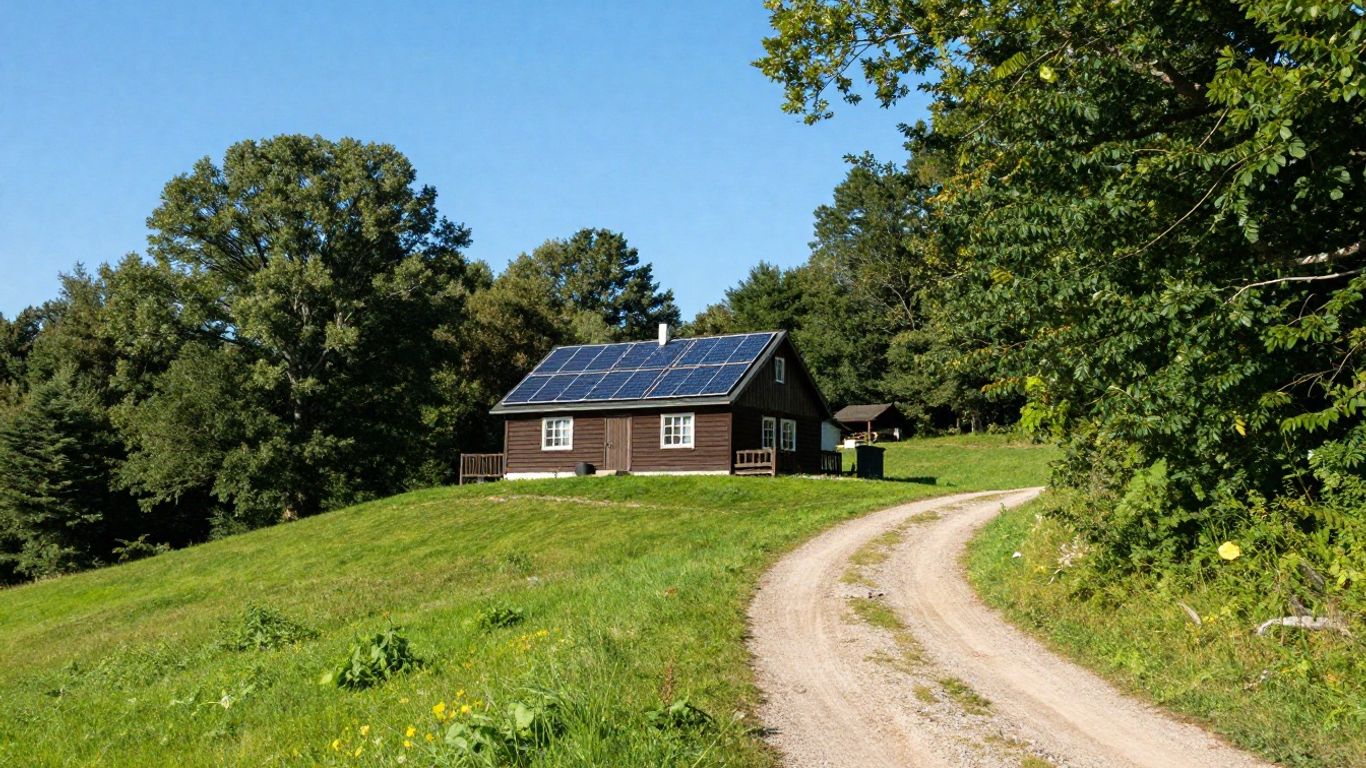
So, you’re thinking about setting up your own little slice of Vermont paradise, completely off the grid. That’s awesome! But before you start dreaming about cozy cabins and self-sufficiency, you’ve got to find the right spot. It’s not just about picking a pretty view; there’s a lot to consider when looking for land that will actually work for an off-grid lifestyle.
Types Of Land Available
Vermont has a pretty diverse landscape, which is great news for off-gridders. You’ll find everything from dense forests to open fields, and even some spots right on the water. Each type comes with its own set of pros and cons. Forested land offers privacy and natural resources like timber, but you might have to do some serious clearing for sunlight and building. Open fields are great for solar panels and gardening, but might feel a bit exposed. Riverfront property sounds idyllic, but you’ll need to be mindful of flood plains and water rights. It’s really about matching the land to what you want to do.
- Forested Parcels: Good for privacy, timber, and natural shelter. Might require significant clearing.
- Open Fields/Meadows: Excellent for solar energy and agriculture. Can be less private.
- Waterfront Properties: Scenic and potentially useful for water access, but requires careful consideration of flood risks and regulations.
Purchasing Versus Leasing
This is a big one. Do you buy the land outright, or do you lease it? Buying gives you complete control and security – it’s yours forever. You can build whatever you want (within regulations, of course) and make long-term plans. But, buying usually means a bigger upfront cost, which can be a hurdle. Leasing, on the other hand, can be much more affordable to start with. It might be a good way to test out off-grid living without a huge financial commitment. However, you’ll have less control, and you’re always subject to the terms of the lease agreement. For a truly permanent off-grid homestead, purchasing is often the preferred route, but leasing can be a practical stepping stone. You can find some interesting parcels, like this one in Thetford, VT, that might be available for purchase.
Considerations For Off-Grid Sites
Okay, so you’ve narrowed down the type of land and whether you’re buying or leasing. Now, let’s get down to the nitty-gritty of the actual site. This is where your off-grid dream could either flourish or falter. You absolutely need to think about:
- Sunlight Exposure: This is non-negotiable if you’re planning on solar power. You need clear southern exposure for most of the day, year-round. Trees can cast shadows, especially in winter when the sun is lower.
- Water Access: How will you get water? Is there a well you can drill? A spring? A nearby stream (and do you have rights to use it)? You need a reliable, clean water source.
- Topography and Soil: Is the land sloped? Flat? Rocky? This affects building ease and gardening potential. Good soil is key if you plan to grow your own food.
- Access and Road Maintenance: How will you get to your property, especially in winter? Is there an existing road? Who is responsible for maintaining it? You don’t want to get snowed in or stuck in the mud.
- Natural Resources: Are there trees for firewood? Is the land suitable for a wind turbine? These are all things to scout for.
Choosing the right piece of land is probably the most important step in your off-grid journey. It sets the stage for everything else, from your energy system to your garden’s success. Don’t rush this part; do your homework and visit potential sites multiple times, in different weather conditions if possible.
Think about what’s most important for your specific off-grid vision. Are you aiming for total self-sufficiency with a big garden, or is a simpler, low-impact lifestyle your goal? Your answers will guide you to the perfect Vermont spot.
Vermont’s Climate: Preparing for Off-Grid Seasons
Vermont’s weather is a big part of living off the grid here. You’ve got four pretty distinct seasons, and each one brings its own set of challenges and opportunities. Understanding these patterns is key to making your off-grid life work smoothly.
Seasonal Weather Patterns
Vermont gets proper cold winters and nice, warm summers. You’ll see temperatures drop well below freezing in the winter, and summers can get up into the 80s Fahrenheit. This means your energy needs will change a lot throughout the year. Think about how you’ll heat your place when it’s freezing and how you’ll keep cool (and maybe manage water) when it’s hot. Your garden plans will also need to line up with the growing season, which is mostly in the warmer months.
Winter Challenges
Winter is no joke in Vermont. You’re looking at snow, ice, and shorter days, which means less sunlight for solar power. Heating your home becomes a major focus. You’ll need good insulation and a reliable way to generate heat. Wood stoves are popular, but you need to plan ahead for sourcing and storing firewood. Keeping water lines from freezing is another big one. It’s all about being prepared and having backup plans.
Summer Benefits
Summer is a welcome change. You get plenty of sunshine, which is great for solar energy production. It’s also prime time for gardening and growing your own food. This is when you can really boost your self-sufficiency. However, don’t forget about potential heat waves or dry spells. Having a good water storage system is smart, even in summer. It’s a time for abundance, but still requires mindful resource management.
Building Your Sustainable Off-Grid Home in Vermont
So, you’re thinking about building your own place off the grid in Vermont? That’s a big step, but totally doable. It’s not just about slapping up some walls; it’s about creating a home that works with the environment, not against it. Think about materials that last, designs that make sense for Vermont’s seasons, and building methods that are kind to the planet. It’s a bit of a puzzle, but putting the pieces together is really rewarding.
Choosing Sustainable Materials
When you’re picking out what to build with, try to think local and think reused. Reclaimed lumber from old barns is everywhere in Vermont and has so much character. Straw bales are another great option – they’re super insulators and a renewable resource. You can even look into earth-based building, like cob or rammed earth, which use materials found right on your land. The goal here is to reduce the footprint of your build. Using materials sourced nearby also cuts down on transportation emissions, which is a win-win.
Construction Techniques
How you put the house together matters just as much as what you build it with. Passive solar design is a big one. That means orienting your house and windows to catch the sun’s warmth in the winter and block it in the summer. Think big, south-facing windows for winter sun, and maybe some overhangs to shade them when the sun is high. Good insulation is non-negotiable here; you don’t want to be heating an empty space. Thermal mass, like a concrete floor or a stone wall, can soak up heat during the day and release it slowly at night, keeping things cozy. It’s all about working smarter, not harder, with the natural elements.
Design Considerations
Your home’s layout and size should fit your life and the land. Do you need a huge kitchen for canning all summer? Or maybe a quiet nook for reading by the wood stove? Think about how you’ll actually live in the space. Smaller homes are generally easier and cheaper to heat and maintain. Flexible spaces that can serve multiple purposes are also a smart move. And don’t forget about ventilation – fresh air is important, especially in a well-sealed home. Making sure your design takes advantage of natural light and airflow will make your home feel more alive and comfortable. It’s about creating a functional, comfortable space that feels right for you and the Vermont landscape. Remember, Vermont law permits residents to construct homes powered by alternative energy, equipped with composting toilets, and utilizing rainwater harvesting systems. Compliance with state regulations is mandatory for these off-grid living arrangements. Vermont law permits
Building an off-grid home is a chance to be creative and intentional. It’s about creating a shelter that’s not just a structure, but a part of the natural world around it. Think about durability, efficiency, and how the building will feel to live in, day after day, through all of Vermont’s seasons.
Powering Your Vermont Off-Grid Lifestyle
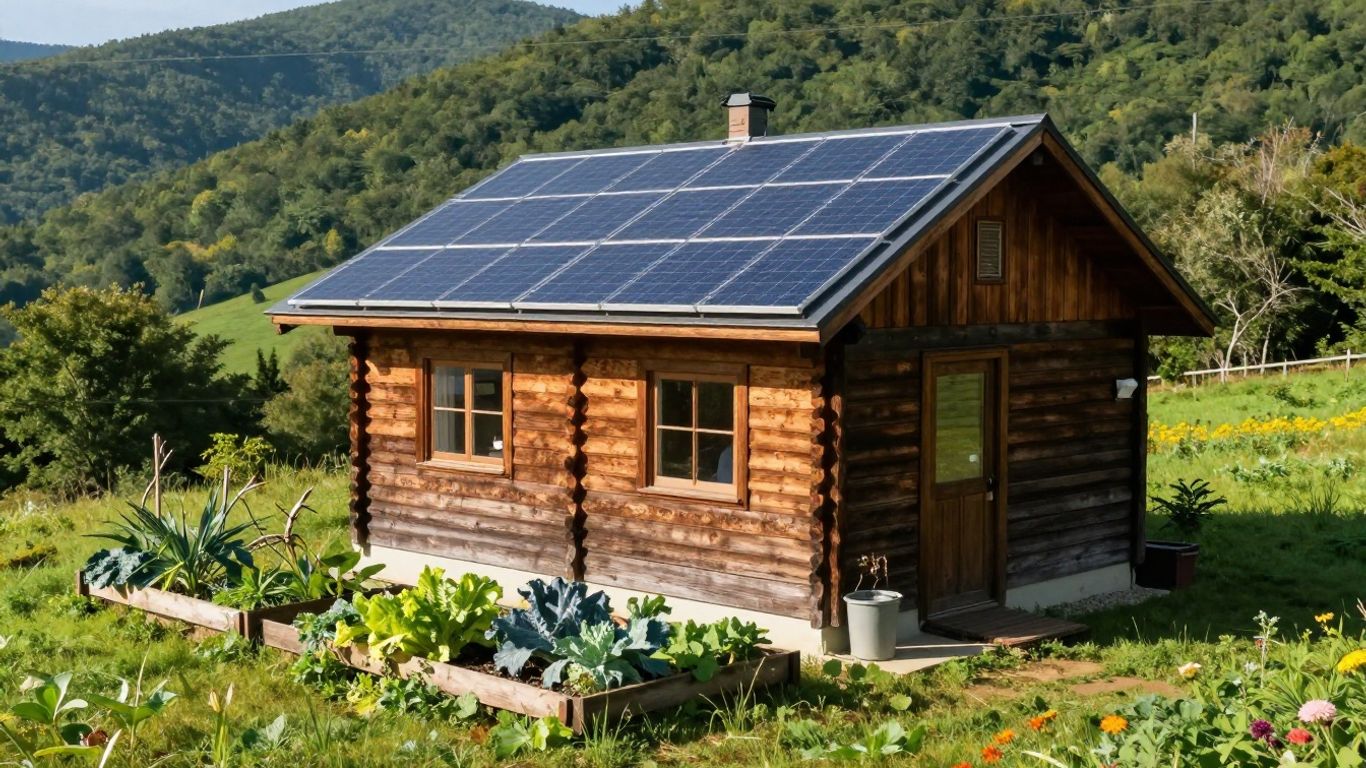
Generating your own power is a big part of living off the grid, and Vermont offers some pretty good options if you know where to look. It’s not just about slapping some panels on the roof and calling it a day, though. You’ve got to think about how much power you actually use, what the weather’s like most of the year, and how reliable your system needs to be.
Solar Energy Solutions
Solar is probably the first thing that comes to mind for most people, and for good reason. Vermont gets decent sunshine, especially in the summer. Setting up solar panels can cover a good chunk of your electricity needs for lights, appliances, and charging devices. The real trick, though, is making sure you have enough power when the sun isn’t shining – think cloudy days or those long winter nights. That’s where battery storage comes in. You’ll want a system that can store excess energy generated during sunny periods to use when it’s dark or overcast.
- Assess your energy needs: Figure out how much power your home will use daily. This helps determine the size of your solar array and battery bank.
- Consider panel placement: South-facing roofs or open areas with minimal shade are ideal for maximizing sun exposure.
- Invest in quality batteries: Deep-cycle batteries designed for off-grid use are essential for storing power reliably.
Battery systems are a significant investment, but they are absolutely key to a consistent power supply when you’re not connected to the grid. Don’t skimp here if you can help it.
Wind Power Potential
If your property has consistent, unobstructed wind, a wind turbine could be a great addition, or even a primary source of power. Vermont has some windy spots, particularly on higher ground. However, wind can be a bit more unpredictable than solar. You might have days with no wind at all, so it often works best when paired with solar. You’ll need to check local rules too, as there can be restrictions on turbine size and placement.
Hydropower Opportunities
Got a stream or river running through your land? That’s where hydropower comes in. Small-scale hydro systems can provide a really steady stream of electricity, often more reliably than solar or wind. It’s a fantastic option if you have the right water source. The downside is that it’s very site-specific, and you’ll need to be mindful of environmental regulations to make sure you’re not disrupting the water flow or local ecosystem. It’s definitely worth looking into if you have the natural resource available.
The best approach for many off-grid homes in Vermont is a hybrid system, combining two or more of these sources to ensure you always have power, no matter the weather or time of day.
Resources and Community for Off-Grid Living in Vermont
So, you’re thinking about going off-grid in Vermont? That’s a big step, and honestly, you don’t have to do it all alone. There’s a whole network of folks and places ready to help you figure things out. It’s not just about having your own power and water; it’s about connecting with people who get it.
Local Government Resources
Your first stop for official stuff should be your local town or county offices. They’re the ones who know the ins and outs of zoning laws and building codes in your specific area. Sometimes, they even have information on local incentives or programs for renewable energy. Don’t be shy about calling them up or stopping by; they can save you a lot of headaches down the road. It’s good to know what the rules are before you start building or setting up your systems.
Non-Profit Organizations
Vermont has some great non-profits that are all about sustainability and renewable energy. These groups often host workshops, share practical knowledge, and can connect you with others who are living off-grid. Think of them as a friendly guide. They might even have resources for grants or assistance if you’re looking to fund a project. Some popular ones to look into include:
- Vermont Sustainable Jobs Fund
- Renewable Energy Vermont
- Local agricultural extension offices
Online Communities
Honestly, the internet is a goldmine for off-grid living. There are tons of forums and social media groups where people share their real-life experiences, tips, and even warnings. You can ask pretty much any question, from how to fix a solar panel in a snowstorm to the best way to start a compost pile. It’s a place to learn from others’ successes and mistakes. It really helps to see what others are doing and how they’re solving problems. Plus, it’s a great way to feel less isolated, especially when you’re just starting out.
Finding your tribe, whether online or in person, makes the off-grid journey much more manageable and enjoyable. Sharing challenges and celebrating small victories with others who understand the lifestyle is incredibly rewarding.
The Future of Off-Grid Living in Vermont
So, what’s next for folks wanting to live off the grid here in Vermont? It feels like things are really starting to pick up, and honestly, it’s pretty exciting. We’re seeing a lot of cool new tech popping up that makes living this way a lot more doable, and maybe even easier, than it used to be. Plus, more people are getting interested, which means communities might start to grow, and that’s always a good thing when you’re trying something a bit different.
Trends In Off-Grid Technology
Technology is changing the game, no doubt about it. Think about solar panels – they’re getting way more efficient and, thankfully, a bit cheaper. Battery storage is also getting better, meaning you can store more of that sunshine for cloudy days or long winter nights. We’re also seeing smarter home systems that help you keep track of your energy use and make sure nothing’s being wasted. It’s not just about surviving off-grid anymore; it’s about living comfortably and efficiently.
- Advanced Solar Panels: Higher energy output, better performance in low light.
- Improved Battery Storage: Longer lifespan, greater capacity, and faster charging.
- Smart Home Integration: Real-time energy monitoring and automated efficiency.
- Efficient Appliances: Designed specifically for low-power consumption.
Community Growth
It seems like more and more people are looking for a simpler, more sustainable way to live, and Vermont is a big draw for that. As more folks embrace off-grid living, we might see more intentional communities forming. These places can be great for sharing resources, knowledge, and just general support. Imagine having neighbors who really get what you’re doing, who can lend a hand or share tips on everything from fixing a generator to best gardening practices. It’s a nice thought, isn’t it?
The idea of community is becoming more important as people seek connection and shared purpose in their pursuit of self-sufficiency. This can lead to more collaborative approaches to land use and resource management.
Regulatory Changes
Now, the rules and regulations are always a big part of living off-grid. Things can change, and it’s important to keep an eye on what’s happening. Sometimes, towns or the state might make it easier to live off-grid, maybe by offering incentives for renewable energy or adjusting building codes to fit alternative housing. Other times, things might get a bit more complicated. Staying informed and even getting involved in local discussions can help shape a future where off-grid living is more accessible and supported.
- Zoning Law Updates: Potential for more flexibility in building alternative structures.
- Renewable Energy Incentives: Tax credits or grants for installing solar or wind systems.
- Permitting Process Streamlining: Efforts to simplify the application process for off-grid setups.
- Water and Waste Management Regulations: Evolving standards for self-contained systems.
Your Vermont Off-Grid Adventure Awaits
So, you’ve read through all this, and maybe you’re thinking about making the move to off-grid living in Vermont. It’s definitely not a small decision, and it takes some real thought. But honestly, the chance to live closer to nature, be more self-sufficient, and really cut down on your impact on the planet? That’s pretty special. Vermont has a lot to offer for this kind of life, from its beautiful landscapes to communities that get it. Just remember to do your homework, plan carefully, and don’t be afraid to ask for help. It’s a journey, for sure, but one that can be incredibly rewarding.
Frequently Asked Questions
What does it mean to live off-grid in Vermont?
Living off-grid means you don’t rely on public services like electricity, water, or sewer systems. You’d generate your own power, find your own water source, and handle your own waste. It’s a way to be more self-sufficient and live closer to nature.
Is it legal to live off-grid in Vermont?
Yes, you can legally live off-grid in Vermont. However, you still need to follow local rules about building, land use, and safety. It’s important to check with your town’s officials to make sure your plans meet all requirements.
What kind of land is good for off-grid living in Vermont?
Good land for off-grid living in Vermont often has access to sunlight for solar power, a water source like a well or stream, and decent soil if you plan to garden. Forests, fields, or land near water can all work, but you need to check for things like building restrictions and how easy it is to get to.
How do people get power when living off-grid in Vermont?
Most off-grid homes in Vermont use renewable energy. Solar panels are very popular because Vermont gets a good amount of sun. Some people also use wind turbines or even small hydropower systems if they have a suitable water source. Storing energy, usually with batteries, is also key.
What are the biggest challenges of living off-grid in Vermont?
The weather is a big one, especially the cold, snowy winters which require good heating and insulation. You also need to manage your resources carefully, like making sure you have enough power and water. Sometimes, being a bit isolated can also be a challenge.
Where can I find help or connect with others for off-grid living in Vermont?
You can find support from local government offices for rules and permits, non-profit groups that focus on sustainable living, and online communities where people share advice and experiences. Attending local workshops can also be very helpful.
Explore more tiny home living, design, downsizing, building, and lifestyle resources.
- Kansas HOA Laws Review
- How Much Does Tiny Home Insurance Cost? A Realistic Guide to Premiums
- EcoFlow Delta 3 Pro vs Jackery Explorer 5000 Plus Compared
- Small Septic System for Tiny House: Types, Costs, Rules
- Tiny Home Grey Water System: Reuse Water Legally
- Composting Toilets for Tiny Homes: Best Picks Compared