Off Grid Living in Virginia: Essential Tips, Legal Insights, and Success Stories for 2026

Thinking about off grid living in Virginia for 2026? It’s a big change, and things are definitely shifting. Utilities are getting more expensive, and new rules about selling power back to the grid are coming into play. This guide breaks down what you need to know, from understanding the costs and regulations to the real day-to-day work involved. We’ll look at how people are making it work, finding savings, and building community in rural parts of the state.
Key Takeaways
- Virginia’s electricity rates are rising faster than inflation, making grid-tied living more expensive, especially in areas like Southwest Virginia.
- A critical 2026 window exists for locking in current net metering rates before potential changes to ‘Avoided Cost’ or ‘Net Billing’ models take effect.
- Integrating solar power with battery storage allows homeowners to become ‘Energy Prosumers,’ fixing energy costs and gaining independence.
- Federal and state incentives, like the 30% Investment Tax Credit, have significantly lowered the payback period for solar systems.
- Off-grid living demands constant practical attention to water, power, and heating systems, alongside building local community connections.
Navigating Virginia’s Evolving Energy Landscape
Things are changing fast with how we get our power here in Virginia, and it’s not just about new technology. For folks in Southwest Virginia, the cost of electricity has been climbing way faster than most other things, creating what some are calling a "utility-wage gap." It feels like the more we rely on electricity, the more expensive it gets, and it’s starting to really hit home budgets.
Understanding the ‘Utility-Wage Gap’ in Southwest Virginia
It’s a bit of a head-scratcher, but electricity prices in our corner of Virginia have shot up by over 150% in just the last 15 years. That’s way faster than inflation or what most people are earning. This means your monthly power bill isn’t just a bill anymore; for many, it’s become one of the biggest expenses they have, sometimes even more than their property taxes. This trend isn’t just a local issue; it’s part of a bigger problem with the power grid across North America.
The Data Center Paradox and Grid Strain
Here’s a weird twist: Virginia is a huge center for data centers, you know, those massive buildings full of computer servers. They use a ton of electricity. While this tech boom is good for some parts of the economy, it’s putting a massive strain on our power grid. The demand from these data centers is growing much faster than the national average, and it’s contributing to higher costs for everyone. It’s like the grid is being stretched thin trying to keep up.
The Impact of Rising Residential Electricity Rates
So, what does all this mean for you and me? Higher electricity rates are becoming the norm, and they’re not showing signs of stopping. This makes planning your household budget a real challenge. It’s not just about paying more each month; it’s about the uncertainty of what the next bill will bring. This situation is pushing more people to look for ways to control their energy costs, leading to a growing interest in alternatives to relying solely on the traditional power company.
The Regulatory Shift: Net Metering and Future Incentives
The Critical 2026 Net Metering ‘Grandfathering’ Window
Things are changing fast with how Virginia handles solar energy credits. For a while now, homeowners have been able to send extra power back to the grid and get paid at the same rate they pay for electricity. It’s like having a giant, free battery. But that’s all set to change. Utilities have asked the State Corporation Commission (SCC) to switch things up, and the clock is ticking. If you’re thinking about solar, getting your system installed before the end of 2026 is a really big deal. This is your chance to lock in the old rules, often called ‘legacy rates,’ for many years to come. Waiting means you might get a lot less credit for the power you send back.
Transitioning to ‘Avoided Cost’ and ‘Net Billing’ Models
So, what’s replacing the old system? We’re looking at new models like ‘Avoided Cost’ and ‘Net Billing.’ Basically, instead of getting paid the full retail price for your extra solar power, you’ll likely get paid a lower rate based on what it would have cost the utility to generate that power themselves. This could cut the value of your exported energy by almost half. It’s a pretty significant shift that makes acting sooner rather than later much more attractive. The SCC is working on regulations for deploying energy storage, which could include programs to help with this transition [e145].
Securing Legacy Rates for Long-Term Savings
Getting in before the end of 2026 means you’re likely to be ‘grandfathered’ into the current net metering rules. This is huge for your long-term finances. It means you can continue to benefit from the 1:1 retail rate for exported energy for decades. For folks in places like Abingdon, this is a key part of becoming an ‘energy prosumer’ – someone who both consumes and produces energy. By pairing solar panels with battery storage, you’re not just generating your own power; you’re effectively fixing your energy costs for the next 20 years, insulating yourself from future utility rate hikes. It’s a smart move to take control of your monthly expenses.
Here’s a quick look at what the change could mean:
- Current Net Metering: You send 1 kWh to the grid, you get credited 1 kWh at the retail rate.
- Future ‘Avoided Cost’/’Net Billing’: You send 1 kWh to the grid, you get credited for a value less than the retail rate (potentially around 50% less).
- Impact: Longer payback periods and reduced savings for systems installed after the grandfathering window closes.
The shift away from traditional net metering is a direct response to the increasing strain on the existing power grid, especially with the rise of large data centers and other energy-intensive industries. Homeowners who can generate and store their own power will be in a much better position to manage their energy costs and reliability.
Embracing Residential Autonomy: The Rise of the ‘Energy Island’
Integrating Solar Power with Battery Storage
So, you’re thinking about going off-grid, or at least getting a lot closer to it. That’s awesome! One of the biggest steps you can take is setting up your own power system. We’re talking about solar panels, of course, but the real game-changer is pairing them with battery storage. Think of it like this: the panels catch the sun’s energy during the day, and the batteries hold onto it so you can use it when the sun goes down or on those cloudy days. It’s about making sure you have power when you need it, not just when the sun decides to shine.
This setup lets you become your own power company, in a way. You’re not just consuming electricity; you’re producing it and storing it right there at your home. This is a big deal, especially with how electricity prices seem to keep climbing. By generating your own power, you can really start to control your monthly bills. It’s a way to get ahead of those rising costs and have more predictability.
Here’s a quick look at what goes into a typical system:
- Solar Panels: These convert sunlight into direct current (DC) electricity. The number you need depends on your energy usage and how much sun your roof gets.
- Inverter: This changes the DC electricity from the panels into alternating current (AC) electricity, which is what most of your appliances use.
- Battery Bank: This stores the excess energy generated by the panels. Lithium-ion batteries are common now, offering good capacity and lifespan.
- Charge Controller: This manages the flow of electricity from the panels to the batteries, preventing overcharging.
Becoming an ‘Energy Prosumer’ in Abingdon
Folks in places like Abingdon are really starting to get into this idea of being an ‘energy prosumer.’ What does that even mean? It’s pretty simple, really. It means you’re not just a consumer of energy; you’re also a producer. You’re actively involved in generating your own power, and maybe even selling some back if the system allows.
This shift is happening because people are tired of unpredictable energy bills. Utilities have been raising rates, and it feels like there’s not much control over it. By setting up your own solar and battery system, you’re essentially taking back some of that control. You’re creating what some call an ‘energy island’ – a home that’s much less dependent on the main power grid.
It’s a smart move for a few reasons:
- Cost Stability: You can lock in your energy costs for years, making budgeting much easier.
- Grid Independence: You’re less affected by power outages or grid issues.
- Environmental Benefits: You’re using cleaner energy, which is good for the planet.
The move towards becoming an energy prosumer isn’t just about saving money; it’s about building resilience. It’s about having a reliable power source that you manage yourself, giving you peace of mind.
Fixing Energy Costs for Two Decades
One of the most attractive parts of setting up your own solar and battery system is the ability to fix your energy costs. Think about it: utility rates can go up and down, and often they just go up. With a solar setup, especially if you can get in before certain regulatory changes take full effect, you can get a pretty good idea of what your energy will cost for a long time. We’re talking about potentially locking in those costs for 20 years or even more.
This isn’t just a small saving; it’s a major financial advantage. It means that when you’re planning your budget, your electricity bill isn’t a big question mark anymore. You know what you’re going to spend. This kind of predictability is huge for long-term financial planning, whether you’re a homeowner or a business owner.
Here’s a simplified look at how the costs can compare:
| Feature | Grid Power (Estimated 20-Year Cost) | Solar + Battery (Fixed 20-Year Cost) |
|---|---|---|
| Monthly Bill | Highly Variable, Increasing Trend | Predictable, Stable |
| Rate Increases | Expected Annually | None (after initial investment) |
| Upfront Cost | Minimal (Ongoing Bills) | Significant Investment |
| Long-Term Savings | Lower | Significantly Higher |
Financial Realities of Off-Grid Living in Virginia
Leveraging Federal and State Renewable Energy Incentives
The financial side of going off-grid in Virginia has gotten a lot more interesting lately. Thanks to the Inflation Reduction Act, there’s a 30% federal tax credit available for solar systems. Plus, Virginia offers property tax breaks for renewable energy setups. This combination means the time it takes for your solar investment to pay for itself is shorter than ever. It’s a good deal, especially when you see how much electricity prices are climbing. This makes the math of homeownership in Virginia change quite a bit. We’re not just talking about being green anymore; it’s about controlling a monthly expense that can go up and up. Waiting to make a move could end up costing you more in the long run.
The Historic Low Payback Period for Solar Systems
With current incentives, the payback period for residential solar systems has hit a low point. This is happening at the same time that the cost of power from the utility grid is reaching new highs. For folks in Southwest Virginia, this is a big deal because energy costs there have already jumped significantly. The grid is showing signs of strain, and that means higher costs for everyone. Investing in your own energy system now means you’re hedging against future price hikes. A system with a 30-year production guarantee acts like a shield against energy inflation for decades. It’s about making sure your home stays viable by owning the power it uses.
Mitigating Volatile Monthly Energy Expenses
Think about your monthly electricity bill. It can change a lot, right? Utility companies are asking for rate increases, and these add up. For example, starting in 2026, bills could go up by another $6.63 on average. When you’re off-grid, or even just generating a lot of your own power, you can avoid a lot of that unpredictability. By pairing solar panels with battery storage, you’re essentially fixing your energy costs. This approach helps you become an ‘energy prosumer,’ meaning you produce and consume your own power. It’s a way to gain independence from the ups and downs of the energy market and gain energy affordability for your home.
Here’s a quick look at how costs can stack up:
| Expense Category | Typical Grid-Tied Bill (Monthly Avg.) | Off-Grid System (Monthly Avg.) |
|---|---|---|
| Electricity Usage | $150 – $250+ | $20 – $50 (System Maint.) |
| Demand Charges | $10 – $30 | $0 |
| Fuel Adjustment | $5 – $15 | $0 |
| Total | $165 – $295+ | $20 – $50 |
The shift towards generating your own power isn’t just about saving money; it’s about gaining control. In an era of rising energy costs and grid instability, taking charge of your home’s power supply offers a level of security that’s hard to find elsewhere. It’s a practical step towards a more stable financial future for your household.
The Practical Demands of Self-Sufficiency
Daily Maintenance of Water and Power Systems
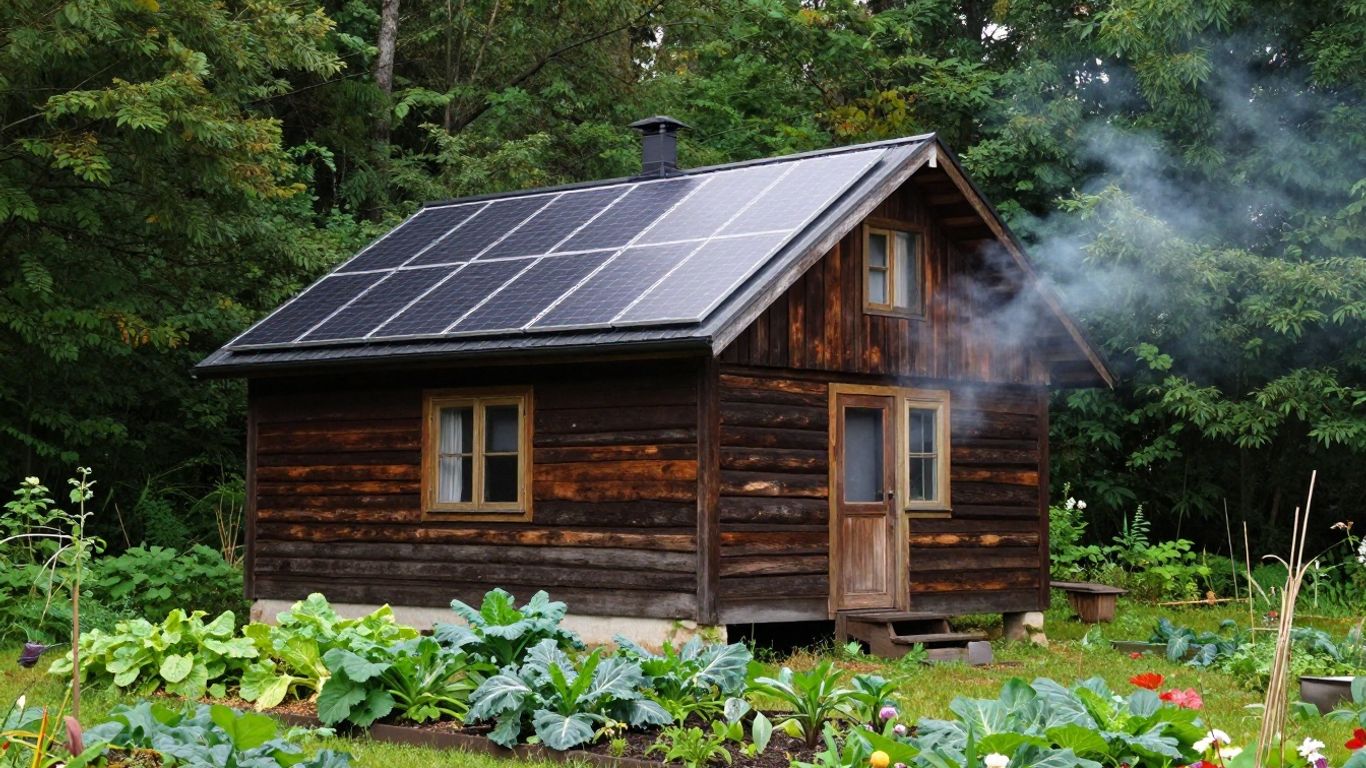
Living off the grid means your home is basically a high-maintenance pet. You can’t just leave for a weekend trip without a plan. Your water system, whether it’s a well or a rainwater collection setup, needs regular checks. You’ve got to make sure the pumps are running, filters are clean, and in the case of rainwater, that you’ve got enough stored, especially if there hasn’t been much rain. Then there’s the power. Solar panels are great, but the batteries are the real heart of the system. They need monitoring to make sure they’re charging properly and that the charge controller is doing its job. It’s not complicated stuff, but it’s constant. You learn to watch the weather not just for fun, but to know if you need to be more careful with your power usage.
Wood Stove Management and Winter Preparedness
When winter hits Virginia, your wood stove isn’t just for cozy evenings; it’s your lifeline. Keeping it running smoothly means more than just tossing logs in. You need a good supply of dry, seasoned wood – and that means cutting, splitting, and stacking it well in advance. Chimney cleaning is also a big deal to prevent fires. On really cold nights, you might find yourself getting up to feed the fire, even if it’s the middle of the night. It’s a trade-off for not having a utility bill. Being prepared means having extra fuel, knowing how to light it quickly, and having backup heat sources just in case. It’s a different kind of comfort, one you earn.
The Constant Vigilance Required for Off-Grid Homes
Honestly, off-grid living is a lifestyle that demands you show up for your home every single day. It’s not about escaping responsibility; it’s about taking on a different kind of it. You’re the utility company, the maintenance crew, and the emergency responder all rolled into one. This means you can’t always be spontaneous. Want to head out for a last-minute dinner? You might need to check the battery levels, make sure the water tank is full, or ensure the wood stove is properly banked before you go. It’s a constant, low-level awareness of your home’s needs. The freedom you gain is real, but it’s paid for in personal effort and a willingness to be present for your home. It’s a commitment, but for many, the rewards are worth the work.
The practical reality is that off-grid living involves constant vigilance over water, batteries, and wood stoves. It’s a lifestyle choice that demands you show up for your home and your neighbors.
Building Community in Rural Virginia
Overcoming Isolation Through Local Engagement
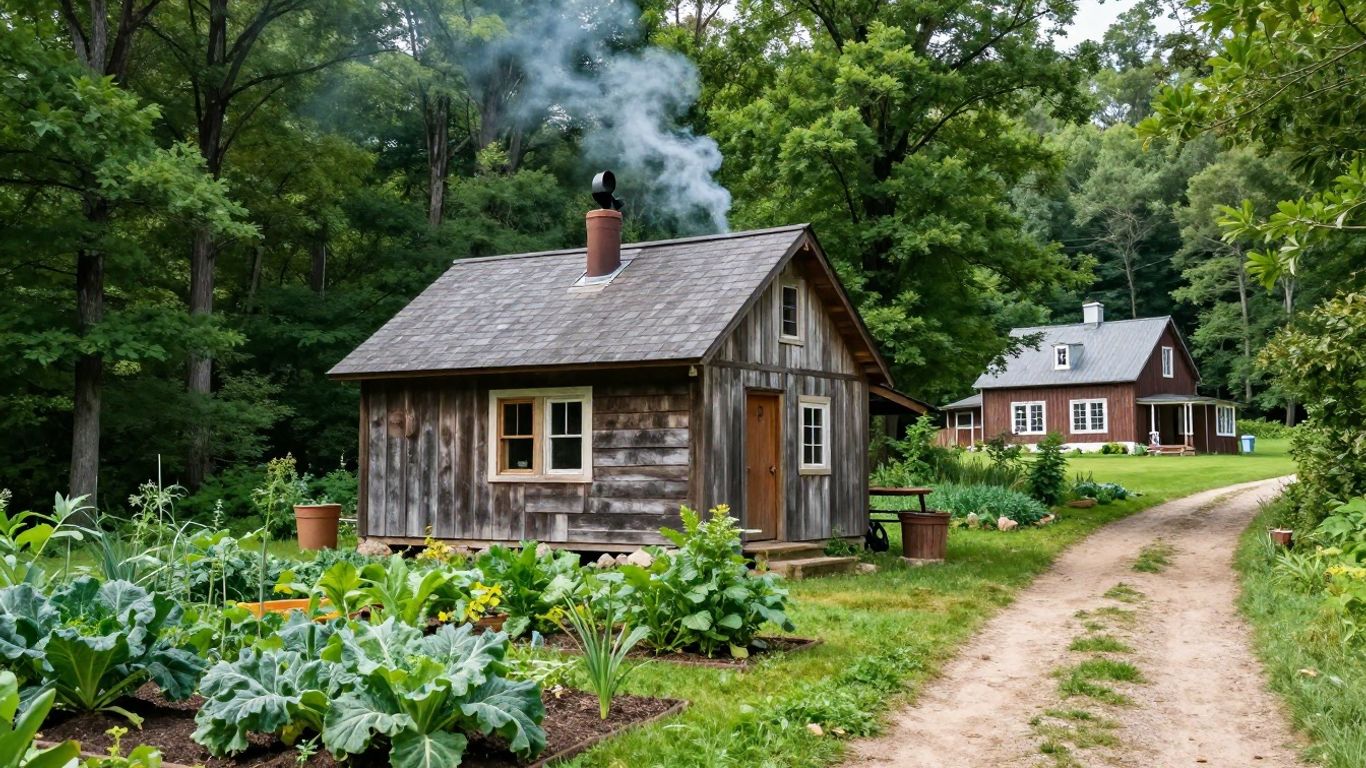
Moving to a rural area in Virginia, especially when embracing an off-grid lifestyle, can feel pretty isolating at first. You trade the constant buzz of city life for quiet landscapes, and sometimes, that quiet can feel a little too loud. If you’re used to bumping into people at the grocery store or having neighbors just a shout away, the shift can be tough. It’s easy to feel disconnected when your daily interactions are mostly with your solar panels and your water pump. But here’s the thing: the off-grid dream isn’t really a solo act. It works best when you actively build connections.
- Start small: Don’t wait for community to find you. Look for local events, even if they seem minor. A library book club, a town hall meeting, or even a community clean-up day are great places to start.
- Be the organizer: If you can’t find the kind of gathering you’re looking for, consider starting it yourself. A simple plant swap, a potluck dinner, or a neighborhood watch group can make a big difference.
- Show up: Make an effort to attend local events regularly. Consistency helps build familiarity and trust with your neighbors.
The reality of rural living is that you often have to create the gathering spaces yourself. It’s not about waiting for someone else to plan something; it’s about taking the initiative to bring people together.
Creating Gathering Spaces and Shared Activities
Think about what brings people together. It could be a shared interest, a common need, or just a desire for a friendly face. In rural Virginia, these opportunities might not be as obvious as a downtown cafe, but they’re there. Maybe it’s organizing a seasonal bonfire, setting up a tool-sharing library for those odd jobs, or even coordinating a carpool for trips into town. These aren’t grand gestures; they’re the small, consistent efforts that weave a community fabric.
The Importance of Mutual Support in Off-Grid Life
When you’re living off the grid, you’re already signing up for a certain level of self-reliance. But that doesn’t mean you have to go it alone. Having a network of neighbors who can lend a hand, share resources, or just offer a bit of company can be a lifesaver. This mutual support is especially important when unexpected issues pop up – a power system glitch, a water line freeze, or just needing someone to keep an eye on things while you’re away. Building these relationships is as vital as maintaining your own systems. It’s about recognizing that true self-sufficiency often involves a strong community backing.
Expert Insights on Virginia’s Energy Transition
The Changing Math of Homeownership in Virginia
The way we think about owning a home in Virginia is really shifting, and it’s not just about the mortgage anymore. Energy costs are becoming a huge part of the equation. We’re seeing electricity rates climb much faster than wages, especially in areas like Southwest Virginia. It feels like the utility bill is turning into one of the biggest monthly expenses, sometimes even more than property taxes. This isn’t just a small bump; it’s a significant change that makes owning a home more expensive if you’re still relying solely on the grid.
The financial sense of going solar is stronger than ever. Federal tax credits, like the 30% from the Inflation Reduction Act, combined with state property tax breaks for renewable energy, mean that the time it takes for a solar system to pay for itself is shorter than it’s been in a long time. This is happening at the same time that grid power prices are hitting new highs.
Ensuring Infrastructure Longevity and Reliability
When you’re looking at setting up your own power system, especially with batteries, you want it to last. The grid itself is showing signs of strain, with older power plants being retired and new demands from things like data centers popping up. This means the equipment you install at your home needs to be top-notch and built to last. A good warranty, say 30 years, isn’t just a promise; it’s a way to protect yourself from rising energy costs for decades.
Reliability is key when you’re aiming for self-sufficiency. You don’t want to be caught without power when the weather turns bad or when the grid has issues. Investing in quality components and a well-designed system is like buying insurance for your home’s power supply.
Navigating Permitting and HOA Approvals
Getting a solar or battery system installed might seem complicated, especially when you have to deal with local rules and homeowner associations. But many companies that install these systems now handle all the paperwork for you. They know the process and can often get approvals sorted out within a couple of months.
Here’s a general idea of what to expect:
- Initial Consultation: Discussing your energy needs and system options.
- System Design: Creating a plan tailored to your home.
- Permitting: Submitting applications to local authorities.
- HOA Approval: Getting the green light from your homeowners association, if applicable.
- Installation: The actual setup of your solar panels and battery.
The shift towards home energy independence is driven by more than just environmental concerns. It’s a practical response to the increasing cost and unpredictability of grid electricity. Homeowners are looking for ways to stabilize their monthly expenses and gain more control over their power supply, making investments in solar and storage a sound financial decision for the long term.
The Real Virginia Off-Grid Story
So, what’s the takeaway from all this? Living off the grid in Virginia isn’t just about escaping the utility company; it’s a full-on commitment. We’ve seen that while the dream of self-sufficiency is appealing, the reality involves constant work, from tending wood stoves to managing water systems. It’s a lifestyle that demands you show up, not just for your home, but for your community too. Building connections, whether through a local book club or a simple plant swap, is just as important as keeping your solar batteries charged. As energy costs keep climbing and regulations shift, going off-grid might look more practical than ever, but remember: it’s a choice that trades convenience for a different kind of reward. It’s about actively shaping your life, one day at a time, right here in the hills of Virginia.
Frequently Asked Questions
Why are electricity prices going up so much in Southwest Virginia?
Electricity prices are rising because the power grid is struggling to keep up with demand. Big energy users, like huge computer centers, are using a lot more power. This means everyone, including homes in rural areas, has to pay more for the electricity they use and for upgrades to the power lines.
What is the ‘2026 Net Metering Grandfathering Window’?
Net metering is a system where you get credit for the extra electricity your solar panels send back to the grid. Virginia is changing this system. The ‘grandfathering window’ is a special time before the new rules start. If you get solar panels installed before the deadline, you might be able to keep the old, better rates for many years.
What does it mean to become an ‘Energy Prosumer’?
An ‘Energy Prosumer’ is someone who both uses energy and produces it. By putting solar panels on your roof and adding battery storage, you can create your own power. This makes you less dependent on the electric company and helps you control your energy costs for a long time.
How can I save money on solar power in Virginia?
You can save money by using government programs. The federal government offers tax credits that lower the cost of solar systems. Virginia also has rules that can help reduce your property taxes for having solar. These savings can make the time it takes to get your money back much shorter.
Is living off-grid really a ‘simple life’?
While off-grid living can offer freedom and lower bills, it’s not simple. It requires a lot of hands-on work. You have to constantly check and maintain your water and power systems, manage things like wood stoves, and be prepared for weather changes. It’s a big commitment.
How do people stay connected when living off-grid?
Even though off-grid living can feel isolating, building community is key. People connect by joining local clubs, organizing events like plant swaps, and helping each other out. Creating these gathering spots and supporting neighbors makes the lifestyle more enjoyable and sustainable.
Explore more tiny home living, design, downsizing, building, and lifestyle resources.
- Kansas HOA Laws Review
- How Much Does Tiny Home Insurance Cost? A Realistic Guide to Premiums
- EcoFlow Delta 3 Pro vs Jackery Explorer 5000 Plus Compared
- Small Septic System for Tiny House: Types, Costs, Rules
- Tiny Home Grey Water System: Reuse Water Legally
- Composting Toilets for Tiny Homes: Best Picks Compared