Shipping Container Pool Sizes: Complete Dimensions Guide

Backyards transform when heavy steel cargo units find new life as backyard swimming pools. Recycling these industrial metal boxes offers a rugged alternative to traditional concrete or fiberglass construction. Because yards come in all shapes and sizes, understanding shipping container pool sizes helps you pick the right fit for your available outdoor space, your budget, and your swimming habits.
Standard Lengths and Widths for Modular Pools
Prefabricated metal aquatic vessels arrive in standard industrial footprints because shipping container pool sizes follow global cargo regulations. Most fabricators utilize high-cube weathering steel boxes to build these structures, which dictates the core structural baseline. Homeowners usually choose between two primary length categories when planning a backyard installation, and understanding these dimensions prevents costly layout mistakes.
The Compact Twenty Foot Option
A twenty-foot shipping container pool typically measures roughly twenty feet long, eight feet wide, and about eight feet deep on the exterior. However, interior swimming space shrinks once you factor in interior insulation, protective coatings, and integrated filtration rooms or sitting ledges. You gain roughly sixteen to seventeen feet of actual water length, which works well for relaxation, cooling off, or teaching children how to swim.
Tight urban yards and narrow side paths benefit immensely from this smaller footprint because the vessel drops neatly into compact spaces without dominating the entire landscape. You can easily fit a twenty-foot model alongside a patio, small deck, or modest garden bed while still leaving room for outdoor furniture. If your property features awkward angles or strict property setback limits, this compact size removes the guesswork from placement.
The Spacious Forty Foot Layout
Stepping up to a forty-foot model doubles your swimming capacity and opens up entirely new possibilities for backyard recreation. These massive steel structures provide roughly thirty-five feet of unobstructed water length, which changes the dynamic from a simple soaking tub into a genuine lap-training vessel. Swimmers can complete continuous strokes without constantly turning, making this layout a favorite for fitness enthusiasts.
Entertaining large groups also becomes remarkably easy with a forty-foot pool because multiple people can lounge, wade, or socialize simultaneously without feeling cramped.
Fabricators often divide these larger containers to include a built-in spa section at one end, combining a hot tub and a swimming lane into a single dual-zone unit. Because of the sheer weight and length, you must arrange for a heavy crane rental to maneuver the structure into your yard, but the payoff is an impressive backyard centerpiece that rivals traditional custom concrete builds.
How Depth Options Impact Swimming and Safety
Water depth dictates how a backyard vessel performs, shifting its purpose from a wading pool into a true fitness lane. When planning a custom metal aquatic build, choosing the right vertical dimensions prevents accidents and ensures every family member enjoys the space. Most steel cargo units arrive with standard industrial heights, but interior modifications easily customize the floor plan for specific leisure or athletic goals.
Shallow Water Zones for Relaxation
Relaxation usually demands a shallower vertical profile where guests can comfortably stand, socialize, or sit without treading water.
Tanning ledges and built-in benches often sit at a comfortable depth of roughly twelve to eighteen inches, making them ideal places to set up lounge chairs or cool off on hot afternoons. Meanwhile, wading areas generally range from three to four feet, providing a secure environment for younger children and non-swimmers to splash around under close supervision.
These shallow pockets also make maintenance significantly easier because you can reach the bottom surface without needing diving gear or specialized scrubbing poles. However, homeowners must install clear depth markers along the perimeter edge to prevent diving accidents in zones that lack sufficient vertical clearance. Shallow ledges also double as entry steps, creating a safe transition from the surrounding backyard deck directly into the main basin.
Deep Water Design for Lap Swimming
Serious swimmers require a deeper basin to prevent their hands from scraping the bottom during freestyle strokes and flip turns. A true training setup usually demands a minimum depth of five to six feet across the main swimming corridor. This extra water volume provides the necessary resistance and buoyancy for endurance workouts, turning a compact backyard footprint into an effective athletic channel.
Counter-current jets work exceptionally well in these deeper configurations because the heavy water volume stabilizes the flow and prevents turbulent splashing.
Safety becomes even more critical at this depth, so local municipal codes often mandate perimeter fencing, self-latching gates, and non-slip interior coatings to protect guests. Maintaining proper water chemistry also demands more frequent filtration cycles because deeper vessels hold thousands of additional gallons that collect debris and heat up slower than shallow zones.
Matching Shipping Container Pool Sizes to Your Backyard
Your property holds the final authority over what dimensions you can actually build, no matter how much space you desire. Municipal zoning rules, utility easements, and physical obstacles dictate the exact footprint your metal vessel must occupy. Careful measurement protects you from costly fines, project delays, or forced removal.
Checking Property Boundaries and Local Setbacks
Local municipal codes dictate precise setback requirements for any permanent structure, and swimming pools face strict scrutiny.
Property lines rarely run where homeowners assume they do, so hiring a licensed surveyor provides an accurate baseline before ordering your steel shell. Setback rules dictate how many feet your pool must sit from neighboring fences, public easements, and main roadways. Ignoring these boundaries can lead to stop-work orders or expensive legal disputes with your municipality.
Underground utilities add another layer of complexity to your layout plan. Water lines, gas mains, and electrical cables crisscross most yards, creating invisible hazards during excavation. Calling your local utility notification center before digging marks these lines clearly on your turf.
Drainage ordinances also shape your sizing options because municipalities restrict how backwash water leaves your property. If your chosen container size leaves zero room for required grading or runoff management, you must scale down the footprint. Working closely with local building departments ensures your dimensions comply with every regional ordinance.
Planning for Crane Access and Delivery Clearance
Delivering a forty-ton prefabricated metal structure to your backyard requires meticulous logistical planning. Transport trucks need wide clearance roads, and heavy cranes demand stable setup zones with adequate vertical space.
Overhead power lines present the most common hazard during aerial lifting operations. Utility companies can temporarily drop power lines, but this service requires advance scheduling and adds to your project timeline.
Low-hanging tree branches, narrow side gates, and soft soil conditions also threaten successful delivery. A heavy crane cannot operate safely on soggy ground or steep slopes without timber outrigger pads.
Measuring your access path before purchasing a container prevents delivery trucks from turning away empty. If street access is too tight for a standard crane, specialized rigging equipment like heavy-duty dollies or helicopter lifts might be necessary. Planning these logistics early keeps your backyard aquatic project moving forward without unexpected roadblocks.
Custom Configurations and Modified Dimensions
Standard industrial boxes provide a reliable starting point, but property layouts often demand creative structural alterations. Because backyards rarely feature uniform dimensions, steel fabricators routinely modify shipping container pool sizes to fit tight boundaries or match specific architectural goals. Understanding how to shrink or combine these metal structures opens up new possibilities for challenging properties.
Cutting Down Boxes for Small Spaces
Fabricators routinely trim standard twenty-foot units down into compact ten or twelve-foot splash pools when urban properties lack sufficient ground area. Workers start by carefully cutting the corrugated weathering steel walls with heavy plasma torches to achieve the exact target length. After removing the excess steel segment, skilled welders rejoin the remaining sections and seal every seam with continuous, watertight welds that match industrial marine standards.
Internal reinforcement framing is then welded directly into the modified structure to restore the structural integrity lost during the cutting process. Once the physical modification is complete, workers apply thick layers of spray insulation and protective coatings to prevent rust and maintain structural rigidity. Homeowners gain a custom-sized vessel that drops neatly into postage-stamp yards without sacrificing the durability of heavy-gauge steel.
Joining Multiple Units for L Shaped Designs
Advanced configurations often require two separate metal structures welded together to create expansive swimming areas or distinct depth zones. Fabricators achieve this by cutting matching openings in the side walls of adjacent containers and joining them with heavy-duty structural steel collars. This precise welding technique allows you to connect a shallow lounging deck to a deep lap-training lane in a seamless L-shaped footprint.
Engineers calculate load-bearing requirements carefully before any cutting begins because removing sections of the outer walls weakens the natural box beam strength. Additional steel beams are welded along the top and bottom perimeters to distribute water weight evenly across the entire connected foundation.
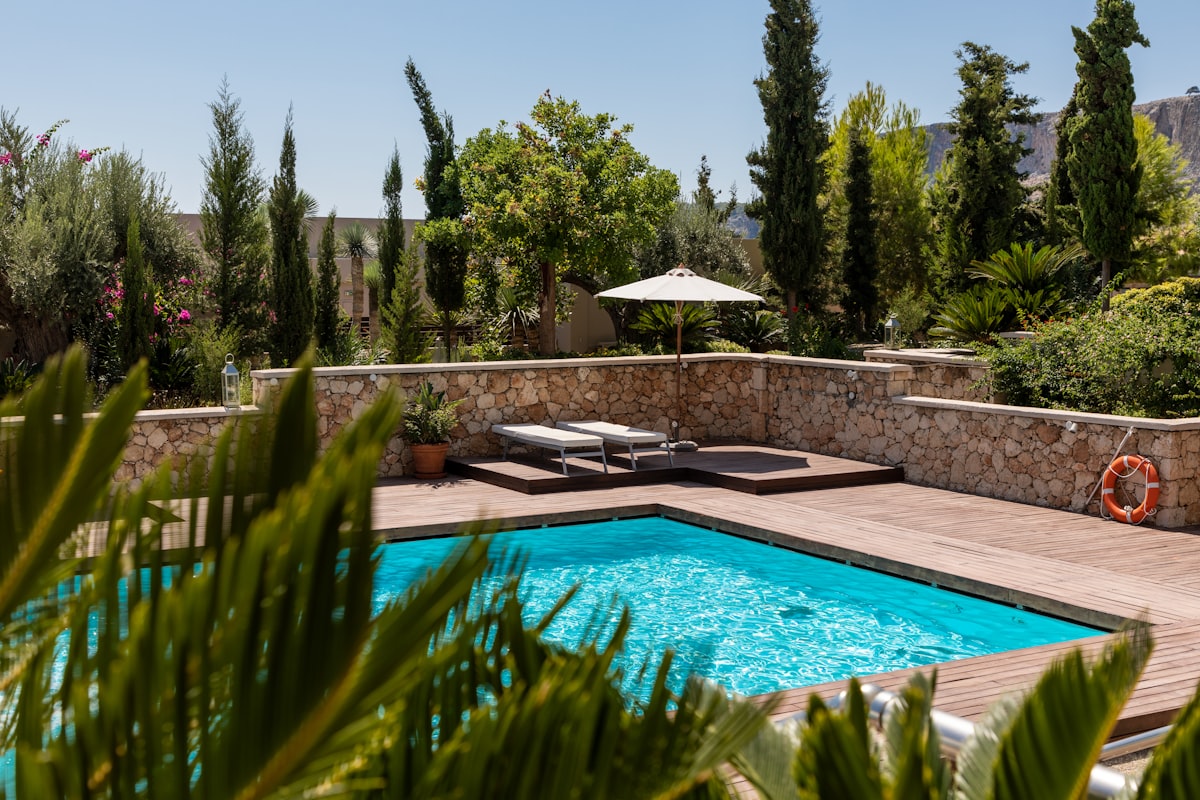
This multi-box approach transforms standard shipping container pool sizes into sprawling aquatic centerpieces that wrap around outdoor kitchens, patios, or multi-level decks. You no longer have to settle for a linear layout when your backyard demands an imaginative shape to maximize every square foot of available land.
Cost Differences Across Various Pool Dimensions
Sizing dictates the financial trajectory of a backyard aquatic project from the initial factory build through decades of ownership. Choosing the right container footprint involves balancing upfront fabrication fees against the ongoing operational expenses that accumulate season after season. Every extra foot of steel, water, and filtration equipment alters your budget in predictable ways.
Why Smaller Pools Save on Long Term Upkeep
Compact vessels require significantly less electricity, fewer chemicals, and smaller heaters to maintain comfortable swimming conditions. Because a twenty-foot container holds roughly half the water volume of a forty-foot model, your utility bills drop substantially whenever filtration pumps run. Heating 2,500 gallons of water demands far less energy than warming 6,000 gallons through chilly autumn nights.
Chemical maintenance expenses also shrink when you manage a smaller liquid capacity. Chlorine, balancing agents, and algaecides are priced by volume, so treating a compact basin costs considerably less each month. Smaller surface areas require less scrubbing and skimming, saving both your weekends and your budget for cleaning supplies.
| Pool Dimension | Water Volume (Gallons) | Relative Monthly Heating Cost | Chemical Maintenance Expense |
|---|---|---|---|
| 20-Foot Compact | 2,500 – 3,500 | Low | Economical |
| 40-Foot Full Size | 5,500 – 7,000 | High | Substantial |
| Custom L-Shaped | 8,000 – 10,000 | Maximum | Premium |
Understanding these volumetric differences helps you match your actual swimming habits with your monthly operating budget. If you primarily want a refreshing plunge after a long run, a compact vessel provides the hydrotherapy you need without punishing your wallet. On the other hand, larger vessels demand a serious financial commitment to keep the water warm, balanced, and circulating properly year-round.
Conclusion
Shipping container pool sizes dictate every phase of your backyard project, from initial placement to long-term utility costs. A compact twenty-foot model fits tightly into urban yards and reduces your monthly chemical and heating expenses. Meanwhile, a forty-foot layout or custom L-shaped configuration provides genuine lap-training corridors and ample space for entertaining guests.
Property boundaries, local municipal setbacks, and heavy crane access determine what dimensions you can safely install on your land. Therefore, always hire a licensed surveyor and call utility locators before ordering your steel structure.
Match your actual swimming habits and physical boundaries to the right footprint so you avoid costly logistical mistakes. Pick the dimensions that balance your recreation goals with your property layout, and start planning your backyard installation today.
Explore more tiny home living, design, downsizing, building, and lifestyle resources.
- Small Septic System for Tiny House: Types, Costs, Rules
- Tiny Home Grey Water System: Reuse Water Legally
- Composting Toilets for Tiny Homes: Best Picks Compared
- How to Install a Septic System for a Tiny House
- Septic Tank for Tiny House: What Size You Really Need
- Tiny House Septic System Cost: What You’ll Really Pay