Tiny Homes for Rent in California: Dream Stays Worth Booking

Wake up in a compact cabin, converted trailer, or thoughtfully designed tiny house, with the California coast, a forest trail, desert scenery, or wine country just outside. Tiny homes for rent in California range from simple off-grid stays to polished vacation homes, so the right choice depends on the setting and comforts you want.
Prices, amenities, and access vary by location, and a beautiful listing photo won’t tell you everything about the layout or what’s included. A little planning can help you find a stay that fits your trip, whether you’re looking for a quiet retreat or a base for exploring.
Below, you’ll find practical guidance on choosing a region, comparing tiny home rentals and their prices, assessing a rental, and booking with fewer surprises.
Key Takeaways
- Choose a California region that fits your plans, whether you want coast, forest, desert, or wine country, and account for driving distances between the rental and activities.
- Compare the full cost before booking. Nightly rates may not include cleaning fees, taxes, pet charges, or other expenses.
- Check the listing for practical details such as bed size, bathroom setup, heating or air conditioning, kitchen equipment, parking, and cell service.
- Read the access and house rules carefully, especially for remote or off-grid stays, where road conditions and limited utilities can shape your trip.
- Book early for popular dates, and check California State Parks availability if nearby campground access matters to your plans.
What to Expect From Tiny Homes for Rent in California
The label “tiny home” covers a wide range of California rentals. One listing may offer a rustic cabin with basic utilities, while another has the feel of a compact vacation home with modern comforts. Since the name alone doesn’t tell you what the stay includes, compare photos, amenities, and layout before booking.
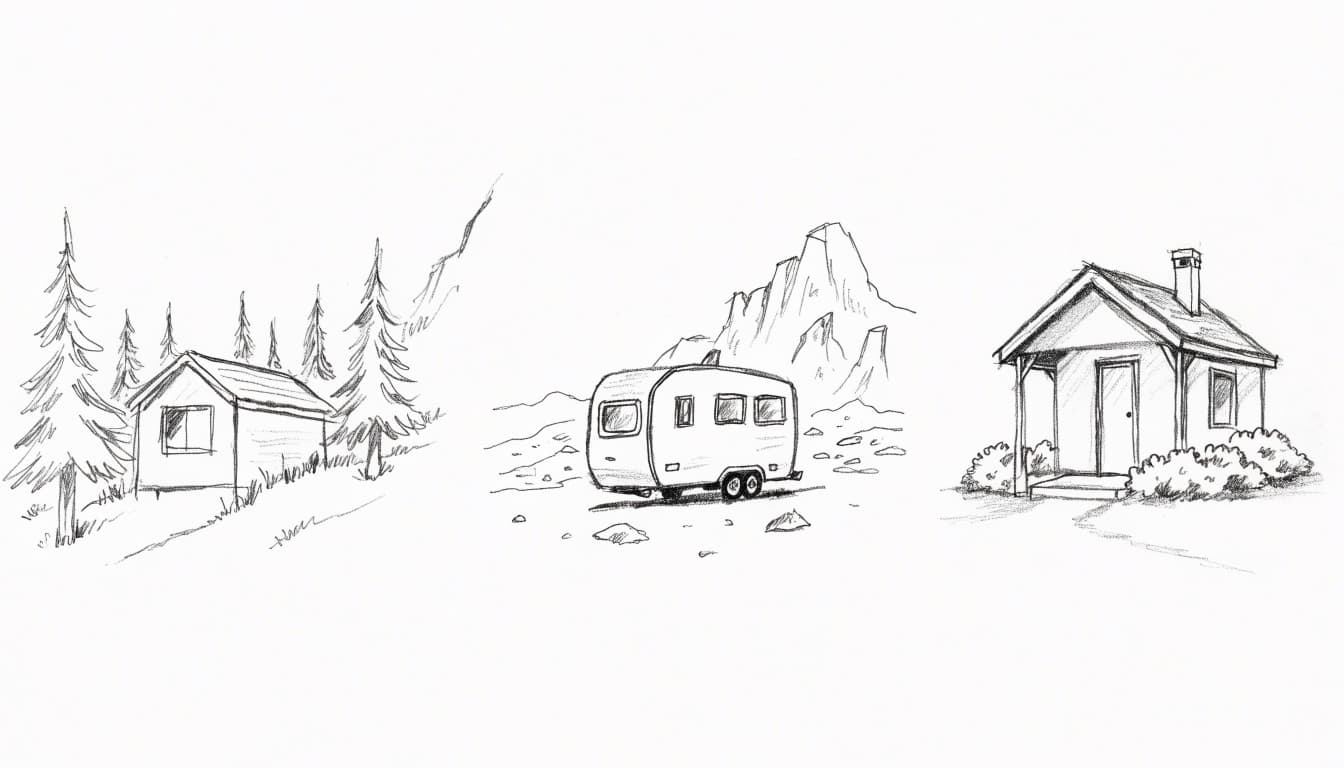
From off-grid cabins to polished vacation homes
In California, a tiny-home rental might be a small cottage, a standalone cabin, a converted trailer, or another compact dwelling. The term describes a style of stay, not a guaranteed floor plan or set of amenities. The state’s Accessory Dwelling Unit Handbook notes that “tiny home” is an industry term and isn’t specifically referenced in state ADU law.
Some rentals prioritize a close-to-nature experience, with limited power, an outdoor cooking area, or a simple bathroom setup. These can suit travelers who value the setting and don’t mind fewer conveniences. Others include a full kitchen, private bathroom, heating, air conditioning, and reliable internet, which can make longer stays or remote work easier.
Those comforts aren’t universal, even among listings with similar names. Check whether the kitchen has a stove and refrigerator, whether the bathroom is indoors, and whether heating or cooling is available year-round. For off-grid properties, look for clear details about electricity, water, and internet access. Photos can reveal the condition and style of the space, while listing details fill in what pictures can’t show.
Small footprints, big differences in comfort
A compact layout can feel cozy for two, but sleeping arrangements matter when more guests share the space. Check whether the bed is a standard mattress, a sofa bed, or a loft mattress, and confirm how many people can sleep comfortably. A family may need separate sleeping areas, while a couple might prefer one comfortable bed and room to move around.
Storage also affects daily comfort. A few hooks and shelves may be enough for a weekend, but longer trips call for space to unpack. Look for indoor seating, outdoor space, and a bathroom layout that matches your needs. A loft reached by a steep ladder, for example, may not work for young children or guests with mobility needs. When stairs or narrow doorways could be a concern, ask the host for measurements or clarification before you book.
Where to Find a Tiny House Rental in California
Tiny homes for rent in California sit in a wide range of settings, from foggy coastal forests to dry desert valleys. Start with the kind of trip you want, then compare the drive to your planned activities and the services you’ll need nearby.
Coastal escapes and redwood country
Along the coast, compact cabins and cottages can put you near beaches, cliffside drives, and small towns. In Northern California, forest stays offer a different pace, with redwood groves, river trails, and winding roads through dense trees. The Prairie Creek Redwoods scenic drives show how easily a forest route can become part of the outing.
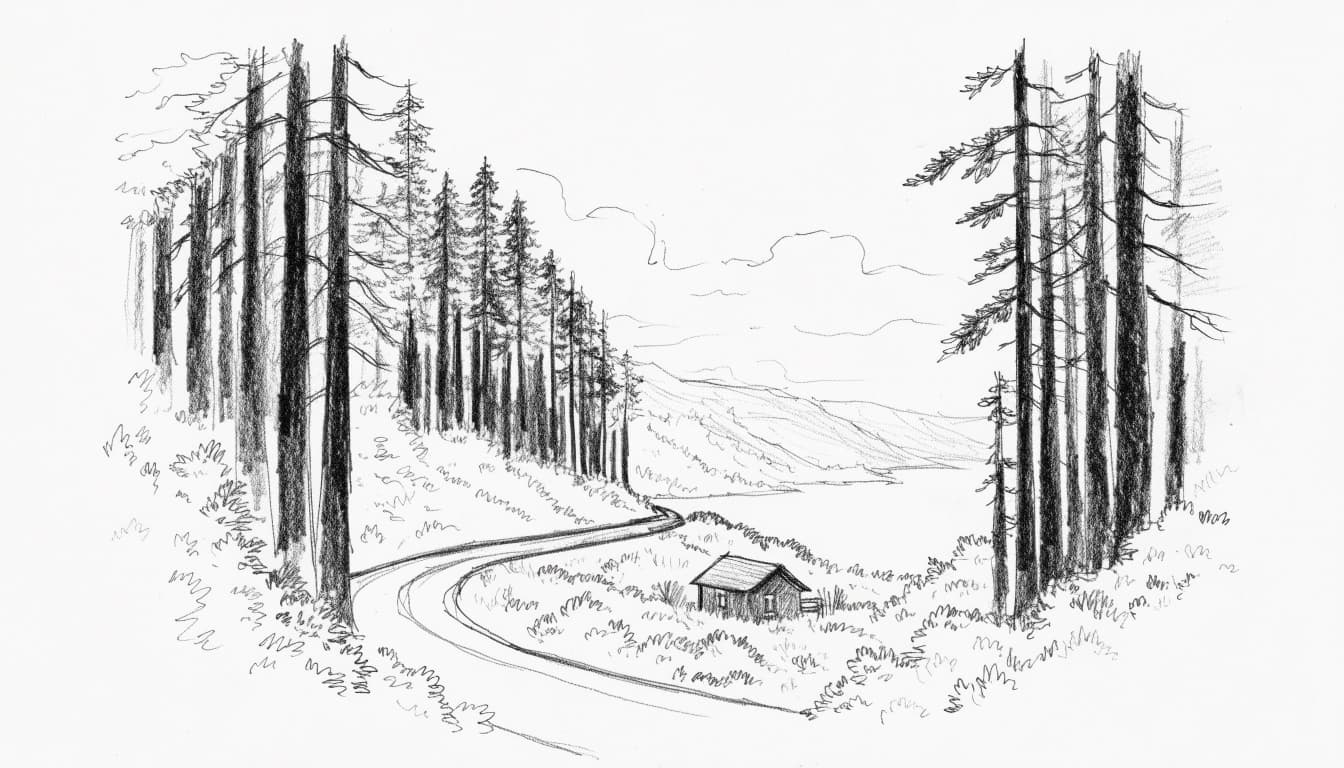
These regions suit travelers who want time outdoors without planning every hour. However, popular coastal towns and destinations near major parks can have higher nightly rates and fewer open dates, especially during busy travel periods. Book early when your dates are fixed, and check the route before choosing a rental. A property that looks close to the ocean or a trail on a map may still require a longer drive along slow, winding roads.
Mountain towns, deserts, and wine country
Mountain and lake rentals work well for guests who want hiking, paddling, or a quiet base near alpine scenery. Weather changes sharply with elevation and season, so check road conditions and heating details before booking. Summer weekends and winter recreation periods can bring more demand, while shoulder seasons may offer a calmer visit.
Desert stays near Joshua Tree trade forest shade for open skies and rugged rock formations. The National Park Service’s Joshua Tree visitor information can help you plan park visits and check practical details before you go. Desert temperatures can swing between hot days and cool nights, so confirm that the rental has suitable cooling or heat. Wine-country options, meanwhile, place guests near rural roads, tasting rooms, and small towns, but some properties sit far from food and supplies.
Choose a location that fits your plans
Before booking, map the rental against the places you expect to visit. Check drive times to trailheads, beaches, airports, restaurants, and grocery stores, and allow extra time for narrow roads or traffic. A home that looks central in a listing may be a long drive from the activities you care about.
Remote stays often require a car, plus a little planning for groceries and fuel. Save directions offline if cell service may be limited, and note where you can refuel or buy essentials along the route. Matching the location to your itinerary can make a scenic stay feel convenient rather than isolated.
How Much Do Tiny Home Rentals Cost?
Tiny-home rental prices in California vary widely, so a single statewide rate won’t tell you what your trip will cost. The nightly price depends on where you stay, when you book, and what the property includes. For an accurate comparison, check current rates for your dates and compare the full checkout price.
Compare the full price, not just the nightly rate
A listing’s nightly rate is only one part of the bill. Cleaning fees, platform service charges, and taxes can raise the total, while some hosts also require a deposit. Check whether a deposit is refundable, when it will be returned, and whether the listing adds charges for pets or extra guests.
Taxes also vary by location. For example, Los Angeles County charges a transient occupancy tax on lodging, and other cities and counties set their own rules and rates. The county’s transient occupancy tax information explains how the charge applies locally.
Minimum-stay rules can affect the price, too. A low nightly rate may still require a two- or three-night booking, while longer stays sometimes qualify for a reduced rate. Compare the final price for the same dates and group size across several listings, including any required fees. That makes it easier to see which rental offers better value for your actual trip.
Understand what drives prices up or down
Location and timing often have a major effect on cost. A tiny home near the coast, a popular national park, or a well-known wine region may cost more during high-demand dates. Weekends, holidays, and peak seasons can also bring higher rates. Weekday or off-season stays may offer better value, especially if your dates are flexible.
Property features matter as well. A hot tub, scenic view, private outdoor space, or well-equipped kitchen can raise the nightly price, but those amenities may be worth it if you plan to spend time at the rental. Compare what’s included rather than assuming a higher rate means better comfort. Heating, air conditioning, parking, and reliable Wi-Fi can be more useful than an extra feature you won’t use.
Seasonal conditions can change the experience, even when rates drop. Rain, heat, snow, road conditions, or seasonal closures may affect outdoor plans and access to nearby attractions. Before booking, check the forecast and local access information, then weigh the savings against what you want to do during your stay.
How to Choose the Right Tiny Home for Your Trip
The right tiny home depends on more than its location or photos. Start with your group size, length of stay, comfort needs, and planned activities, then use those details to narrow down listings. A rental that suits a couple for two nights may feel cramped for a family spending a week indoors.
Match the layout and amenities to your group
Check the actual bed count and sleeping arrangement before booking. A listing may advertise space for four, for example, but that could mean one bed, a sofa bed, and a loft mattress rather than separate sleeping areas. If guests need privacy or different bedtimes, look for a layout that gives them room to settle in.
Also consider how you’ll use the space. For a quick weekend, a compact kitchen may be enough; for a longer stay, check for usable counter space, cooking equipment, and storage for food and luggage. Confirm whether the bathroom is private and indoors, and whether the home has heating or air conditioning for the season.
A loft ladder or compact bathroom can be uncomfortable or impractical for some guests, including young children and people with limited mobility. If a feature could affect your group, ask the host for details before reserving. Clear answers about bed sizes, room dimensions, or access can help you avoid an awkward surprise.
Check access, connectivity, and outdoor conditions
Match the property’s setting to your plans. If you’ll spend most of the trip hiking or visiting nearby towns, you may need less indoor space than a group planning quiet days at the rental. For longer stays, remote work, or evenings indoors, reliable Wi-Fi, comfortable seating, and enough storage matter more.
Before booking, check whether your vehicle can reach the property and where you’ll park. A steep gravel road, limited parking, or seasonal access may affect the trip, especially if you’re arriving after dark. Ask the host about cell service and Wi-Fi coverage, then confirm how water and power work if the home is off-grid.
Outdoor features can also shape your stay. Find out whether a deck, fire pit, or grill is available and whether local rules permit its use during your dates. Fire restrictions can change by location and season, so check current guidance for nearby public lands, such as the Bureau of Land Management’s California fire restrictions. Ask the host about any other detail that could affect safety or comfort, including wildlife, nearby construction, or nighttime access.
How to Book a Tiny Home Rental and Avoid Surprises
Once you’ve found a California stay that fits your trip, take time to check the listing and confirm the details that could affect your arrival or comfort. Airbnb and Vrbo offer vacation rentals, while Hipcamp includes outdoor stays; available properties and booking options vary by destination and date. Compare several listings, then ask the host about anything the page leaves unclear before you pay.
Read listings and reviews with care
Start with recent reviews, since they can reveal changes in cleanliness, access, noise, or communication. Read the cancellation terms and house rules before booking, too. Check the map for the exact location, and look closely at photos of the sleeping area, bathroom, kitchen, and outdoor space. If the property sits on shared land, confirm whether you’ll have a private home and entrance or share parts of the site with other guests.
A listing may describe a tiny home as secluded while placing it near the host’s house or another rental. If privacy, road access, or a particular amenity matters to your plans, ask directly. Get written clarification through the booking platform before paying, especially when a detail affects the price or whether the stay suits your group.
Confirm check-in details and what is included
Before the trip, make sure you know when and how to check in, where to park, and whether you’ll need a gate code or directions for the final stretch. Ask what the host provides, including linens, cookware, and toiletries, and clarify the cleaning expectations for checkout. Also confirm quiet hours, pet rules, and how to reach someone if the lock fails or an essential item is missing.
Keep messages and payments within the platform when the marketplace requires it. Airbnb prohibits hosts from moving a booking or certain communications off-platform, as explained in its payment and communication rules. Vrbo also warns against off-platform booking and payment in its off-platform booking policy. A request to pay by direct transfer can remove protections tied to the platform, so pause and contact its support team if anything feels inconsistent.
California Rental Rules and Practical Limits to Know
Before booking, check both the host’s disclosures and the requirements that apply where the rental sits. California short-term rental rules vary by city and county, and permits, taxes, occupancy limits, and rental restrictions can change. A listing on a booking site doesn’t confirm that the property meets every local requirement or explain which rules apply to your stay.
Short-term rental rules vary by city and county
Some communities require hosts to register or obtain a permit, while others set limits on rental periods or occupancy. Tax requirements can differ, too. San Francisco, for example, defines short-term residential rentals as stays of fewer than 30 nights and outlines local requirements in its short-term rental FAQs. Riverside County has its own short-term rental certificate program.
The type of tiny home may also affect how local rules apply. A tiny home on wheels may be treated differently from a permanent dwelling or cabin, depending on its location and use. That distinction can matter for zoning, permits, and whether the property can operate as a short-term rental. Don’t assume that two listings with similar photos follow the same rules.
Before you reserve, review the listing’s occupancy limit, house rules, taxes, and any permit or registration details the host provides. If a requirement is unclear, ask the host and check current city or county guidance. The listing is useful for understanding the property, but it doesn’t replace checking local requirements.
Ask how utilities and access work
A remote or off-grid stay may not offer the same services as a hotel. Water could come from a well or storage tank, and a septic system may have limits on what guests can flush or put down the drain. Power might rely on solar or a generator, while heating may use a wood stove or propane. Ask what’s available, how it works, and whether there are restrictions on use.
Access deserves the same attention. A gravel road, steep driveway, or seasonal route may require a suitable vehicle, and cell service can disappear before you reach the property. Confirm parking, arrival directions, and waste disposal, including where to take trash if the rental has no regular pickup.
These details help set realistic expectations, especially for longer stays or trips with children. Get the host’s answers in writing before booking, so you know what to bring and whether the setup fits your needs.
Frequently Asked Questions
A few details can make or break a stay in one of California’s tiny homes. Confirm the specifics that matter to your group before you book.
Are tiny homes in California suitable for families?
They can work well for families when the sleeping setup, layout, and safety features match your children’s ages. Check whether a loft requires a ladder, whether stairs have railings, and if there’s enough room for everyone to sleep comfortably. Before booking, review the floor plan and house rules, then confirm the host’s occupancy limit.
Can I rent a tiny home for a month or longer?
Some hosts accept month-long or longer stays, but minimum booking periods, extended-stay discounts, and local requirements vary. Ask the host to confirm the total cost, including utilities and any added fees, and read the cancellation terms for longer reservations. A lower monthly rate may come with different conditions than a short stay.
Do California tiny home rentals allow pets?
Pet rules depend on the host. A listing may limit the number or size of pets, charge an additional fee, or restrict access to decks and other outdoor areas. Get written approval before booking, even if the listing appears pet-friendly, and confirm any cleanup or leash requirements.
Will a tiny house rental have Wi-Fi and air conditioning?
Amenities differ, especially at remote or off-grid properties. Check the listing, then ask the host about internet speed, cooling, and heating if you need them for work or comfort. Cell and internet access can be limited in some destinations; Yosemite National Park, for example, advises visitors to plan for limited connectivity.
What should I pack for a tiny home stay?
First, check what the host supplies, including linens, towels, cookware, and toiletries. Pack layers for changing temperatures, sturdy shoes for outdoor paths, and food or basic supplies if the rental sits far from stores. Since storage is limited, bring only what you expect to use.
Conclusion
Tiny homes for rent in California can turn a trip into a stay close to the coast, forest, desert, or wine country. The best rental balances location, comfort, clear rules, and a total price that fits your plans. Since layouts, amenities, access, and local requirements vary, compare listings carefully rather than relying on photos or the nightly rate alone.
Before booking, ask the host about anything that could affect your comfort or arrival, such as bed arrangements, utilities, road access, or house rules. Then choose the California setting that suits your trip and gives you room to enjoy the stay. A thoughtful match can make a compact home feel like the right base for a memorable visit.
Explore more tiny home living, design, downsizing, building, and lifestyle resources.
- Small Septic System for Tiny House: Types, Costs, Rules
- Tiny Home Grey Water System: Reuse Water Legally
- Composting Toilets for Tiny Homes: Best Picks Compared
- How to Install a Septic System for a Tiny House
- Septic Tank for Tiny House: What Size You Really Need
- Tiny House Septic System Cost: What You’ll Really Pay