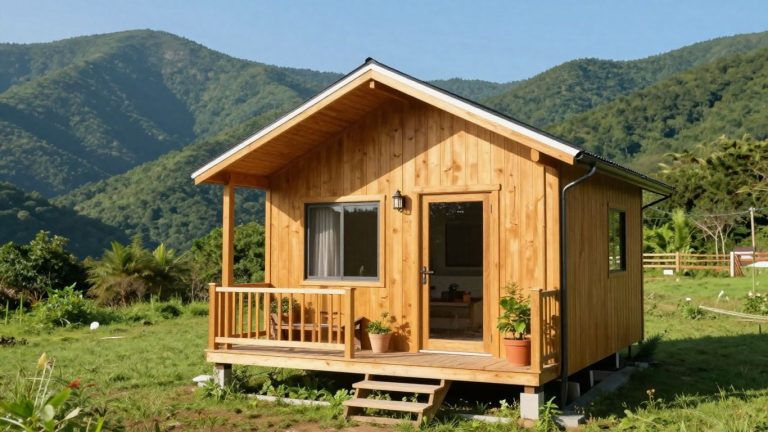
Tiny Homes for Rent in Connecticut: Cozy Escapes & Unique Stays

A snug cabin tucked among Connecticut’s trees or a compact home near the shoreline can make a weekend feel far removed from routine. Tiny homes for rent in Connecticut range from simple off-grid cabins to small stays with modern comforts, and the setting, season, and amenities all shape the experience.
The right fit and renting tiny homes depends on where you want to go and what you need once you arrive. Compare locations, check what each rental includes, and look beyond the nightly rate to understand the full cost before booking. Start by choosing the Connecticut setting that suits your getaway.
Key Takeaways
- Choose the setting first: a wooded cabin suits a quiet retreat, while a shoreline stay puts coastal towns and beaches within easier reach. Explore eastern Connecticut’s coast and countryside for ideas.
- Compare each home’s essentials, including heat, air conditioning, bathrooms, cooking equipment, and reliable cell service, since compact rentals can vary widely.
- Check the location and access details before booking. A secluded property may require a car, and seasonal weather can affect roads and outdoor plans.
- Look beyond the nightly rate by checking cleaning fees, minimum stays, cancellation terms, and any rules for pets or outdoor fires.
Tiny Homes for Rent in Connecticut: Where to Find the Right Stay
A tiny home’s setting shapes the whole trip. Before searching listings, decide whether you want salt air and beach access, a wooded retreat, or a rural stay near a farm or lake. Then compare the exact location with the places you plan to visit.
Compare the shoreline, countryside, and small-town stays
Along the coast, a compact cottage or cabin can put beaches, harbors, and seafood spots within reach. That convenience may come with higher rates during busy summer weekends, while a stay farther inland could mean a quieter setting and a longer drive to the water. If Mystic is on your itinerary, check how far a rental sits from town rather than relying on a broad “near Mystic” description. The town lies along the Mystic River, and Visit Connecticut’s Mystic guide can help you plan what to see nearby.
Inland, wooded towns offer a different pace. A cabin surrounded by trees may suit a weekend built around hiking, reading, or time outdoors, but the closest grocery store or restaurant could be a drive away. Small towns along the Connecticut River Valley can pair river views and historic downtowns with access to local trails. Meanwhile, farm and lake settings in places such as Litchfield County often feel more rural, with open fields, country roads, and fewer services close by. Visit Connecticut’s guide to Western Connecticut offers regional ideas for the Litchfield Hills.
These settings can affect more than the view. Proximity to beaches, trails, Mystic, or the river valley may influence rates and drive times, while a secluded property may require more planning for meals and errands. Before booking, open the listing’s map and check driving distances to your main stops. Also confirm whether the route includes unpaved roads or limited parking, especially if you’re arriving after dark or traveling in winter.
Look beyond the word “tiny” when searching
Hosts don’t always describe compact rentals as tiny homes. Similar spaces may appear under terms such as tiny cabin, micro-cabin, small cottage, glamping cabin, or off-grid cabin. Searching only one phrase can leave suitable stays out of view, particularly in rural areas where hosts emphasize the setting or experience instead of the home’s size.
Combine a few listing terms with a region or nearby destination. For example, try “tiny cabin near Mystic,” “small cottage in Litchfield County,” or “off-grid cabin Connecticut River Valley.” Then filter by the amenities that matter to you, such as a private bathroom, heat, air conditioning, a kitchen, or access to a trail. Because hosts use labels differently, read the full description and inspect the photos to understand the layout.
Finally, check the map, amenities, and house rules before deciding that a listing fits. “Glamping cabin” might describe a well-equipped small cottage or a simpler structure with shared facilities. A clear listing should explain what’s inside, what’s shared, and what you’ll need to bring.
Choose a Tiny Home That Fits Your Kind of Getaway
Tiny homes for rent in Connecticut can range from a simple cabin in the woods to a small, fully equipped cottage. The best choice depends on how much comfort you want indoors, who’s traveling with you, and how you plan to spend your days. Compare the actual space and setup, since hosts may use similar labels for very different stays.
Cabins, cottages, converted spaces, and off-grid stays
A compact standalone cabin usually gives you a separate structure and a little privacy, though its interior may be pared down. Small cottages often feel more like miniature homes, with defined living and sleeping areas. Converted sheds or trailers can offer a memorable stay, but their layouts may be narrower or less conventional than the listing photos suggest.
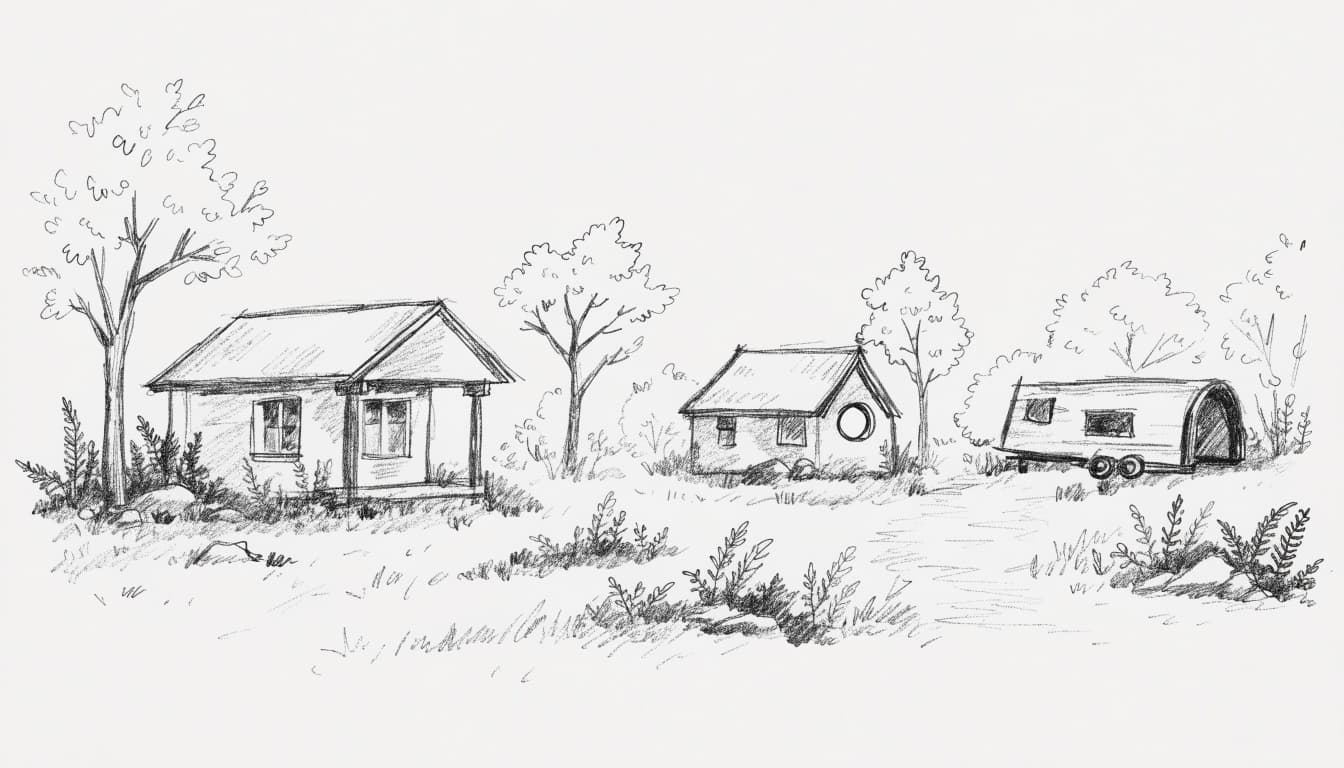
Off-grid cabins may have limited utilities or fewer standard conveniences. For example, a property might rely on a composting toilet, use a water tank, or provide limited electricity. These details can shape what you pack and how comfortable the stay feels, especially in cold or rainy weather.
Because rental labels aren’t standardized, the description and photos matter more than the name. Look for clear details about the interior, bathroom, water, and power. If anything remains unclear, ask the host before booking.
Check beds, bathrooms, heat, and everyday comforts
A cozy room can look inviting in photos yet feel cramped when everyone settles in. Check how many guests each bed accommodates, whether sleeping areas are private, and whether the bathroom is inside the rental or shared. If a listing says “bathhouse,” “loft,” or “sleeps four,” find out what that means for your group.
Amenities also vary widely at rustic and off-grid properties. Confirm whether you’ll have running water, heating and cooling, a usable kitchen, outlets, Wi-Fi, and parking. A kitchenette may have a small fridge and microwave rather than a full stove, while a winter cabin may rely on a woodstove instead of central heat. Ask whether you need to bring linens, drinking water, or other essentials.
Before you reserve, compare the listed features with your routine. If you need Wi-Fi for work, outlets for medical equipment, or a reliable way to prepare meals, get specific answers instead of relying on broad terms such as “equipped” or “comfortable.”
Match the space to your group and travel plans
Check the stated guest capacity, then consider how the sleeping setup works in practice. A loft reached by a ladder may not suit young children, anyone with limited mobility, or guests who need easy access at night. For accessibility questions, the U.S. Access Board’s ADA Accessibility Standards explain design requirements for covered facilities; ask the host about the specific rental’s entrance, paths, and interior layout.
Pet rules, outdoor space, and child-friendly features can also change the fit. A property may allow dogs but lack a fenced area, or offer a fire pit without space for children to play nearby. Confirm any rules that matter to your group before you arrive.
Finally, think about how much time you’ll spend inside. If your plans center on hiking or visiting nearby towns, a compact sleeping space may be enough. For a rainy weekend or a longer stay, look for room to sit, cook, and unwind together. A rental that matches your itinerary will feel more comfortable than one chosen by photos alone.
Understand Rental Prices and Book with Confidence
A listing’s nightly rate gives you a starting point, not the full cost of a Connecticut getaway. Compare stays for the same dates and guest count, then review the booking terms before paying. That simple check can make two similar-looking rentals easier to compare.
Compare the full cost, including fees and seasonal rates
Rates can shift with the season, weekend demand, holidays, minimum-stay rules, and location. A shoreline cabin in summer may cost more than the same type of stay inland or on a weekday. Rural properties can also set different rates for peak foliage weekends or holiday periods. Rather than rely on statewide averages, compare the actual total for your travel dates.
Before booking, check cleaning fees, platform service charges, taxes, deposits, and any extra guest or pet fees. Some deposits are refundable if you meet the rental’s terms, while other charges are not. Airbnb explains how its guest service fees are calculated, and Vrbo requires hosts to disclose fees and taxes in the appropriate fields under its fees and taxes transparency policy.
Compare the final price for the entire stay, not just the nightly amount. A rental with a higher nightly rate may cost less overall if it has lower fees or a shorter minimum stay. Check the checkout screen before confirming, since that’s where the full trip cost becomes clear.
Search rental platforms and local lodging sites
Broad vacation-rental platforms such as Airbnb and Vrbo can help you find small cabins and cottages across Connecticut. Use them as search channels, not as a complete inventory of every available stay. Some owners list through campground or farm-stay websites, while others appear on local tourism sites that organize lodging by region or experience.
Try a few search terms, including “tiny home,” “small cabin,” and “micro-cabin,” along with a town or region. If you find a promising property through a tourism or campground page, follow the booking link and confirm the dates, guest capacity, amenities, total price, and house rules on the actual listing page. Details can vary between general promotional pages and the current booking information.
Read reviews, rules, and cancellation terms closely
Recent guest reviews can offer practical details that a polished listing may not cover. Look for comments about cleanliness, privacy, noise, access roads, and how quickly the host responds. A review that mentions a steep driveway or nearby activity can help you decide whether the setting fits your plans.
Before paying, read the check-in steps, quiet hours, and rules for fires or outdoor cooking. Then review the cancellation terms and note what happens if weather disrupts your travel. A remote cabin may require extra attention to road access during winter or heavy rain. If a key detail remains unclear, ask the host through the booking platform and keep the response with your reservation information.
Plan a Comfortable Connecticut Tiny-Home Trip
A little planning can make a compact rental feel like a comfortable base rather than a place to squeeze into between outings. Choose the season and activities first, then pack for the weather and confirm how the property works before you leave.
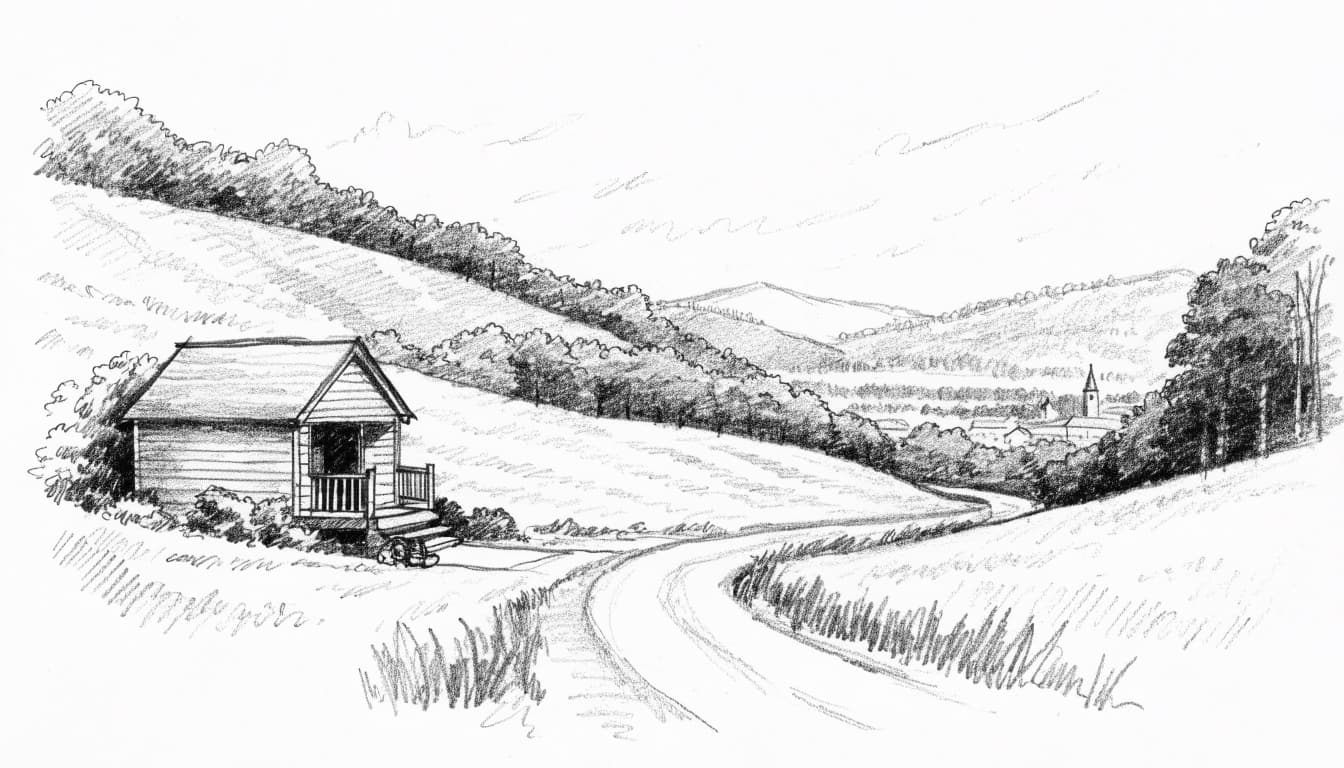
Choose the season and nearby activities first
In summer, a shoreline rental can make swimming, beach walks, and coastal-town visits easier to fit into your days. Check whether beaches are a short drive or a longer trip, and plan for busy roads and parking near popular spots. Connecticut’s state parks and forests offer options for hiking, swimming, and enjoying the outdoors in different parts of the state.
Fall brings colorful drives and crisp trail days, but foliage weekends can draw more visitors to scenic towns and parks. Book early if your dates are fixed, and check the driving distance to your planned stops. Connecticut’s fall foliage road-trip guide can help you choose routes and hikes.
During colder months, confirm that the rental has dependable heat and that the driveway and access road are manageable in winter weather. Whatever the season, map the distance to trails, beaches, farm stands, museums, and towns that match your plans. A listing that says “nearby” may still require a drive, so check each destination before booking.
Pack for small spaces and changing weather
Tiny homes have limited storage, so pack light and bring only what you’ll use. Before you go, read the host’s supply list and confirm whether the rental includes cookware, linens, towels, and toiletries. Outdoor gear may be available, but don’t assume the property provides beach chairs, hiking poles, or other equipment.
Connecticut weather can shift during a trip, so bring layers that work for cool mornings and warmer afternoons. Sturdy shoes make sense for trails, muddy paths, and uneven ground. In warmer months, add insect protection; if the home sits in a rural area or has limited outdoor lighting, pack a flashlight for the walk from the car or an evening outdoors.
A compact bag also makes it easier to keep the space tidy. Use a small toiletry kit and avoid packing duplicate items that the host already supplies. If you need a particular cooking tool, towel, or piece of outdoor equipment, confirm it before departure rather than hoping it will be there.
Know what to expect from the property and its setting
Before arrival, ask the host about cell service, Wi-Fi, water, waste disposal, heating, parking, and check-in instructions. These details matter even more for off-grid cabins and rural rentals, where services may be limited or the final stretch of the drive may be unfamiliar. Save the address and access directions in case your phone loses reception.
Also consider the trade-offs that come with a compact or rustic stay. Storage may be scarce, neighbors may be close, and wildlife may pass through the property. A secluded cabin can offer a peaceful setting, but it may also mean a longer drive to groceries or restaurants. Knowing what to expect helps you plan meals, pack thoughtfully, and settle in without surprises.
Frequently Asked Questions
A few details can make a big difference once you’re comparing listings. These answers cover practical questions about season, location, guests, and what to expect inside a compact rental.
Are tiny-home rentals available year-round in Connecticut?
Availability depends on the host and property. Some tiny homes for rent in Connecticut accept guests throughout the year, while others close for part of the winter or limit access when roads and outdoor facilities become harder to use. Before choosing dates, check the calendar and ask how the home is heated, whether the water stays on in cold weather, and if the driveway is maintained. A listing open in winter may still have seasonal limits.
Can I rent a tiny home near the Connecticut coast?
Yes, though coastal stays may be listed as cabins, cottages, or small homes rather than tiny homes. Check the map for the rental’s actual distance to the beach, and confirm whether parking is included or available nearby. Shoreline parks such as Hammonasset Beach State Park can help you identify areas to explore, but a listing near a coastal town isn’t necessarily waterfront. Seasonal rates and minimum stays can also change, so compare the full price for your dates.
Are tiny homes in Connecticut suitable for families or pets?
Some are, but a listed guest capacity doesn’t tell the whole story. Check where each person will sleep, whether a loft requires a ladder, and whether the layout gives children enough room to move safely. For pets, confirm the host’s rules, any added fees, and whether outdoor space is fenced or shared. If someone in your group has a specific mobility, safety, or comfort need, ask the host about that exact detail before booking.
Do tiny-home rentals usually include a kitchen and bathroom?
Amenities vary, especially at rustic or off-grid properties. A rental may have a private bathroom and a full cooking area, while another may offer a kitchenette or shared facilities elsewhere on the property. Read the amenity list closely, then ask whether the bathroom and kitchen are private and what equipment comes with them. Confirm details such as a stove, refrigerator, cookware, hot water, and towels if you’ll rely on them during your stay.
What should I bring to an off-grid tiny cabin?
Start with the host’s arrival instructions and supply list, since one cabin may provide linens and cookware while another expects guests to bring more. Depending on the property, useful items can include warm layers, a flashlight, personal toiletries, and food you can prepare with the available equipment. Ask about drinking water, phone service, and charging options before you leave. If the cabin has limited power or no nearby stores, plan meals and essentials before driving out.
Conclusion
The best tiny home for rent in Connecticut matches your preferred setting, comfort needs, budget, and travel plans. A wooded cabin, coastal cottage, or rural retreat can each make a memorable getaway, as long as the space and location suit the way you want to spend your time.
Before booking, compare the complete prices, read recent guest reviews, and confirm essentials such as heating, bathrooms, kitchen access, and road conditions. A few careful checks can help you arrive ready to settle in rather than manage surprises.
Choose a stay that gives you room to slow down and enjoy Connecticut at your own pace. A well-matched tiny home can make even a short escape feel restorative and memorable.
Explore more tiny home living, design, downsizing, building, and lifestyle resources.
- Small Septic System for Tiny House: Types, Costs, Rules
- Tiny Home Grey Water System: Reuse Water Legally
- Composting Toilets for Tiny Homes: Best Picks Compared
- How to Install a Septic System for a Tiny House
- Septic Tank for Tiny House: What Size You Really Need
- Tiny House Septic System Cost: What You’ll Really Pay