Tiny Homes for Rent in Georgia: Mountain Gems & Cozy Escapes

Coffee on a porch above the Blue Ridge foothills, with pines on the hillside and cool morning air, can make a Georgia getaway feel a world away. Tiny homes offer a smaller, often distinctive place to stay, with settings that may put you near mountain trails, coastal towns, or quiet countryside.
The label covers a range of tiny home rentals, so layouts, amenities, and prices can differ widely. This guide will help you compare locations and stay styles, estimate the full cost, and check the details that matter before booking.
Key Takeaways
- Tiny homes for rent in Georgia vary in size, setting, amenities, and price, so compare the full listing before choosing a stay.
- North Georgia draws visitors with mountain scenery, waterfalls, lakes, and small towns; Explore Georgia’s mountain getaway guide offers regional ideas.
- Coastal and countryside locations provide different surroundings, so choose a region that fits your plans and preferred pace.
- Compare the total booking cost, including cleaning fees, taxes, and any extra charges, rather than relying on the nightly rate alone.
- Before booking, check sleeping arrangements, bathroom details, kitchen access, cancellation terms, and the host’s check-in instructions.
Tiny Homes for Rent in Georgia: What to Expect
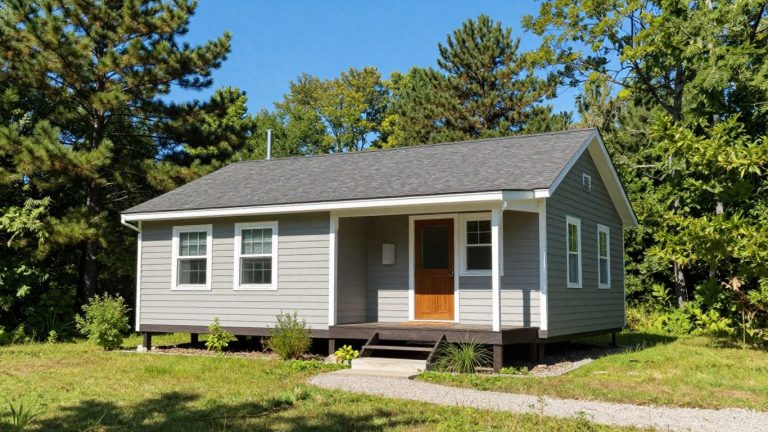
A tiny-home listing in Georgia might feature a compact cabin in the mountains, a converted shed on a farm, or a small house on wheels tucked into the woods. The name alone won’t tell you how much privacy, indoor space, or access to amenities you’ll have. Each host defines the stay through its layout and features, so read the description and inspect the photos before booking.
Compare cabins, tiny houses, and glamping stays
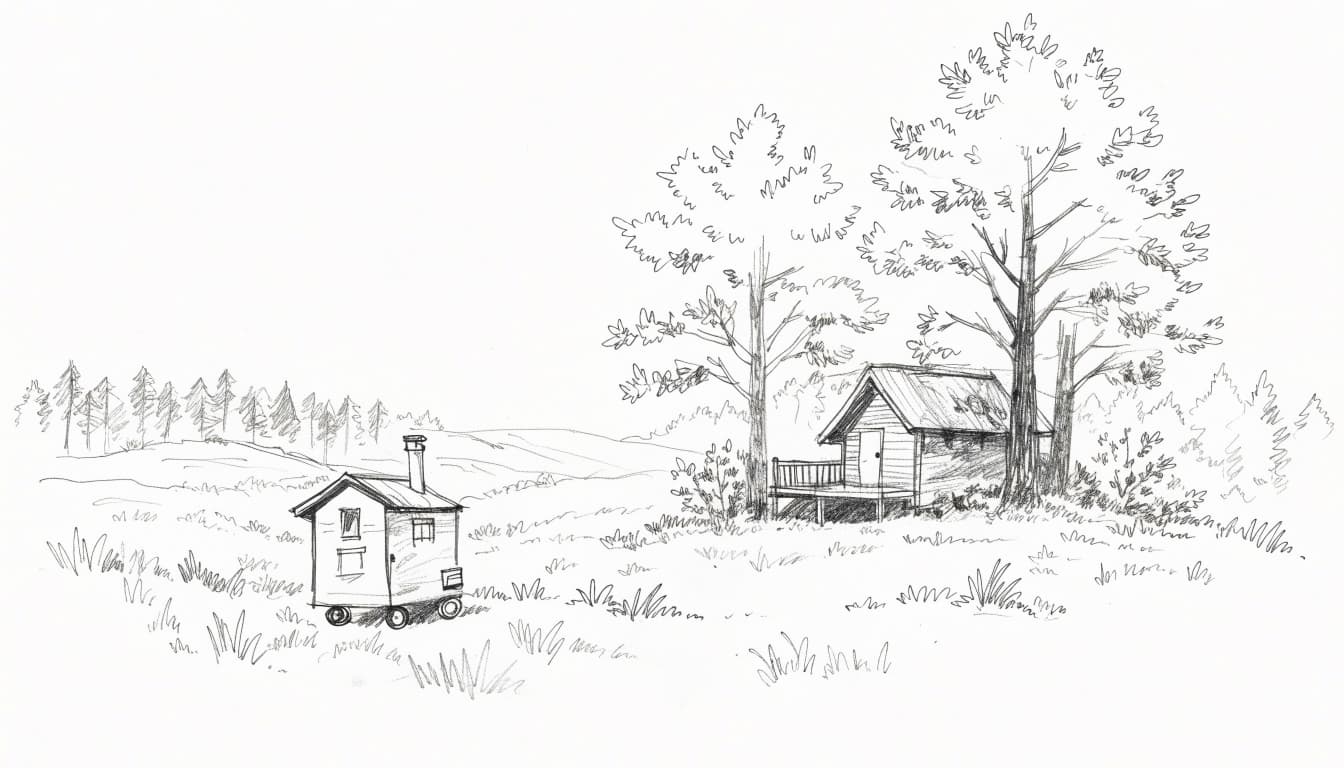
A tiny house usually offers a more home-like interior than a tent, often with a sleeping area, basic cooking facilities, and a private bathroom. Some rentals are built on wheels, while others are fixed structures or conversions. However, “tiny home” isn’t a consistent category, and a listing may use the term for a small cabin.
Cabins often provide more solid indoor space and separation from neighboring guests, though size and privacy vary by property. Georgia State Parks, for example, lists camper cabins and cottages with different layouts and bathroom arrangements. Glamping stays may use tents or yurts, placing guests closer to the outdoors, but bathroom and kitchen access can be shared or located outside the sleeping space. The park system’s yurts and unique accommodations offer one example of how outdoor lodging can differ from a standard cabin.
Before choosing, compare the details that affect your comfort: how private the unit is, whether the bathroom is inside, whether you can prepare meals, and how much of the stay happens outdoors. Since hosts may use these labels differently, rely on the listing’s specifics and photos rather than the category name.
Look for the features that shape the stay
Small rentals can feel very different depending on a few practical features. A loft bed may save floor space, but check how guests reach it and whether the sleeping setup suits everyone in your group. A kitchenette may include only a mini-fridge and microwave, while another listing offers a cooktop, sink, and basic cookware.
Outdoor amenities also vary. A private deck gives you room to sit outside, while a fire pit or hot tub can make evenings more comfortable. Still, these features may be seasonal, shared, or unavailable during your dates, so confirm their status with the host.
Georgia’s weather makes climate control worth checking, especially during hot, humid months. Confirm whether the unit has air conditioning, along with reliable Wi-Fi if you need to work or stay connected. Finally, look for clear parking instructions, including whether the space is near the rental or requires a walk along an unpaved path. Treat every amenity as listing-specific, and ask the host about anything that could affect your plans before you reserve.
Where to Find a Tiny Home in Georgia
The best place to look depends on the kind of trip you want, since Georgia’s tiny-home rentals are spread across different landscapes and towns. Search by region first, then compare each listing’s location with the activities and places you plan to visit.
North Georgia mountains for trails and cool evenings
Start searches around Blue Ridge, Ellijay, and the broader North Georgia mountains if you want wooded views, hiking, waterfalls, or time in a mountain town. A rental outside town may put you near trailheads and scenic drives, while a stay closer to a downtown area can make restaurants and shops easier to reach. The mix of settings varies by property, so check the map rather than assuming every listing offers the same kind of access.
For outdoor plans, look at distances to places such as Tallulah Gorge State Park, whose Tallulah Falls visitor guide gives an overview of the area. Mountain roads can be steep or unpaved, and elevation may bring cooler nights than you expect. In winter, check the forecast and ask the host about road conditions, parking, and whether you need a vehicle with extra clearance.
Atlanta-area escapes for a quick change of pace
A small-home stay outside Atlanta can make a weekend feel different without requiring a long trip. Search beyond the city for rural properties near outdoor recreation or smaller towns, then choose a base that matches your plans. Some guests may want a quiet porch and a nearby trail; others may prefer easy access to restaurants or a local downtown.
However, don’t judge a listing’s convenience by its mileage from Atlanta. Traffic can change the drive considerably, and a home that looks close on a map may take longer to reach during peak travel times. Check the actual route and estimated drive time for your arrival window, then repeat that check for the places you’ll visit during the stay.
Coastal and countryside stays for a slower getaway
Along the coast, search around Savannah and the coastal islands for trips built around beaches, seafood, historic districts, or marsh scenery. Explore Georgia’s Coastal Georgia travel guide highlights the region’s varied destinations, but available rental styles differ by town and island. Confirm how you’ll reach an island property, where you’ll park, and whether you need a car for beaches, restaurants, or other stops.
For a quieter trip, consider rural listings elsewhere in the state, including farm country and small communities away from major attractions. These stays can suit guests who want open space and a slower schedule, though dining and shopping may require a drive. Before booking, map the nearest grocery store and planned activities, and make sure the travel time fits the pace you want.
How Much Do Georgia Tiny Home Rentals Cost?
There isn’t one reliable statewide price for tiny homes for rent in Georgia. A mountain hideaway near Blue Ridge, a coastal stay near Savannah, and a rural property outside Atlanta can have different rates, even before dates and amenities enter the picture. To estimate your trip, compare the full checkout total for the same dates and guest count, not just the advertised nightly rate.
Understand nightly rates, fees, and minimum stays
The nightly rate is only one part of the bill. Cleaning charges, booking or service fees, lodging taxes, and refundable deposits can raise the amount due. For example, Airbnb explains how its guest service fees are calculated, and its cleaning fee guidance notes that cleaning is a one-time charge included in the total price.
Stay length matters, too. A fixed cleaning fee can make a one-night visit cost more per night than a longer booking, even when the nightly rate stays the same. Some hosts also set minimum-night rules, which may require you to book more nights than you planned.
Before paying, review the checkout breakdown and the listing terms. Check whether the deposit is refundable, when taxes and fees appear, what the cancellation policy allows, and whether extra guests trigger a charge. If any cost or rule is unclear, ask the host before booking.
Choose dates that fit your budget and plans
Rates and availability can shift with demand. Popular weekends, holidays, fall foliage dates in North Georgia, and beach-season trips may draw more interest, so bookable options can become limited. The exact effect depends on the property and the dates.
If your schedule allows, compare nearby dates and weekday stays with your preferred weekend. They may cost less, but that isn’t guaranteed. Also check minimum stays: a listing might require a longer booking over a holiday or during a busy season.
Compare the total for each option using the same number of guests. That gives you a clearer picture than comparing nightly prices across different date ranges.
Decide which extras are worth paying for
Amenities can shape both the price and the kind of trip you get. A hot tub or scenic view may be worthwhile if you’ll spend time at the rental, while a pet-friendly setup matters if your dog is coming along. Private outdoor space can add comfort, and included breakfast may save time if nearby cafes are a long drive away.
However, an amenity only adds value when it fits your plans. If you’ll be out hiking or exploring most of the day, you may not want to pay more for features you won’t use. A lower nightly price can also mean a longer drive, a less convenient location, or missing essentials such as a full kitchen.
Choose the features that will improve your stay, then compare the complete booking cost. A slightly higher total may be the better deal when it saves travel time or includes something you planned to pay for separately.
How to Choose the Right Georgia Tiny House Rental
A rental can look charming in photos and still feel cramped or inconvenient once everyone arrives. Before booking one of the tiny homes for rent in Georgia, compare the layout, access, amenities, and location with your group’s needs and plans.
Match the floor plan to your group
The guest limit tells you how many people a host allows, not how comfortably they’ll sleep. Check bed sizes, whether sleeping areas are shared, and how much privacy each person will have. A loft reached by a ladder may suit some adults, but low ceilings and narrow stairs can make it uncomfortable or unsafe for children and older guests.
For couples, look for a bed that suits both guests and enough room to move around it. Families should check whether children have a separate sleeping area and whether the bathroom is easy to reach at night. Solo travelers may value a simple, private layout, while runners planning an event or trail outing may prefer a comfortable bed, a place to prepare breakfast, and a short drive to the start or trailhead.
Also picture the group’s routine in a small space. If everyone needs the bathroom at once or plans to cook indoors, limited counters and shared rooms can affect the stay. If you’re bringing a pet, read the rules and confirm pet restrictions with the host, including any limits on size or number.
Check access, climate control, and everyday basics
A few practical details can matter more in a compact or remote rental than its most attractive photos suggest. Confirm how many steps lead to the entrance, whether the path is narrow or uneven, and how far you’ll carry bags from the parking spot. For guests with mobility needs, ask about specific measurements and obstacles; listing labels may not answer every question. Airbnb outlines accessibility features for listings, but contact the host about details that affect your group.
Next, check whether the home has heating and air conditioning, a reliable water supply, and the kitchen equipment you expect to use. Ask about cell service and Wi-Fi if you need directions, work access, or a way to stay in touch. For runners, confirm whether there’s a safe place to store gear and whether the drive to an event or trail fits your schedule.
Read reviews for clues about comfort and location
Recent reviews can reveal details a listing description leaves out. Look for comments about cleanliness, host communication, road conditions, noise, indoor temperature, and whether the home matched its photos. A steep driveway or a noisy neighboring property may matter more to your trip than a decorative feature.
One review alone doesn’t prove a rental has a recurring problem. Instead, look for patterns across several stays and notice how the host responds to concerns. Clear, practical replies can help you decide what to ask before booking, especially when comfort, access, or arrival conditions could affect your plans.
Book and Plan a Smooth Tiny-Home Stay
A little planning can prevent surprises in a compact rental, where a missing kitchen item or a tricky arrival route can affect the whole stay. Start by narrowing down your location and dates, then check the listing terms and prepare for the property’s setting.
Search listings with dates, map views, and clear filters
Search Airbnb, Vrbo, and Hipcamp by region and travel dates to see which tiny homes are available for your trip. Use each platform’s map and filters to narrow results by guest count, pet policy, private bathroom, parking, and amenities you need. Then compare the listing’s location with your plans. A home that looks close to a trail or downtown on a map may still require a longer drive on local roads.
Read the platform’s listing details rather than relying on the label “tiny home.” Check sleeping arrangements, bathroom access, kitchen equipment, and whether outdoor features are private or shared. Compare the full price for the same dates and group size, since fees and policies can vary across listings and platforms.
Confirm house rules and arrival details before paying
Before you book, review the cancellation terms, check-in and checkout times, quiet hours, pet limits, fire restrictions, and any cleaning tasks. Rules for a fire pit can matter in dry weather, while pet policies may set limits on the number or size of animals. Check the policy attached to the individual listing, since cancellation terms can vary. Airbnb explains its home cancellation policies, and Vrbo outlines its cancellation policy options.
If anything is unclear, message the host through the booking platform and keep the reply with your reservation. Confirm the exact address, parking location, and whether you’ll need a gate code or a key safe. Before leaving home, save the directions and check-in instructions somewhere you can access without reliable cell service.
Pack for compact living and the local setting
Tiny homes have limited storage, so pack light and bring only what the listing doesn’t confirm. A short stay may call for fewer clothes than a full-size rental, but the right supplies depend on the season and location.
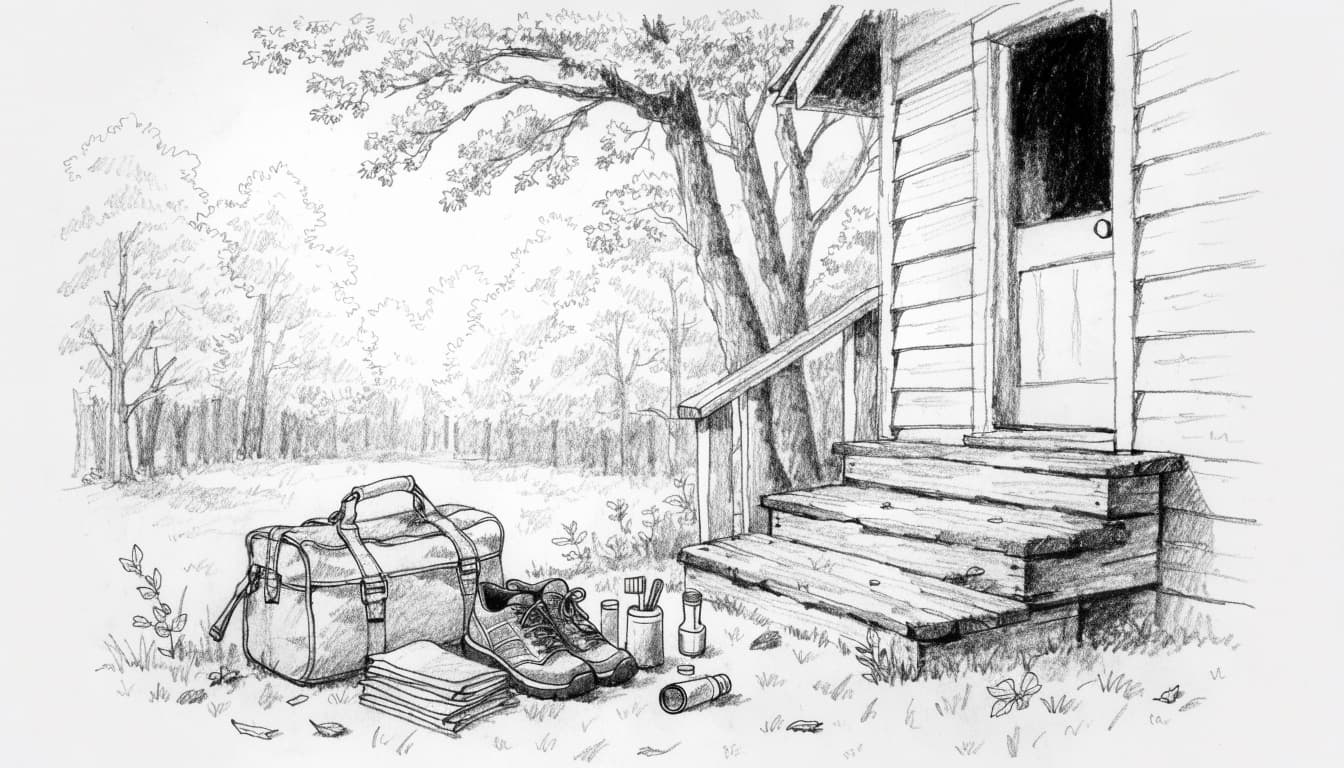
For a mountain or rural stay, sturdy shoes, a warm layer, bug protection, and a flashlight can be useful. If you’ll arrive late or explore outdoors, ask whether paths and parking areas have lighting. Pick up groceries before reaching a remote property if nearby stores are limited, but check first whether the rental provides basics such as coffee, cooking oil, or cookware.
Don’t assume a fire pit, full kitchen supply, or outdoor gear comes with the stay. Confirm what’s available, then pack only what you’ll use. That keeps bags manageable and leaves more room in a compact home.
Frequently Asked Questions
A few details can make a big difference when choosing among tiny homes for rent in Georgia. Check the sleeping setup, house rules, and date-specific conditions before you book.
Are tiny-home rentals in Georgia suitable for families?
Some are, but the fit depends on the floor plan and your children’s ages. Check the number and size of beds, whether sleeping areas offer privacy, and whether a loft requires climbing a ladder or steep stairs. In a compact home, limited floor space can also make it harder for everyone to move around comfortably.
Before booking, ask the host about age-related rules and safety features such as railings, window locks, and barriers near stairs or lofts. Confirm exactly where each family member will sleep, rather than relying on the maximum guest count.
Can I bring a dog to a tiny-home rental?
Pet policies vary by property. A host may limit the number or size of dogs, charge an additional fee, or keep pets out of certain rooms or outdoor areas. Review the listing rules and Vrbo’s guidance on pet house rules, then get approval through the booking platform before you reserve.
Don’t assume a listing allows dogs just because it has a yard or sits in a rural area. Confirm any fee and ask whether the property has leash requirements or restrictions on leaving a pet alone inside.
Are tiny homes in Georgia available year-round?
Some hosts accept bookings throughout the year, while others close certain dates or limit stays by season. Availability depends on the property’s calendar and location, so search your exact travel dates rather than relying on a general listing description.
For mountain or rural rentals, ask about seasonal road access, weather-related closures, and any limits on outdoor amenities. These details can affect arrival plans, especially during winter or after heavy rain.
What should I bring to a tiny-home stay?
Start with the listing’s amenities and supplied-items section, then pack only what it doesn’t include. Depending on the rental, you may need:
- Toiletries and personal care items.
- Groceries, snacks, and any preferred coffee or cooking basics.
- Layers for cool evenings or changing weather.
- Comfortable outdoor footwear for trails, gravel paths, or wet ground.
Because storage is limited, skip bulky extras unless you know you’ll use them. Ask the host about cookware, towels, linens, and outdoor equipment if the listing doesn’t make those details clear.
How far ahead should I book a Georgia tiny house?
Popular destinations and busy dates can leave fewer properties to choose from, so booking earlier can give you more options. This is especially helpful when you need a specific layout, pet permission, or location.
If your plans are flexible, compare several dates and nearby areas. A weekday stay or a rental a little farther from a popular town may offer a better fit, though availability and prices vary by property.
Conclusion
Tiny homes for rent in Georgia can make a memorable base for mountain trails, coastal air, or a quiet countryside break. Choose your region first, then compare the complete booking cost and confirm the layout, amenities, and house rules that matter to your trip.
Next, search your dates and match a rental to the pace and plans you have in mind. A few careful checks can help you find a small home that feels right for the getaway you want.
Explore more tiny home living, design, downsizing, building, and lifestyle resources.
- Small Septic System for Tiny House: Types, Costs, Rules
- Tiny Home Grey Water System: Reuse Water Legally
- Composting Toilets for Tiny Homes: Best Picks Compared
- How to Install a Septic System for a Tiny House
- Septic Tank for Tiny House: What Size You Really Need
- Tiny House Septic System Cost: What You’ll Really Pay