Tiny Homes for Rent in Kentucky: Rustic Retreats Worth Booking

A small, cozy stay can make a Kentucky trip feel more personal, whether you’re waking up in a cabin near the woods or settling into a compact home base for a day of exploring. Tiny home rentals vary widely in style and setting, and a listing’s nightly rate may not tell you everything about its amenities or full cost.
To find a stay that fits, compare the layout, location, house rules, and total price with the plans you have in mind. The details matter, especially when you’re choosing between a quiet rural escape and a spot closer to towns or outdoor attractions. Start by looking at what a Kentucky tiny home rental may include, then use those details to plan your trip.
Key Takeaways
- Compare the nightly rate with cleaning fees, taxes, deposits, and cancellation terms before booking.
- Check the floor plan, bed sizes, bathroom setup, and kitchen equipment to make sure the space fits your group.
- Confirm the rental’s exact location, road access, parking, and distance to the places you plan to visit.
- Amenities vary by property, so verify heating, air conditioning, linens, pet rules, and check-in details. For comparison, Kentucky State Park cottages include full kitchens.
- Read recent guest reviews for practical details about cleanliness, noise, and whether the listing matches the stay.
Tiny Homes for Rent in Kentucky: What Your Stay May Look Like
A Kentucky listing described as a tiny home can mean a compact cabin in the woods, a small cottage near town, or a park model in a campground. The label alone won’t tell you how the space is built or arranged, so look beyond the headline before you book.
From rustic cabins to modern tiny houses
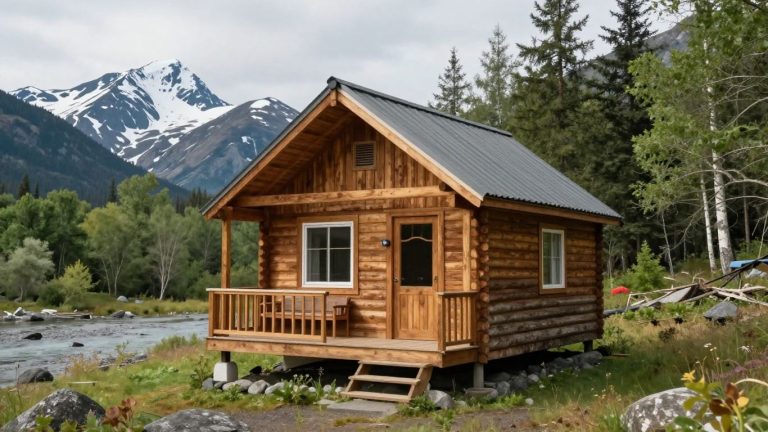
Some rentals feel like traditional cabins, with wood interiors, a porch, and a simple open living area. Others have a cleaner, more modern design, with efficient storage and a compact kitchen. Small cottages may use the same language as tiny homes, while park models can resemble tiny houses but follow a recreational-vehicle category. The Federal Register’s explanation of park model RV exemptions gives useful context for that distinction.
A home on wheels is another possibility, but many tiny-home rentals stay in one place. Don’t assume a listing is mobile, or that every property labeled “tiny home” was built to the same standard. Terms can overlap, and hosts may use them to describe the look or size of a rental rather than a precise building type.
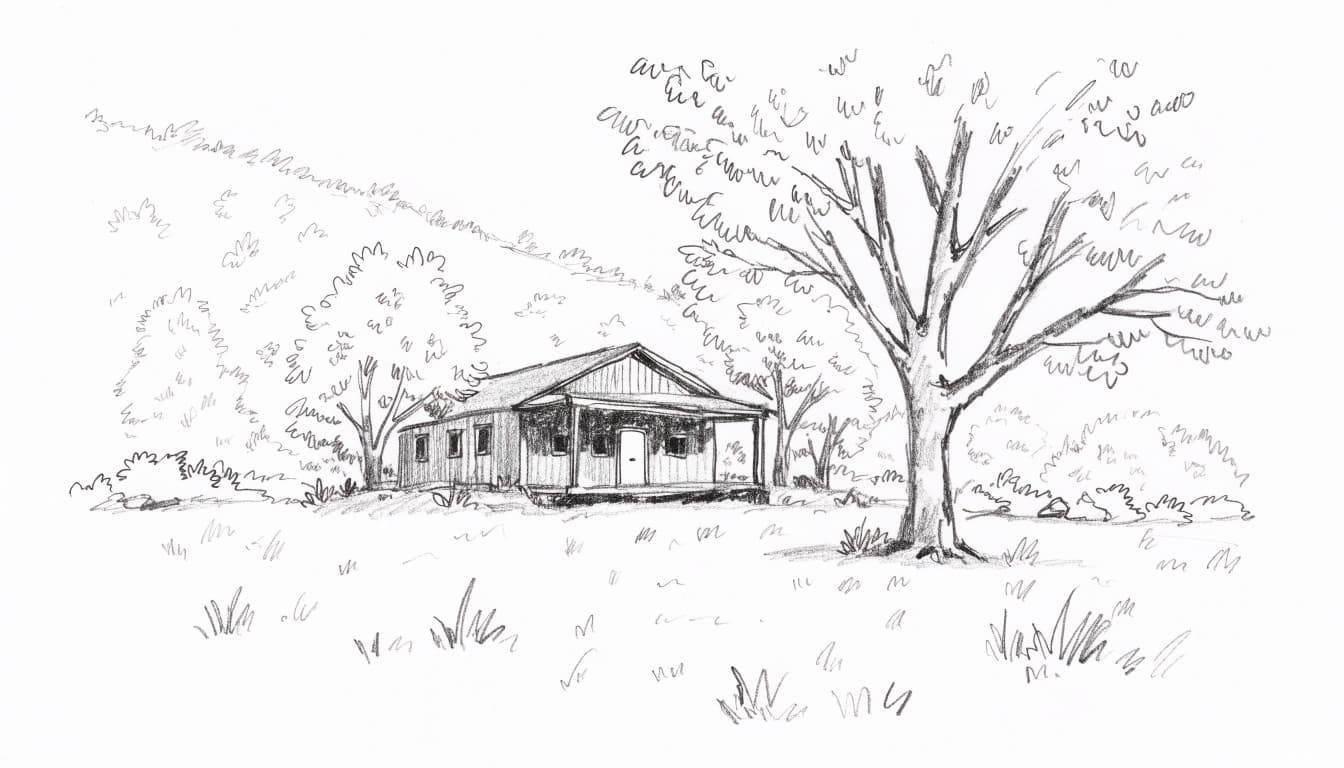
To understand what you’re actually renting, compare the photos, floor plan, and full property description. Check whether the sleeping area is a separate room, an open loft, or a sofa bed, and look for details about stairs, ceilings, and the outdoor space. A porch or fire pit may add room to relax, but it won’t replace indoor space on a rainy day.
Small-space comforts and common trade-offs
In a compact home, a few practical details can shape the whole stay. Check whether heating and air conditioning serve every sleeping area, especially if the listing has a loft. A small unit may cool the main room well while leaving an upper sleeping space warmer.
Kitchen descriptions can also be easy to misread. A full kitchen may include a stove, oven, and enough cookware for meals, while a kitchenette might offer only a microwave, mini-fridge, and coffee maker. Likewise, confirm whether the bathroom has a standard shower, a compact stall, or another setup, and whether the listing provides linens and towels.
Storage tends to be limited, so guests on longer stays should check for closets, drawers, or luggage space. Wi-Fi may matter for remote work, streaming, or planning day trips, but listings can vary in connection quality. Ask about the signal if you need reliable service.
Lofts can make room for extra beds, yet they often require climbing a steep ladder or narrow stairs. That arrangement may not suit young children, older guests, or anyone with mobility needs. Families should also check whether the sleeping spaces offer privacy and whether there’s room for everyone to move around comfortably.
Finally, look for outdoor seating and note whether it’s private or shared. A small deck can extend the living area during pleasant weather, but it won’t solve a cramped interior when the group spends more time indoors. Compare these details with your plans, then choose the rental whose layout fits how you’ll actually use it.
Where Kentucky’s Tiny Home Rentals Put You Close to Adventure
A rental’s region can shape your whole trip, especially if you plan to spend days hiking, visiting distilleries, or exploring city neighborhoods. Tiny homes for rent in Kentucky range from quiet rural stays to properties near busy towns, but a destination’s name in a listing doesn’t guarantee a short drive. Check the full address and estimate drive times to the places you want to visit before booking.
Red River Gorge and the Daniel Boone National Forest
In eastern Kentucky, the Red River Gorge draws hikers and climbers with wooded trails, sandstone cliffs, and winding forest roads. A tiny home nearby can give you a peaceful base after a day outside, but “near the Gorge” covers a broad area. Some rentals sit close to popular trailheads, while others require a longer drive.
Before booking, look for the property’s exact location, road surface, and parking details. Remote cabins may sit along narrow or steep roads, and conditions can affect how easy it is to arrive after dark or in wet weather. Also compare the drive to your intended trailheads instead of assuming the closest trail is within walking distance. The Daniel Boone National Forest’s Red River Gorge information can help you identify recreation areas and plan where to go.
Mammoth Cave, Lake Cumberland, and the outdoors
A stay near Mammoth Cave National Park works well for travelers who want cave tours, trails, and time along the Green River. Tour schedules and access points can shape the day’s plan, so check the National Park Service’s Mammoth Cave visitor information before choosing a rental. The park area is large, and lodging described as “near Mammoth Cave” may still involve a drive to the visitor center or tour entrance.
Lake Cumberland offers a different kind of outdoor trip, with boating, fishing, and time on the water. A rental in the surrounding region can make a useful base, but don’t assume the property includes a lake view, shoreline access, or a boat slip. Those features depend on the listing itself. Confirm the address and driving time to the marina, launch, or other spot you’ll use, then check whether parking can accommodate your vehicle or trailer.
Bourbon Country, Louisville, and smaller towns
Central Kentucky makes it easier to build a trip around bourbon destinations, horse-country scenery, and historic towns. Louisville adds restaurants, museums, and urban attractions, while smaller communities offer a slower pace and access to nearby distilleries. The Kentucky Bourbon Trail’s official map can help you compare locations when planning tastings and tours.
A rural stay may offer more quiet and open space, but it can mean longer drives for meals, groceries, or evening plans. In contrast, city-edge rentals may put services closer while bringing more traffic and neighborhood noise. Check whether your preferred restaurants and attractions require a designated driver or advance reservations, then choose a base that fits your schedule.
A rental’s regional label is only a starting point. Confirm the street address and map your actual destinations before you commit.
What a Tiny Home Rental in Kentucky Costs
The nightly rate gives you a starting point, but it rarely tells the whole cost of a Kentucky stay. Location, travel dates, home size, amenities, and booking rules all affect what you’ll pay. Compare the full checkout price for the same dates and guest count before choosing a rental.
Look beyond the nightly rate
A listing may add a cleaning charge, service fee, taxes, or a pet fee to the advertised nightly price. Optional extras, such as firewood or equipment rentals, can raise the bill too. Airbnb explains that a home’s total price can include the host’s nightly rate, fees, and taxes in its home pricing breakdown.
The number of nights matters as well. A cleaning fee may weigh more heavily on a one-night visit than on a longer stay, while a minimum-stay rule could require you to book extra nights. Check the listing’s rules before comparing rates, and include required add-ons in your estimate.
For a fair comparison, enter the same dates and guest count on each listing. Then compare the total due at checkout, not just the nightly rate. If one property costs more, see whether its location, larger layout, or included amenities explain the difference. A full kitchen, private hot tub, or closer access to your planned activities may be worth extra, but only if you’ll use it.
When to book and how to find better value
Rates and availability can change with demand. Weekend stays, holidays, and popular outdoor travel periods may leave fewer options in areas near the Red River Gorge, Mammoth Cave, or Lake Cumberland. Fall color can also draw visitors to different parts of the state; the Kentucky fall foliage map helps travelers follow changing conditions.
A tiny home near a popular attraction may cost more during high-demand dates than a similar property farther away. Size and amenities matter, too: a larger rental or one with features such as a hot tub may carry a higher rate. However, prices vary by property, so don’t assume every cabin in the same region follows the same pattern.
If your schedule allows, compare weekday stays with weekends and shift your dates by a night or two. Booking ahead can give you more choices in high-demand areas, especially around holidays or seasonal events. Still, availability changes by property, and a flexible date doesn’t guarantee a lower rate.
Before you reserve, check the minimum stay, cancellation terms, and any fees tied to pets or optional services. These details can change which listing offers better value, even when its nightly rate looks attractive.
How to Choose and Book a Tiny Home That Fits
A good booking starts with your trip, not the listing photos. Decide what matters most for your group, then compare homes against those needs before you commit. Airbnb, Vrbo, and Hipcamp are useful places to search, though each platform has its own inventory and some rentals may appear only on a host’s website.
Match the home to your group and plans
Start with the number of guests, then check how the home sleeps that many people. A listing’s maximum capacity doesn’t tell you whether everyone gets a proper bed or whether some guests will use a sofa. Confirm bed sizes, loft access, and bathroom setup. A steep ladder may be a poor fit for young children or anyone with mobility concerns.
Next, compare the amenities with your plans. If you expect to cook, ask whether the kitchen has a stove, cookware, and enough space to prepare meals. For a pet-friendly trip, read the animal rules and fees rather than relying on a search filter. Also confirm parking, the number of vehicles allowed, and accessibility features such as step-free entry.
Choose a few must-haves before browsing. For example, a couple visiting for a weekend may prioritize a private bathroom and easy access to restaurants, while a family might need separate sleeping areas and a safe loft setup. This short list makes it easier to pass over attractive listings that don’t suit the people traveling.
Check location, policies, and recent guest reviews
Confirm the property’s exact location and map the drive to your planned stops. A listing may use a nearby town or attraction in its title, but that doesn’t guarantee a short trip. Check the route, expected drive time, and whether parking is on-site.
Before paying, read the check-in instructions and house rules. Look for quiet hours, restrictions on fires or outdoor areas, and any limits on visitors. Cancellation terms also vary by listing, so review the policy attached to your reservation. Airbnb explains that home cancellation policies vary by listing, and other platforms set out their own booking terms.
Recent reviews can fill in details that photos leave out. Guests may mention whether the loft feels comfortable, whether the shower has enough hot water, or whether check-in instructions were easy to follow. Give more weight to comments that describe the same practical issue across multiple stays, and check when those reviews were posted.
Plan for weather, roads, and rural services
A remote Kentucky rental may offer a quieter setting, but the approach can take extra planning. Check whether the final stretch is steep, gravel, or difficult to drive after rain. In colder months, ask whether the road is maintained and whether the home has reliable heat. Summer humidity and warm nights also make working air conditioning worth confirming.
Mobile service can be limited outside towns, so ask the host about reception and Wi-Fi if you need either during the stay. Also check the distance to groceries, restaurants, and fuel. A late arrival feels different when the nearest store is several miles away.
If the listing leaves access or amenities unclear, message the host before booking. A direct answer about road conditions, kitchen equipment, or outdoor fire rules can help you choose confidently and arrive prepared.
Frequently Asked Questions
A few details can make a big difference when booking a compact stay. These answers cover common questions about seasons, location, guests, pets, packing, and kitchen setups.
Are tiny homes in Kentucky available year-round?
Availability depends on the property and season. Some hosts accept bookings throughout the year, while others close for part of the winter or limit access when weather affects roads. Check your dates directly on the listing, then ask whether outdoor amenities, heating, or access conditions change during colder months.
Can I rent a tiny home near Red River Gorge?
Yes, travelers can search for compact cabins and tiny-home-style stays in the broader Red River Gorge area. However, a listing that uses the Gorge in its description may still be a considerable drive from your planned trailheads or attractions. Confirm the address and route before booking, and check Daniel Boone National Forest alerts and recreation updates when planning outdoor visits.
Are tiny home rentals suitable for families with children?
Some work well for families, but the layout matters more than the guest capacity alone. Check how beds are arranged, whether children would need to climb a loft ladder, and what safety features the home offers. Also confirm the host’s stated occupancy limit and make sure every child has a suitable place to sleep.
Can I bring a dog to a tiny home rental?
Pet rules vary by host, even when a listing appears in a pet-friendly search. A property may limit the number or size of dogs, charge an additional fee, or restrict pets from certain areas. Confirm the policy with the host before booking so you know what to expect.
What should I pack for a tiny home stay?
Start with the listing’s amenity details, since hosts provide different supplies. If the kitchen lacks cookware or basic utensils, bring what you’ll need for meals; also pack clothing for changing weather and gear for planned outdoor activities. For a rural property, consider bringing groceries and personal items before you arrive, especially if stores are not nearby.
Do tiny home rentals in Kentucky usually have full kitchens?
Some rentals include a full kitchen, while others have only a kitchenette or a basic cooking setup. Check the amenity list for details, then ask the host about specific appliances, such as an oven, stovetop, or coffee maker. If you plan to cook most meals, confirm the setup before you reserve.
Conclusion
The best tiny home rental in Kentucky depends on the trip you have planned, not just the photos in a listing. A charming porch or woodland setting may catch your eye, but the layout, drive to your destinations, and day-to-day comforts will shape your stay.
Before booking, compare the location, total cost, comfort, and house rules. Check that the sleeping arrangements suit your group, the amenities match your plans, and the policies won’t bring surprises. A little attention to these details can help you choose a home that feels right once you arrive.
With the right fit, a cozy home base can make it easier to enjoy Kentucky at your own pace, whether your days lead to trails, lakes, distilleries, or small-town streets.
Explore more tiny home living, design, downsizing, building, and lifestyle resources.