Tiny Homes for Rent in Maine: Where to Stay and What to Know

A small, cozy stay tucked among Maine’s pines, beside a lake, or near the rocky coast can make a memorable home base for a getaway. Tiny homes for rent in Maine range from simple off-grid cabins to compact houses with modern comforts, so the right fit depends on how you want to spend your days and what you need indoors.
You’ll find options in coastal towns, lake country, and wooded mountain areas, with different styles, amenities, and price points. Before booking tiny homes for rent, consider the location, total cost, sleeping setup, and practical details that can shape your trip. First, here’s what to expect from a Maine tiny-home rental.
Key Takeaways
- Tiny homes for rent in Maine range from simple off-grid cabins to compact stays with modern comforts, so check amenities before booking.
- Choose a region based on your plans: Maine’s Lakes and Mountains region offers a different setting from coastal towns.
- Compare the full cost, including any cleaning fees or extra charges, and confirm what the rental price covers.
- Review sleeping arrangements, utilities, bathroom access, and seasonal details to make sure the space fits your group and travel style.
Tiny Homes for Rent in Maine: What to Expect
A tiny-home rental in Maine can mean a compact standalone house, a small cabin, or a glamping setup marketed for a similar getaway. The label alone tells you little about the layout or comfort level, so compare photos, amenity lists, and property rules before you book.
Expect a smaller footprint than a standard vacation home, with less room to spread out and, in some rentals, a closer connection to the outdoors. Privacy and conveniences vary just as much as the names do.
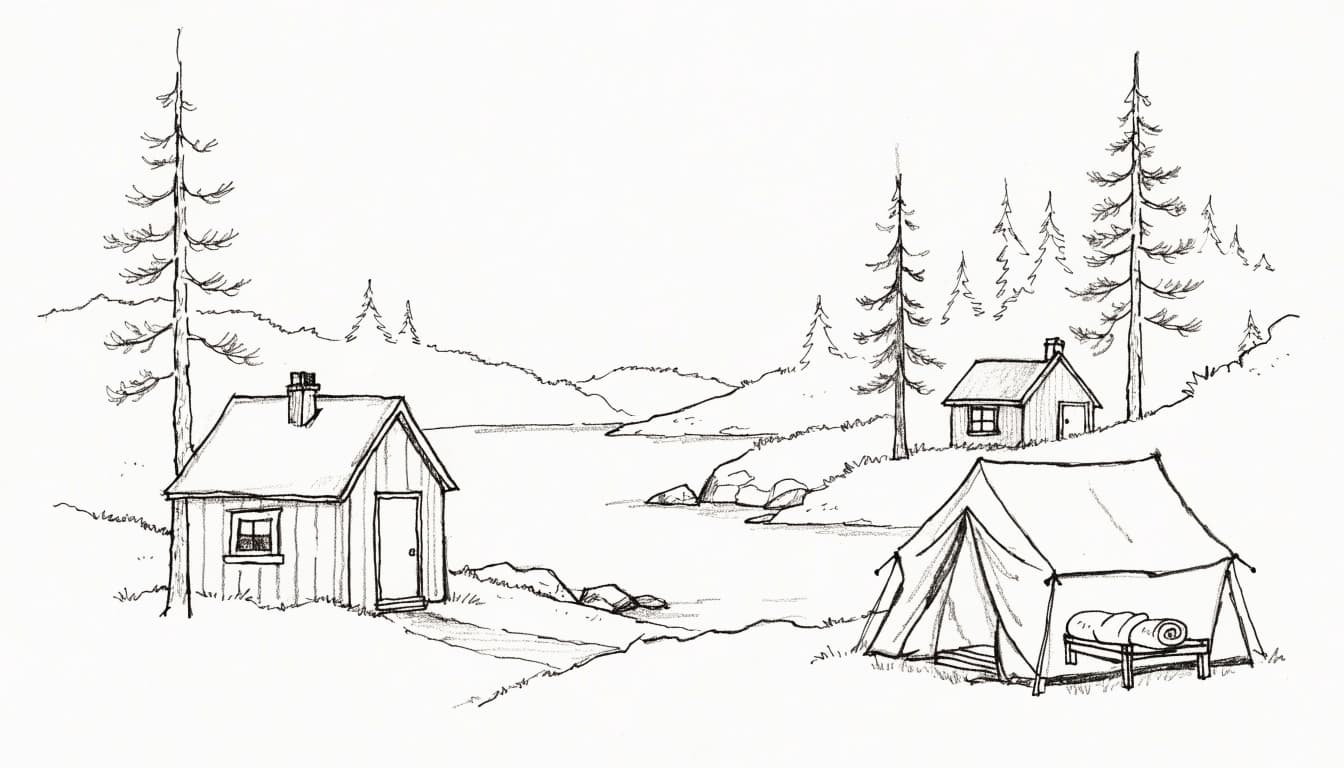
How a tiny house differs from a cabin or glamping stay
A tiny house usually has a compact, purpose-built interior, often with a combined kitchen and living area, a sleeping loft, and a private bathroom. Some have wheels, but many sit on a fixed foundation. Stairs or ladders to a loft can save floor space, though they may be awkward for young children, guests with mobility concerns, or anyone getting up at night.
A small cabin can feel much like a tiny home. Both may offer a private room, a basic kitchen, and a covered porch, while the cabin’s layout and construction can vary widely. In Maine, vacation rentals range from lakeside cabins to seaside cottages, so check the actual floor plan rather than assuming every small rental has the same setup.
Glamping stays often put more emphasis on the setting and outdoor experience. A canvas tent or other light structure may have beds and electricity, but fewer indoor conveniences or less protection from weather than a cabin or tiny house. Maine’s glamping options span a range of comfort levels, as Visit Maine’s glamping guide shows.
The surroundings can shape the stay, too. A unit close to the host’s home or neighboring rentals may offer less seclusion than a listing photo suggests. Look for notes about shared yards, nearby structures, and outdoor spaces if privacy matters to you.
Common amenities, from full kitchens to off-grid basics
Amenities can make a small space feel comfortable, but listings use words like “kitchen” and “bathroom” in different ways. Check whether the rental has a full-size bed or a loft mattress, a private indoor bathroom, and a shower with hot water. If you plan to cook, confirm that it includes a refrigerator, stovetop, cookware, dishes, and basic utensils.
Heating and cooling deserve attention in Maine, where conditions change with the season and location. Find out whether the unit has a wood stove, electric heat, or air conditioning, and whether the host provides fuel or explains how to operate the system. Wi-Fi may be limited or unavailable in remote areas, and parking may be a short walk from the rental.
Some properties rely on composting toilets, limited power, or shared bathrooms and showers. Those arrangements can suit travelers seeking a simple stay, but they may not fit every group. Before booking, message the host to confirm which facilities are private, what utilities work year-round, and whether you need to bring anything beyond personal essentials.
Where to Find a Maine Tiny Home Rental, from the Coast to the Woods
The setting shapes your days as much as the rental itself. Maine’s coastal towns, inland lakes, and southern beaches each suit a different kind of trip, so start with the places you want to visit and check seasonal availability before booking.
Coastal stays near Acadia, Bar Harbor, and the Midcoast
A coastal tiny home can put you near salt air, working harbors, rocky shorelines, and lighthouses. Bar Harbor is a popular base for exploring Acadia National Park, while the Midcoast offers a mix of waterfront villages and quieter coves. Before choosing a rental, check the National Park Service’s Acadia visit information for park access and transportation details.
Bar Harbor and other popular coastal areas can book up quickly in summer. A listing may look close to the ocean or park on a map, yet still require a longer drive to a trailhead, beach, or town center. Check the rental’s distance to your planned stops, and allow for slower travel on local roads.
Quiet escapes near lakes, forests, and western Maine mountains
For a quieter base, look inland toward Moosehead Lake, Rangeley, and the western mountains. Wooded rentals and lakeside stays suit travelers planning to hike, paddle, fish, or spend unhurried mornings outside. The Rangeley Lakes region is known for its mountain views and opportunities for paddling and fishing.
Remote settings often mean fewer nearby services. Grocery stores, restaurants, and gas stations may be a long drive away, while cell coverage and internet access can vary by property. Check the listing for those details before you book, especially if you need reliable service or prefer not to drive far for meals and supplies.
Southern Maine and small-town stays close to food and beaches
Southern Maine works well for travelers who want beach time alongside shops, restaurants, and outings around Portland. Depending on the rental’s location, you might explore a seaside town one day and head into the city for a meal or museum the next. Maine’s town and city guide can help you compare areas as you plan.
However, proximity doesn’t always mean walkability. Check the distance to the beach, downtown, and restaurants, then see whether sidewalks or local transit make those trips practical. If the rental sits outside town, plan on having a car. Across every region, compare the map distance with actual drive routes, and remember that available rentals change with the season.
What Maine Tiny Home Rentals Cost and When to Book
The price of a tiny-home stay in Maine depends on more than its nightly rate. Season, location, amenities, fees, and minimum-stay rules all affect the checkout total, so compare current listings for your dates before choosing a rental.
How season, location, and rental features affect the price
Summer usually brings strong demand, especially in coastal areas and near Acadia National Park, popular lakes, and well-known outdoor destinations. Fall foliage season can also draw visitors to western Maine and other scenic inland areas. As a result, rentals in sought-after locations may have fewer open dates or higher prices during these busy periods.
Winter and quieter shoulder periods can offer more choice, though availability and amenities vary. Some properties close seasonally, limit services, or require guests to prepare for snow and cold. Check that heat, water, and access roads suit your travel dates before booking.
Location and features also shape the rate. A waterfront setting or a short drive to a popular attraction may cost more than a similar rental farther inland. Hot tubs, pet-friendly policies, and included services such as linens or firewood can affect the price, too. Compare what each listing includes rather than assuming that a higher nightly rate covers every extra.
Minimum stays can change the effective cost. A property that requires several nights may not fit a short trip, while a cleaning charge can make a one-night booking expensive relative to the nightly rate. Taxes also add to the final amount; Maine’s rules cover short-term vacation rentals, as outlined in the Maine Legislature’s vacation rental tax guide.
How to compare listings and avoid surprise fees
Compare the full price for your exact dates, not just the rate shown in search results. Airbnb says U.S. guests see a fee-inclusive total before taxes; its pricing display guidance explains what that total includes. On every platform, proceed far enough through checkout to review the complete amount before confirming.
When comparing Airbnb, Vrbo, Hipcamp, and direct-booking sites, check:
- Cleaning and service fees, plus applicable taxes.
- Any refundable deposit and the conditions for getting it back.
- Minimum-night requirements and cancellation terms.
- Extra charges for pets, firewood, or other requested services.
A lower nightly rate may not mean a cheaper stay once fixed fees and minimum nights are included. Read recent reviews for comments about cleanliness, access, heating, and whether the amenities matched the listing. Then confirm the exact address or area with the host, particularly if you need to estimate driving time to a beach, trailhead, or town. Book earlier for peak summer and foliage dates; for quieter periods, compare a few nearby areas and stay flexible with your dates.
How to Choose and Book the Right Tiny House for Your Trip
The best tiny house for your Maine trip depends on more than its location or nightly rate. Match the layout and amenities to your group, then check the practical details that could affect arrival and comfort. For popular summer and fall dates, compare options early so you have time to ask questions before booking.
Match the layout and sleeping setup to your group
Start with the stated occupancy limit, then check how many people can sleep comfortably, not just how many the rental allows. A listing may count a sofa bed or loft mattress as a sleeping space, but that setup may not suit every group. Confirm bed sizes and whether sleeping areas are private or shared.
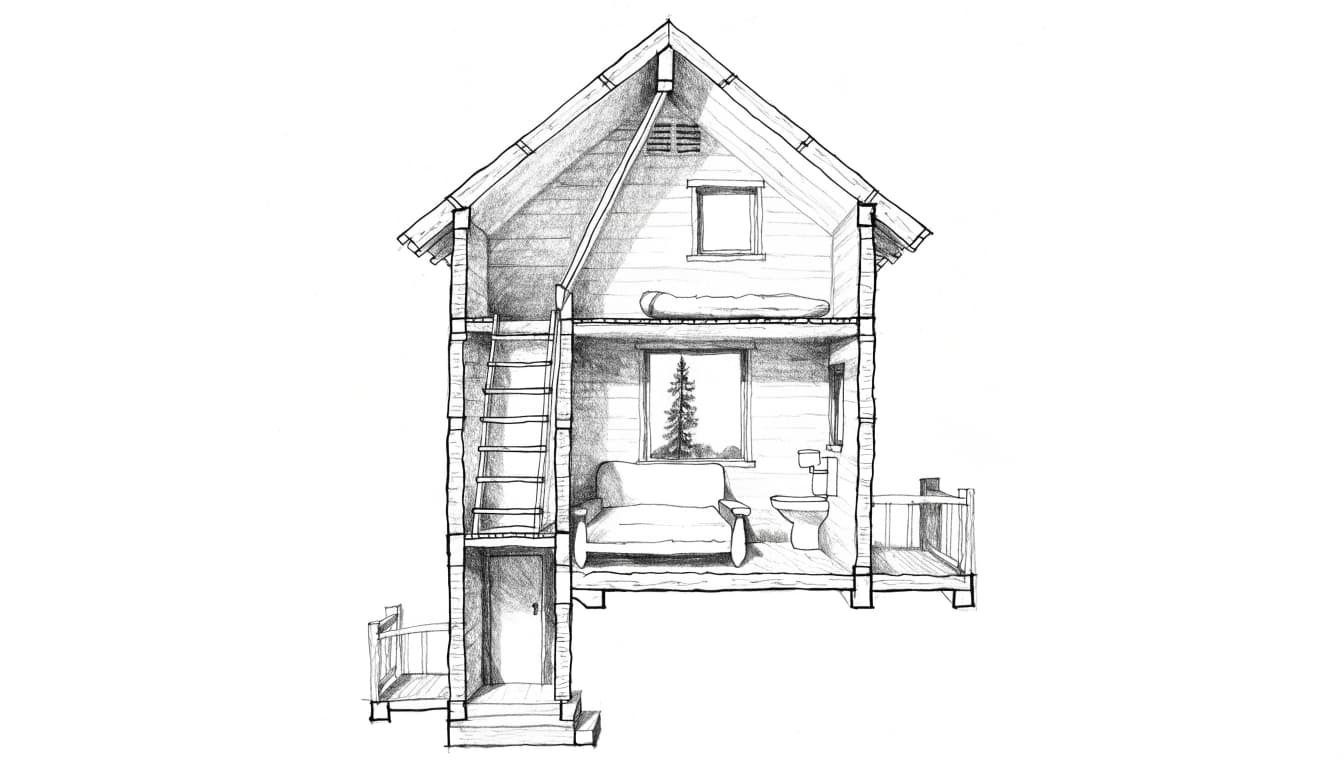
Loft ladders and low ceilings can be difficult for young children, older travelers, or anyone with limited mobility. Also check whether the bathroom is on the main floor or requires stairs or a ladder to reach. Read the full listing and study floor plans or photos, especially if the sleeping arrangement affects who can comfortably use the space.
Check access, house rules, and what you need to bring
Maine rentals can sit along narrow rural roads or steep driveways, so ask about road conditions, parking, and vehicle access. For a remote stay, get clear directions and the host’s instructions for a late arrival or a missed check-in window. Cell service may be limited, so save directions and contact details before leaving an area with reliable coverage.
Read the rules before you commit. Confirm whether pets are allowed, when quiet hours begin, and whether outdoor fires are restricted. Maine’s Forest Service posts current fire restrictions and permit information through its forest protection guidance.
Also ask what the rental provides. Linens, towels, cookware, dishes, and basic kitchen supplies may not be included, particularly at simpler or off-grid properties. Airbnb’s ground rules for home hosts cover listing accuracy and other hosting expectations, but you should still confirm property-specific details with the host.
Use reviews and host questions to spot a good fit
Recent reviews can reveal details that listing photos leave out. Look for comments about cleanliness, whether the space matched its photos, how well the heat and water worked, noise, and how quickly the host responded. Pay attention to repeated concerns, especially when they relate to a feature you need.
Before booking, send a short message about anything unclear. Ask whether stairs are steep, what kind of bathroom the unit has, or whether the internet connection supports your plans. If you need reliable Wi-Fi for work or navigation, get a direct answer rather than relying on a general amenity label.
Once the layout, access, rules, and supplies fit your group, compare the final booking terms with your travel dates. That quick check helps you choose among tiny homes for rent in Maine with fewer surprises on arrival.
Plan for Maine Weather, Roads, and Outdoor Days
A little preparation can make a tiny-home stay in Maine feel comfortable, whether you’re heading to the coast, lake country, or a rural getaway. Weather, road access, and nearby services can vary by location, so check the details for your dates instead of relying on a general packing list.
Pack for changing weather and a smaller living space
Maine weather can shift during the day, and conditions differ between the coast and inland areas. Pack light layers you can add or remove, plus rain gear and sturdy shoes with good traction. For outdoor plans, include season-appropriate items such as warm socks and gloves in colder months, or sun protection and quick-drying clothes in summer.
A compact rental may have little closet or floor space, so pack what you’ll use and leave bulky extras at home. Before deciding what to bring, check whether the unit has heating, air conditioning, and laundry facilities. A wood stove may require specific operating instructions, while a rental without a washer can make a fresh set of clothes useful for longer trips. Confirm whether towels, bedding, and outdoor equipment are included, too.
Plan drives, supplies, and backup activities
Some tiny homes sit near towns and services; others require a longer drive for groceries, fuel, or a restaurant. Before booking, map the route to the rental and estimate drive times to the places you plan to visit. Check where fuel stops and grocery stores are located, especially if you’ll arrive late or stay outside a town center.
Save the directions, check-in instructions, and host contact details before you set out. Then review current traffic and travel conditions through New England 511, particularly when winter weather or road work could affect your route. If you’re driving in a rural area, allow extra time rather than planning each leg around the shortest map estimate.
Outdoor plans also benefit from a backup. Rain, cold, or changing trail and water conditions can alter the day, so identify an indoor option nearby, such as a museum, local shop, or place to eat. You can also keep the schedule flexible and choose a shorter walk or scenic drive instead of committing to a full day outside. That way, a change in weather doesn’t leave you scrambling for something to do.
Frequently Asked Questions
Tiny-home listings can look similar at first, but the details that matter most often appear in the fine print. Check the property’s season, location, layout, and included amenities before you book.
Are tiny home rentals in Maine open year-round?
Some tiny-home rentals in Maine welcome guests through winter, while others close for the season or operate only during warmer months. Winter comfort depends on the property: heating, plumbing, road access, and weather-related cancellation policies can all differ. Before booking, confirm the operating dates and ask how the home handles freezing temperatures, snow, and possible access delays.
Can I find a tiny home rental near Acadia National Park?
Yes. Travelers can search for small-home and cabin stays throughout the wider Acadia and Mount Desert Island region, though availability and distance from the park vary. Check the rental’s actual location and estimate driving time to the entrance or trailheads you plan to use. The National Park Service provides Acadia directions and transportation details to help you plan routes.
Are Maine tiny house rentals suitable for families or pets?
They can work well for some families, but suitability depends on the occupancy limit, bed arrangement, and available floor space. A loft ladder or steep stairs may not be comfortable for young children, and some layouts leave little room for luggage or play. If you’re bringing a pet, confirm approval with the host and ask about any extra fees or property rules before booking.
Do tiny home rentals in Maine usually have Wi-Fi and full bathrooms?
Amenities vary widely, especially at rural or off-grid properties, so don’t assume a listing includes reliable internet or a conventional bathroom. Confirm whether Wi-Fi is available and whether the bathroom is private, indoors, and equipped with a shower and hot water. If you need dependable service for work or travel plans, ask the host about connection limits and cell coverage as well.
What should I bring to a tiny house stay in Maine?
Start with the listing’s supply details, then pack for the season. Layers, rain gear, and sturdy shoes are useful in Maine’s changeable weather; bring personal items such as toiletries, towels, or cooking basics if the host doesn’t provide them. Since storage space may be limited, pack only what you’ll use and check whether bedding, linens, and kitchen equipment are included.
Conclusion
Tiny homes for rent in Maine offer a cozy base for a coastal visit, a lakeside escape, or a quiet stay in the woods. The best fit is the one that suits your location, comfort needs, budget, and plans, whether that means a full kitchen and private bathroom or a simpler off-grid setup.
Before booking, compare the full cost and check the details that shape your stay, including sleeping arrangements, utilities, access, and seasonal conditions. For popular summer and fall dates, book early to have more options. With the right home base, Maine’s small spaces can leave plenty of room for the parts of the trip you’ll remember.
Explore more tiny home living, design, downsizing, building, and lifestyle resources.
- Small Septic System for Tiny House: Types, Costs, Rules
- Tiny Home Grey Water System: Reuse Water Legally
- Composting Toilets for Tiny Homes: Best Picks Compared
- How to Install a Septic System for a Tiny House
- Septic Tank for Tiny House: What Size You Really Need
- Tiny House Septic System Cost: What You’ll Really Pay