Tiny Homes for Rent in Maryland: Waterfront Gems Worth Booking

A tiny home can turn a Maryland getaway into a memorable stay, whether you’re waking up in a wooded cabin or relaxing in a waterfront hideaway. These tiny home rentals vary in size, setting, comfort, and house rules, so the right fit depends on how you want to spend your trip and what you need from the space.
Some listings offer everyday comforts such as a private bathroom and kitchenette, while others are more rustic. Prices and travel times can vary, too, so compare current listings carefully before you book. Start by looking at the types of small-home stays available in Maryland and what each one includes.
Key Takeaways
- Tiny homes for rent in Maryland range from wooded cabins to waterfront stays, so choose a setting that fits your plans.
- Amenities vary by listing. Check whether the rental includes a private bathroom, kitchenette, heating, and other comforts you expect.
- Before booking, review house rules, location, travel times, and any extra fees, since these details can shape the stay.
- Compare current availability and prices, then browse Maryland lodging options to explore the range of places to stay.
Tiny Homes for Rent in Maryland: What You Can Book
Tiny homes in Maryland can mean a fully equipped compact house, a simple cabin, or a glamping-style shelter. Since hosts use these labels differently, look at the structure and listed amenities rather than relying on the name alone.
From modern tiny houses to rustic cabins
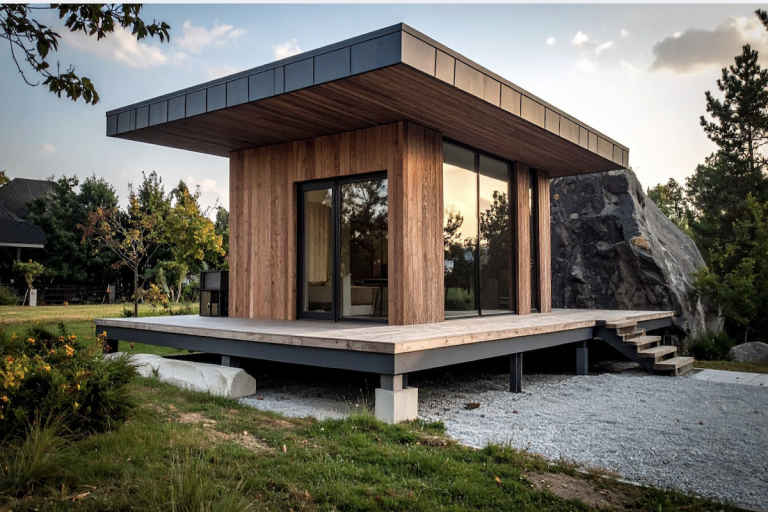
A standalone tiny house usually feels like a small, self-contained home. It may have a loft bed, a kitchenette with a sink and mini-fridge, a private bathroom, and an outdoor deck. Some rentals also include heating, air conditioning, or a full-size kitchen, while others keep the setup simple. Amenities vary by listing, so check what the space actually provides.
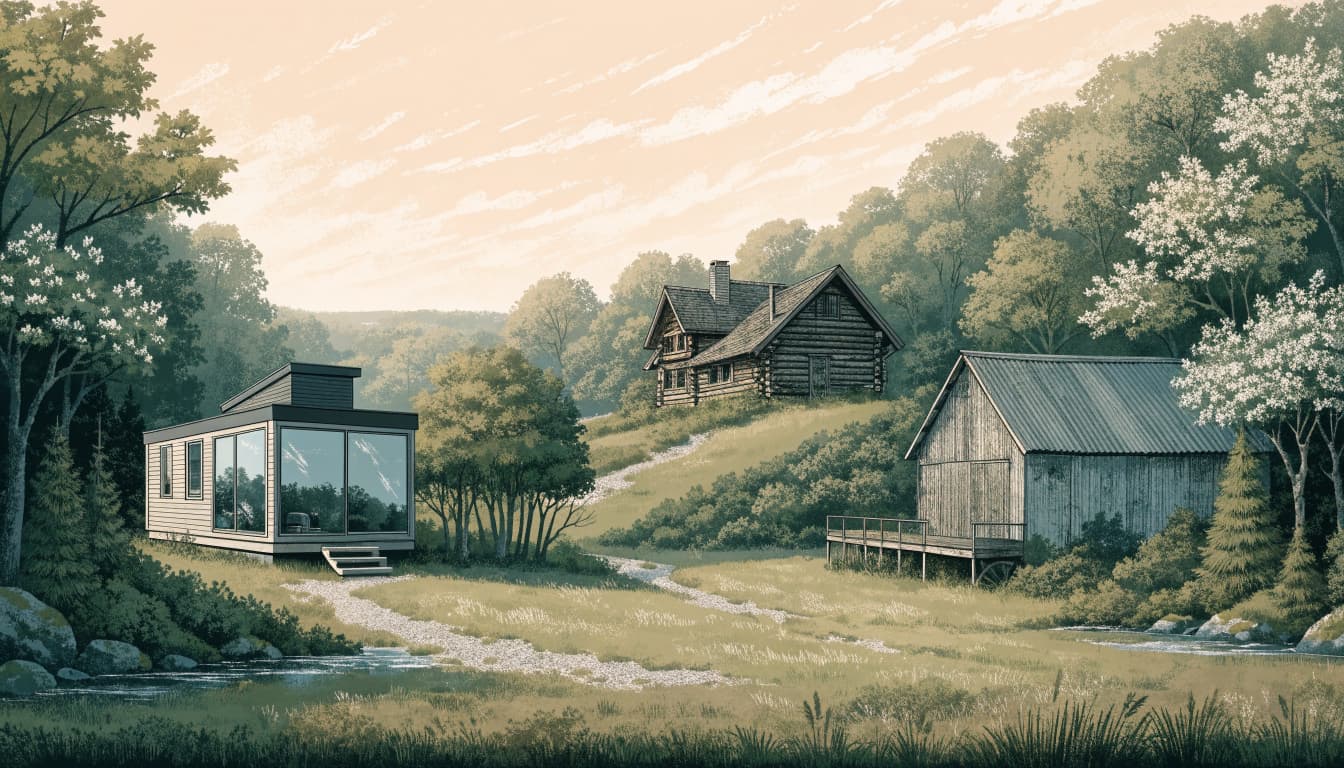
Cabin-style stays can look similar, but often have a more traditional, rustic feel, with wood interiors and a porch or deck. Converted structures may include renovated sheds, barns, or other outbuildings, each with a different layout.
A listing called a “cottage” might offer more room and standard home comforts, while a “glamping stay” may be a tent or shelter with limited plumbing. Maryland DNR cabin listings show how much facilities can differ: New Germany State Park cabins, for example, include a bathroom and kitchen. In other small stays, facilities may be shared or located outside the unit.
Waterfront, woodland, and farm stays
The setting shapes how a small rental feels and what you can do nearby. A wooded lot can offer a secluded base for quiet evenings, while a farm stay may place guests near fields, gardens, or working farm activity. A home near the water might appeal to travelers planning time by a lake, river, or bay, though the listing’s wording matters.
“Waterfront” usually suggests direct access or a position along the shoreline, but hosts may use “near the water” for properties that require a drive or walk to reach it. Check the listing description and photos for details about shoreline access, views, and any shared outdoor areas. A deck overlooking water offers a different experience from a cabin several miles inland, even if both listings mention the same body of water.
These settings can come with different levels of privacy and activity. A farm may have animals or regular work nearby, and a wooded property may have uneven paths or limited outdoor lighting. Read the description closely so the surroundings match the kind of stay you want, not just the style of the building.
Where to Find a Tiny House Rental in Maryland
The best place to look for a tiny house rental in Maryland depends on the kind of trip you have in mind. Mountain scenery, quiet waterfront towns, and rural areas near major cities all offer different experiences, but rental options vary by location. Search current listings, then confirm the property address and actual travel times before booking.
Western Maryland for mountain views and lake days
Garrett County and the communities around Deep Creek Lake make a strong choice for an outdoor-focused getaway. In warmer months, plan for hiking, paddling, or time at the lake. When temperatures drop, the area offers winter recreation, including skiing at Wisp Resort. The Deep Creek area guide highlights activities across the seasons.
Small rentals may sit near the lake, in wooded areas, or farther out in nearby mountain communities. Those settings can feel quite different, so check the listing map and estimate the drive to trailheads, boat access, and other planned stops. Also review road conditions before traveling, especially during winter weather, when a short distance on a map may take longer than expected.
The Chesapeake Bay and Eastern Shore for a slower pace
For a weekend centered on water and small-town stops, look along the Chesapeake Bay, its rivers, and Eastern Shore communities such as St. Michaels or Cambridge. A compact cottage or cabin can give you a restful base for boating, fishing, birding, or simply spending time outside. Maryland’s Chesapeake Bay travel guide can help you plan routes between the Western Shore and Eastern Shore.
Check what “waterfront” or “near the bay” means in each listing. A rental may overlook the water without offering a place to launch a kayak, and public beach or shoreline access may require a separate drive. Before booking, confirm whether water access is private or shared, and check seasonal business hours for nearby restaurants, marinas, and attractions.
Central Maryland for city access and quick getaways
Rural areas outside Baltimore, Annapolis, and the Washington, DC region can pair a quieter small-home stay with city outings. Depending on the property, you may be within reach of museums, restaurants, and events, then return to a country setting at night. Maryland’s regional travel overview offers a useful starting point for comparing destinations.
Don’t rely on a listing’s general location or a straight-line distance. Check the full address, estimate drive times for the hours you expect to travel, and consider traffic around city centers and major routes. If you’d rather leave the car behind, verify whether public transit serves the rental area and how far you’ll need to travel to reach a station.
How Much Do Tiny Home Rentals in Maryland Cost?
There isn’t one reliable statewide rate for tiny homes in Maryland. Prices depend on the property and your dates, so compare live listings for the same stay length and guest count before booking. A lower nightly rate may not mean a lower total once fees and taxes are added.
What changes the nightly rate?
Location can affect the price. A private waterfront rental or a home close to Deep Creek Lake may cost more than a similar property farther from popular recreation areas. Size and privacy matter, too: a larger unit or a standalone home with its own outdoor space may have a higher nightly rate than a compact stay on a shared property. Amenities such as a hot tub, full kitchen, or lake access can also raise the price.
Timing plays a big role. Peak weekends and holidays often cost more than weekdays, while summer lake season can bring higher demand near Maryland’s lakes and rivers. In Western Maryland, fall color can make popular weekends especially busy. If your dates are flexible, compare weekdays and nearby weekends; shifting your trip by a day or two can sometimes lower the nightly rate.
Minimum-stay rules also affect what a trip costs. A host may require two or more nights on busy dates, which can increase your total even when the nightly price looks reasonable. Check the required stay length before comparing listings, since a one-night option and a weekend minimum aren’t directly comparable.
Compare the full price, not just the nightly rate
Before booking, review the checkout total for your exact dates and number of guests. Airbnb explains that a reservation total can include the host’s nightly price, fees, and taxes, so the first price shown may not reflect what you’ll pay. Its pricing breakdown for home stays explains how those charges factor into the total.
Check for cleaning charges, platform service fees, taxes, and any refundable deposit. Depending on the property, optional or usage-based costs may include pet fees, firewood, extra guests, or hot tub access. Also read the cancellation terms before paying. A cheaper nonrefundable rate may cost more if your plans change.
To estimate your trip cost, multiply the nightly rate by the number of nights, then add cleaning charges, taxes, service fees, and any extras you expect to use. For example, a two-night stay can have a higher effective nightly cost than a longer booking if a one-time cleaning charge applies. Airbnb describes how cleaning fees work, including that the fee is a one-time charge included in the total price. Compare the final totals for the same dates, not just the nightly figures.
How to Find and Book the Right Maryland Tiny Home
Finding a good fit takes more than searching for a “tiny home.” Hosts describe similar properties in different ways, so compare the actual layout, amenities, location, and recent guest feedback before booking. Use the steps below to narrow your options and confirm the details that matter.
Search by trip needs, not only by the word tiny
Search Airbnb, Vrbo, and Hipcamp, along with terms such as “small cabin,” “cottage,” “glamping cabin,” and “guesthouse.” A host may describe a compact standalone home as a cottage, while another may call a similar setup a cabin. Broader searches can surface stays that won’t appear under the exact phrase “tiny home.”
Next, enter your dates and guest count, then set a budget that reflects your total trip cost. Use available filters for must-have features, such as a private bathroom, heating and air conditioning, a kitchenette, or pet-friendly rules. Since platform filters and listings vary, open promising results and confirm each feature in the description.
Read photos, amenities, and recent reviews closely
Photos can help you understand the layout, but the listing details should answer practical questions. Check how many people can sleep comfortably, whether beds are in a loft, and whether the bathroom is private or shared. Also confirm heating and cooling, kitchen equipment, Wi-Fi, parking, and whether outdoor space is private or shared.
Then read recent reviews, not just the overall rating. Look for repeated comments about noise, cleanliness, steep stairs, or a location that feels farther from attractions than the listing suggests. One review may describe an unusual experience, but several guests mentioning the same issue can help you decide whether the rental suits your plans.
Confirm arrival details and house rules before paying
Before booking, message the host through the platform to verify the exact location, check-in process, and road access. This matters if the property sits on a rural lane, has limited lighting, or requires a vehicle suited to its driveway. Confirm occupancy limits, quiet hours, and any rules that could affect your stay.
Review the cancellation terms and the full checkout price before you pay. Keep communication and payment within the booking platform; Airbnb outlines its on-platform payment and messaging rules, and Vrbo explains its policy on off-platform bookings. These platforms don’t guarantee that every listing will match your expectations, so verify details directly with the host.
Finally, save the address, check-in instructions, and host contact information somewhere accessible during your trip. A quick review before departure can prevent avoidable confusion when you arrive.
What to Check Before Your Tiny Home Stay
A compact rental can feel comfortable when its layout, location, and amenities fit your plans. Before booking, confirm practical details with the host and check local information when a rule or travel condition could affect your stay.
Check comfort, access, and safety details
Tiny homes make smart use of limited space, but some features may not suit every guest. A loft ladder, low ceiling, narrow stairs, compact bathroom, or limited storage can be difficult to manage, especially for travelers with mobility concerns or bulky luggage. Review the photos and ask the host about dimensions or alternatives if anything is unclear.
Also ask whether the unit has smoke and carbon monoxide alarms, how guests reach the property in an emergency, and what heating and cooling it provides. Cell service can be limited in rural or wooded areas, so check coverage if you rely on your phone for directions or calls. If Wi-Fi or a landline is available, confirm how guests can contact the host or emergency services.
Understand the setting and local restrictions
Find out whether the rental sits on private land, a campground, or a working farm. Ask whether you’ll share outdoor areas, parking, or facilities with the host or other guests. That can affect privacy, noise, and how much space you have to yourself.
Short-term rental requirements vary by county and town. For example, Prince George’s County’s short-term rental licensing information outlines local licensing requirements for that county. It doesn’t establish rules for other parts of Maryland, so ask the host to confirm the rental is permitted and check the relevant local government website if the answer matters to your booking.
Pack for a small space and changing Maryland weather
Pack light, since a tiny home may have little closet or luggage space. Before you bring towels, cookware, linens, or outdoor gear, check the amenities list and ask the host what’s included. Some rentals provide kitchen basics and bedding, while others expect guests to bring certain items.
Weather varies by region and season, so plan for the activities and forecast during your visit. Rain gear can help on a damp weekend, while humid summer days may call for breathable clothing. In colder months, bring layers for chilly nights and check whether the rental’s heating is suitable for your needs. If you’re heading out on trails, review current conditions before setting off. The National Weather Service’s Maryland winter weather guidance offers seasonal safety information, and local forecasts can help you prepare for your travel dates.
Frequently Asked Questions
A few details can make a big difference when choosing among tiny homes for rent in Maryland. Confirm the rules and practical details with the host before you commit, especially if your stay includes pets, children, or winter travel.
Can I find a pet-friendly tiny home in Maryland?
Yes, some Maryland hosts allow pets, while others don’t. Even when pets are welcome, limits may apply to breed, size, or how many animals you can bring. Check the full pet policy before booking, including where pets can go and whether you need to clean up or keep them leashed. Also confirm every fee in advance, since hosts may charge extra for pets. Airbnb’s pet fee guidance explains how pet fees appear in a listing.
Are Maryland tiny homes comfortable in winter?
Winter comfort depends on the home’s insulation, heating system, and location. A heated unit in a sheltered spot may feel quite different from a rustic cabin exposed to wind or colder mountain conditions. Ask the host how the home is heated, whether the system keeps the whole space warm, and if winter access or weather-related limits apply. For a mountain or rural stay, check current forecasts and Maryland winter safety guidance before traveling.
Are tiny home rentals a good choice for families?
Some tiny homes work well for families, but sleeping arrangements and usable space vary widely. Check the guest limit, bed configuration, and whether children would need to climb a ladder or use steep stairs to reach a loft. Before reserving, review the floor plan and ask about child safety features, such as stair gates or window locks. If a child can’t safely use the listed sleeping area, choose a home with a layout that suits your family.
Can I book a tiny home for a month or longer?
Possibly, but longer stays depend on the host, property rules, and local requirements. Many vacation rentals set minimum or maximum stay lengths, and a listing that accepts a weeklong visit may not allow a month-long booking. Ask whether the host offers a monthly rate and how utilities, cleaning, and other charges work. Also confirm that the home has the storage, laundry access, kitchen setup, and reliable internet you need for an extended visit.
What should I do if a rental listing seems unclear?
Message the host through the booking platform and ask direct questions about anything that could affect your stay. For example, confirm the property’s location, what amenities are private or shared, how fees are calculated, and whether a feature shown in the photos is included. Keep the answers in the platform’s message thread so you can refer back to them. If important details remain uncertain before payment, choose another listing with clearer information.
Conclusion
Tiny homes for rent in Maryland offer a range of settings, from mountain and woodland retreats to stays near the Chesapeake Bay. The best fit depends on the kind of trip you want, the comfort and accessibility features you need, and what your budget allows.
Because listings can differ in layout, amenities, location, and fees, review the details before you book. Compare current listings for your dates, confirm the features and house rules that matter, and choose a stay that fits your plans. A little checking ahead can help you find a small home that feels right for your Maryland getaway.
Explore more tiny home living, design, downsizing, building, and lifestyle resources.
- Small Septic System for Tiny House: Types, Costs, Rules
- Tiny Home Grey Water System: Reuse Water Legally
- Composting Toilets for Tiny Homes: Best Picks Compared
- How to Install a Septic System for a Tiny House
- Septic Tank for Tiny House: What Size You Really Need
- Tiny House Septic System Cost: What You’ll Really Pay