Tiny Homes for Rent in Massachusetts: Unique Stays You’ll Love

Wake up in a compact cabin with the Massachusetts coast nearby, or spend a quiet morning in a tiny house tucked beside a forest or small New England town. Tiny homes for rent in Massachusetts can make a memorable base for a getaway, but the right stay depends on your destination, comfort needs, and budget.
You’ll want real rental options, a clear picture of the full cost, and enough detail to choose a place that fits your trip. Listings vary in size, amenities, and setting, while local rules can differ by town and property type.
Start with the key points, then compare what each tiny home rental offers before you book.
Key Takeaways
- Tiny homes for rent in Massachusetts vary by location, size, privacy, and amenities, so compare each listing with your trip priorities before booking.
- Cape Cod, the Berkshires, and inland towns offer distinct settings; choose a region based on the scenery and activities you want nearby.
- Compare the full stay cost, including cleaning fees and taxes. Massachusetts charges a 5.7% state room occupancy excise tax, with possible local taxes; see Massachusetts room occupancy tax details.
- Before you reserve, confirm sleeping arrangements, bathroom access, heating or air conditioning, parking, cancellation terms, and any host rules that could affect your stay.
Tiny Homes for Rent in Massachusetts: What to Expect
The name “tiny home” can describe several kinds of compact stays in Massachusetts. One listing may be a furnished cabin with a private bathroom, while another may be a canvas shelter with shared facilities. Because hosts use these labels differently, check the actual size, amenities, privacy, and location before you book. Availability also shifts with the season and the area, especially in popular vacation regions.
The different kinds of tiny stays you may find
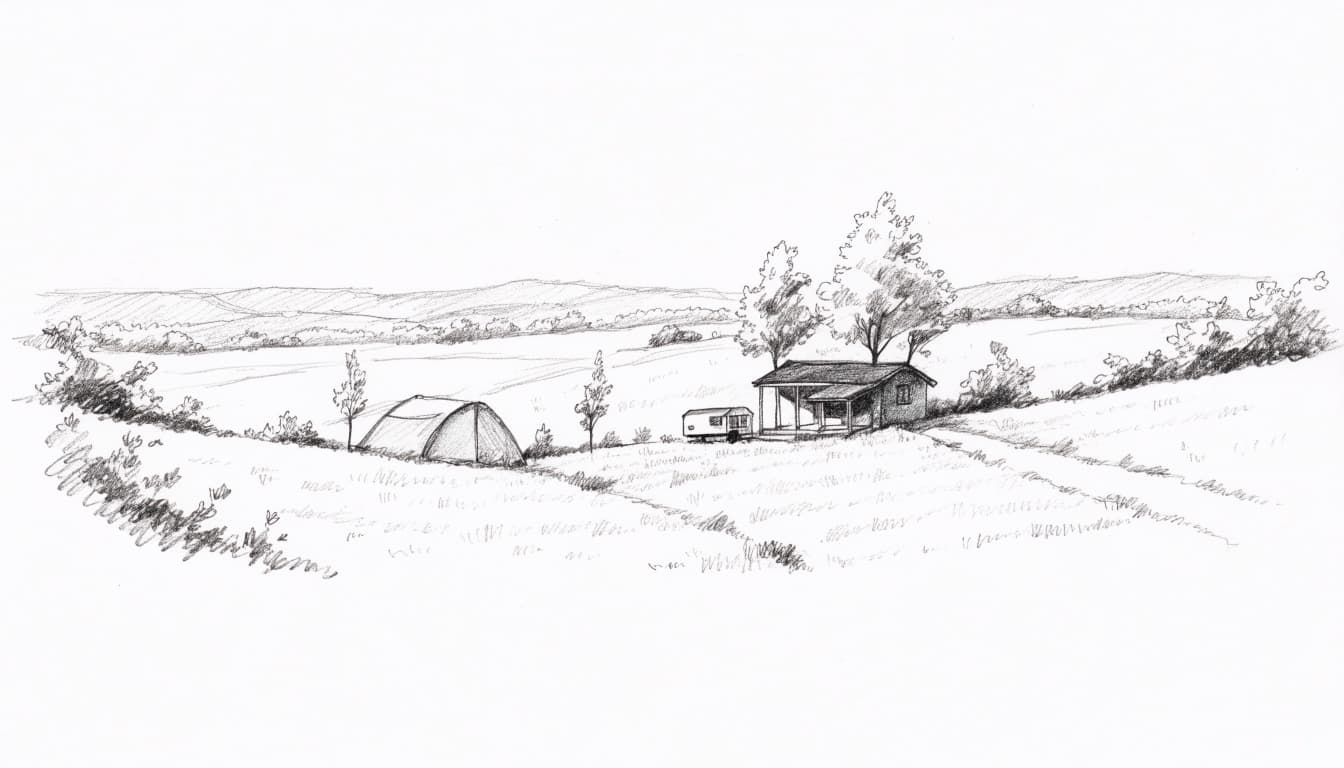
A fixed cabin or cottage usually has a permanent foundation and may feel most like a small private home. Sleeping arrangements might include a bed, loft, or pullout sofa. Some have a full kitchen and indoor bathroom; others offer a kitchenette, an outdoor shower, or shared facilities. Heating and outdoor space vary by property.
A tiny house on wheels often has a compact, carefully arranged interior, sometimes with a sleeping loft and small kitchen. Its bathroom may be private, compact, or located in a separate building. Ask about heating, air conditioning, stairs or ladders, and parking, since these details can shape the stay.
Simple glamping units, such as canvas tents or small pods, tend to offer a more outdoors-focused experience. They may have a bed and electricity but limited cooking facilities. Bathrooms can be shared, and heating may be seasonal or absent. A fire pit or picnic area can add outdoor comfort, but check whether the listing includes one.
Where to look, from Cape Cod to the Berkshires
On Cape Cod, search for small cottages or compact cabins near beaches, bays, bike paths, or village centers. Summer demand can affect both availability and rates, so consider your dates early and check how far the rental sits from the activities you want. The Cape Cod visitor guide can help you compare areas and plan nearby outings.
In western Massachusetts, the Berkshires offer a mix of mountain scenery, wooded settings, and towns with cultural attractions. The Pioneer Valley has a different feel, with river-valley landscapes, college towns, and access to outdoor recreation. Browse the Berkshires and Pioneer Valley regional guide to match a stay’s location with your plans.
Central Massachusetts can suit travelers looking for a quieter inland base, with rural roads, small towns, and access to lakes or trails. Across all these regions, treat each area as a place to search rather than a guarantee of available rentals. Compare the setting with your itinerary, then confirm the drive to beaches, trailheads, restaurants, or event venues before booking.
Compare Massachusetts Tiny House Rentals by Cost and Comfort
A low nightly rate can look appealing, but the best tiny house rental is the one that fits your budget and daily needs. Compare the total cost for your dates alongside the features that will make a compact stay comfortable.
Look beyond the nightly rate
The nightly price is only one part of the bill. Cleaning charges, booking or service fees, and taxes can raise the checkout total. Massachusetts applies a state room occupancy excise tax to many short-term rentals, and some cities and towns add a local tax. Check the state’s local occupancy tax rates when estimating your stay.
Also review the listing’s minimum-stay rules, deposit requirements, and cancellation terms. A two-night minimum can change the value of a rental if you only need one night, while a refundable deposit may affect how much you pay upfront. Rates can also rise during busy periods, such as summer on Cape Cod or fall weekends in the Berkshires.
For a fair comparison, enter the same dates and guest count for each rental, then compare the full checkout price. Booking platforms may present fees differently, so check the final breakdown before you reserve. Airbnb, for example, explains how its guest service fees are calculated. Avoid treating any one nightly rate as typical for Massachusetts; prices depend on the property, location, and travel dates.
Check the features that matter in a small space
In a tiny home, a few practical details can shape the whole stay. Confirm the bed size and sleeping arrangement, especially if the listing uses a loft or pullout sofa. Check whether the bathroom has indoor plumbing, whether the kitchen includes a cooktop or only a microwave, and whether linens come with the rental.
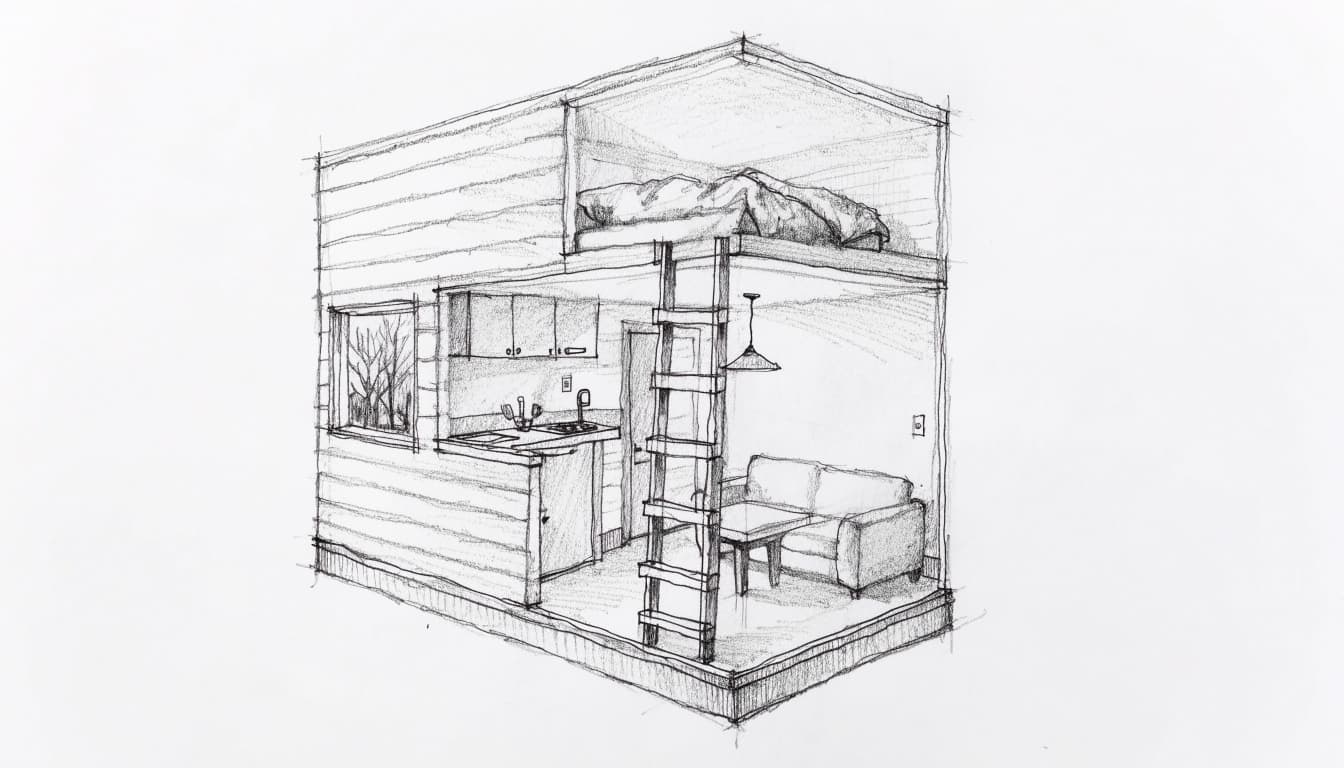
Heating matters during cool New England nights, while air conditioning can make a summer stay more comfortable. Ask whether Wi-Fi or reliable cell service is available if you need to work or plan outings. Parking, stairs, and steep loft ladders also deserve a close look, particularly if you have mobility needs or are traveling with children.
A lower rate may come with fewer amenities or shared facilities. For example, a rental with an outdoor bathroom or communal kitchen may suit a short summer visit, but feel less convenient in cold or rainy weather. Compare what the property actually includes with what you expect to use, then decide whether the savings are worth the trade-off.
Find and Book a Tiny Home Stay That Fits Your Trip
A good search starts with your itinerary, not a particular tiny house. Decide which Massachusetts area suits your plans, set your dates, and compare the full stay details before reserving. Airbnb, Vrbo, and outdoor-stay marketplaces such as Hipcamp are useful places to look, but listings and availability change.
Use dates, location, and amenities to narrow your search
Enter your travel dates and guest count first, since some rentals have minimum stays or limited availability. Search by destination, then expand to nearby towns if you can drive. For example, a flexible Cape Cod trip might include several neighboring towns rather than only one beach community. A wider search can uncover options with a more convenient price or better fit.
Next, filter for the features that matter to your group. Check the number of guests, private bathroom, kitchen or kitchenette, and pet policy. Add other must-haves, such as air conditioning, heating, parking, or Wi-Fi. Airbnb’s search tips and filters explain how guests can narrow results and contact hosts.
Keep a short list of promising stays, then compare the total price for the same dates and guest count. A listing that looks affordable at first may have extra fees or a longer minimum stay. Check the final checkout amount before deciding.
Read the listing closely and ask useful questions
Photos can make a compact space look larger, so read the description and recent reviews alongside them. Confirm the exact sleeping setup, including whether a loft requires a ladder, a sofa converts to a bed, or any guests share a sleeping area. Also check the cancellation terms, arrival instructions, parking arrangements, and whether the home stands alone or shares a property with the host or other guests.
Before you pay, ask the host about anything that could affect your stay. Useful questions include whether the road is accessible in your vehicle, how check-in works, and whether the bathroom or kitchen is private. If you need a quiet place or expect to arrive late, ask about noise and access details in advance. Airbnb’s home cancellation policy information shows why it pays to read the terms attached to the specific reservation.
Know what booking platforms can and cannot tell you
A listing’s description and photos offer a first impression, but they may not explain road conditions, nearby services, privacy, or noise at different times of day. A rural rental could be farther from groceries or restaurants than its map pin suggests. Ask about these details through the platform’s approved messaging tools, where the conversation stays connected to the reservation.
Save the listing, host replies, cancellation terms, and booking confirmation. That record helps you check what the host agreed to provide if a detail becomes unclear later. Once the important questions are answered and the total cost fits your budget, you can book with a clearer sense of what to expect.
Plan for Local Rules, Weather, and a Smaller Footprint
A tiny-home stay can feel different from a standard vacation rental, especially when the property sits on rural land or uses a movable structure. Before booking, check how local rules, seasonal conditions, access, and the home’s layout might affect your trip.
Understand permits and the difference between a cabin and a home on wheels
A fixed cabin and a tiny house on wheels may fall under different local requirements. Zoning, short-term rental rules, and regulations for RVs or movable units can vary by municipality and property type. Massachusetts provides information about seasonal homes and short-term rentals, but that doesn’t replace checking the rules that apply to a specific town or property.
Ask the host whether the rental is offered as a lawful accommodation and whether any local requirements affect your stay. You can also ask about limits on guest count, parking, outdoor fires, quiet hours, or use of shared spaces. Clear answers help you avoid surprises after arrival, especially when the unit is on private land or part of a larger property.
Pack for New England weather and the property’s setting
Massachusetts weather can change with the season and location. Cold nights, rain, summer humidity, and insects are all possible, while seasonal road or trail conditions may affect access to a rural rental. Check the forecast close to your trip, then pack layers and footwear that suit the property’s setting.
Before booking, confirm what heating and cooling the unit has, and whether those systems are available during your dates. Ask the host about the route, parking surface, and any seasonal access concerns. If the stay includes outdoor equipment, such as a fire pit, grill, or kayaks, check what the host provides and whether weather or site rules limit its use.
Decide whether tiny-home living suits your group
Compact living is part of the experience, but it can feel tight when everyone needs the same small space. Storage may be limited, sleeping areas can sit close together, and bathrooms or kitchens may be smaller than those in a conventional rental. Some units also have fewer indoor amenities, so check the listing for details rather than assuming it includes a full kitchen or private bathroom.
Couples and light packers may enjoy the simplicity, especially for a short getaway. Families, larger groups, or guests with mobility needs should review the floor plan and sleeping setup carefully. Ask about loft ladders, narrow doorways, bathroom access, and indoor space for rainy days. A few practical questions can help you choose a tiny home that fits your group, not just your destination.
Choose the Right Rental for Your Massachusetts Getaway
The best tiny home is the one that fits both your destination and the way you plan to spend your days. Before comparing listings, choose the region that supports your itinerary, then weigh location, total cost, and comfort together.
Match the setting to the trip you want
For a beach weekend, look along the coast for a small rental near the shoreline or a seaside town. You may spend more time outdoors and less time inside, so easy beach access could matter more than a full kitchen. Still, check the drive to your preferred beach and the places you plan to eat or visit.
A stay in the Berkshires or elsewhere in western Massachusetts can put hills, trails, and outdoor outings within reach. That setting can suit travelers who want scenic drives or active days, especially when the rental has a comfortable place to rest afterward. In contrast, a central Massachusetts or Pioneer Valley base can work well for exploring several towns, though your itinerary may involve more time on the road.
Before booking, check actual driving times between the rental and your planned stops. Massachusetts destinations can look close on a map while taking longer to reach on local roads. The state travel maps and driving directions can help you estimate routes and distances.
Use a short checklist before you reserve
Compare a few rentals using the same dates and guest count. First, note each listing’s total price at checkout, including fees and taxes. Then compare the details that affect daily comfort: sleeping setup, bathroom and kitchen access, heating or cooling, accessibility, and pet rules.
A simple scorecard keeps the decision grounded. Rank your top three must-haves, such as a private bathroom, a short drive to trails, or air conditioning. Give each listing a quick rating against those priorities, then rule out any stay that misses a non-negotiable. Recent reviews can help clarify whether the space matches its photos and description.
The right setup also depends on the length and purpose of your visit. A compact rental can be a good fit for a weekend escape when you mainly need a place to sleep between outings. For an outdoor-focused trip, prioritize location, weather-ready heating or cooling, and a practical place to clean up and dry gear. On a longer visit, kitchen access, storage, laundry, and reliable climate control may matter more than a postcard view.
Finally, read the cancellation terms before paying. A charming photo can catch your eye, but the strongest choice is the rental that fits your plans, budget, and everyday needs.
Frequently Asked Questions
Before booking tiny homes for rent in Massachusetts, check the details that can change with the property and the time of year. A listing’s description is a starting point, so confirm anything that affects access, comfort, or your group’s needs with the host.
Are tiny-home rentals available year-round in Massachusetts?
Availability depends on the property, region, and season. Some rentals welcome guests throughout the year, while others close during colder months or operate only during peak travel periods. Search your exact dates, then confirm winter road access, heating, and any seasonal closures with the host; Massachusetts also publishes winter heating guidance.
Can I bring a dog to a tiny-home rental?
Pet rules vary by listing, so don’t assume a rental allows dogs even if it has outdoor space. Hosts may charge a pet fee, set size limits, or restrict pets from furniture or certain areas. Confirm the full policy before booking, including whether the rules cover the number of pets you plan to bring.
Do tiny homes in Massachusetts have private bathrooms and kitchens?
Amenities vary: one unit may include a private bathroom and full kitchen, while another may have shared facilities or no indoor plumbing. Read the description and review the photos, then ask whether the bathroom and kitchen are private, shared, or outside the unit. If you need specific equipment, such as a stove or shower, confirm that it is available during your stay.
Is a tiny house on wheels the same as an RV rental?
A tiny house on wheels may resemble an RV, but its design, placement, and included services can differ. Some stay in one location and offer features closer to a small cabin, while others may have RV-style utilities or facilities. Check the host’s description and ask how the bathroom, water and power connections, and site access work.
How far ahead should I book a tiny home stay?
The right timing depends on your destination, travel dates, and flexibility. For popular weekends or peak seasons, start searching early so you can compare available options; however, current listings are the best way to see what remains open for your dates. If you can shift your trip by a day or choose a nearby town, you may find more choices.
Conclusion
Tiny homes for rent in Massachusetts offer a memorable way to stay near the coast, in the woods, or close to a small New England town. The best choice isn’t simply the smallest or most photogenic rental. It’s the one that fits your plans, comfort needs, and budget.
Before booking, compare the full price for your dates, read the listing and recent reviews closely, and confirm details that matter to your group. Ask about property-specific conditions such as access, shared facilities, parking, and seasonal amenities. A little care before you reserve can make a compact stay feel like the right home base for your Massachusetts getaway.
Explore more tiny home living, design, downsizing, building, and lifestyle resources.
- Small Septic System for Tiny House: Types, Costs, Rules
- Tiny Home Grey Water System: Reuse Water Legally
- Composting Toilets for Tiny Homes: Best Picks Compared
- How to Install a Septic System for a Tiny House
- Septic Tank for Tiny House: What Size You Really Need
- Tiny House Septic System Cost: What You’ll Really Pay