Tiny Homes for Rent in New Jersey: Hidden Retreats Worth Booking

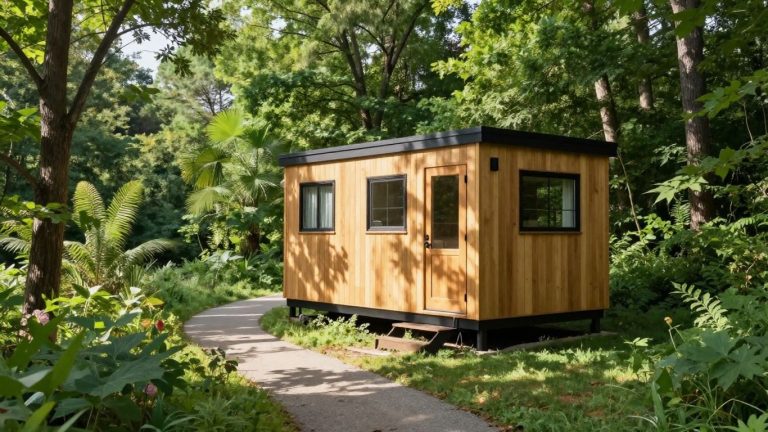
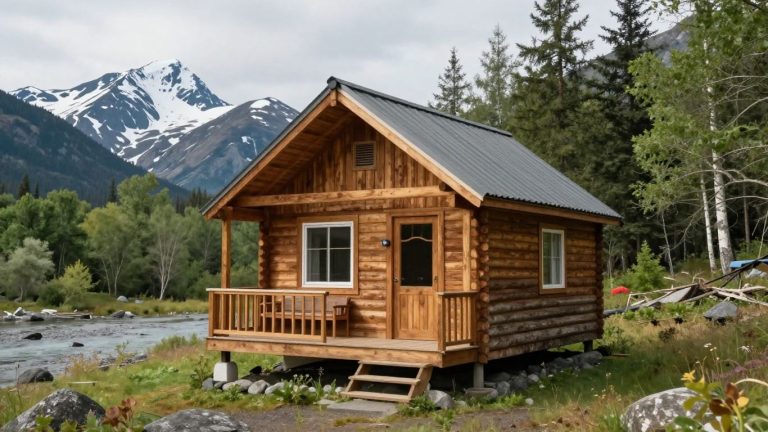
Trading a packed schedule for a small, thoughtful stay can make a New Jersey getaway feel like a real break, whether you wake up among the pines or near the shore. Tiny homes for rent in New Jersey come in several forms, from compact cabins to converted trailers and cottages, and the options vary by location, season, and host.
To find a tiny homes for rent that fits, compare current listings, check the full cost, and choose a region that suits your plans. Before booking, review the sleeping setup, amenities, access, and house rules so you know what to expect. Start by learning where to search and how to tell what a listing actually offers.
Key Takeaways
- Tiny homes for rent in New Jersey include compact cabins, converted trailers, and cottages, with styles and amenities that vary by host and location.
- Choose a region that fits your plans, whether you want a shore stay or a wooded retreat; New Jersey’s official travel guide can help you compare destinations.
- Check the total cost, including fees, before booking, and compare listings for sleeping arrangements, kitchen access, and other essentials.
- Review access details and house rules before you reserve, so the space, location, and stay requirements match your needs.
Where to Find Tiny Homes for Rent in New Jersey
Availability changes with dates, season, and host, so check current listings before settling on a destination. Search major rental platforms, including Airbnb’s New Jersey tiny house listings, Vrbo, and Hipcamp’s New Jersey glamping stays. Campground websites and individual host websites can also surface small cabins or other compact stays that may not appear in the same search results.
A search result may use “tiny home” loosely. Before booking, review the photos, exact location, recent guest reviews, and the property’s stated home type. Those details help you tell whether you’re looking at a standalone tiny house, a compact cabin, or a different kind of stay.
Know What a Listing Calls a Tiny Home
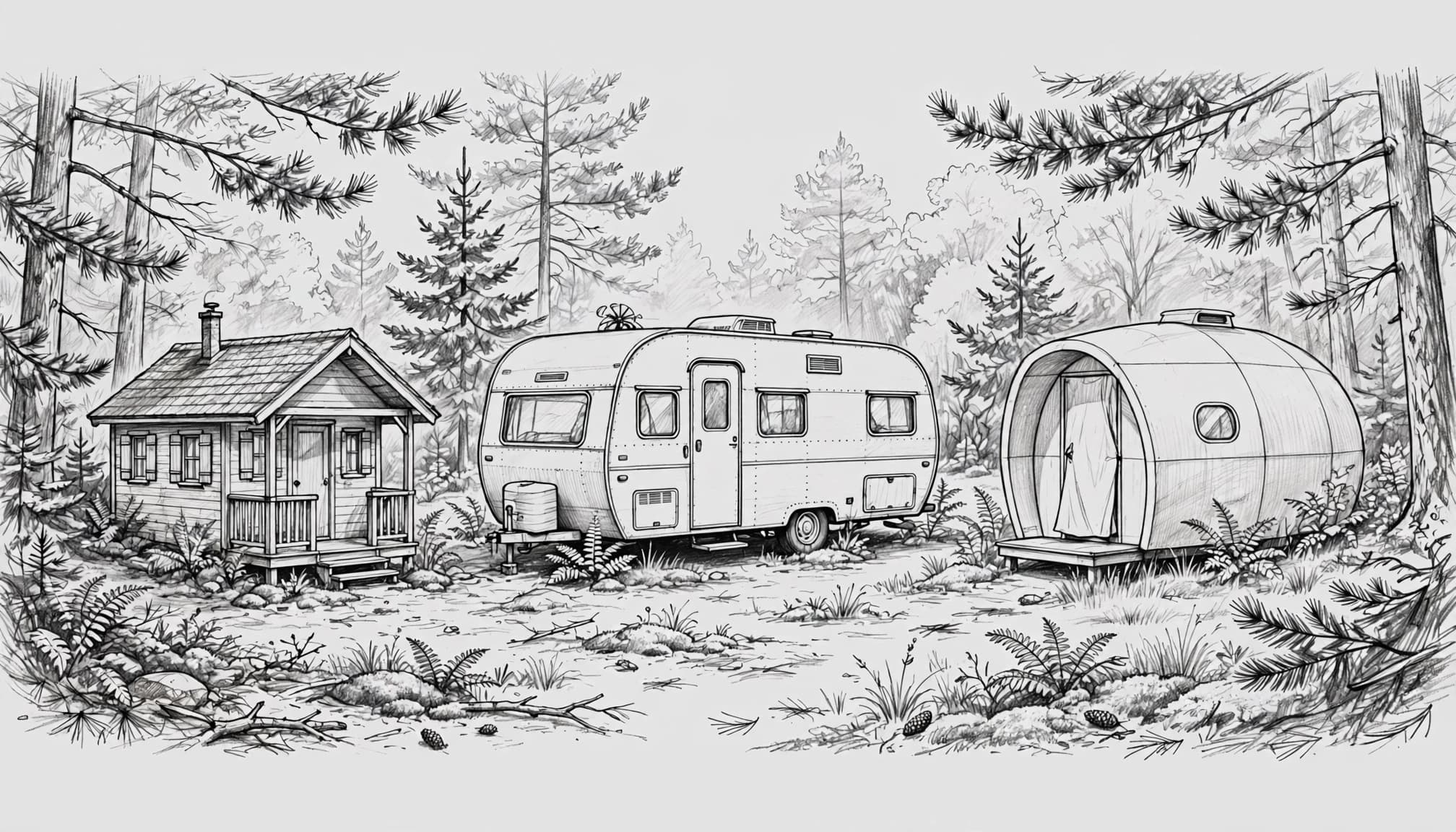
A true tiny home is typically a small, self-contained house, though its design and features vary. Some rentals are standalone cabins or cottages, while others are converted trailers or glamping pods. These options can all offer a cozy overnight stay, but they don’t provide the same layout, privacy, or facilities.
Rental sites and hosts don’t always use these labels consistently. A listing may describe a trailer as a tiny house, or place a small cottage under a cabin or glamping category. So read the description and inspect the photos instead of relying on the title alone. Look for clues such as a permanent foundation, wheels, a private bathroom, and a kitchen area, then confirm anything important with the host.
Search by Stay Style, Not Just by Keyword
Broaden your search with terms like “tiny cabin,” “small cottage,” “off-grid cabin,” and “glamping.” Because hosts categorize properties differently, related terms can reveal options that a narrow tiny-home search misses. On platforms such as Airbnb, Vrbo, and Hipcamp, use map views to see where each stay sits in relation to the places you plan to visit.
Then apply filters for your dates, guest count, pets, and must-have amenities. A listing’s availability can change before you book, so confirm the dates and total price on the property page. Compare recent reviews and check the exact location, too. A wooded property might look close to the shore on a regional search, but the map can show whether the drive fits your plans.
Choose a New Jersey Setting That Fits Your Trip
New Jersey’s regions offer distinct getaway experiences, but tiny-home rentals aren’t equally available everywhere. Choose a location based on the activities you have planned, then check how far the rental is from them. A scenic listing may still require a long drive to a trailhead, beach, or restaurant.
Pine Barrens and South Jersey for a Wooded Escape
The Pine Barrens suit travelers who want a slower stay among sandy roads, pine forests, and waterways. A small cabin or cottage can make a convenient base for hiking, paddling, or spending unhurried time outdoors. For example, Wharton State Forest recreation areas include trails and waterways for outdoor activities.
Before booking, map the route from the rental to the places you plan to visit. Some properties sit well outside town centers, so groceries, restaurants, and trail access may take longer to reach than the listing photos suggest. Also ask the host about reliable heat, cooling, and cell service, especially if you’re visiting in extreme weather or need to stay connected.
The Shore for Beaches and Coastal Towns
A compact rental near the Jersey Shore can give you a simple home base for beach days, morning walks, and evenings in a coastal town. However, properties close to the water may cost more, and demand often rises during peak summer dates. Compare the full price for your dates before you commit.
Check the details that shape each day’s plans: how guests reach the beach, whether the rental includes parking, and whether local passes or fees apply. Access varies by beach and town, so don’t assume a nearby shoreline is free or easy to reach. Island Beach State Park is one example of the protected coastal areas travelers may want to include in their plans.
Northwest New Jersey for Trails and Small-Town Stops
Northwestern New Jersey offers a different kind of outdoor stay, with wooded hills, river scenery, and small towns. The Delaware Water Gap area draws hikers and paddlers, while nearby destinations can suit travelers who want a mix of time outside and local stops. The National Park Service trail guide lists routes at the Delaware Water Gap National Recreation Area.
Confirm the driving route before booking, since a rental’s regional label doesn’t tell you how close it is to a specific trail or river access point. Check nearby services, too, including food, fuel, and essentials. Matching the rental’s location to your planned activities can save time and help you choose a stay that fits the trip.
Compare Tiny Home Rental Prices and Extra Costs
A tiny home’s nightly rate tells only part of the story. In New Jersey, location, season, stay length, home size, and amenities can all affect the price, so compare the full checkout total for the same dates and guest count.
Look Beyond the Nightly Rate
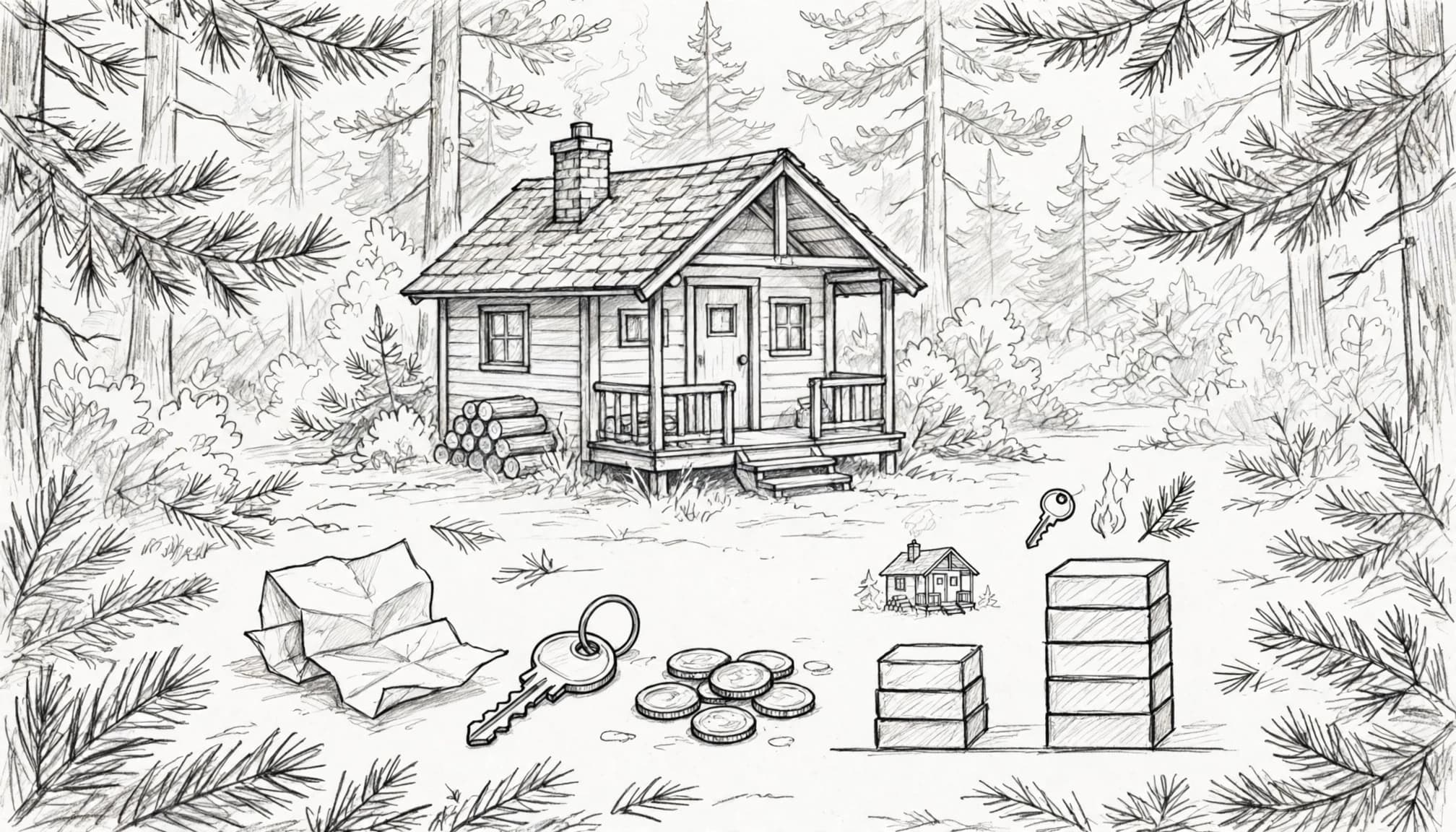
A low nightly price can become less appealing once you add cleaning, service, and applicable taxes. On Airbnb, review the price breakdown before booking, and check the listing or checkout page on any other platform for the same details. New Jersey’s tax rules for transient accommodations can depend on how and where you book, so consult the state’s transient accommodation tax guidance if you need clarification.
Also look for charges tied to the property or your plans. A host may charge extra for a pet, firewood, or other optional items. Minimum-night rules can affect the total, too: a two-night minimum may make a weekend stay more expensive than the nightly rate suggests. Before comparing options, enter identical dates and the same number of guests, then note the final total, required fees, and any extras you expect to use.
Factor in Season, Weekends, and Stay Length
Rates often shift with demand. A tiny home near the Jersey Shore may cost more during summer, while holiday weekends can bring higher prices in other parts of the state. In northwestern New Jersey, fall foliage periods may also draw more visitors. By contrast, quiet-season dates can offer a different rate, though some hosts may reduce services or close seasonal amenities.
Stay length matters as well. Some hosts set lower nightly rates for longer bookings, while others use weekly pricing or require a minimum number of nights. A larger home or one with features such as a full kitchen, private bathroom, or hot tub may also cost more than a simpler stay in the same area.
Compare the exact terms on each listing before you book. Check whether the quoted total includes all nights, fees, and taxes, and confirm whether optional charges are already selected. Then weigh the price against the location and amenities you will actually use.
Pick a Tiny Stay That Works for Your Group
A tiny home can look roomy in carefully framed photos, so check the layout before booking. The right stay should fit your group’s sleeping needs, comfort level, and plans for time indoors. A compact rental often works best for a couple or solo traveler, while a larger group may need more privacy and room to move.
Check Beds, Bathrooms, and Usable Space
Read the sleeping details closely. Confirm how many beds there are, their sizes, and whether guests will sleep in a loft, on a sofa bed, or in a shared room. A listing’s maximum guest count doesn’t always mean everyone will have a comfortable place to sleep or much privacy.
Loft access matters, too. A steep ladder may be difficult for young children, older adults, or anyone with limited mobility. Check the bathroom setup, including whether it’s private and inside the home, and look for details about ceiling height, storage, and narrow doorways. If the listing doesn’t show these clearly, ask the host for measurements or photos before you reserve. Airbnb’s guide to accessibility features in listings explains details such as step-free access and doorway width.
Then consider how the space will feel when everyone is inside. A small dining nook may work for breakfast, but leave little room to spread out during a rainy afternoon. If you’re traveling with a group, make sure the sleeping arrangement and shared space suit everyone, not just the person who booked.
Match Amenities to the Trip You Want
Amenities can shape the stay as much as the location. Check whether the rental has a kitchen or just a mini-fridge, and confirm what cooking equipment is available. For a summer visit, look for air conditioning; for colder months, check the heating type and whether the host provides clear instructions.
Wi-Fi, outdoor seating, and parking also deserve a close look. Reliable internet may matter if you need to work or check travel plans, while a private patio can give your group extra breathing room. If you’re bringing a car, confirm how many vehicles can park and whether the space is on-site.
An off-grid stay can be part of the appeal, especially if you want a quieter break. Still, ask what that means in practice: a property may have limited electricity, no Wi-Fi, or a basic water system. Review the listing and confirm anything essential with the host so you arrive prepared.
Check the Rules and Details Before You Book
Before reserving a tiny home in New Jersey, confirm how you’ll arrive, what the property allows, and what happens if your plans change. A few direct questions can prevent surprises, especially at rural rentals or properties on shared land.
Confirm Check-In, Parking, and Property Access
Read the check-in instructions before you book, then ask the host about anything unclear. Confirm when you can arrive, how you’ll receive the key or access code, and whether you need to contact anyone on arrival. For a remote property, request clear directions and check whether your phone has service nearby. Wi-Fi availability at the home may not mean you’ll have a reliable connection on the road.
Road and parking details matter, too. Ask whether the final stretch is paved, gravel, or a narrow dirt road, and whether it’s suitable for your vehicle in poor weather. Check how many cars can park on-site and whether parking is shared with other guests or residents.
Look closely at stairs, loft ladders, and the route from the car to the entrance. If the rental sits on a larger property, confirm which areas are private and which are shared. These details help you judge whether the layout works for your group and whether you’ll have the privacy you expect.
Read House Rules, Safety Notes, and Cancellation Terms
House rules can affect everyday plans, so review them before paying. Check policies for pets, quiet hours, smoking, and fire-pit use. If the listing mentions a fire pit, ask whether the host provides firewood and whether use depends on current local restrictions or weather conditions.
Zoning and short-term rental requirements can differ by town and property. For example, Vernon Township’s short-term rental ordinance sets local requirements for rentals in that township. Don’t assume one town’s rules apply across New Jersey. Use the listing and host’s written instructions for the specific stay, and ask who to contact if you need clarification about local requirements.
Before you reserve, review the full booking terms and make sure you know:
- Whether the host requires a deposit, and when it may be returned.
- The cancellation deadline, refund amount, and any nonrefundable fees.
- Where to find emergency contacts and property-specific safety instructions.
- Whether restrictions apply to guests, visitors, pets, or outdoor amenities.
If any rule or feature is vague, ask the host for clarification in writing before you pay. Clear answers help you decide whether the rental fits your plans and give you a record of the terms you agreed to.
Plan a Relaxed Weekend Around Your Rental
A small rental feels more comfortable when your plans fit its location and layout. Choose a few nearby activities, leave room to rest, and plan meals around the kitchen you’ll actually have.
Build Your Itinerary Around Nearby Activities
Pick one main outing each day instead of filling every hour. Depending on where your tiny home is, that could mean a morning hike, an afternoon paddle, beach time, a stop at a local farm, or dinner in a nearby small town. A relaxed schedule leaves time to enjoy the rental, especially if the weather changes or the drive takes longer than expected.
Before you set plans, check travel times from the property, not just the distance on a map. Also confirm seasonal hours, access rules, and whether you need reservations. State park facilities and activities can change with the season or current conditions, so review the New Jersey park information and alerts before heading out. For farm visits, check opening dates and availability; seasonal activities such as picking and farm events may only run during certain months. The New Jersey fall farm guide can help you find ideas for an autumn trip.
Keep meals simple, too. If the rental has a full kitchen, bring ingredients for an easy breakfast and one dinner. With limited counter space or basic equipment, plan a picnic or choose a local restaurant instead. Confirm the kitchen setup in the listing so you don’t pack cookware the host already supplies.
Pack Smart for a Compact Space
Tiny homes for rent in New Jersey can vary widely in what they provide, and storage is often limited. Check whether the host supplies linens, towels, cooking basics, and outdoor gear before packing. Then bring only what suits the stay, rather than hauling bulky items you may not use.
Pack layers that match the season and setting. A light rain jacket and comfortable walking shoes help for trails, while beach plans call for swimwear and a towel if the rental doesn’t provide one. For a rural property, bring any essentials that may be inconvenient to find nearby, such as snacks, a flashlight, or toiletries. Finally, check the forecast shortly before departure and keep bags compact so there’s room to move around once you arrive.
Frequently Asked Questions
A few details can make a tiny-home stay easier to plan, especially when your dates, group, or preferred setting come with specific needs. Confirm the listing details with the host before you book.
Are tiny homes for rent in New Jersey available year-round?
Availability depends on the property, its location, and the season. Some hosts accept bookings year-round, while others close during colder months or offer fewer dates outside peak season.
Search your exact travel dates, then confirm that the home has suitable heating or cooling and that its driveway, access road, and outdoor amenities remain available during your stay. For hot-weather trips, the New Jersey heat preparation guide offers advice for planning around high temperatures.
Can I bring a dog to a tiny home rental?
Pet policies are set by individual hosts, so don’t assume a listing allows dogs even if it has a yard or sits near trails. Some hosts limit the number or size of pets, while others charge an additional fee or restrict where pets can go inside. Send the host your dog’s details and get written approval before booking, then review any cleanup or leash rules.
Are tiny homes in New Jersey suitable for families?
Some tiny homes work well for families, particularly when the sleeping areas and bathroom suit everyone in the group. However, limited floor space, loft ladders, and shared sleeping areas may not fit every child’s age or comfort level. Check the actual floor plan and sleeping arrangements, and ask about ladder safety, railings, and other details before reserving.
What should I bring to a tiny cabin or cottage?
Check the amenity list first so you know whether to pack towels, linens, cooking basics, or toiletries. Then choose clothing and gear for the season and setting, such as rain layers for wooded trails or beach items for a coastal stay. If the rental is remote, plan groceries and personal essentials ahead of time, since nearby shops may be a long drive away.
How far ahead should I book a New Jersey tiny home?
Popular dates, especially summer weekends and stays near the coast, can book quickly. Quieter periods may offer more options, but availability still depends on the property and location. Search early for peak weekends, and keep your dates flexible if you want more choice among tiny homes for rent in New Jersey.
Conclusion
The right tiny home rental depends on location, comfort, total cost, and the kind of break you want. Whether you picture a quiet cabin among the pines or a compact stay near the shore, clear details matter more than a listing title or a low nightly rate.
Compare current listings for your dates, review the full price and amenities, and confirm anything unclear with the host before booking. With the practical details settled, you can choose a stay that leaves room to slow down and enjoy New Jersey.
Explore more tiny home living, design, downsizing, building, and lifestyle resources.