Tiny Homes for Rent in New York: Unique Getaways Worth Booking

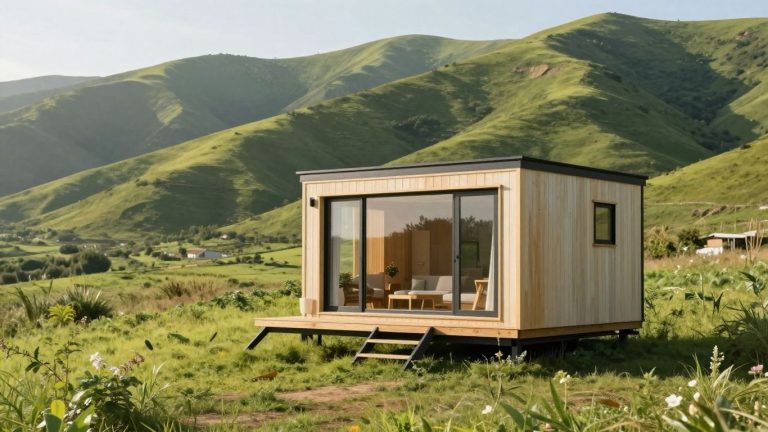
Trade the squeeze of a crowded hotel room for a compact cabin, loft, or backyard cottage, and a New York getaway can feel more personal from the moment you arrive. Tiny homes for rent in New York are most often found beyond the city, where forest, lakes, and small towns set the scene, though each listing differs in size, style, and comfort.
As you compare stays, look beyond the tiny-home label: check what’s included, how much the full booking costs, and whether the location suits your plans. The Catskills, Hudson Valley, Adirondacks, Finger Lakes, and parts of Long Island can all be useful places to start your search. First, it helps to know what a tiny-home rental in New York can actually mean.
Key Takeaways
- Tiny homes for rent in New York are often outside New York City, where wooded landscapes, lakes, and small towns shape the stay.
- Listings may be cabins, lofts, or backyard cottages, and amenities vary, so check the details before choosing.
- The Catskills, Hudson Valley, Adirondacks, Finger Lakes, and Long Island offer distinct settings; the Finger Lakes region is known for lakes, waterfalls, vineyards, and forests.
- Compare the full booking cost, including cleaning fees and other charges, rather than relying only on the nightly rate.
- Before reserving, confirm what the rental includes and consider its distance from the activities, transit, or services you plan to use.
Tiny Homes for Rent in New York: What to Expect
The phrase “tiny home” can describe very different places in New York. A listing might feature a purpose-built compact house, a rustic cabin, a camper, or a small apartment. Since rental labels aren’t always consistent, compare the space and amenities rather than choosing by name alone.
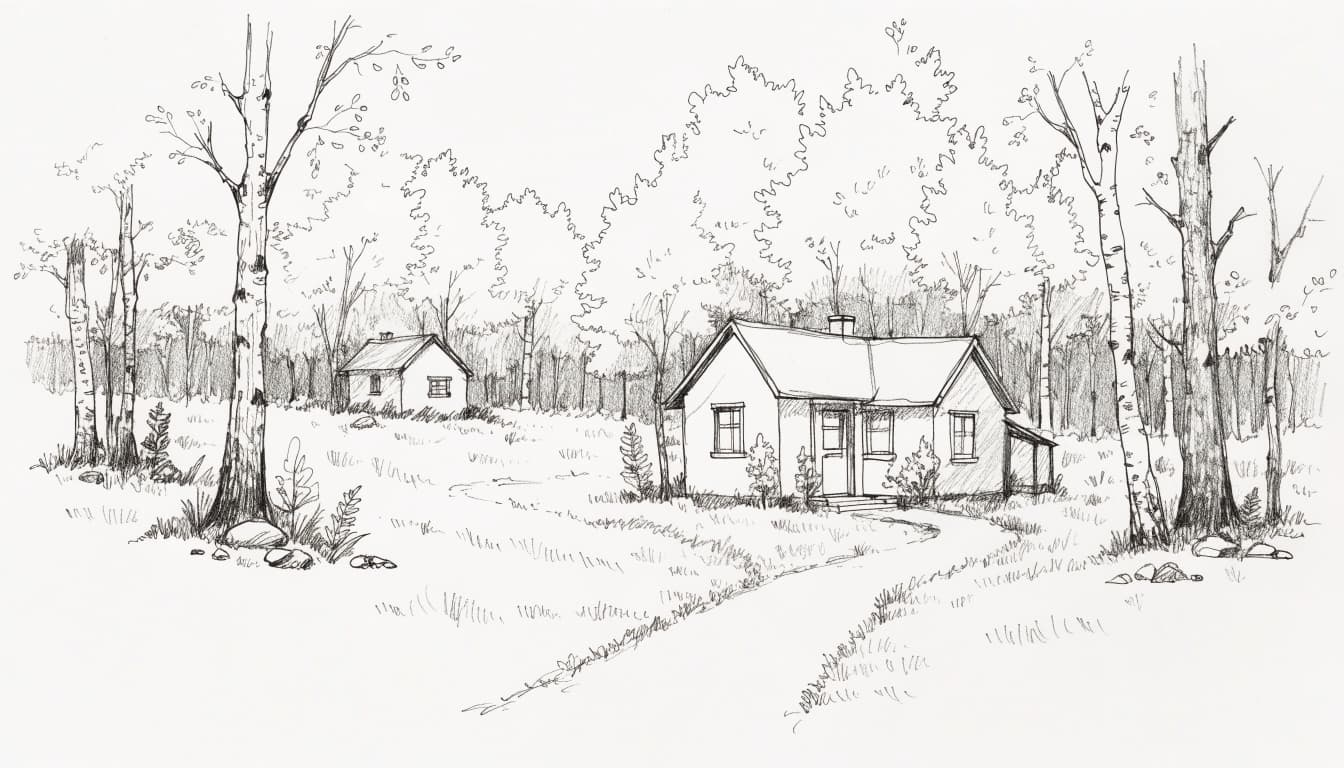
Cabins, cottages, and backyard homes each offer a different stay
A true small-footprint home is usually designed to make efficient use of limited space, with a sleeping area, living space, and basic amenities inside one compact structure. Some have full kitchens and private bathrooms, while others offer only a kitchenette or share facilities nearby.
Rustic cabins often put the setting first. A cabin may have a simple interior, limited plumbing, or seasonal access to running water. Off-grid rentals can rely on solar power, wood heat, or an outdoor bathroom, so read the amenities carefully before booking. Campers and trailers offer another kind of compact stay, but their layout, insulation, and bathroom setup can differ from those of a permanent home.
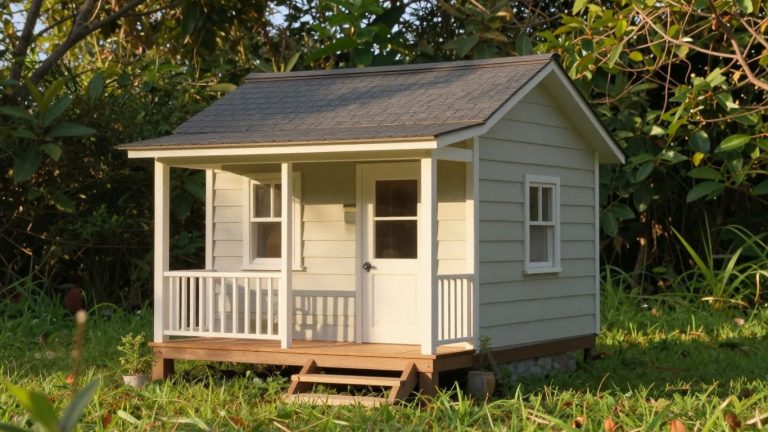
Backyard cottages and micro-apartments tend to feel more residential. A cottage may sit apart from the host’s house, while an apartment may occupy part of a larger building. In New York City, a backyard cottage may qualify as an accessory dwelling unit, or ADU. The city describes an ADU as a small home on the same lot as a main house, and its ADU information for homeowners explains how these units fit into local housing rules.
Before reserving, check the listing’s stated square footage, photos, bathroom access, kitchen equipment, and whether the entrance is private. Also confirm how guests reach the property, especially if a long walk, stairs, or an unpaved road could affect your plans. Match the setup to your trip: a full kitchen may suit a longer visit, while a simple cabin can work well for a quiet weekend outdoors.
Expect more rural choices than tiny homes in New York City
For many travelers, tiny homes for rent in New York means a nature-focused stay outside the city. Rural listings may sit near woods, lakes, or small towns, where a detached cabin or cottage offers more separation from other guests.
New York City options do exist, but they may be compact apartments or ADUs rather than standalone tiny houses. Privacy varies: one rental may have its own entrance and outdoor space, while another shares a yard or sits within the host’s home. Availability also depends on the individual property and local rules, so check the listing details and confirm that the arrangement suits your stay.
Where to Find Tiny Home Rentals Across New York
New York’s compact vacation rentals tend to cluster near outdoor destinations and small towns, rather than in one dedicated “tiny home” region. Search by the area you want to explore, then compare individual listings: the label, amenities, and availability can vary widely.
Explore the Catskills and Hudson Valley for a quick escape
Woodstock, Saugerties, Hudson, and Livingston Manor are useful starting points when searching the Catskills and Hudson Valley. They aren’t guaranteed sources of tiny homes, but their surrounding rural areas may have cabins, cottages, or other compact stays within driving distance of town.
The appeal is a mix of wooded roads, small-town main streets, local restaurants, and outdoor options. You might spend the morning on a trail, then browse shops or have dinner in town. Check the location carefully, though: a listing described as being near Woodstock or Hudson may sit well outside the center.
For a short couples’ getaway or weekend trip, these areas can keep both scenery and food within reach. The Catskills visitor guide offers ideas for hiking and scenic drives as you decide where to focus your search.
Look to the Adirondacks and Finger Lakes for outdoor trips
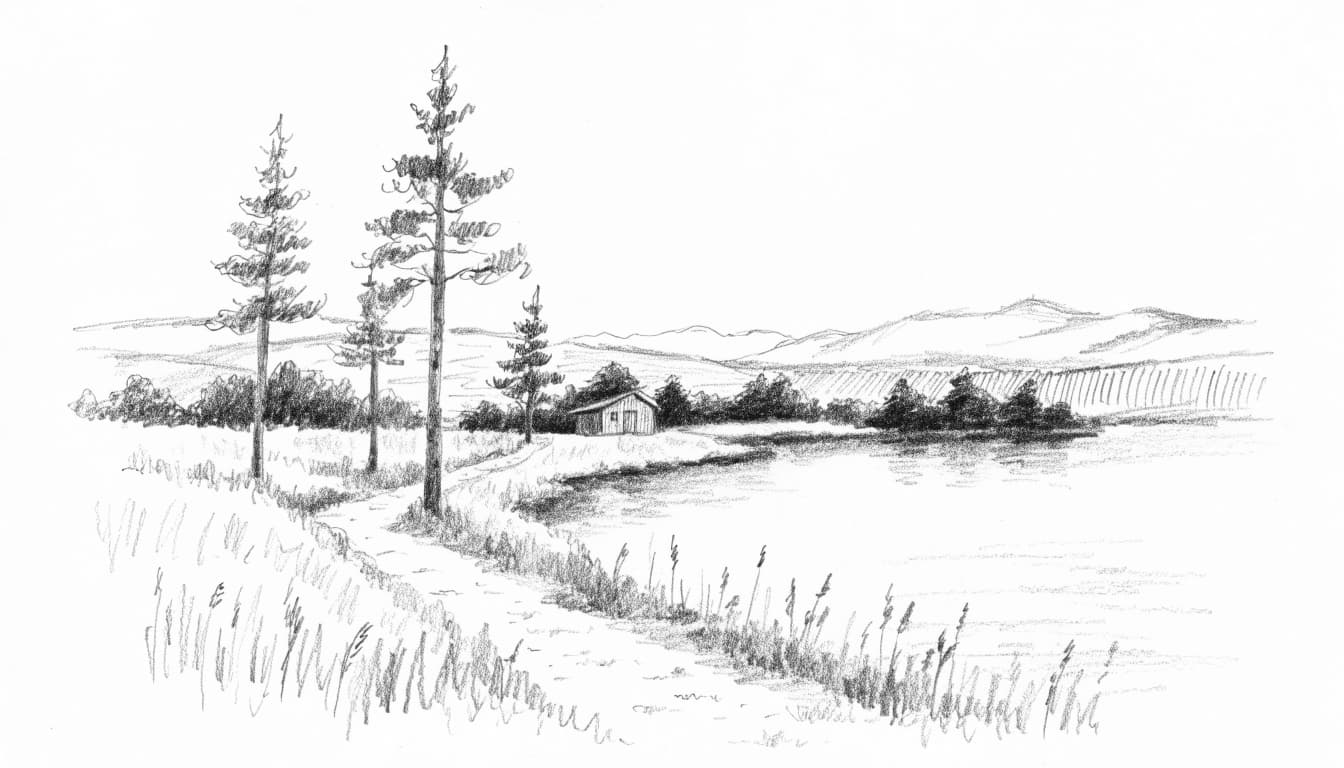
Travelers planning time on the water or in the woods can search around Lake George, elsewhere in the Adirondacks, or across the Finger Lakes. A small cabin or cottage may make a practical base for hiking, paddling, or visiting nearby lakes, depending on its exact location and what the property offers.
In the Adirondacks, distances between towns and attractions can be significant, so check drive times before booking. The region’s hiking and lake trip ideas can help you narrow down a base area. Finger Lakes stays may also appeal to travelers pairing lake visits and trails with stops at wineries. However, neither region guarantees that a particular rental includes water access, a boat, or convenient trail access.
Check Long Island and other regions for a different kind of getaway
Long Island may offer compact stays near beaches or in quieter rural areas, giving travelers a different setting from an inland cabin. Availability and the feel of the trip can vary by location, especially between coastal communities and places farther from the shore.
Other parts of the state can work, too. Use New York’s regional travel guide to compare destinations, then search for stays near the places you plan to visit. Before booking, check the exact address, public transit options, and realistic travel times. Seasonal demand can affect both availability and rates, while limited transit may make a rental car necessary. A listing’s nearby town name alone won’t tell you how close it is to the beach, trailhead, or restaurant you have in mind.
How Much Does a Tiny Home Rental in New York Cost?
There isn’t one standard price for a tiny home rental in New York. The cost depends on the property, location, travel dates, and fees, so check current listings for your exact stay before setting a budget.
Compare the nightly rate with the total booking price
A low nightly rate can look appealing, but it doesn’t show what you’ll pay for the reservation. Weekends and holiday periods may cost more than weekdays, while summer and peak fall foliage can raise demand in popular areas such as the Catskills and Hudson Valley. Winter prices also vary: a rental near ski areas may attract seasonal visitors, while a more remote property may see different demand.
Search with your actual check-in and checkout dates, guest count, and trip length. Then compare the complete checkout total on Airbnb, Vrbo, and the property’s direct-booking site, if one is available. Taxes, cleaning charges, and service fees may appear separately, so confirm which amounts are included in each displayed price. Airbnb explains its U.S. pricing display and tax breakdown, while Vrbo describes how its traveler service fee is calculated.
To compare listings fairly, divide each reservation total by the number of nights. This gives you an effective per-night cost that accounts for one-time charges. For example, a rental with a higher nightly rate could cost less overall for a longer stay if its fixed fees are lower. Add travel, meals, and planned activities separately to estimate the broader trip budget.
Budget for heating, cleaning, parking, and other extras
Before booking, scan the listing and checkout details for charges beyond the nightly rate. Not every host charges extra fees, but it’s smart to confirm whether the rental adds a cleaning fee, pet charge, parking cost, or other required amount. Check whether taxes and platform fees are already included in the total you see.
Practical costs can matter just as much, especially at a rural or off-grid property. Ask whether firewood is supplied or sold separately, how the home stays warm in cold weather, and whether heating costs appear in the booking price. If you’ll drive, confirm that parking is available and whether the access road suits your vehicle. Pet owners should check both the host’s pet policy and any listed charge.
Read the amenities and house rules before you reserve, then message the host about anything unclear. A short question about heat, firewood, or parking can prevent a surprise expense and help you choose a tiny home that fits your travel budget.
Choose a Tiny Home That Fits Your New York Trip
A good tiny-home rental fits the way you plan to travel, not just the photos you like. Before booking, compare the layout, location, and house rules with your comfort needs and daily itinerary.
Check sleeping space, bathroom access, and kitchen basics
Tiny homes can feel airy in listing photos and much tighter once you arrive. Check the floor plan and confirm the real bed setup, including whether a loft requires climbing a ladder and whether the sofa converts into a bed. For families or anyone who needs more privacy, ask how sleeping areas are separated.
Bathroom details matter, too. Confirm whether it’s private or shared, whether the toilet is conventional or composting, and whether hot water is available throughout the year. Then check for the cooking tools you’ll actually use, such as a stovetop, cookware, and a refrigerator. Ask about heating or air conditioning for your travel dates, plus storage for bags, coats, and outdoor gear.
Couples may be comfortable with one compact sleeping area, while families should check bed dimensions and usable floor space. Solo travelers might prioritize a private bathroom or a well-lit entrance. If you’re bringing a pet, confirm where it can sleep and whether the home has suitable outdoor space.
Match the setting to your transport and activity plans
A rural location can bring quiet mornings and quick access to trails, but it may also mean longer drives for groceries or dinner. Check the exact location and map the route to your planned activities. Ask the host about road conditions, especially for winter visits or unpaved driveways, and confirm whether your vehicle can reach the property.
Public transit may be limited outside towns, so check routes and schedules if you won’t have a car. Cell service and Wi-Fi can also vary in remote areas. Ask the host what works at the property if you need reliable directions, communication, or internet access.
The right location depends on your itinerary. A secluded cabin suits guests who want a quiet base and have supplies or a car. However, a stay near a town may work better if you plan to dine out or travel by transit. Check the distance to groceries, trailheads, and other key stops before deciding.
Read recent reviews and confirm local rules with the host
Recent guest reviews can reveal details that photos leave out. Look for repeated comments about cleanliness, noise, access, and whether the listing matched the space guests found. Pay attention to reviews from travelers with needs similar to yours, such as families or pet owners.
Before booking, send the host a short message to confirm the occupancy limit, pet policy, check-in process, and any house rules that affect your plans. Ask whether the rental has the permits or approvals required in its area, and review the cancellation terms before paying. New York State outlines sales tax rules for short-term rentals, but local requirements can differ, so ask the host how applicable taxes and local rules are handled.
Enjoy the Charm Without Getting Caught by the Tradeoffs
A tiny-home stay can make a New York getaway feel more connected to its setting, especially when the property offers privacy and a comfortable place to return after a day out. The same compact design and rural location can affect everyday comfort, so choose a rental that fits your group and plans.
A smaller footprint can mean more privacy and a closer nature stay
Some tiny homes sit apart from neighboring rentals, with trees, water, or open land just beyond the door. That distinctive setting can make a short trip feel like a real change of pace. Inside, a compact layout is often simple to keep tidy, and a well-chosen rental can be a cozy base for hikes, lake days, or visits to nearby towns.
The appeal depends on what you want from the trip. A couple planning full days outdoors may need little more than a comfortable bed, a private bathroom, and a place to eat breakfast. Meanwhile, guests traveling with children or spending more time indoors may prefer extra floor space and separate sleeping areas. A smaller home can feel inviting when it suits your routine, rather than forcing everyone to adapt to a tight layout.
Small spaces and rural locations call for a little planning
Limited storage can make it awkward to unpack several bags, while a loft reached by steep stairs may not work for every guest. Bathrooms also vary: some showers are compact, and some properties have less hot water or different plumbing than a standard house. Check the listing photos and ask direct questions before booking, especially if comfort, mobility, or privacy depends on a particular feature.
For accessibility needs, ask the host about step-free entry, doorway widths, bathroom layout, and the route between the parking area and the home. The 2010 ADA design standards outline accessibility features for covered lodging facilities, but a listing’s description is still important for understanding the specific property.
A remote setting can also mean a longer drive to groceries, restaurants, or medical services. Phone reception may be weak, and weather can affect unpaved roads or steep driveways. Before a winter trip, confirm the property’s access plan with the host and check New York road and travel conditions close to departure. Pack with the location in mind, and choose a different rental if limited space, stairs, or distance would make the stay stressful.
Frequently Asked Questions
A few practical details can shape your stay as much as the home itself. Check local rules, booking terms, and included supplies before you reserve, especially if you’re planning a short visit or traveling during unpredictable weather.
Are short-term rentals in New York City regulated?
Yes. New York City requires short-term rental hosts to register with the Mayor’s Office of Special Enforcement under Local Law 18, and the law also limits which rentals can operate. Before booking, review the city’s short-term rental registration information and ask the host whether the listing meets applicable requirements.
Can I book a tiny home for just one night?
That depends on the host and property. Check the minimum-stay requirement in the listing’s calendar and house rules, since some rentals accept one-night bookings while others require a longer stay. If your dates fall between existing reservations, message the host to ask whether they can accommodate a shorter visit.
What should I pack for a tiny home stay?
Start with the listing’s amenity details, then ask whether the host provides bed linens, bath towels, toiletries, and basic cooking supplies. For a rural property, bring groceries or snacks if nearby stores are far away, and pack footwear suited to the grounds and weather. If the host doesn’t mention essentials, confirm before departure rather than assuming they’ll be on hand.
When will I receive the rental’s exact address?
The timing varies by booking platform and host. Before paying, make sure the listing gives you enough location information to judge its distance from planned activities, shops, and transit. If the exact address isn’t available until after booking, ask about the nearest town, road access, and estimated drive times, then review the cancellation terms before committing.
What if bad weather affects my trip?
Read the cancellation policy before booking, and check whether it covers the situation you expect, such as a change in plans or an access problem. For a remote property, ask the host how they handle severe weather and whether the driveway or access road is maintained. Keep the host’s contact details available, and check current travel conditions before setting out.
Conclusion
Tiny homes for rent in New York can make a getaway feel personal, whether you want a woodland cabin, a lakeside base, or a compact stay near a small town. The best choice depends on more than the tiny-home label. Match the destination to your plans, check that the space and amenities meet your comfort needs, and compare the full trip cost before you book.
When a listing looks promising, read its details and recent reviews, confirm anything important with the host, and consider how you’ll get around. Then compare your options and plan a New York escape that feels right for your budget, your itinerary, and the way you want to spend your time.
Explore more tiny home living, design, downsizing, building, and lifestyle resources.