Tiny Homes for Rent in North Carolina: Blue Ridge Hideaways

Trading a busy hotel room for a small, thoughtfully designed stay can make a North Carolina getaway feel more personal. You might wake to Blue Ridge Mountain views or spend the day near the coast, then return to a space with its own character.
Tiny homes for rent in North Carolina suit a range of trip styles and budgets, but locations, amenities, and house rules vary by property. Compare the rental type and region, then check the full cost and booking details before you commit.
With a few practical checks, you can find a place that fits your plans and your group. Start by considering what a tiny-home rental and stay can look like.
Key Takeaways
- Tiny homes for rent in North Carolina range from mountain hideaways to stays near coastal towns and city attractions. Use North Carolina’s official travel guide to explore regions and plan nearby activities.
- Compare the setting with your itinerary. A remote cabin may offer quiet and scenery, while a town-based tiny home can put restaurants and attractions closer.
- Before booking, check the full price, minimum stay, cleaning fees, guest limits, parking, and cancellation terms. Amenities and house rules vary by property.
- If outdoor access matters, use the North Carolina state parks directory to check park facilities and activities near your chosen area.
Tiny Homes for Rent in North Carolina: Find Your Best Fit
Tiny homes for rent in North Carolina can mean several different kinds of stays. Some are compact, purpose-built cabins, while others are cottages, converted spaces, or homes on trailers. Focus on the details of each listing, then choose a place that fits your group and plans.
Choose between a cabin, a cottage, and a home on wheels
A fixed tiny cabin is a small standalone building, often tucked into a wooded lot or set near a larger home. A cottage may feel similar, though its layout and size can vary. Converted spaces, such as a renovated shed or garage, can offer a compact stay without being a purpose-built tiny house.
Towable tiny homes are another option where available. They sit on trailers, but guests generally book them as stationary lodging rather than driving them. The listing description matters more than the label: check whether the unit is parked on level ground, whether stairs lead to the entrance or sleeping loft, and how much usable indoor space it has. A “cabin” may have a private bathroom, while a tiny house may share facilities with the host or another rental.
Look for the comforts that make a small space work
A few practical features can make a compact rental much easier to enjoy. Check whether the kitchen is a full kitchen or a kitchenette with a microwave, mini-fridge, and limited cooking equipment. Confirm that the bathroom is private, and look for heating and air conditioning if you plan to visit during a cold snap or humid summer stretch.
Wi-Fi, outdoor seating, and storage also matter, especially for stays longer than a night or two. A porch or patio can give everyone room to spread out, while shelves and hooks help keep bags off the floor. For sleeping arrangements, confirm the number and size of beds rather than relying on staged photos. Loft beds can add a cozy perch, but steep ladders and low ceilings may not work for every guest.
Match the rental to your trip, not just the photos
For a weekend escape, a simple cabin with a comfortable bed and a private bathroom may be all you need. Families should look closely at bed placement, floor space, stairs, and whether young children can safely use the loft. A compact layout can feel charming in pictures yet become hard to manage when everyone is indoors during bad weather.
Remote workers should confirm Wi-Fi details and check whether the rental has a table or other suitable work surface. Meanwhile, solo travelers seeking a quiet break may prefer a private outdoor area and a location away from shared guest spaces. If accessibility is a concern, ask about entrance steps, door widths, bathroom layout, and parking before booking. The ACCESS North Carolina travel guide provides information about accessible destinations across the state, though each rental has its own features.
Finally, check whether the host allows pets and children, and review the occupancy limit and house rules. These details can rule out an otherwise appealing stay, so confirm them before you book.
Where to Find Tiny Home Stays Across North Carolina
North Carolina’s regions offer very different backdrops for a tiny-home trip. Mountain cabins, coastal getaways, city-edge rentals, and rural retreats all appear in listings, but availability varies by town and season. Before booking, check the exact address and drive times to the places you plan to visit.
Blue Ridge and Asheville for mountain views and trail days
Western North Carolina pairs forested ridges with hiking trails, waterfalls, and winding scenic roads. A tiny home near Asheville can offer a quieter place to return to after exploring the city’s restaurants, breweries, galleries, and music venues. Farther out, cabins near towns such as Boone or Brevard may put trailheads and mountain scenery closer.
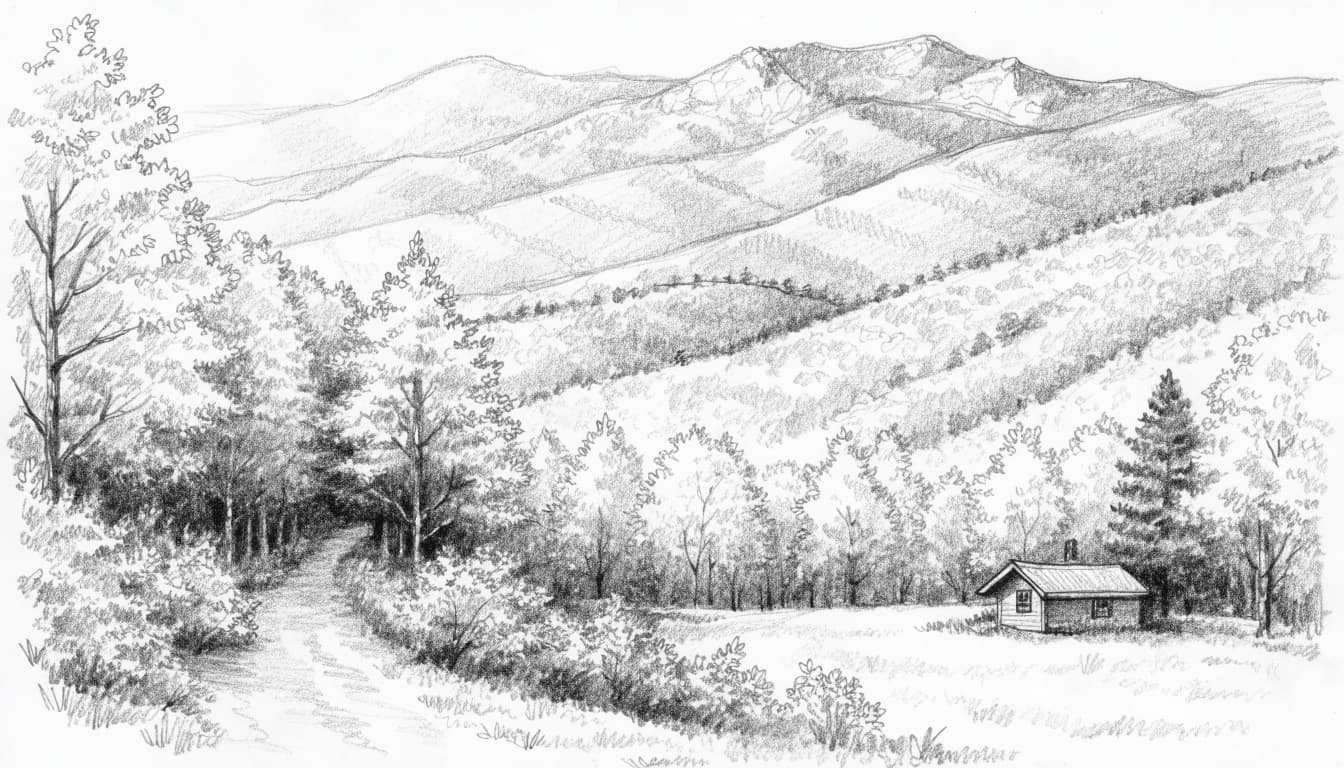
However, a mountain address can come with practical trade-offs. Steep or winding roads may take longer to drive, weather can change quickly, and shops may be several miles away. Check the route and road conditions before setting out, especially if your plans include the Blue Ridge Parkway, where weather and maintenance can cause temporary closures.
The coast and Outer Banks for beach-focused escapes
Coastal tiny homes appeal to guests who want beach time, salt air, and outdoor activities such as kayaking, fishing, or birdwatching. Rentals may be found near Outer Banks communities, the Crystal Coast, or other coastal towns, though the number and type of listings differ by area.
A “coastal” or “beach-adjacent” description doesn’t guarantee you can walk to the sand. Confirm the distance to a public beach access point and whether you’ll need a car. Seasonal conditions and local rules can affect beach access, parking, and activities, so review current notices for your destination. For Cape Hatteras, the National Seashore’s conditions page posts updates that can help you plan.
The Piedmont and Triangle for city access and easy day trips
A stay near Raleigh, Durham, or Chapel Hill makes it easier to reach restaurants, museums, college events, and major roads. Charlotte offers a larger-city base, while smaller Piedmont towns can put guests near local shops and regional attractions without placing them in a busy downtown.
Some listings advertised as being near a city sit well outside its center. That can mean extra time on the road for dinner, an event, or a day trip. Compare the rental’s exact address with your itinerary, and check drive times at the hours you expect to travel. This is especially helpful when choosing between a rural property and a place closer to restaurants or highways.
Quiet lakes, farms, and small towns for a slower pace
For a lower-key trip, look for tiny homes near lakes, farms, or small towns. Depending on the location, guests may spend the day paddling, fishing, walking country roads, or simply enjoying a porch and open space. These stays can suit travelers who want a rural setting more than a packed sightseeing schedule.
Remote locations often have fewer nearby stores and dining options, and cell service may be limited. Check what the property provides, plan grocery stops before arrival, and save directions in case your phone loses reception. Across North Carolina, the best fit depends on the landscape and activities you want, so use the listing’s map and verify the address before booking.
What a Tiny Home Rental Costs and Where to Book
The nightly rate is only one part of the cost of a tiny home rental in North Carolina. Location, season, demand, property features, and trip length can all affect the final price, so compare the full booking total before choosing a stay.
Compare the full price, including fees and taxes
Before you book, review the total shown at checkout rather than multiplying the nightly rate by the number of nights. Cleaning and service fees, taxes, deposits, and charges for pets or extra guests can change what you pay. Airbnb, for example, shows its service fee in the price breakdown, and its U.S. pricing display details explain how fee-inclusive totals appear before taxes.
Minimum-stay rules also affect value. A rental that looks affordable for one night may require a longer stay, while a weekly discount could change the average cost per night. Check whether a deposit is refundable, when the balance is due, and what the cancellation terms allow. A lower total may be less flexible if you need to cancel or change your dates.
Know when rates and availability may change
Busy beach seasons, fall color weekends in the mountains, holidays, and local events can all increase demand. Rates and availability vary by destination, however. A beach town’s busiest dates may not match peak weekends near Asheville or a college town hosting a major event.
If your dates are flexible, compare nearby weekdays and weekends, as well as different travel periods. For popular seasons and holiday trips, start looking early so you have more properties to compare. Check the calendar for your exact dates before planning around a listing, since availability can change.
Search rental sites and book directly when it makes sense
Airbnb, Vrbo, and Hipcamp make it easy to search by location, dates, and property features. You may also find direct booking through a property owner or rental operator. Compare the total price, cancellation policy, guest limits, amenities, reviews, and payment schedule across options. Read recent reviews for details about cleanliness, check-in, road access, or differences between the listing and the stay.
If you book directly, confirm that you are using the owner’s or operator’s official website or verified contact information. Keep communication and payment within trusted booking channels, and be cautious if someone asks you to pay by an unusual method or move the conversation elsewhere. Before paying, make sure the dates, fees, house rules, and cancellation terms match what you agreed to.
How to Choose and Book a Tiny Home With Confidence
A smooth tiny-home stay starts before you arrive. Review the listing against your group’s needs, clear up unanswered questions with the host, and plan for the property’s setting. These checks help you choose among tiny homes for rent in North Carolina without relying on photos alone.
Read the listing closely and check recent guest reviews
Confirm the basics first: how many beds there are, what types they are, and whether the bathroom is private or shared. Check the kitchen equipment, heating and cooling, parking, and whether stairs or a ladder lead to the entrance or loft. Also find out which spaces, if any, you share with the host or other guests.
Photos can make a compact layout look roomier than it feels in person. Read recent reviews for repeated comments about cleanliness, road access, noise, or a mismatch between the listing and the actual stay. One complaint may be an exception, but recurring notes deserve a question before you book.
Ask the host about access, rules, and what to bring
If the listing leaves details unclear, message the host before booking. Ask how check-in works, where to park, and whether the final stretch of road is paved or suitable for your vehicle. Confirm policies for pets, quiet hours, and fire pits, especially if you plan to bring a dog or spend evenings outdoors.
Find out whether the host supplies linens, towels, and basic cooking items such as pots, utensils, and coffee supplies. In rural areas, ask whether cell service reaches the property and whether Wi-Fi is available if you need it. Follow posted rules, and discuss special needs, such as mobility concerns or a late arrival, before reserving. A clear answer now can prevent an inconvenient surprise at the door.
Plan for weather, terrain, and the drive to your destination
North Carolina weather can change your plans. Mountain rain may affect steep or unpaved roads, coastal storms can disrupt beach activities, and summer heat can make a poorly cooled sleeping loft uncomfortable. Check the forecast for the property’s location shortly before departure, not only for the nearest major city.
Look at the route as carefully as the destination. A rural driveway, winding mountain road, or ferry crossing may add time, so leave room for slower travel and stops. Check NCDOT traffic and travel information for road conditions and travel alerts. If your plans depend on hiking, paddling, or beach time, choose an indoor alternative in case weather changes.
Check whether the layout fits everyone in your group
A listed guest capacity tells you how many people a property permits, but it doesn’t guarantee everyone will feel comfortable. Check where each person will sleep and whether beds offer privacy. In a tiny home, a loft may put one guest close to the ceiling while others sleep below.
Consider headroom, ladder access, stairs, and the route to the bathroom at night. These details matter for children, older adults, and anyone with mobility limitations. If the listing photos don’t show the sleeping areas or bathroom clearly, ask the host for a description or additional photos. Choose a layout your group can use comfortably, not simply one that fits the maximum number of guests.
Frequently Asked Questions
A tiny-home listing can look inviting while leaving practical questions unanswered. Before you reserve, confirm how the space works for your group, what the host allows, and which amenities are available during your exact travel dates.
Are tiny home rentals in North Carolina good for families?
Some tiny homes can work well for families, especially when the sleeping areas and bathroom are easy for everyone to reach. However, floor space, loft access, and bed arrangements differ, and a ladder to an open loft may not suit young children or anyone uneasy with heights.
Check the listing’s age limits and occupancy rules, then ask the host about railings, stairs, and where each person will sleep. A clear layout can help you decide whether the home will feel comfortable beyond the first few hours.
Can I bring my dog to a tiny home rental?
Pet policies are set by each host, so a pet-friendly label may still come with fees, size limits, or restrictions on where your dog can go. Before booking, get written approval for your specific pet and ask whether the property has a fenced yard, leash requirements, or nearby places for walks. Also check whether the host expects you to bring a crate or keep pets off furniture. Airbnb’s host ground rules require listings to accurately describe stays and their rules, but confirm the current policy with the individual host.
Are tiny homes available year-round in North Carolina?
Availability depends on the property and its location. Some hosts accept reservations throughout the year, while others close for part of the season or limit stays during quieter months. Search your exact dates rather than assuming a listing will be open, and ask whether seasonal features such as a hot tub, fire pit, or outdoor shower will be available. In mountain areas, also confirm how heating works before booking a winter stay.
Do tiny home rentals usually have kitchens and bathrooms?
Many listings offer kitchen and bathroom facilities, but the setup can range from a compact kitchenette and small shower to fuller, more private amenities.
Check whether the bathroom is inside the rental or shared, and whether the kitchen includes a cooktop, oven, refrigerator, and basic cookware. If you plan to prepare meals, ask about specific equipment rather than assuming photos show everything included. Confirming the size and privacy of these spaces can prevent surprises after arrival.
How far ahead should I book a North Carolina tiny home?
The best lead time depends on your destination, dates, and local demand. For holidays or popular seasonal trips, start searching early so you can compare more listings before the calendar fills. If your schedule allows, check nearby weekdays or alternate dates, since a small shift may reveal more options. Before committing, confirm that the host’s calendar covers the full stay and review the cancellation terms.
Conclusion
A tiny home can make North Carolina’s setting part of the trip, whether you wake to mountain views, spend the day near the beach, or settle into a quiet rural stay. The right rental gives you a comfortable base that fits the pace and plans you want.
Choose a region that suits your itinerary, compare the full cost, and confirm the layout, amenities, access, and house rules your group needs. With those details clear, browse tiny homes for rent in North Carolina with a better sense of what will make your stay work.
Explore more tiny home living, design, downsizing, building, and lifestyle resources.
- Small Septic System for Tiny House: Types, Costs, Rules
- Tiny Home Grey Water System: Reuse Water Legally
- Composting Toilets for Tiny Homes: Best Picks Compared
- How to Install a Septic System for a Tiny House
- Septic Tank for Tiny House: What Size You Really Need
- Tiny House Septic System Cost: What You’ll Really Pay