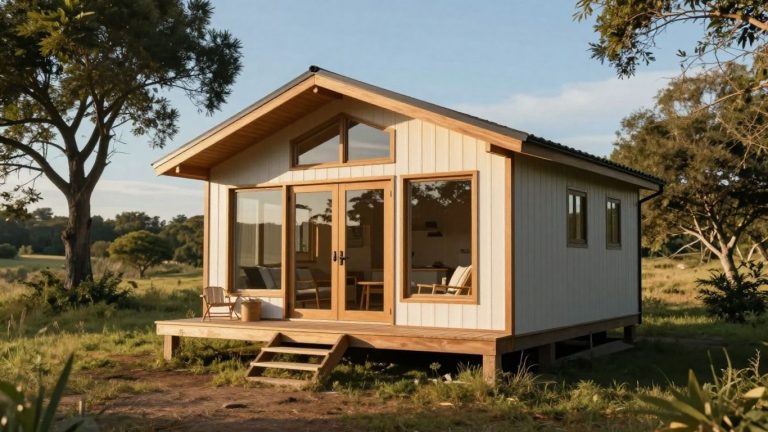
Tiny Homes for Rent in Rhode Island: Charming Coastal Hideaways

A small, cozy rental can put you close to Rhode Island’s beaches, historic towns, or quiet wooded countryside without taking up more space than your trip needs. Finding one may take a broad search, since a stay that feels like a tiny home could be listed as a cottage, cabin, converted space, or glamping rental.
Before you book, check the property details carefully: size, amenities, location, and access can vary widely. This tiny homes for rent guide covers where to search, what rentals may cost, how to compare listings, and which local details to confirm. Start by looking at what Rhode Island hosts mean when they call a place a tiny home.
Key Takeaways
- Search beyond “tiny home” listings, since Rhode Island stays with a compact footprint may appear as cottages, cabins, converted spaces, or glamping rentals.
- Compare each property’s size, amenities, location, and access before booking, because the tiny-home label doesn’t guarantee the same layout or features.
- For coastal stays, check local cottage listings such as Point Break Cottages in Matunuck.
- If a cabin-style stay suits your plans, Rhode Island’s state campground options include cabin accommodations.
- Confirm the full price, rental terms, and travel distance to the places you plan to visit before choosing a rental.
Tiny Homes for Rent in Rhode Island: What You Can Actually Book
In Rhode Island, “tiny home” doesn’t always describe a consistent property type. One host may use it for a compact, purpose-built house, while another may list a small cottage, cabin, or glamping unit under a different name. Search beyond the exact phrase, then check the details before booking. Listings that match your idea of a tiny-home stay may be limited, and availability can change with the season.
Tiny homes, cottages, cabins, and glamping stays
A tiny home usually suggests a self-contained, compact house with private indoor space. Still, the label alone doesn’t tell you whether it has a full kitchen, a private bathroom, or a separate bedroom.
Small cottages and cabins can offer similar privacy and indoor comfort, though their layouts and amenities vary. Some have full kitchens and private baths; others keep things simple. Glamping stays may have more outdoor or shared facilities, and can feel more rustic than a conventional rental.
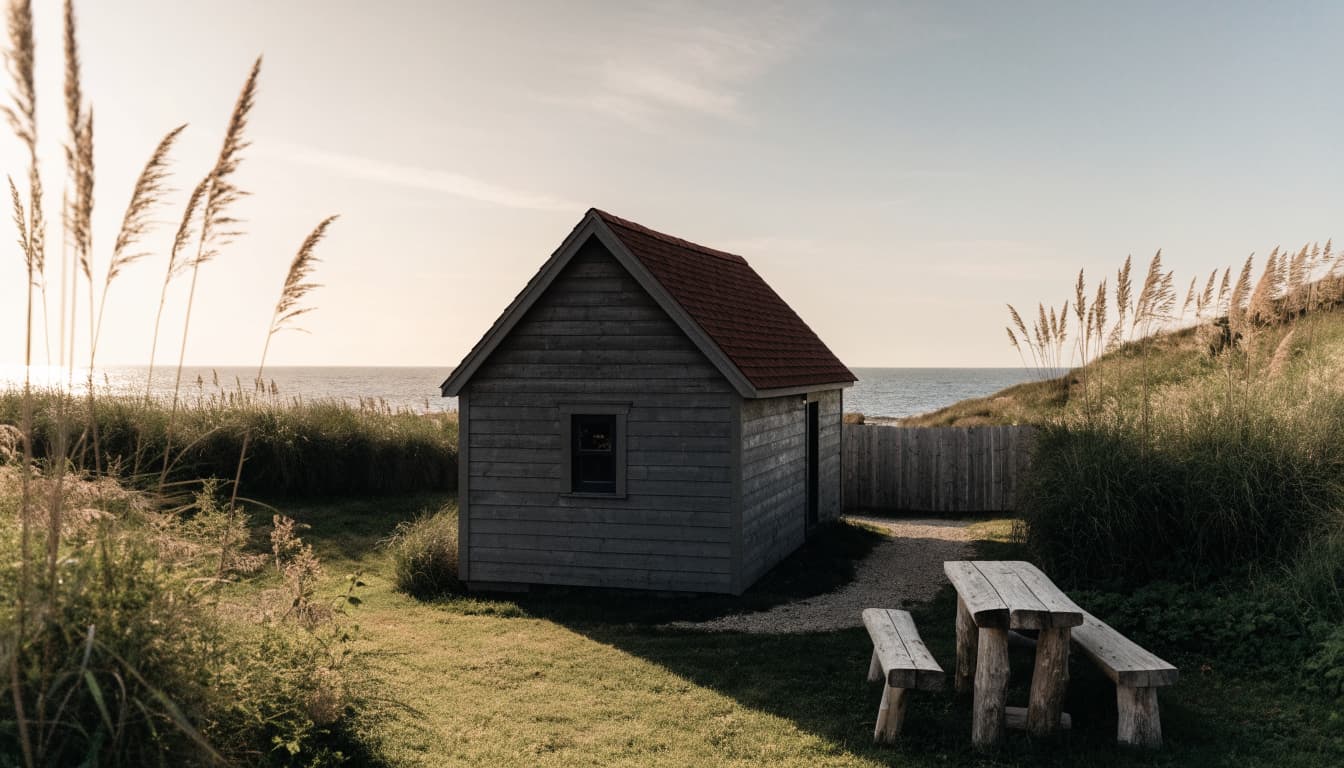
For example, Rhode Island’s state campground options include cabins, which may suit travelers searching for a compact stay even when listings don’t use the tiny-home label. Compare the property description, photos, and house rules rather than relying on a title or a wide-angle image to reveal what’s included.
What a small Rhode Island rental may include
Before booking, confirm the features that will shape your stay. A small rental might have a private bathroom and kitchenette, or it might rely on shared campground facilities. Heating and air conditioning also vary, which matters during Rhode Island’s colder months and humid summer weather.
Check whether the listing includes:
- A private bathroom, or access to shared restrooms and showers.
- Cooking space, such as a full kitchen, kitchenette, or outdoor grill.
- Heating and air conditioning, including which rooms they serve.
- Parking near the unit, plus any limits on vehicles.
- Wi-Fi, if you need reliable internet during the trip.
- Outdoor seating and access to shared facilities, such as a pool or recreation area.
Amenities differ by property, even when two rentals use the same label. If a feature is unclear, ask the host whether it’s private, shared, seasonal, or available at an extra cost.
Where to Find Tiny Home Rentals Across Rhode Island
Tiny-home listings can be sparse in Rhode Island, so search by location and broaden your terms to include cabins, cottages, and small guesthouses. The best area depends on whether your trip centers on the coast, an island, Providence, or quieter inland scenery.
Coastal stays near Newport, Narragansett, and South County
Newport and Aquidneck Island appeal to travelers who want coastal walks, historic architecture, and access to the waterfront. Further south, Narragansett and South County offer beach access and shoreline scenery. Search these towns and nearby communities for small rentals, but treat them as areas to explore, not places where a specific type of rental is guaranteed.
A short drive from the shore may give you more options or better value than a beachfront address. It can also make it easier to compare cottages and guesthouses across several towns. Before booking, check whether parking is included, how far the property is from the beach, and whether beach access or local facilities change by season.
Island getaways on Block Island and Aquidneck Island
An island stay can put beaches, walking routes, and distinctive coastal scenery close at hand. However, small rentals may be limited, especially during busy travel periods, so start looking early and widen your search to cottages or guesthouses.
For Block Island, plan transportation alongside lodging. Ferry schedules vary, and vehicle reservations are required for the vehicle ferry. Review the Block Island ferry schedules and fares before choosing dates. If you travel without a car, check local transit and how you’ll get from the ferry to your rental. On Aquidneck Island, consider whether you’ll drive or use available ferry service between Providence and Newport, and confirm schedules for your travel dates.
Quieter stays around Providence and western Rhode Island
Providence-area listings suit trips built around restaurants, museums, and city attractions. Search nearby communities as well as the city itself, since a compact guesthouse or cottage may appear under a different property category.
Western Rhode Island offers a more rural setting, with wooded areas and quieter roads. Search by nearby towns and compare drive times to your planned stops, especially if you expect to visit the coast or Providence during the same trip. Across every region, review the map and listing details before booking; a town name alone won’t tell you how close the rental is to the places you want to see.
How Much Do Rhode Island Tiny Home Rentals Cost?
There isn’t one dependable statewide rate for tiny homes for rent in Rhode Island. The price depends on location, season, property size, and demand, so compare listings for the same dates and guest count before deciding what fits your budget.

Nightly rates, busy seasons, and minimum stays
Summer often brings higher prices, especially near popular coastal destinations such as Newport, Narragansett, and Block Island. Holiday weekends can also cost more as travelers compete for fewer available properties. By contrast, quieter dates outside peak travel periods may offer more choice, though weather, amenities, and location still affect the rate.
Property size and setup matter, too. A small standalone cottage with a private bathroom and kitchen may cost more than a basic cabin with shared facilities. To compare options fairly, enter the same travel dates and guest count on each booking site, then review the nightly price and stay requirements. A low rate may apply only to certain weekdays or longer visits.
Check minimum-stay rules before building your itinerary. Some hosts require several nights during busy periods, while others allow shorter bookings on less popular dates. If your trip is flexible, compare a weekday stay or dates outside summer and holiday weekends.
Cleaning fees, taxes, and other charges to check
The nightly rate doesn’t show the full cost of a trip. Before booking, review the checkout total and look for cleaning and service fees, taxes, pet charges, refundable deposits, and optional add-ons such as firewood or equipment rentals. Rhode Island’s short-term rental tax rules can depend on how a property is classified, and tax requirements can change. Check the Rhode Island Division of Taxation’s hotel tax information and compare it with the taxes shown at checkout.
Charges and cancellation terms depend on the host and booking platform. Read the cancellation policy before paying, and confirm whether a deposit is refundable, when it will be returned, and whether extra cleaning or pet fees apply. For an accurate comparison, add the lodging total to other trip expenses, including transportation, parking, and any required ferry travel. A rental with a higher nightly rate may cost less overall if it has lower fees or better access to your planned destinations.
How to Search, Compare, and Book the Right Tiny Home
Finding a compact stay in Rhode Island takes more than searching one exact phrase. A small cottage, cabin, guesthouse, or glamping unit may fit your plans, even if the listing never uses the words “tiny home.” Search across more than one booking platform, then compare the details that affect your comfort and travel plans.
Use flexible search terms and map filters
Try searches such as “tiny house,” “small cottage,” “cabin,” “guesthouse,” and “glamping.” Airbnb, Vrbo, and Hipcamp are useful places to look, but their listing names, availability, and booking protections differ. Not every platform has a dedicated tiny-home category, so broaden your terms instead of relying on one filter. You can start with Airbnb’s vacation rental search and compare its results with other sites.
Once you have a few possibilities, enter your dates and guest count, then filter for the amenities you need. Check the map to see whether a rental sits near the beach, in town, or farther inland. A listing may use a familiar town name while sitting well outside its center, so measure actual driving times to the places on your itinerary. Rhode Island is compact, but traffic, ferry schedules, and seasonal travel can still affect your plans.
Read listing details, photos, and guest reviews closely
Photos can make a small space look larger than it feels in person. Read the description for sleeping arrangements, bathroom privacy, loft or stair access, heating and cooling, kitchen setup, parking, and any shared spaces. If a detail matters to your comfort, look for a clear answer in the listing rather than assuming the property includes it.
Recent reviews often fill in gaps. Guests may mention road noise, limited parking, steep stairs, or how well the heating works. Compare those comments with the listing and its photos; if information conflicts or remains unclear, ask the host before booking.
Ask the host key questions before you pay
Before confirming, check how check-in works and whether the property suits your access needs. Ask about pet rules, cancellation terms, internet reliability if you need to work, and whether outdoor areas or amenities are private or shared. These details can shape the stay as much as the unit itself.
Keep important answers in the booking platform’s message system. That gives you a written record to refer to if plans change. Also read the specific cancellation policy attached to the listing, since terms vary; Vrbo’s cancellation policy options explain how refund amounts can depend on how close you are to check-in. When the details match your needs and the total price works, book through the platform and save your confirmation.
Is a Tiny Home Stay Right for Your Rhode Island Trip?
Tiny homes for rent in Rhode Island can make the stay part of the trip, especially if you enjoy a distinctive space and plan to spend time outdoors. The right fit depends on how much room, privacy, and convenience you need between outings.
The perks of a small, memorable place to stay
A compact home may offer a more personal setting than a standard hotel room. You might wake up among trees, relax on a private deck, or stay near the coast in a cottage with its own character. That setting can make downtime feel connected to the place you came to visit.
The cozy scale also suits travelers who expect to spend most of the day exploring. A small kitchen can handle breakfast or a simple meal, while an outdoor seating area gives you space to unwind. Depending on the location, the rental may also work as a convenient base for nearby beaches, towns, or walking trails. Check the map and drive times, though, since a rural setting can mean longer trips for meals and errands.
A compact rental isn’t automatically cheaper or more sustainable than other lodging. Compare the full price and amenities with other options for your dates, and decide whether the setting and layout are worth the tradeoffs.
The tradeoffs to consider before booking
Limited floor space affects everyday routines. Storage may be tight, the kitchen or bathroom may feel cramped, and there may be little room to spread out luggage. Some homes use loft ladders or steep stairs to reach the bed, while others have shared bathrooms or outdoor facilities. Read the description and look closely at photos to understand the layout before you commit.
Access matters as much as style. Travelers with mobility needs should confirm step-free entry, door widths, bathroom setup, and the route between parking and the unit. The ADA’s lodging guidance offers background on accessibility in lodging, but ask the host about the specific property rather than assuming its features. Families with young children should check loft barriers, ladder access, and whether sleeping arrangements keep everyone on the same level.
Weather comfort also varies. A tiny home may heat or cool differently from a larger house, and outdoor space is less useful during rain or cold spells. Ask which areas have heating or air conditioning, and check whether nearby restaurants and transit are practical for your itinerary. If you’re bringing several bags or need extra room to move around, a larger cottage or guesthouse may be a more comfortable choice.
Plan Around Rhode Island’s Seasons, Weather, and Local Rules
Timing affects more than the nightly rate when you book a tiny home in Rhode Island. Coastal demand, changing weather, limited parking, and town or property rules can all shape how comfortable and convenient your stay feels.
Choose dates with beach crowds and weather in mind
Warm-weather weekends draw visitors to Rhode Island’s coast, so popular beach areas may feel busier and have less lodging availability. Shoulder-season trips can bring quieter roads and beaches, but cooler temperatures and less predictable weather may affect time outdoors.
Because compact rentals can heat up or cool down quickly, confirm which rooms have air conditioning and heating before booking. Ask whether the unit has storm-related cancellation or refund terms, and read the policy in the listing rather than assuming bad weather qualifies for a refund. Also check whether seasonal amenities, such as pools, outdoor showers, or on-site services, will be open during your dates.
Check local access, parking, and rental requirements
A small home may have limited parking, a narrow driveway, or no space for a second vehicle. Confirm the number of permitted cars and whether you’ll need to rely on local transit or ferry service. If your plans include an island or coastal area, review schedules for your travel dates and check how you’ll reach the rental after arriving.
Before booking, read the host’s instructions for quiet hours, trash and recycling, and shared areas. Town rules and permit requirements can vary by location and property, so don’t assume one statewide standard applies everywhere. Rhode Island’s short-term rental FAQs explain state registration information, while Providence publishes its local short-term rental rules. Check the appropriate town or city’s current guidance, and ask the host about any rules that aren’t clear in the listing.
Frequently Asked Questions
Even after comparing listings, a few practical details can affect whether a tiny-home stay fits your plans. Confirm these points with the host before booking.
Can I get around Rhode Island without a car?
It depends on the rental’s location and your itinerary. Some areas have transit, but a rural or coastal property may sit far from stops and everyday services. If you’re staying near Newport, review RIPTA’s Newport route information, then check the distance from the stop to the rental.
Are linens and towels included in a tiny home rental?
Some hosts provide sheets and towels, while others ask guests to bring their own or charge an extra fee. Check the amenities and house rules for both bed linens and bath towels. If the listing doesn’t say, ask before you pack.
What kitchen supplies should I expect?
A listing that mentions a kitchen or kitchenette may not include every cooking item you need. Ask whether the rental has cookware, utensils, dishes, a coffee maker, and basic supplies such as cooking oil. For a longer stay, confirm whether you can store groceries in a refrigerator.
Can I use an outdoor fire pit or grill?
Only use outdoor features if the host permits them and confirms they’re available during your stay. Fire pits and grills may have seasonal restrictions, usage rules, or extra charges. Ask whether fuel is provided, and follow any local fire-safety instructions.
Do tiny home rentals have laundry facilities?
Laundry access varies, and a compact unit may not have a washer or dryer. Check whether facilities are inside the rental, shared on the property, or available nearby. For a longer visit, ask about operating hours and any fees.
What should I confirm about check-in?
Ask how you’ll receive entry instructions, when you can arrive, and what to do if you reach the property late. Some rentals use a lockbox or keypad, while others require a host to meet you. Save the instructions and the host’s contact details before traveling.
Conclusion
Tiny homes for rent in Rhode Island can be listed as cottages, cabins, guesthouses, or glamping stays, so search beyond the phrase “tiny home” to find options that fit your trip. Before booking, compare the full cost, including fees and taxes, and confirm the layout, location, amenities, and property rules with the listing or host.
The right small stay depends on your plans and comfort needs. When the space, access, and price work for you, a compact rental can make a Rhode Island trip feel special.
Explore more tiny home living, design, downsizing, building, and lifestyle resources.
- Small Septic System for Tiny House: Types, Costs, Rules
- Tiny Home Grey Water System: Reuse Water Legally
- Composting Toilets for Tiny Homes: Best Picks Compared
- How to Install a Septic System for a Tiny House
- Septic Tank for Tiny House: What Size You Really Need
- Tiny House Septic System Cost: What You’ll Really Pay