Tiny Homes for Rent in Vermont: Cozy Stays with Mountain Views

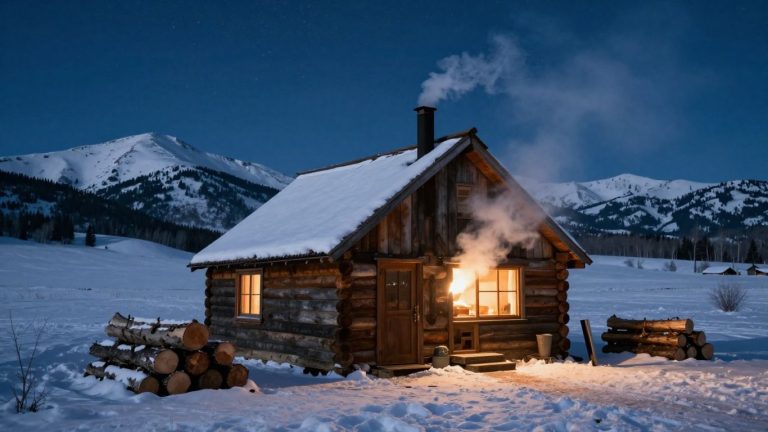
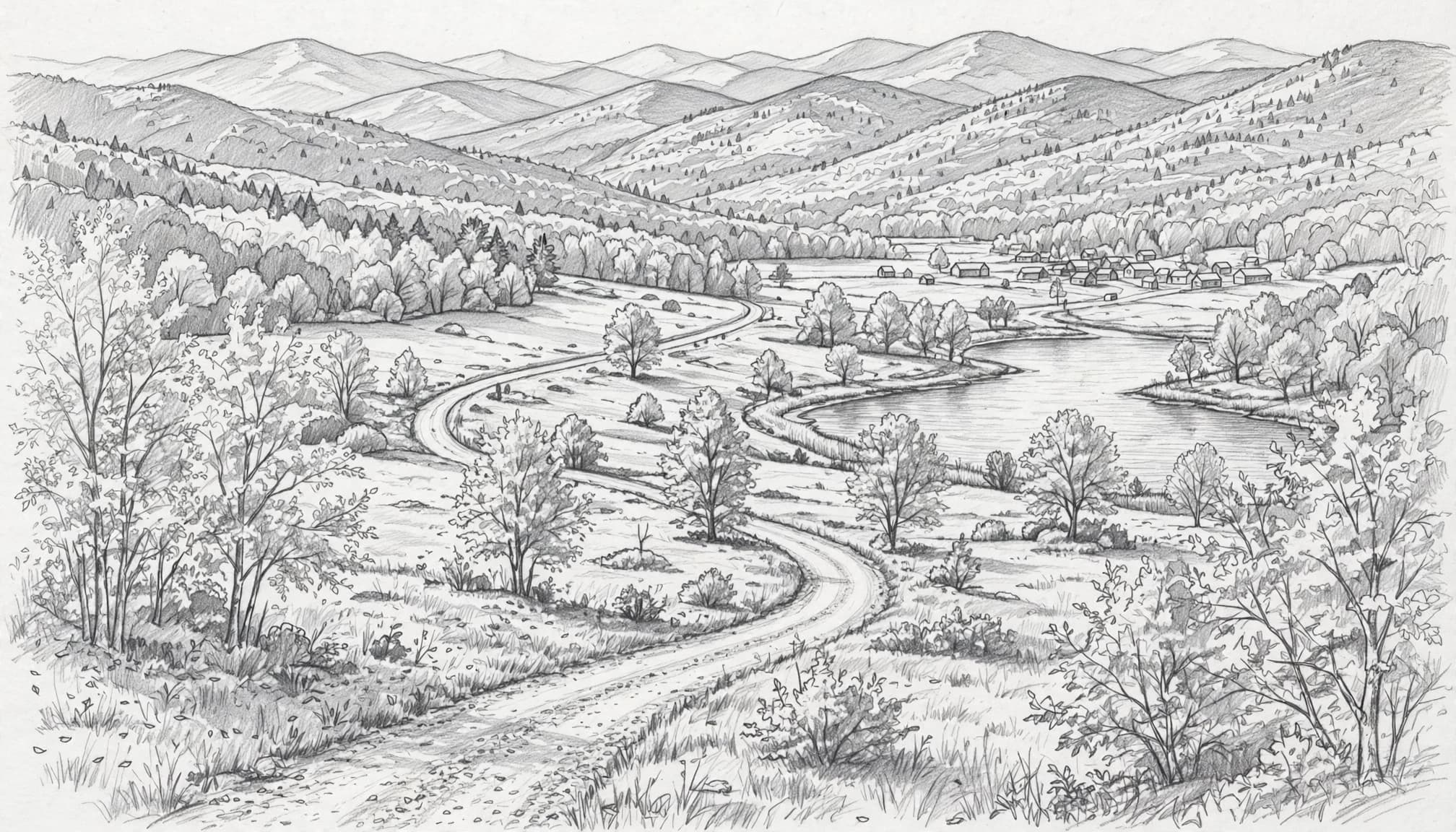
Morning fog drifts across a Vermont pond while the first light catches the mountains, and a tiny cabin offers a warm place to start the day. Tiny home rentals around the state make a cozy base for a hiking weekend, a foliage trip, or a quiet escape, but listings vary widely in comfort, location, and price.
You’ll find practical tips for tiny homes for rent in Vermont, comparing its full cost, and choosing a layout that suits your group and travel plans. Before booking, check details such as winter access, bathroom setup, house rules, and what the host provides. Begin with what to expect from a small-space stay in Vermont.
Key Takeaways
- Tiny homes for rent in Vermont range from simple cabins to well-equipped stays, so compare amenities and sleeping arrangements before booking.
- Check the full price, including cleaning fees, taxes, and any extra charges, to understand what the stay will actually cost.
- Location shapes your trip. Review driving distances, road access, and seasonal conditions, especially for winter visits or remote properties.
- Confirm details such as bathroom type, heating, kitchen supplies, and house rules so the compact space fits your needs.
- For seasonal trip ideas, browse the official Vermont travel guide before choosing your dates.
Tiny Homes for Rent in Vermont: What to Expect
A tiny home rental in Vermont usually means a compact, self-contained place to stay, but the label doesn’t guarantee a particular size, layout, or level of comfort. Some properties feel like miniature houses, while others are rustic shelters with a bed and little else. The best way to set expectations is to look past the listing title and check the photos, amenities, and house rules.
From off-grid cabins to modern tiny houses
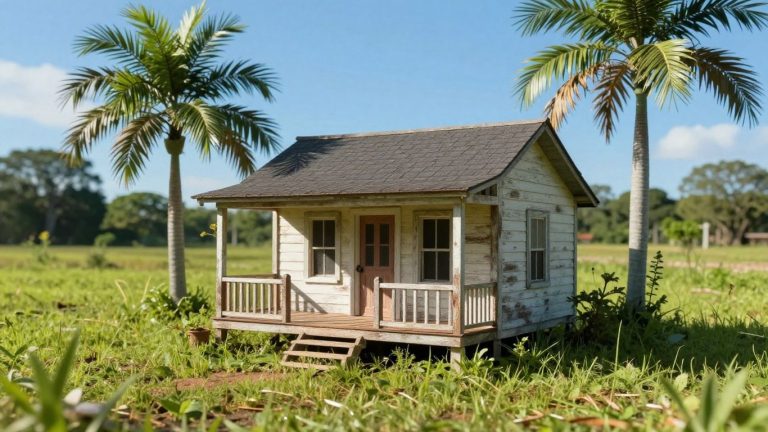
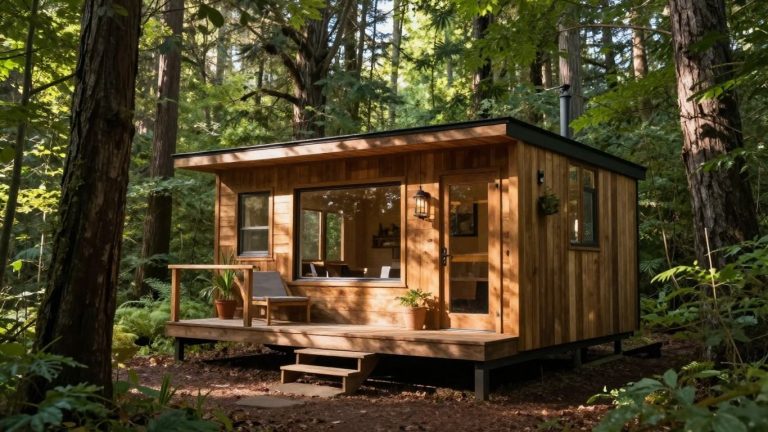
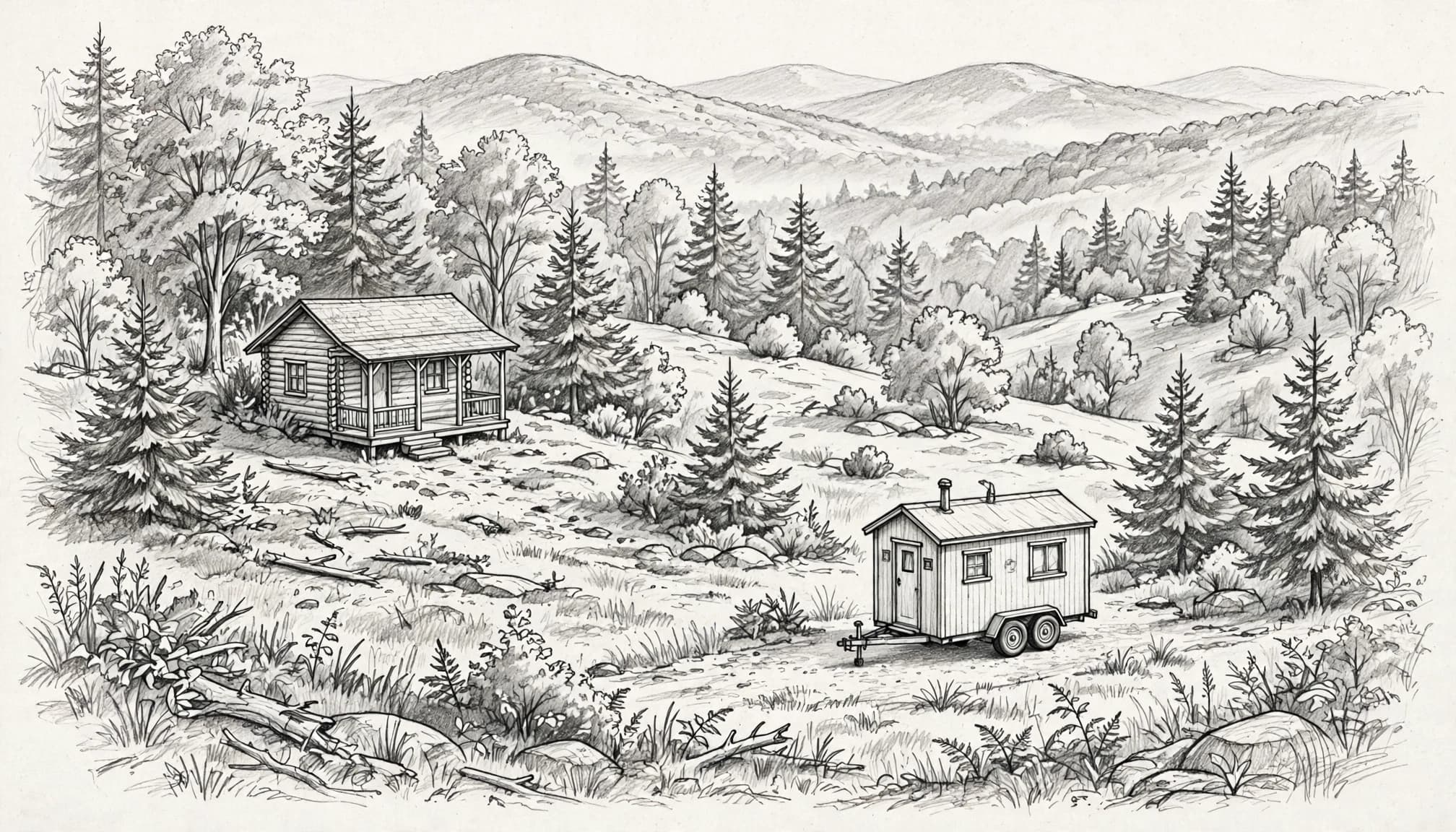
Vermont listings may include small cabins, converted sheds, tiny houses on wheels, and off-grid stays. A cabin might be a simple one-room building or a polished retreat with a kitchen and private bath. A converted shed can have a similar footprint, but its insulation, plumbing, and heating may differ. Meanwhile, a tiny house on wheels often has a compact kitchen and sleeping loft inside a purpose-built structure.
Off-grid rentals add another layer of variation. Some rely on solar power, composting toilets, or outdoor water sources, while others provide familiar comforts with limits on electricity or hot water. Read the listing carefully, especially if you need reliable cell service, indoor plumbing, or heat during a cold-weather visit.
Cabins and cottages can overlap with tiny homes, and Vermont’s tourism listings group many of these stays together under cabins and cottages. Glamping tents are different in structure: they use fabric walls, even when they include a real bed or wood stove. Still, rental platforms may use labels loosely, so compare the actual space rather than assuming the name tells the whole story.
Small spaces, thoughtful comforts
Expect a compact kitchen with limited counter space and a small refrigerator, rather than room to prepare a large meal. Sleeping lofts are common, but access may involve a steep ladder and low headroom. Storage can be tight, too, so packing light makes daily routines easier.
Bathroom arrangements vary just as much. Some rentals have a private indoor bathroom; others use a shared bathhouse, an outdoor shower, or a composting toilet. Vermont State Parks, for example, describe their cabins as one-room units, a useful reminder that a cabin listing may offer a simpler setup than a full tiny house. Check the Vermont State Parks cabin details for an example of how lodging features can differ.
The small footprint can feel warm and easy to maintain, especially when you spend most of the day outdoors. However, bad weather changes the equation. Before booking, confirm whether there’s enough indoor seating for everyone, how the space is heated, and whether the bathroom or kitchen sits outside the main structure. Those practical details can make a cozy stay comfortable through a rainy afternoon or chilly night.
Where to Find a Tiny Home Stay in Vermont
The best area for a tiny home stay depends on the kind of trip you want. Vermont offers mountain towns, lakeside roads, remote countryside, and walkable villages, but each setting comes with different driving distances and seasonal rhythms.
Green Mountain towns for hiking and mountain views
Around Stowe and the Mad River Valley, a rental can put you within reach of trailheads, mountain scenery, and scenic drives. The Green Mountain National Forest also covers a broad area, so check the address against the hikes or outdoor destinations on your itinerary. A property that looks close on a map may still require a winding drive.
For a road trip, Vermont’s scenic byways guide can help you plan routes through mountain and valley communities. These areas draw visitors year-round, especially during fall foliage and ski season. If your dates fall in leaf season or winter, start looking early and confirm how the rental handles snow and ice.
Lake Champlain and the Champlain Islands
Lake Champlain and the Champlain Islands appeal to travelers who want open water, unhurried summer days, and a change of pace from mountain trails. Island roads make for relaxed exploring, while paddling and time near the shore can shape a full day outdoors.
However, “lakeside” can mean different things in a rental listing. Check the distance to public lake access or a beach, and confirm whether the property has private waterfront access. Also look at how far you’ll need to drive for groceries, restaurants, and seasonal services, since nearby options may be limited outside the busiest months.
Quiet stays in the Northeast Kingdom
The Northeast Kingdom offers a more rural feel around St. Johnsbury, Burke, and Lake Willoughby. Travelers come for wooded roads, mountain views, and time outdoors, often with fewer crowds than in some better-known resort areas. The tradeoff is that errands and meals out may take more planning.
Before booking, estimate drive times between the rental, trailheads, grocery stores, and fuel stops. Then check road conditions for your travel dates, especially in winter or after heavy rain. Cell coverage can vary in rural areas, so ask the host about service at the property if you rely on your phone for directions or work.
Village stays near food, shops, and fall color
A tiny home near Woodstock, Manchester, or a smaller village center can pair outdoor time with easy access to restaurants and local shops. These locations work well when you want to spend part of the day on nearby roads or trails, then return to town for dinner without a long drive.
Village convenience may come with a higher nightly price or limited parking, especially during busy fall weekends. Read the listing for parking details and check whether shops and restaurants stay open during your visit. Seasonal hours can change the feel of a town once peak travel periods pass.
To find options across these regions, search Airbnb, Vrbo, Hipcamp, and Glamping Hub. Compare each listing’s exact location, amenities, and recent reviews, then check the map for realistic drive times. A few minutes spent confirming access and nearby services can help you choose a stay that fits the trip you have planned.
How Much Does a Vermont Tiny Home Rental Cost?
There’s no single statewide rate for a Vermont tiny home rental. The total depends on your dates, location, group size, and the amenities you need. Compare the full cost for your exact trip, since a low advertised nightly rate can rise once fees and taxes appear at checkout.
How season and location affect nightly rates
Demand often climbs during Vermont’s fall foliage season, ski season, summer lake trips, and holiday weekends. Popular resort areas and well-known towns can draw more visitors during these peaks, which may push nightly rates higher or leave fewer available rentals. Remote cabins follow their own patterns: a secluded setting may appeal to travelers seeking privacy, while limited nearby lodging can also affect availability.
By contrast, shoulder-season dates between major travel periods can offer better value. Midweek stays may also cost less than Friday and Saturday nights, depending on the property. Check the listing calendar for your exact dates rather than relying on a general estimate, and compare nearby towns if your plans allow some flexibility.
Fees and policies to check before you book
The nightly rate is only one part of the price. Your checkout total may include a cleaning charge, a platform service fee, taxes, and optional add-ons such as pet fees or firewood. Vermont short-term rentals may be subject to the Meals and Rooms Tax, a local option tax, and a short-term rental surcharge where applicable. The Vermont Department of Taxes’ short-term rental guidance explains the taxes that can apply.
Also review the cancellation terms, minimum-stay rules, and any deposit requirements. A refundable security deposit is different from a fee, but it can still affect how much money you need available when booking. Check whether the host charges extra for pets, additional guests, or other services.
Cleaning expectations matter, too. Some hosts ask guests to take out trash or leave dishes washed, even when a cleaning charge applies. Read the listing and house rules before you commit. On booking platforms, service fees and their presentation can vary, so compare the full booking price details rather than estimating from the nightly rate alone.
For a fair comparison, enter the same dates and number of guests on each listing. Then look at the total for the entire stay, not just the per-night figure. A longer minimum stay can make a rental less practical even when its nightly rate appears lower.
Ways to make a small-stay budget go further
If your schedule is flexible, try a midweek visit or travel outside peak foliage and ski dates. Shoulder seasons can bring quieter roads and more date options, though you should check which nearby restaurants and attractions remain open. Booking earlier can also give you more choice for popular weekends.
Sharing the rental may lower the cost per person, but only if the sleeping arrangements work for your group. Confirm bed sizes, loft access, and the maximum guest count before splitting the bill. A compact layout that looks suitable for four may feel cramped if everyone needs privacy or indoor space.
A useful kitchen can help you spend less on meals out, especially in a rural area with few nearby restaurants. Check which appliances and cookware the host provides before planning groceries. Still, don’t trade away safe road access, reliable heating, or a bathroom setup your group needs just to find a cheaper rate.
Choose a Vermont Tiny House That Fits Your Trip
A beautiful listing photo can set the mood, but it can’t tell you whether everyone will sleep comfortably, cook a meal, or reach the property after a snowfall. Before booking, match the rental to your group, daily plans, comfort needs, and travel season. That way, the tiny house feels like a good base for your trip, not a compromise you discover at check-in.
Match the layout to your group and comfort needs
Start with the actual bed count and arrangement, not the maximum guest capacity. A listing may count a sofa bed or loft mattress as a sleeping spot, but that setup may not suit every traveler. Check bed sizes, whether guests share a room, and if the loft requires climbing a ladder.
Families should consider how easily children can reach sleeping areas and bathrooms at night. Older guests and travelers with mobility needs should check stair steepness, doorway width, bathroom access, and whether essential amenities sit on another level. If the listing doesn’t show these details, ask the host before booking.
Comfort also depends on what happens indoors. Confirm the heating and cooling options, kitchen equipment, and available seating. A two-person table may be fine for a couple, while a family stuck inside on a rainy day may need more room to eat and relax. Think about how your group will use the space, not just how it looks in a staged photo.
Check winter access, heating, and summer comfort
For a winter stay, find out what heats the house and whether guests need to operate a wood stove or bring fuel. Ask who clears snow, whether the driveway is steep or unpaved, and if the host provides arrival instructions for icy or dark conditions. Vermont’s road and trail conditions guide links to updates for major routes, but local roads may require separate planning.
In summer, look for fans or air conditioning, window screens, and shade around the house. Screens matter when you want fresh air without inviting insects inside, especially near woods or water. A sunny loft can also get warm, so ask how the sleeping area stays comfortable during hot weather.
Look beyond the photos at location and services
Map the drive to the places you’ll actually visit, such as trailheads, ski areas, swimming spots, grocery stores, and restaurants. A rental may appear close to an attraction while still requiring a long drive on winding rural roads. If your itinerary includes several destinations, consider whether the house is a practical base or adds time to each outing.
Check parking, cell service, Wi-Fi, and privacy as well. Some tiny homes sit on shared land near the host’s house or other guest units. If a reliable connection matters, ask which provider serves the property; the FCC National Broadband Map shows reported internet availability by location, though it doesn’t replace confirmation of the rental’s actual service.
Read reviews and ask the host useful questions
Recent reviews can reveal details that listing photos leave out. Look for comments about cleanliness, whether the space matched its description, noise, road access, and how quickly the host answered questions. Give more weight to repeated, recent observations than to a single vague complaint.
If key facts remain unclear, send a short message before you reserve. Ask how the bathroom works, which supplies are included, what the kitchen has, and where to park or collect the key. Clear answers help you choose a Vermont tiny house that fits the way your group plans to sleep, cook, travel, and spend time indoors.
Frequently Asked Questions
Before booking a Vermont tiny home, check the details that can shape your stay, especially seasonal access, house rules, and what the host provides. These answers cover common planning questions that may not be clear from photos alone.
Are tiny home rentals in Vermont open year-round?
Some tiny homes for rent in Vermont welcome guests in every season, while others close or limit bookings during parts of the year. Availability can depend on weather, road access, and whether the property has reliable heat and winterized plumbing. Before reserving, confirm your dates, winter access, and heating details directly in the listing or with the host.
Can I bring a dog to a tiny house rental?
Pet rules vary by host, so check the listing before you book. Confirm how many dogs are allowed, whether a fee applies, and if the host requires leashes or restricts pets from certain areas. If your dog needs room to roam, ask whether the property has a fenced area rather than assuming the outdoor space is enclosed.
Do Vermont tiny homes usually have indoor bathrooms?
Many tiny homes have private indoor bathrooms, but rustic or off-grid stays may use composting toilets, shared facilities, or outdoor bathhouses. The setup can affect comfort, especially during cold weather or overnight trips to the bathroom. Check the listing for the exact arrangement, and ask the host if the photos or description leave room for doubt.
Is a car needed to reach most tiny home rentals?
Many rural rentals are easiest to reach by car, and local transportation options can be limited. Before booking, confirm road access and parking, then check realistic driving distances to groceries, restaurants, and activities. For winter trips, Vermont’s current road conditions map can help you check major routes, though the host is the best source for details about the final stretch to the property.
When should I book for Vermont fall foliage?
Foliage timing shifts by year and location, so peak color doesn’t arrive everywhere at once. Popular weekends can fill early, which makes it smart to reserve flexible dates well ahead and review the cancellation policy before paying. Check a current Vermont fall foliage guide as your trip approaches, then adjust your plans based on conditions.
What should I pack for a tiny home stay?
First, check what the host supplies, since kitchen basics and linens vary by listing. Pack layers suited to the season, sturdy shoes, toiletries, and any personal items you’ll need for a compact or off-grid stay. A smaller bag can make it easier to manage limited storage.
Conclusion
Tiny homes for rent in Vermont can make a memorable base for mountain drives, village walks, and quiet mornings outdoors. The right choice depends on more than a charming photo, so check the location, travel season, total cost, sleeping layout, and house rules before you book.
Compare listings for your dates and group, then choose the rental that fits the trip you have planned. A small, comfortable place can add to a Vermont getaway when its practical details work as well as its setting.
Explore more tiny home living, design, downsizing, building, and lifestyle resources.
- Small Septic System for Tiny House: Types, Costs, Rules
- Tiny Home Grey Water System: Reuse Water Legally
- Composting Toilets for Tiny Homes: Best Picks Compared
- How to Install a Septic System for a Tiny House
- Septic Tank for Tiny House: What Size You Really Need
- Tiny House Septic System Cost: What You’ll Really Pay