Tiny Homes for Rent in Virginia: Blue Ridge Escapes Await

Trading a packed schedule for a small, thoughtfully designed place to stay can make a Virginia getaway feel more restful. You might wake to the hush of a forest cabin, spend a weekend near a historic town, or find a compact retreat within reach of the coast.
The right tiny home rental depends on more than its photos. Location, layout, amenities, seasonal costs, and travel distance can all shape your stay, so it helps to compare options before you book. This guide will help you explore Virginia regions, find listings, understand the full cost, and choose a tiny home that fits your trip. We’ll start with what to expect from these compact stays.
Key Takeaways
- Virginia offers tiny-home stays across distinct regions, so choose the setting that suits your trip before comparing individual rentals.
- Use Virginia’s regional travel guide to explore areas and narrow your search by scenery and nearby attractions.
- Check the home’s location against your planned activities, since rural stays may require more driving to reach restaurants, trails, or towns.
- Compare the total booking cost, including cleaning fees, taxes, minimum stays, and any seasonal price changes.
- Before reserving, confirm sleeping arrangements, bathroom and kitchen amenities, access details, and cancellation terms to avoid surprises.
What to Expect from a Tiny-Home Stay in Virginia
A tiny-home rental in Virginia might sit beside a mountain trail, in a wooded clearing, or on private land near a small town. The label alone won’t tell you how the place is built or what you’ll find inside, so compare each listing’s layout and amenities before booking.
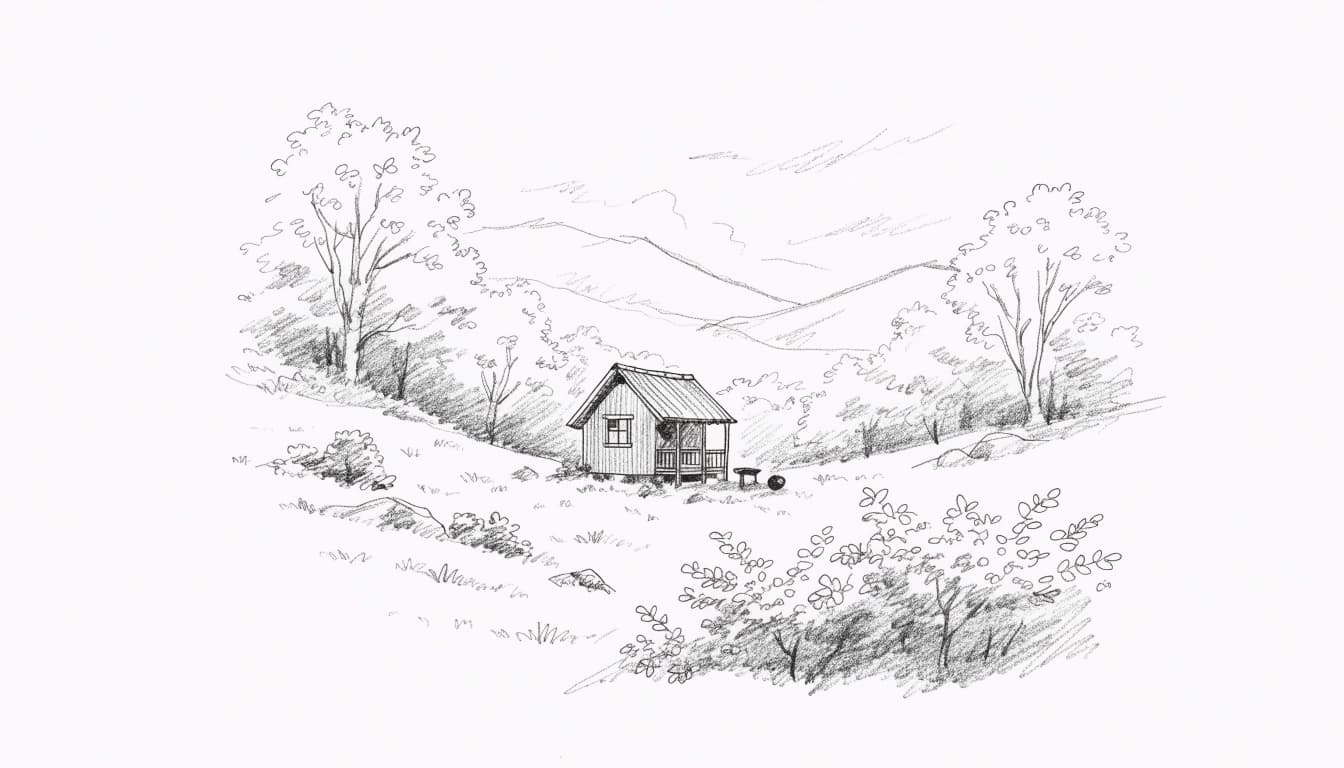
Cabins, cottages, and homes on wheels
Listings may describe a stay as a tiny home, cabin, or cottage, and hosts don’t always use those terms in the same way. Some rentals are small cabins or converted sheds with a fixed foundation. Others are compact houses on wheels, guest cottages, or small structures set apart from the owner’s home.
The layout can vary just as much. A loft may hold the bed, often reached by a steep ladder or narrow stairs, while another rental keeps sleeping space on the main floor.
One place may have a full kitchen and private bathroom; another may offer a kitchenette, an outdoor cooking area, or shared facilities. Virginia State Parks, for example, describes its cabins as having kitchens and bathrooms, but private tiny-home rentals can differ, so check the Virginia State Parks cabin details alongside each host’s listing.
Outdoor space also changes the experience. A deck, fire ring, or private yard can make a compact interior feel roomier, while a home on shared land may offer less privacy. Look for clear details on parking, outdoor seating, and how close neighboring buildings are.
The comforts and trade-offs of a smaller space
A compact stay can feel warm and restful, especially when the windows open onto trees, water, or a mountain view. Smaller rooms can also mean less energy and space devoted to the building, though the exact environmental impact depends on the property and how you travel. For many guests, the appeal is simple: a snug place to sleep with nature close by.
However, limited floor space affects daily routines. A loft ladder may be difficult for young children or guests with mobility concerns, and storage may be tight if you’re packing bulky outdoor gear. Bathrooms can feel compact, and shared facilities may require a walk outside.
Before reserving, study the photos and amenity list for details that shape comfort: bed dimensions, ceiling height, heating and air conditioning, kitchen equipment, bathroom privacy, and stairs or ladders. If a feature matters to your trip, ask the host rather than assuming the listing’s label guarantees it.
Where to Find Tiny Homes for Rent in Virginia
Virginia’s regions offer very different backdrops for a compact stay. Choose your destination around the trip you want, then compare each rental’s location, access, and seasonal availability.
Shenandoah and the Blue Ridge for trails and mountain views
Cabins near Shenandoah National Park and Skyline Drive put forested trails and mountain overlooks within reach. Small towns and rural communities along the Blue Ridge add options for travelers who want a quieter base between hikes. Some rentals sit close to trailheads, while others require a drive on winding mountain roads.
Before setting out, check Shenandoah’s current park conditions and Skyline Drive’s road status. Weather can change quickly, and winter conditions may affect roads, trails, and access to a remote stay.
Richmond and Charlottesville for food, history, and day trips
A tiny home outside Richmond or Charlottesville can offer a peaceful place to return to after a day in town. Guests can plan around Richmond’s museums and historic sites, Charlottesville’s Monticello and downtown, or winery visits in the surrounding countryside.
Check the listing’s address carefully, because a rural cabin outside the city is a different experience from a compact home in a neighborhood. The countryside may bring more privacy and open space, but you’ll likely drive to restaurants, attractions, and shops. Availability and rates can also shift with the season and local events.
Virginia Beach and the coast for water and open skies
Coastal rentals can make it easy to pair beach time with quiet evenings, but a tiny home isn’t automatically on the waterfront. Check the actual distance to the beach, whether you need a car, and what parking the property provides. Summer crowds can affect both travel time and parking, so factor those into your plans.
Weather also shapes a coastal trip. Storms and changing conditions may affect beach access, while shoulder-season stays can feel different from a busy summer weekend. For driving plans, review Virginia Beach parking information before you book.
Northern Virginia and quieter countryside escapes
Look beyond busy urban areas for rural stays near wineries, historic towns, and open farmland. A compact rental outside Leesburg or another Northern Virginia community can offer a calmer base while keeping regional attractions within reach.
However, map the drive to Washington, D.C., and the places you plan to visit before choosing a listing. Traffic and distance can turn a short-looking trip into a longer outing. Compare travel times for the days and hours you expect to drive, and check seasonal availability early if your dates are fixed.
How to Find and Book the Right Rental
A focused search makes it easier to compare tiny homes for rent in Virginia without getting distracted by appealing photos alone. Start with the trip you want, then check each listing against your comfort needs, schedule, and budget.
Search by setting, dates, and must-have features
Choose a region first, then enter your travel dates on platforms such as Airbnb, Vrbo, and Hipcamp. Treat them as search options, not endorsements. Compare the same dates across sites because availability, nightly rates, and fees can differ.
Next, filter for the features that affect your stay. A private bathroom, usable kitchen, heating or air conditioning, pet access, and on-site parking may matter more than a hot tub or scenic view. Check the listing details to confirm what each amenity includes. For example, a kitchen might have only a microwave and mini-fridge, while parking could be several minutes from the cabin.
Then check the map pin and the host’s stated distance to the places you plan to visit. A listing may be described as near a park or beach, yet still require a long drive on rural roads. Look at the route, not just the straight-line distance, and consider whether you’ll need groceries, restaurants, or trail access during your stay.
Read the listing details before you reserve
Once you have a shortlist, read recent guest comments for practical details about cleanliness, noise, access, and whether the amenities match the description. Reviews can also reveal issues that photos don’t show, such as a steep loft ladder or limited cell service.
Before you book, review the full price, cancellation terms, cleaning and service fees, occupancy limits, check-in steps, and house rules. Airbnb explains its guest service fee and booking subtotal, while Vrbo outlines its cancellation policy options. Confirm the final cost and refund terms on the listing before paying.
If a detail could affect your comfort or access, ask the host directly. Confirm whether the bathroom is private, how you reach the home after dark, where you can park, or whether a pet is allowed inside. Clear answers can help you choose a rental that fits the trip, not just the search results.
What a Virginia Tiny-Home Rental May Cost
There is no fixed statewide rate for tiny homes for rent in Virginia. The nightly price depends on where you stay, when you travel, and what the property offers. A mountain cabin, a coastal retreat, and a small home near a city can have different rates, even for similar dates.
Compare the full trip cost, not just the nightly rate
The nightly rate is only one part of the booking total. Add cleaning and service fees, lodging taxes, and any pet fee or other charge that applies. Some platforms show a fee-inclusive price before taxes, while the final checkout total may include taxes and other costs. Airbnb explains how home booking prices are calculated, so review the breakdown before reserving.
Your trip budget also includes costs beyond the rental. Estimate fuel or other transportation, meals, groceries, and paid activities such as park entry or local attractions. A remote cabin may have a lower booking total but require more driving and meal planning. A property closer to restaurants or activities could reduce those costs.
To compare listings fairly, enter the same dates and group size for each one. Then compare the full checkout total and account for any minimum-stay rule, which can raise the overall cost even when the nightly rate looks appealing. A larger home or features such as a hot tub may also affect the rate, so decide which amenities matter before weighing options.
Plan around peak seasons and booking windows
Demand can shift with the calendar. Fall foliage draws visitors to mountain areas, while summer beach trips can make coastal dates more popular. Holiday weekends and local event dates may also affect availability and rates. These patterns don’t create one statewide price, so check the exact dates and location you have in mind.
If your schedule is flexible, compare weekdays with weekends and look at nearby dates. A small change in timing can reveal more available rentals or a stay length that better fits your plans. For high-demand periods, start searching early, especially if you need specific features, such as pet access or a private bathroom.
Before you book, check whether the listing requires a minimum number of nights and whether the displayed total includes every applicable fee and tax. That final comparison gives you a clearer picture of what the Virginia getaway will cost, rather than relying on a nightly rate alone.
Choose a Tiny Home That Fits Your Trip
Photos can make any compact rental look inviting, but the right choice depends on who’s traveling and how you plan to spend your days. Before booking tiny homes for rent in Virginia, weigh comfort, access, and location alongside the setting.
Check sleeping space, access, and essential amenities
A loft bed may suit a couple who’s comfortable climbing a ladder, but it could be a poor fit for young children or anyone with mobility concerns. Check the bed size, ladder or stair design, and whether everyone has a comfortable place to sleep. Families should also confirm whether children can safely use the sleeping area and whether the bathroom is easy to reach at night.
The kitchen and climate controls matter, too. Find out whether the rental has the equipment you need to prepare meals, plus heating or air conditioning for the season. Cell service and Wi-Fi can vary in rural areas, so ask the host about coverage if you’ll need to work, check maps, or stay in touch.
For guests with accessibility needs, review entry steps, door widths, bathroom access, and the route from parking to the home. A compact layout can feel manageable for two adults and cramped for a family with bags, outdoor gear, or a dog. Confirm the details that affect your group before reserving.
Match the property to your plans and travel style
A secluded cabin may be ideal for slow mornings and evenings on the porch. However, if your trip centers on hikes, beach time, wineries, or sightseeing, choose a rental that keeps those destinations within a reasonable drive. Check actual routes and driving times, not just the town name or distance shown on a map.
Road access can also shape the stay. A gravel lane or steep approach may be challenging after rain, while a remote property may require more planning for groceries and meals. Check parking details, including whether there’s space for your vehicle and how far you’ll carry bags. Before traveling on major Virginia roads, review current traffic and road conditions.
Finally, confirm the pet rules if you’re bringing a dog. Listings may limit the number or size of pets, restrict access to furniture, or charge an additional fee. Also consider privacy: a home on shared land may feel less secluded than a standalone cabin, even when the listing highlights a quiet setting. Choose the property that fits your plans, not just the one with the most appealing photos.
Prepare for Local Rules, Weather, and the Outdoors
Before booking Tiny Homes for Rent in Virginia, check more than the nightly rate and amenities. Local requirements can differ, and a property’s setup may affect which rules apply. A few minutes spent reading the listing and confirming details with the host can prevent surprises after arrival.
Understand property rules and local requirements
A tiny home may be a fixed structure, an accessory dwelling on a larger property, or a unit on wheels. Those differences can affect how a locality classifies and regulates a rental. Virginia law allows local governments to create short-term rental registries, and rules can vary by county or city. Check the Virginia short-term rental registry statute for the state framework, then rely on the listing and host for property-specific instructions.
For guests, the practical details matter most. Confirm the maximum occupancy, quiet hours, and where you can park, especially if the home sits on shared land or has limited driveway space. Ask whether a fire pit, fireplace, or grill is available, and follow the host’s rules for use, fuel, and extinguishing flames. Some properties restrict pets, outdoor cooking, visitors, or access to parts of the land.
Read the house rules before booking, then save check-in directions and the host’s contact information. If a rule is unclear, ask before you arrive rather than making assumptions on site.
Pack for changing conditions and rural settings
Virginia weather can shift with the region and season. Mountain evenings may feel much cooler than daytime temperatures, while coastal stays can bring wind, rain, and changing beach conditions. Pack layers and check the forecast close to departure. The Virginia Department of Conservation and Recreation also offers outdoor safety tips for dressing and preparing for changing conditions.
Rural properties may have uneven paths, gravel drives, steep steps, or limited lighting after dark. Bring shoes with good traction and a flashlight if the host recommends one. Bugs can be part of a wooded or grassy setting, so pack repellent and check yourself after spending time outdoors.
Nearby services may be sparse, particularly at remote mountain or coastal rentals. Before setting out, download directions, confirm the arrival route and parking instructions, and note how to contact the host in an emergency. Check where you can get fuel, groceries, or medical help, since cell service and open businesses may be limited.
Frequently Asked Questions
A few practical details can make a Virginia tiny-home stay more comfortable, especially when you’re traveling with children or pets. Check the listing and ask the host about anything that could affect your plans.
Are tiny-home rentals in Virginia suitable for families?
Some tiny-home rentals work well for families, but the layout matters. Sleeping arrangements, loft access, occupancy limits, and child-safety features vary by property. Before booking, ask the host to confirm the sleeping setup and whether children can safely use stairs, ladders, and shared spaces.
Can I bring my dog to a tiny-home rental?
Pet policies are specific to each property, so don’t assume a dog is allowed because the listing mentions outdoor space. Check for pet fees, size or breed limits, leash rules, and any restrictions on furniture or outdoor areas. Also look for nearby walking options, particularly if the rental sits in a rural area without sidewalks.
Do tiny-home rentals usually have kitchens and bathrooms?
Many listings include both, but amenities range from full kitchens and private bathrooms to compact, shared, or outdoor facilities. Check the listing for details such as cooking equipment, hot water, bathroom privacy, and the distance to shared facilities. If a feature is essential, confirm it with the host before reserving.
How far ahead should I book a Virginia tiny-home stay?
The best booking window depends on your destination and travel season. Reserve earlier for fall foliage, summer coastal trips, and holiday weekends, when popular dates may be harder to find. If your plans could change, review the cancellation terms before paying.
Are tiny homes available near Shenandoah National Park?
Travelers can find compact cabins and similar stays in communities around Shenandoah National Park and the Blue Ridge region. The park stretches 105 miles, so a rental that appears nearby may still be far from your planned entrance or trail. Check the route and drive time, then consult the National Park Service’s Shenandoah directions and entrance information.
Conclusion
The right tiny-home rental can give you a comfortable base for exploring Virginia, whether your plans center on mountain trails, historic towns, or the coast. Start by choosing a region that fits your trip, then compare the full booking cost rather than the nightly rate alone.
Before you reserve, confirm the layout, essential amenities, access details, and house rules with the listing or host. With those details settled, a compact stay can make it easier to spend your time enjoying Virginia’s scenery and destinations.
Explore more tiny home living, design, downsizing, building, and lifestyle resources.