Tiny Homes for Rent in West Virginia: Wild & Wonderful Stays

A small, cozy stay can put you close to West Virginia’s mountains, rivers, and outdoor attractions, with a comfortable place to unwind after a day outside. Tiny-home rentals range from standalone cabins and converted structures to compact homes on wheels, and each can differ in location, road access, and amenities.
The right fit depends on where you want to go and what you need from your stay. Compare regions, costs, and tiny home rental details to find a place that suits your trip, then plan for a smooth arrival.
Key Takeaways
- Tiny homes for rent in West Virginia offer compact stays near mountain scenery, rivers, and outdoor recreation, but locations vary.
- Choose your region based on planned activities, then check drive times to trailheads, towns, and other destinations.
- Rental styles and amenities differ, so confirm sleeping arrangements, kitchen access, bathrooms, heating, and outdoor space before booking.
- Review road conditions, parking, check-in instructions, and any pet or cleaning fees to avoid surprises on arrival.
- If a tiny home doesn’t fit your plans, West Virginia State Parks cabins offer another way to stay close to nature.
What to Expect from Tiny Homes for Rent in West Virginia
The phrase “tiny home” can describe several kinds of compact lodging, not one standard size or building type. In West Virginia, a rental might be a small cabin, a converted outbuilding, or a house built on a trailer. The appeal is a cozy base near mountain scenery and outdoor activities, but limited space can mean fewer amenities, less privacy, and a longer drive to shops or restaurants. Check the listing closely so the stay fits your plans.
Cabins, converted spaces, and homes on wheels
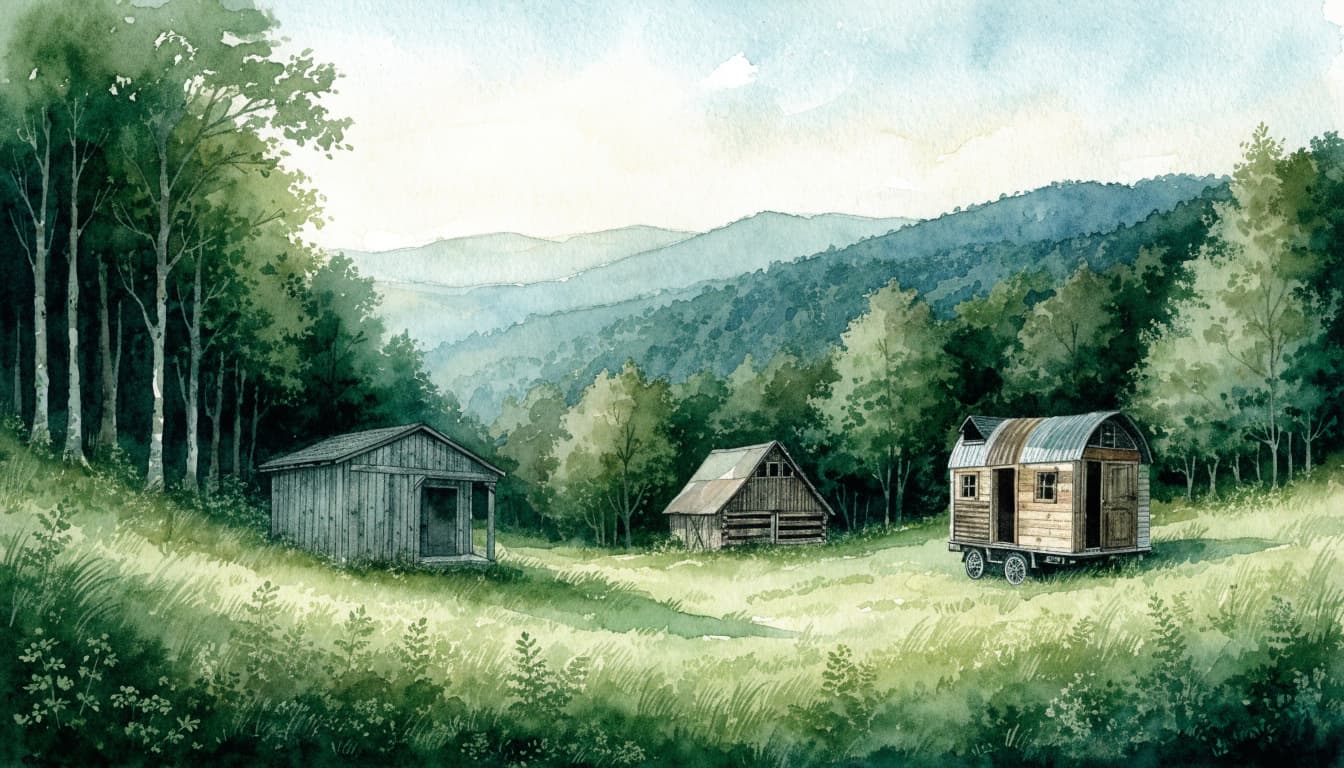
A standalone cabin often feels like a smaller version of a traditional vacation home, with its own entrance and outdoor area. Converted sheds or barns may have rustic finishes or unusual layouts, and some share a property with the owner’s home or other rentals. Tiny houses on trailers can offer a compact, self-contained setup, though the interior may have tighter clearances and less storage.
These labels don’t tell you how comfortable a property will be in every season. Insulation, plumbing, and heating can vary, especially in older buildings or structures designed for occasional use. A cabin may have a full bathroom and kitchen, while another rental might use a compact wet bath or a kitchenette. Read the listing details and recent guest reviews for specific information, rather than assuming every “tiny home” includes the same features.
For a sense of how varied cabin-style lodging can be, browse West Virginia cabin and vacation rentals. Then compare the actual rental’s description with your needs.
Small-space features that matter during a stay
Before booking, confirm the practical details that can shape your trip. A bed described as a full or queen may feel different in a tight room, while a loft bed may require climbing a steep ladder. That setup may not work for guests with mobility concerns, young children, or anyone who prefers to avoid stairs.
Check whether the bathroom has a standard shower, a compact wet bath, or another arrangement. For the kitchen, look for the equipment you plan to use, such as a cooktop, refrigerator, microwave, or coffee maker. Also verify how the home handles heating and cooling, whether hot water is readily available, and if Wi-Fi is included. These details matter when temperatures shift or you need to stay connected.
Parking and access deserve the same attention. A remote rental may involve a steep or gravel driveway, limited parking, or a longer drive to fuel, groceries, and restaurants. Ask whether the outdoor space is private or shared, too. Finally, check the sleeping layout and storage capacity against your group size, since a compact home can feel crowded when everyone brings luggage or outdoor gear.
Where to Find a Tiny Home Stay in West Virginia
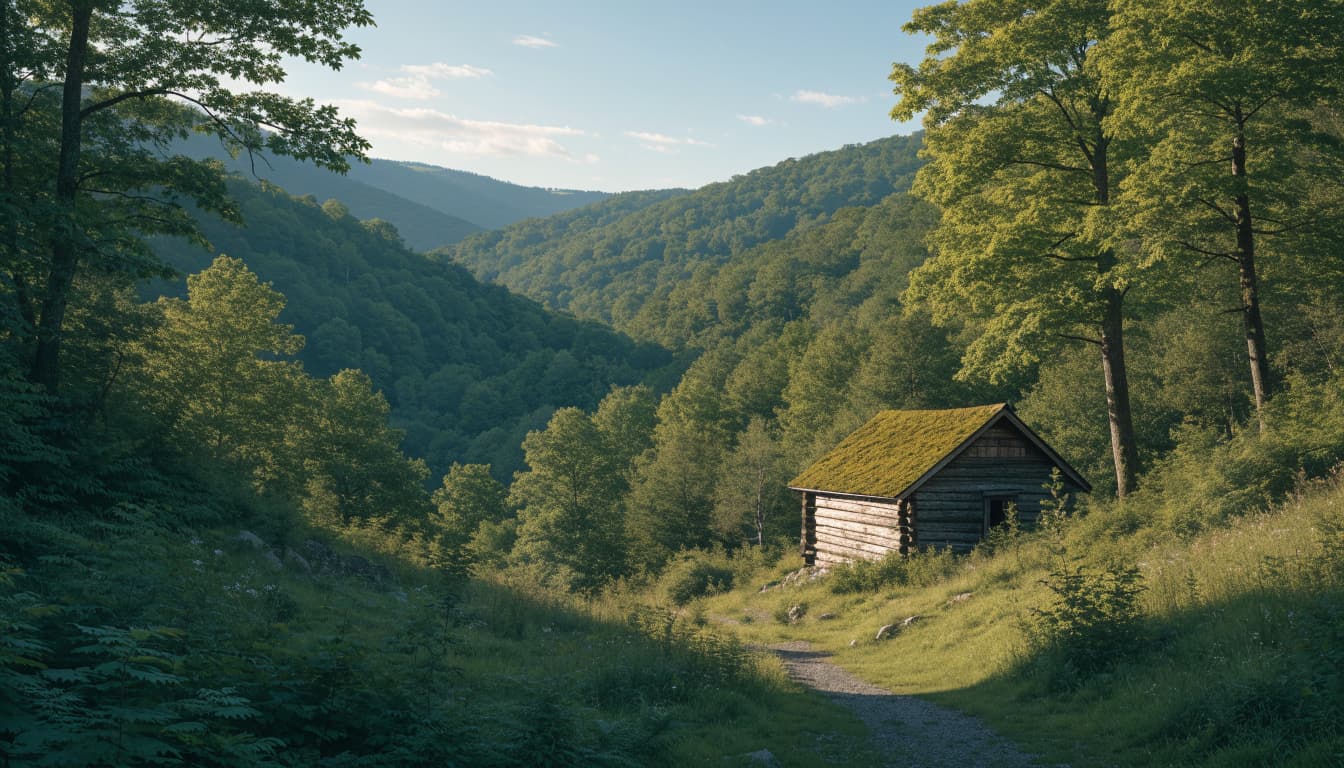
West Virginia’s compact rentals range from cabins near busy outdoor towns to secluded stays on mountain roads. Choose a region around the activities you have planned, then check the property’s actual drive times before booking. A listing described as “near the gorge” or “close to the mountains” may still require a long drive to the places you want to visit.
New River Gorge and the southern mountains
Fayetteville and Lansing make useful bases for exploring New River Gorge National Park and Preserve. The area draws hikers, whitewater rafters, and visitors driving scenic routes through the gorge. Depending on your plans, you may want to stay near a specific trailhead, rafting outfitter, or restaurant rather than relying on a broad location description.
The park has trail options across a wide range of lengths, and access points are spread across the region. Check the National Park Service hiking information alongside your rental’s map location. Also confirm seasonal road or trail closures before setting out.
Davis, Thomas, and Canaan Valley
The northern highlands offer a different kind of mountain stay, with Davis and Thomas providing access to small-town dining, shops, and outdoor recreation. Nearby, Blackwater Falls State Park has waterfall views and hiking, while Canaan Valley draws visitors for outdoor activities in multiple seasons. Explore Blackwater Falls State Park and Canaan Valley Resort State Park to match your plans with the area.
Winter travel calls for extra planning. Snow and ice can affect mountain roads, and a short distance on a map may take longer to drive than expected. Check the forecast and road conditions, and ask the host whether the access road is maintained during your travel dates.
Seneca Rocks, Snowshoe, and other mountain getaways
Seneca Rocks is a strong pick for hiking and climbing, with dramatic rock formations above the surrounding valley. Snowshoe offers mountain activities throughout the year and winter recreation when conditions allow. In both areas, a remote tiny home can put you close to scenery while leaving you farther from everyday services.
Before booking, check drive times to groceries, fuel, and restaurants, especially if you plan to arrive late or cook at the rental. Some mountain roads are winding, and services may be limited outside town centers. Bring supplies for the first night if the property sits well beyond nearby shops.
Harpers Ferry and the Eastern Panhandle
Harpers Ferry and the Eastern Panhandle suit travelers interested in local history, river scenery, and easier access from larger Mid-Atlantic cities. The area can work well for a short getaway, but a rental’s regional label doesn’t guarantee it’s near the historic district, river access, or other planned stops.
Compare the address or map pin with each attraction on your itinerary, then estimate driving time for the dates you expect to travel. That simple check helps you choose a tiny home that fits the trip, rather than spending more time on the road than you planned.
How Much Does a Tiny Home Rental Cost?
The cost of a tiny home rental in West Virginia depends on more than its advertised nightly rate. Location, season, size, amenities, and local demand all affect pricing, so compare the full checkout total for your dates before choosing a place.
Nightly rates, cleaning fees, and other charges
A rental near a popular destination may cost more than a similar home farther from town or outdoor attractions. Larger layouts and extras such as a hot tub, full kitchen, or private outdoor space can also affect the nightly rate. Since amenities and locations vary, compare specific listings rather than relying on a statewide average.
The booking total may include a one-time cleaning fee, a platform service fee, and lodging taxes. Some hosts also require a refundable deposit or charge an additional pet fee. Check the listing for minimum-stay rules, too, since a two-night minimum can change the cost of a quick getaway. Airbnb explains how its cleaning fees are included in the total and how its service fees are calculated.
Compare the full price for the entire trip, including fees and taxes, across dates and booking platforms. A lower nightly rate may not mean a lower total, especially for a short stay with a fixed cleaning fee. Before paying, read the cancellation policy and confirm whether any deposit is refundable and when the host returns it.
When demand and trip length affect the budget
Rates and availability can shift with the season and local demand. Peak fall foliage, holidays, ski season, and summer weekends often draw more visitors to popular areas. A regional festival, concert, or other local event can also make nearby rentals harder to book. In busy periods, the homes with the location or amenities you want may get reserved early.
If your dates are flexible, compare weekday stays with weekends and look at nearby dates. You can also check whether a longer stay changes the nightly average or total, but discounts aren’t guaranteed. Review the final checkout amount for each option, since a lower nightly rate can still come with added fees or a longer minimum stay.
How to Choose the Right Tiny Home for Your Trip
The best tiny home for your West Virginia trip is the one that fits your group, itinerary, and comfort needs. Start with the practical details, then use the setting and photos to narrow your options. A scenic listing can still be a poor fit if the beds, access road, or amenities don’t work for your plans.
Match the layout to your group and comfort needs
First, check how many people will stay and how each person will sleep. A listing’s guest capacity doesn’t necessarily mean everyone gets a separate bed. Confirm the number and type of beds, whether any are in a loft, and if guests must use a sofa bed or share a sleeping space.
Bathroom privacy can also shape the stay, especially when several people share a small home. Check whether the bathroom is private, whether it has a full shower, and whether anyone must pass through a bedroom to reach it. If children or older guests are coming, look for steep ladders, narrow stairs, low ceilings, and tight entryways. Ask the host about accessibility if the listing photos don’t make those details clear.
Finally, consider how much time you’ll spend inside. A compact layout may be comfortable for a couple who plans to hike most of the day, but less convenient for a family staying in during rainy weather.
Check location, roads, and essential amenities
Use the map to compare the rental with your planned stops, not just the nearest town. A home that looks close to New River Gorge, a ski area, or a trailhead may still require a longer drive on winding mountain roads. Check the road surface, driveway slope, parking space, and cell service before booking.
Then confirm the basics for your travel dates. Ask whether the home has reliable heat, air conditioning, and hot water, and find out how far you’ll need to drive for groceries, meals, or fuel. If you’re traveling in winter or after heavy rain, contact the host about snow, ice, mud, and whether the driveway is maintained. These details matter when you arrive after dark or need to leave early for an activity.
Use listings and reviews to verify the details
Compare listings on platforms such as Airbnb, Vrbo, and Hipcamp when they cover the area and rental type you want. Availability and the kinds of properties listed vary, so review each booking page carefully and compare the total price, house rules, amenities, and cancellation terms.
Recent reviews can help confirm whether the listing matches the experience guests actually had. Look for specific comments about cleanliness, photo accuracy, host communication, noise, and road access. Airbnb explains how guest reviews for homes work, but use the details in each property’s recent feedback to assess that stay.
If a key detail remains unclear, message the host before booking. Ask direct questions about the bed setup, driveway, heating, or distance to services. A clear answer can help you choose among Tiny Homes for Rent in West Virginia based on the trip you’re taking, rather than the listing that looks best in photos.
Plan a Smooth Tiny Home Getaway in West Virginia
After booking, a little preparation can make a compact mountain stay easier, especially if the rental sits far from town. Check what the host provides, plan your drive and activities, and learn how the property works before you arrive.
Pack for mountain weather and a compact space
Check the forecast shortly before you leave, since mountain weather can shift quickly. Pack layers, a rain jacket, and sturdy shoes, then add activity-specific gear for hiking, river trips, or winter recreation. If you’ll be outside most of the day, bring a small daypack for water and essentials.
Before packing groceries or household basics, ask what the rental already has. A remote home may be several miles from the nearest store, so bring what you’ll need for your first meal and morning coffee. At the same time, keep luggage modest: tiny homes often have limited closet and counter space, and extra bags can crowd the living area.
Plan arrival, outdoor activities, and backup options
Save the address, directions, and check-in instructions before leaving home. Cell service can be limited in rural areas, so download a map or keep written directions available. Confirm where to park, how to enter, and what to do if you arrive after dark.
Conditions can affect your plans even when the weather looks good. Check West Virginia road conditions and alerts before driving, and review official updates for your destination. For example, the National Park Service posts New River Gorge alerts and conditions, including closures that may affect access. Keep a flexible backup, such as visiting a nearby town, scenic overlook, or indoor attraction if rain, high water, or seasonal closures disrupt outdoor plans.
Follow house rules and leave the property secure
Read the house rules before arrival, especially those covering fires, pets, quiet hours, trash, and checkout. Fire restrictions can change with conditions, so use only approved fire areas and follow the host’s instructions. At checkout, secure doors and windows, handle trash as directed, and leave the home in the condition the host requests.
Rural properties may have private wells, septic systems, or limited utilities. Use only the products the host approves in the drains, conserve water if asked, and avoid flushing anything beyond toilet paper. If you notice a plumbing, heating, or power issue, contact the host promptly rather than trying an unfamiliar fix. Clear communication helps protect the property and makes the stay more comfortable for everyone.
Frequently Asked Questions
Before booking, check details that can vary from one tiny home to the next. The listing gives you a starting point, but the host can confirm seasonal access, amenities, and property rules for your specific dates.
Are tiny homes in West Virginia available year-round?
Some rentals operate year-round, while others close during part of the year or have limited availability in certain seasons. Comfort can also depend on the home’s insulation, heating system, and access road, particularly during winter. Before booking, confirm winter access, heat, and any seasonal closures in the listing or directly with the host.
Are tiny-home rentals near New River Gorge?
You may find rentals in communities around New River Gorge National Park and Preserve, but the distance to the park varies by address. Check drive times to the visitor center, trailheads, and activities on your itinerary instead of relying on a broad description such as “near the gorge.” This helps you choose a base that fits your plans and driving limits.
Can I bring a dog to a tiny home rental?
Pet rules depend on the host. A property may charge a fee, limit the number or size of pets, or prohibit animals entirely, so confirm permission before you book. If you plan to visit the park, review its pet and leash rules; pets must stay on a physical leash no longer than six feet in permitted areas.
Do tiny homes in West Virginia have kitchens and bathrooms?
Many listings include both, but the setup and equipment can differ. Check whether the bathroom is private and whether the kitchen has the appliances and cookware you expect to use. Also ask which supplies are included, since a listing may not provide basics such as cooking oil, coffee, or toiletries.
What should I check before booking a remote tiny home?
Confirm the directions, road surface, parking arrangements, cell service, and check-in steps before you travel. Ask the host about power, water, heating, and any access limits, such as a steep driveway or seasonal road conditions. Also check the distance to groceries, fuel, and other essentials, especially if you expect to arrive late or stay several miles from town.
Conclusion
The best tiny home for your West Virginia trip depends on your destination, comfort needs, season, and total budget. Before booking, verify the listing details, location, and house rules so the rental fits your plans.
With those basics settled, leave some flexibility in your itinerary. Tiny Homes for Rent in West Virginia can offer a cozy base for exploring the state’s landscapes and small towns at your own pace.
Explore more tiny home living, design, downsizing, building, and lifestyle resources.
- Small Septic System for Tiny House: Types, Costs, Rules
- Tiny Home Grey Water System: Reuse Water Legally
- Composting Toilets for Tiny Homes: Best Picks Compared
- How to Install a Septic System for a Tiny House
- Septic Tank for Tiny House: What Size You Really Need
- Tiny House Septic System Cost: What You’ll Really Pay