Tiny Homes in Colorado

Thinking about a smaller footprint in the Centennial State? Tiny homes in Colorado are becoming a real thing for a lot of people. Whether you’re dreaming of mountain views or a cozy spot near Denver, there are options. But, like anything, there are rules and things to think about before you pack up and move into a tiny house. Let’s break down what you need to know.
Key Takeaways
- Tiny Homes on Wheels (THOWs) are often treated like RVs, meaning they usually go in RV parks, not on private land for permanent living. Foundation-built tiny homes following IRC Appendix Q are generally easier for permanent placement.
- Colorado has several tiny home communities, like Escalante Village in Durango and River Run Colorado near Silt, offering different living experiences.
- When looking for builders, check for specialization in tiny homes, local Colorado knowledge (especially for weather), and good reviews. Some builders focus on ADUs, while others build THOWs.
- The benefits of tiny living in Colorado include embracing the outdoor lifestyle, choosing a more eco-friendly option, and enjoying the unique charm of mountain towns and communities.
- Where you place your tiny home matters. Consider the Front Range for urban access, mountain towns for adventure, the Western Slope for a relaxed vibe, or the San Luis Valley for wide-open spaces.
Navigating Tiny Home Regulations in Colorado
So, you’re thinking about a tiny home in Colorado? That’s awesome! But before you start picking out paint colors, let’s talk about the rules. It can feel a bit confusing at first, but knowing the basics will save you a lot of headaches.
Understanding Tiny Homes on Wheels (THOWs)
Tiny Homes on Wheels, or THOWs, are generally treated like recreational vehicles (RVs) in Colorado. This means they often find a home in RV parks, campgrounds, or designated mobile home areas. Some towns and counties are getting more open to THOWs, especially if they meet certain standards and are inspected. HB 22-1242 has helped make it easier for some inspected and utility-ready THOWs to be considered permanent residences, which is a big step forward for tiny living across the state. It’s always a good idea to check with the local planning department about where you can legally park and live in your THOW.
Foundation-Built Tiny Homes and IRC Appendix Q
If you’re looking to build a tiny home on a permanent foundation, things work a bit differently. These homes often fall under the International Residential Code (IRC), and specifically, Appendix Q is designed for tiny homes. Building to these standards can make it easier to get permits and have your tiny home recognized as a legal dwelling. Many towns are adopting Appendix Q, which helps create a clearer path for foundation-built tiny homes. This approach is often seen as a more straightforward way to integrate a tiny home into existing neighborhoods, especially when considering accessory dwelling units (ADUs) [201a].
Local Zoning and Permitting for Tiny Homes
This is where things can get really specific. Every town and county in Colorado has its own zoning laws and permitting processes. What’s allowed in Denver might be different from what’s allowed in a small mountain town. You’ll need to look into:
- Zoning Ordinances: Check the local zoning map and regulations for your specific area. Some zones might allow tiny homes, while others might not.
- Setback Requirements: Like any home, tiny homes need to meet rules about how far they must be from property lines, streets, and other structures.
- Building Codes: Ensure your tiny home meets local building codes, whether it’s on wheels or a foundation.
- Permit Applications: You’ll likely need to apply for building permits before you start construction or placement.
It’s really important to do your homework on local rules. Talking directly with the planning and zoning department in the town or county where you want to place your tiny home is the best way to get accurate information. They can tell you exactly what’s permitted and what steps you need to take.
Finding detailed information for specific areas can sometimes be tricky, but resources are available to help you understand the nuances of Colorado’s tiny home laws by county. This research is key to a smooth tiny home journey.
Popular Tiny Home Styles in Colorado
Modern Tiny Homes for Sale
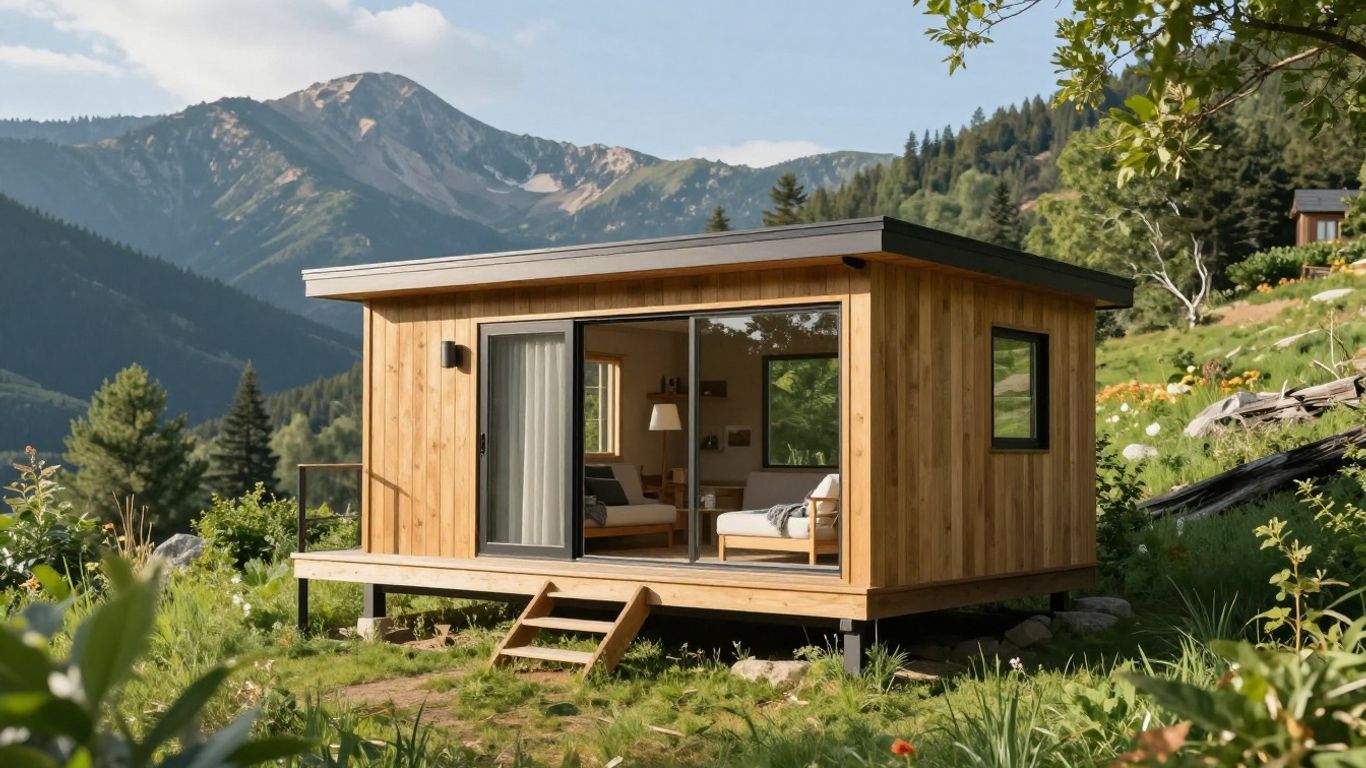
When you picture a tiny home, you might think of a rustic cabin, but that’s not the only style out there. Modern tiny homes are really taking off in Colorado. These designs often feature clean lines, big windows, and smart use of space. They can feel surprisingly open and airy, even though they’re small. Think sleek finishes and a minimalist vibe. Many builders offer customizable options, so you can get something that really fits your taste and the Colorado landscape. They’re built to be efficient and look great, whether you’re near the mountains or on the plains.
Log Park Model Tiny Homes
For those who love the classic mountain aesthetic, log park model tiny homes are a fantastic choice. These often have that cozy, rustic feel with exposed wood and a charming cabin look. They’re designed to blend in with Colorado’s natural beauty, making them perfect for a mountain getaway or a permanent residence. Many are built with durability in mind, ready to handle Colorado’s weather. You’ll find they offer a warm and inviting atmosphere, ideal for enjoying the outdoors.
A-Frame Park Model Homes
Talk about unique! A-frame park model homes are eye-catching and functional. Their distinctive triangular shape creates dramatic, high ceilings and often allows for large windows that bring the stunning Colorado scenery right inside. This style really maximizes natural light and gives a sense of spaciousness. They’re a great option if you want something that stands out architecturally while still being a practical tiny living solution. It’s a design that’s both visually striking and incredibly livable.
These different styles aren’t just about looks; they’re about how you want to live. Whether you’re drawn to the clean, contemporary feel of a modern build, the rustic charm of a log cabin, or the dramatic lines of an A-frame, there’s a tiny home style in Colorado that can match your vision for a simpler, more connected life.
Finding Tiny Home Builders in Colorado
Specialized Tiny Home Builders
When you’re looking for someone to build your tiny home in Colorado, it really helps to find a company that focuses specifically on these smaller dwellings. They know the ins and outs of building something compact but functional, and they’re usually up-to-date on the latest trends and techniques. These builders often have a good handle on how to make the most of limited space, which is pretty important when you’re going tiny. Plus, they’re more likely to understand the unique challenges and opportunities that come with building in Colorado’s varied climate.
Local Colorado Builders
It’s a good idea to look for builders who are actually based here in Colorado. They’ll have a better understanding of our local building codes, weather patterns, and even the types of materials that hold up best in our mountain air and sunny days. Building locally also means you’re supporting businesses in your own state, and it can make communication and site visits a lot easier. Think about it – they know Denver’s zoning laws just as well as they know what it takes to build a sturdy tiny home in a snowy mountain town.
Reputation and Specializations
Before you commit, check out what other people are saying about potential builders. Look for reviews online, ask for references, and see if they have a portfolio of work that matches what you’re looking for. Some builders might specialize in tiny homes on wheels (THOWs), while others focus on foundation-built tiny homes or accessory dwelling units (ADUs). Knowing their specialty helps make sure they’re the right fit for your project. For example, a builder with a strong reputation for ADUs might be perfect if you’re looking to add a small dwelling to your existing property.
Here’s a quick look at some builders and what they focus on:
- Little Home Builder: Based in Longmont, this women-led firm specializes in ADUs and offers turn-key services. They have a strong focus on affordable housing solutions.
- Tiny Building Experts: Located in Colorado Springs, this family-run business offers both Tiny Homes on Wheels (THOWs) and tiny home shells for DIYers. They have a lot of experience guiding clients through the ‘Go Tiny’ process.
- ADU4U: This Denver-based, veteran-owned business focuses on building Accessory Dwelling Units.
- Colorado Tiny Homes: They emphasize their knowledge of local zoning laws across many Colorado counties, aiming for a smooth building process from start to finish.
Finding the right builder is a big step. It’s worth taking the time to research and ask questions. A good builder will not only construct your home but also guide you through the process, making sure your tiny living dream becomes a reality without too many headaches.
Tiny Home Communities Across Colorado
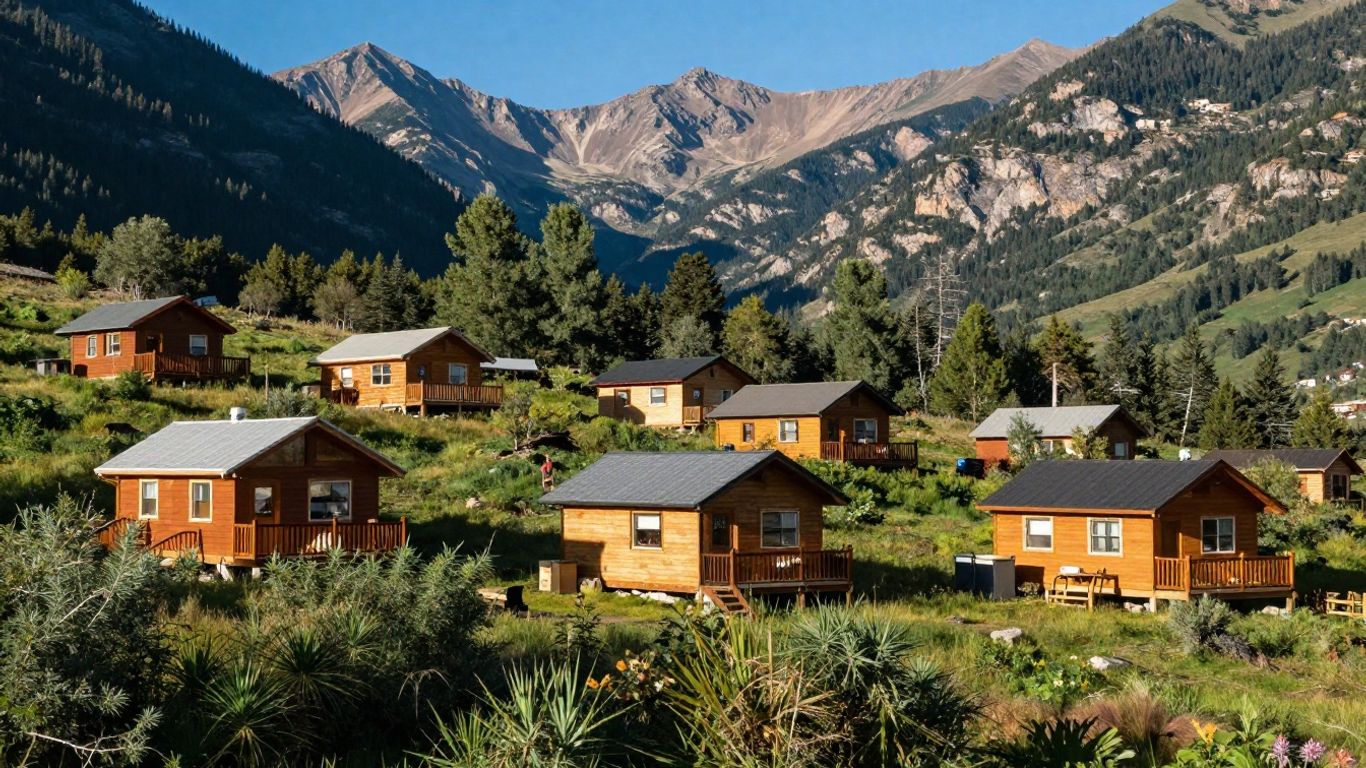
Colorado’s diverse landscapes, from bustling Front Range cities to quiet mountain valleys, have become a breeding ground for innovative tiny home communities. These aren’t just scattered collections of small houses; they’re often thoughtfully designed neighborhoods offering a unique way of life.
Several places stand out for their commitment to tiny living:
- Durango’s Escalante Village: Nestled near the Animas River, this community aims for affordability and easy access to outdoor adventures. It’s a great example of how tiny homes can integrate with natural beauty.
- River Run Colorado in Silt: This spot offers a more planned neighborhood feel, complete with landscaped lots and amenities designed for community living. It’s a place where people can put down roots in a smaller space.
- Bayfield’s MarLin Village: Recognized as the state’s first community specifically for Tiny Homes on Wheels (THOWs), MarLin Village promotes a walkable, close-knit atmosphere. It’s a pioneering effort in creating dedicated spaces for mobile tiny homes.
- Colorado Springs Affordable Housing Initiatives: Beyond dedicated communities, cities like Colorado Springs are exploring tiny homes as a solution for affordable housing. Projects like Wendy’s Village, which houses local educators, show the potential for tiny homes to address broader community needs.
These communities often come with their own sets of rules and opportunities, so it’s always a good idea to check with the specific location.
Building a tiny home, whether on wheels or a foundation, involves understanding local regulations. While THOWs are often treated like RVs and found in RV parks, foundation-built homes following codes like IRC Appendix Q are becoming more accepted for permanent living. Colorado’s HB 22-1242 has also opened doors for some inspected THOWs to be considered permanent residences, making tiny living more accessible across the state.
Finding the right community often comes down to what you’re looking for – whether it’s proximity to outdoor recreation, a strong sense of neighborhood, or simply a more affordable way to live in a beautiful state like Colorado. Many of these communities are actively working to integrate tiny homes into the fabric of Colorado living, offering a glimpse into a more sustainable and connected future. For those interested in the specifics of where these communities are and what rules apply, looking into tiny home regulations in Colorado can provide more detailed insights.
Benefits of Tiny Living in Colorado
Choosing to live in a tiny home in Colorado isn’t just about downsizing your space; it’s about embracing a whole new way of life. It really connects you to the stunning natural beauty this state is famous for. Think about waking up and being able to step right out into the mountains or head to a trailhead in minutes. It’s a lifestyle that encourages you to spend more time outside, whether that’s skiing, hiking, biking, or just enjoying the fresh air.
Embracing the Outdoor Lifestyle
Colorado is practically built for outdoor enthusiasts, and tiny living fits right in. Imagine having your cozy home base just a stone’s throw from world-class skiing, incredible hiking trails, or beautiful rivers for fishing. It makes spontaneous adventures so much easier. You’re not spending hours commuting to nature; you’re already there. This proximity really encourages a more active and engaged lifestyle, making the most of Colorado’s natural playgrounds.
Eco-Friendly and Sustainable Living
Tiny homes naturally have a smaller environmental footprint, which aligns perfectly with Colorado’s appreciation for sustainability. Less space means less energy needed for heating and cooling. Plus, many tiny home owners opt for eco-friendly upgrades like solar panels or water conservation systems. It’s a practical way to live more lightly on the land, reducing waste and resource consumption. This approach feels good, both for your wallet and for the planet.
Community and Mountain Town Charm
Living tiny can also mean being part of a close-knit community. Many tiny home communities are popping up, offering a shared sense of purpose and connection. These places often have a unique charm, especially in the mountain towns. You get that laid-back, friendly vibe that’s so characteristic of Colorado living. It’s about simplifying your life and focusing on experiences and relationships, rather than accumulating possessions. It’s a refreshing change of pace from the hustle and bustle of bigger cities.
Tiny living in Colorado offers a unique blend of simplicity, sustainability, and direct access to the state’s breathtaking natural landscapes. It’s a choice that prioritizes experiences, community, and a lighter impact on the environment, making it an attractive option for many seeking a more intentional lifestyle.
Key Considerations for Tiny Home Placement
So, you’ve decided to go tiny in Colorado. Awesome! But before you start picking out paint colors, let’s talk about where your little abode will actually go. This isn’t always as straightforward as you might think, and where you choose to place your tiny home can make a big difference in how smoothly things go.
Front Range Urban and Outdoor Access
If you’re drawn to the hustle and bustle of Denver, Boulder, or Colorado Springs, you’ll find a mix of opportunities and challenges. The Front Range offers incredible access to both city amenities and stunning natural landscapes. However, zoning laws here can be pretty strict, especially for Tiny Homes on Wheels (THOWs). Many municipalities are more open to foundation-built tiny homes that comply with building codes, or they might allow THOWs in designated RV parks. It’s super important to check with the local planning department before you buy or build. You might find that placing a tiny home on an existing property as an Accessory Dwelling Unit (ADU) is a viable option in some areas.
Mountain Town Living and Rentals
Dreaming of waking up to snow-capped peaks every morning? Places like Breckenridge, Aspen, or Vail are undeniably charming. Tiny homes fit right into that cozy, mountain-town vibe. However, these popular resort towns often have high housing costs and specific regulations. Finding a legal spot for a THOW can be tough, with many opting for RV parks or seasonal campgrounds. For foundation-built homes, look into local ordinances regarding minimum square footage and ADU possibilities. Sometimes, renting a spot in a tiny home community is the most practical route here.
Western Slope Relaxation
Heading west, areas like Grand Junction or Montrose offer a more laid-back pace and often more open space. The Western Slope can be more forgiving when it comes to zoning for tiny homes, especially if you’re looking at rural properties. You might have more flexibility with placing a THOW on private land, though it’s still wise to confirm with the county. This region is great for those seeking a quieter lifestyle with easy access to outdoor adventures like hiking and biking. Remember that utility hookups might be more of a consideration in more remote areas.
San Luis Valley and Southern Colorado
Down in the San Luis Valley and other parts of Southern Colorado, you’ll find vast landscapes and a growing interest in alternative living. Towns like Alamosa or Walsenburg are becoming more tiny-home friendly. This region can offer more affordable land and potentially simpler permitting processes, especially for those looking to live off-grid or with alternative energy sources. It’s a fantastic area if you’re seeking solitude and a connection to the land. Just be sure to research the specific county’s rules, as even in more rural areas, there can be specific requirements for tiny home placement.
When considering where to put your tiny home, think about more than just the view. You’ll need to factor in access to utilities like water, sewer, and electricity. Also, consider how you’ll handle waste disposal, especially if you’re going off-grid. Don’t forget about local building codes and zoning laws – these are non-negotiable and vary wildly from one town or county to the next. Planning ahead for these practicalities will save you a lot of headaches down the road.
So, Ready to Go Tiny in Colorado?
Thinking about a tiny home in Colorado? It’s definitely doable, but like anything, it helps to know the lay of the land. Whether you’re leaning towards a foundation home that follows the rules or a tiny home on wheels that might need to find a spot in an RV park, there are options. Colorado’s got a lot to offer, from mountain views to wide-open spaces, and a tiny home can be a great way to enjoy it all without all the extra stuff. Just remember to check local rules and find a builder who knows their stuff. It might just be the start of a simpler, more adventurous life.
Frequently Asked Questions
What’s the difference between a Tiny Home on Wheels (THOW) and one built on a foundation in Colorado?
Think of a THOW like a super-fancy RV. You’ll usually find them in RV parks or special mobile home spots. A tiny home on a foundation is more like a regular house and often follows building codes, making it easier to place on your own land permanently. Building on a foundation, especially if it follows rules like IRC Appendix Q, is generally the simpler route for long-term living.
Are tiny homes legal to live in throughout Colorado?
Yes, tiny homes can be legal in Colorado, but the rules change depending on the town and how you build it. Homes built on a foundation that meet certain standards (like IRC Appendix Q) are usually allowed. THOWs are often treated like RVs, so they fit best in RV parks. However, some new laws are making it easier for inspected THOWs to be considered permanent homes in certain areas.
Can I find communities specifically for tiny homes in Colorado?
Absolutely! Colorado has several cool tiny home neighborhoods. Places like Escalante Village in Durango and River Run Colorado near Silt offer planned living. Bayfield has MarLin Village, which was one of the first for THOWs. Colorado Springs is also using tiny homes to help with affordable housing.
What are park model tiny homes, and how are they different from mobile homes?
Park model tiny homes are usually under 400 square feet and are built to RV standards, not mobile home rules. This means they’re generally treated like recreational vehicles. While they can sometimes be put on a permanent foundation, they’re often found in RV parks or similar places.
What makes a tiny home suitable for Colorado’s climate?
Tiny homes built for Colorado are designed to handle the weather. This means they have good insulation for cold, snowy winters and sturdy construction. Many builders focus on making them feel spacious and connected to the outdoors, perfect for enjoying Colorado’s amazing scenery.
Where are the best places to put a tiny home in Colorado?
It really depends on what you’re looking for! The Front Range (like Denver or Boulder) offers city access and outdoor fun. Mountain towns (like Breckenridge or Durango) are great for adventure and stunning views. The Western Slope has a more relaxed vibe with vineyards and rivers, while the San Luis Valley offers wide-open spaces and affordability.
Explore more tiny home living, design, downsizing, building, and lifestyle resources.