
Tiny House in Alabama
Thinking about a tiny house in Alabama? It’s a pretty cool idea, honestly. You get all the charm of the South with a simpler way of living. Whether you’re picturing yourself by the beach or up in the hills, Alabama has some great spots for small living. But before you start packing, there’s a bit to figure out, like where to look and what the rules are. This guide will help you sort through it all, so you can find that perfect little place.
Key Takeaways
- Alabama is becoming a popular place for tiny homes, offering a mix of affordability and natural beauty.
- You can find various types of tiny homes, from mobile options to custom-built ones, to fit different needs.
- Understanding local zoning laws and building codes is super important before buying or building a tiny house in Alabama.
- Working with real estate agents who know the tiny home market and asking the right questions can make buying easier.
- Alabama has growing communities and builders dedicated to the tiny home lifestyle, making it easier to find support and options.
Exploring Tiny Homes For Sale In Alabama
So, you’re thinking about a tiny home or living in tiny home communities in Alabama? That’s pretty cool. It’s a state with a lot to offer, from the beaches down south to the rolling hills up north. Lots of folks are finding that going small is a great way to live more simply and save some cash. Alabama is becoming a really popular spot for this kind of living.
Why Choose A Tiny Home In Alabama
There are a bunch of good reasons why Alabama makes sense for tiny living. For starters, the cost of living here is generally lower than in many other states, and that includes housing. You can often find land for a good price, too. Plus, Alabama has some seriously beautiful scenery. Think about waking up near the Gulf Coast or in a quiet spot in the woods – it’s pretty appealing. The tiny home community is growing here, so you’ll find people who are into the same minimalist, sustainable lifestyle.
Types Of Tiny Homes Available
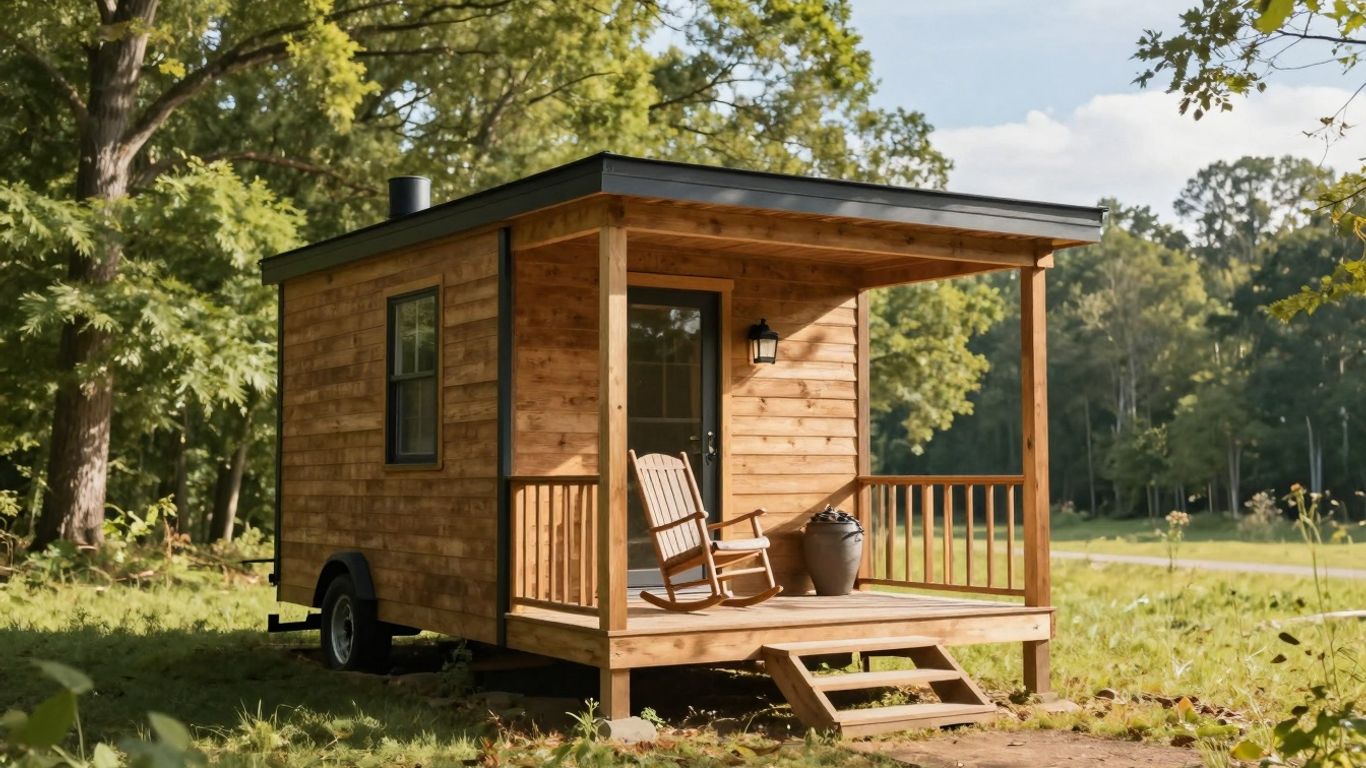
When you start looking, you’ll see a few main types of tiny homes. You’ve got your mobile tiny homes, which are basically built on a trailer. These are great if you like the idea of moving your home around or if you’re not sure where you want to settle down permanently. Then there are tiny homes built on a permanent foundation. These are more like traditional houses, just much smaller, and they’re meant to stay put.
Some builders also offer custom options, where you can design pretty much everything to your liking, from the layout to the finishes. And if you’re handy, you might even find shells or partially built homes that you can finish yourself.
Finding Your Perfect Tiny Home Listing
Okay, so where do you actually find these places? Websites like Zillow and Realtor.com are a good start, but you’ll want to use specific search terms like “tiny house” or filter by small square footage. There are also dedicated tiny home listing sites out there, which can be super helpful. Don’t forget about Facebook Marketplace and local classifieds like Craigslist; sometimes people list directly there. It’s also worth checking out local builders directly, as they might have models for sale or know of available properties.
Here’s a quick rundown of places to look:
- Online listing sites (Zillow, Realtor.com, Tiny House Listings)
- Social media and local classifieds (Facebook Marketplace, Craigslist)
- Directly from tiny home builders
Before you get too excited and put in an offer, it’s really important to check out the local rules. Zoning laws can be different from one town to the next, and what’s allowed in one place might not be in another. Making sure your tiny home fits the local regulations is key to avoiding headaches down the road.
Popular Destinations For Tiny Homes In Alabama
Urban Hubs With Tiny Home Opportunities
Alabama’s cities are starting to see the appeal of smaller living spaces. Birmingham, the state’s largest city, is becoming a real hotspot for tiny homes. You’ll find all sorts of modern designs popping up, including accessory dwelling units (ADUs) in backyards and tiny homes in the surrounding suburbs. It’s a great way to get into a city without the massive price tag of a traditional house.
Huntsville, known for its tech scene, also attracts people who are into innovative housing solutions. It’s a place where you can find both city convenience and a connection to nature, making it a good spot for tiny home living, whether you’re right in town or a bit more out in the country.
Coastal Escapes For Tiny Living
If your dream involves the sound of waves and sandy toes, the Alabama coast is calling. Areas around Mobile and Gulf Shores are perfect for those seeking a beachside lifestyle. You can find charming coastal tiny homes that are ideal for full-time living or even as a vacation rental property. Imagine waking up to ocean breezes and having the beach just a short walk away – it’s a pretty sweet deal.
College Towns Embracing Small Footprints
College towns like Tuscaloosa and Auburn are surprisingly good places to consider for tiny homes. These towns often have smaller lots and more affordable land, which is a big plus when you’re looking to place a tiny home. Plus, they’re popular spots for short-term rentals, so if you’re thinking about using your tiny home as an Airbnb, these locations could be a smart move. The energy of a college town combined with the simplicity of tiny living? It’s a unique combination.
Navigating Legalities For Tiny Homes In Alabama
Alright, so you’re thinking about a tiny home in Alabama. That’s awesome! But before you start picturing yourself sipping sweet tea on your tiny porch, we gotta talk about the paperwork. It’s not the most exciting part, but it’s super important to get right. Alabama is pretty welcoming to tiny living, especially since they’ve adopted parts of the International Building Code that actually mention tiny homes. Still, rules can change from one town to the next, so doing your homework is key.
Understanding Zoning Laws And Regulations
This is probably the biggest hurdle for most tiny home hopefuls. Zoning laws are basically the rules about what you can build and where. Some places in Alabama might only let you put a tiny home in a specific RV park or as an “accessory dwelling unit” (ADU) – that’s like a smaller, separate living space on someone else’s property. Other areas might have minimum square footage rules that a tiny home just won’t meet. It’s absolutely vital to check with the local planning or zoning office before you buy land or even a tiny home. They can tell you exactly what’s allowed. Don’t just assume; ask them directly.
Here’s what to keep in mind:
- Location, Location, Location: Where you want to put your tiny home matters. Some counties are more open than others.
- Minimum Size: Some places have a floor space requirement, often around 600 to 1000 square feet. Tiny homes are usually much smaller than this.
- Wheels vs. Foundation: A tiny home on wheels might be treated like an RV, which has its own set of rules and might not be allowed as a permanent residence everywhere.
- Off-Grid Systems: If your tiny home has things like composting toilets or relies on alternative power, make sure those systems are permitted in your chosen area.
The best advice here is to call the local city hall or county planning department. Ask them specifically about “tiny homes” or “manufactured homes” and how they fit into their zoning.
Permits And Building Codes For Tiny Homes
Once you know zoning is on your side, you’ll need to think about permits and building codes. Generally, if you’re building something new or adding a structure, you’ll need a permit. This applies to tiny homes too, whether they’re on wheels or a foundation. Alabama has adopted codes that include guidelines for tiny homes, but you still need to make sure your specific build meets the local requirements. This often involves inspections during the building process.
- Building Permits: You’ll likely need one to place your tiny home on a lot, especially if it’s on a permanent foundation.
- Special Use Permits: Sometimes, even if zoning allows it, you might need an extra permit to have a tiny home as a primary residence or an ADU.
- Certification: If you’re buying a pre-built tiny home, ask if it has certifications like RVIA or NOAH. This can sometimes make the permitting process smoother.
Accessory Dwelling Units And Park Models
Accessory Dwelling Units (ADUs) are a popular way to incorporate tiny homes into existing neighborhoods. These are secondary housing units on a single-family lot. Some cities in Alabama allow tiny homes to be used as ADUs.
Park models are another type of small dwelling, often built on a trailer but designed for more stationary use. The tricky part is that not all places consider park models the same as other tiny homes, and zoning definitions can vary. You’ll need to confirm if your local government defines a park model as an acceptable type of tiny home or ADU. It’s another reason to have that direct conversation with your local planning department – they’ll have the definitive answer for your specific situation.
Tips For A Successful Tiny Home Purchase
Buying a tiny home is a big step, and like any home purchase, it pays to be prepared. It’s not quite like buying a regular house, so a little extra homework can save you a lot of headaches down the road. Think of it as setting yourself up for success before you even get the keys.
Working With Real Estate Professionals
Finding a real estate agent who actually gets tiny homes can be a challenge. Many agents are used to dealing with traditional houses, so they might not know the ins and outs of tiny living. Look for agents who specialize in unique properties or have experience with manufactured homes, RVs, or even land sales. They’ll be more familiar with the specific types of listings, potential zoning issues, and financing options that might apply. Don’t be afraid to ask potential agents about their experience with tiny homes specifically. A good agent can be a real asset in finding the right place and negotiating the best deal.
Questions To Ask Before Buying
Before you fall in love with a listing, there are some key questions you absolutely need to ask. First off, what’s the deal with zoning? Is the property legally allowed to have a tiny home on it, or is it classified as an RV park model? This is super important. Also, check out the utilities.
Does it have hookups for water, sewer, and electricity, or are you looking at off-grid solutions like solar panels and composting toilets? If it’s on wheels, ask about its condition – how old is the trailer, and has it been well-maintained? And don’t forget about the climate. Alabama can get pretty humid and has some serious storms. You’ll want to know about insulation, ventilation, and how the home holds up against severe weather.
Here’s a quick checklist of things to inquire about:
- Zoning and Legal Placement: Is it permitted where it is? Can you move it easily?
- Utilities: What are the current hookups? What are the costs?
- Foundation/Trailer: If on wheels, what’s the condition? If on a foundation, what type?
- Insulation and Weatherproofing: How well is it prepared for Alabama’s climate?
- Appliances and Systems: Are they included? What’s their age and condition?
- History: Any past damage or major repairs?
Financing And Land Acquisition Advice
Getting a loan for a tiny home isn’t always straightforward. Traditional mortgages usually aren’t an option, especially for homes on wheels. You might need to look into personal loans, RV loans, or specialized tiny home financing companies. It’s a good idea to get pre-approved for financing before you start seriously looking. This way, you know your budget. When it comes to land, you have a few choices.
You could buy land outright, which gives you the most freedom but also means dealing with property taxes and setting up utilities yourself. Another option is to rent a spot in a tiny home community or an RV park, which often comes with existing infrastructure and a built-in community, but you’ll have less control over your surroundings. Sometimes, you can even find land with existing structures that might be suitable for a tiny home. Always verify that the land is zoned correctly for your intended dwelling type.
The biggest mistake people make is falling in love with a tiny home and then realizing they can’t legally put it anywhere or afford to set it up. Take the time to figure out the money and the location first. It makes the whole process much smoother and less stressful.
Discover Alabama Tiny Home Communities
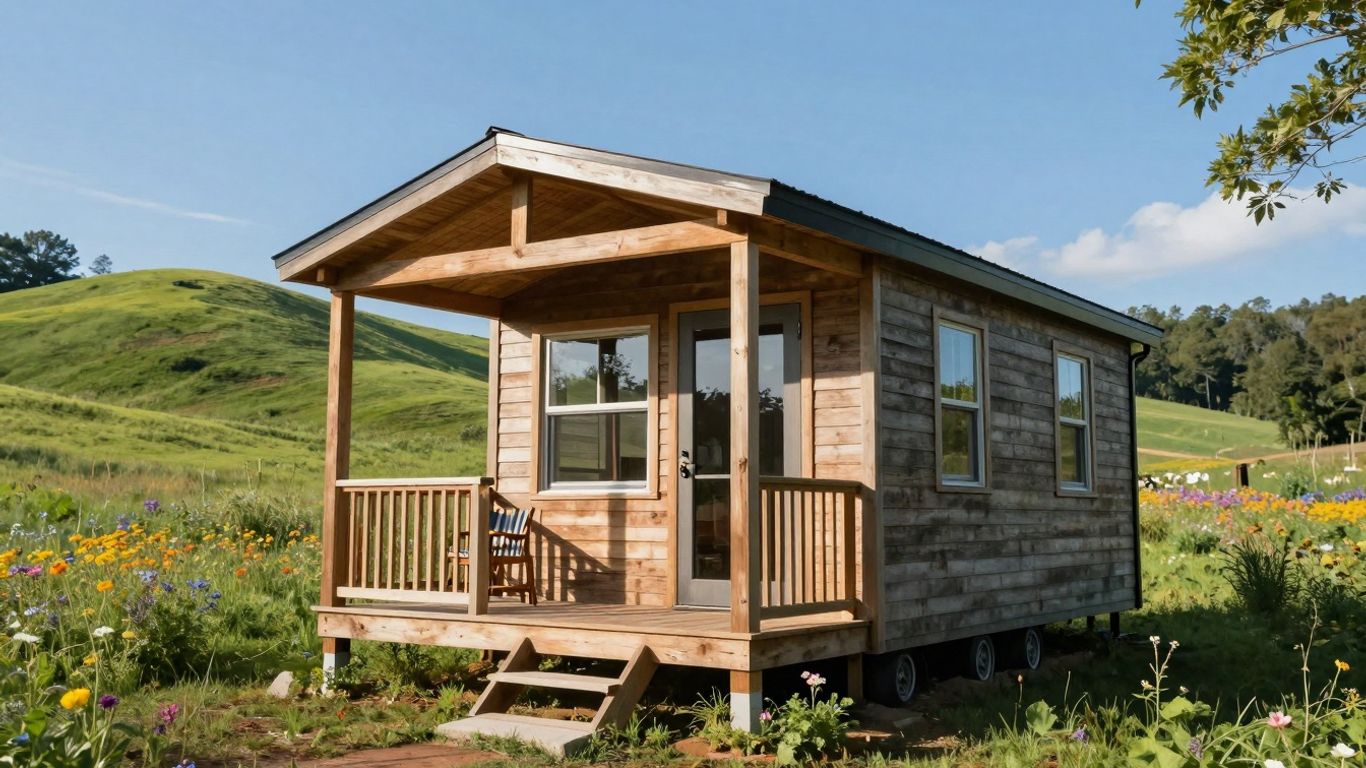
Finding a community that fits your tiny living dreams is a big part of the adventure. Alabama, with its welcoming attitude towards smaller dwellings, has some neat spots where tiny home folks gather. These places aren’t just about having a small house; they’re about connecting with like-minded people and enjoying a simpler way of life, often surrounded by the state’s natural beauty.
Lakeside Living and Tiny Home Retreats
Imagine waking up to the gentle sound of water and spending your days near a beautiful lake. Several communities in Alabama offer just that. These lakeside spots are perfect for those who love the outdoors and want their tiny home to be a peaceful escape. Think of places like Eagles Landing at Lake Martin, where you can find cozy tiny homes with modern comforts, complete with screened-in porches to enjoy the views. It’s a great way to combine the freedom of tiny living with the serenity of waterfront access.
Communities Offering Modern Amenities
Tiny living doesn’t mean giving up modern conveniences. Many Alabama communities are designed to provide the best of both worlds. You can find places that offer things like:
- High-speed internet access, so you can work remotely or stay connected.
- Community gathering spaces for social events and meeting neighbors.
- Access to utilities like water, sewer, and electricity, making the transition smoother.
- Landscaping and maintenance services, taking some of the work off your plate.
These amenities help ensure that your tiny home experience is comfortable and convenient, blending the simplicity of small living with the ease of modern infrastructure.
Finding a Supportive Tiny Home Network
Beyond the physical location, the people in a community make all the difference. In Alabama, you can find networks and communities where residents share tips, support each other, and often organize events. This sense of belonging is a huge plus for many tiny home dwellers. Whether it’s sharing gardening advice, helping a neighbor with a small repair, or just enjoying a potluck, these supportive environments make tiny living even more rewarding.
Building connections with neighbors who share your values and lifestyle can significantly enrich the tiny home experience. It’s about more than just the house; it’s about the community you become a part of.
Alabama Builders Specializing In Tiny Homes
Craftsman Style Tiny Home Experts
When you’re looking for a tiny home that feels more like a custom-built retreat than a temporary dwelling, Alabama has some builders who really shine. These craftspeople focus on creating tiny homes with a distinct craftsman style. Think beautiful woodwork, thoughtful layouts, and a real sense of quality you can see and feel. They often use natural materials and pay attention to details that make a small space feel both cozy and luxurious. These aren’t just small houses; they’re carefully designed living spaces.
Customizable Tiny Home Solutions
Beyond the craftsman aesthetic, many Alabama builders offer a high degree of customization. If you have a specific vision for your tiny home – maybe a unique floor plan, special features for off-grid living, or particular finishes – these builders can make it happen. They work with you to understand your needs and preferences, translating them into a tiny home that’s uniquely yours. This means you can get a tiny home that perfectly fits your lifestyle, whether you need a dedicated workspace, a larger kitchen area, or a specific kind of bathroom setup.
Builders Serving Northern Alabama
For those focusing their search on the northern part of the state, there are builders who specialize in serving this region. They understand the local landscape and building considerations. Some builders, even if based slightly outside the immediate area, frequently work with clients in northern Alabama, bringing their expertise to towns and rural areas alike. It’s always a good idea to check if a builder has a strong track record of projects in your desired location.
Here are a few types of builders you might encounter:
- Full-Service Custom Builders: These companies handle everything from design to construction, offering a turnkey solution.
- Modular/Prefab Tiny Home Builders: They construct sections of the tiny home in a factory and then assemble them on your site, often speeding up the building process.
- Specialty Builders: Some focus on specific styles, like modern designs or rustic cabins, or particular types of tiny homes, such as those on wheels.
Before committing to a builder, it’s wise to ask for references and see examples of their completed work. Visiting a model home or a recently finished project can give you a real feel for their craftsmanship and the quality of their materials. Don’t hesitate to ask detailed questions about their building process, timelines, and warranties.
Ready to Start Your Tiny Adventure?
So, there you have it! Alabama really does seem like a fantastic spot if you’re thinking about going small. From the coast to the mountains, there’s a little something for everyone. We’ve talked about why it’s a good idea, where to even look for these places, and some of the stuff you need to think about before you buy. It might seem like a lot, but honestly, taking that first step is the biggest part. Whether you’re after a cozy spot by the water or a quiet place in the woods, your tiny dream home is out there waiting. Go ahead and start exploring those listings – you might be surprised at what you find!
Frequently Asked Questions
What makes Alabama a good place for tiny homes?
Alabama is a great spot for tiny homes because it has beautiful nature, like beaches and mountains, and the cost of living is pretty low. Plus, the state has started to make rules that make it easier to build and live in tiny homes, so more people are choosing this simpler way of life there.
Are there different kinds of tiny homes I can buy in Alabama?
Yes, you can find several types! Some are built on wheels, which means you can move them around if you want to. Others are built on a foundation, just like a regular house, but smaller. You can also find custom-built ones made just for you, or even ones that are partially built if you like to do projects yourself.
Where are the best places to look for tiny homes in Alabama?
You can find tiny homes in big cities like Birmingham and Huntsville, which are seeing more modern designs. If you love the beach, check out areas near Mobile and the Gulf Coast. College towns like Tuscaloosa and Auburn also have smaller lots that work well for tiny homes.
What legal things do I need to know before buying a tiny home in Alabama?
It’s important to check the local rules, called zoning laws, because they can be different everywhere. Some places might only let you put a tiny home in a special park, while others have rules about how small a house can be. You might also need permits to build or place your tiny home, so it’s smart to ask the local town or county office first.
How do I find a good deal on a tiny home?
Look online on websites that list homes, but also check out special tiny home listing sites and even Facebook Marketplace. Sometimes, builders or sellers offer special payment plans. It also helps to work with a real estate agent who knows about tiny homes.
Can I live in a tiny home all year round in Alabama?
Generally, yes, but it depends on where you want to put it. Alabama has adopted building codes that include rules for tiny homes, making year-round living more possible. However, you still need to make sure your specific location allows it and meets all the local building and safety rules.