
Tiny House in Alaska
Thinking about building a tiny house in Alaska? It’s a big dream, and honestly, it’s not for everyone. Alaska is wild, beautiful, and demands a lot from anyone who decides to live there. This guide is here to break down what you really need to know before you pack your bags and head north. We’ll cover everything from picking the right spot to staying warm when it’s freezing outside. Let’s get real about building your tiny house Alaska adventure.
Key Takeaways
- Choosing the right location in Alaska means looking at the land, the weather, and the animals. It’s not just about pretty views; it’s about survival.
- Designing your tiny house Alaska needs to focus on tough weather. Think good insulation, ways to handle snow, and reliable energy.
- Building in remote Alaska is tough. You’ll need the right tools, materials, and a solid plan for getting things where they need to go.
- Living off-grid in Alaska means figuring out power, water, and waste on your own. Staying warm is a major part of this.
- Self-sufficiency is key. Learn to grow or hunt your food, take care of your health, and pick up skills that help you get by.
Choosing Your Alaskan Tiny House Location
Evaluating Land and Climate
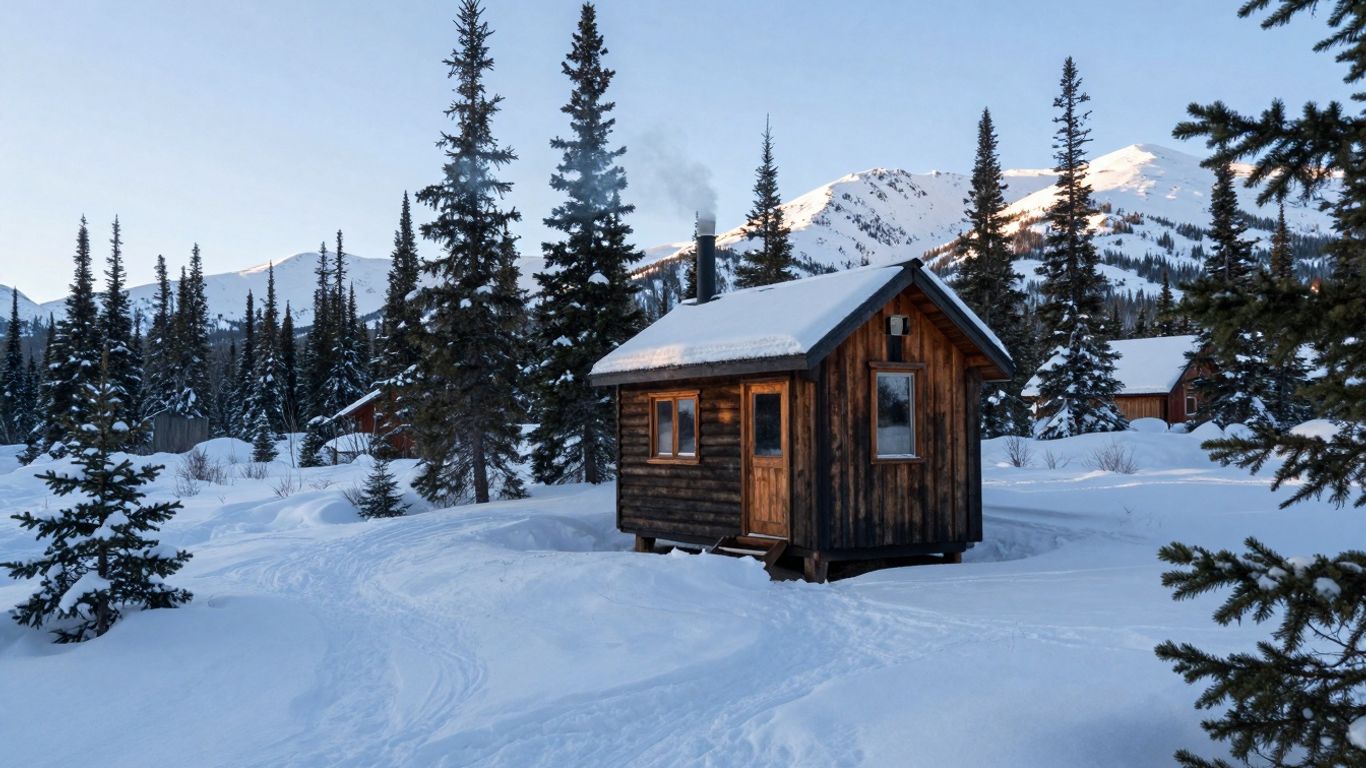
Picking the spot for your tiny house in Alaska is a big deal as is looking into tiny home communities in Alaska. It’s not just about finding a pretty view, though there are plenty of those. You’ve got to think about what the land is actually like. Is it flat enough to build on easily, or are you looking at a serious excavation job? And the climate, well, that’s a whole other ballgame. Alaska isn’t exactly known for its mild weather. You’ll find huge differences depending on where you are. Coastal areas might get more rain and snow, while the interior can be brutally cold for months on end. You need to be honest about what kind of weather you can handle and prepare for.
Here’s a quick look at how climate can change:
| Region | Typical Winter Temps (°F) | Typical Summer Temps (°F) | Precipitation (Annual Avg. Inches) |
|---|---|---|---|
| Southcentral | -10 to 20 | 50 to 70 | 15-30 |
| Interior | -30 to -10 | 60 to 80 | 10-20 |
| Southeast | 10 to 30 | 50 to 65 | 50-100+ |
Understanding Alaskan Wildlife
Alaska is home to some amazing animals, and you’ll likely be sharing your space with them. This isn’t like seeing a deer in your backyard; we’re talking about bears, moose, maybe even wolves. It’s super important to learn about the animals in the area you’re considering. How do they behave? What are their habits? Proper planning for food storage and waste disposal is key to avoiding unwanted encounters. You want to live with nature, not in conflict with it.
- Bears: Know their feeding habits and how to secure your food.
- Moose: Can be unpredictable, especially during mating season or when they have calves. Give them plenty of space.
- Smaller critters: While less dangerous, they can still be a nuisance for gardens or stored goods.
Living in Alaska means accepting that you are a guest in a wild environment. Respecting the wildlife and understanding their place is part of the Alaskan experience.
Accessibility and Transportation
Think about how you’ll actually get to your chosen spot. A lot of Alaska isn’t connected by roads. You might need a boat, a plane, a snow machine, or even a combination of these just to reach your land, especially if it’s remote. This also affects how you’ll bring in building supplies and everything else you’ll need. Logistics are a major part of building and living in the Alaskan bush. If you can’t easily drive a truck up to your site, you need a solid plan for getting materials there. This might mean hiring specialized transport or getting creative with what you can carry.
Designing Your Tiny House for Alaska
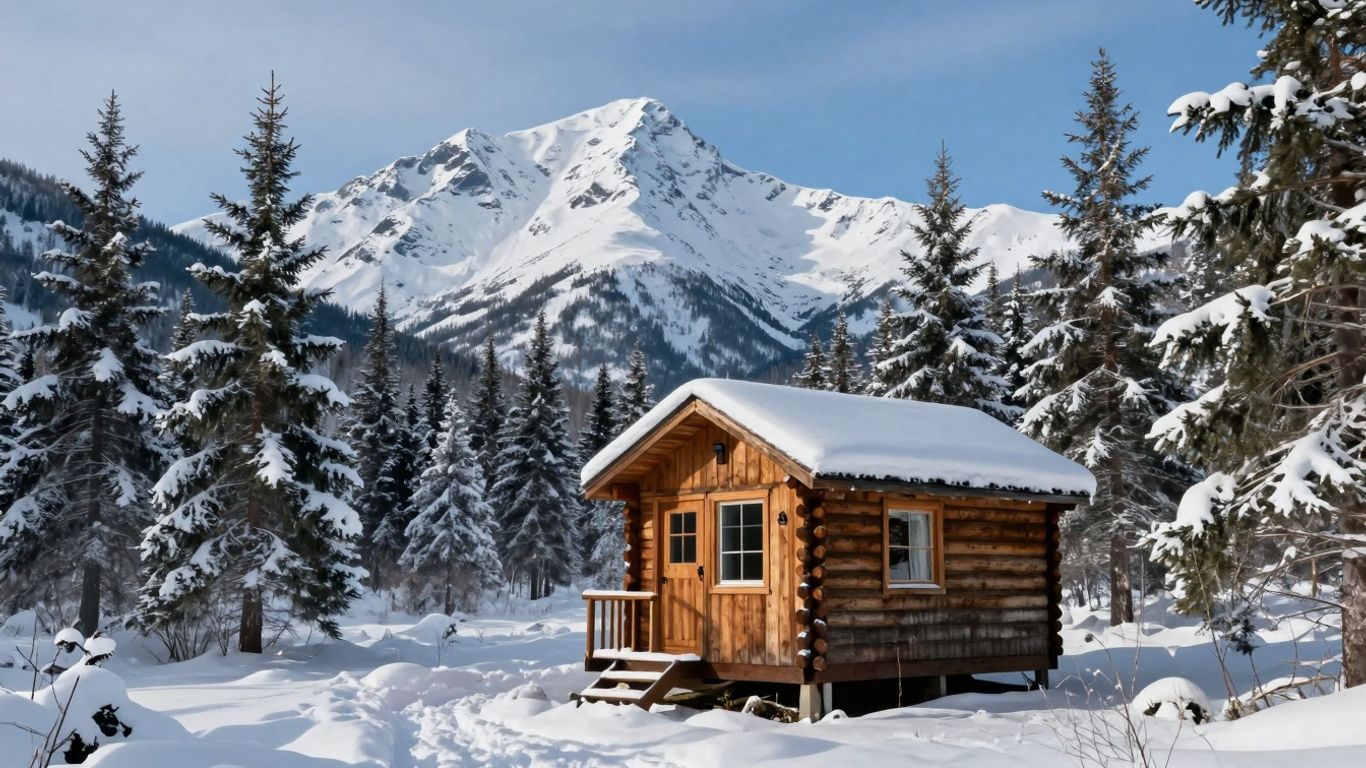
Designing a tiny house for Alaska means thinking about more than just square footage. You’re building a refuge against some serious weather, and it needs to work with the land, not against it. This isn’t your average backyard shed; it’s your primary shelter in a place where nature really calls the shots.
Shelter Options for the Frontier
When you’re looking at building in Alaska, the type of structure matters a lot. You’ve got a few main paths to consider, each with its own pros and cons for this specific environment.
- Log Cabins: These are a classic for a reason. They look the part, and the thick logs offer good insulation. Plus, they feel really solid against the wind.
- Earthships: If you’re all about using recycled stuff and want to harness the sun, these are interesting. They’re built with tires and earth, and designed to capture heat. They can be a bit more complex to build, though.
- Tiny Houses on Wheels: These offer flexibility. You can move them if needed, which can be a big deal in Alaska. However, you’ll need to make sure they’re properly anchored and insulated for the cold.
The best choice depends on your budget, your building skills, and how much you value mobility versus a permanent, sturdy structure.
Incorporating Alaskan Architectural Elements
Alaska has a history of building smart for the climate. You can learn a lot from those traditional designs.
- Steep Roof Pitches: Think about roofs that are angled sharply. This helps heavy snow slide off easily, preventing structural damage. You don’t want snow piling up and weighing your roof down.
- Raised Foundations: Lifting your house off the ground a bit helps keep the floor warmer. It also stops moisture from seeping in and can deter some critters.
- Smaller Windows on North Sides: While you want light, putting too many large windows on the side facing the coldest winds can let a lot of heat escape. Strategically placed windows are key.
Energy Efficiency in Extreme Climates
Keeping your tiny house warm without breaking the bank on fuel is a big deal in Alaska. Every bit of heat you can keep inside saves you money and effort.
- Insulation is King: Don’t skimp here. High-quality insulation in the walls, floor, and ceiling is non-negotiable. Think about materials like spray foam or rigid foam boards for a good seal.
- Airtight Construction: Seal up all the gaps and cracks. Drafts are your enemy when it’s freezing outside. Use good quality caulk and weatherstripping.
- Passive Solar Design: Even in Alaska, the sun can provide warmth. Orienting your house to catch the most sunlight, especially during winter, can make a noticeable difference. Consider south-facing windows with overhangs that block high summer sun but let in low winter sun.
Building for Alaska means thinking long-term. Your tiny house needs to be a reliable shelter that can handle everything from blizzards to the summer thaw. It’s about creating a comfortable, safe space that works with the wild environment, not against it. This requires careful planning and a focus on durability and efficiency above all else.
Building Your Tiny House in the Wilderness
So, you’ve picked your spot and designed your dream Alaskan tiny house. Now comes the part where you actually build it, and let me tell you, it’s a whole different ballgame when you’re out in the middle of nowhere. Forget popping down to the local hardware store for a forgotten screw; you’ll need to be prepared.
Essential Tools and Building Materials
When you’re building remotely, your tool and material list needs to be spot on. You can’t afford to run out of something critical. Think about what you’ll need for framing, insulation, roofing, and finishing. For materials, consider what holds up best in harsh weather. Wood is common, but treated lumber or even metal siding might be worth the extra cost for durability. Don’t forget the basics: hammers, saws, levels, measuring tapes, and safety gear. A good generator is also a must if you don’t have power yet.
Here’s a quick rundown of some must-haves:
- Power Tools: Circular saw, drill/driver, jigsaw.
- Hand Tools: Hammer, pry bar, level, tape measure, utility knife, wrenches.
- Safety Gear: Work gloves, safety glasses, sturdy boots, hard hat.
- Fasteners: Plenty of screws, nails, bolts – buy more than you think you’ll need.
- Consumables: Saw blades, drill bits, sandpaper.
Navigating Remote Construction Logistics
Getting everything you need to your build site is a major hurdle. If you’re not near a road, you might need ATVs, sleds, or even a boat to haul materials. Planning your deliveries is key. Try to group materials so you’re not making dozens of trips. Think about where you’ll store everything once it arrives, keeping it protected from the elements. You’ll also need to consider waste disposal – pack it in, pack it out is the rule of thumb out here.
Building in Alaska means embracing a slower pace and a lot more problem-solving. Things will go wrong, weather will delay you, and you’ll probably have to get creative. It’s all part of the adventure, really.
Legal Considerations for Land Ownership
Before you even hammer the first nail, make sure your land situation is sorted. Are you buying land, leasing it, or do you have permits for building on state or federal land? Alaska has specific rules about building, zoning, and land use, especially in remote areas. You’ll want to look into property lines, easements, and any restrictions that might apply. Understanding these legalities upfront can save you a massive headache down the road. It’s worth talking to local authorities or a land use expert to make sure you’re on the right side of the law.
Living Off-Grid in Your Alaskan Tiny House
So, you’ve got your tiny house built, and it’s sitting pretty in the Alaskan wilderness. Now comes the real adventure: living without the usual hookups. It’s a different way of life, for sure, and it means being a bit more hands-on with your resources. Think of it as a constant learning process, adapting to what nature gives you.
Sustainable Energy Solutions
Powering your place when you’re not connected to the grid is a big one. Solar panels are a popular choice, especially with those long summer days where the sun barely sets. You’ll want to make sure you have a good battery bank to store that energy for the darker months. Wind turbines can also be a solid option if your location gets consistent breezes. Some folks even look into small-scale hydro systems if they’re near a good water source. Combining a few different sources often gives you the most reliable power.
Here’s a quick look at some common energy sources:
| Source | Pros | Cons |
|---|---|---|
| Solar Panels | Abundant summer sun, quiet operation | Less effective in winter, needs storage |
| Wind Turbines | Good for windy areas, can run at night | Can be noisy, requires consistent wind |
| Hydro Systems | Consistent power if water is available | Site-specific, potential environmental impact |
Water and Waste Management
Getting clean water and dealing with waste are pretty important. Many off-gridders collect rainwater, which you’ll then need to filter and purify. Having a well is another option if the land allows. For waste, a well-designed composting toilet is a must. It breaks down waste naturally, turning it into usable compost for your garden. Greywater systems, which filter water from sinks and showers, can also be used for irrigation, cutting down on your water needs.
- Rainwater collection and filtration
- Composting toilet systems
- Greywater recycling for irrigation
Managing water and waste responsibly is key to a sustainable off-grid life. It’s about closing the loop and minimizing your impact on the environment around you.
Heating and Staying Warm
This is probably the most critical part of Alaskan off-grid living. You’ll need a robust heating system. Wood stoves are a classic for a reason – they’re reliable and provide a cozy warmth. Make sure you have a good supply of dry firewood. Propane heaters are another option, offering quick heat, but you’ll need to manage fuel delivery. Some people also use highly efficient wood gasification boilers. Proper insulation in your tiny house is, of course, your first line of defense against the cold. Think about triple-paned windows and sealing up any drafts.
- Efficient wood stove with ample firewood supply
- Backup propane heater for quick warmth
- Superior insulation and draft-proofing
Self-Sufficiency in the Alaskan Bush
Growing and Hunting Your Food
Living in the Alaskan bush means you’ll likely be relying on the land for a good chunk of your food. It’s not just about having a garden, though that’s a big part of it. Alaska’s growing season is short, so you’ve got to be smart about what you plant and how you protect it. Think hardy root vegetables, cold-hardy greens, and maybe some quick-growing herbs.
You’ll also want to learn about preserving your harvest – canning, drying, and root cellaring are your best friends here. Beyond the garden, Alaska offers incredible opportunities for hunting and fishing. Knowing how to properly field dress, butcher, and store game is a skill that can literally keep you fed through the long winter. It’s a different way of eating, one that’s tied directly to the seasons and the land around you.
Here’s a quick look at some common Alaskan food sources:
| Source | What to Expect |
|---|---|
| Gardening | Root vegetables, hardy greens, berries, herbs |
| Hunting | Moose, caribou, bear, ptarmigan, small game |
| Fishing | Salmon, trout, grayling, halibut |
| Foraging | Berries, edible plants, mushrooms (with caution!) |
Maintaining Mental and Physical Health
Let’s be real, living way out in the Alaskan bush can get lonely. You’re going to have days where you barely see another person. That’s why taking care of your head and your body is super important. Staying active is key – think hiking, chopping wood, snowshoeing, whatever gets you moving. It’s not just good for your muscles; it’s great for your mood too, especially when you’re stuck inside during a blizzard.
Finding ways to connect with nature, even just sitting outside with a cup of tea, can make a big difference. If you can, try to connect with other folks who are living a similar lifestyle, even if it’s just a quick radio chat or a planned trip to a nearby settlement. It helps to know you’re not the only one out there.
- Stay Active: Regular physical activity combats isolation and keeps you strong.
- Connect with Nature: Spend time outdoors, observing the environment.
- Build a Routine: Predictable daily activities provide structure and comfort.
- Seek Social Connection: Even limited contact with others can boost morale.
The quiet of the bush can be both a blessing and a challenge. Learning to be comfortable with your own company, while also recognizing when you need human interaction, is a delicate balance. It’s about finding peace in the solitude without letting it consume you.
Essential Skills for Off-Grid Survival
Beyond the basics of building and heating your tiny home, there are some specific skills that really make a difference when you’re living off the grid in Alaska. You’ll want to be comfortable with basic repairs – not just on your house, but on any equipment you rely on, like generators or water pumps. First aid is another big one; you’re a long way from the nearest hospital, so knowing how to handle injuries or sudden illnesses is critical.
And don’t forget about self-defense. Alaska has wildlife, and while most animals want nothing to do with you, it’s wise to know how to protect yourself and your home. Learning these skills takes time and practice, but they are the bedrock of a safe and sustainable life in the wild.
- Basic Mechanics: Ability to fix tools, generators, and other equipment.
- Advanced First Aid: Training for injuries, illnesses, and emergencies.
- Wilderness Navigation: Knowing how to find your way without relying on GPS.
- Fire Starting: Reliable methods for starting fires in all weather conditions.
- Food Preservation: Techniques like canning, drying, and smoking for long-term storage.
Preparing for the Alaskan Adventure
Mindset for Resilience and Adaptability
Moving to Alaska to build a tiny house, especially off-grid, isn’t like moving across town. It really demands a different way of thinking. You’ve got to be ready for things to go sideways, and then figure out how to fix them. It’s not just about having the right tools; it’s about having the right attitude. Think of it as a constant learning process. You’ll pick up new skills, sure, but you’ll also learn to improvise when your plans go out the window.
This lifestyle is built on being able to roll with the punches. Alaska doesn’t really care if you’re having a bad day; the weather will still be cold, and the generator might still decide to quit. So, cultivate that inner grit. It’s about being resourceful and not getting too discouraged when something doesn’t work the first time. It’s a marathon, not a sprint, and your mental game is just as important as your physical one.
Financial Planning for Your Tiny House Alaska
Let’s be real, building a tiny house in Alaska, particularly in a remote location, is going to cost money. It’s not just the house itself. You’ve got to think about getting materials out there, which can be a big expense depending on how far off the beaten path you are. Then there’s the cost of setting up your off-grid systems – solar panels, batteries, maybe a generator, water systems, and waste management. Don’t forget tools and equipment you might need for building and maintenance. It’s easy to underestimate these upfront costs. A good rule of thumb is to budget more than you think you’ll need. Unexpected expenses pop up, especially in a place like Alaska.
Here’s a rough breakdown of potential costs to consider:
| Category | Estimated Cost Range (USD) |
|---|---|
| Land Acquisition | $5,000 – $50,000+ |
| Tiny House Materials | $10,000 – $40,000+ |
| Transportation of Goods | $2,000 – $15,000+ |
| Off-Grid Systems (Solar) | $5,000 – $20,000+ |
| Tools & Equipment | $1,000 – $5,000+ |
| Permits & Fees | $500 – $2,000 |
| Contingency (15-20%) | Varies |
This is just a guide, and prices can change a lot. Do your homework and get quotes for everything. It’s better to have a solid financial plan before you start buying lumber.
Testing the Waters Before Committing
Before you pack up everything and move to the middle of nowhere in Alaska, it’s a really good idea to try it out first. Seriously. You might think you’re ready for the solitude and the ruggedness, but experiencing it firsthand is different. Renting a small cabin for a few weeks, maybe near a town but still pretty remote, can give you a taste of what life is like.
See how you handle the quiet, the lack of immediate conveniences, and the general pace of things. It’s a low-cost way to figure out if this is truly the lifestyle for you. You can learn a lot about your own limits and preferences without making a huge financial commitment. Think about it: spending a couple of weeks without running water or easy access to shops can be quite the eye-opener. If you find you love it, great! If not, at least you found out before buying land and shipping a house.
Ready for Your Alaskan Adventure?
So, you’ve read through all this, and maybe you’re feeling a mix of excitement and a little bit of ‘whoa, this is a lot.’ Building a tiny house in Alaska isn’t exactly a walk in the park, but then again, nothing truly rewarding ever is. It takes grit, planning, and a willingness to learn as you go. Remember, it’s about more than just a small structure; it’s about embracing a different way of life, one that’s closer to the land and, honestly, a lot more real. If the wild calls to you, and you’re ready to answer, then this journey is absolutely for you. Go ahead, take that first step. The Last Frontier awaits.
Frequently Asked Questions
What’s the first thing I should think about when picking a spot for my tiny house in Alaska?
Before you even think about building, you need to find the right land. Think about how easy it is to get to, what the weather is usually like there, and if you’ll be sharing your space with any wild animals. It’s super important to make sure the land is actually yours to build on, so look into buying it the right way.
How do I make sure my tiny house can handle Alaska’s tough weather?
Alaska’s weather is no joke! You’ll want a strong house. Think about a roof that can handle lots of snow and a foundation that keeps the cold out. Making your house super energy-efficient is key, so it stays warm without using too much power.
What kind of tools and materials do I need to build in a remote part of Alaska?
Building far from town means you need to bring everything with you. You’ll need basic building tools, but also things like a generator for power, maybe a boat or snow machine to get supplies there, and materials that can stand up to the cold and rough conditions.
Is it hard to live without electricity and running water in Alaska?
Living off the grid, meaning without city power or water, is a big part of the Alaskan tiny house dream. You’ll need to figure out how to get your own power, like with solar panels, and manage your water and waste. It takes planning, but it’s doable!
How can I grow or find food if I’m living way out in the Alaskan wilderness?
Getting your own food is a big deal when you’re living remotely. You can try growing a garden, maybe even raising some chickens, and learning to fish or hunt. It’s all about being self-sufficient and using what nature provides.
What if I’m not sure if living remotely in Alaska is for me?
It’s smart to test the waters before you commit to buying land and moving all your stuff. Try renting a small cabin in a remote area for a few weeks. See how you like living with less and being further from town. It’s a good way to find out if the Alaskan wild is truly your kind of adventure!