
Tiny Homes in California
Have you been searching for more detailed specifics about tiny homes in California? It’s a dream for many, offering a simpler, more affordable way to live. But before you pack your bags and downsize, there are some things you need to know. California has specific rules for tiny homes, and they can change depending on where you want to settle. We’ll break down the basics of regulations, look at some cool tiny home communities, and touch on what different counties and cities are saying about this growing trend. Let’s get started. Remember, there are also tiny home communities in California as well. So, you really have a lot of options here.
Key Takeaways
- California’s building code sets minimum standards for tiny homes, like ceiling height and room sizes, but local rules are super important and can vary a lot.
- Getting a permit is usually necessary for tiny homes, especially if you plan to use them as an Accessory Dwelling Unit (ADU). Always check with your local planning department.
- There are several tiny home communities across California, offering different vibes from lakeside living to mountain views and desert retreats.
- Park model tiny homes have specific rules, often needing to meet ANSI 119.5 standards and sometimes requiring placement in designated parks or on permanent foundations.
- Costs for building a tiny home in California can range from $30,000 to $60,000, with luxury park models going up to $100,000, not including land.
Understanding Tiny Home Regulations in California
So, you’re thinking about going tiny in California? That’s awesome! But before you start dreaming about your minimalist abode, let’s talk about the rules. It’s not quite as simple as just parking a small house anywhere. California has its own set of guidelines, and then each city or county can add its own layer of complexity. It can feel a bit like a maze, honestly.
California Building Code Requirements for Tiny Homes
The state like Texas has adopted specific codes that apply to tiny homes, primarily found in the 2022 California Residential Building Code, particularly Appendix AQ. These codes lay out some basic standards. For instance, there’s a minimum ceiling height requirement, usually around 7 feet and 6 inches. Also, there’s a rule about room sizes: at least one room needs to be 120 square feet, and any other habitable rooms should be at least 70 square feet. These are the statewide minimums, but don’t assume they apply everywhere without checking. Remember, there are people even asking how to build a tiny home community too.
Local Variations in Tiny Home Ordinances
This is where things get really interesting, and sometimes, a bit frustrating. While the state code provides a framework, individual cities and counties have a lot of say in how tiny homes are treated. Some places are super welcoming and have specific ordinances for tiny homes, even allowing them as Accessory Dwelling Units (ADUs). Others might be less clear or have stricter rules, especially concerning tiny homes on wheels or park models.
Here’s a quick look at what you might encounter:
- ADU Policies: Many cities are encouraging ADUs, and tiny homes often fit this category. You’ll need to check if your local zoning allows for an ADU and what size restrictions apply.
- Zoning Laws: Some areas might only allow tiny homes in designated RV parks or special occupancy zones, not as a primary residence on a standard lot.
- Specific Tiny Home Ordinances: A few forward-thinking cities have created their own detailed rules for tiny homes, covering everything from size to placement.
It’s always, always, always best to contact your local planning or building department. Seriously, save yourself the headache. They are the ultimate authority on what’s permitted in your specific area. Don’t rely on hearsay or general information; get it straight from the source.
Permit Requirements for Tiny Homes in California
Getting a permit is usually a must. If you’re planning to build a tiny home that will be a permanent structure, it will likely need to go through the standard building permit process. If you’re looking at a tiny home as an ADU, you’ll probably need a special use permit. For park model tiny homes, the requirements can vary even more. Some areas might require them to be on a permanent foundation, while others might treat them more like RVs. The key takeaway is to confirm the permit process with your local authorities before you buy or build.
Here’s a general idea of what to expect:
- Initial Consultation: Talk to your local planning department about your tiny home plans.
- Application Submission: Fill out the necessary permit applications, which might include site plans and building details.
- Plan Review: Your plans will be reviewed to ensure they meet all local and state building codes.
- Inspections: Throughout the building process, inspections will be required.
- Final Approval: Once everything is up to code, you’ll receive final approval.
Tiny Home Communities Across California
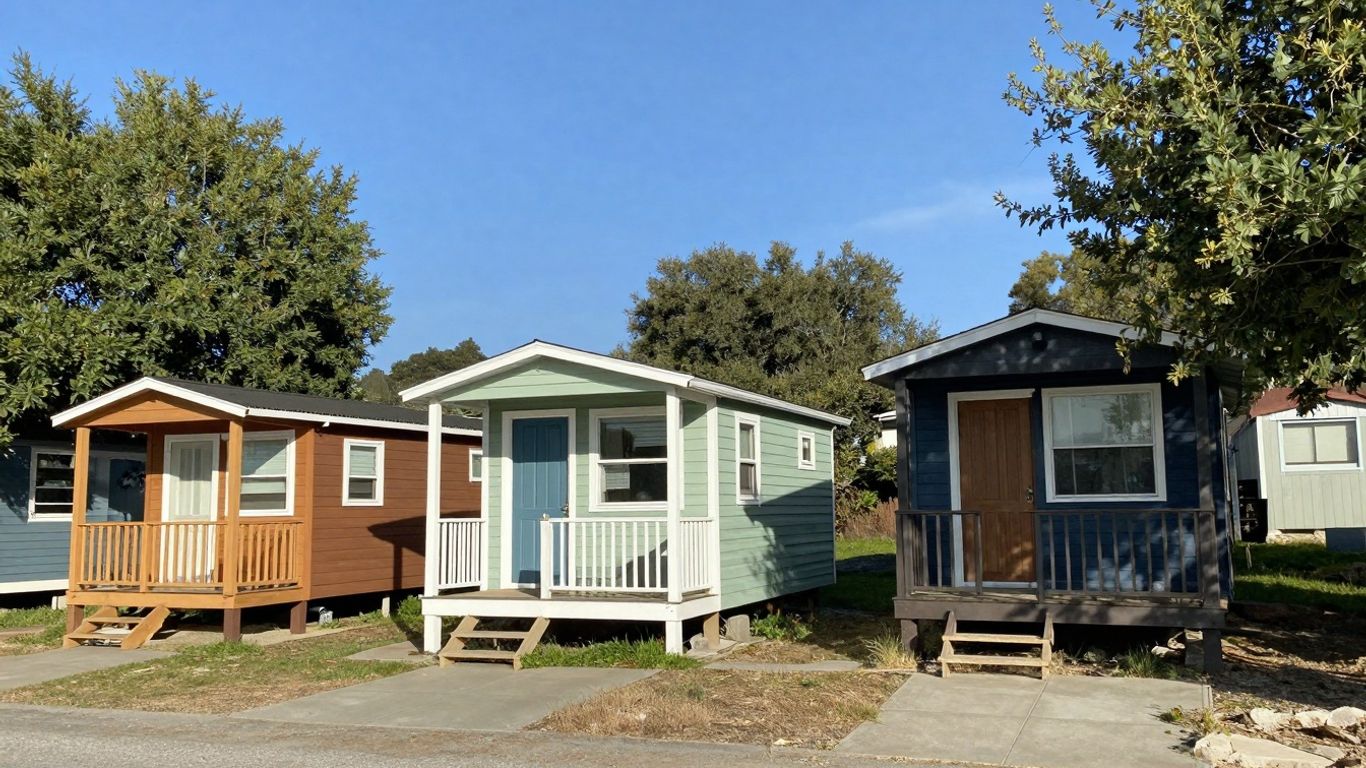
California is a pretty welcoming place for folks interested in tiny living, and that means there are some cool communities popping up. These spots offer a way to live small without feeling isolated, often with built-in amenities that make life easier. It’s not just about having a small house; it’s about being part of a place designed for this lifestyle.
Delta Bay: A Lakeside Tiny Home Haven
If you’re looking for a tiny home community with a bit of a resort feel, Delta Bay might be your spot. It’s situated between the major hubs of San Francisco and Sacramento, making it convenient for those who need to be near the city but want to escape the hustle. This place isn’t just about tiny homes; it’s a whole lifestyle.
They’ve got a boat launch and storage, which is pretty neat if you’re into water activities. Plus, there’s a community garden, a dog park (because Fido needs a good life too!), a fitness center, and even free Wi-Fi. Full hookups and laundry facilities are standard, and there’s an outdoor pool to help you relax. It’s a well-rounded community for anyone wanting to embrace tiny living by the water.
Tiny House Block: Mountain Views and Amenities
For those who prefer mountain air and scenic vistas, Tiny House Block in Mt. Laguna offers a different kind of charm. This community focuses on providing the essentials for comfortable tiny living with a backdrop of gorgeous mountain views. You’ll find amenities like free Wi-Fi and parking, an outdoor fire pit perfect for cool evenings, and a picnic area for gatherings. Plus, its proximity to hiking trails means you can easily step out your door and explore the natural beauty around you. It really makes the tiny home experience feel more connected to the outdoors.
Paradise Tiny Home Community: Desert Living
Heading south, Paradise Tiny Home Community is located in Desert Hot Springs, putting you right in the heart of the Coachella Valley. This community offers a taste of desert living with a good set of amenities designed to make tiny home life enjoyable. Residents can take advantage of a clubhouse, a workout room, a pool area, and outdoor fire pits. It’s a place where you can enjoy the unique landscape of the desert while still having access to community features that enhance the living experience.
These communities often provide a structured environment for tiny home dwellers, addressing some of the common challenges like finding legal parking or establishing a sense of neighborhood. They can be a great starting point for those new to the tiny home movement.
Key Counties and Their Tiny Home Policies
Humboldt County’s Approach to Tiny Homes
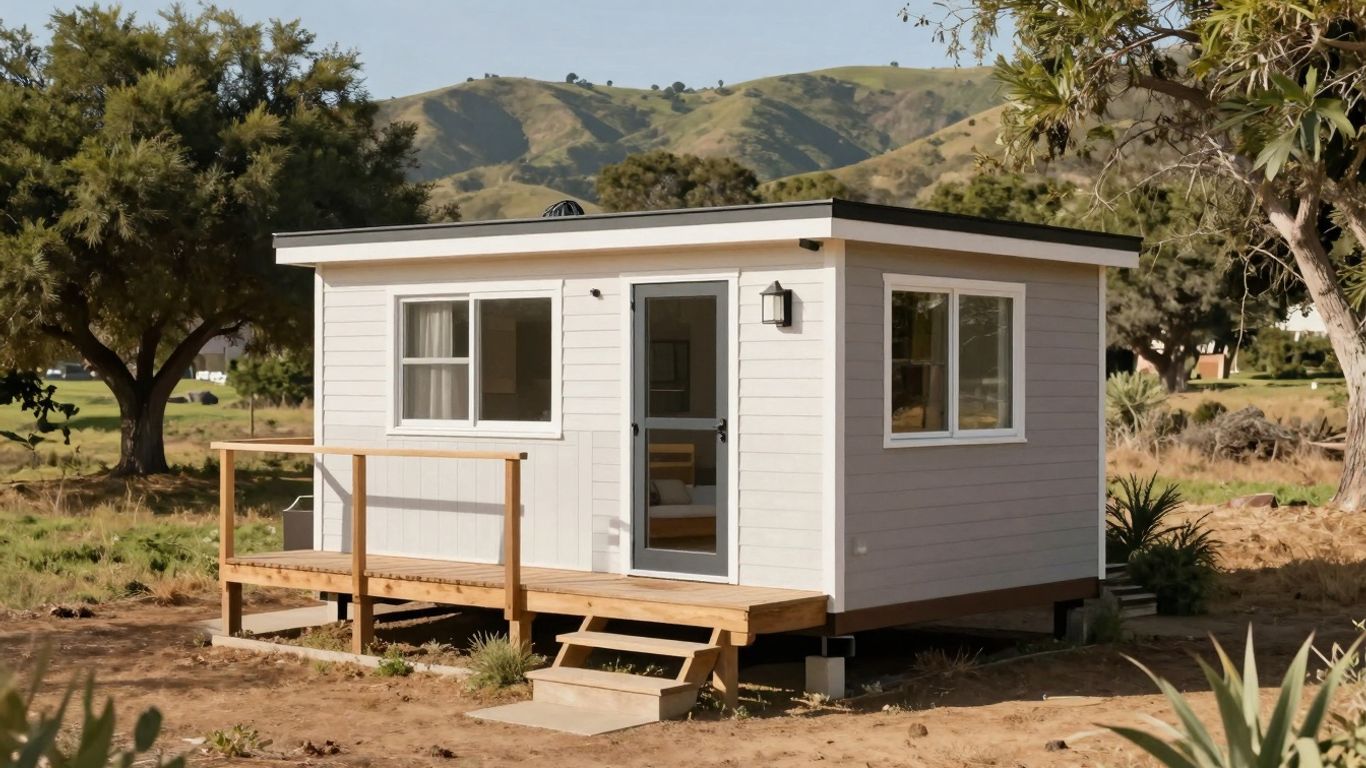
Humboldt County has a pretty open approach to tiny homes, even letting park-model tiny homes be permanent dwellings. This is usually allowed in the inland parts of the county, especially when they’re set up as Accessory Dwelling Units (ADUs). They can also be permanent homes in manufactured home parks or special tiny home villages. Just remember, these moveable tiny homes need to meet the ANSI 119.5 standards. It’s a good idea to check with the county directly to make sure your plans fit their specific rules.
Imperial County’s Permissive Stance
Imperial County is definitely on the friendly side when it comes to tiny homes, including park models. Their building regulations, found in Title 9 Division 10, permit tiny homes as long as they follow the 2019 California Building Code. This covers a few types of tiny homes: recreational vehicles, manufactured homes (which include park models), modular homes, and even site-built ones. If you’re thinking about making the move to tiny living in this area, it seems pretty straightforward.
Kern County’s Specific Park Model Rules
Kern County also welcomes tiny homes, following the 2022 California Building Code. For a tiny home to be considered, it generally needs a minimum ceiling height of 7 feet. A single room should have at least 120 square feet, and any extra rooms need at least 70 square feet each. When it comes to park model tiny homes, Kern County has a specific rule: they are only allowed in designated RV parks or special occupancy parks. So, while tiny homes are permitted, the placement of park models is more restricted. It’s always best to confirm with the county planning department about where exactly you can place a park model tiny home.
Here’s a quick look at some general requirements:
- Minimum Ceiling Height: 7 feet
- Single Room Minimum Area: 120 sq ft
- Additional Room Minimum Area: 70 sq ft
It’s important to remember that while many counties adopt the California Building Code, local interpretations and specific zoning ordinances can create variations. Always verify with the local planning or building department before making any commitments.
Many areas in California are becoming more open to tiny homes, but understanding the specific rules for each county is key. For instance, while tiny homes on wheels are gaining acceptance, their use as permanent residences often comes with specific conditions, especially for park models. Always do your homework with the local authorities.
Navigating Park Model Tiny Homes in California
Park model tiny homes are a specific type of tiny dwelling that often gets a lot of attention. They’re built to be more like a traditional house, but they’re still on wheels, which can make things a bit confusing when it comes to regulations. In California, these homes are generally permitted, but understanding the specifics is key. They’re often treated as a type of tiny home on wheels (THOW) and can sometimes be used as Accessory Dwelling Units (ADUs).
Park Models as Permanent Residences
So, can you actually live in a park model full-time in California? The answer is usually yes, but it really depends on where you are. Some cities and counties are totally fine with you using a park model as your main home, especially if it’s placed in a designated RV park or a special occupancy park.
Others might have stricter rules, requiring it to be on a permanent foundation or only allowing them in specific zones. It’s always a good idea to check with your local planning department to see what their stance is. Many areas are becoming more open to these types of dwellings, recognizing them as a viable housing option.
ANSI 119.5 Standards Compliance
When you’re looking at park model tiny homes, you’ll often hear about ANSI 119.5 standards. This is a set of guidelines that these types of homes typically need to meet, especially if they’re going to be used as a permanent residence. It’s basically a safety and construction standard. Making sure your park model complies with these standards is a big step towards getting it approved in many California locations. It shows the home was built with certain quality and safety measures in mind.
Distinguishing Park Models from Other Tiny Homes
It’s important to know how park models differ from other tiny homes. While both are small, park models are usually built to look more like a conventional house and are designed for longer-term stays, often in a specific park setting. They might have more features that resemble a standard home, like a more traditional roofline or exterior finishes.
Other tiny homes, especially those built on trailers, might be more focused on mobility and might not meet the same specific standards as a park model. Understanding these differences helps when you’re trying to figure out which type of tiny home fits your needs and local rules. For instance, some areas might allow ADUs that are tiny homes but have specific requirements for park models [3588].
Here’s a quick rundown of what to consider:
- Size: Park models often have a maximum width of 8.5 feet and a length of 40 feet, though this can vary.
- Foundation: While they have wheels, they are often intended to be placed on a more permanent foundation or in a designated park.
- Utilities: They are typically designed to connect to standard utility hookups.
- Standards: Compliance with ANSI 119.5 is frequently a requirement.
When looking into park models, remember that while they are built on wheels, the intention is often for them to be situated in one place for an extended period. This distinction is important for how local governments view them in terms of zoning and building codes. Always confirm local regulations before making a purchase.
Cities Embracing Tiny Living in California
California is really opening up to the idea of smaller living spaces, and some cities are leading the charge. It’s not just about having a smaller footprint; it’s about affordability, simplicity, and a different way of life. While statewide regulations set a baseline, individual cities often have their own specific rules and approaches, especially when it comes to Accessory Dwelling Units (ADUs) which can be a pathway for tiny homes.
Anaheim’s Acceptance of Tiny Homes
Anaheim is making it easier for people to consider tiny homes, particularly by integrating them into their ADU policies. This means that if you’re looking to place a tiny home on your property as a secondary dwelling, Anaheim’s planning department is a good place to start. They’ve worked to align their local ordinances with the state’s ADU laws, which can simplify the process for homeowners wanting to add a tiny home.
San Jose’s ADU Focus for Tiny Homes
San Jose has been quite proactive in promoting ADUs, and this naturally extends to tiny homes. Their approach often involves clear guidelines on how tiny homes can be permitted as ADUs, focusing on safety and zoning compliance. The city encourages these smaller structures as a way to address housing needs and offer more diverse housing options. It’s worth checking their specific building and planning department for the latest details, as policies can evolve.
Fresno’s Detailed Tiny Home Guidelines
Fresno has put forth some pretty specific rules for tiny homes, showing a commitment to regulating this housing type. They’ve established detailed guidelines that cover aspects like size, placement, and utility connections. This level of detail can be helpful for potential tiny home dwellers, as it provides a clearer picture of what’s expected. Their approach aims to ensure that tiny homes fit within the existing community while meeting safety standards.
Here’s a general idea of what you might find in city guidelines:
- Minimum Room Sizes: Often, there’s a requirement for at least one habitable room to be a certain size (e.g., 120 sq ft) and other rooms to meet a smaller minimum (e.g., 70 sq ft).
- Foundation Requirements: Some cities may require tiny homes to be on a permanent foundation, while others allow for wheeled structures under specific conditions.
- Utility Hookups: Clear rules about connecting to water, sewer, and electricity are usually in place.
- Zoning Restrictions: Where you can legally place a tiny home is often dictated by zoning laws, with specific areas designated for ADUs or RVs.
It’s always a good idea to contact the local planning or building department directly. They are the best source for the most current and accurate information regarding tiny home regulations in their specific jurisdiction. Policies can change, and direct communication avoids misunderstandings.
Cost and Size Considerations for California Tiny Homes
So, you’re thinking about a tiny home in California? That’s awesome! But before you start dreaming about your minimalist abode, let’s talk about the nitty-gritty: cost and size. It’s not just about fitting into a small space; it’s about fitting your budget and meeting the state’s rules.
Average Building Costs for Tiny Homes
Building a tiny home isn’t exactly cheap, but it’s usually way less than a traditional house. Generally, you’re looking at spending somewhere between $30,000 and $60,000 for a basic build. This figure doesn’t include the land, mind you, or any fancy upgrades. If you’re eyeing a more luxurious park model tiny home, the price tag can jump up to $90,000 or even $100,000. It really depends on the materials, the complexity of the design, and what features you want included.
Minimum Size Requirements in California
California has some specific rules about how small a room can be. The 2022 California Building Code is the main guide here. It says that every permanent residence needs at least one room that’s 120 square feet. Any other rooms you add need to be at least 70 square feet each. This means your tiny home probably can’t be smaller than 120 square feet overall to meet these basic living space requirements. It’s not a huge space, but it’s enough to ensure there’s a decent-sized main room.
Luxury Park Model Pricing
Park model tiny homes are a bit different. They’re often built to be more like a small, permanent dwelling and can come with more amenities. Because of this, they tend to cost more. Think of it like this:
- Standard Tiny Home: Basic, functional, and fits the “tiny” definition.
- Park Model Tiny Home: Often larger, more features, and designed for longer-term stays.
While a basic tiny home might be in the $30k-$60k range, a well-appointed park model can easily push into the $90k-$100k+ bracket. This higher cost reflects the added square footage, higher-quality finishes, and the fact that they are often built to meet specific residential standards beyond just a basic dwelling.
When planning your tiny home budget, remember to factor in all the potential costs. This includes not just the structure itself but also land acquisition or rental, utility hookups, permits, and any site preparation needed. It’s easy to get caught up in the dream of a tiny house, but the practical financial aspects are just as important to consider upfront.
Here’s a quick look at how costs can stack up:
| Type of Tiny Home | Estimated Cost Range (Excluding Land) |
|---|---|
| Basic Tiny Home | $30,000 – $60,000 |
| Luxury Park Model | $90,000 – $100,000+ |
It’s always a good idea to get detailed quotes from builders and to research land and permit costs in your specific area of California. Prices can vary a lot depending on where you decide to place your tiny home.
So, What’s the Takeaway on Tiny Homes in California?
Alright, so we’ve talked a lot about tiny homes in California. It seems like the big thing to remember is that while the state has some general rules, like ceiling height and minimum room sizes, each city and county can have its own specific take on things.
So, if you’re thinking about going tiny, definitely do your homework on your local area first. It’s not always a straightforward yes or no, but with a little digging, you can figure out if it’s a good fit for you. There are even some cool communities popping up, which is neat if you want that built-in social vibe. It’s definitely a growing trend, and it looks like California is pretty open to it, as long as you follow the local guidelines.
Frequently Asked Questions
What are the basic rules for tiny homes in California?
In California, tiny homes generally need to follow the state’s building code. This usually means having a ceiling that’s at least 7 feet and 6 inches high. One main room should be 120 square feet, and any other rooms need to be at least 70 square feet. But remember, local towns and cities can have their own specific rules, so always check with them first!
Do I need a permit to put a tiny home in California?
Most of the time, yes, you’ll need a permit. If you plan to use your tiny home as an extra dwelling unit (ADU) on someone’s property, you’ll likely need a special permit. It’s super important to talk to your local city or county building department to find out exactly what permits you need before you start.
Are there places in California where I can live in a tiny home community?
Yes, California is quite welcoming to tiny living! There are several communities designed for tiny homes. Places like Delta Bay offer lakeside living with lots of amenities, while Tiny House Block provides mountain views and hiking. Paradise Tiny Home Community is another option for desert living.
What’s the difference between a tiny home and a park model tiny home?
Think of park model tiny homes as a specific type of tiny home that’s built to certain standards (like ANSI 119.5) and is often on wheels, but designed to be more like a permanent dwelling. They are generally larger than typical RVs but smaller than traditional houses. Both are considered types of tiny homes.
How much does it typically cost to build a tiny home in California?
Building a basic tiny home usually costs somewhere between $30,000 and $60,000, not including the land. If you’re looking for a fancier park model with more features, the price can go up to around $90,000 to $100,000.
Can I live in a park model tiny home all year round in California?
In many parts of California, you can live in a park model tiny home full-time. However, the rules vary a lot by location. Some places allow it if it’s on a permanent foundation or in a special park, while others might not allow it as a permanent home at all. Always check your local rules!