
Tiny Home Colorado
Have you been looking for what is the best tiny home Colorado has to offer? Colorado is one of the most beautiful states in the union and a great place to have a tiny home in. Thinking about a tiny home in Colorado? It’s a pretty cool idea, right? Imagine a simpler life surrounded by those amazing mountains. But before you start packing, there’s a bit to figure out. We’re going to look at what goes into building one, where you can actually live in one, and some of the companies that can help you make it happen. It’s not just about having a small house; it’s about a whole lifestyle change, especially here in Colorado.
Key Takeaways
- Colorado offers various options for building custom tiny homes, including backyard retreats and garage conversions, with attention to local zoning laws.
- Several tiny home communities exist across Colorado, such as Gemenskäp in Fairplay and Peak View Park in Woodland Park, offering unique living experiences.
- Builders like Frontier Tiny Homes in Colorado focus on quality, affordable, and luxurious tiny home designs, with models like Perpetua, Felicity, and Agatha.
- Understanding the difference between ‘tiny homes’ and ‘tiny houses’ is important in Colorado, especially regarding permanent chassis and foundation systems regulated by the Department of Housing.
- Living in a tiny home in Colorado can mean enjoying mountain life in places like Fairplay or year-round stays in areas like Woodland Park and Grand Junction.
Building Your Tiny Home Vision In Colorado
So, you’re thinking about building a tiny home here in Colorado or inquiring about tiny home communities in Colorado? It’s a big step, but totally doable. Whether you’re picturing a cozy little spot in your backyard for guests, or maybe converting an old garage into something useful, the first thing to remember is that it’s all about making your idea a reality.
Custom Tiny Home Designs
When we talk about custom tiny homes, we’re really talking about making a space that fits you. It’s not just about shrinking a regular house; it’s about rethinking how you live. Think about what you absolutely need and what you can live without. Do you need a big kitchen for cooking elaborate meals, or is a simple setup fine? How much storage do you really require? Designing a tiny home is a chance to be really intentional about your space. It’s about smart layouts and multi-functional furniture. You can get really creative with it, choosing finishes and features that make it feel like home, just… smaller.
Backyard Retreats and Garage Conversions
These are super popular ways to get into tiny living without necessarily building a full-blown, standalone tiny house on a separate lot. A backyard retreat, often called an Accessory Dwelling Unit (ADU), can be anything from a simple studio to a more complete living space. It’s a great way to add value to your property and provide extra space for family, renters, or even a home office.
Garage conversions are similar; you’re taking an existing structure and giving it a new life. This can often be more cost-effective than building from scratch because you’re already working with walls and a roof. It just needs a bit of imagination and some good construction work to turn that dusty old garage into a functional living area.
Navigating Colorado Zoning Laws
Okay, this is where things can get a little tricky, but it’s super important. Colorado has a lot of different rules depending on where you are. Some towns and counties are really friendly to tiny homes, while others have stricter regulations. You’ll need to look into local zoning ordinances.
This means checking things like minimum square footage requirements, whether tiny homes are allowed as primary residences or only as accessory units, and what kind of foundation they need. It’s always best to talk to your local planning or building department before you get too far into planning your build. They can tell you what’s allowed and what permits you’ll need. It might seem like a hassle, but getting this right from the start saves a lot of headaches later on.
Building a tiny home in Colorado involves more than just the design and construction. You’ve got to be aware of the local rules and regulations. Each county and city can have its own set of guidelines, so doing your homework on zoning laws is a big part of the process. It’s about finding a place where your tiny home dream fits within the existing community and legal framework.
Exploring Colorado Tiny Home Communities
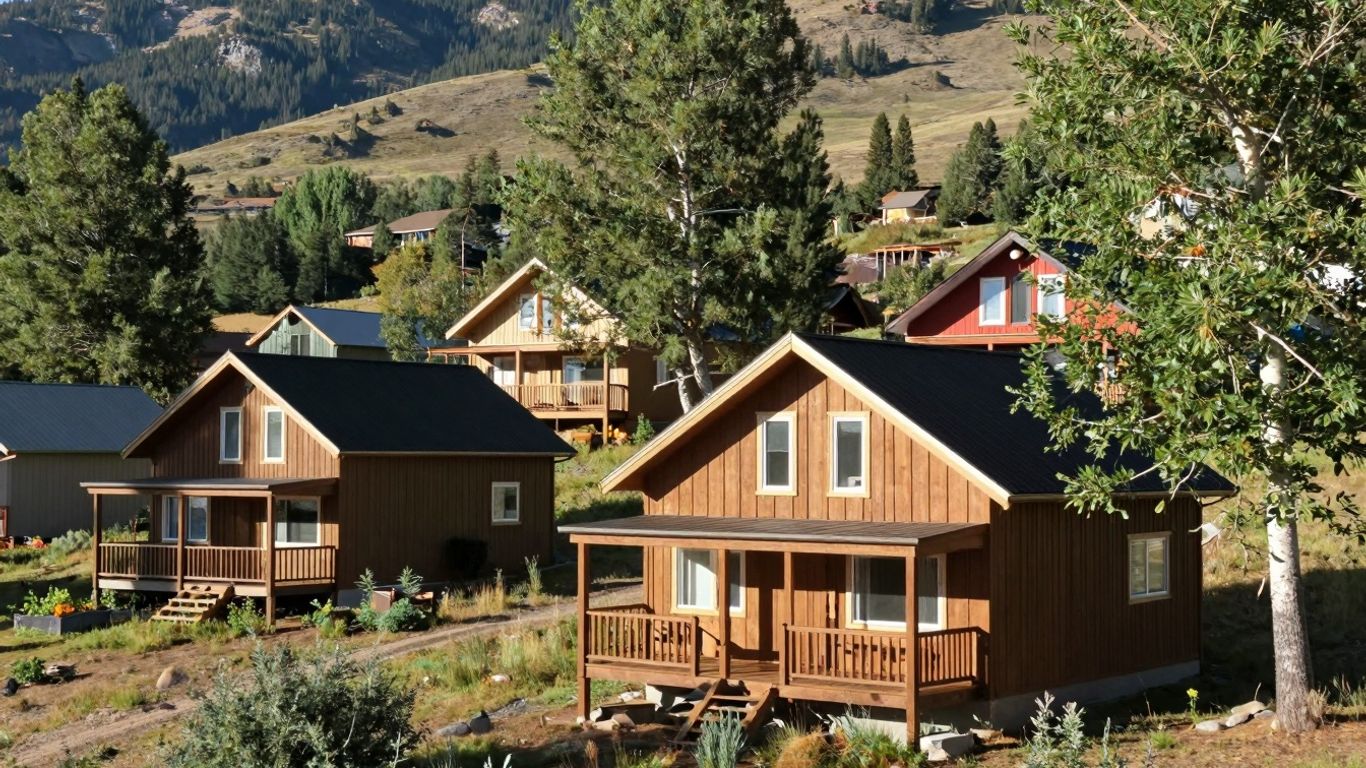
Colorado’s landscape is dotted with unique communities where tiny home living is more than just a trend; it’s a lifestyle. These places offer a chance to connect with nature and like-minded people, often with stunning mountain backdrops. Finding the right community can really shape your tiny home experience.
Gemenskäp Tiny Home Community in Fairplay
Nestled high in the Colorado mountains, Gemenskäp (meaning ‘community’ in Swedish) offers a serene escape. It’s designed for those who want to live simply and intentionally, surrounded by the natural beauty of the Mosquito Range. Think crisp mountain air and starry nights. It’s a place where neighbors often share a passion for sustainability and a slower pace of life.
Peak View Park in Woodland Park
Located in the charming town of Woodland Park, often called the “City Above the Clouds,” Peak View Park provides a year-round haven. This community is particularly welcoming to RVs and park model tiny homes, offering a comfortable base for exploring the Pikes Peak region. It’s a great spot if you want access to outdoor adventures while still being close to town amenities.
Chateau Chaparral in Nathrop
Chateau Chaparral, situated in Nathrop near the Collegiate Peaks, is a popular spot that caters to both short-term visitors and longer-term residents. While it’s known as an RV resort, it also accommodates park model tiny homes, providing a friendly atmosphere and a variety of amenities. It’s a good option for those looking for a more established community with good facilities.
These communities often have specific rules and guidelines, so it’s always a good idea to reach out directly to learn about lot availability, fees, and the general vibe before making a move. They can range from very rustic and self-sufficient to more amenity-rich developments.
Here’s a quick look at what some of these communities might offer:
- Location: Proximity to outdoor recreation, towns, and services.
- Amenities: Common areas, utilities (water, sewer, electricity), Wi-Fi, laundry facilities.
- Community Focus: Emphasis on sustainability, shared activities, or a quiet retreat.
- Home Types: Whether they primarily host RVs, park models, or custom-built tiny homes on wheels or foundations.
Luxury Tiny Home Builders In Colorado
When you’re looking for a tiny home that’s a step above the rest, Colorado has some builders who really focus on quality and making things feel luxurious. These aren’t just small houses; they’re designed with attention to detail, better materials, and often, more sophisticated layouts. Think of it as getting all the charm of a tiny home but with a premium feel.
Frontier Tiny Homes: Quality and Affordability
Frontier Tiny Homes is a family-run business out of the Colorado mountains. They aim to build high-quality, luxurious tiny homes without making them break the bank. They started because they saw a need for homes that were both nice to live in and reasonably priced. Even though they’re newer to the building scene, they put a lot of care into every part of the construction. They focus on making homes that are functional, energy-efficient, and built to last.
Here’s a look at what they emphasize:
- Quality Construction: Using good materials and careful building practices.
- Affordability: Striving to offer luxury at a more accessible price point.
- Functionality: Designing spaces that work well for everyday living.
- Energy Efficiency: Building homes that are good for the environment and your utility bills.
Meet The Perpetua Model
The Perpetua is one of Frontier Tiny Homes’ larger designs. It’s a two-story model that can have up to four bedrooms. The main floor usually includes a master bedroom, a decent-sized living area, a full kitchen, and a complete bathroom. The extra bedrooms are upstairs, making it a good option for families or those who need extra space for guests or a home office.
Explore The Felicity and Agatha Designs
Frontier Tiny Homes also offers the Felicity and Agatha models, each with its own unique features. The Felicity comes in a 10′ wide version, offering more space. It’s also a two-story design with two bedrooms upstairs, a living room, a full kitchen, and a bathroom on the main level.
The Agatha is a bit different, being a single-level tiny home. It features two loft areas, a full bathroom with a walk-in shower, a kitchen with a bay window, and a living room that boasts a fireplace and vaulted ceilings. These designs show a commitment to creating comfortable and stylish tiny living spaces.
When choosing a luxury tiny home builder, it’s good to look at their past projects and talk to them about your specific needs. They should be able to show you how they incorporate high-end finishes and smart design into a smaller footprint. It’s about making the most of every square foot without sacrificing comfort or style.
Understanding Tiny Homes In Colorado
So, you’re thinking about a tiny home in Colorado. That’s awesome! But before you start sketching out floor plans, let’s clear up a few things. It’s easy to get confused between a “tiny home” and a “tiny house,” and knowing the difference is pretty important, especially when it comes to regulations.
Tiny Homes vs. Tiny Houses
Think of it this way: a tiny house is often built on wheels, like an RV, and might be subject to different rules than a structure on a foundation. A “tiny home,” on the other hand, is typically built to be more permanent. It might sit on a permanent foundation or a chassis that’s meant to stay put. This distinction matters a lot because it affects where you can legally place your home and what building codes apply. The key difference often comes down to whether it’s on wheels and intended for frequent moves or built as a more stationary dwelling.
Permanent Chassis and Foundation Systems
When we talk about tiny homes in Colorado, especially those intended for longer-term living, the foundation is a big deal. Some tiny homes are built on a permanent chassis, which is essentially a steel frame that provides a solid base. This chassis can then be placed on various foundation systems, from concrete slabs to piers. Understanding these options is key to ensuring your tiny home is stable, safe, and compliant with local building requirements. It’s not just about the size; it’s about how it’s anchored to the ground.
Department Of Housing Oversight In Colorado
Colorado has specific rules about building and housing, and the Department of Housing (DOH) plays a role, particularly for factory-built structures. For tiny homes that are approved by the DOH, plans need to be submitted for approval before construction begins. These homes are designed with local conditions in mind but must meet specific codes.
It’s worth noting that in areas of Colorado without their own building departments, the DOH often steps in to oversee construction, especially for factory-built homes and those on permanent foundations. This oversight helps ensure that these dwellings are safe for long-term occupancy, much like modular or HUD code homes. You can find more information on building codes relevant to your property here.
Building a tiny home involves more than just shrinking a traditional house. It requires careful consideration of local regulations, foundation types, and the specific definitions used by governing bodies. Getting this right from the start saves a lot of headaches down the road.
Here’s a quick rundown of what to consider:
- Zoning Laws: Each county and town in Colorado has its own rules about where tiny homes can be placed and what size they can be. This is probably the biggest hurdle.
- Building Codes: Tiny homes need to meet safety and construction standards. These can vary depending on whether the home is on wheels or a foundation.
- Utilities: Hooking up water, sewer, and electricity can be straightforward or complicated, depending on the location and the type of tiny home.
- Financing and Insurance: These can sometimes be trickier for tiny homes compared to traditional houses, so it’s good to research options early.
Tiny Home Living Across Colorado
Mountain Living In Fairplay
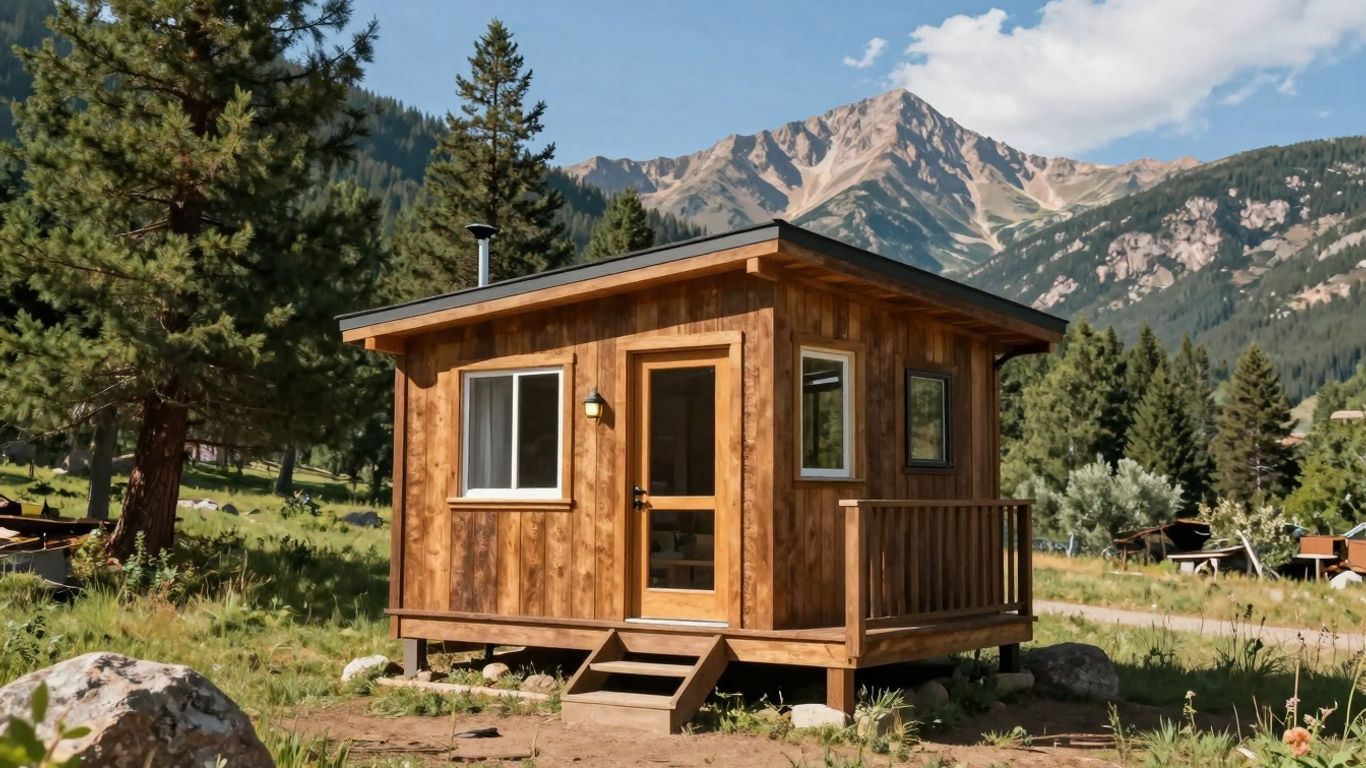
Fairplay, Colorado, offers a unique mountain lifestyle that many find appealing for tiny home living. Nestled in the high country, places like Gemenskäp Tiny Home Community and Whispering Aspen Village provide a setting that blends natural beauty with a sense of community. Imagine waking up to stunning mountain views and having easy access to outdoor activities. It’s a chance to live a simpler life, closer to nature, without sacrificing comfort. This area is great for those who appreciate the outdoors and want a peaceful place to call home.
Year-Round Retreats In Woodland Park
Woodland Park, often called the “City Above the Clouds,” is another fantastic spot for tiny home enthusiasts. Peak View Park is a notable community here, welcoming both RVs and park model tiny homes. Its location offers a serene environment year-round, with opportunities for hiking, fishing, and enjoying the crisp mountain air. The town itself has amenities that make living there convenient, making it a popular choice for those seeking a permanent or seasonal retreat. It’s a place where you can truly disconnect and recharge.
Convenient Stays In Grand Junction
For a different vibe, consider Grand Junction. Junction West RV Park is a good example of a place that accommodates tiny homes, offering a more accessible and perhaps less remote experience than the mountain towns. This area provides a balance of natural beauty, with the Colorado National Monument nearby, and the conveniences of a larger city. It’s an excellent option for people who want the tiny home lifestyle but still want easy access to shopping, dining, and other services. This makes it a practical choice for everyday living.
Tiny homes in Colorado are finding their place in diverse settings, from high mountain valleys to more accessible city outskirts. Each location offers a distinct lifestyle, catering to different preferences for nature, community, and convenience. The key is finding the spot that best matches your vision for simple, intentional living.
Here are some things to think about when choosing your location:
- Climate Considerations: Colorado’s weather can vary greatly. Mountain towns get significant snow, while areas like Grand Junction are drier and warmer. Think about how you’ll handle the seasons.
- Community Amenities: Some communities are more developed than others. Look into what’s available nearby, like grocery stores, healthcare, and recreational facilities.
- Access to Services: Consider how easy it is to get to essential services. Some tiny home dwellers prefer to be closer to towns, while others seek more seclusion.
- Local Regulations: Always check the specific rules for tiny homes in any area you’re considering. Zoning laws can differ significantly from one county or town to another. Understanding Colorado zoning laws is a big part of this.
Wrapping Up Your Tiny Home Journey in Colorado
So, that’s a look at the tiny home scene here in Colorado. It’s clear there are a lot of options, whether you’re thinking about building one from scratch with companies like Colorado Tiny Homes or Frontier Tiny Homes, or maybe looking for a spot to park it in places like Gemenskäp Tiny Home Community or Peak View Park.
The state has rules, sure, but it seems like there’s a path forward for most people wanting this lifestyle. It’s a big change, no doubt, but one that many are finding works for them, offering a simpler way to live surrounded by all this amazing mountain scenery. If you’ve been curious, hopefully, this gives you a good starting point to figure out your next steps.
Frequently Asked Questions
What’s the difference between a tiny home and a tiny house in Colorado?
A tiny home in Colorado often has a permanent frame and can be put on a foundation, just like a regular house. A tiny house might be built on wheels. Both are small, but tiny homes are usually meant to stay in one spot for a long time.
Can I put a tiny home in my backyard in Colorado?
It really depends on the town or county rules. Some places allow backyard tiny homes, especially if they’re on a foundation. It’s best to check with your local government to see what’s allowed in your area.
Are tiny homes legal to live in full-time in Colorado?
Yes, many tiny homes are built to be lived in all year round. They need to meet certain building rules, and where you can put them often depends on local zoning laws. Some communities are specifically designed for tiny home living.
What are some tiny home communities in Colorado?
Colorado has several cool places where people live in tiny homes. You can find communities in areas like Fairplay (Gemenskäp Tiny Home Community), Woodland Park (Peak View Park), and Nathrop (Chateau Chaparral). These spots offer a unique way to live closer to nature.
Who builds fancy tiny homes in Colorado?
Companies like Frontier Tiny Homes build high-quality, stylish tiny homes. They focus on making them look good and be affordable, offering different designs like the Perpetua, Felicity, and Agatha models.
Do I need special permission to build a tiny home in Colorado?
You’ll need to follow local building codes and zoning laws. For factory-built tiny homes, the Department of Housing (DOH) might need to approve the plans. Always talk to your local building department first to understand the requirements.