
Tiny House in Delaware
Thinking about a tiny house or investing in tiny home communities in Delaware? It’s a great idea, especially with the state’s housing market getting tighter. Whether you’re looking to build one from scratch, buy a pre-made one, or even just understand the rules, this guide is for you. We’ll cover what you need to know about Delaware’s regulations, building tips, and where to find your perfect tiny home.
Key Takeaways
- Delaware doesn’t have statewide tiny house laws; regulations vary by city and county, so always check local zoning first.
- Accessory Dwelling Units (ADUs) are a common way to add a tiny house, but rules about their size and placement differ locally.
- When building, consider Delaware’s climate by using good insulation and materials that hold up to heat and humidity.
- Think about where your tiny house will go and how to make the most of outdoor space, especially with features like decks or solar panels.
- Finding the right builder who understands local rules and your specific needs is important for a successful tiny house project in Delaware.
Understanding Delaware Tiny House Regulations
So, you’re thinking about a tiny house in Delaware? That’s awesome! But before you start dreaming about your cozy little abode, we need to talk about the rules. It’s not always straightforward, and honestly, it can feel a bit like a maze sometimes.
Navigating Local Zoning for Your Tiny House in Delaware
This is where things get really specific. Delaware doesn’t have one big, statewide rulebook for tiny homes. Instead, each town, city, and county gets to make its own decisions. This means what’s allowed in Wilmington might be a no-go in Dover. Your first and most important step is to contact the planning and zoning department in the exact area where you want to put your tiny house. They’ll have the most up-to-date information on:
- Minimum lot sizes
- Setback requirements (how far your house needs to be from property lines and other structures)
- Height restrictions
- Whether tiny homes are permitted as a primary dwelling or only as an accessory unit.
It’s a bit of legwork, but it’s way better than finding out later that your dream spot isn’t legal.
Accessory Dwelling Unit (ADU) Laws in Delaware
Many people looking at tiny homes are actually considering them as Accessory Dwelling Units, or ADUs. Think of an ADU as a second, smaller living space on your property, separate from your main house. It needs its own kitchen, bathroom, and place to sleep.
- Size Limits: Most places in Delaware that allow ADUs have size restrictions. These can range quite a bit, but often they’re capped at around 800 to 1,000 square feet, and usually can’t be larger than the main house.
- Placement: There are also rules about how close an ADU can be to your main home and your property lines. A common guideline is a few feet for side setbacks and maybe 10 feet away from the primary dwelling, but always check locally.
- Types of ADUs: Whether you’re looking at a prefab cabin or a modular unit, local rules will apply. Some areas might be more open to certain types than others.
The key takeaway here is that while the concept of an ADU is generally understood, the specifics are entirely local. Don’t assume anything; always verify with your municipality.
Permitting and Compliance for Tiny Homes
Once you’ve figured out the zoning and ADU rules, you’ll need to get permits. This is non-negotiable. Building a tiny home, whether it’s on a foundation or a trailer (though trailer-based homes often fall under RV regulations and might not be allowed as permanent dwellings), requires official approval.
- Building Permits: You’ll need a general building permit to ensure your structure meets safety and construction codes.
- Specialty Permits: Depending on your setup, you might also need separate permits for electrical, plumbing, and HVAC work.
- Inspections: Throughout the building process, your work will likely be inspected to make sure it’s up to code.
Getting all your permits in order can seem like a hassle, but it’s what makes your tiny home safe, legal, and a good investment. Skipping this step can lead to major headaches down the road, including fines or even being forced to remove your home.
Key Considerations for Your Delaware Tiny House Build
Climate-Specific Building Materials and Insulation
When you’re planning a tiny house in Delaware, you’ve got to think about the weather. Summers can get pretty sticky and humid, and winters can bring a chill. Good insulation is your best friend here. It’s not just about keeping the heat out in summer; it’s also about keeping it in when it’s cold. Spray foam insulation is a popular choice because it seals up all the little gaps and has a high R-value, meaning it’s really good at stopping heat transfer.
Using standard wood framing, like 2x4s, also helps keep things airtight. For the outside, materials like LP SmartSide are tough and don’t warp or change much with the weather, plus you can paint them any color you want. It’s all about making your tiny home comfortable year-round without running your energy bill through the roof.
HVAC and Humidity Control for Comfort
Delaware’s humidity can be a real challenge, especially in the summer. You’ll want a solid HVAC system that can handle both heating and cooling efficiently. But don’t stop there. Think about adding a dehumidifier, especially if you’re sensitive to that sticky feeling. This works hand-in-hand with your insulation and ventilation to keep the air fresh and dry. A well-managed indoor environment makes a huge difference in how comfortable your tiny space feels. It prevents mold and mildew too, which is always a good thing.
Incorporating Outdoor Living Spaces
Tiny living isn’t just about the inside; it’s also about making the most of your surroundings. A deck or a small patio can really expand your living area, especially if you’re near the coast or just enjoy spending time outside. It’s like adding an extra room, but without the construction costs. Think about how you’ll use this space – for morning coffee, evening meals, or just relaxing.
Good landscaping around your tiny home can also add shade and privacy, making your outdoor space even more inviting. It’s amazing how much more spacious a tiny home can feel when you have a nice outdoor area to spill into.
Exploring Tiny House Options in Delaware
Prefab vs. Modular Tiny Homes in Delaware
When you’re looking at tiny homes in Delaware, you’ll run into two main ways they’re built: prefab and modular. It’s not a huge difference, but it matters for how they get to your site and how they’re put together. A prefab tiny home is built completely in a factory. Think of it as one big unit that’s shipped out and then just placed on its foundation. It’s pretty much ready to go once it arrives.
Modular tiny homes, on the other hand, are also built in a factory, but they come in sections. These sections are then brought to your property and assembled by a construction crew. It’s like putting together a puzzle, but with walls and a roof. Both types have to meet building codes, and in Delaware, local rules usually treat them the same as long as they’re put on a solid foundation. The main thing is to check with your local building department to see what they prefer or require.
Can Log Cabins Be Used as Tiny Homes?
Absolutely! Log cabins can definitely be a cozy option for tiny living in Delaware. If you’re thinking about using one as an Accessory Dwelling Unit (ADU), it’s a good idea to see if it fits within your town’s size limits for those. Rural areas might be more open to log cabin ADUs, but you still need to check local rules about how close they can be to your main house, how tall they can be, and if they need to look similar to your existing home. It’s always best to get the green light from your building department before you buy.
Modern Cabin Designs for Tiny Living
Modern cabins are another great choice for tiny homes in Delaware. They offer a sleek, contemporary look that many people are drawn to. Just like with log cabins, you’ll need to make sure your chosen design meets local requirements for size, height, and setbacks. Some towns allow ADUs up to 1,000 square feet, while others are much stricter. The key is always checking with your local zoning office. A design that works in one town might need some tweaks to be approved in another. It’s all about making sure it fits the local picture.
| Type of Tiny Home | Construction Method |
|---|---|
| Prefab | Built entirely in a factory, shipped as one unit |
| Modular | Built in sections in a factory, assembled on-site |
| Log Cabin | Traditional log construction, can be factory-built or on-site |
| Modern Cabin | Factory-built or on-site, contemporary design features |
When considering any type of tiny home, especially if it’s intended as an Accessory Dwelling Unit (ADU), the most important step is always to connect with your local municipality’s planning and zoning department. They hold the keys to understanding specific regulations, size restrictions, setback requirements, and permitting processes that apply directly to your property. Don’t skip this step – it can save you a lot of time and potential headaches down the road.
Tiny House Placement and Site Planning
So, you’ve got your tiny house plans, and you’re ready to put it all together. But wait, where exactly is this little gem going to sit? The spot you choose for your tiny home is a pretty big deal, affecting everything from how much sun you get to how easy it is to get to. It’s not just about finding an empty patch of land; it’s about making that land work for you and your new compact dwelling.
Strategic Placement for Comfort and Appeal
Think about how you’ll use your space. Do you want morning sun in your kitchen? Or maybe you’d prefer to keep the afternoon heat out with some strategically placed trees. The orientation of your tiny house matters. Facing the main living area towards a nice view or a garden can make a huge difference in how you feel about your home. Also, consider access – how will you get to your door, especially if it’s raining or snowing? A well-planned path makes a big difference.
- Sunlight: Map out where the sun rises and sets on your property throughout the year. This helps decide where to place windows for natural light and passive heating/cooling.
- Wind: Prevailing winds can impact comfort. You might want to position your home to block harsh winter winds or catch cooling summer breezes.
- Views: Align your main windows and outdoor living areas with the best scenery your property has to offer.
- Privacy: Consider how close neighbors or roads are. Landscaping or fencing can help create a private oasis.
The placement of your tiny house isn’t just about aesthetics; it’s about functionality and comfort. A little forethought here can save you a lot of headaches down the road, making your small space feel much larger and more livable.
Ground-Mounted Solar for Off-Grid Living
If you’re dreaming of going off-grid, or even just reducing your electricity bills, solar panels are a great option. For tiny homes that are set up more permanently, ground-mounted solar arrays are often a good choice. Why ground-mounted? Well, they can be angled perfectly towards the sun, which means more power generation. Plus, you can keep the heavy batteries and equipment in a separate small shed or outbuilding. This keeps your tiny house itself free from bulky components, maximizing your living space. It’s a smart way to harness the sun’s energy without cluttering up your home.
The Role of Landscaping in Tiny Home Design
Don’t underestimate the power of plants and thoughtful outdoor design! Landscaping isn’t just about making things look pretty; it’s an extension of your living space. Trees can provide shade in the summer, reducing cooling costs.
Shrubs and flower beds can create windbreaks or define outdoor areas. Think about adding a deck or a patio – these spaces can become your outdoor living room, perfect for enjoying Delaware’s weather. Even a simple outdoor shower can be a real luxury, especially if you’re near the coast or plan on spending a lot of time outdoors. It’s all about making your tiny home feel bigger and more connected to its surroundings.
Tiny Home Communities and Investment in Delaware
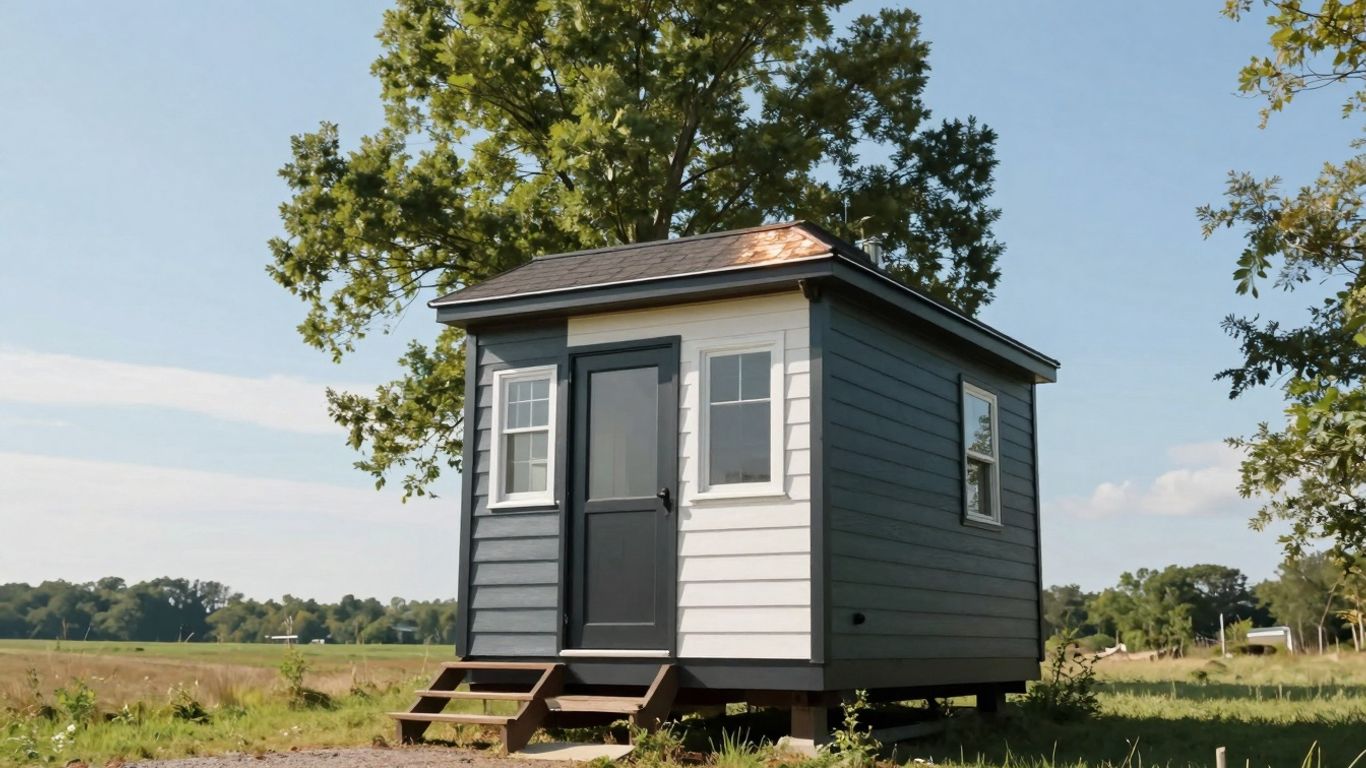
Delaware, with its mix of coastal charm and suburban appeal, is seeing a growing interest in tiny homes, not just as individual dwellings but as part of larger communities. This trend is reshaping how people think about real estate and investment in the First State. Tiny homes offer a more affordable entry point into homeownership and can be a smart way to generate income.
The Growing Trend of Tiny Homes in Real Estate
The appeal of tiny homes is multifaceted. For many, it’s about simplifying life and reducing their environmental footprint. For others, it’s a practical solution to rising housing costs. In Delaware, this translates to a demand for both individual tiny homes and organized communities where like-minded people can live. These communities often provide shared amenities and a sense of belonging, making the tiny living experience more accessible and enjoyable. It’s a shift towards more intentional living, and Delaware’s diverse landscape, from its beaches to its countryside, provides a fitting backdrop.
Maximizing Your Tiny House Investment
Thinking about a tiny house as an investment? You’re not alone. The key is smart planning and understanding the market. Accessory Dwelling Units (ADUs), for example, can add value to your existing property. While Delaware doesn’t have statewide ADU laws, local municipalities do have their own rules. Generally, ADUs are secondary, smaller residential units on the same property as a primary home, complete with independent living facilities. They’re often used for family members or as rental income.
Here’s a quick look at some general ADU considerations in Delaware:
- Size: Most counties suggest a minimum of 200-400 square feet, but always check local zoning. ADUs typically cannot be larger than the primary dwelling, often capped around 800-1,000 square feet.
- Setbacks: While not statewide, a common rule is a 5 ft minimum setback from the property line and 3 ft from the side. They’re usually required to be at least 10 ft from the main house.
- Permits: Yes, you’ll need a building permit, and potentially electrical, plumbing, and HVAC permits too.
- Incentives: Currently, there are no statewide ADU grants or financial assistance programs in Delaware, but it’s worth asking your local municipality about any pilot programs.
Tiny Homes as Vacation Rentals
Delaware’s popular beach towns and scenic countryside make tiny homes an attractive option for vacation rentals. Imagine a cozy, unique stay for tourists looking for something different from a standard hotel. This can be a lucrative venture, especially during peak seasons. However, regulations for short-term rentals can vary significantly by location, so thorough research into local ordinances is a must before you invest. It’s about finding that sweet spot between offering a charming getaway and adhering to all the legal requirements.
The flexibility of tiny homes allows them to fit into various settings, from urban backyards as ADUs to rural plots for a more secluded experience. This adaptability is a major driver of their growing popularity as both a lifestyle choice and a sound financial decision in Delaware.
Choosing the Right Tiny House Builder
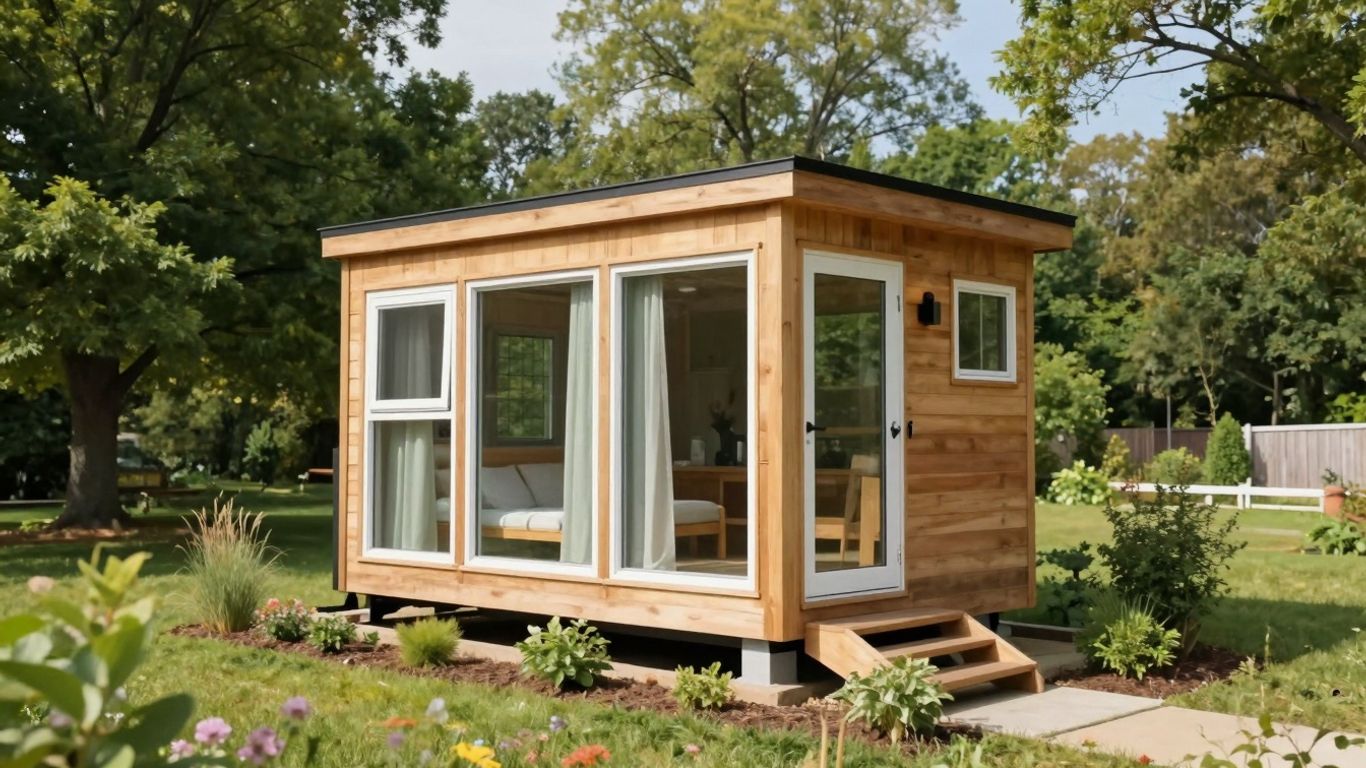
What to Look for in a Tiny Home Professional
Finding the right person or company to build your tiny house is a big deal. It’s not like picking out a new couch; this is your actual home we’re talking about. You want someone who really gets what a tiny house is all about, not just someone who builds sheds. Look for builders with a solid portfolio of tiny homes they’ve actually completed. This shows they have experience and know the ins and outs of these unique structures. Ask them about their process, from design to the final walkthrough. A good builder will be transparent and happy to explain everything.
Here are a few things to keep in mind:
- Experience: Have they built tiny homes before? How many?
- Communication: Do they listen to your ideas and explain things clearly?
- References: Can they provide contact information for past clients?
- Contracts: Is everything clearly laid out in a written agreement?
Building a tiny house is a personal journey, and your builder should feel like a partner, not just a contractor. They should be excited about your project and willing to work with you to make your vision a reality.
Builder Specializations for Delaware Tiny Homes
Delaware has its own set of rules and a particular climate, so finding a builder who understands these specifics can save you a lot of headaches. Some builders might specialize in off-grid systems, which is great if you’re planning for solar power or a unique water setup. Others might focus on weather-resistant designs, which is super important here on the coast with our humidity and occasional storms.
You might also find builders who are really good with specific materials, like reclaimed wood or modern, low-maintenance siding that holds up well in our environment. Don’t be afraid to ask potential builders if they have experience with Delaware’s building codes and any specific local requirements for tiny homes. It can make a huge difference in the long run.
Ready to Build Your Delaware Tiny Dream?
So, you’ve looked at the options and the rules for tiny homes here in Delaware. It’s definitely a journey, right? From figuring out insulation for those hot summers to understanding local zoning, there’s a lot to consider. But the good news is, it’s totally doable. Whether you’re thinking about a cozy backyard cottage or a more permanent tiny home setup, knowing the ins and outs of permits and local rules is key. Take your time, do your homework with your specific town or county, and you’ll be well on your way to making that tiny house dream a reality in the First State.
Frequently Asked Questions
What are the main rules for tiny houses in Delaware?
Delaware doesn’t have one big rulebook for tiny houses that applies everywhere. Instead, each town or county makes its own rules about where you can put a tiny house and what kind you can build. It’s super important to check with your local town hall or planning office first to see what’s allowed in your specific area. They’ll have the most up-to-date information on zoning and permits.
Can I put a tiny house in my backyard as a guest house?
Yes, you often can! These are called Accessory Dwelling Units (ADUs). Delaware towns have different rules for ADUs, but generally, they need to be smaller than your main house and meet certain size and distance requirements from your existing home. Always ask your local planning department for the exact rules in your town.
Do I need special permits to build a tiny house in Delaware?
Absolutely. Most places in Delaware will require you to get building permits before you start construction. This is to make sure your tiny house is safe and follows all the local building codes. You might also need permits for things like electricity and plumbing, so be prepared for the paperwork.
What are good building materials for a tiny house in Delaware’s weather?
Delaware can get pretty hot and humid in the summer. Using good insulation, like spray foam, is key to keeping your tiny house cool and comfortable. Strong, low-maintenance siding, such as LP SmartSide, is also a smart choice because it holds up well against changing temperatures and doesn’t warp easily. Good insulation and proper ventilation will help a lot.
Can I live completely off-grid in my tiny house in Delaware?
Living off-grid is possible, but you’ll need to plan carefully. Investing in solar panels is a great idea, especially a ground-mounted system if your tiny house is in a fixed spot. You’ll also need to think about where to store batteries, maybe in a small separate shed, to save space inside your tiny home. Make sure your water and waste systems are also set up for off-grid living.
Are tiny houses a good investment in Delaware?
Tiny houses can be a smart investment, especially with housing costs rising. They can be rented out for extra income, used as vacation spots, or simply provide affordable living. Building an ADU can also increase your property value. However, like any real estate, it’s best to research the local market and regulations thoroughly before investing.